








This article was written by Serge, MSc. Plant Biologist and Environmental Scientist with a BSc in Plant Biology and an MSc in Environmental Biology and Biogeochemistry. My background covers plant biochemistry, botany, and field research in forest and soil ecosystems. I write from real experience, not just literature.
Affiliate disclosure: This site has affiliate links, including Amazon. As an Amazon Associate I earn from qualifying purchases, at no extra cost to you.
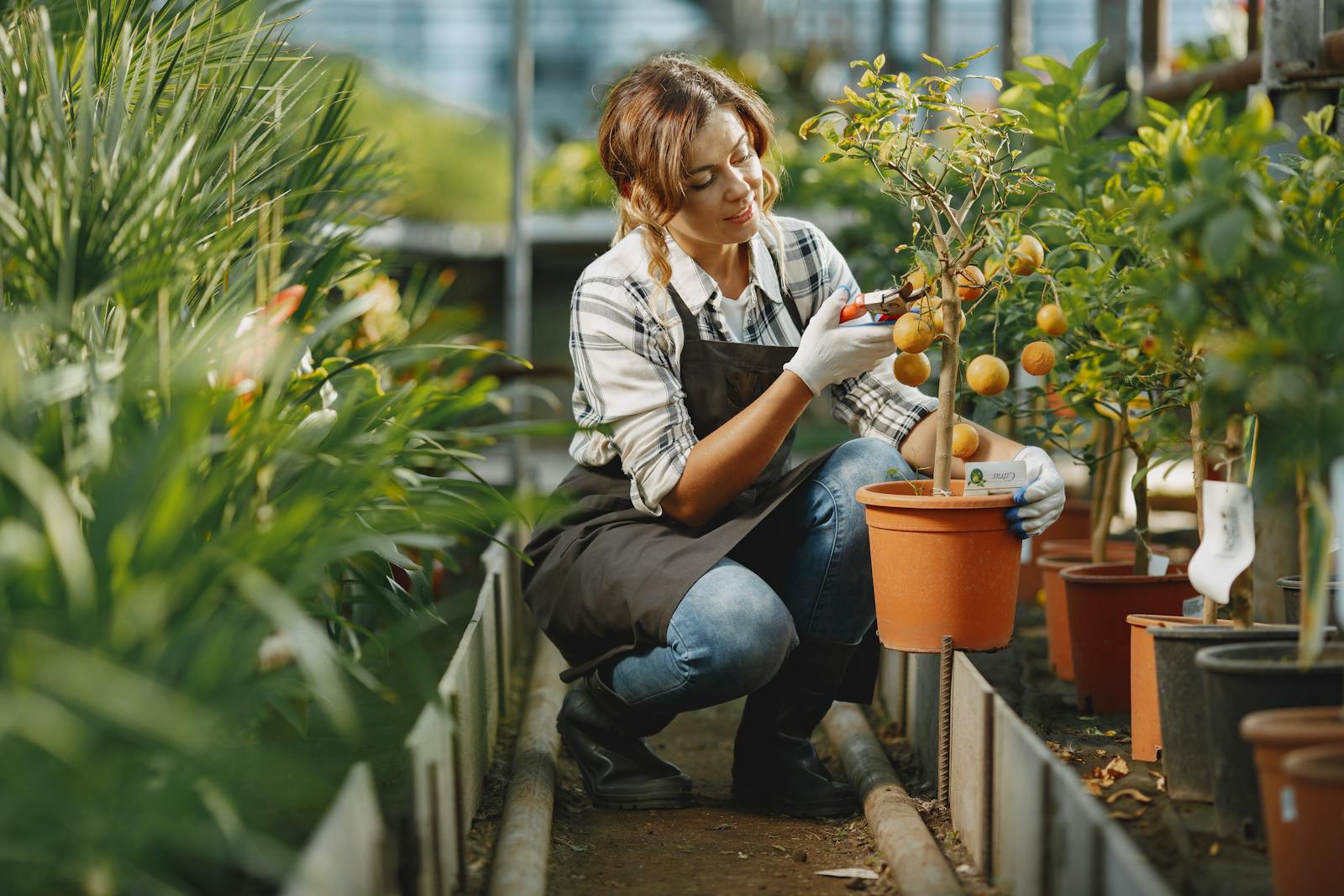
A citrus tree starts its life long before it reaches your home. After years of studying how plants grow, respond to stress, and build healthy root systems, I pay close attention to the roots and the early growth, because that is what decides how strong a tree is on the day it arrives and how well it settles in afterward.
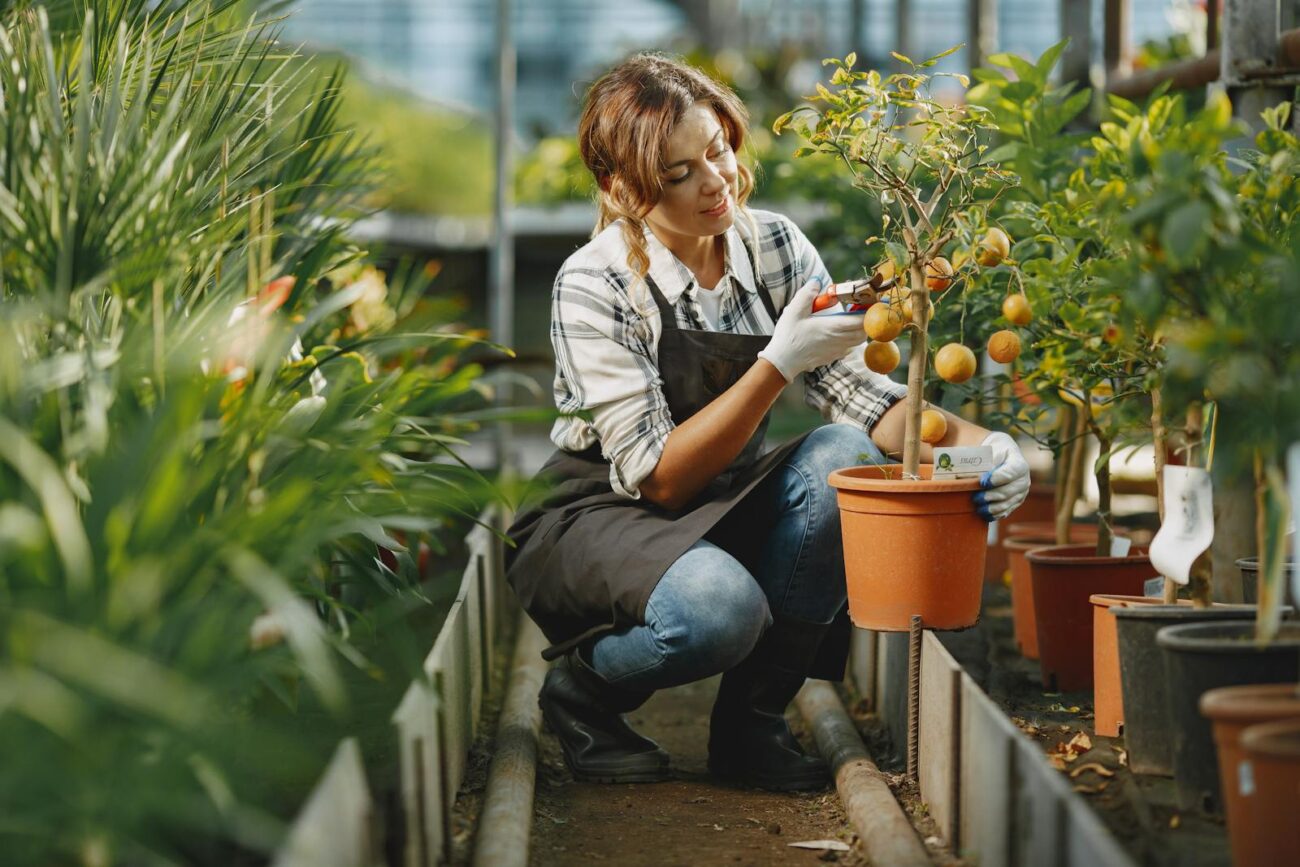
Citrus is a rewarding group to grow at home. It is evergreen, heavily scented in blossom, and, with the right light and feeding, genuinely productive even in a container on a balcony or patio. Here is a closer look at the varieties worth knowing, what citrus actually needs to thrive, and the root and pot details that make the biggest difference over the long run.
Popular Citrus Varieties
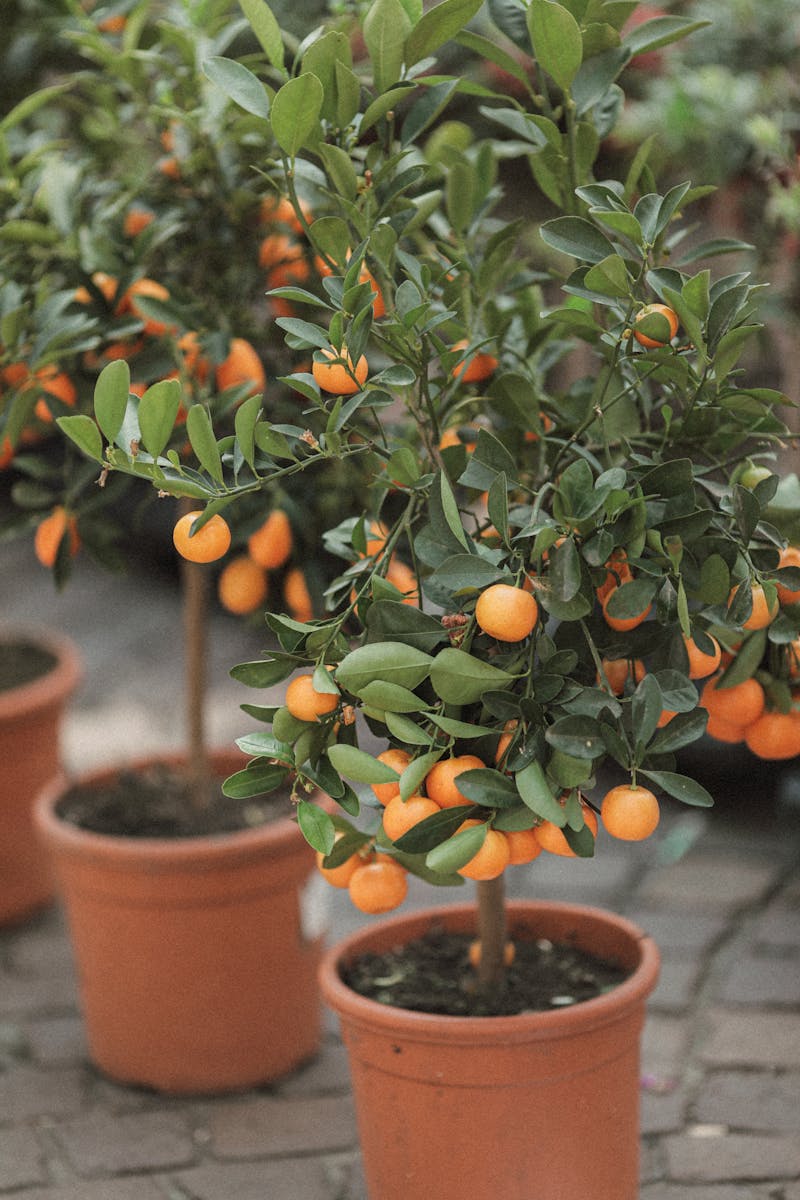
Sweet orange, Citrus × sinensis, is where most home growers start. Washington Navel is sweet, seedless, and the most forgiving for a first tree. Moro Blood Orange carries red flesh and a sweet-tart flavour on a compact frame. Valencia is the classic juicing orange and ripens late in the season. Cara Cara is a low-acid pink-red navel with a distinct flavour of its own. Dwarf Valencia gives full-sized fruit on a small tree, which suits tight spaces well.
Beyond oranges, the citrus family also covers lemons, limes, and grapefruit, Citrus × paradisi, each with its own dwarf varieties suited to pots.
Quick Comparison of Popular Orange Varieties
| Variety | Best for | Key features |
|---|---|---|
| Washington Navel | Eating fresh | Sweet, seedless, easy to peel |
| Moro Blood Orange | Colour and flavour | Red flesh, tangy-sweet taste |
| Valencia | Juicing | Juicy, ripens late |
| Cara Cara (Red Navel) | Unique flavour | Pink-red flesh, low acid |
| Dwarf Valencia | Small spaces | Compact, still productive |
What Citrus Needs to Thrive
Citrus tells you clearly what it needs. It wants strong light, 6 to 8 hours a day, free-draining roots, and a citrus-specific feed, because it is prone to magnesium and iron shortages that show up as yellowing between the leaf veins. Get those three right and it performs. Indoors or on a balcony, a south-facing spot is usually the difference between a tree that just survives and one that fruits well.
A year-long feeding schedule, adjusted for the season, is worth building into your routine rather than feeding on guesswork. Citrus has different nutrient demands while it is flushing new growth, setting fruit, and resting over winter, and matching the feed to that cycle makes a visible difference.
Roots, Pots, and Why They Matter for Citrus
A citrus tree is only as healthy as its root system, and this is the part most container growers underestimate. Since citrus so often stays potted for years rather than going in the ground, the pot itself becomes one of the biggest long-term influences on how well the tree does.
This is worth explaining properly, because the science behind it is genuine and it sits squarely in my own area of interest, root biology. In a smooth pot, roots reach the wall and circle into a tight girdling mass that slowly strangles the plant. Roots also need oxygen, not only water, so a waterlogged pot suffocates them just as surely as a dry one.
Air-pruning pot designs use an inner structure that stops roots circling and keeps air reaching the root zone. Air-pruned roots branch into a denser, healthier system, which drives better water and nutrient uptake, exactly what a citrus tree needs to support fruit. For any citrus you intend to keep in a container for years, that root structure is one of the highest-value decisions you can make at the start.
FAQs
Which citrus variety is easiest for a beginner?
Washington Navel is the most forgiving choice: sweet, seedless, and reliably productive. A dwarf variety also makes early success more likely, since it fruits sooner on a smaller frame.
Can I grow citrus indoors or on a balcony?
Yes, with dwarf varieties on size-controlling rootstocks. They stay small enough for a patio, balcony, or bright indoor spot while still producing full-sized fruit. Light is the main limit indoors, so give them your sunniest position, ideally a south-facing window or spot with 6 to 8 hours of direct light.
Why do citrus leaves turn yellow between the veins?
That pattern usually points to a magnesium or iron shortage, both common in citrus. A citrus-specific feed, applied on a regular seasonal schedule, is the most reliable fix.
Why do citrus roots need a special pot?
Because roots need oxygen as well as water. In an ordinary pot they circle the walls and the medium can stay waterlogged, both of which choke the plant over time. An air-pruning container keeps the root system open, branched, and healthy, which matters even more for a tree kept in a pot for years.
How long until a potted citrus tree produces fruit?
A well-established young tree usually fruits within two to three years, given enough light, steady feeding, and healthy roots. A dwarf variety on a good rootstock can sometimes fruit sooner.
Growing a Citrus Tree That Lasts
A citrus tree that thrives comes down to three things done consistently: enough direct light, a feeding schedule matched to the season, and a pot that keeps the roots healthy rather than circling and choking over time. Get those right from the start, whether you’re growing a single potted lemon or a small collection of oranges, and the tree does most of the rest of the work itself.

