







This article was written by Serge, MSc. Plant Biologist and Environmental Scientist with a BSc in Plant Biology and an MSc in Environmental Biology and Biogeochemistry. My background covers plant biochemistry, botany, and field research in forest and soil ecosystems. I write from real experience, not just literature.
Affiliate disclosure: This site has affiliate links, including Amazon. As an Amazon Associate I earn from qualifying purchases, at no extra cost to you.
Silver birch turns up in traditional medicine across an enormous range, Slavic folk medicine, Scandinavian and Finnish traditions, northern European herbalism going back centuries. When the same plant keeps appearing independently across that many cultures, it is worth asking what the chemistry behind the pattern is, and how much of the traditional reputation the evidence actually supports.
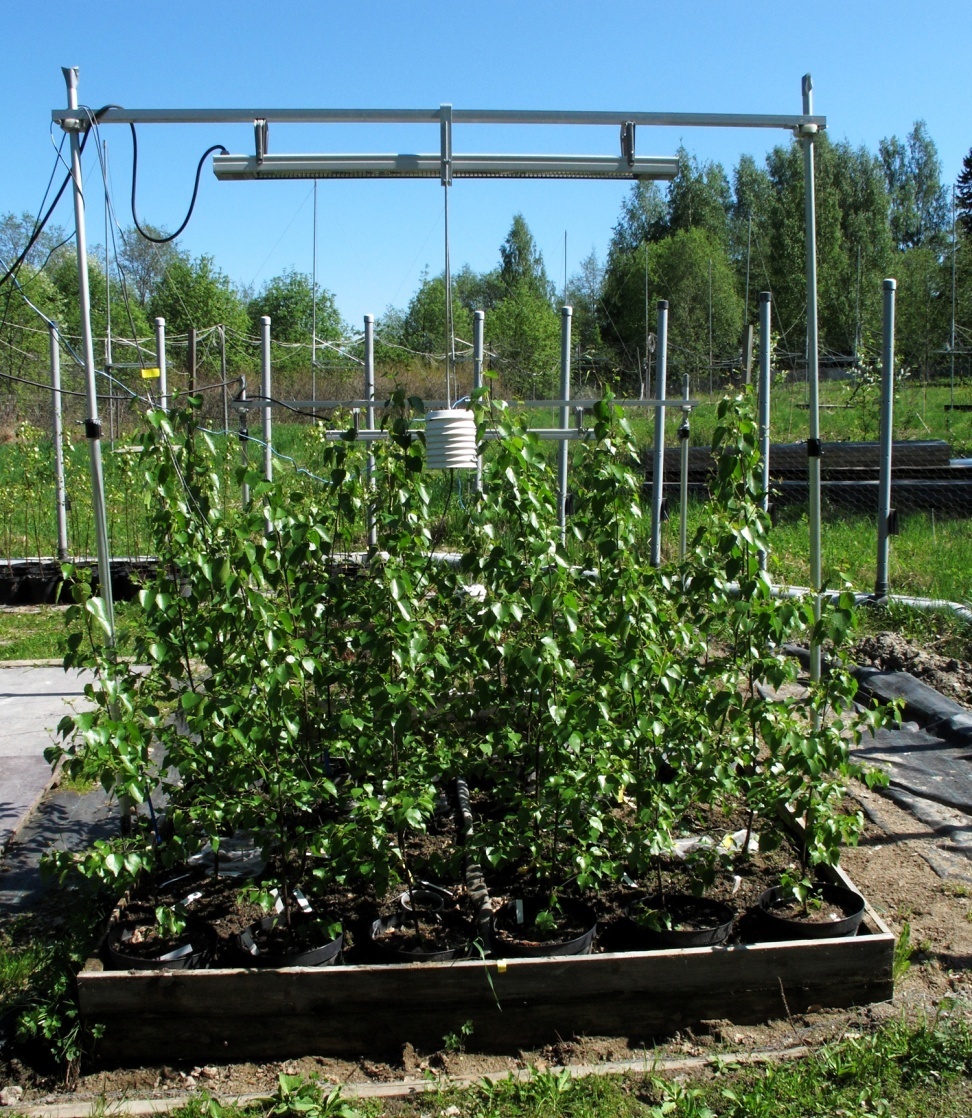
I have a particular connection to this tree. My postgraduate research measured how silver birch, Betula pendula, responds to environmental stress, elevated temperature and ozone, in open-air field conditions. I spent two growing seasons working with these trees directly, including two genotypes that responded differently to the same conditions.
That background shapes how I read the evidence here. I am confident on the plant chemistry and on how growing conditions change it, and I will keep that separate from the medical claims, which are not my field and which I report as the research and the regulators state them, not as advice.
One tree, several different products
The first thing to understand is that “birch” is not one remedy. Different parts of the tree contain different compounds and have different uses, and they are not interchangeable.
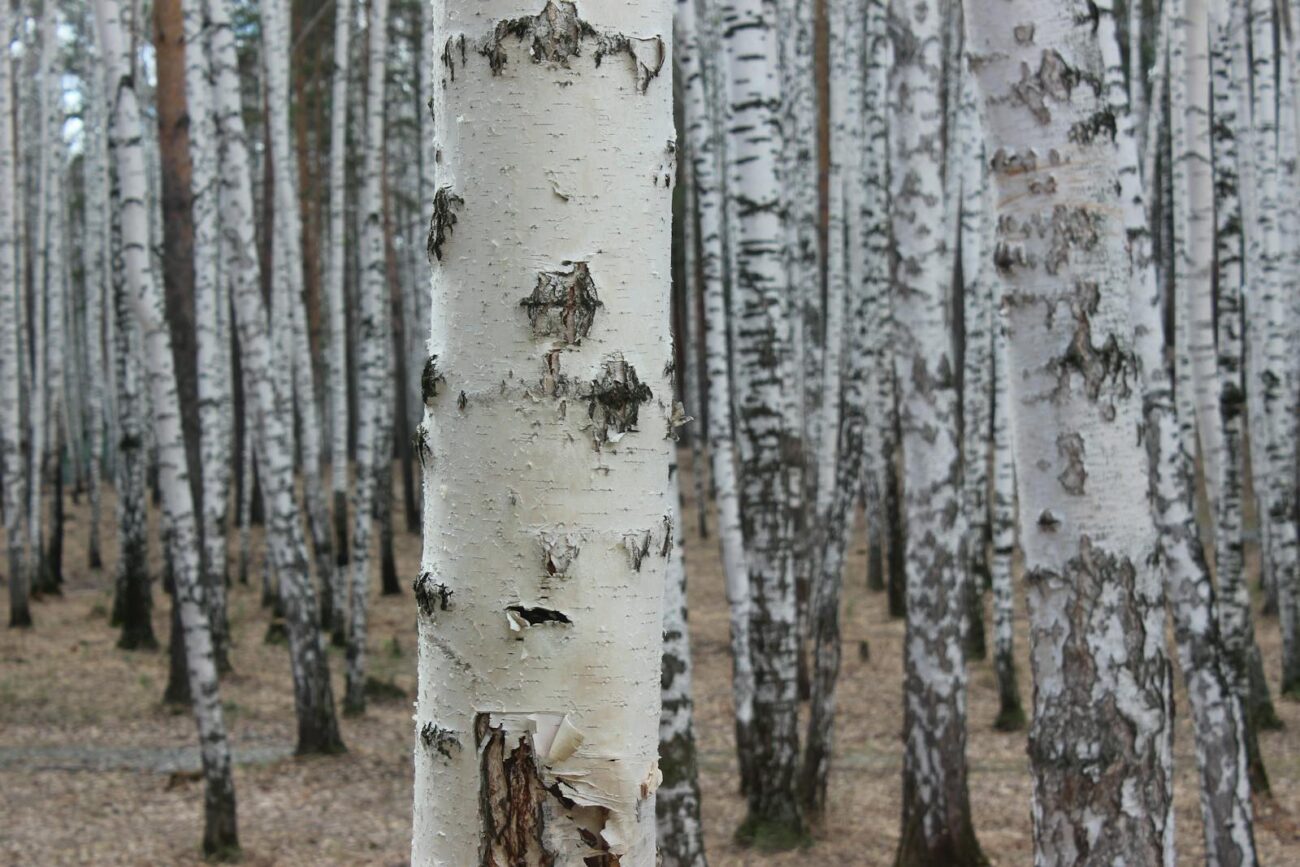
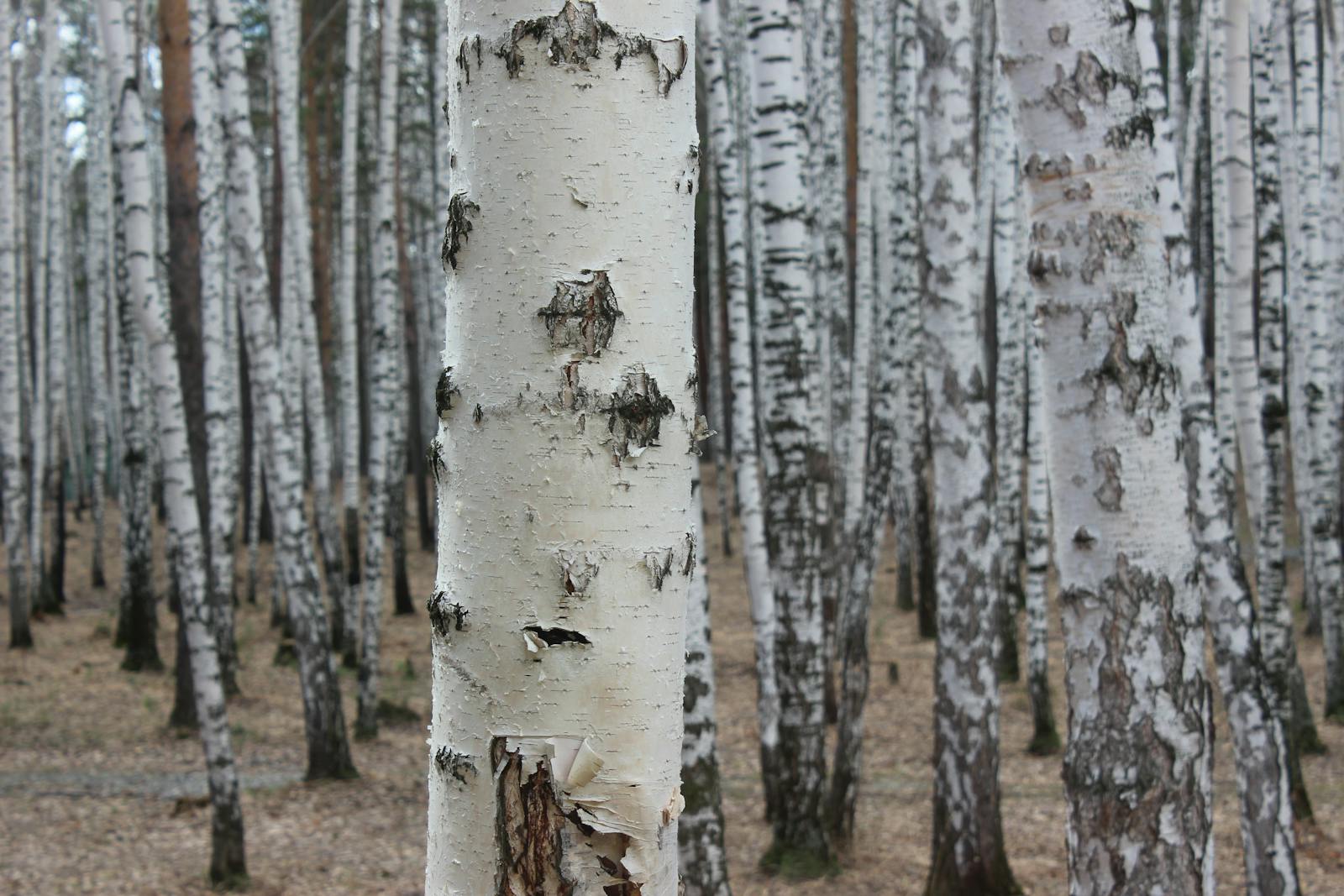
The bark is the source of betulin and betulinic acid. Betulin is a triterpene, and birch bark is unusually rich in it: research on the outer bark puts the content at around 22 percent, a remarkably high concentration for a single plant compound. Betulin is part of why birch bark is white, it sits in the cork tissue and reflects light. From the tree’s point of view it is a protective compound. From a research point of view it is a triterpene that has been studied for anti-inflammatory and antimicrobial activity.
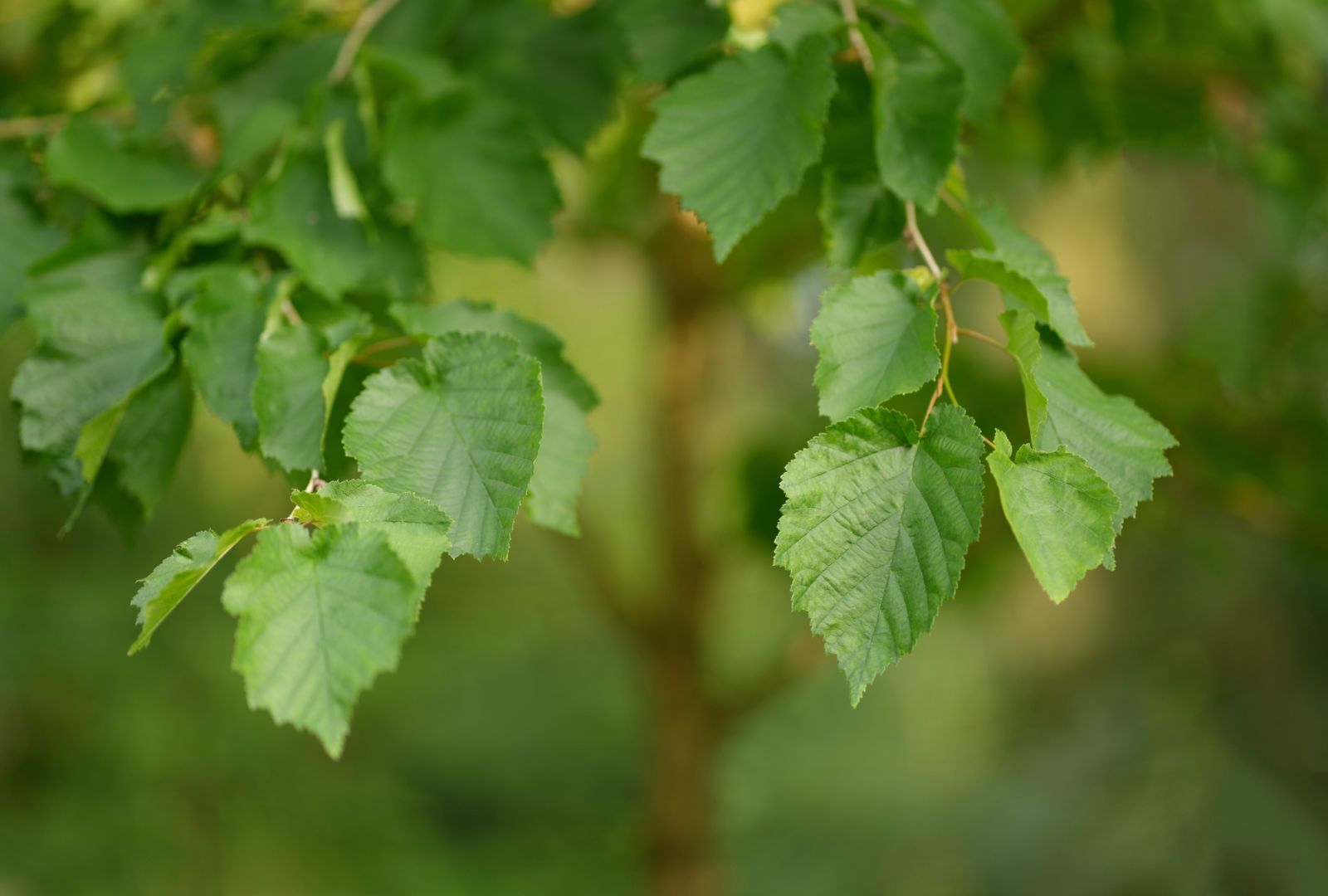
The leaves contain a different profile: flavonoids, principally hyperoside and other quercetin glycosides, along with phenolic acids and some volatile terpenoids that give birch leaf its smell. The European Pharmacopoeia standard for birch leaf requires at least 1.5 percent flavonoids. These are the compounds behind the leaf’s traditional use, and they are different chemistry from the bark’s triterpenes.
Birch sap, collected in early spring before the leaves open, is a third thing again: mostly water with sugars, organic acids, amino acids, and minerals. It is the tree moving stored nutrients upward as the growing season starts. Compositionally it is closer to a mineral-rich drink than to the bark or leaf extracts.
So the starting point for understanding birch is simply knowing which part you are talking about. They share a tree and very little else chemically.
How growing conditions change the chemistry
This is the part where my own work is directly relevant, and it is something most discussions of medicinal birch leave out.
The compounds birch produces are not fixed. Secondary metabolites like phenolics and terpenoids are partly defensive, and plants adjust how much they make in response to stress. Things like elevated ozone, temperature, drought, and competition can shift the levels of these protective compounds.
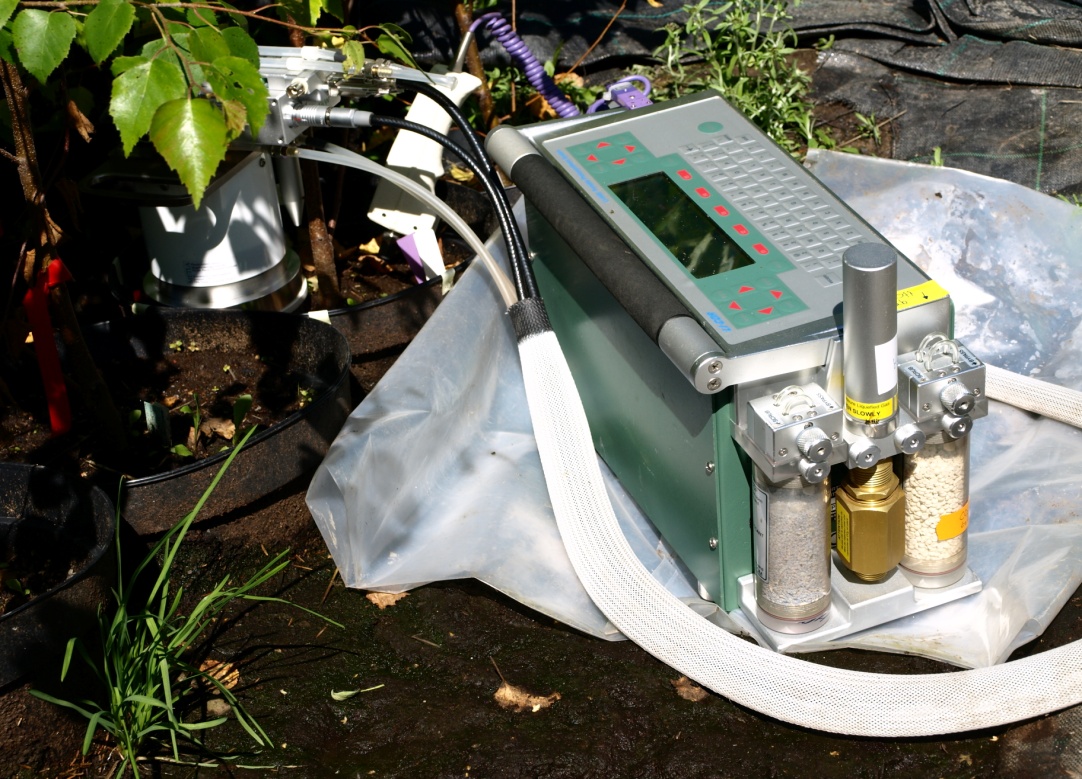
In my field research, two genotypes of the same species, grown side by side under the same elevated temperature and ozone, responded differently in their growth and in the carbon dioxide coming off their soil. The plant stress-physiology literature would predict their defensive chemistry differs too.
The practical consequence is that birch material is not uniform. Bark or leaf from a tree grown in a clean, sheltered site will not have the same compound profile as the same species from a stressed or very different environment, and different genotypes growing together can differ as well. This variability is rarely acknowledged when birch products are sold, and it is one honest reason standardised extracts, which state how much of the active compound they contain, give you more predictable material than a raw preparation of unknown origin. That is a quality-and-chemistry point, not a medical one.
What the evidence says for the traditional uses
Birch has a long record of use for urinary support, rheumatic complaints, and skin and wound care. Some of that maps onto the documented chemistry; some rests on tradition more than trials. Here is the clear split.
For birch leaf, the European Medicines Agency’s herbal monograph recognises it as a traditional herbal medicine, used to increase urine flow to help flush the urinary tract as an adjuvant in minor urinary complaints. The key word is traditional: the agency’s own summary for the public is explicit that this status rests on long-standing use, at least 30 years, rather than strong clinical-trial evidence, which it describes as insufficient. The flavonoids are thought to be the constituents responsible, and the diuretic-type effect has shown weak and mixed results in animal studies. So the fair statement is that birch leaf is traditionally used to support urine flow and is recognised by regulators on that basis, not that it treats urinary infections. It holds the same traditional-use recognition as a supportive treatment for rheumatic complaints.
For birch bark, the evidence is more concrete, and this is the genuinely interesting part. Betulin chemistry has been developed into an actual approved medicine. A birch bark extract gel, Episalvan, was approved by the EMA in 2016 to treat superficial skin wounds and minor burns in adults, the first time this birch triterpene chemistry entered mainstream therapy.
That product was later withdrawn from the EU market in 2022, but a newer birch bark extract medicine, Filsuvez, was approved by the EMA in 2022 for wounds associated with a serious genetic skin condition, epidermolysis bullosa. So the headline holds and is current: purified birch bark extract has cleared the bar of regulatory approval as a wound-healing medicine, a far higher level of validation than most herbal preparations reach. The proposed mechanism is that the extract helps skin cells move and grow across the wound.
For internal use of bark compounds, the picture is weaker: much of the betulin and betulinic acid research is from laboratory studies, and human clinical trials on oral birch preparations are limited. So the strong, approved evidence is specifically topical, in wound healing, not internal.
Birch sap has the longest folk history and the thinnest formal evidence. It is a nutritionally interesting spring drink, but the specific medicinal claims made for it are not well supported by trials. Honest framing: a traditional seasonal tonic, not a validated medicine.
Using birch sensibly
None of the above is a treatment recommendation, and birch is not a substitute for medical care. If you have a urinary infection, a wound that needs attention, or a rheumatic condition, that is a doctor’s territory, not a tea’s. With that said, here is how the preparations line up with the evidence, so you can read products honestly.
Birch leaf tea is the most traditionally supported internal form, and it is what the EMA monograph and European pharmacopoeias actually describe: dried leaves as an infusion, with the flavonoids extracting reasonably well into water. Topical birch bark preparations have the strongest evidence of any birch product, because that is where the approved wound-healing chemistry sits; standardised bark extracts with a stated betulin content are the most predictable. Birch sap is a traditional spring drink with nutritional interest. Birch bud and essential-oil preparations are more concentrated in volatile terpenoids and deserve more caution, as any concentrated essential oil does.
The single most useful habit is to read what a birch product actually is: which part of the tree, what extraction, and ideally what active-compound content. Those details are not marketing fluff, they are the difference between a preparation with a real basis and one with birch somewhere far down the ingredient list. That is a point I can stand behind from the plant-chemistry side, whatever the medical question.
Frequently Asked Questions
What is silver birch used for medicinally?
Traditionally, birch leaf has been used to support urine flow in minor urinary complaints and as supportive treatment for rheumatic ailments; the European Medicines Agency recognises the leaf as a traditional herbal medicine on the basis of long-standing use rather than strong trial evidence. Birch bark extract has a stronger, separate evidence base in wound healing, where it has reached regulatory approval as a medicine. It is not a substitute for medical treatment.
What part of silver birch is medicinal?
Different parts carry different compounds. Bark contains betulin and betulinic acid, triterpenes studied for wound healing and anti-inflammatory activity. Leaves contain flavonoids and phenolics, behind the traditional urinary and rheumatic uses. Sap contains minerals and organic acids and is more a nutritional spring drink than a specific medicine. They are not interchangeable.
Is birch sap good for you?
Birch sap contains minerals, amino acids, organic acids, and sugars, and has a long traditional use as a spring tonic in northern Europe. It has nutritional interest, but the specific medicinal claims made for it are not well supported by clinical evidence. Treat it as an interesting seasonal drink rather than a proven remedy.
Does silver birch have anti-inflammatory properties?
Birch bark triterpenes (betulin, betulinic acid) and birch leaf flavonoids have shown anti-inflammatory and antioxidant activity, much of it in laboratory studies. The strongest real-world evidence is topical, in wound healing, where birch bark extract has been developed into an approved medicine. Evidence for internal anti-inflammatory use is more limited.
What is betulin?
Betulin is a triterpene that makes up a large share of birch bark, research puts the outer-bark content at around 22 percent, an unusually high level for a single plant compound. It has been studied for anti-inflammatory, antimicrobial, and antioxidant activity, and purified birch bark extract built on this chemistry has been approved as a wound-healing medicine in Europe.
Does growing environment affect birch quality?
Yes. The protective compounds birch produces respond to environmental stress, so trees grown under different conditions, and even different genotypes growing side by side, can carry different compound profiles. This is one reason standardised extracts with a stated active-compound content give more predictable material than raw preparations from an unknown source.

