








Science-Based Botany & Environmental Biology
Hello and welcome!
I’m Serge, and I hold postgraduate degrees in Botany and Biochemistry, along with an MSc in Environmental Biology and Biogeochemistry (uef). My work focuses on understanding how plants, ecosystems, and environmental systems function at a biological and chemical level, and translating that knowledge into clear, practical insights.
My Approach
GreenBioLife is built on a simple principle: scientific understanding should be usable in real life. Rather than following hype or general advice, I analyze topics through plant biology and biochemistry, through environmental systems and processes, and through real-world ecosystem interactions. The goal is to explain how and why things work, not just what to do.
Scientific Background
My academic foundation is in Plant Biology and Biochemistry, and in Environmental Biology and Biogeochemistry. That grounding is what shapes how I read a plant, a compound, or an ecosystem.
Field Experience
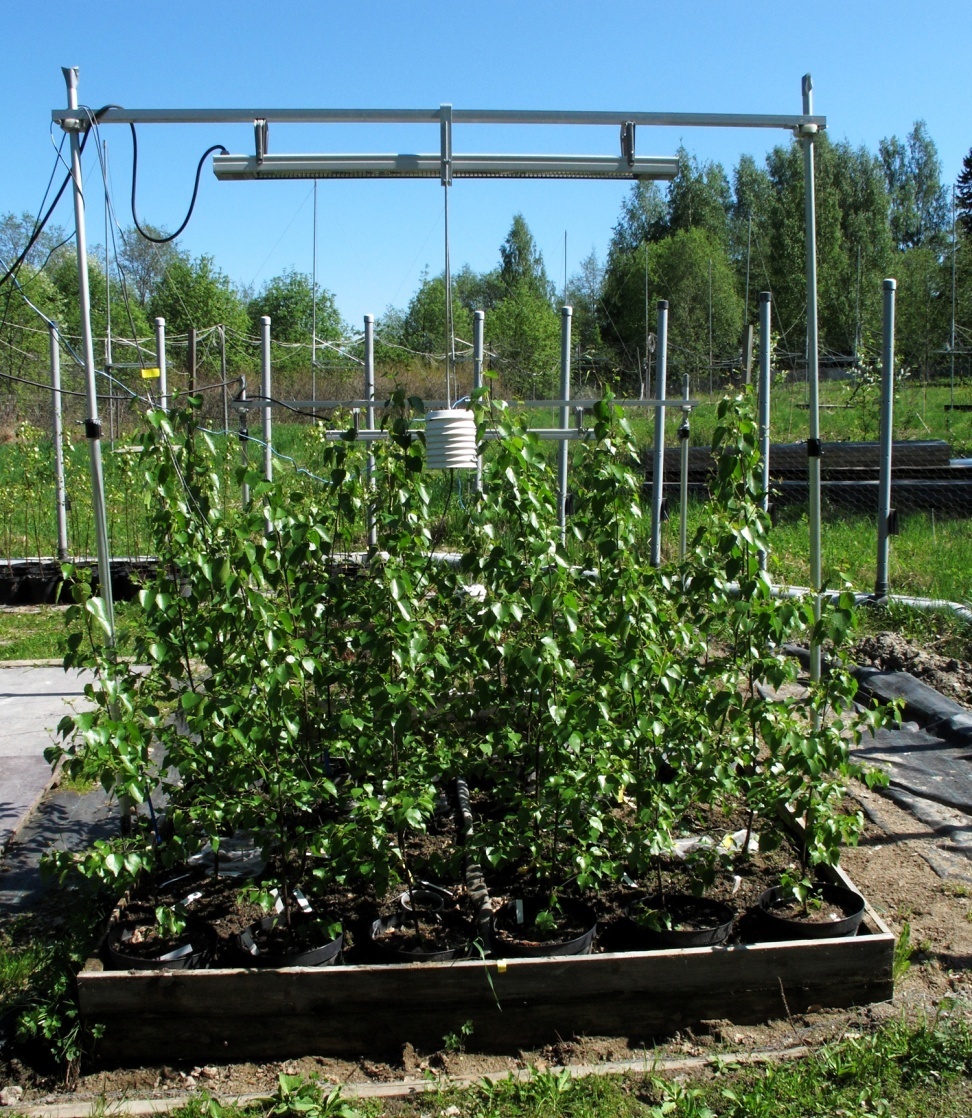
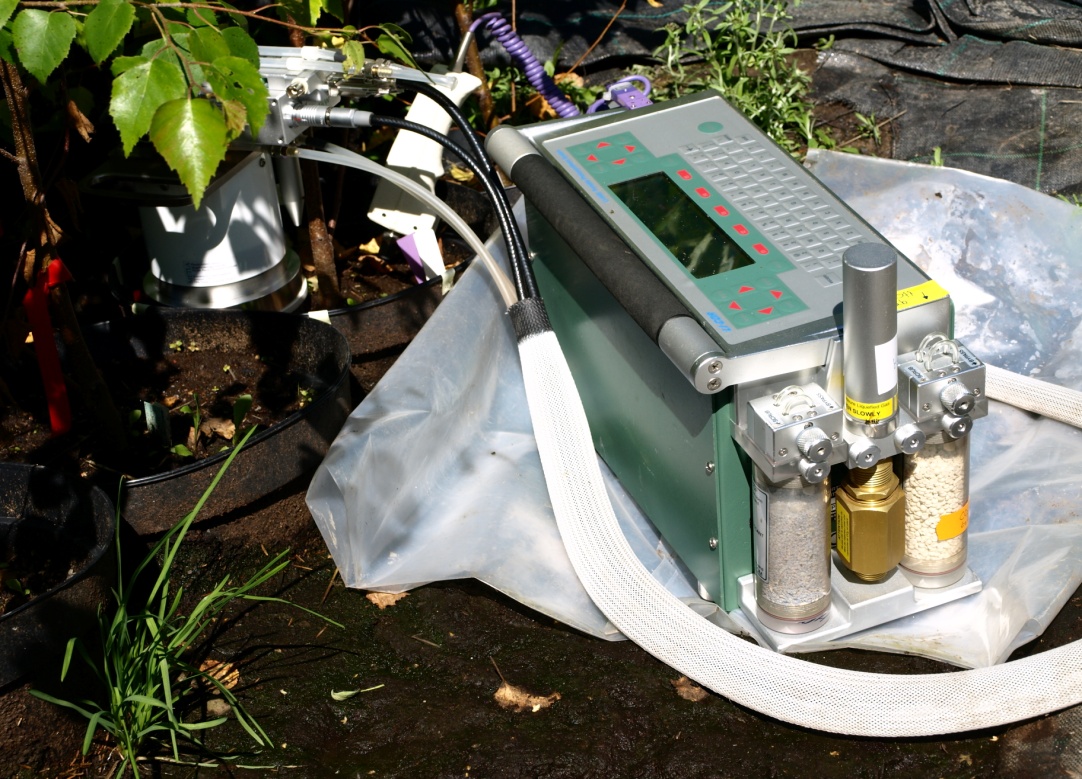
I have worked with environmental measurement systems in real-world conditions. That includes monitoring how plants respond to environmental stress such as ozone exposure, measuring soil respiration and carbon cycling, and analyzing processes at the level of a whole ecosystem. This hands-on experience lets me interpret scientific data beyond theory and apply it to real environments.
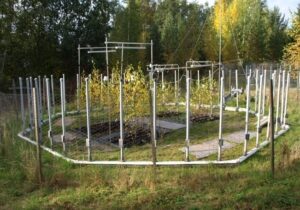
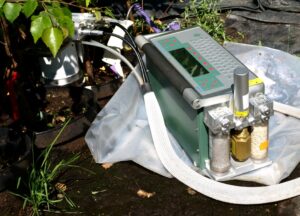
This work remains ongoing, supported by continued research, data analysis, and active engagement with current developments in plant and environmental science.
Specialized Credentials
To keep the quality of information high, I draw on my degrees and a series of extra, specialized postgraduate courses. These cover environmental risk assessment with a focus on particulate air pollution, indoor microbiology and exposure assessment, atmosphere-biosphere interactions through eddy covariance, bio-economy sustainability, quality control of chemical and environmental measurements, and the evaluation and control of environmental and occupational noise.
What GreenBioLife Stands For
GreenBioLife is about understanding plant systems and natural compounds, analyzing environmental and ecosystem processes, evaluating sustainability through science rather than hype, and connecting biology, chemistry, and real-world applications.
If you’re looking to understand plants, environments, and natural systems through a scientific lens, you’re in the right place!
To explore topics and articles, visit the homepage:
