








Try My Gardening Calculators & Planning Tools
Free, practical tools for composting, soil carbon estimates, seed starting schedules, herb harvest planning, botanical name lookup, and herbal tea preparation. Each calculator gives clear guidance using established horticultural and food-preparation references.
These tools were built by Serge, MSc., a plant biologist and environmental scientist with a background in botany, plant biochemistry and biogeochemistry, and field research in soil processes and forest ecosystems. They are for educational purposes and give practical guidance, not professional advice.
Compost & Soil Tools
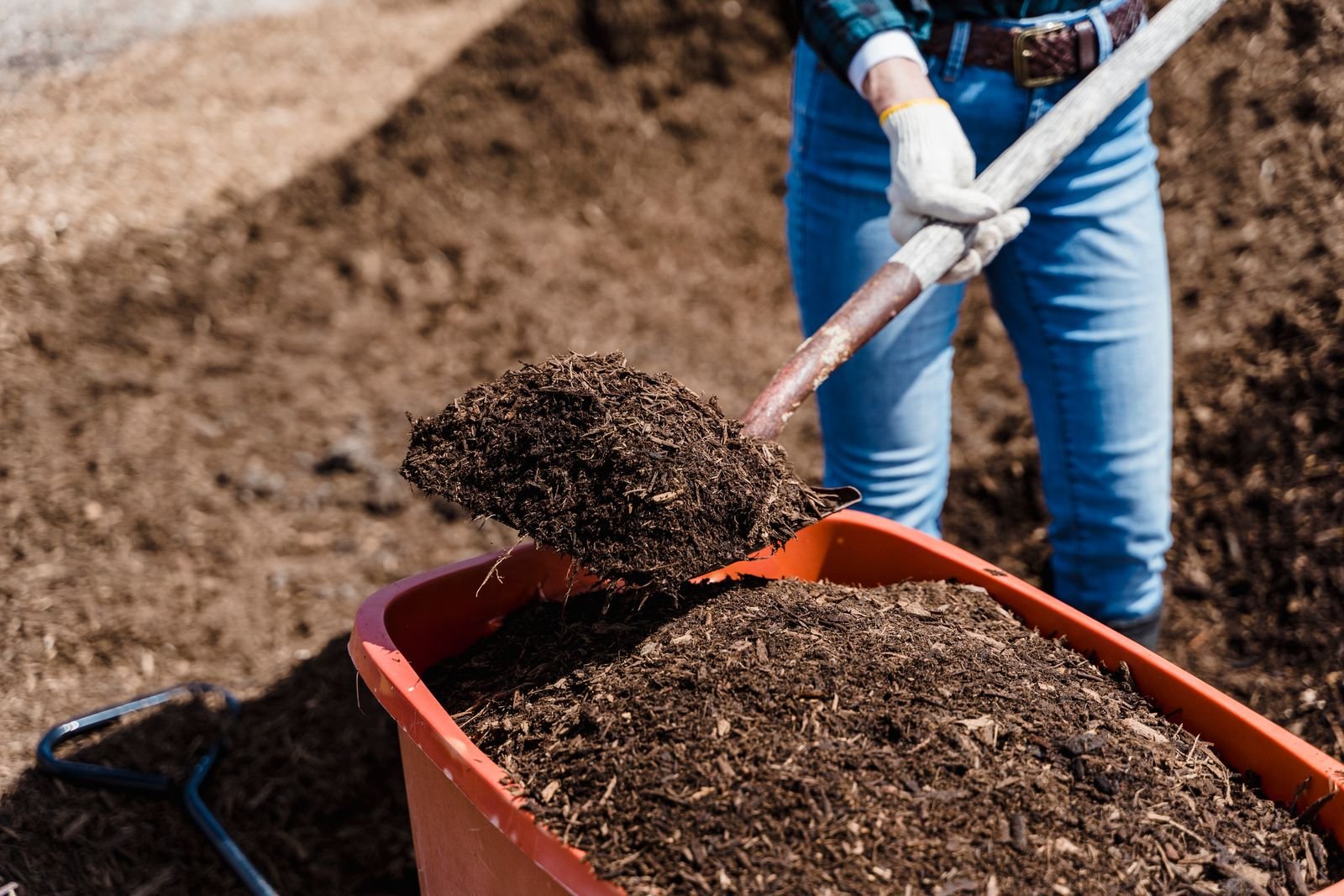
Compost Ratio Calculator
Balance carbon-rich browns and nitrogen-rich greens to help maintain an efficient compost pile and reduce common problems such as odors and slow decomposition.
Open calculator
Garden Soil Carbon Estimator
Estimate the yearly range of organic carbon your garden soil can build from your bed area and the practices you use, such as compost, cover crops and no-dig.
Open calculatorSeed Starting & Harvest Planning
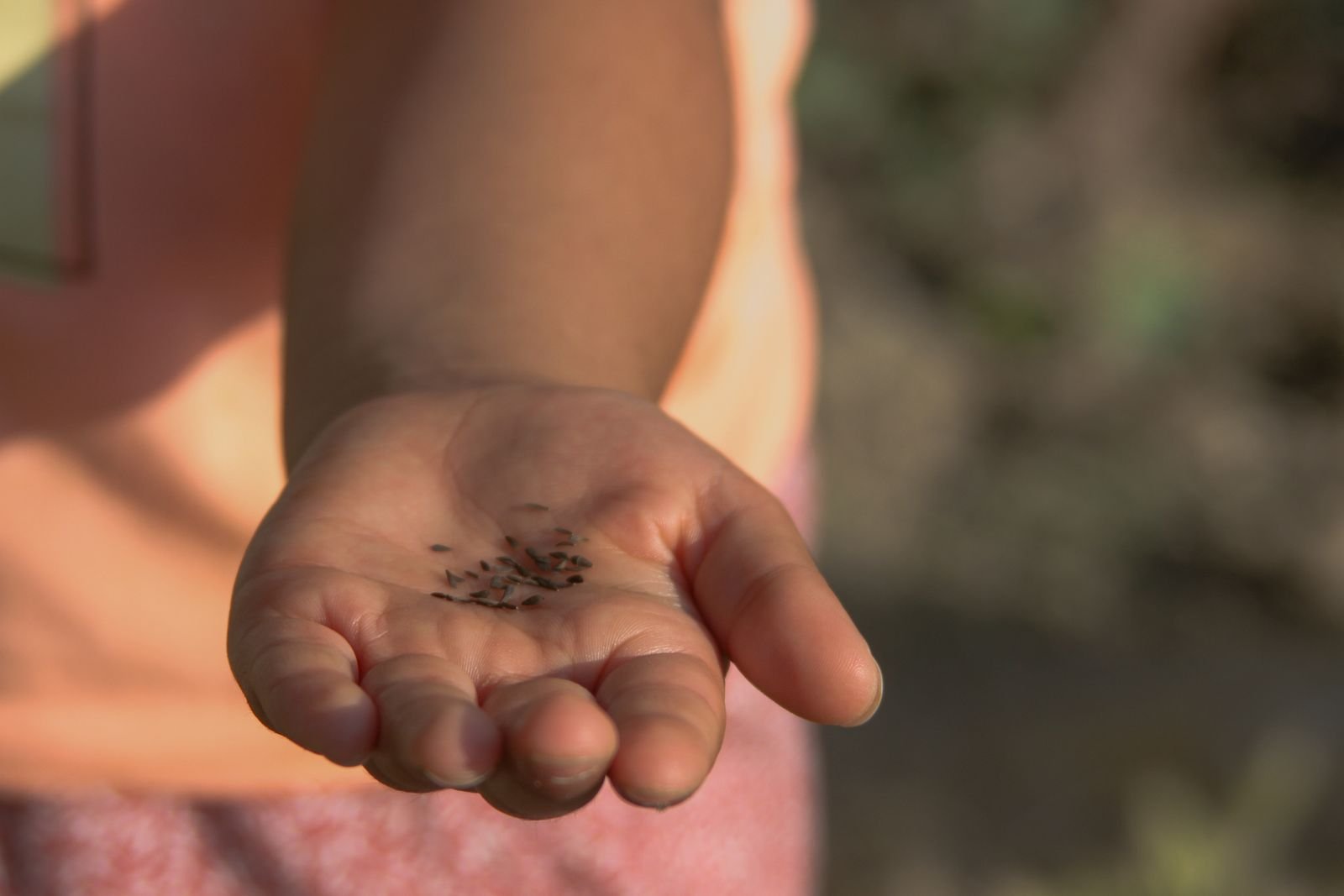
Seed Starting Calculator
Work backward from your last frost date to find indoor sowing dates, transplant timing, and outdoor sowing windows for common garden crops.
Open calculator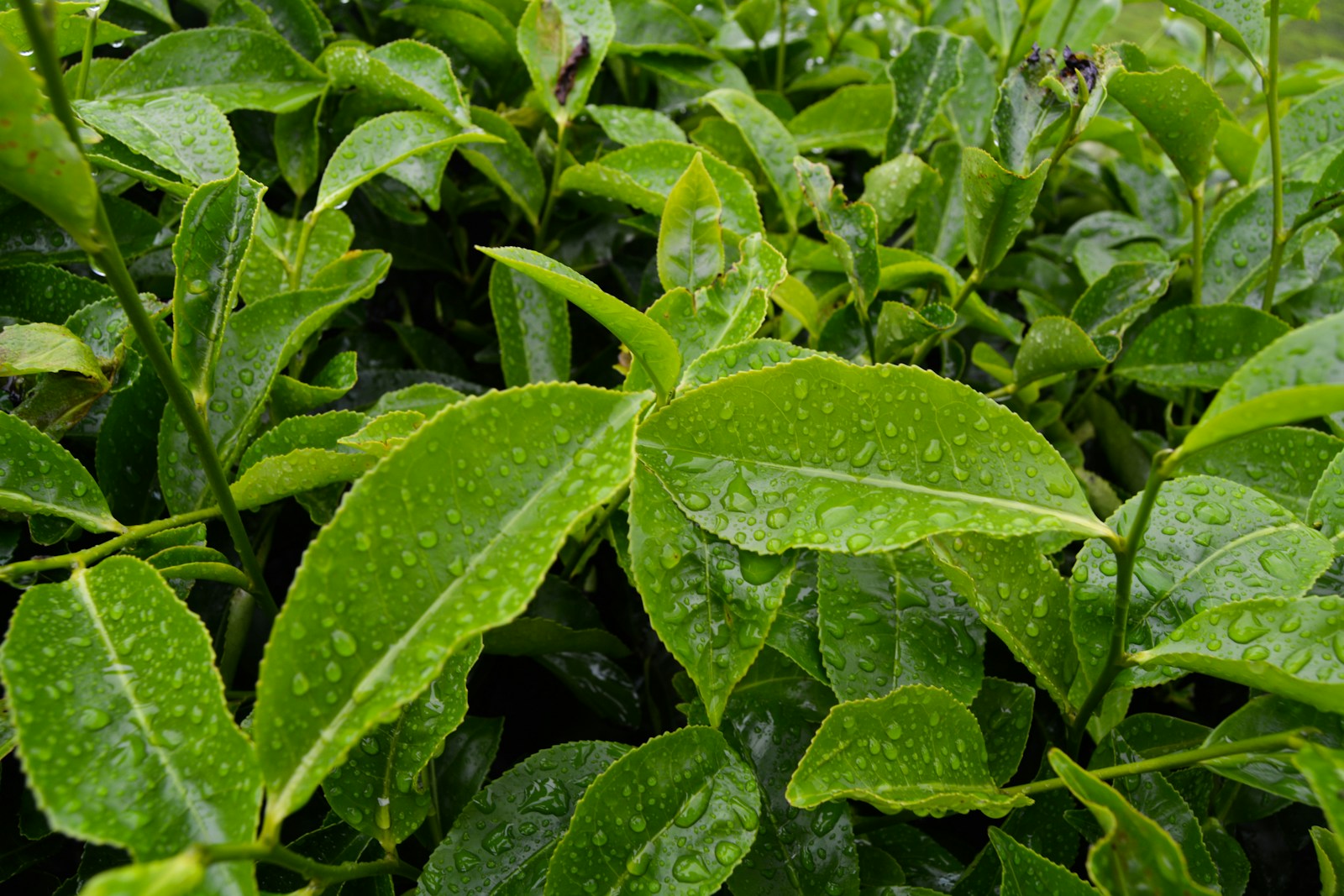
Herb Harvest Calendar
Plan the best harvest periods for culinary and medicinal herbs, including guidance on leaf, flower, and root collection timing through the growing season.
Open calculatorPlant Identification & Herbal Preparation
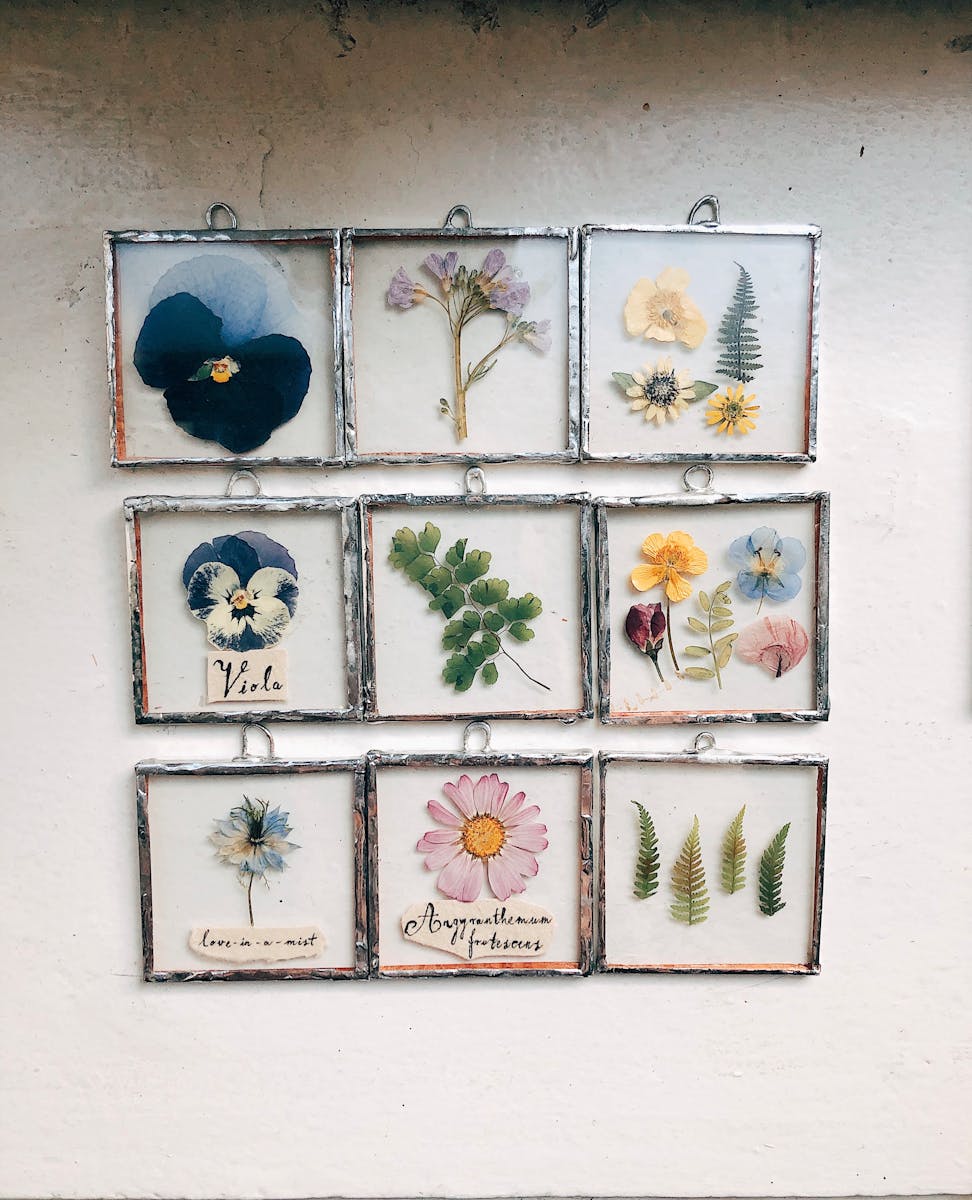
Botanical Name Finder
Look up common herb and plant names to find their accepted botanical names, plant family, and older synonyms, for clearer identification and record keeping.
Open calculator
Herbal Tea Steeping Guide
Find recommended steeping times, water temperatures, and herb-to-water ratios for a range of common herbal infusions and tisanes.
Open calculatorImportant note: These tools provide educational estimates and planning guidance. Compost performance, soil carbon content, plant growth, and herbal preparation results vary with climate, soil conditions, plant varieties, and handling methods. Always adapt the results to your local conditions and reliable horticultural guidance.
