








Fix Your Soil pH Without Guessing or Overdoing It
Find exactly how much lime or sulfur to add to reach the pH your plants want.
This tool was built by Serge, MSc., a plant biologist and environmental scientist with a BSc in Plant Biology and an MSc in Environmental Biology and Biogeochemistry. My research focused on how climate warming affects soil carbon cycling in boreal forest ecosystems. These tools are for educational purposes and give practical guidance, not professional advice.
Soil pH decides how much of the food already in your soil your plants can actually reach, so getting it right matters more than adding more fertiliser. Enter your current pH, the pH you are aiming for, your soil type, and the area, and this tool estimates how much garden lime (to raise pH) or elemental sulfur (to lower it) to apply.
Please enter your current pH, target pH, soil type and area. Current and target pH should be different.
How this works
The amount of amendment needed depends on three things: how far you want to move the pH, your soil type, and the area. Clay holds onto its pH far more stubbornly than sandy soil, so it needs roughly twice as much to shift the same amount. The tool uses the per-unit application rates published in university extension tables, scales them to your pH change and area, and gives the result in both metric and imperial so you can measure it out.
Go gradual, and always re-test
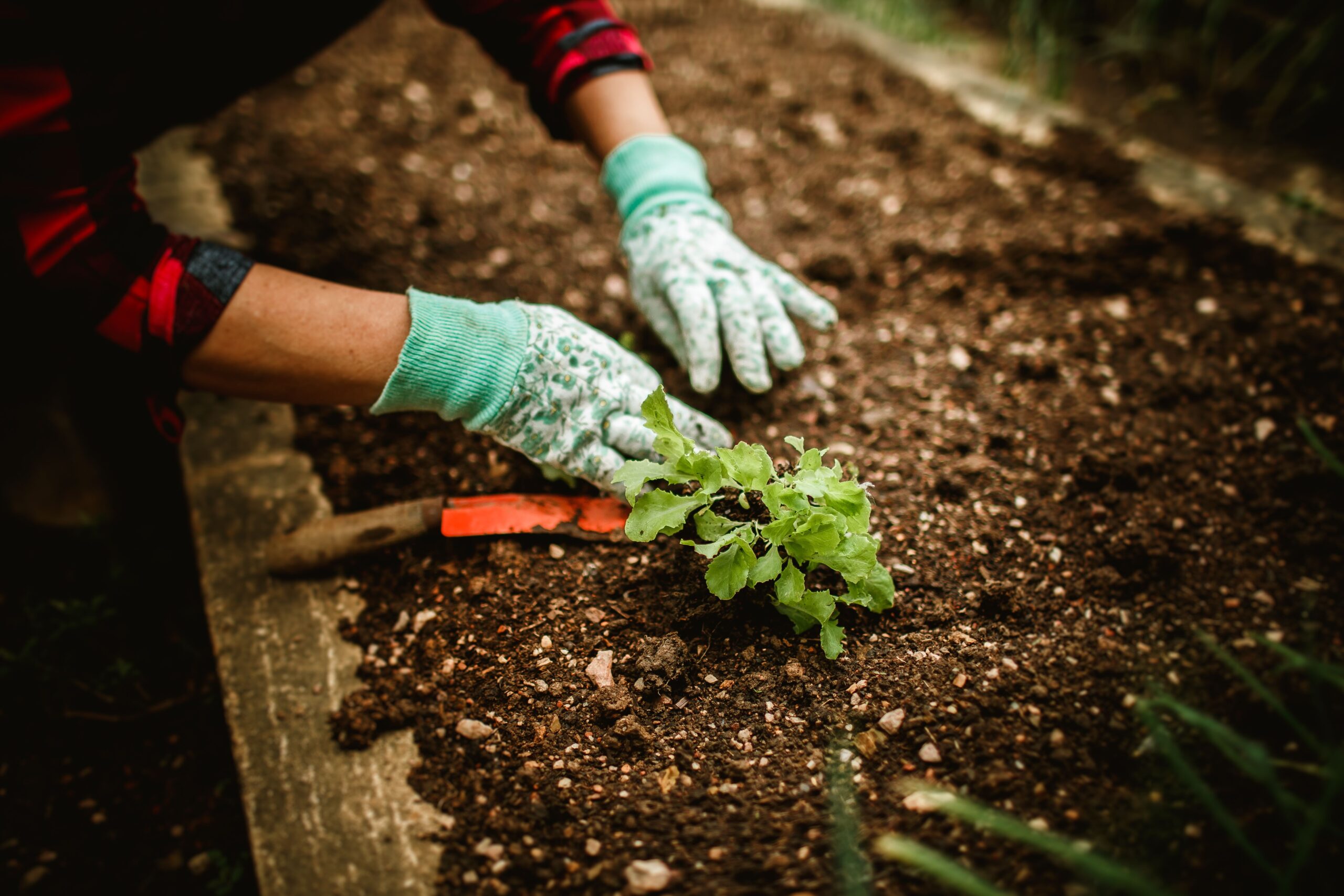
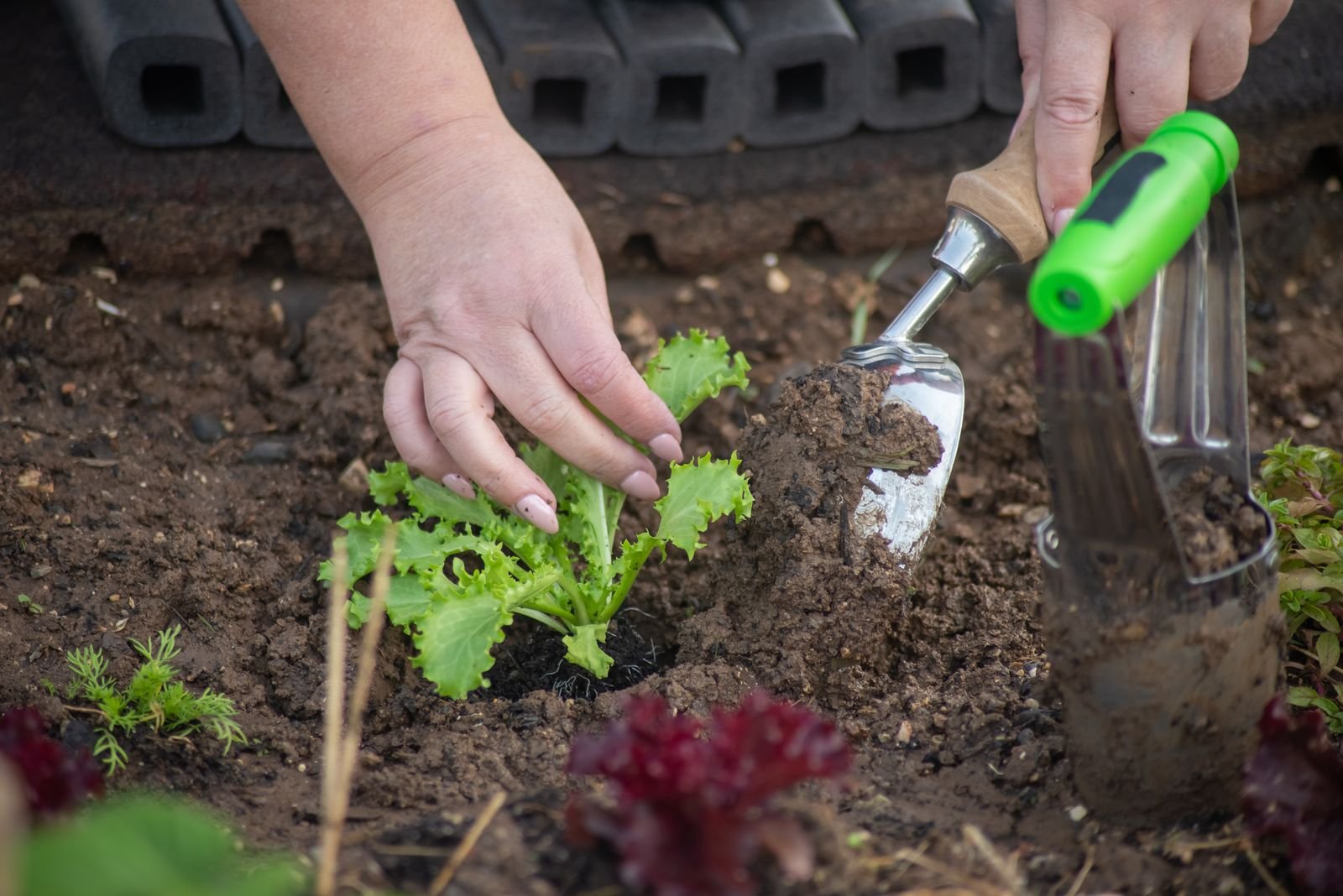
This is the one rule that protects your soil. pH moves slowly, and it is far easier to overshoot than to undo it, so apply in stages rather than all at once, work the amendment into the top fifteen centimetres, and re-test after three to four months before adding any more. For larger corrections, split the amount across two applications a few months apart. Never exceed the single-application caps on the product label.
Important note
This is an educational estimate, not a lab recommendation. The real amount varies with your soil's exact buffering capacity, its organic matter, and the purity of the product you buy, so treat the figure as a careful starting point and let a re-test guide your next step. For food grown on old industrial sites or near busy roads, a professional soil test is worth the cost.
Scientific basis
Colorado State University Extension, Soil pH (lime and sulfur rate tables): extension.colostate.edu. University of Nebraska-Lincoln Extension, Lime Use for Soil Acidity Management: go.unl.edu/limerec.
Pair this with my other free tools
Once your pH is right, check what else your soil needs with the Garden Soil Carbon Estimator and keep your beds fed with the Compost Ratio Calculator. When you are ready to sow, the Seed Starting Calculator helps you time it.
Disclaimer: This calculator gives general educational guidance only. Soil amendment needs vary with local conditions; always follow product label rates and re-test your soil before repeat applications.
