







This article was written by Serge, MSc. Plant Biologist and Environmental Scientist with a BSc in Plant Biology and an MSc in Environmental Biology and Biogeochemistry. My background covers plant biochemistry, botany, and field research in forest and soil ecosystems. I write from real experience, not just literature.
Affiliate disclosure: This site has affiliate links, including Amazon. As an Amazon Associate I earn from qualifying purchases, at no extra cost to you.
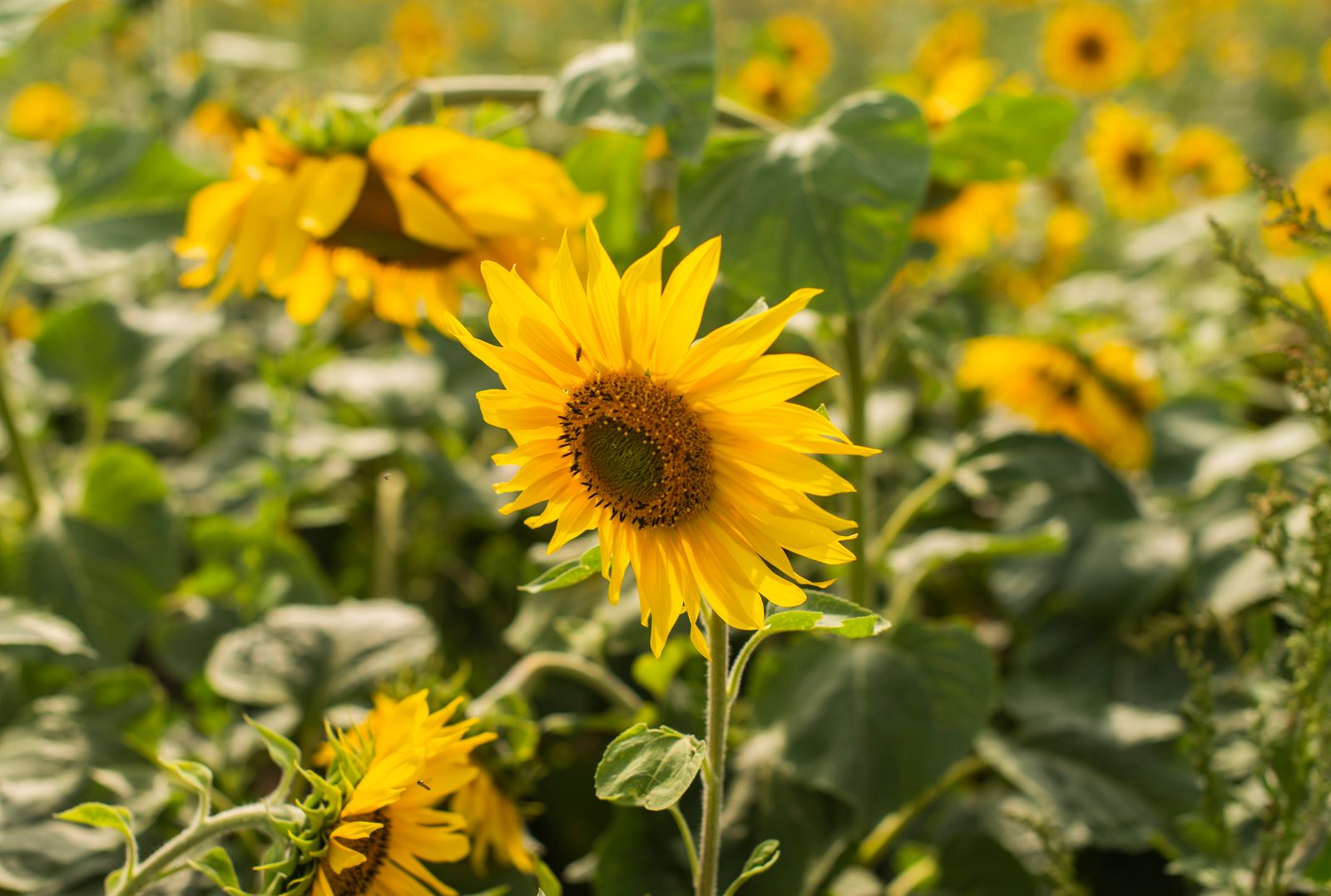
Most people think of sunflowers as cheerful straightforward plants. Tall stems, large flower heads, seeds for birds and humans. Nothing complicated.
The chemistry tells a different story.
Helianthus annuus is one of the most studied allelopathic plants in agricultural ecology. It produces secondary metabolites that suppress the germination and growth of competing plants in surrounding soil. It manipulates its own soil biology. It communicates chemically with pollinators. And it does all of this while appearing to simply stand there looking decorative.
My biogeochemistry and plant ecology training made me pay attention to allelopathy long before I thought about sunflowers specifically. The idea that plants compete not just physically through root competition and canopy shading but chemically through compounds leached into soil is one of the more interesting aspects of plant community ecology. Sunflower is the textbook example.
What Helianthus annuus Is
Helianthus annuus is an annual flowering plant in the Asteraceae family native to North America. Indigenous North American peoples cultivated it for thousands of years before European contact primarily for its oil-rich seeds.
The flower head most people recognise is a composite of hundreds of individual florets. The outer yellow ray florets are sterile and function purely for pollinator attraction. The inner disc florets are fertile and produce the seeds.
Young sunflower stems show heliotropism, tracking the sun across the sky during the day through differential growth driven by auxin hormone redistribution. Once the plant reaches maturity and flowering begins this stops and the flower head fixes facing east.
The Allelopathic Chemistry
Allelopathy is the release of chemical compounds by one plant that inhibit or stimulate the growth of other plants. Helianthus annuus is strongly allelopathic through multiple compound classes released through different pathways.
Sesquiterpene lactones are the primary allelopathic compounds. Dehydrozaluzanin C, annuolide, and heliannuol compounds leach from decomposing sunflower tissue into soil where they inhibit seed germination and root elongation of competing plant species. These are terpenoid compounds produced through the MVA isoprenoid pathway, the same biosynthetic route that produces withanolides in ashwagandha and ginsenosides in ginseng. The ecological function is direct chemical competition.
Phenolic acids including chlorogenic acid, caffeic acid, and scopolin also leach from sunflower roots and decomposing plant material into rhizosphere soil. These phenylpropanoid compounds inhibit soil enzymes involved in nitrogen cycling and suppress mycorrhizal fungal colonisation of competing plant roots.
By disrupting the soil biology that competitor plants depend on, sunflower creates a chemically hostile environment extending well beyond its physical root system.
What a Recent Boreal Zone Study Actually Found
Most allelopathy research on sunflower has been conducted in warm climate zones. A peer-reviewed study published in 2025 investigated sunflower allelopathy specifically in boreal climate conditions in Lithuania, which is directly relevant because sunflower cultivation is expanding into northern regions including Scandinavia and the Baltic states. You can read the full study here.
The findings are worth discussing in detail because they add important nuance to the general allelopathy story.
The study tested aqueous extracts from different sunflower plant parts, leaves and stems, heads, and roots, at different growth stages, flowering and ripe, on spring barley and spring wheat germination and physiological parameters.
Extract concentration was the strongest factor. It explained 62 to 68 percent of germination variability in barley. That tells you something important. The allelopathic effect is strongly dose-dependent. Small amounts of sunflower extract had different and sometimes stimulating effects compared to high concentrations. This is consistent with the dose-response principles my ecotoxicology training covered directly. The same compound inhibiting at high doses and stimulating at low doses is a well-documented biological pattern.
Flowering stage extracts were more inhibitory than ripe stage extracts. The study found flowering sunflower extract inhibited spring barley and spring wheat germination by 33 to 44 percent and 33 to 41 percent respectively compared to ripe stage extract. This makes biochemical sense. The polyphenol and flavonoid content data in the study showed that flowering sunflower heads had the highest total flavonoid content at 39.3 mg rutin equivalent per gram. As the plant ripens these concentrations shift, with root concentrations increasing while above-ground parts decrease.
I find the root versus above-ground dynamics particularly interesting. By the ripe stage the root extract contained 19.0 mg rutin equivalent per gram of flavonoids compared to 9.4 at the flowering stage, a more than doubling of root flavonoid content during ripening. The plant is redistributing its allelopathic chemistry toward the root zone as it completes its life cycle, exactly where it would have the most competitive effect on neighbouring plants establishing in the soil around it.
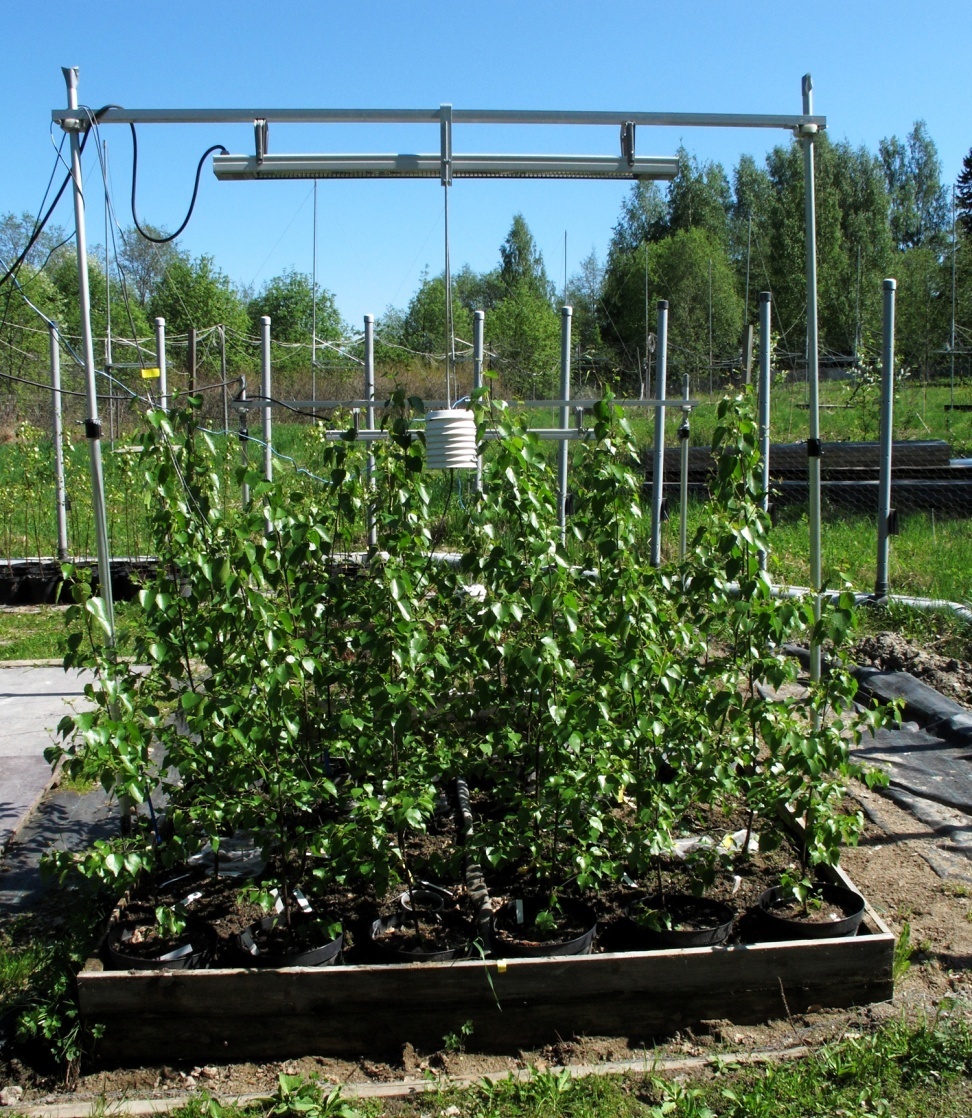
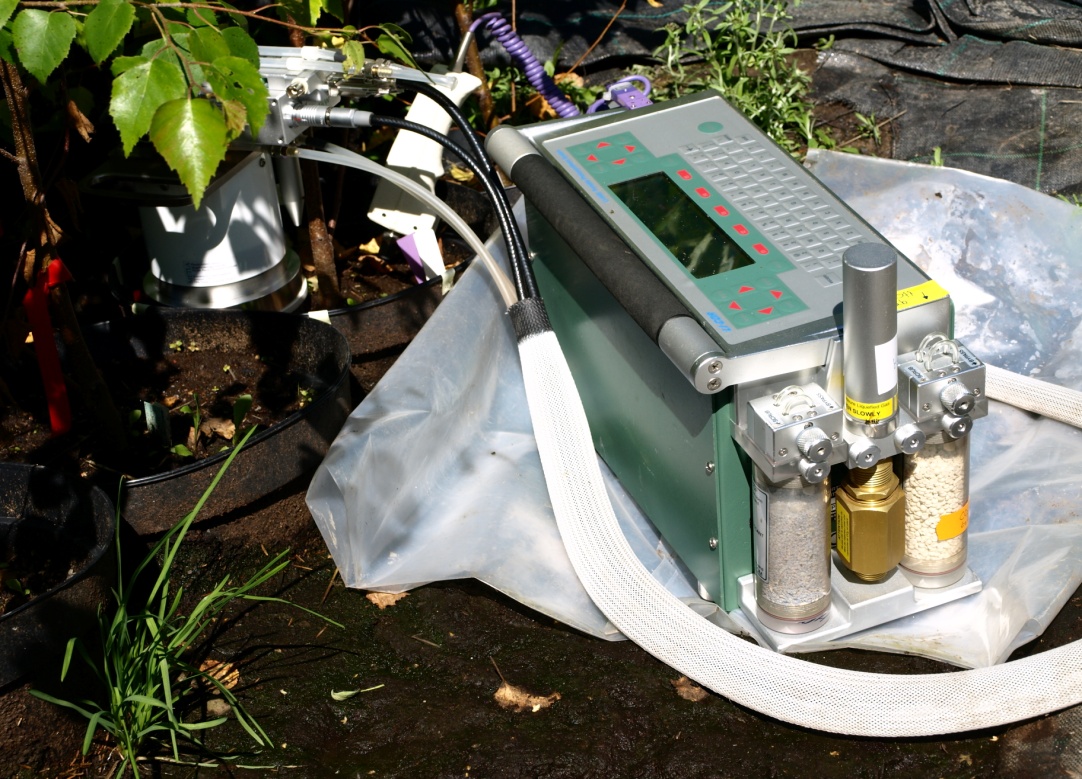
The boreal climate context matters too. My own field research in Finland measuring silver birch responses to ozone and temperature stress gave me direct experience of how boreal environmental conditions affect plant physiology and chemistry. The Lithuanian study authors specifically note that sunflowers growing in new boreal soil and climate conditions may express different allelopathic potential than those in warm climate zones. That is an open research question with practical relevance as sunflower cultivation expands northward under changing climate conditions.
How Long Allelopathic Effects Last
This is practically important for anyone rotating sunflowers through a garden or agricultural system.
The allelopathic compounds persist in soil after the plant dies. Sesquiterpene lactones and phenolic acids bind to soil organic matter and clay particles where they remain biologically active for weeks to months depending on soil temperature, moisture, and microbial community composition.
My biogeochemistry training covered soil organic matter dynamics and compound persistence directly. The same factors determining how long carbon compounds persist in soil, temperature, moisture, pH, and microbial activity, determine how long allelopathic compounds remain active.
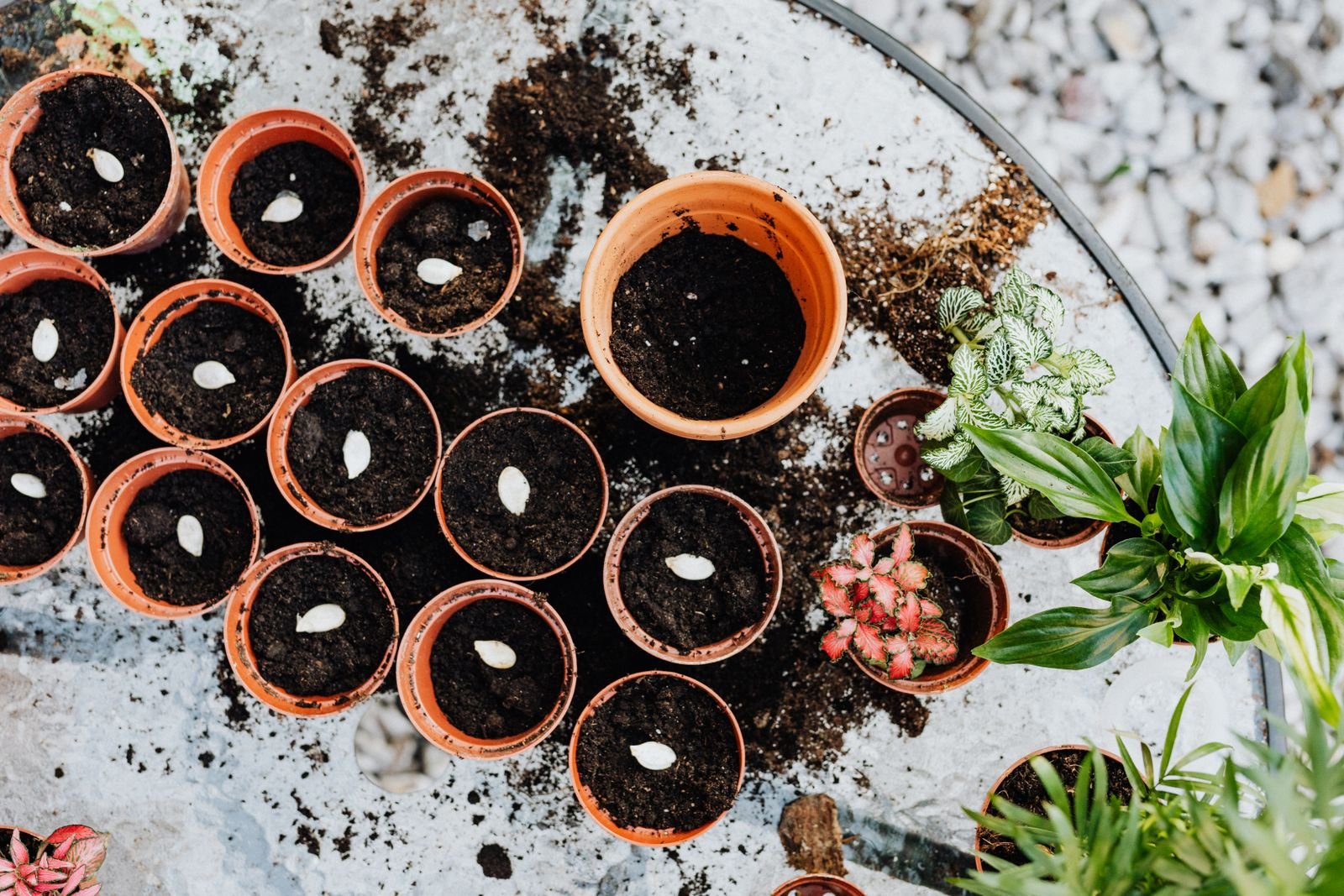
Research suggests allelopathic inhibition from sunflower residues can persist for six to eight weeks in warm conditions and significantly longer in cold or dry soils. Planting sensitive species immediately after sunflowers in the same bed risks exposing them to residual allelopathic activity.
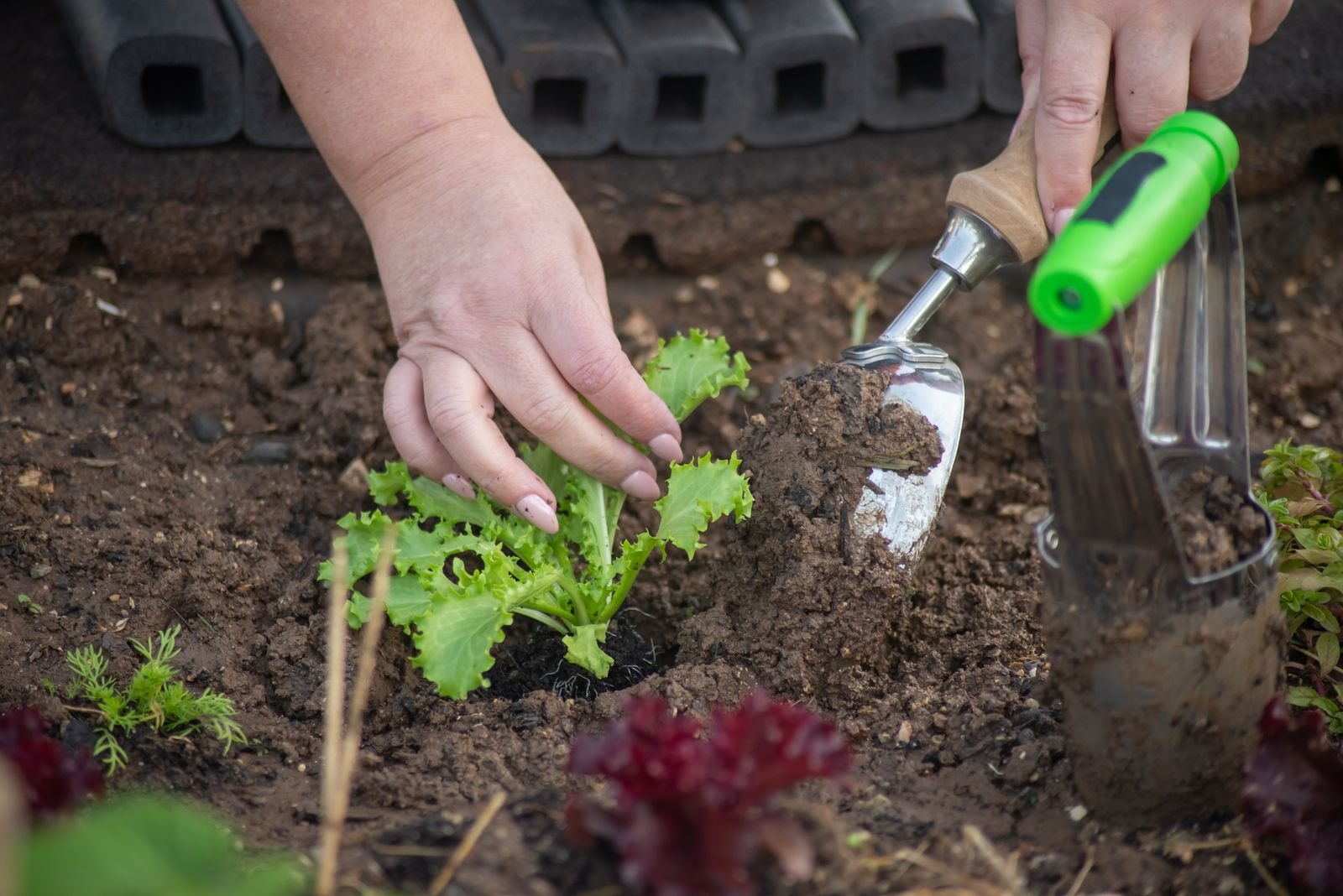
Plants most sensitive to sunflower allelopathy include lettuce, tomato, pepper, and several grass species. Maize shows moderate sensitivity. Legumes vary considerably by species.
The Soil Biology Effects
The allelopathic chemistry does not just affect competing plants directly. It reshapes the entire soil biological community around the sunflower.
Phenolic acids from sunflower roots suppress mycorrhizal fungal colonisation. Mycorrhizal networks help competitor plants access phosphorus and water from soil volumes the competitors cannot reach directly. By suppressing the fungal network competitors depend on, sunflower is not just inhibiting competing plants chemically. It is dismantling the biological infrastructure those plants need to survive.
This multi-layered ecological strategy is what I find most interesting about allelopathic plants. Direct germination inhibition, soil enzyme disruption, and mycorrhizal network suppression all operating simultaneously and reinforcing each other.
The Pollinator Chemistry
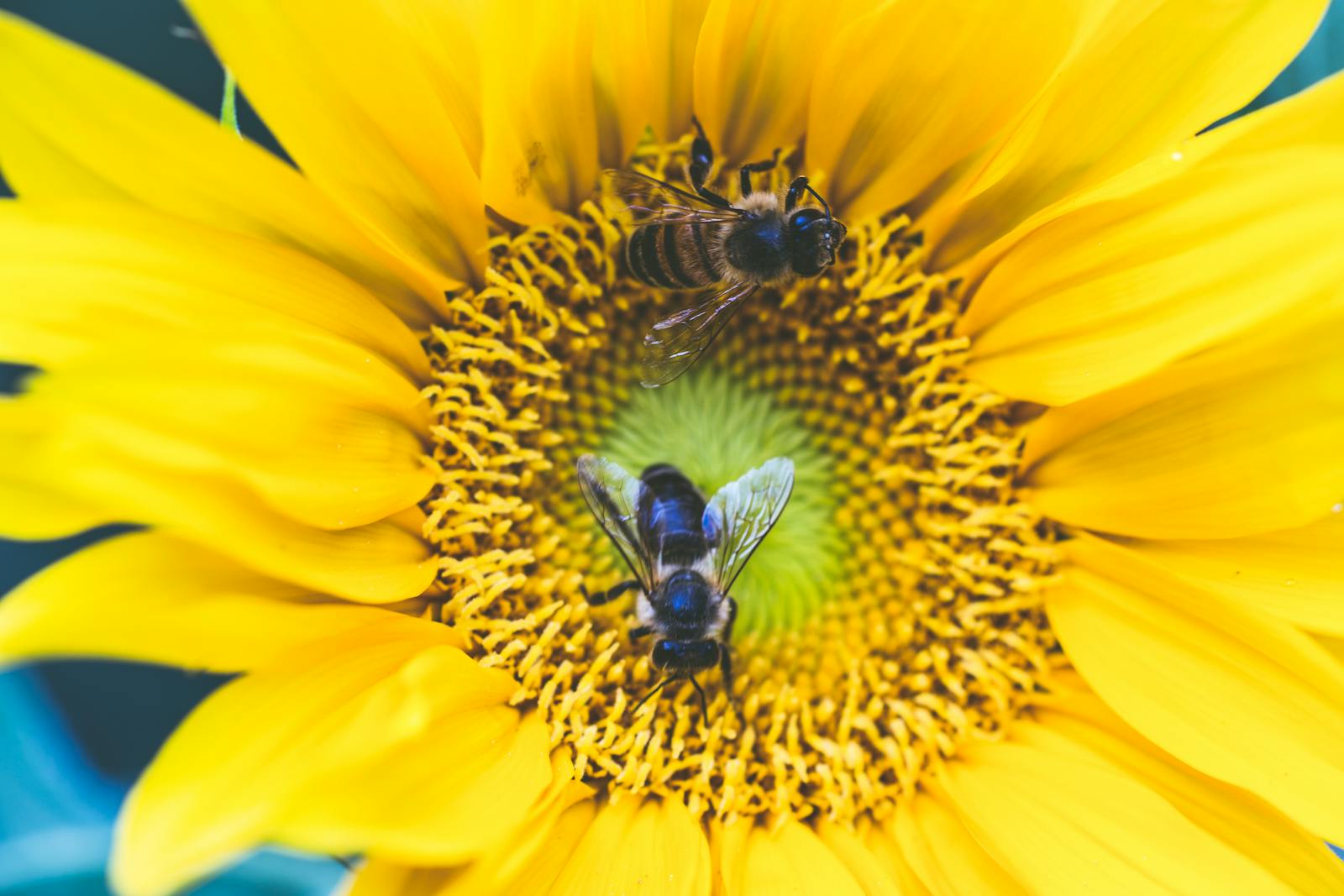
The yellow ray florets contain flavonoids that absorb UV radiation. Bees see UV wavelengths humans cannot. The UV-absorbing flavonoid pattern on sunflower petals creates a bullseye visible to bees but invisible to us, directing pollinators toward the fertile disc florets where pollen and nectar are located.
The nectar of Helianthus annuus contains phenolic compounds including chlorogenic acid. Research suggests these compounds at low concentrations may affect pollinator behaviour similarly to the caffeine in coffee flower nectar I discussed in my Coffea arabica article. Plant secondary metabolites in nectar influencing pollinator memory and return visits appears across multiple plant families with completely different evolutionary histories.
Sunflower in Garden Ecology
The allelopathic properties have direct implications for garden management.
Sunflower height and structure provide shade and wind protection for shorter plants. The flower heads attract pollinators benefiting surrounding crops. But root exudates and decomposing tissue can simultaneously suppress germination and early growth of neighbouring plants.
Sunflower placement matters. Growing them at the border of a garden rather than intercropped through it reduces allelopathic exposure to sensitive vegetables. Removing plant debris promptly at end of season reduces soil allelopathic compound loading. Avoiding planting sensitive species in sunflower beds for six to eight weeks after incorporating plant residues reduces germination failure from residual compounds.
The Lithuanian boreal zone study adds a practical note worth highlighting. At low extract concentrations of 25 percent, the root to shoot ratio of both barley and wheat was sometimes stimulated rather than inhibited. This dose-dependent pattern suggests that very low levels of sunflower allelopathic compounds in soil may not always be harmful and could occasionally have minor stimulatory effects on certain parameters. The inhibitory effects become consistent and significant as concentration increases. Distance from the sunflower and time after incorporation both affect the concentration of allelopathic compounds neighbouring plants are exposed to.
Why Plants Invest in Allelopathic Chemistry
Producing sesquiterpene lactones and phenolic acids requires carbon resources that could alternatively go toward growth or reproduction.
My plant ecological stress physiology training covered resource allocation trade-offs directly. The investment makes evolutionary sense in competitive environments where establishing a resource-reduced zone around the plant provides fitness benefits outweighing the metabolic cost.
This ecological logic connects directly to what I measured in my silver birch field research. Plants allocating carbon toward stress response chemistry rather than structural growth under pressure. The specific chemistry differs. The underlying principle of investing metabolic resources in competitive and defensive chemistry under ecological pressure is the same.
FAQs
What makes sunflowers allelopathic?
Sesquiterpene lactones and phenolic acids leaching from roots and decomposing tissue into surrounding soil. These inhibit seed germination, disrupt soil enzyme activity, and suppress mycorrhizal fungal networks that competitor plants depend on.
How long does sunflower allelopathy last?
Six to eight weeks in warm biologically active soil. Significantly longer in cold or dry conditions. Avoid planting sensitive species in sunflower beds for at least six weeks after plant material incorporation.
Are sunflower hulls allelopathic?
Yes. Sunflower seed hulls contain allelopathic compounds that leach into soil. Heavy application around sensitive species can suppress their germination alongside weeds.
What plants are most sensitive to sunflower allelopathy?
Lettuce, tomato, pepper, and many grass species. Maize shows moderate sensitivity. Many legumes are relatively tolerant. A boreal zone study found spring barley more sensitive than spring wheat to sunflower aqueous extracts.
What is the ecological role of sunflowers?
Providing pollinator resources, competing chemically with neighbouring plants through allelopathic compound release, and inputting organic matter and allelopathic compounds into soil through decomposing tissue simultaneously.
Can sunflowers respond to stimuli?
Young stems show heliotropism tracking sun movement. This stops at maturity when flower heads fix facing east, thought to warm the flower faster in morning light improving pollinator attractiveness through temperature-related volatile compound emission.
Does sunflower allelopathy affect boreal crops differently?
Research conducted in boreal climate conditions in Lithuania found that extract concentration was the strongest factor determining allelopathic effects on spring barley and wheat germination. Flowering stage extracts were more inhibitory than ripe stage extracts. The study notes that sunflowers growing in boreal conditions may express different allelopathic potential than those in warm climate zones, an important consideration as sunflower cultivation expands northward.

