







This article was written by Serge, MSc. Plant Biologist and Environmental Scientist with a BSc in Plant Biology and an MSc in Environmental Biology and Biogeochemistry. My background covers plant biochemistry, botany, and field research in forest and soil ecosystems. I write from real experience, not just literature.
Affiliate disclosure: This site has affiliate links, including Amazon. As an Amazon Associate I earn from qualifying purchases, at no extra cost to you.
Most articles about flowering plants focus on aesthetics. Colors, heights, hardiness zones. That information is useful but it misses what makes flowering plants genuinely fascinating from a biological perspective.
Flowers are not decorative structures. They are reproductive organs shaped by millions of years of coevolution with pollinators. The secondary metabolites that give them fragrance, color, and medicinal properties evolved primarily as communication signals and defense chemistry. Understanding that changes how you look at every bloom in a garden.
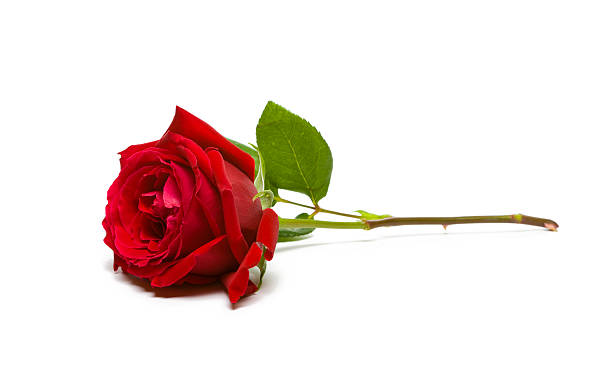
1. Rose (Rosa spp.)
Roses produce geraniol, citronellol, and nerol as their primary volatile fragrance compounds. These monoterpenoids are synthesized in epidermal cells of the petals and released to attract specific pollinators. Their ratio varies between species and cultivars, which is why different roses smell distinctly different despite sharing the same genus.
Rosa species belong to Rosaceae, the same family as rosehips. The polyphenol and flavonoid biochemistry runs throughout the family, connecting the ornamental rose to the medicinal rosehip through shared biosynthetic pathways.
Cultivation: full sun, well-drained fertile soil, good air circulation to reduce fungal pressure.
2. Hibiscus (Hibiscus rosa-sinensis)
Hibiscus flowers accumulate anthocyanins and flavonoids including quercetin and kaempferol in their petals. The intensity of color is directly related to anthocyanin concentration, which is influenced by light exposure, soil pH, and temperature during petal development. The same anthocyanins responsible for the visual signal to pollinators are responsible for the documented cardiovascular effects of hibiscus tea preparations.
Cultivation: full sun, tropical or subtropical conditions, regular watering.

3. Orchid (Orchidaceae family)
The Orchidaceae is the largest flowering plant family with over 25,000 species. Orchids have evolved some of the most sophisticated pollinator deception mechanisms in the plant kingdom, producing fragrances that mimic female insect pheromones or food sources with extraordinary chemical specificity. The volatile compound profiles of orchid fragrances are among the most complex studied in plant chemistry.
Cultivation: indirect light, high humidity, well-draining bark medium, minimal watering.

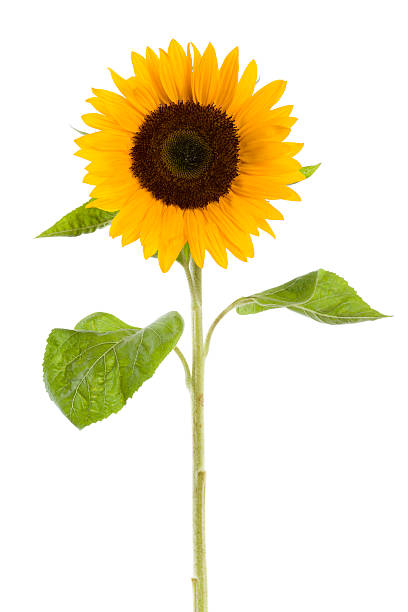
4. Sunflower (Helianthus annuus)
What appears to be one sunflower is actually hundreds of individual florets arranged in a Fibonacci spiral. The outer ray florets are sterile visual attractants. The inner disc florets are fertile and produce the seeds.
Helianthus annuus produces sesquiterpene lactones in its leaves and stems as herbivore deterrents. These compounds also have allelopathic activity, inhibiting germination and growth of competing plants through chemical release into surrounding soil via root exudates.
Cultivation: full sun, deep well-drained soil, direct sowing after last frost.
5. Marigold (Tagetes spp.)
Marigolds produce thiophenes, sulfur-containing compounds concentrated in their roots, which suppress soil nematode populations through root exudate chemistry. This is the actual biochemical basis for their traditional use as companion plants.
My Biogeochemistry training covered how root exudates influence microbial communities and soil chemistry. The same principles governing carbon and nitrogen cycling in forest soils apply to how marigold root chemistry modifies the rhizosphere. A plant actively changing its soil environment through secondary metabolite release is a genuine biogeochemical process operating through the same mechanisms I studied in the context of nutrient cycling and soil-plant interactions.
Cultivation: full sun, any well-drained soil, direct sowing or transplanting after frost.

6. Lavender (Lavandula angustifolia)
Lavender produces linalool and linalyl acetate as its primary volatile compounds, synthesized in glandular trichomes on leaves and flower bracts. These monoterpenoids evolved as deterrents against herbivorous insects in the warm dry Mediterranean conditions where Lavandula species originate.
Plants grown in poor, dry, calcareous soil under high light stress produce measurably higher essential oil concentrations than plants grown in rich moist conditions. Stress triggers increased carbon investment in defense chemistry at the expense of primary growth.
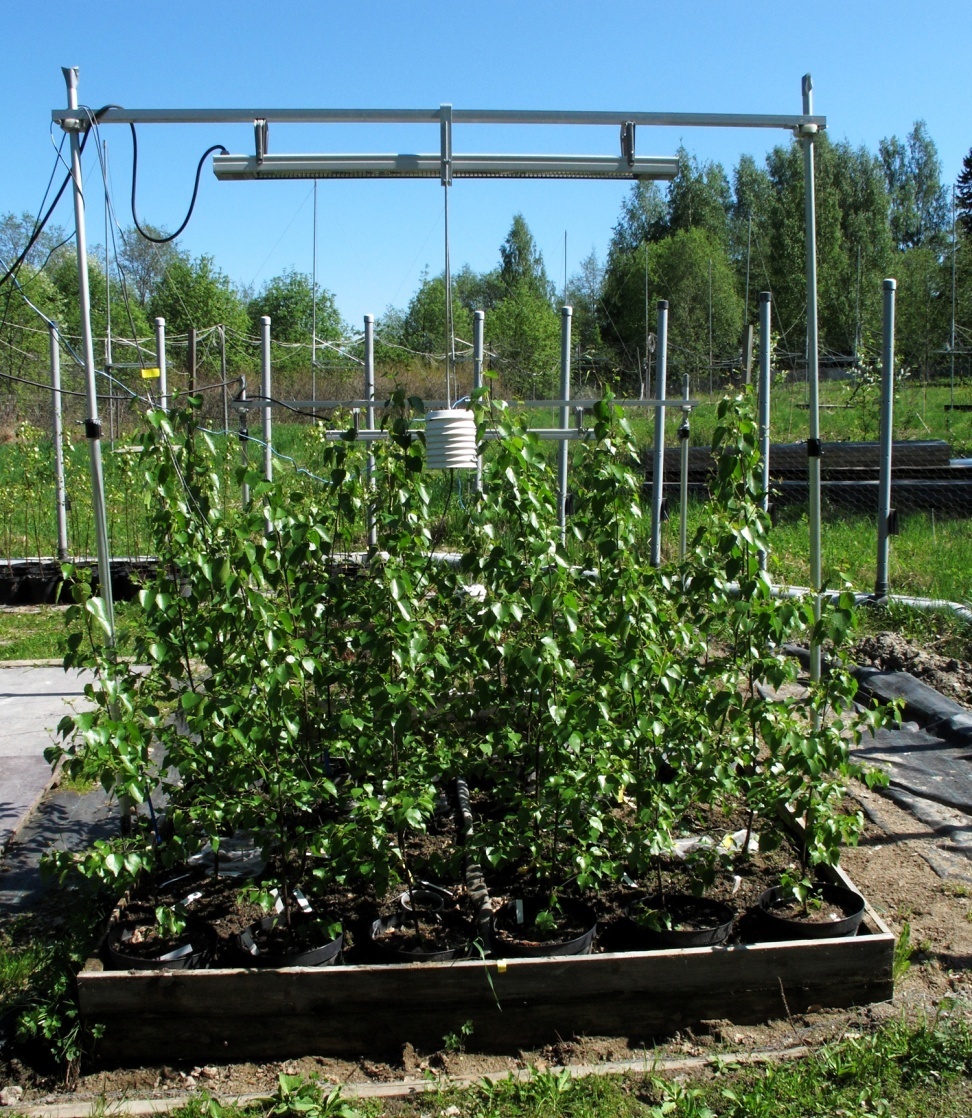
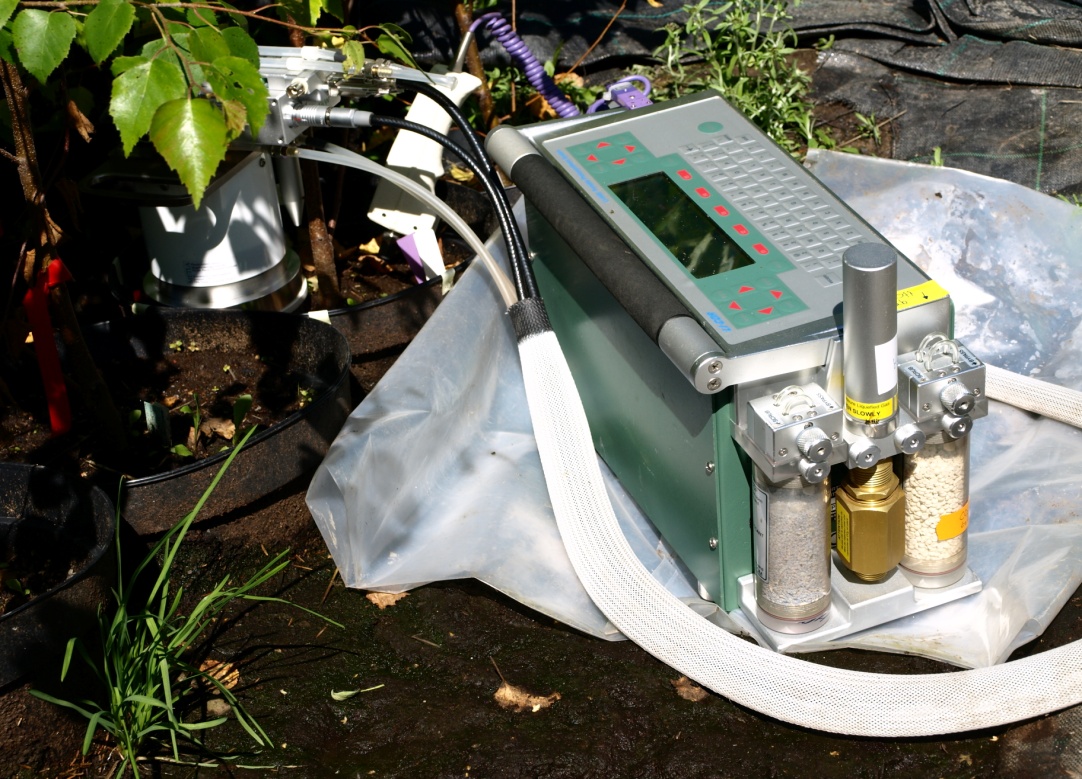
I observed this same carbon allocation dynamic directly in my field research on silver birch, where environmental stress treatments shifted how trees distributed carbon between above-ground growth and chemical defense. The principle is the same whether you are measuring CO₂ efflux in a Finnish forest plot or smelling lavender from a Mediterranean hillside.
Cultivation: full sun, alkaline well-drained soil, minimal watering once established.

7. Jasmine (Jasminum officinale)
Jasmine produces indole, benzyl acetate, and linalool as its primary fragrance compounds. The nocturnal timing of volatile release synchronizes with moth pollinator activity patterns. Indole at low concentrations attracts pollinators but is repellent at higher concentrations, a concentration-dependent signalling effect that requires precise regulation of volatile emission rates throughout the night.
Cultivation: full sun to partial shade, fertile well-drained soil, support for climbing.

8. Lotus (Nelumbo nucifera)
Nelumbo nucifera generates heat through cyanide-resistant respiration in its flowers, maintaining temperatures of 30 to 35°C to attract and retain beetle pollinators. This thermogenesis involves alternative oxidase pathways in mitochondria that bypass the standard cytochrome chain. The lotus also demonstrates exceptional surface hydrophobicity through microstructured waxy cuticle, now replicated in industrial self-cleaning surface applications.
Cultivation: aquatic, full sun, still or slow-moving water, nutrient-rich pond substrate.

9. Tulip (Tulipa spp.)
Tulips produce tulipalin A and B, lactone compounds concentrated in the bulb and petal bases as defense chemistry. These are responsible for tulip fingers, a contact dermatitis from regular bulb handling caused by sensitization to tulipalin A. The vivid pigmentation of tulip petals involves a combination of anthocyanins, carotenoids, and flavonols producing the remarkable color range across cultivars.
Cultivation: full sun, well-drained fertile soil, cold winter dormancy required for reliable flowering.

10. Daffodil (Narcissus spp.)
Narcissus species produce galanthamine and lycorine, alkaloids concentrated in the bulb as potent herbivore deterrents. Galanthamine is now used clinically as an acetylcholinesterase inhibitor in Alzheimer’s treatment, one of the more significant examples of garden plant chemistry finding direct pharmaceutical application. The alkaloid content makes all parts of the daffodil toxic to most animals, which is why they naturalize successfully in areas with heavy rabbit or deer pressure.
Cultivation: full sun to partial shade, well-drained soil, autumn planting for spring flowering.

11. Geranium (Pelargonium spp.)
What gardeners call geraniums are mostly Pelargonium, a separate genus from true Geranium though both belong to Geraniaceae. Pelargonium species produce geraniol and citronellol in leaf glandular trichomes, the same monoterpenoids found in roses. In leaves these volatiles function primarily as herbivore deterrents. In rose petals they function as pollinator attractants. Same compound class, different biological context, different organ.
Cultivation: full sun, well-drained soil, drought-tolerant once established.

12. Bougainvillea (Bougainvillea glabra)
The vivid color of bougainvillea comes from its bracts, modified leaves surrounding the small white true flowers. The pigments are betalains, specifically betacyanins and betaxanthins, nitrogen-containing compounds that replace anthocyanins in the order Caryophyllales.
This is biochemically significant. Most flowering plants use the flavonoid pathway to produce anthocyanins for red and purple pigmentation. Bougainvillea uses a completely different biosynthetic pathway. In my Plant Biochemistry training these two mutually exclusive pigmentation systems were covered as one of the clearest examples of how different evolutionary lineages solved the same biological problem through entirely different chemical routes. The two systems cannot coexist in the same plant tissue, which is why bougainvillea breeding will never produce a true blue or purple variety through conventional crossing with anthocyanin-producing plants.
Cultivation: full sun, well-drained soil, drought-tolerant, frost-sensitive.

13. Chrysanthemum (Chrysanthemum morifolium)
Chrysanthemums produce pyrethrins, esters concentrated in flower heads that disrupt sodium channel function in insect nervous systems. These are among the most effective natural insecticides known and are the biochemical template for the entire synthetic pyrethroid insecticide class. Pyrethrins degrade rapidly in sunlight and soil, giving them a significantly better environmental persistence profile than most synthetic alternatives.
Cultivation: full sun, fertile well-drained soil, regular deadheading to prolong flowering.

14. Morning Glory (Ipomoea purpurea)
Morning glory flowers open and close in response to light and temperature through turgor pressure changes in motor cells, governed by internal circadian mechanisms. Ipomoea species also contain ergoline alkaloids in their seeds, compounds related to ergot fungal metabolites concentrated in reproductive structures where protection from herbivory is most critical.
Cultivation: full sun, average well-drained soil, direct sowing, support for climbing.

15. Magnolia (Magnolia grandiflora)
Magnolias are among the most ancient flowering plant lineages with fossil records over 95 million years old. Their flowers evolved before bees, so they are pollinated primarily by beetles. The robust waxy petals and generalist flower structure reflect adaptation for beetle rather than bee pollination. Magnolia bark contains magnolol and honokiol, neolignan compounds with documented anxiolytic and anti-inflammatory activity studied in pharmacological research.
Cultivation: full sun to partial shade, acidic well-drained soil, shelter from cold winds.

16. Peony (Paeonia lactiflora)
Peonies produce paeoniflorin, a monoterpene glycoside in the root with documented anti-inflammatory and analgesic activity. The glycoside structure increases compound stability and water solubility, making it easier for the plant to transport and store the compound before enzymatic release when needed. The flowers produce complex volatile profiles including geraniol, linalool, and rose oxide, compounds shared with roses and jasmine reflecting convergent evolution toward attracting similar pollinator groups.
Cultivation: full sun to partial shade, fertile well-drained soil, avoid deep planting of tubers.

17. Pansy (Viola tricolor)
Viola tricolor produces cyclotides, small circular peptides that are among the most structurally stable natural compounds known. Their circular backbone gives them resistance to enzymatic degradation that linear peptides do not have. They function as herbivore deterrents effective against insects and nematodes, representing an unusual example of peptide-based rather than small-molecule plant defense chemistry.
Cultivation: cool conditions, full sun to partial shade, fertile moist soil.

18. Camellia (Camellia japonica)
Camellia japonica shares its genus with Camellia sinensis, the tea plant I covered in depth in my green tea biochemistry article on this site. The family-level polyphenol and catechin biochemistry is shared between ornamental and tea camellias, though the compound profiles differ. The relationship between the ornamental garden camellia and one of the most studied medicinal plant beverages in the world is closer than most gardeners realize.
Cultivation: partial shade, acidic well-drained soil, shelter from morning frost.

19. Zinnia (Zinnia elegans)
Zinnias accumulate lutein and zeaxanthin as their primary carotenoid pigments. These are the same carotenoids concentrated in the human macula and associated with eye health. Both in zinnia petals and human retinal tissue these compounds function as photoprotective agents absorbing high-energy blue light that would otherwise cause oxidative damage. The fact that the same compounds serve photoprotective functions in a garden flower and a human eye reflects shared biochemical vulnerability to high-energy light across biological systems.
Cultivation: full sun, well-drained soil, direct sowing after frost, deadheading to prolong flowering.

20. Dahlia (Dahlia pinnata)
Dahlias originate from Mexican highlands where they were cultivated by Aztec communities. The tuberous roots store inulin rather than starch as their primary carbohydrate reserve. Inulin is a fructan polymer, a chain of fructose units rather than the glucose polymer starch used by most plants. It is not digested by human enzymes but is fermented by gut microbiome bacteria, making it a prebiotic fibre. This is why dahlia tubers were explored as a diabetic-friendly food source before being displaced by other crops.
Cultivation: full sun, fertile well-drained soil, stake tall varieties, lift tubers before hard frost.

Why Flowering Plant Chemistry Matters for Gardeners
Understanding what plants produce and why changes how you grow them. Lavender in poor dry soil produces more essential oil because stress redirects carbon toward secondary metabolite production. Marigolds modify their surrounding soil through root exudate chemistry. Chrysanthemums produce compounds that shaped the entire synthetic insecticide industry.
Every flower in this list is producing chemistry for its own biological purposes. The fragrance, color, and medicinal properties we value are byproducts of that chemistry, shaped by coevolution with pollinators, herbivores, and pathogens over millions of years.
FAQs
Why do flowers have fragrance?
Floral volatiles evolved to attract specific pollinators rather than for human appreciation. The compounds are synthesized in epidermal or glandular cells and released as signals timed to the activity patterns of target pollinators. Nocturnal flowers like jasmine release more fragrance at night when moth pollinators are active.
Why are some flowers toxic?
Toxicity in flowers and bulbs is defense chemistry against herbivores. Daffodil alkaloids, tulip lactones, and morning glory alkaloids all evolved to deter animal consumption. The same biochemical investment that makes a plant toxic to herbivores often produces the compounds studied for pharmaceutical applications.
Do growing conditions affect flower fragrance?
Significantly. Environmental stress including drought, high light, and nutrient limitation often increases secondary metabolite production including volatile fragrance compounds. Plants grown in conditions matching their native habitat often produce stronger fragrance than those grown in optimised garden conditions.
Why can bougainvillea not be bred to produce blue flowers?
Bougainvillea uses betalain pigments rather than anthocyanins. The two systems are mutually exclusive biochemically. Blue flower color in most plants requires specific anthocyanin modifications that the betalain pathway cannot produce.
What makes marigolds effective as companion plants?
Marigold roots release thiophene compounds into surrounding soil through root exudates. These sulfur-containing secondary metabolites have documented nematicidal activity suppressing plant-parasitic nematode populations. It is a genuine biochemical mechanism not folklore.
Are ornamental flowers ever medicinally useful?
Several are. Chrysanthemums produce pyrethrins used as insecticides. Daffodils produce galanthamine now used in Alzheimer’s treatment. Peonies produce paeoniflorin with documented anti-inflammatory activity. Magnolia bark produces neolignans with anxiolytic properties. The line between ornamental and medicinal plant is often a matter of how the chemistry is being used rather than what chemistry is present.

