







This article was written by Serge, MSc. Plant Biologist and Environmental Scientist with a BSc in Plant Biology and an MSc in Environmental Biology and Biogeochemistry. My background covers plant biochemistry, botany, and field research in forest and soil ecosystems. I write from real experience, not just literature.
Affiliate disclosure: This site has affiliate links, including Amazon. As an Amazon Associate I earn from qualifying purchases, at no extra cost to you.
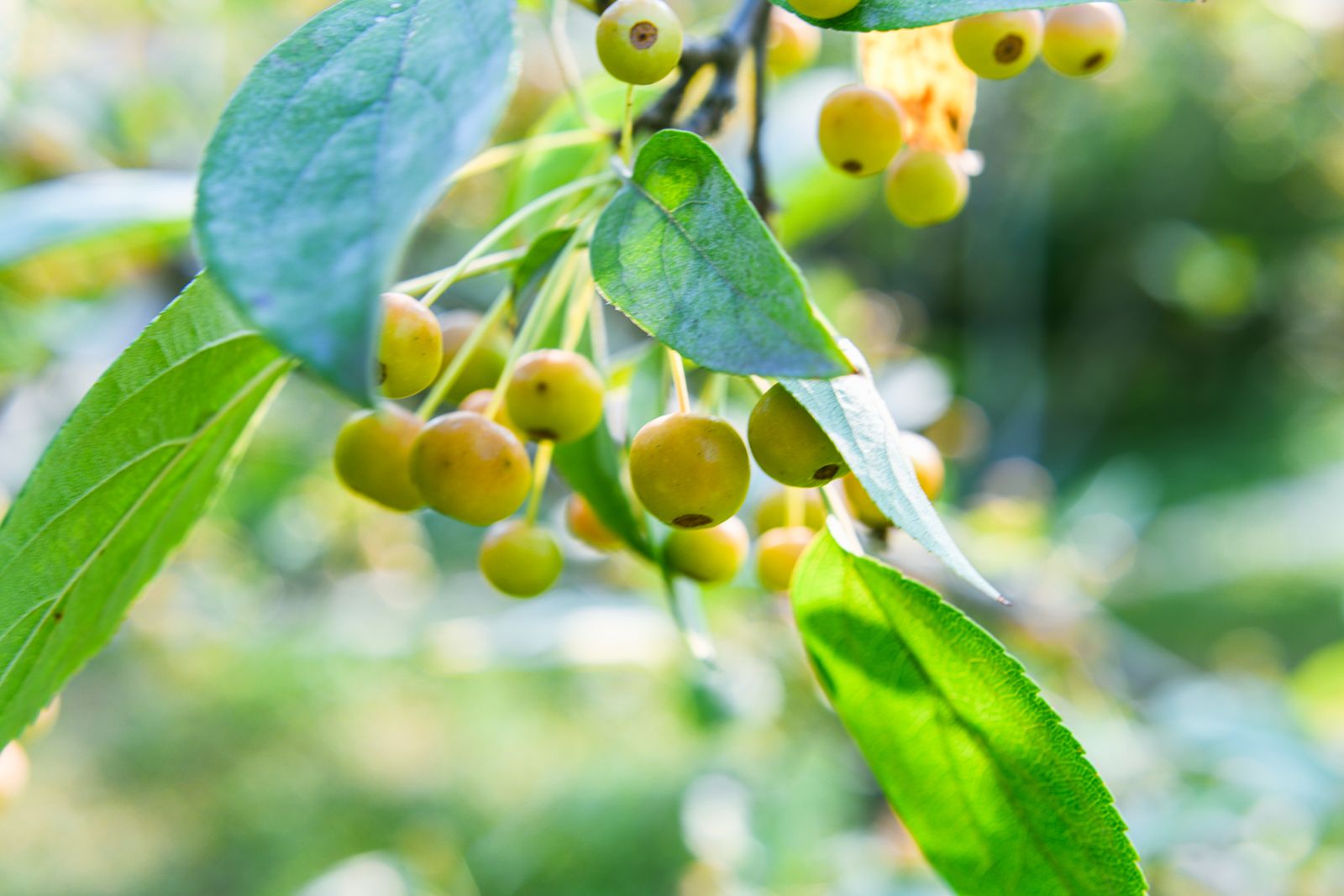
The first time I bit into a wild crab apple I spat it straight back out. Small, hard, mouth-puckeringly sour, nothing like the fruit it is the ancestor of. That sourness is the whole story of domestication in one bite. The plants we grow today are tamed versions of wild ancestors that were far less pleasant to eat, and what we bred out of them was, in large part, chemistry.
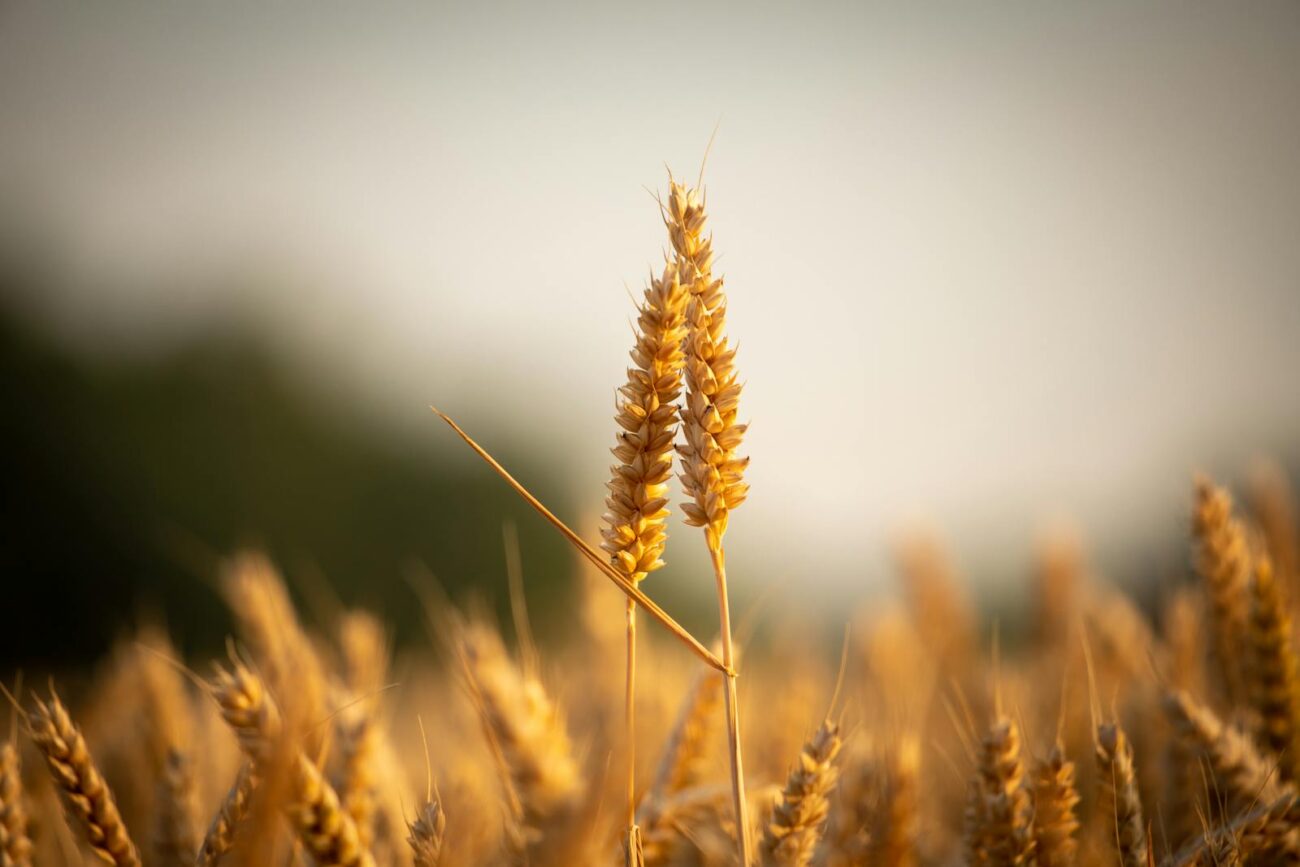
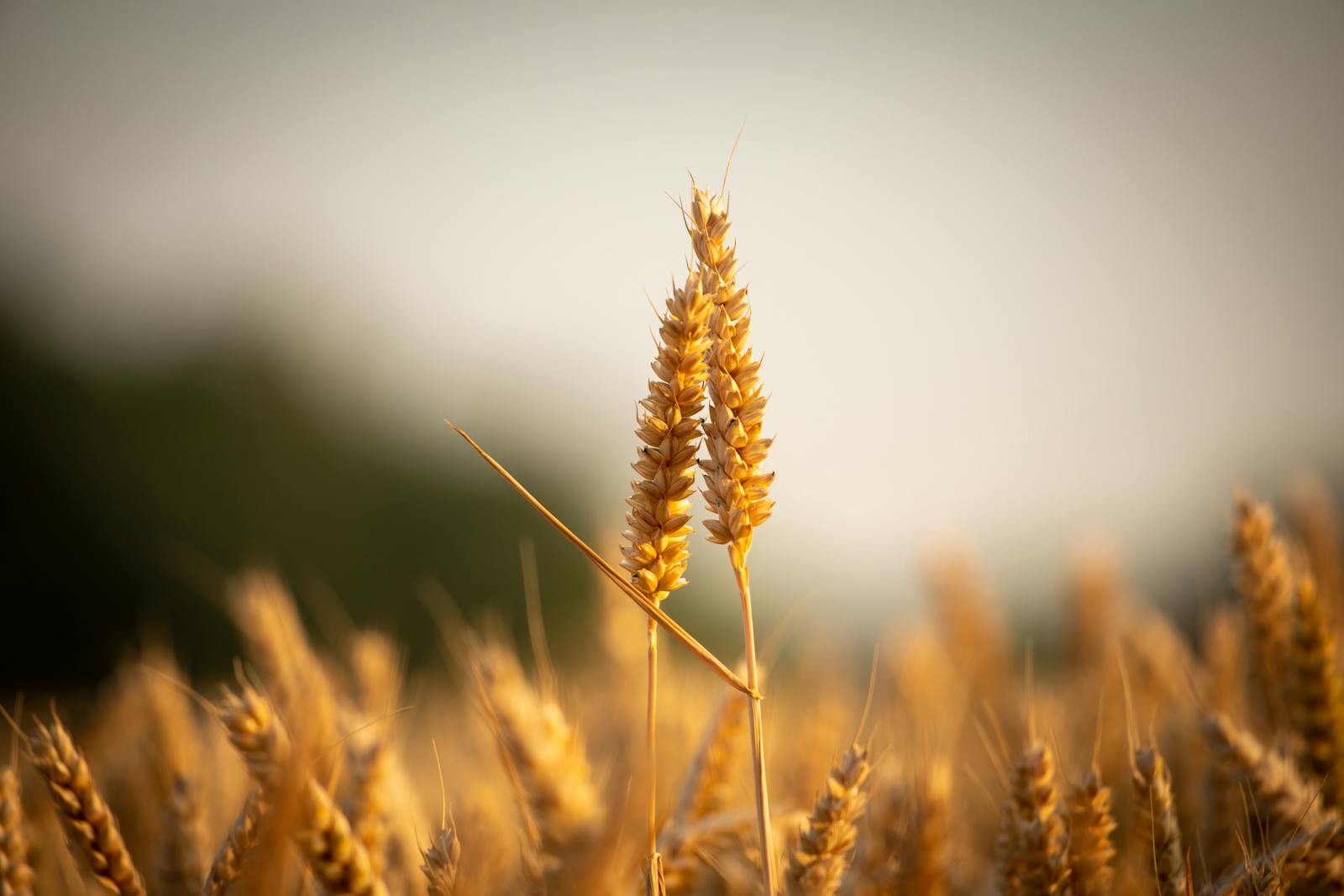
A handful of crops have been with us almost since farming began. In the Fertile Crescent, around ten to twelve thousand years ago, early farmers brought a small group of plants into cultivation that scholars call the founder crops: emmer wheat, Triticum dicoccum, einkorn wheat, Triticum monococcum, barley, Hordeum vulgare, and four pulses and a fibre plant alongside them. Versions of those grains and pulses are still grown and eaten now. They are some of the oldest companions we have.
What interests me is not just that we still grow them, but how different they are from their wild forms. And the difference is not only size and yield. It runs down into the compounds the plants make.
Why wild plants are chemically louder
During my training I studied how environmental stress drives a plant to produce more of its secondary metabolites, the defence and signalling compounds that are not part of basic growth. This is the key to the whole wild-versus-cultivated difference, so it is worth being clear about.
A wild plant lives under pressure. It is grazed, bitten by insects, crowded by competitors, hit by drought and poor soil. Those stresses switch on the plant’s chemical defences. Bitter alkaloids, pungent compounds, sharp-tasting phenolics: a stressed wild plant tends to be loaded with them, because the plant that defends itself best is the one that survives to set seed. Bitterness and toxicity are not flaws in a wild plant. They are the point.
What domestication quietened down
Domestication ran in the opposite direction, and it did so two ways at once.
The first is selection. Early farmers saved seed from the plants they liked best: the sweeter fruit, the milder leaf, the larger grain, the bean that did not taste of bitter poison. Year after year, choosing the gentlest individuals to replant, they slowly bred the harsh defence compounds downward.
The wild almond, Prunus, carries a compound that releases cyanide and tastes intensely bitter. The sweet almond we eat is a domesticated form in which that bitterness was bred out. Wild lettuce, Lactuca, runs with a bitter latex full of defensive compounds; cultivated lettuce, Lactuca sativa, was selected toward the mild leaf we tolerate in a salad.
I have tasted that kind of wild bitterness. It coats the tongue and stays there long after you have stopped wanting it to. Many wild cucurbits are bitter with cucurbitacins, bred down in the cucumbers and melons we grow.
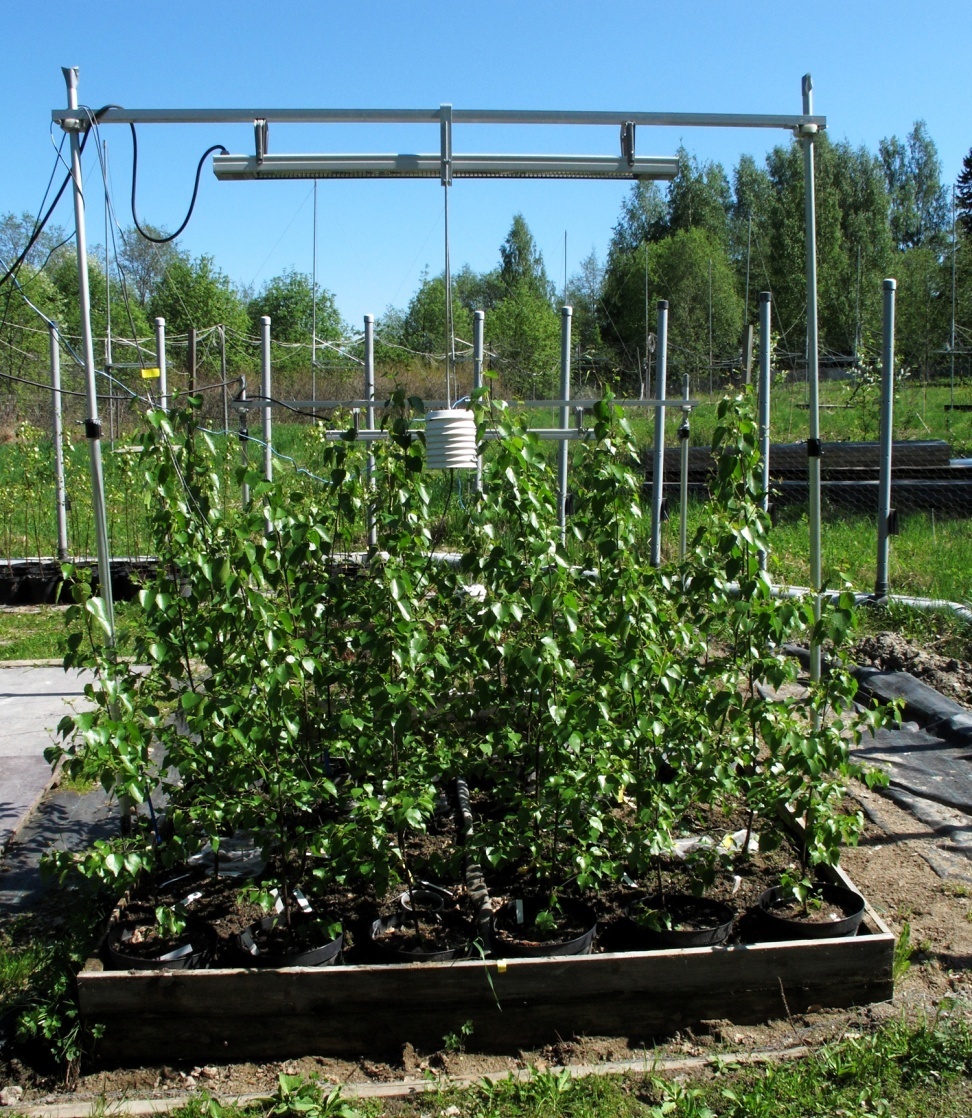
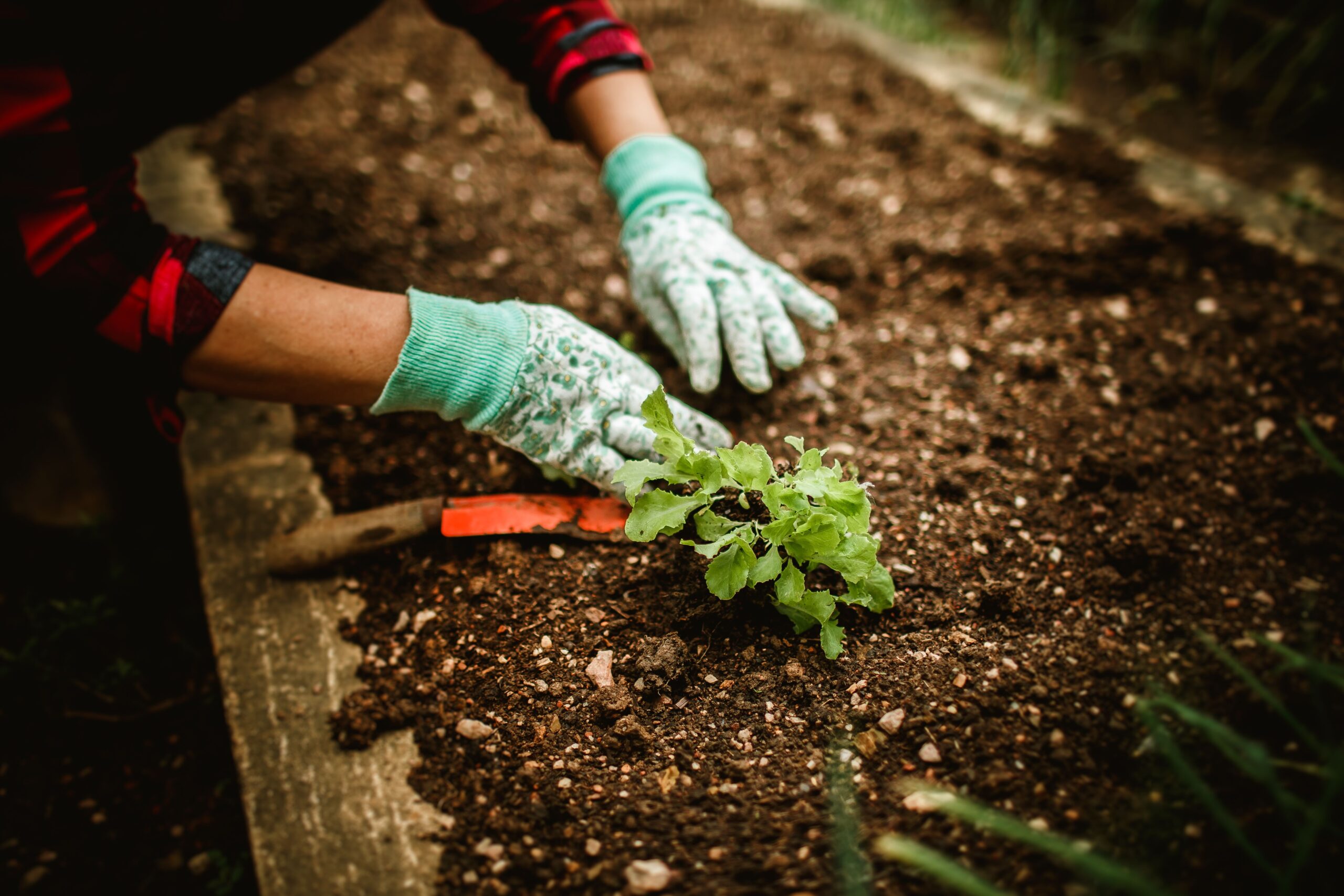
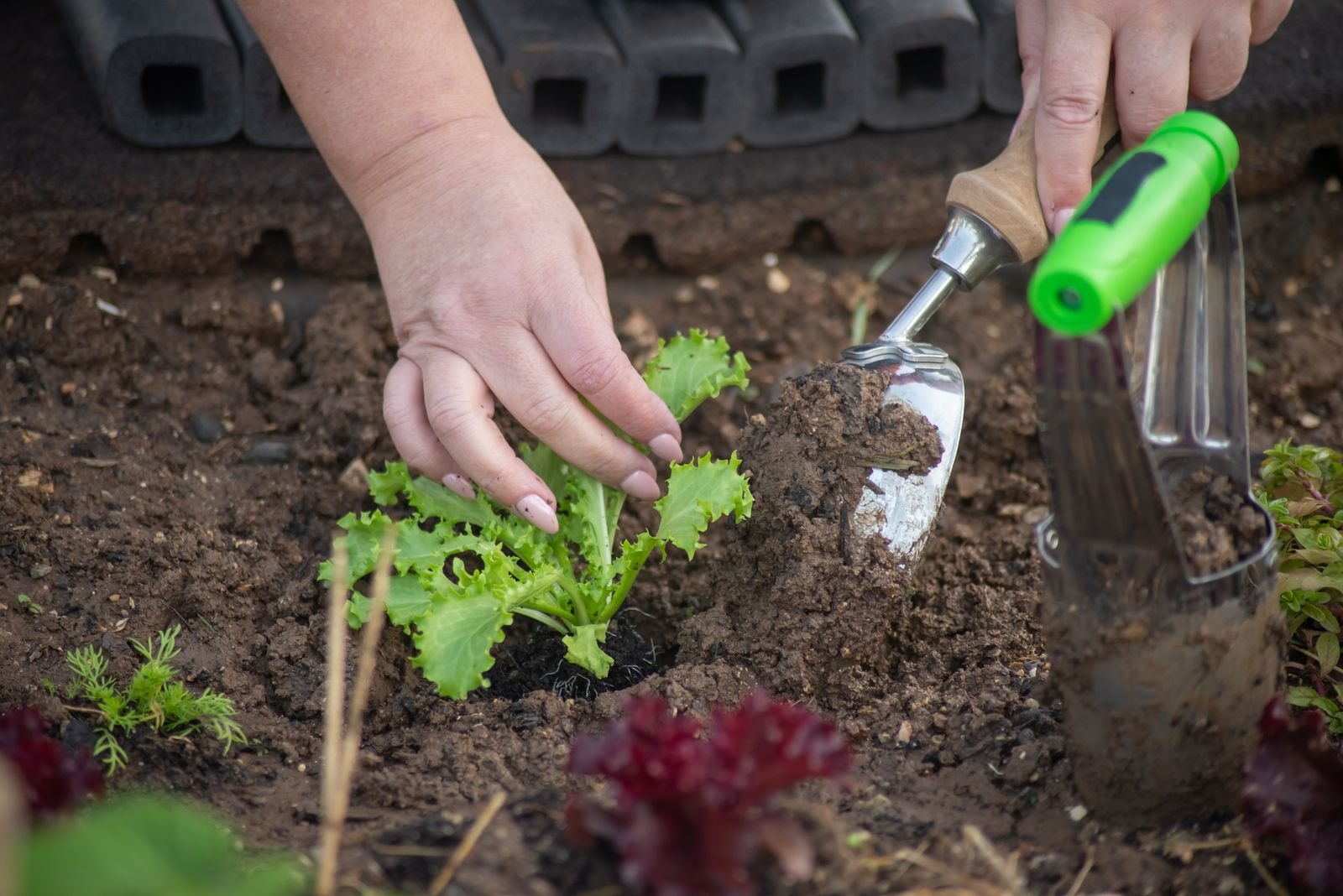
The second way is gentler and easy to miss. A cultivated plant lives a protected life. We water it, weed around it, guard it from pests, feed it good soil. With much of its stress removed, the plant has less reason to mount its chemical defences, so it invests less in making them. So cultivated plants are quieter on two counts: we selected against the loud chemistry over generations, and we also removed the daily stress that would have prompted the plant to produce it.
This is why a foraged plant and its garden cousin can taste so different. Wild garlic, wild rocket, a hedgerow plum: stronger, sharper, more bitter, every time. That intensity is the wild chemistry still switched on.
The trade we made
There is a quiet trade buried in all of this. In breeding plants milder, larger, and easier to eat, we sometimes bred down compounds that had value to us, not just to the plant. Some of the bitter and pungent secondary metabolites that wild plants carry are exactly the ones people now seek out for flavour and for their reputed properties. The march toward sweetness and size was not free.
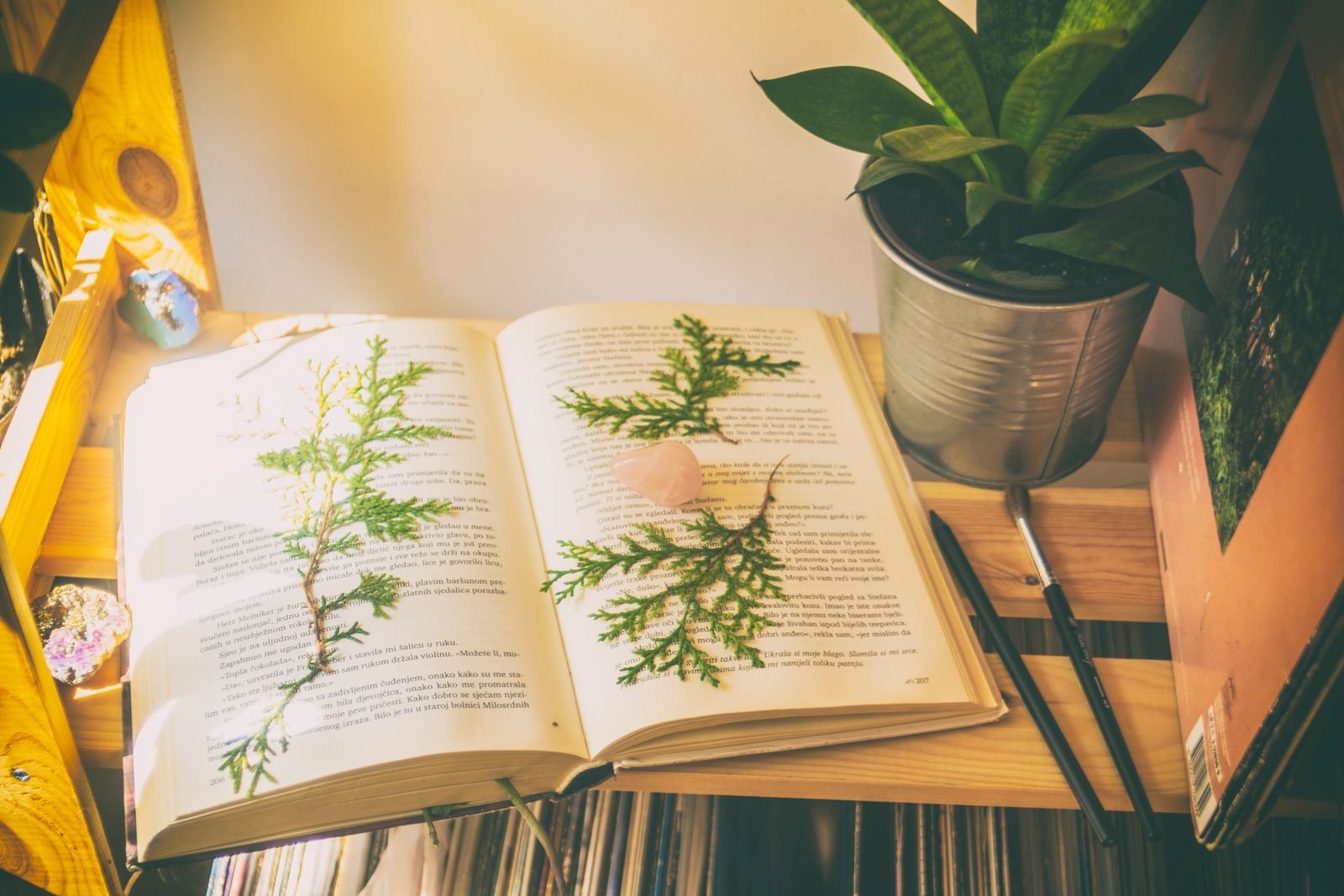
As a student I spent a good deal of time making pressed herbarium specimens of wild plants, and learning to tell close relatives apart by structure. Handling wild species next to their cultivated kin teaches you fast how much tougher, smaller, and more pungent the wild ones are. The garden has softened almost everything we grow.
This is also why interest in wild relatives and older landraces keeps coming back. Plant breeders look to wild ancestors to bring back traits that intensive domestication thinned out, including some of that defensive chemistry. The wild plant, bitter and difficult, still holds things the polished modern crop gave up.
Every supermarket tomato after a homegrown one is a small reminder of this. The chemistry of flavour and the chemistry of defence overlap more than the produce aisle lets on. What we tamed, we also quietened. The oldest crops we still grow are not just older. They are softer, in every sense, than the wild plants they came from.
Common Questions
What are the 8 founding crops of civilization?
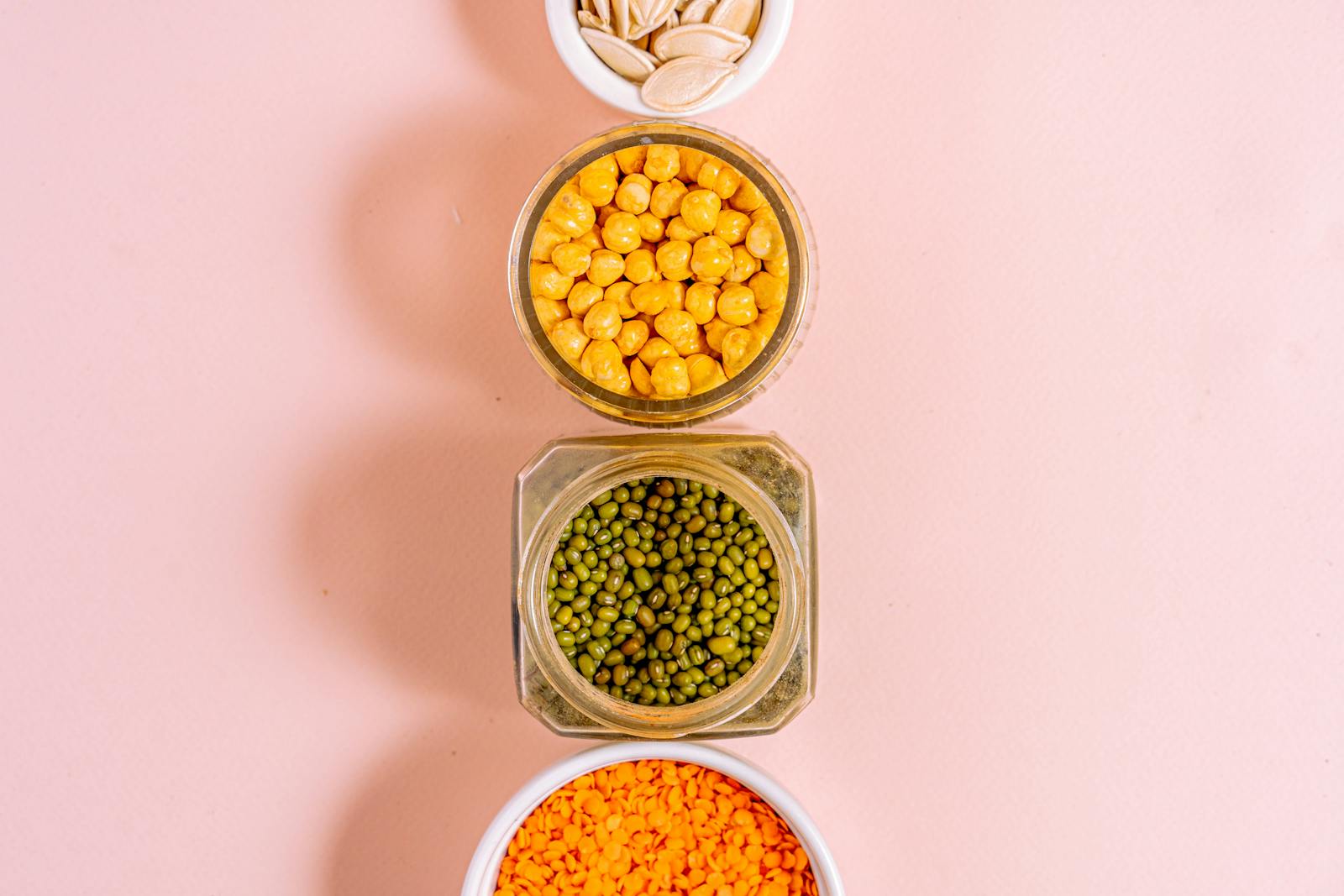
They are the plants first brought into cultivation in the Fertile Crescent: emmer wheat, einkorn wheat, barley, lentil, pea, chickpea, bitter vetch, and flax. Together they formed the base of early farming.
Where did plant domestication first take place?
The earliest well-documented crop domestication happened in the Fertile Crescent of the Near East, though independent domestication later arose in other regions, including East Asia, Mesoamerica, and the Andes.
What is the difference between wild and cultivated plants?
Wild plants grow without human selection and tend to be smaller, tougher, and chemically stronger, often bitter or pungent. Cultivated plants have been selected over generations for size, yield, and mildness, which usually means lower levels of defensive compounds.
Are wild plants more potent than cultivated ones?
Often, yes. Wild plants under natural stress tend to produce more secondary metabolites than their pampered cultivated relatives, which is why foraged plants frequently taste sharper and stronger.
When did plant domestication begin?
It began around ten to twelve thousand years ago, at the start of the Neolithic, as people shifted from gathering wild plants to deliberately sowing and selecting them.
Why were some plants never fully domesticated?
Some held defensive chemistry too difficult to breed out safely, or grew too slowly, or did not respond well to selection. Plants whose bitterness or toxicity could not be reduced without losing the plant stayed wild.

