







This article was written by Serge, MSc. Plant Biologist and Environmental Scientist with a BSc in Plant Biology and an MSc in Environmental Biology and Biogeochemistry. My background covers plant biochemistry, botany, and field research in forest and soil ecosystems. I write from real experience, not just literature.
Affiliate disclosure: This site has affiliate links, including Amazon. As an Amazon Associate I earn from qualifying purchases, at no extra cost to you.
Before I knew a single Latin name, before I understood what a leaf was doing chemically, there was my mother in the open air, picking wild plants with her hands. She gathered Bidens pilosa, the common weed most of us walk past, bruised the leaves between her fingers until the juice came, and made a fresh drink from them.
I remember the smell on her hands more than anything. Green, sharp, alive. I did not know then that I was watching chemistry. I only knew it felt like something worth paying attention to.
That is where this started for me. Not in a classroom. In watching someone treat an ordinary plant as though it deserved attention, and being right to.
I am telling you this because you might be standing where I once stood, drawn to plants but unsure whether it is yours to take up. You do not need a childhood like mine, or a degree, or any training at all to begin. The only thing that ever counted was being willing to crouch down and look closely. That is available to you today, for free, in whatever grows nearest to where you are.
Why I never grew out of it
I loved being outside as a child, the way a lot of children do, but mine did not fade. Plants in particular held me. There is a moment nearly everyone has and forgets, crouching down to look closely at something growing, a patch of moss, a flower head, the underside of a leaf, and seeing that it is far more complicated up close than it looked from standing height. I never got over that moment. I kept crouching down. Eventually I decided to spend my life doing it properly.
What pulled me was not that plants were pretty, though they are. It was that they were doing things. A plant is not a decoration. It is a working chemical factory, a structure built to solve problems, and the more I looked the more I wanted to know how it all functioned.
Learning to see properly
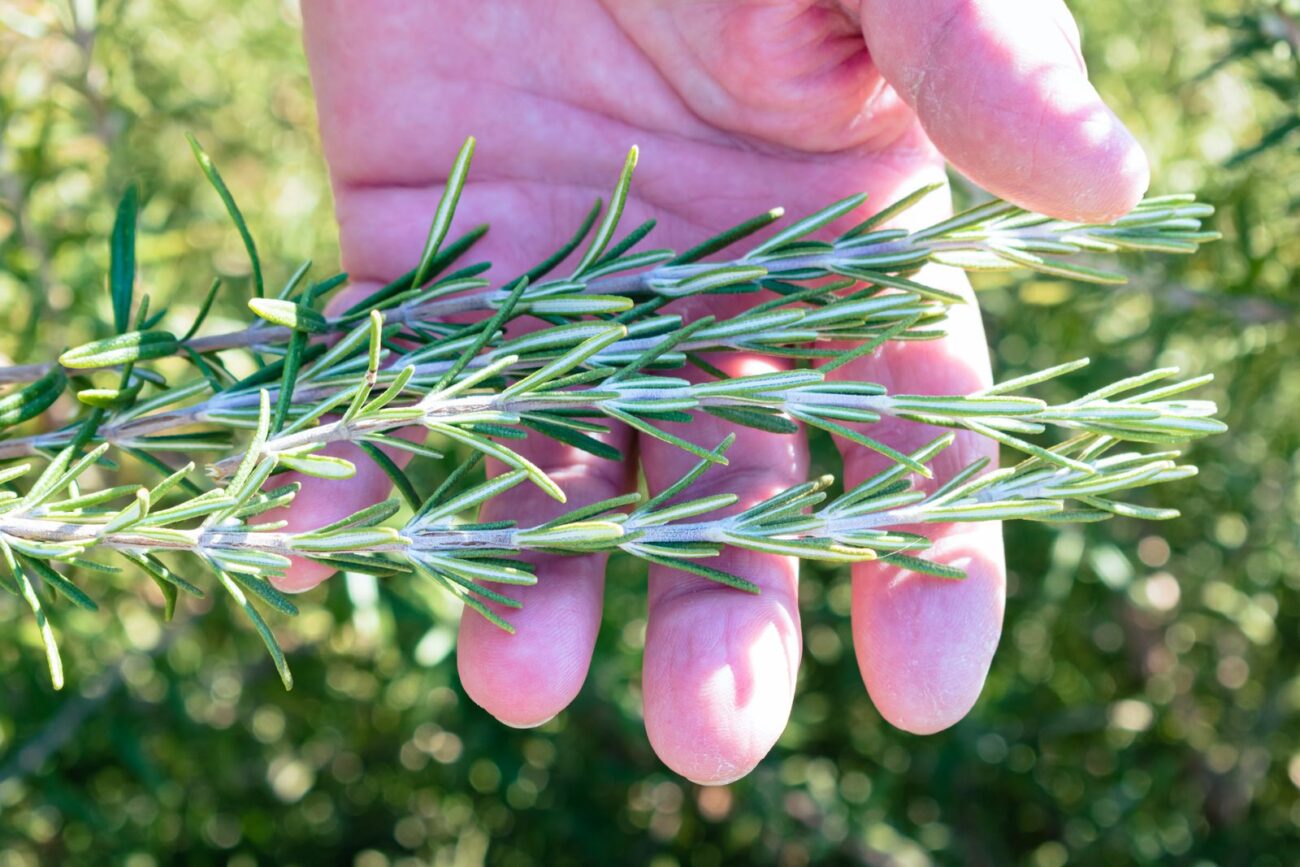
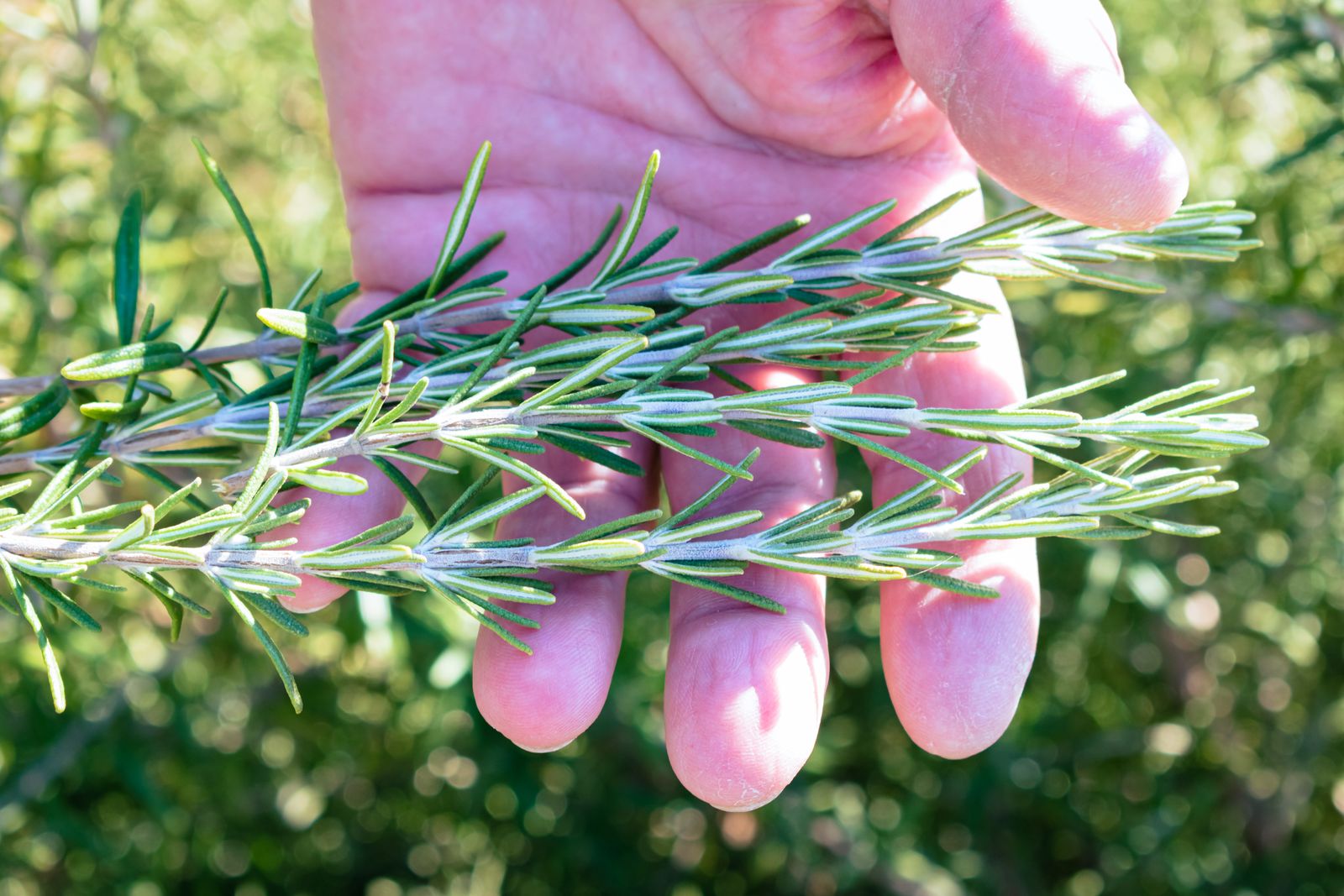
Studying plants formally changes how you look at them, and the first thing it changes is that you stop trusting colour. Beginners identify a plant by how it looks at a glance. Trained botanists learn to read structure, the arrangement of leaves, the shape of a flower’s parts, the way a stem holds itself, because that is what actually tells you what a plant is. Two plants can look alike and be unrelated. Two that look different can be close cousins. Colour lies. Structure does not.
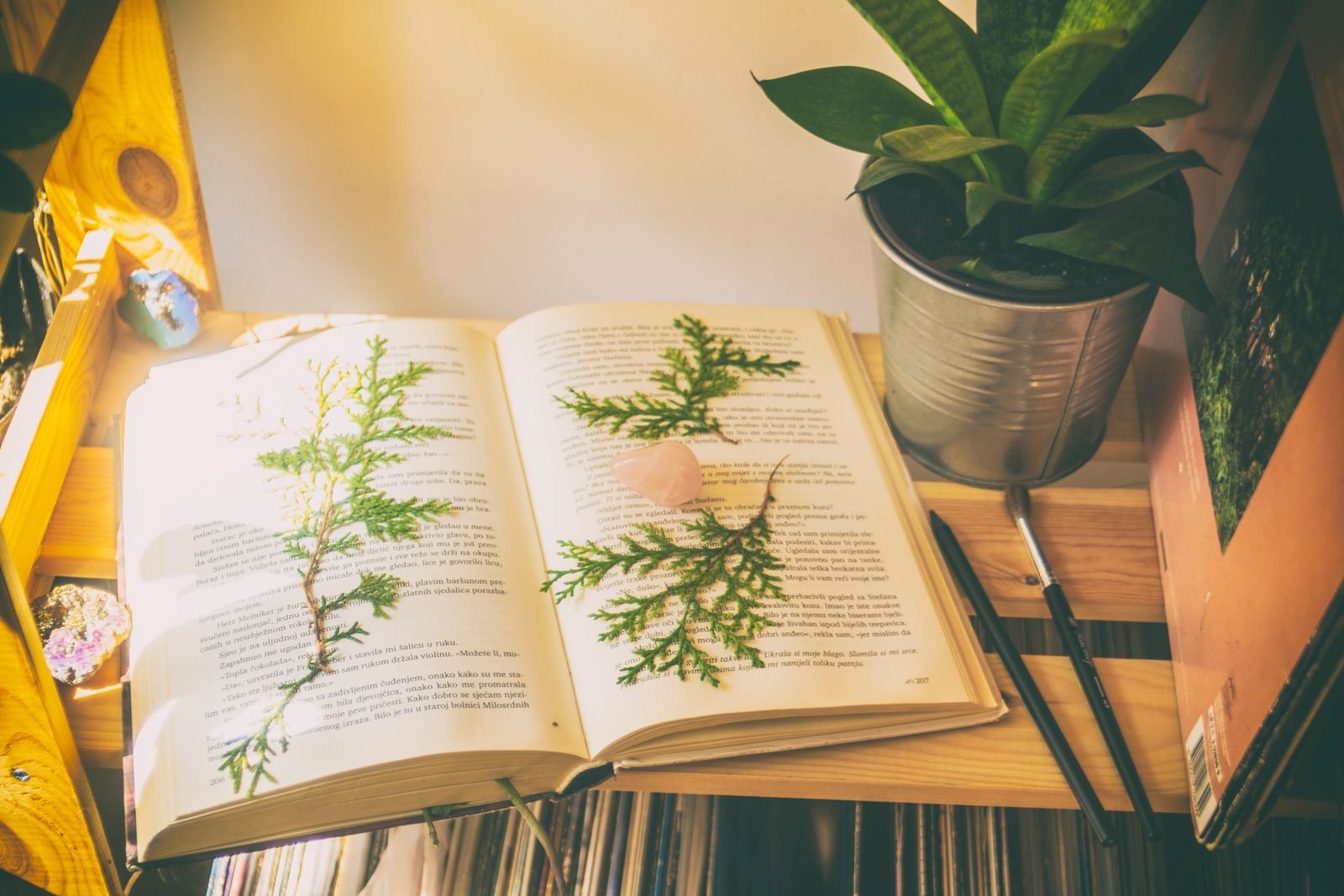
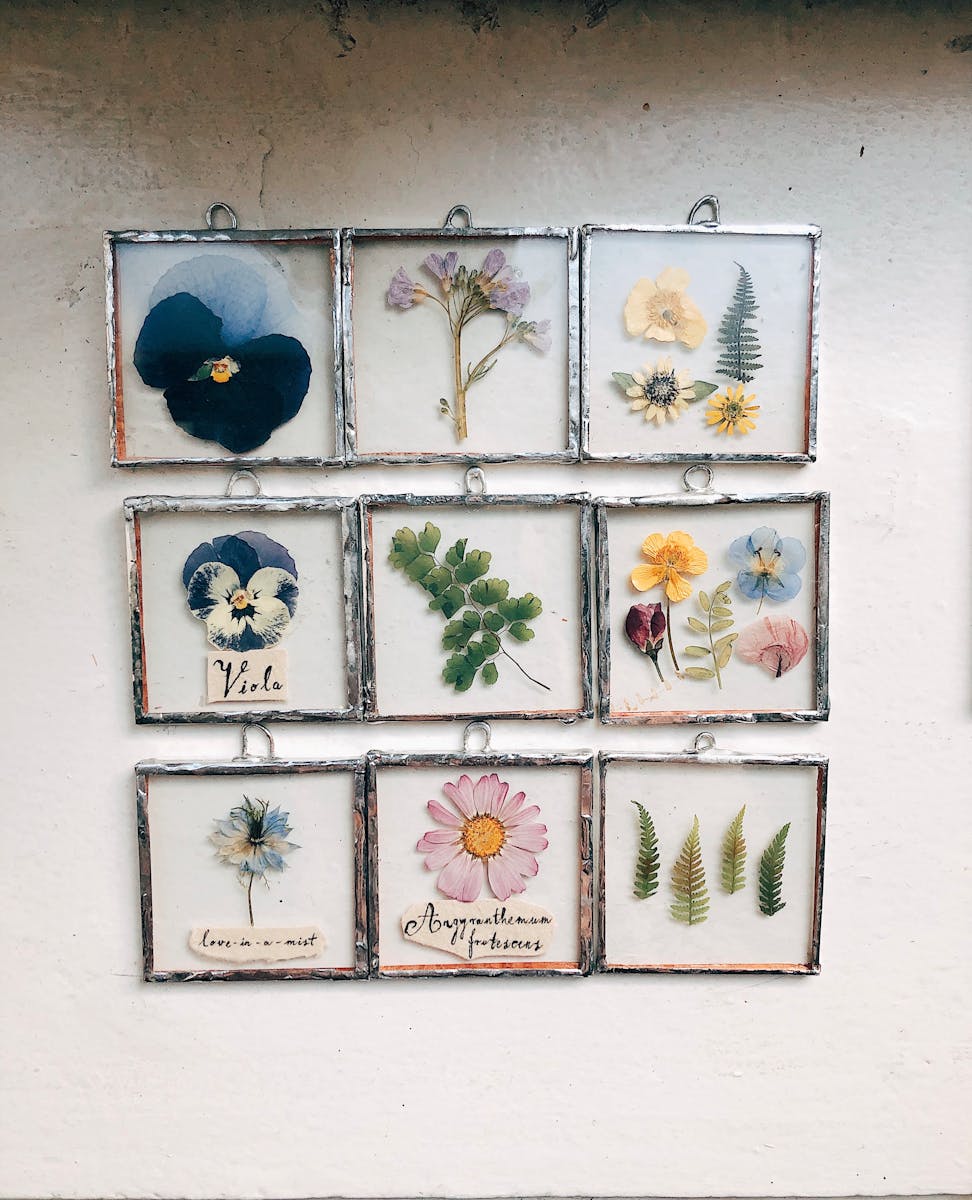
I spent a great deal of time collecting plants in the field and making pressed specimens, laying each one flat, drying it, mounting it, labelling it with its Latin binomial. It is patient, unglamorous work, and it teaches your eye more than any book.
You learn that every plant has a correct name, a precise place in a system, and that learning the name is the beginning of actually seeing the plant rather than just looking at it. There is a particular smell to a room full of dried specimens that I would know anywhere.
The day it all connected
The turn came when I started studying plant biochemistry. I was learning how plants build their compounds, how the structures inside a leaf hold volatile oils and water-soluble substances in separate compartments, when something from childhood surfaced. My mother bruising those leaves. Crushing them until the juice ran.
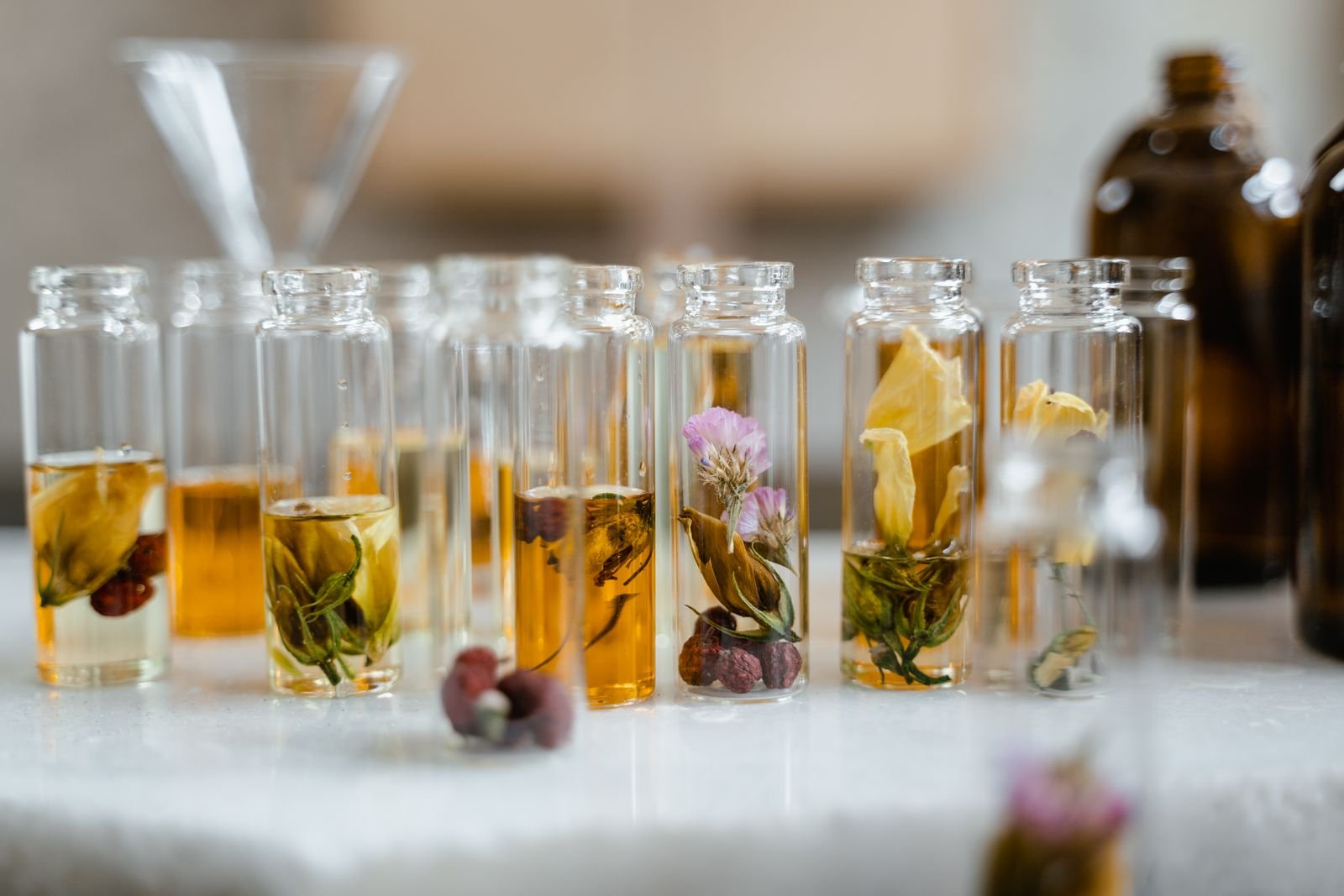
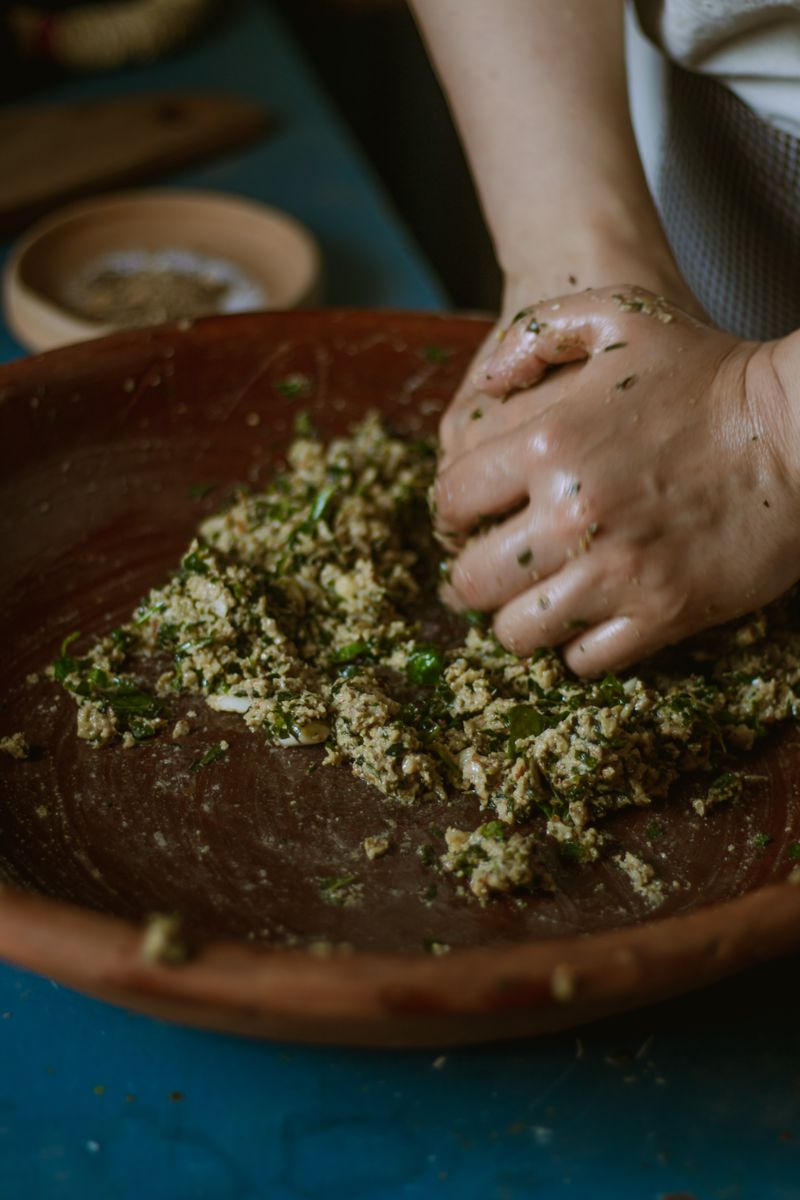
That was the moment it connected. Bruising a leaf is not a quaint gesture. It physically ruptures the cells and releases what is held inside, the juice, the aromatic compounds, the chemistry that gives a fresh plant its smell and character. My mother was not performing a ritual. She was doing applied chemistry with her hands, releasing compounds from Bidens pilosa the same way a scientist would in a lab, only she did it by instinct and feel. She knew to do it. My training finally told me why it worked.
I sat with that for a long time. It is the moment the whole thing became one thing for me, the childhood memory and the years of study stopped being separate. The smell on her hands and the diagram in my textbook were describing the same event.
Knowing what is happening inside a leaf has only ever made the green world more interesting to me, not less. That is the thing I most want to pass on. People worry that studying a thing will kill the wonder of it. For me it did the opposite. Every fact I learned was another reason to crouch back down and look again.
Where you could start
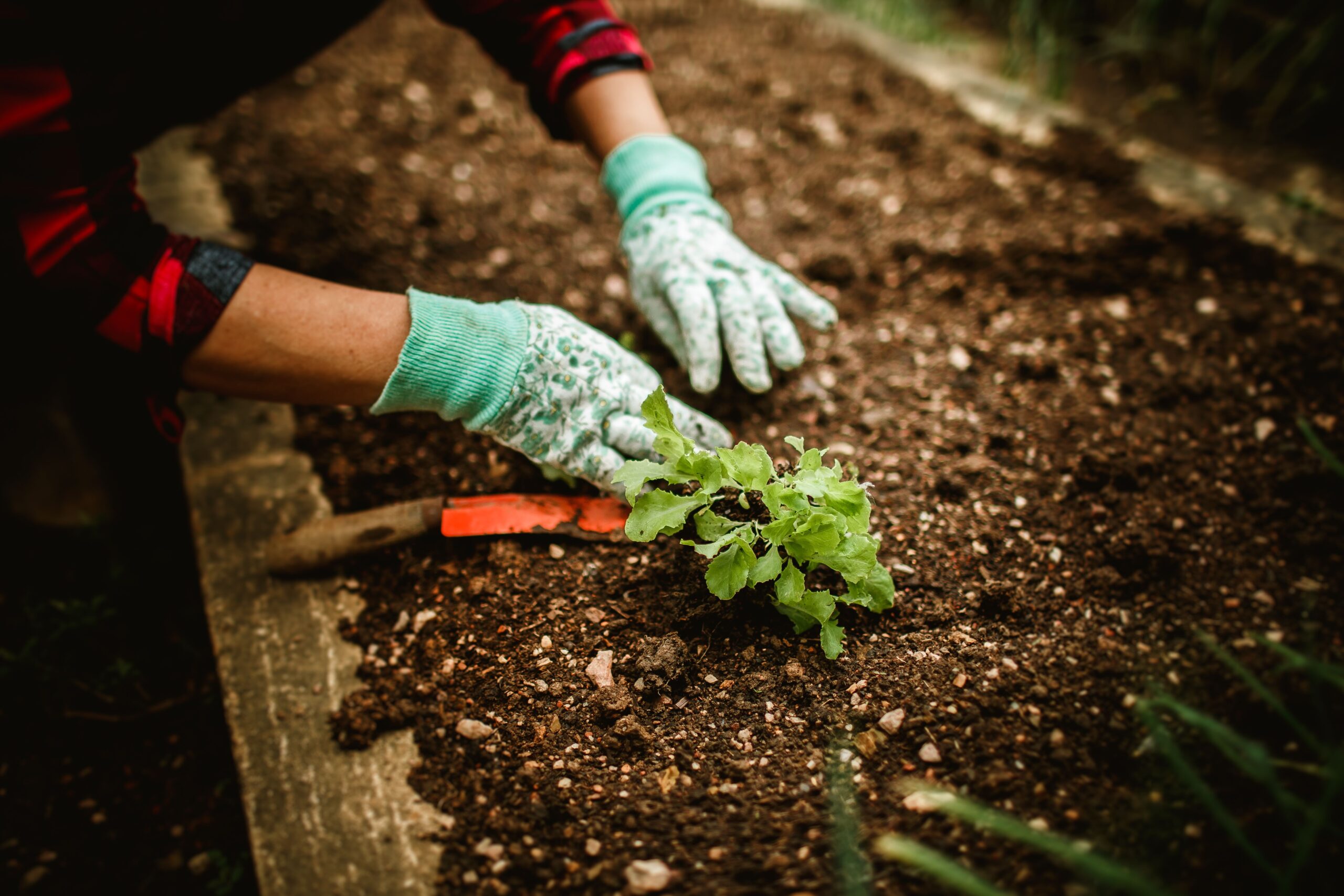
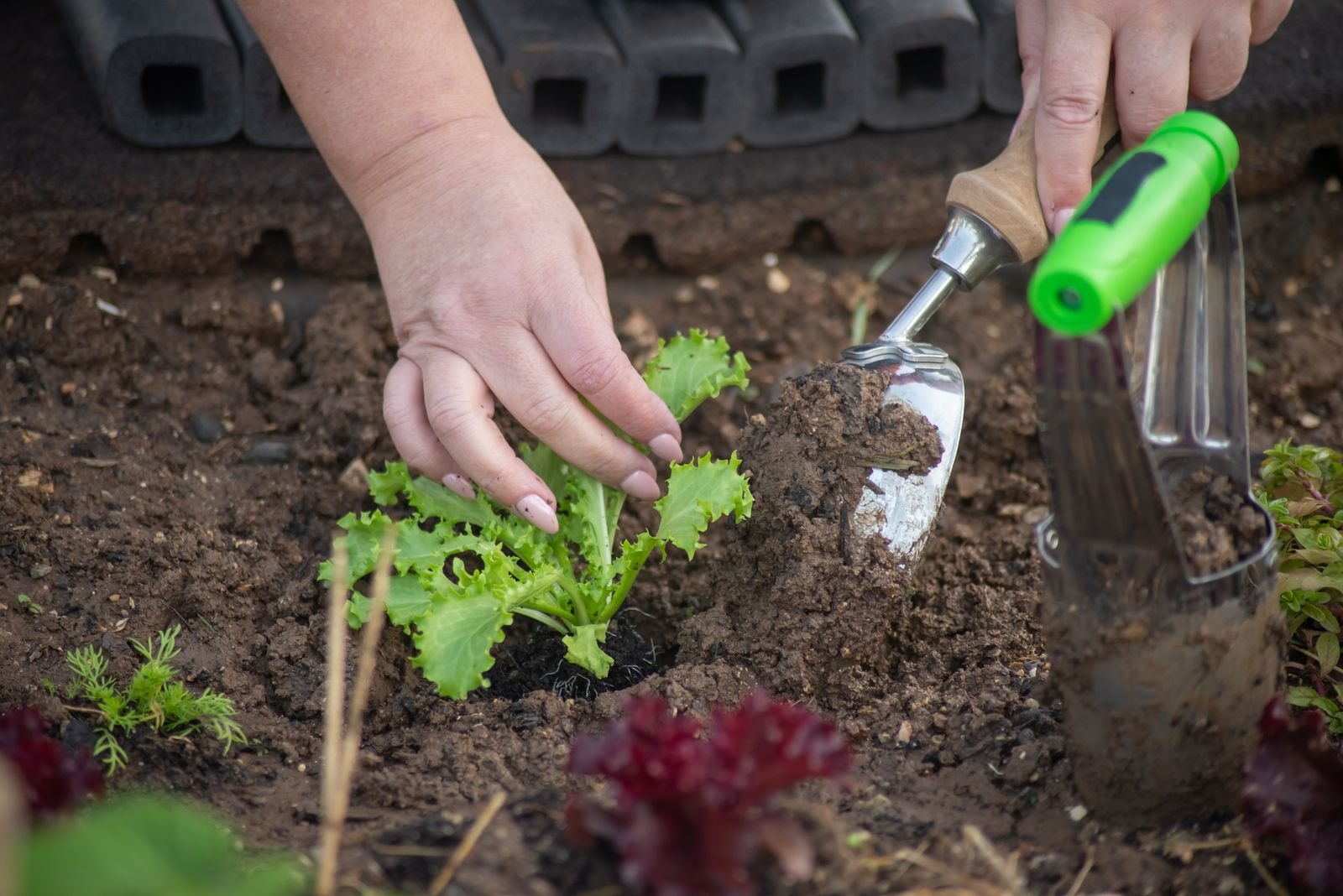
So here is the part that is for you, not me. If anything in this has stirred something, you do not need to wait until you know enough, because you begin by looking, and looking is how you come to know. Pick one plant. The one by your door, the weed in the pavement crack, whatever grows nearest. Look at it closely enough to notice how it is built, not just its colour. Find out its real name. Then watch it across a few weeks and see what it does.
That is the whole method, and it is the same one I have used my entire working life, only formalised. The reason it is worth your time is simple: the world becomes larger and more interesting the moment you start paying this kind of attention, and it never stops giving that back.
My mother had no training and she understood this completely, juice on her fingers from a bruised weed nearly everyone ignored. You can have the same thing. It starts with crouching down.
Common Questions
How do you start learning about plants?
Start by looking closely and consistently at the plants around you, and learn to notice structure rather than just colour: leaf arrangement, flower parts, how the plant is built. A local field guide and the habit of naming what you see take you a surprisingly long way.
Why do botanists use Latin names?
Because common names vary from place to place and one name can refer to several different plants. A Latin binomial points to exactly one species worldwide, so it is the only reliable way to be sure which plant you mean.
How do you identify a plant by structure instead of colour?
You look at features that stay consistent, the arrangement of leaves on the stem, the number and shape of flower parts, the form of the whole plant, rather than colour, which changes with season, soil, and light. Structure is what reliably separates one species from another.
What is a herbarium specimen?
It is a plant that has been collected, pressed flat, dried, mounted, and labelled with its name and details. Such specimens are permanent references that let botanists study and compare plants long after they were collected.
Do you need a degree to learn plants?
No. Formal study gives depth and structure, but careful observation, good field guides, and patient practice let anyone learn to identify and understand plants well. The habit of looking closely matters more than any qualification.

