







This article was written by Serge, MSc. Plant Biologist and Environmental Scientist with a BSc in Plant Biology and an MSc in Environmental Biology and Biogeochemistry. My background covers plant biochemistry, botany, and field research in forest and soil ecosystems. I write from real experience, not just literature.
Affiliate disclosure: This site has affiliate links, including Amazon. As an Amazon Associate I earn from qualifying purchases, at no extra cost to you.
People have been using plants as medicine for thousands of years. Ginger for nausea, chamomile for sleep, garlic for immune support. These remedies were passed down through generations because they produced noticeable results. Modern research is now explaining why at a molecular level.
I studied plant secondary metabolite biosynthesis during my Plant Biochemistry courses, Environmental Biology and Biogeochemistry. The compounds that make these plants medicinally interesting, gingerols, apigenin, allicin, curcumin, are not produced for human benefit. They are defence chemistry, feeding deterrents, antimicrobial agents, UV absorbers. The fact that they interact with human biology is a consequence of shared molecular architecture between plant defence chemistry and mammalian signalling systems.
Understanding why plants make these compounds makes the medicinal claims easier to evaluate critically. Not everything works as claimed. But several of these plants have genuinely strong evidence behind specific mechanisms. Here is what the chemistry actually shows.
1. Ginger (Zingiber officinale)
Ginger rhizome contains gingerols and shogaols as primary bioactive compounds. Gingerols are phenylpropanoid-derived compounds produced as feeding deterrents in the rhizome. Shogaols form from gingerols during drying through dehydration reactions.
Research shows that gingerol and shogaol inhibit serotonin receptors in the gut and modulate prostaglandin synthesis reducing nausea and gut inflammation. The antiemetic mechanism is genuinely well documented across multiple controlled trials including chemotherapy-induced nausea and morning sickness.
Fresh ginger tea, grated ginger in food, or standardised ginger extract capsules all deliver these compounds effectively. Fresh rhizome contains higher gingerol concentrations. Dried ginger powder contains higher shogaol concentrations due to the conversion that occurs during drying.

2. Garlic (Allium sativum)
Allicin is the compound most associated with garlic’s biological activity but it does not actually exist in intact garlic tissue. The precursor alliin is stored separately from the enzyme alliinase in different cellular compartments. When garlic is crushed or chopped the two come into contact and alliinase converts alliin to allicin almost instantly.
This is why crushing garlic and leaving it for ten minutes before cooking produces more allicin than adding uncrushed garlic directly to heat. Cooking immediately after crushing deactivates alliinase before the conversion completes.
Allicin has documented antimicrobial activity against a broad range of bacterial and fungal pathogens. It also inhibits HMG-CoA reductase, the same enzyme targeted by statin medications, which explains the documented effects on cholesterol metabolism.
Allicin is volatile and unstable. It degrades rapidly after formation. Aged garlic extract products convert allicin to more stable organosulfur compounds with their own biological activity but different from fresh allicin. The preparation method determines what you actually get.

3. Aloe Vera (Aloe barbadensis miller)
The gel from Aloe vera leaves contains polysaccharides, primarily acemannan, alongside anthraquinones, vitamins, and minerals. Acemannan has documented wound healing and immunomodulatory activity through macrophage activation.
The gel and the latex are different preparations from different parts of the leaf. The clear inner gel is what most people use topically. The yellow latex just beneath the outer leaf skin contains anthraquinone glycosides including aloin which has strong laxative activity and is potentially hepatotoxic at high doses.
For topical skin application the cooling effect is partly physical, water evaporation, and partly due to anti-inflammatory compounds reducing prostaglandin synthesis in damaged tissue. The evidence for burn healing and skin irritation relief is reasonably consistent.
Internal aloe juice should specify that it is decolorised and anthraquinone-free if intended for regular consumption. Unpurified aloe juice containing latex fraction carries genuine safety concerns.

4. Chamomile (Matricaria chamomilla)
Chamomile flowers contain apigenin, a flavone produced through the phenylpropanoid pathway. Research shows that apigenin binds to benzodiazepine receptor sites on GABA-A receptors with documented anxiolytic and mild sedative activity.
The flowers also contain alpha-bisabolol and chamazulene, terpenoid compounds with anti-inflammatory activity through COX enzyme inhibition. Chamazulene is responsible for the characteristic blue colour of steam-distilled chamomile essential oil.
For sleep and anxiety applications chamomile tea delivers apigenin at concentrations that produce mild GABA-A modulation. The effect is subtle compared to pharmaceutical options but consistently documented.
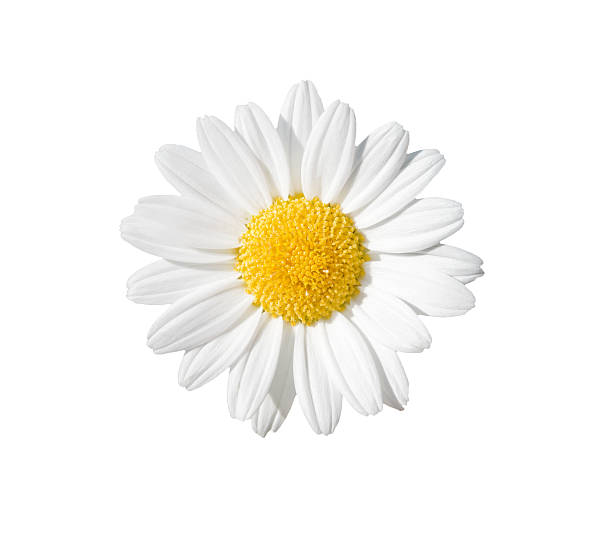
5. Echinacea (Echinacea purpurea)
Echinacea purpurea aerial parts contain alkylamides as the primary bioactive compounds. Research documents that chicoric acid and echinacoside alongside alkylamides modulate cytokine production and innate immune cell activity through CB2 cannabinoid receptor binding.
This is a specific documented mechanism not vague immune boosting. CB2 receptor binding by plant compounds is unusual and represents a genuine pharmacological interaction.
The evidence for reducing cold duration and severity is moderate and reasonably consistent across multiple trials. Species and plant part matter significantly. Echinacea purpurea aerial parts have the strongest evidence base. Root preparations of different species have different compound profiles.

6. Turmeric (Curcuma longa)
Curcumin is a polyphenol produced through the phenylpropanoid pathway in Curcuma longa rhizome primarily as antimicrobial defence chemistry. Research confirms it inhibits NF-kB transcription factor activity reducing pro-inflammatory cytokine expression and directly inhibits COX-2 and lipoxygenase enzymes.
The bioavailability problem is significant. Curcumin is hydrophobic and poorly absorbed from water-based preparations without fat and piperine from black pepper. Piperine inhibits CYP3A4 and P-glycoprotein dramatically increasing systemic curcumin absorption.
I mix turmeric powder with apple cider vinegar, lemon, and black pepper three times a week. I covered the full curcumin chemistry and bioavailability problem in my dedicated turmeric article.

7. Ginseng (Panax ginseng)
Panax ginseng root contains ginsenosides, triterpene saponins built through the MVA isoprenoid pathway as feeding deterrent and antimicrobial root defence chemistry. Research shows these compounds modulate neurotransmitter systems and affect nitric oxide synthesis in vascular endothelium.
Different ginsenosides have distinct and sometimes opposing biological activities. Rb1 and Rg1 ginsenosides have different pharmacological profiles. A product standardised to total ginsenoside content without specifying the profile is harder to evaluate than one specifying individual ginsenoside ratios.
The clinical evidence for fatigue reduction and cognitive support is substantial compared to most herbal supplements.

8. Peppermint (Mentha piperita)
Peppermint leaves contain menthol and menthone as primary volatile terpenoid compounds produced as feeding deterrents. Menthol activates TRPM8 cold receptors in gut smooth muscle producing relaxation and reducing spasm.
This mechanism explains peppermint’s documented effectiveness for irritable bowel syndrome. Enteric-coated peppermint oil capsules that release in the small intestine rather than the stomach have the strongest clinical evidence for IBS symptom relief.
Peppermint tea delivers menthol to the upper digestive tract. For lower gut applications enteric-coated capsules are more effective than tea because the menthol reaches the target tissue before being absorbed in the stomach.

9. Ginkgo Biloba (Ginkgo biloba)
Ginkgo biloba leaves contain flavonol glycosides and terpenoids including ginkgolides and bilobalide as primary bioactive compounds. Ginkgolides are diterpene lactones with documented platelet-activating factor antagonism affecting blood viscosity and circulation.
Ginkgo is one of the few living species in its entire division Ginkgophyta. The tree has remained morphologically unchanged for over 200 million years. Quality ginkgo extracts should be standardised and tested to ensure ginkgolic acid content is below 5 parts per million.
The clinical evidence for ginkgo covers circulation support and mild cognitive effects. Anticoagulant activity through platelet-activating factor antagonism means ginkgo interacts with blood thinning medications and should be stopped before surgery.

Comparison Table
| Plant | Latin Name | Key Compounds | Primary Mechanism |
|---|---|---|---|
| Ginger | Zingiber officinale | Gingerols, shogaols | Serotonin receptor inhibition, anti-inflammatory |
| Garlic | Allium sativum | Allicin, organosulfur compounds | Antimicrobial, HMG-CoA reductase inhibition |
| Aloe vera | Aloe barbadensis miller | Acemannan, anthraquinones | Wound healing, immunomodulation |
| Chamomile | Matricaria chamomilla | Apigenin, alpha-bisabolol | GABA-A receptor modulation, COX inhibition |
| Echinacea | Echinacea purpurea | Alkylamides, chicoric acid | CB2 receptor binding, cytokine modulation |
| Turmeric | Curcuma longa | Curcumin | NF-kB inhibition, COX-2 inhibition |
| Ginseng | Panax ginseng | Ginsenosides | Neurotransmitter modulation, nitric oxide synthesis |
| Peppermint | Mentha piperita | Menthol, menthone | TRPM8 receptor activation, smooth muscle relaxation |
| Ginkgo | Ginkgo biloba | Ginkgolides, flavonol glycosides | Platelet-activating factor antagonism, circulation |
FAQs
Are medicinal plants safe?
Most are safe at normal doses through normal preparation methods. Problems arise with high doses, poor quality preparations, or interactions with medications. My ecotoxicology training covered dose-response relationships directly. The same compound is therapeutic, inert, or toxic depending entirely on dose and physiological context. Herbs are no different from any other bioactive compound in this respect.
Can children use medicinal plants?
Gentle herbs like chamomile and peppermint are sometimes used in small amounts for children. Dose-response relationships differ significantly between adults and children due to body weight differences and developmental metabolism. Reduced doses and healthcare provider guidance are appropriate before giving any herbal preparation to children regularly.
Do these herbs replace medical treatment?
No. Plant secondary metabolites can support specific physiological functions through documented mechanisms. They are not substitutes for medical diagnosis or treatment of serious conditions.
How quickly do medicinal plants work?
Depends entirely on the compound class, mechanism, and application. Peppermint menthol activates TRPM8 receptors within minutes of reaching gut tissue. Curcumin anti-inflammatory effects through NF-kB inhibition require consistent daily dosing for weeks to build meaningful tissue concentrations.
Do medicinal plants interact with medications?
Yes significantly for some. Ginkgo ginkgolides have anticoagulant activity that interacts with blood thinners. Garlic organosulfur compounds affect drug metabolism enzymes. Always inform your healthcare provider about herbal supplement use alongside prescription medications.
What is the best preparation method?
Depends on the target compound class. Water-soluble flavonoids like apigenin extract well into tea. Lipophilic compounds like curcumin require fat or ethanol for efficient extraction. Volatile terpenoids like menthol extract into both water and ethanol but evaporate at high temperatures.
Are medicinal plants safe during pregnancy? Culinary amounts of most kitchen herbs are generally considered safe. Concentrated preparations of many medicinal herbs have insufficient safety data for pregnancy. Healthcare provider guidance is essential before using any concentrated herbal preparation during pregnancy or breastfeeding.
Which herbs have the strongest evidence base?
Among those covered here, ginger for nausea, peppermint enteric-coated capsules for IBS, echinacea for cold duration reduction, and chamomile for mild anxiety and sleep support all have relatively consistent clinical evidence across multiple controlled trials.

