








This article was written by Serge, MSc. Plant Biologist and Environmental Scientist with a BSc in Plant Biology and an MSc in Environmental Biology and Biogeochemistry. My background covers plant biochemistry, botany, and field research in forest and soil ecosystems. I write from real experience, not just literature.
Affiliate disclosure: This site has affiliate links, including Amazon. As an Amazon Associate I earn from qualifying purchases, at no extra cost to you.
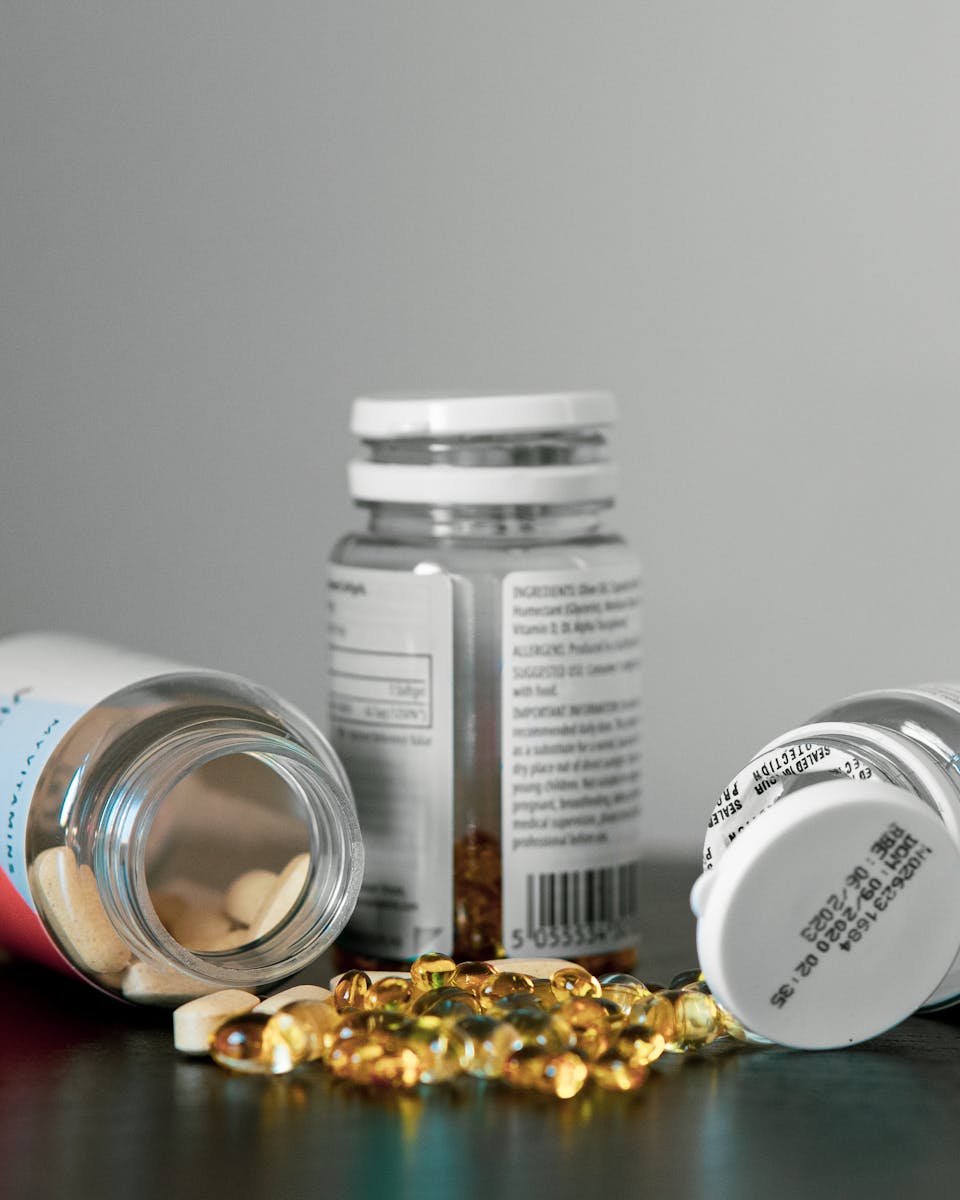
You pick up two bottles of the same herb, say milk thistle, Silybum marianum. One says “standardized to 80% silymarin.” The other just says “milk thistle, 500mg.” One costs twice as much. You have no idea whether you are paying for something real or paying for a word.
I want to clear that up, because the word on the label is doing more work than most shoppers realize, and once you know what it promises, you can tell the two bottles apart in seconds.
Here is the problem standardization is trying to solve. A plant is not a factory. The amount of any active compound in a herb swings with the growing conditions, the soil, the weather that season, when it was harvested, how it was dried and stored. Two batches of the same species can differ several-fold in the strength of the compound you care about.
A raw “500mg of herb” tells you the weight of plant powder in the capsule. It tells you almost nothing about how much active compound is in there.
What the word actually promises
A standardized extract is processed and tested so that it contains a guaranteed amount of a particular marker compound. “Standardized to 80% silymarin” means the maker has concentrated and adjusted the extract until silymarin makes up 80% of it, and has tested to confirm that figure. The point is consistency. Every capsule in the bottle, and ideally every bottle you buy over the years, delivers the same measured amount, instead of the lottery you get with raw plant material.
So standardization is really a promise about measurement. And that is where my own background makes me read these labels more carefully than I once did.
A number is only as good as the test behind it
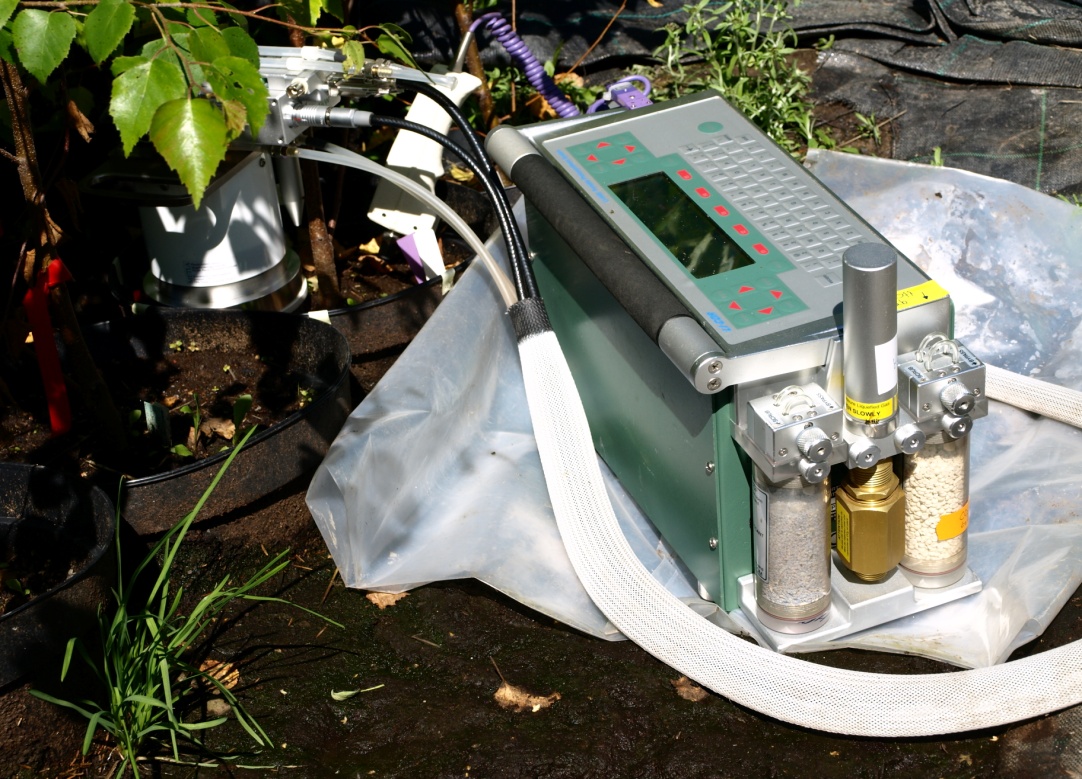
I want to tell you why I read these labels the way I do, because it changes what you should look for too. Part of my training covered the quality control of chemical and environmental measurements. That sounds dry, but what it teaches you is specific and useful: how an instrument is calibrated against a known reference, how a measurement method is validated before anyone trusts its numbers, and how much uncertainty sits around any figure a lab reports. You come out of it unable to look at a clean number the same way again.
So when a label says “80% silymarin,” here is how I apply that. I do not ask whether 80% sounds good. I ask three things: who measured it, against what reference standard, and how tightly. Those questions separate a figure that means something from a number printed because a competitor printed one.
This is the heart of it. Standardization is only as trustworthy as the testing underneath it. A figure on a label is a claim about a measurement, and a measurement can be done well or badly. A reputable maker tests against a known reference, uses a validated method, and can show the work if asked. A weak one cannot. The label looks identical either way, which is exactly why knowing what to ask is your protection.

This is also why third-party testing carries weight. When an independent lab verifies the content, the figure no longer rests only on the seller’s word. You are not buying the plant at that point. You are buying the verification.
Standardized is not automatically “better”
Worth being clear about one thing, because the word can be oversold. Standardization fixes the level of one marker compound. It does not guarantee the whole plant’s range of constituents is present, and for some herbs the marker chosen is not even the main active part, just the easiest thing to measure.
A high-quality whole-herb extract can be excellent. A standardized extract can be narrow. The word tells you there is consistency around one measured compound. It does not, on its own, tell you the product is superior.
So the fair reading is this: standardization is a tool for consistency and verification, not a synonym for quality. It is most useful when the marker compound is the active one, and when a credible test stands behind the number.
What to look for on the label
Putting it together, here is what I look for, and what you can scan for in seconds. A named marker compound and a percentage, not just a plant weight. Some sign the figure was verified, ideally third-party tested.
The plant’s botanical name, so you know exactly which species you are getting. And a batch or lot number, the quiet signal of a maker who tracks and tests their batches rather than blending and hoping.
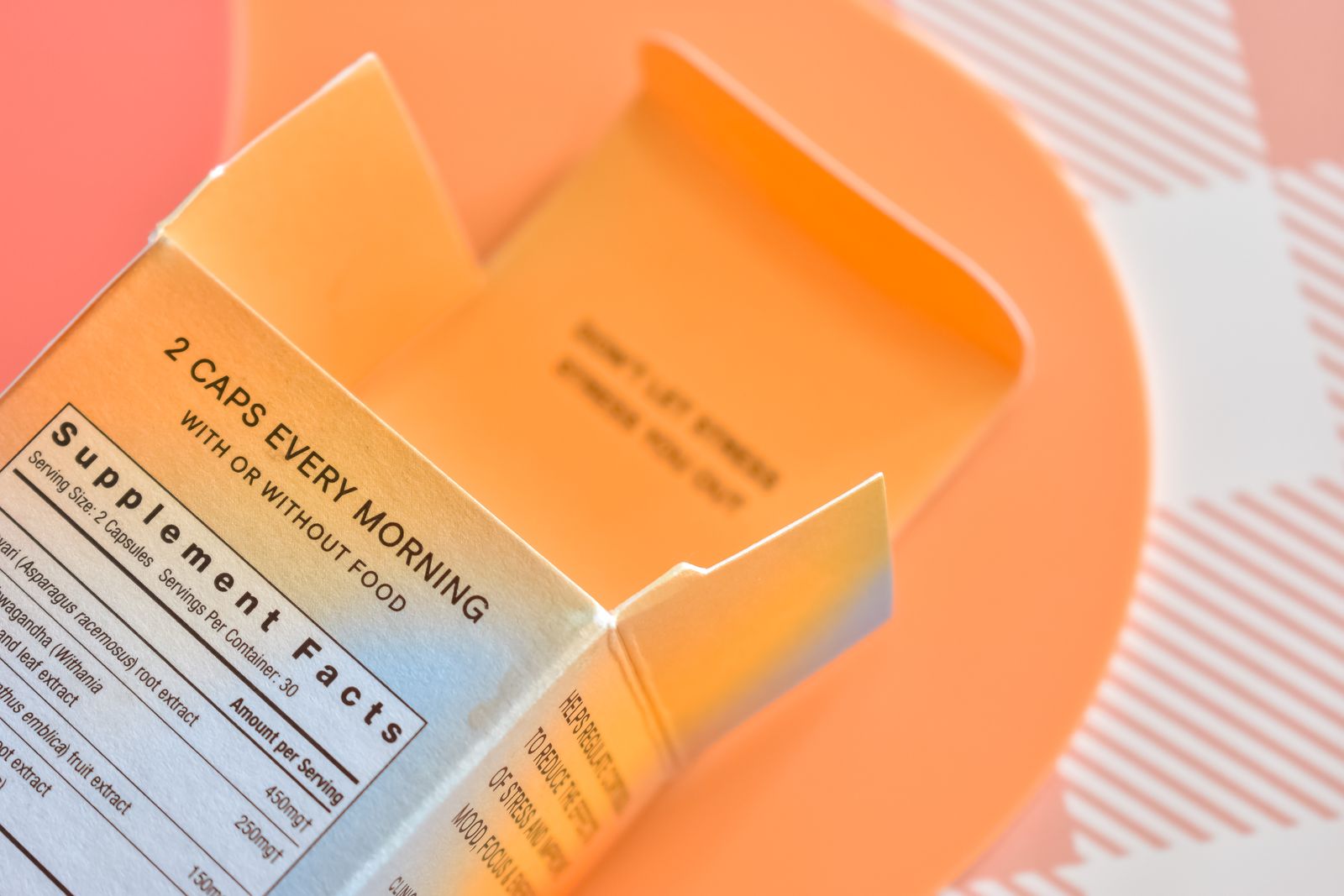
That gap between what the label says and what is in the bottle is wider than the price tag suggests. The word “standardized” is your single most useful clue, as long as you remember it is a claim about a measurement, and ask, even briefly, whether anyone trustworthy did the measuring.
If you want a starting point, I tend to point people toward makers who are open about their sourcing and testing rather than the cheapest bottle on the shelf. The formula powders below are a reasonable place to see what that openness looks like on a label.
See Homegrown Herbalist Formula Powders →
Common Questions
What is a standardized herbal extract?
It is a herbal extract processed and tested to contain a guaranteed amount of a specific marker compound, such as “standardized to 80% silymarin.” The aim is that every dose delivers a consistent, measured level rather than a variable one.
What is the difference between a standardized extract and a whole-herb extract?
A standardized extract is adjusted to a fixed level of one marker compound. A whole-herb extract aims to keep the plant’s full range of constituents in their natural proportions, without targeting a set percentage. Neither is automatically better; they serve different purposes.
Does standardized mean higher quality?
Not by itself. It means consistency around one measured compound. The quality still depends on whether that compound is the active one and whether a credible test stands behind the number.
Why does the same herb vary in strength between brands?
Because growing conditions, harvest timing, drying, and processing all change how much active compound the plant material holds. Without standardization and testing, two bottles of the same herb can differ substantially.
What should I look for on a herbal supplement label?
A named marker compound with a percentage, the botanical name of the plant, some evidence of testing (ideally third-party), and a batch or lot number. Those four together signal a maker who measures rather than guesses.
Can you trust the dose printed on the label?
Only as far as the testing behind it. A figure verified by an independent lab is far more reliable than an unverified one. The number is a claim about a measurement, so it is worth knowing who did the measuring.

