







This article was written by Serge, MSc. Plant Biologist and Environmental Scientist with a BSc in Plant Biology and an MSc in Environmental Biology and Biogeochemistry. My background covers plant biochemistry, botany, and field research in forest and soil ecosystems. I write from real experience, not just literature.
Affiliate disclosure: This site has affiliate links, including Amazon. As an Amazon Associate I earn from qualifying purchases, at no extra cost to you.
Some herbs surprise me every time I work with them. A single leaf fills the air with aroma, yet the same species grown elsewhere feels faint. Over years of studying soil-plant interactions and measuring how underground systems respond to environmental change, I learned this difference rarely comes from sunlight or watering alone. The real driver is soil microbiology, and it operates through mechanisms most herb growers never consider.
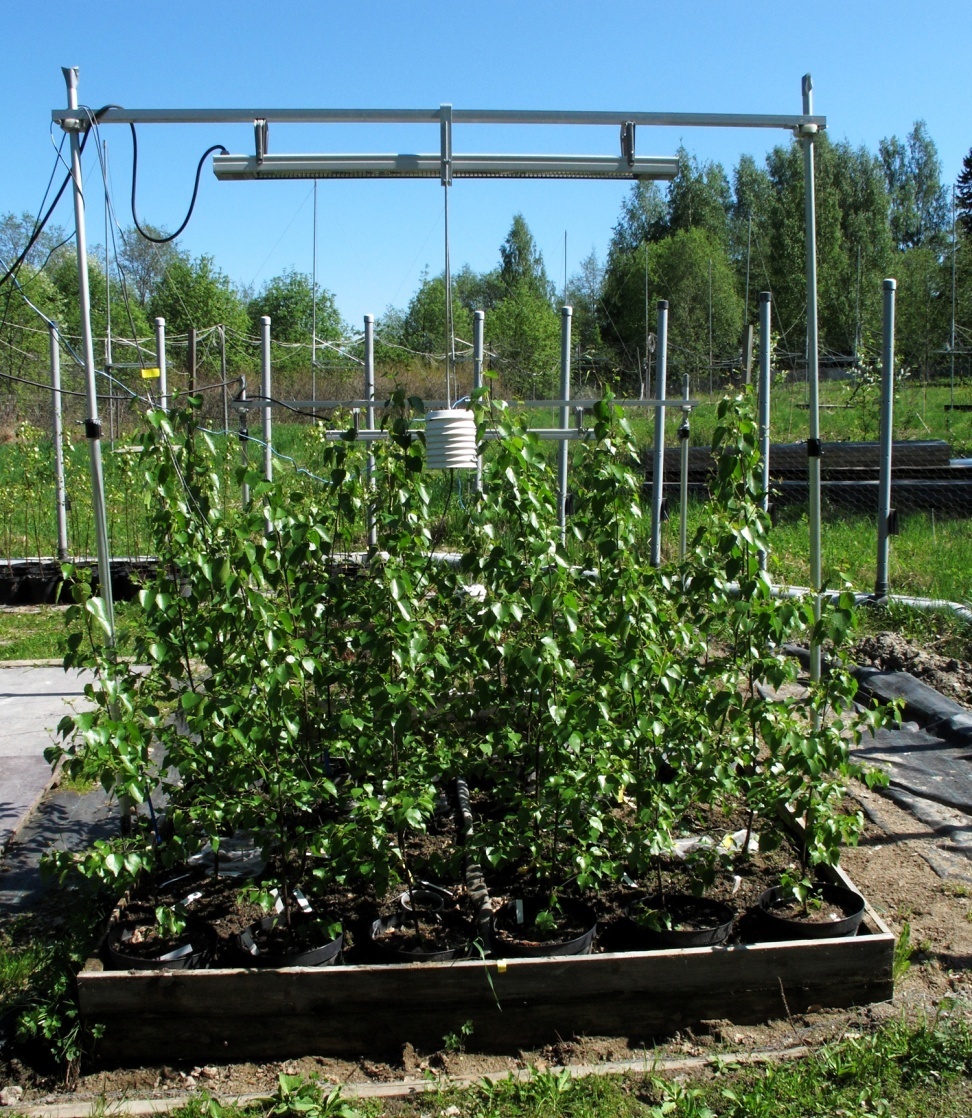
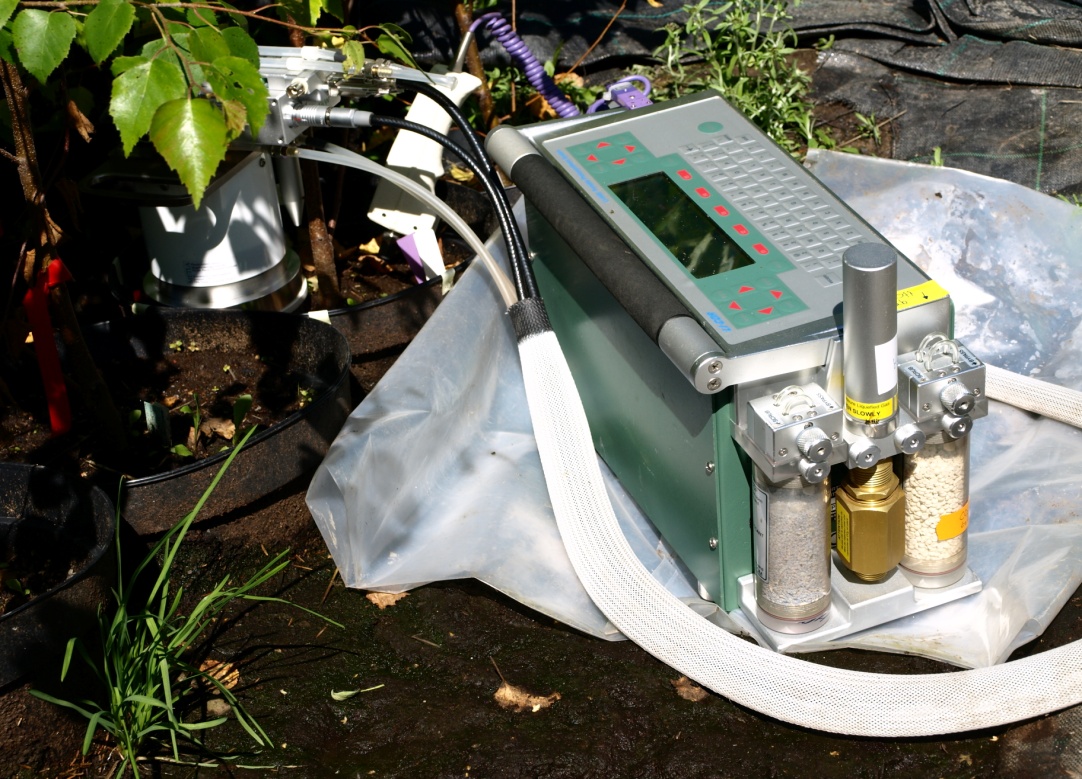
As someone who has studied plant biochemistry, environmental biology, and biogeochemistry, and has worked with soil-plant interactions during research on ozone effects in trees, I have seen how strongly plants respond to their underground partners.
What I Mean When I Talk About Herbal Terroir
Most people hear “terroir” and think about wine. I use it for herbs because the concept fits even better here. Soil life, local climate, and natural compost all shape the chemistry of a plant.
So when I talk about herbal terroir, I am talking about the living influences that decide how strong an herb becomes.
Take peppermint (Mentha x piperita). When it grows in soil full of microbes and fungal networks, it creates a sharper cooling effect. Lemon balm (Melissa officinalis) grown in active soil gets a brighter scent. Chamomile (Matricaria chamomilla) grown in good soil develops deeper color and more soothing qualities.
Same species. Different chemistry. All because of the soil.
Why I Pay So Much Attention to Soil Microbes
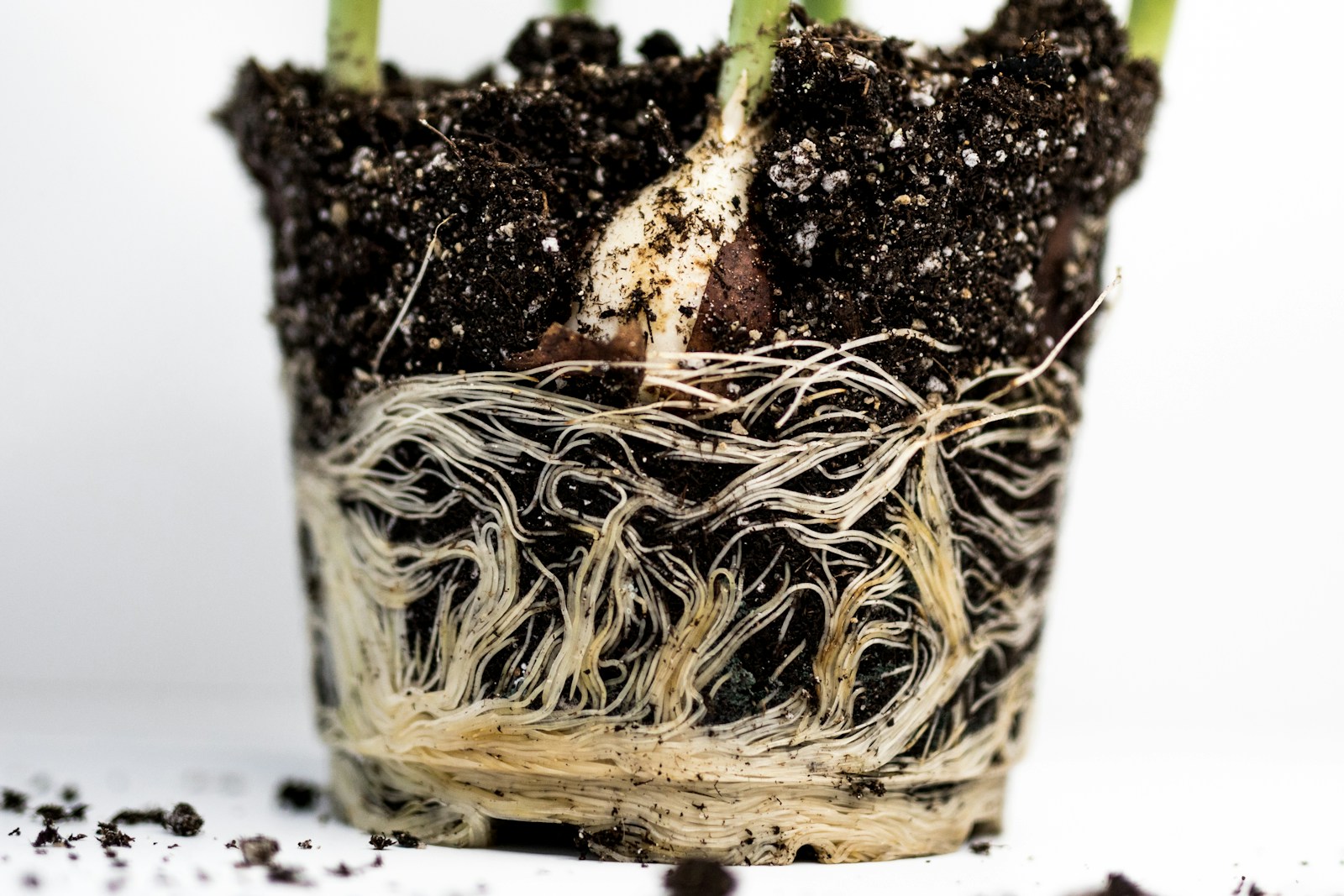
Healthy soil is never just dirt. It is alive. When you look at soil through a scientific lens, it is a community filled with bacteria, fungi, protozoa, nematodes, and other organisms that work together.
Here is what they do for medicinal plants, based on both study and direct field experience.
They help plants pull in minerals
Minerals do not move on their own. Microbes break them apart so roots can absorb them. More minerals mean richer plant chemistry.
They trigger natural plant defenses
Plants produce many beneficial compounds when interacting with microbes. This includes flavonoids, terpenes, essential oils, antioxidants, and bitter compounds. These natural defenses are the same compounds we rely on in herbal remedies.
They help plants stay stable under stress
In my field research measuring soil CO₂ efflux under different temperature and ozone treatments, I observed directly how root-microbe interactions shifted under environmental stress. When soil respiration changed, the whole plant system responded differently, including how carbon was allocated above ground. The same principle applies to medicinal herbs: disrupted soil biology does not just slow growth, it redirects the plant’s biochemical investment away from secondary metabolite production.
They keep roots protected
Beneficial microbes keep harmful organisms in check. That means cleaner, healthier herbal material. When someone tells me their herbs feel weak, soil life is the first place my mind goes.
Why Herbs From Different Regions Feel Different
You might notice herbs from certain areas, mountain villages, river valleys, old forests, taste or smell stronger. That is terroir at work.
Microbe-rich soil is commonly found in land with natural compost, old-growth regions, areas with diverse plant roots, and places undisturbed by chemicals or heavy tillage.
Here is what this means for some well-known herbs.
Peppermint (Mentha x piperita): active soil boosts menthol production. The result is a colder, clearer cooling effect.
Chamomile (Matricaria chamomilla): healthy soil increases apigenin, the compound linked with calm and digestive comfort.
Lemon Balm (Melissa officinalis): microbe-rich soil lifts essential oil content, giving it a brighter scent and stronger soothing quality.
Tulsi, Holy Basil (Ocimum tenuiflorum): better soil improves eugenol and rosmarinic acid levels. The aroma becomes fuller and more consistent.
Whenever someone tells me an herb feels different from batch to batch, terroir usually explains it.
How Soil Microbes Shape Plant Chemistry
Active soil encourages terpene formation, giving herbs stronger scent and more consistent effect. Microbial activity also supports flavonoid synthesis, which underpins the digestive, calming, and antioxidant activity we associate with medicinal herbs.
The mechanism is a continuous chemical dialogue between roots and soil organisms. Roots release exudates that attract and feed specific microbial communities. Those microbes in turn release compounds that signal the plant to upregulate secondary metabolite production. The result is a plant that invests more carbon into the chemistry we are after.
If you have ever grown herbs in plain store-bought potting mix and noticed they looked tired and smelled faint, this is why. The microbial community was absent, and the plant had no biological signal to produce defensive chemistry at meaningful concentrations.
How to Choose Stronger Herbs
You do not need a scientific background to identify good terroir. You need to know what to look for.
Choose herbs grown on soil-first farms. Growers who care about soil talk openly about compost, mulch, and minimal soil disturbance. Pay attention to origin. Regions with long-standing natural compost cycles and low chemical inputs generally grow stronger herbs.
Ask direct questions: Do you use compost? Do you keep the soil undisturbed? Do you support fungal networks? Growers who focus on soil answer these confidently.
If You Grow Herbs at Home
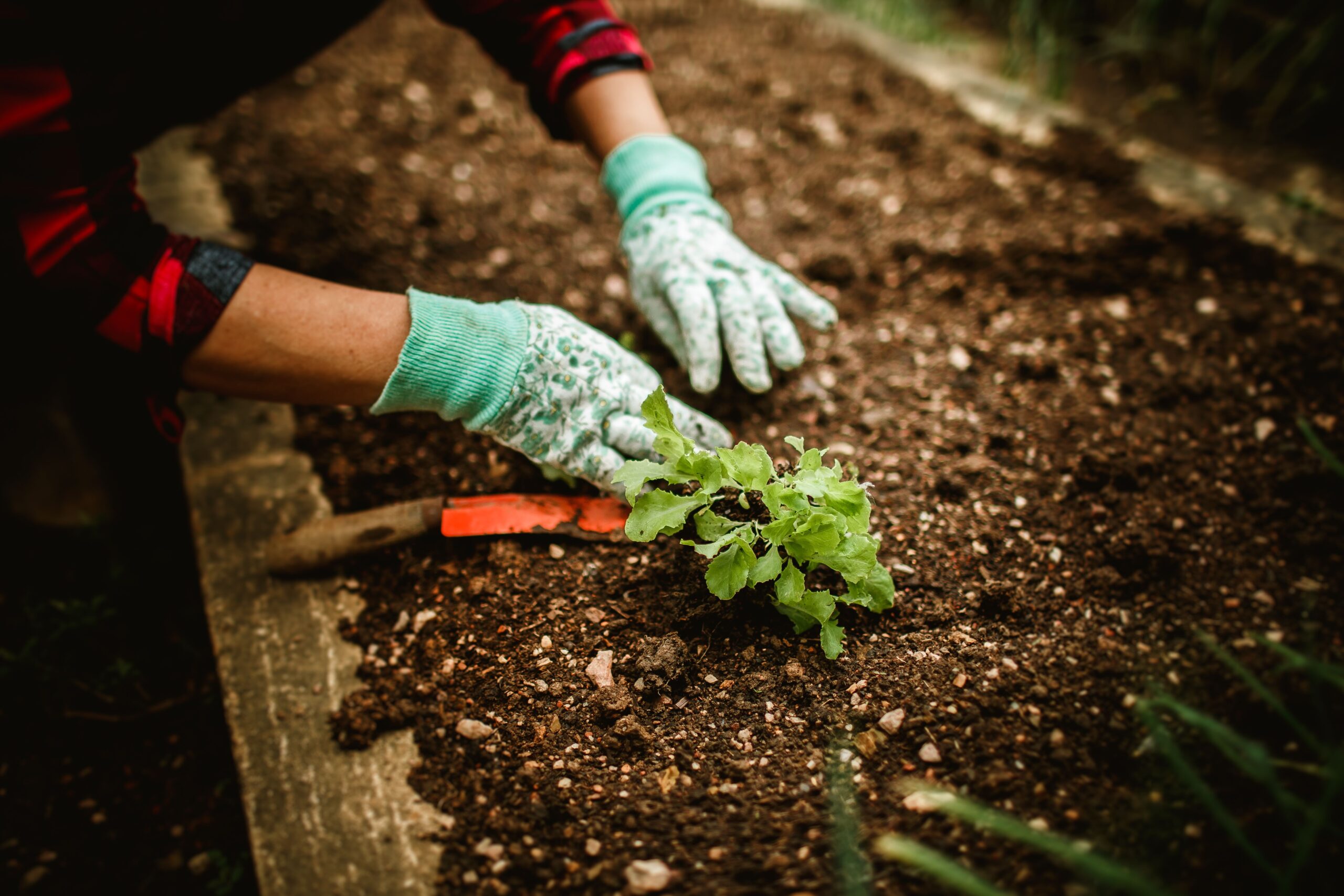
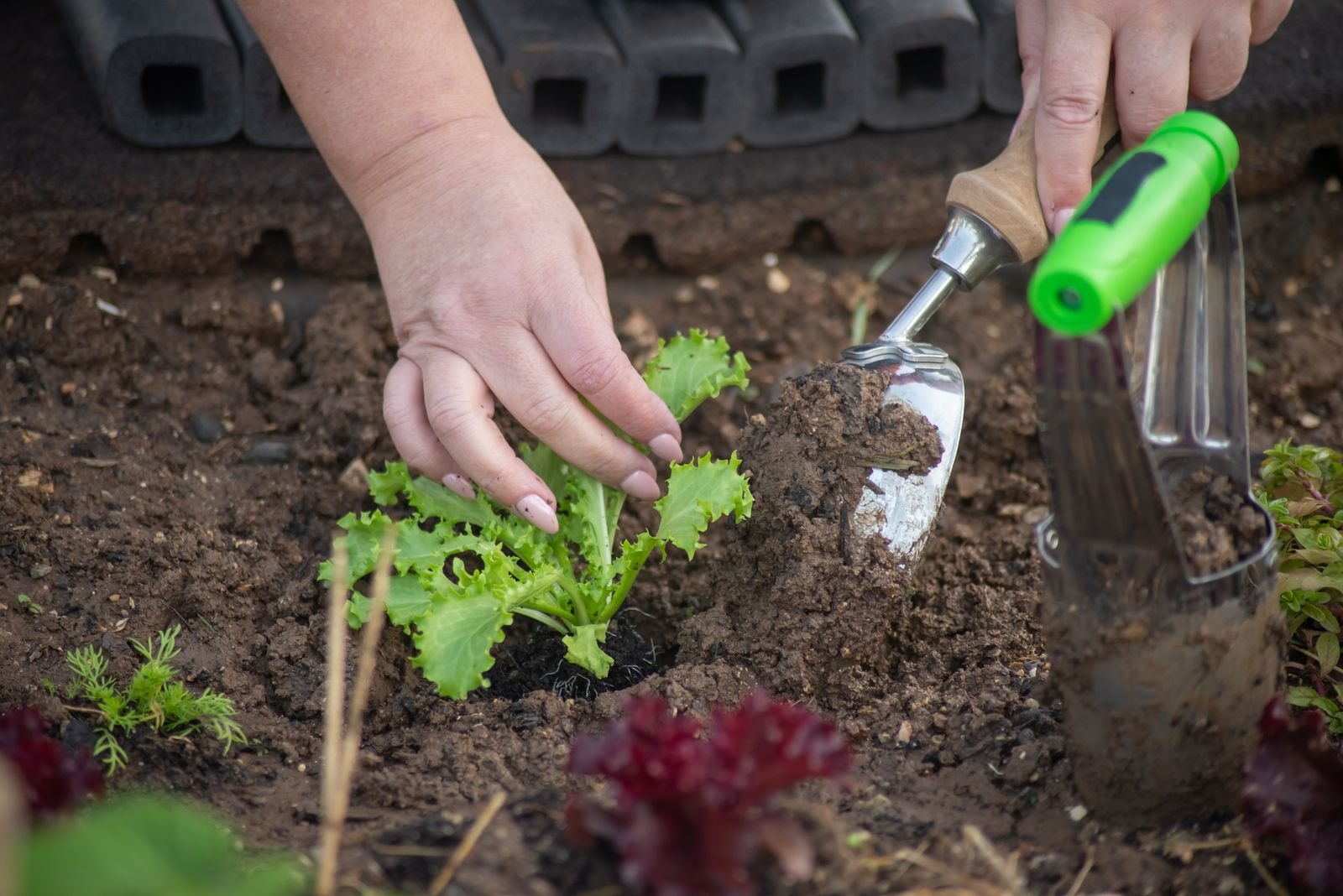
Add compost. Leaf mold and kitchen compost transform soil biology within one growing season.
Avoid tilling. Let soil layers stay intact. Fungal networks rely on physical stability and are destroyed by repeated disturbance.
Mix plant roots. Different herbs feed different microbial communities. Combinations of calendula (Calendula officinalis), echinacea (Echinacea purpurea), and lemon balm (Melissa officinalis) support diverse soil biology.
Use natural mulch. Leaves, straw, and woody material support moisture retention and fungal activity.
Water with rainwater where possible. Chlorinated tap water suppresses sensitive microbial populations. Rainwater supports them.
When you follow these practices, herbs grow with stronger scent, deeper color, and more consistent activity.
Why This Connects to Eco-Wellness
Soil rich in microbes reduces chemical input requirements, supports pollinator habitat, rebuilds biodiversity, and maintains long-term soil fertility. The herbs it produces are stronger because the plant system is functioning as it evolved to function.
Healthy soil does not just support plants. It determines what those plants are biochemically capable of becoming.
FAQs
Do herbs always get stronger in microbe-rich soil?
Most do. Secondary metabolite production increases when roots interact with active microbial communities because the chemical dialogue between roots and microbes signals the plant to upregulate defensive chemistry.
Can synthetic fertilizer improve herb potency?
It increases plant size and yield but does not replicate microbial signaling. High nitrogen fertilization can actually suppress secondary metabolite production by shifting the plant’s carbon allocation toward primary growth rather than defense chemistry.
Can potted herbs develop good terroir?
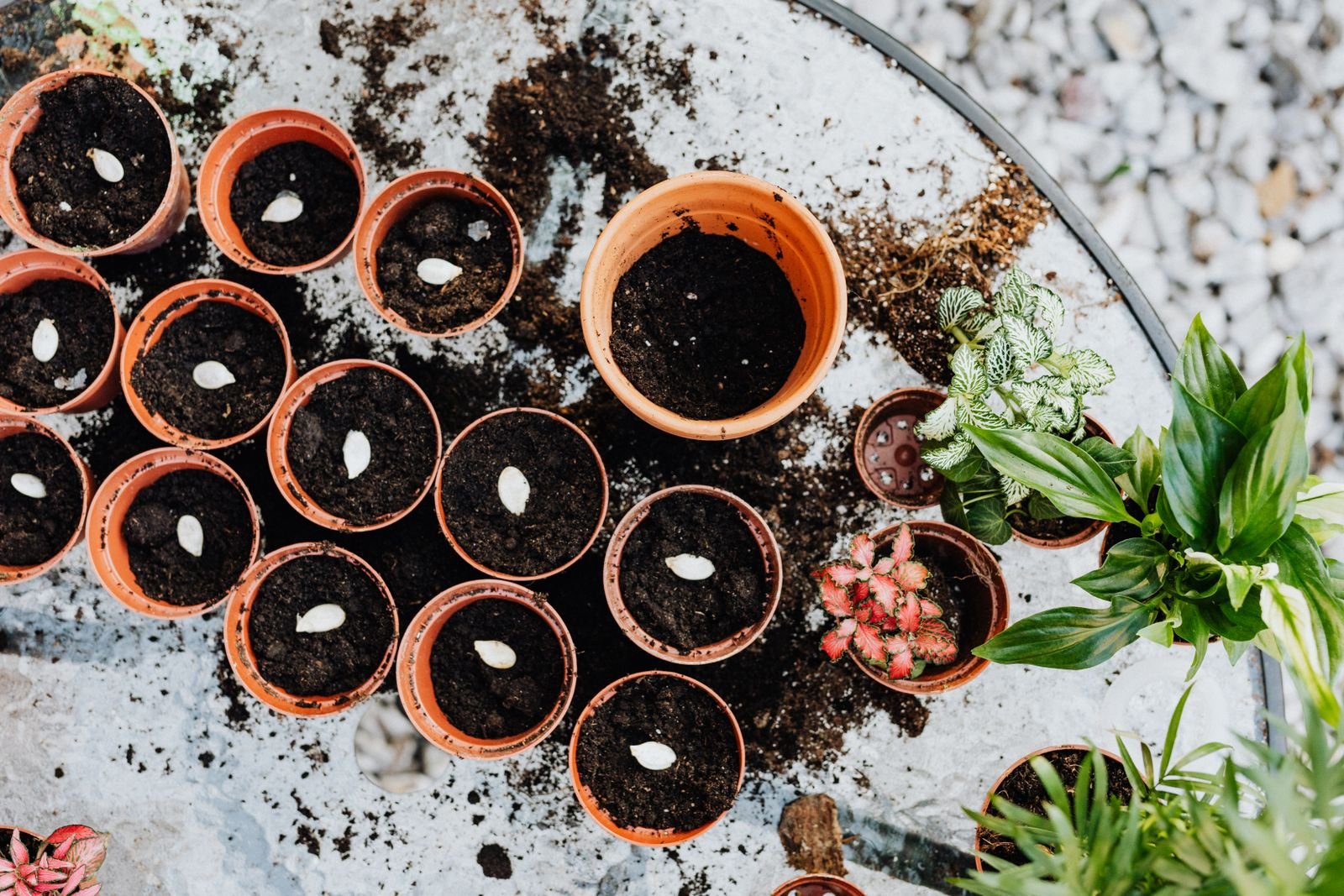
Yes, but the soil must be biologically active. Adding compost, natural mulch, and mycorrhizal inoculant to potting mix significantly improves microbial diversity and plant chemistry compared to standard potting compost.
Which herbs respond most strongly to soil microbes?
Peppermint, chamomile, tulsi, and lemon balm show the most noticeable variation between microbe-rich and depleted soils, largely because their primary value compounds are volatile terpenes and flavonoids whose production is directly influenced by microbial signaling.
Does microbe-rich soil affect herb safety?
Not negatively. It influences the concentration of active compounds, not their basic chemical nature. Stronger herbs simply require more attention to dosage, particularly for compounds with narrow therapeutic windows.
How does soil health connect to sustainability?
Microbially active soil requires fewer chemical inputs, supports biodiversity above and below ground, and maintains long-term fertility without external amendment. Growing medicinal herbs in healthy soil is one of the most direct connections between ecological health and personal wellness.

