








This article was written by Serge, MSc. Plant Biologist and Environmental Scientist with a BSc in Plant Biology and an MSc in Environmental Biology and Biogeochemistry. My background covers plant biochemistry, botany, and field research in forest and soil ecosystems. I write from real experience, not just literature.
Affiliate disclosure: This site has affiliate links, including Amazon. As an Amazon Associate I earn from qualifying purchases, at no extra cost to you.
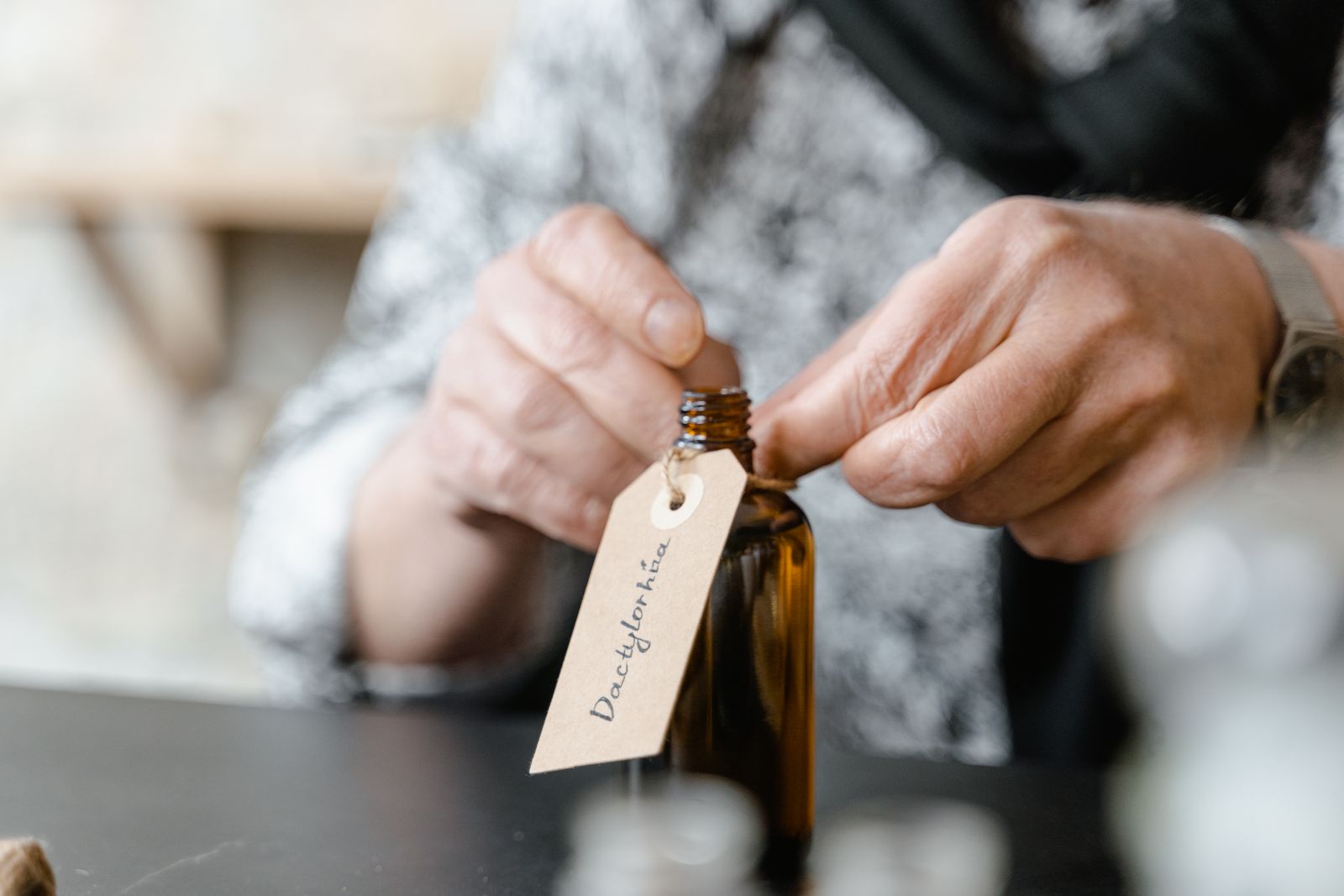
The word natural on a product label tells you almost nothing useful. Neither does green, eco-friendly, or plant-based. These are marketing terms with no standardised definition and no regulatory requirement behind them.
I realised this properly when I was studying plant biochemistry and looking at what plant-derived secondary metabolites actually do in biological systems. Nicotine is natural. So is ricin. So is the formaldehyde that softwood trees like Scots pine, Pinus sylvestris, release as a terpene through their resin canals. The origin of a compound tells you nothing about its toxicological profile. What matters is the specific compound, the concentration, and the exposure route.
That shift in thinking changed how I read product labels entirely, and it is the frame I use every time I evaluate whether an eco product claim is genuine or marketing.
What Certifications Actually Mean
Certifications are more reliable than label claims, but they answer specific questions rather than all questions.
USDA Organic covers agricultural ingredients and means they were grown without synthetic pesticides or fertilisers under verified conditions. It says nothing about the product’s performance, its packaging, or whether the non-agricultural ingredients in the formula are safe or sustainable.
Fair Trade covers labour and supply chain ethics. It tells you about how workers were treated and paid in the production chain. It does not evaluate the chemistry of the product itself.
FSC, the Forest Stewardship Council, covers responsible forest management for wood and paper products. Relevant for timber, paper packaging, and wood-based products. Not relevant for cleaning products or personal care.
Cradle to Cradle assesses the full material cycle of a product, including material health, recyclability, renewable energy use, water stewardship, and social fairness. It is the most comprehensive certification for evaluating a product’s genuine environmental impact across its whole life, which is why it is also the least common.
EU Ecolabel and similar regional schemes assess environmental impact across the product lifecycle and are independently verified. More reliable than self-declared claims.
The practical approach is to identify which certification is relevant to what you are actually concerned about for a given product category. For a cleaning product, material health and biodegradability certifications are most relevant. For timber furniture, FSC matters. For agricultural ingredients, USDA Organic or equivalent. No single certification answers all questions.
How I Read an Ingredient List
This is where my training gives me a genuine advantage over reading a label cold, and I want to be specific about what I actually look at.
When I see a plant-derived ingredient listed, my first question is not whether it comes from a plant but what compound class it belongs to and what that compound class does biologically. My plant biochemistry studies covered secondary metabolite biosynthesis in detail, including the phenylpropanoid pathway, terpenoid biosynthesis, and flavonoid chemistry. That means when I see an ingredient like linalool, limonene, or eugenol listed, I know these are terpenoid and phenylpropanoid compounds with specific biological activity, fragrance properties, and sensitisation potential at higher concentrations. They are plant-derived. They are also among the most common contact allergens in cosmetic products. Natural origin and low risk are not the same thing.
Fragrance or parfum listed as a single ingredient can represent dozens of undisclosed compounds. Under most labelling regulations, fragrance formulations do not need to be broken down into individual ingredients. If fragrance transparency matters to you, look for brands that list individual fragrance ingredients or use certified natural fragrances from specific plant sources with full disclosure.
Preservatives are necessary in water-based products to prevent microbial growth. My indoor microbes exposure assessment training covered how microbial communities establish and proliferate in indoor environments, which made me take preservative necessity seriously rather than treating them as automatically suspect. An unpreserved water-based product is a microbial growth environment.
The relevant question is which preservative and at what concentration. Isothiazolinones are effective biocides and have been associated with sensitisation at higher concentrations. Phenoxyethanol is generally considered lower risk. Parabens have weak oestrogenic activity in laboratory studies, though the significance at real-world exposure levels is debated. Knowing the names lets you look up the data rather than relying on marketing.
Surfactants, the compounds that make cleaning products clean, vary meaningfully. Plant-derived surfactants like coco glucoside and decyl glucoside, made from coconut oil and corn glucose, are biodegradable and generally well tolerated. The plant-derived label on a surfactant is genuinely meaningful here because it does relate to a different chemistry and degradation profile, which is one of the cases where the natural claim holds up under scrutiny.
What Greenwash Looks Like in Practice
My quality control of chemical and environmental measurements training was specifically about how to verify claims and identify where measurement and reporting fall short. That same scepticism applies directly to product claims, and it is how I approach every new product I look at.
Greenwash most commonly appears in three forms.
Vague claims with no specificity. “Kind to the planet” or “eco-conscious formula” say nothing verifiable. A claim is only as useful as the evidence behind it.
Highlighting one genuine positive while ignoring significant negatives. A product might legitimately use recycled plastic packaging while containing a preservative system that is poorly biodegradable. The packaging claim is real. The overall sustainability picture is not.
Certifying one aspect and implying total sustainability. USDA Organic on a cleaning product means the agricultural ingredients were organically grown. It does not mean the full formula is safe, biodegradable, or environmentally sound.
The test I apply is straightforward: what specific claim is being made, what evidence supports it, and what is not being said. Brands that publish full ingredient transparency, third-party safety data sheets, and lifecycle assessments are the ones I trust. If I cannot find that information after a reasonable search, I usually move on.
How I Approach Buying
I replace products one category at a time rather than trying to overhaul everything at once. Kitchen cleaning first, then bathroom, then personal care. It makes the research manageable and lets me assess what works before committing further.
For each category I check the specific certification most relevant to that product type, read the full ingredient list rather than just the front label, and look for third-party verified data where it exists.
If you want to skip the research and start with products already assessed against these criteria, I have put together a curated marketplace here on the site covering home and cleaning, energy tools, health and wellness, zero waste, beauty and personal care, gardening, and digital resources.
Browse My Reviewed Partner Brands →
Frequently Asked Questions
What does natural mean on a product label?
Nothing regulated. It has no standardised legal definition in most markets and no certification requirement. A product can contain synthetic compounds and still use the natural label. Check certifications and ingredient lists rather than front-of-pack claims.
Which certification is most reliable for eco products?
It depends on what you are evaluating. Cradle to Cradle is the most comprehensive for overall environmental impact. USDA Organic is reliable for agricultural ingredients. FSC covers responsible forestry. EU Ecolabel covers lifecycle environmental impact for a range of product categories. No single certification covers everything.
How do I know if a surfactant is biodegradable?
Plant-derived glucoside surfactants like coco glucoside and decyl glucoside biodegrade readily and are well documented. Look for OECD 301 biodegradability data on the brand’s technical documentation if you want verified information rather than marketing claims.
What is greenwash and how do I spot it?
Greenwash is marketing that overstates or misrepresents environmental credentials. It typically appears as vague unverifiable claims, highlighting one genuine positive while ignoring significant negatives, or implying total sustainability from a partial certification. Ask what specific claim is being made and what evidence supports it.
Are plant-based ingredients always safer?
No. Plant origin is separate from safety. Many plant-derived compounds are potent irritants or sensitisers at relevant concentrations. Plant-based surfactants do tend to have better biodegradability profiles than many synthetic alternatives, which is a genuine and useful distinction.
Is paying more for eco products worth it?
Often yes for concentrated or reusable formats where the price per use is lower than conventional alternatives. Not automatically for products where the eco claim is primarily marketing. Assessing price per use rather than unit price gives a more accurate picture.

