












This article was written by Serge, MSc. Plant Biologist and Environmental Scientist with a BSc in Plant Biology and an MSc in Environmental Biology and Biogeochemistry. My background covers plant biochemistry, botany, and field research in forest and soil ecosystems. I write from real experience, not just literature.
Affiliate disclosure: This site has affiliate links, including Amazon. As an Amazon Associate I earn from qualifying purchases, at no extra cost to you.
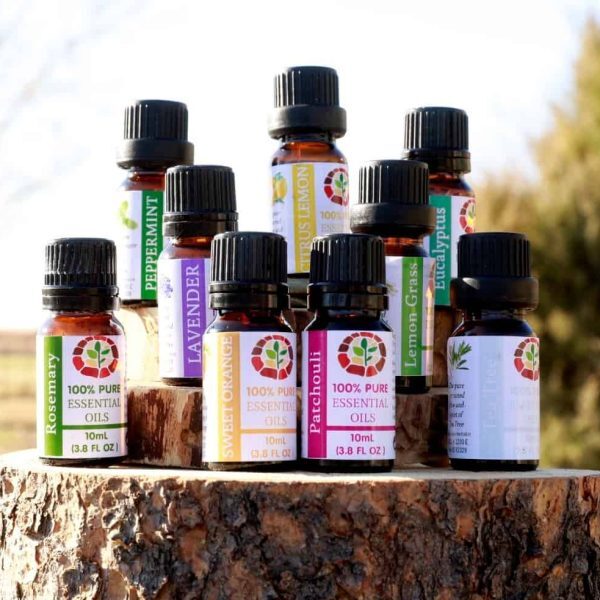
I get asked regularly about essential oil quality. Which brand is trustworthy. Whether organic certification makes a real difference. Whether third-party testing is just marketing language or genuinely useful.
These are good questions and they have specific answers rooted in plant chemistry. Having studied volatile compound biosynthesis and how growing conditions affect secondary metabolite production, I can tell you exactly what to look for and why each quality indicator is either meaningful or not.
Shop Organic Essential Oils at Homegrown Herbalist
Why Organic Certification Is Relevant for Essential Oils
Essential oils are concentrated extracts. Whatever was in the plant material ends up concentrated in the oil.
In conventional agriculture, synthetic pesticides applied to crops can persist in plant tissue. When that tissue is steam distilled to produce essential oil, volatile pesticide residues can carry over into the oil. The concentration effect that makes essential oils therapeutically potent also concentrates any contaminants present in the source material.
Organic certification means the source plants were grown without synthetic pesticides and herbicides. For a concentrated extract like essential oil this is a more meaningful quality indicator than it might be for whole food produce where residues are more dilute.
My ecotoxicology training covered how synthetic compounds move through plant systems and concentrate in different tissue types. The principle is directly relevant here. Organic source material reduces the risk of pesticide carryover into the final oil.
What Non-GMO and Vegan Certification Mean
Non-GMO verification confirms the source plants have not been genetically modified. For most essential oil plants this is straightforward since genetic modification of aromatic plants is not commercially widespread. It is a useful transparency signal rather than a critical safety concern for most oils.
Vegan certification confirms no animal-derived ingredients or animal testing in production. For essential oils this primarily addresses whether animal-based carrier ingredients or testing protocols were used in the manufacturing process.
Why Third-Party Testing Is the Most Important Quality Indicator
This is where I focus when evaluating any plant extract product.
In my Quality Control of Chemical and Environmental Measurements training I studied how analytical measurement quality is verified and what makes testing results reliable. The key principle is that the entity claiming quality should not also be the entity verifying it. Independent third-party testing removes that conflict.
For essential oils, third-party testing typically includes gas chromatography and mass spectrometry analysis of the volatile compound profile. This confirms that the oil contains the compounds it should contain at the concentrations expected, and that it is free from adulterants, dilutants, and contaminants.
An oil labelled pure lavender that has been adulterated with synthetic linalool or diluted with a cheaper carrier oil will show anomalies in its GC-MS profile. Third-party testing catches this. Supplier self-reporting does not.
When a brand publishes third-party test results or makes them available on request, that is a genuine quality signal. When results are unavailable or the testing is described only in vague terms, that warrants more scrutiny.
The Five Oils Worth Understanding
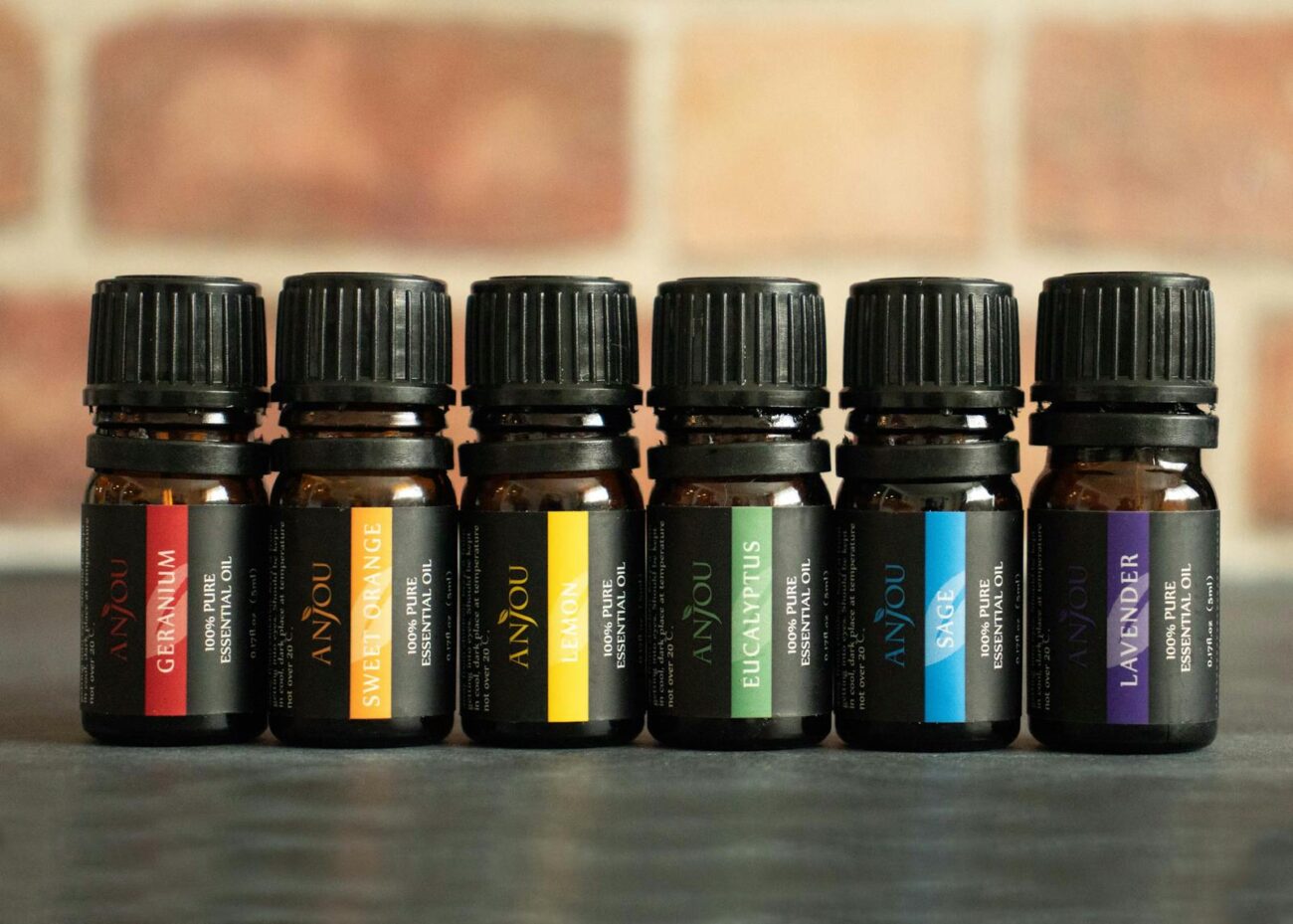
Peppermint (Mentha x piperita) The primary active volatile is menthol, a monoterpenoid synthesized in glandular trichomes. Menthol activates TRPM8 cold receptors producing the characteristic cooling sensation. In aromatherapy this translates to alertness and mental clarity effects. Quality peppermint oil should contain 35 to 45 percent menthol on GC-MS analysis.
Lavender (Lavandula angustifolia) Linalool and linalyl acetate are the primary volatiles. Linalool has documented GABA-A receptor activity producing anxiolytic effects. Quality lavender oil should contain 25 to 38 percent linalool and 25 to 45 percent linalyl acetate. Oils outside these ranges may be adulterated or from hybrid lavender species with different compound profiles.
Eucalyptus (Eucalyptus radiata) 1,8-cineole is the primary active at minimum 60 percent of the oil profile. This compound drives the respiratory and antimicrobial effects associated with eucalyptus. GC-MS testing should confirm cineole content.
Lemongrass (Cymbopogon flexuosus) Citral, a mixture of geranial and neral, is the primary volatile giving lemongrass its characteristic scent and antimicrobial activity. Quality lemongrass oil typically contains 65 to 85 percent citral.
Orange (Citrus sinensis) Limonene dominates at 90 to 95 percent of the volatile profile. Cold-pressed from the fruit peel rather than steam distilled. The uplifting mood effects are associated with limonene’s activity in the olfactory-limbic pathway.
How to Use These Oils
Diffusion delivers volatile compounds directly through the olfactory pathway to the limbic system. Add 3 to 5 drops to a diffuser with water and run for 30 to 60 minutes. This is the most efficient delivery method for mood and stress applications.
Topical application with a carrier oil allows skin absorption of lipophilic compounds including linalool and menthol. Dilute to 1 to 3 percent in a carrier oil like jojoba or coconut before applying to skin. Never apply undiluted essential oil directly to skin.
Steam inhalation adds a few drops to a bowl of hot water. Effective for respiratory applications with eucalyptus and peppermint.
Custom blends allow combining oils with complementary or synergistic compound profiles. Lavender and bergamot share linalool chemistry and combine well for anxiety applications. Peppermint and eucalyptus both contain 1,8-cineole and work together for respiratory support.
Yes for a concentrated extract. Synthetic pesticide residues in source plant material can carry over into the oil during distillation. Organic certification reduces this risk meaningfully. It is a more relevant quality indicator for essential oils than for most whole foods.
What should third-party testing confirm for essential oils?
Gas chromatography and mass spectrometry analysis of the volatile compound profile. This confirms the oil contains the expected compounds at expected concentrations and is free from adulterants, synthetic additions, and contaminants. Results should be available on request or published openly.
How do I know if an essential oil has been adulterated?
Without GC-MS testing you cannot know definitively. Practical indicators include unusually low price for a labour-intensive oil like rose or melissa, identical scent profiles across very different batches, and lack of published testing data. Buying from brands that publish third-party results removes most of the uncertainty.
Can essential oils be mixed with each other?
Yes. Oils with complementary compound profiles can produce synergistic effects. Lavender and bergamot both contain significant linalool and combine well. Peppermint and eucalyptus share 1,8-cineole chemistry. I covered the biochemistry of plant compound synergy in my herbal synergy article on this site.
Is cold-pressed citrus oil different from steam-distilled oils?
Yes. Cold pressing mechanically extracts oil from the peel without heat, preserving thermolabile compounds that would degrade during steam distillation. Citrus oils including orange, lemon, and bergamot are typically cold-pressed. Most other essential oils are steam distilled.

