









This article was written by Serge, MSc. Plant Biologist and Environmental Scientist with a BSc in Plant Biology and an MSc in Environmental Biology and Biogeochemistry. My background covers plant biochemistry, botany, and field research in forest and soil ecosystems. I write from real experience, not just literature.
Affiliate disclosure: This site has affiliate links, including Amazon. As an Amazon Associate I earn from qualifying purchases, at no extra cost to you.
The first time I understood what tillage actually destroys, I was studying biogeochemistry and working through the literature on soil carbon dynamics. The numbers were striking. Repeatedly tilled agricultural soils can lose 50 to 70 percent of their original organic carbon over decades. That carbon does not disappear. It goes into the atmosphere as CO₂. The same process I was measuring in my field research on a smaller scale, soil respiration responding to disturbance and temperature change, plays out across every garden bed that gets dug over each spring.
That connection between what I measured at Ruohoniemi and what happens under a garden spade changed how I think about soil management completely.
What Tillage Actually Destroys
Most gardening advice frames tillage as preparation. You dig to loosen soil, incorporate compost, break up compaction. The logic seems sound. What it misses is what lives in the soil and how it is organised.
Healthy garden soil is not just dirt with nutrients mixed in. It is a structured biological community. Fungal hyphae extend through the soil in networks that can span metres, connecting plant roots to mineral particles and organic matter. Bacterial communities occupy specific micro-habitats in aggregates and pore spaces. Protozoa graze on bacteria, releasing nutrients in plant-available forms. Nematodes regulate microbial populations. Earthworms create channels and process organic matter.
All of this structure develops over time and depends on physical stability. A single pass with a spade collapses it. The fungal networks that took years to establish are severed in seconds. The aggregate structure that creates water-holding capacity and aeration is broken apart. The carbon stored in stable organic matter is exposed to microbial attack and released as CO₂.
This is not a marginal effect. In my biogeochemistry training I studied how organic matter decomposition responds to soil disturbance. The relationship is direct and measurable: disturb the soil, expose organic matter, accelerate decomposition, lose carbon. Repeat this every year and you progressively deplete the biological capital that makes soil productive.
Mycorrhizal Fungi: The Network Tillage Destroys
The most ecologically important thing tillage destroys is the mycorrhizal network.
Mycorrhizal fungi form symbiotic associations with the roots of approximately 90 percent of all plant species. The fungus colonises the root, either forming structures inside root cells (arbuscular mycorrhizae) or forming a sheath around the root tip (ectomycorrhizae). In exchange for carbohydrates from the plant, the fungus extends its hyphae into soil volumes the root itself cannot access.
This is not a minor supplement to root function. Mycorrhizal hyphae are 40 to 50 times finer than the finest root hair. They penetrate soil pores that roots cannot enter and access water and mineral nutrients, particularly phosphorus, from distances and locations roots cannot reach. A well-colonised plant effectively has a root system that extends far beyond its visible roots, mediated by fungal threads.
The carbon cost to the plant is real. Plants allocate 10 to 20 percent of their photosynthetically fixed carbon to their mycorrhizal partners. That is a significant investment, and plants only make it because the return in nutrient and water access is worth more than the carbon cost.
When you till, you sever these networks physically. The hyphae are mechanically disrupted. The associations must be re-established from scratch, which takes weeks to months and requires viable fungal spores in the soil. In intensively tilled soil with few spore sources, re-establishment may be incomplete or delayed through the entire growing season.
What No-Till Does to Soil Carbon
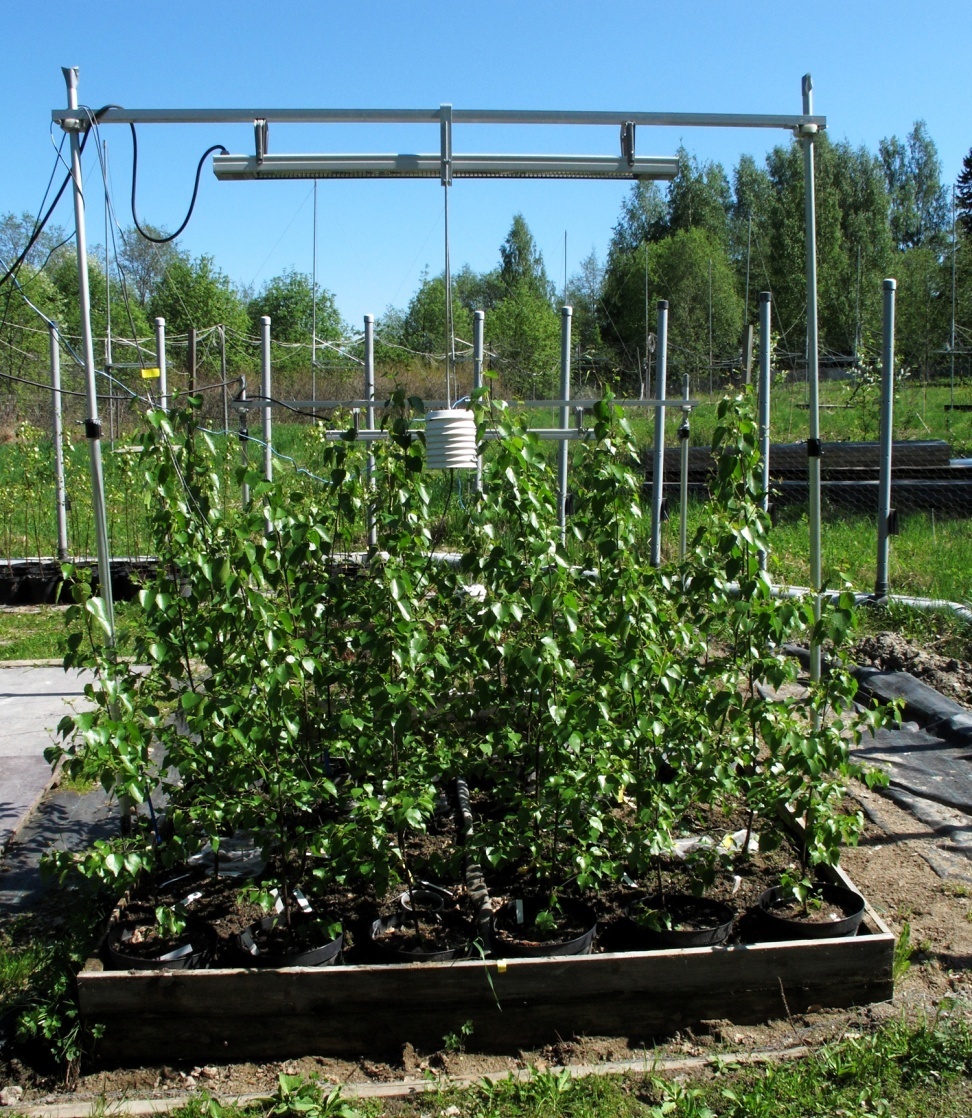
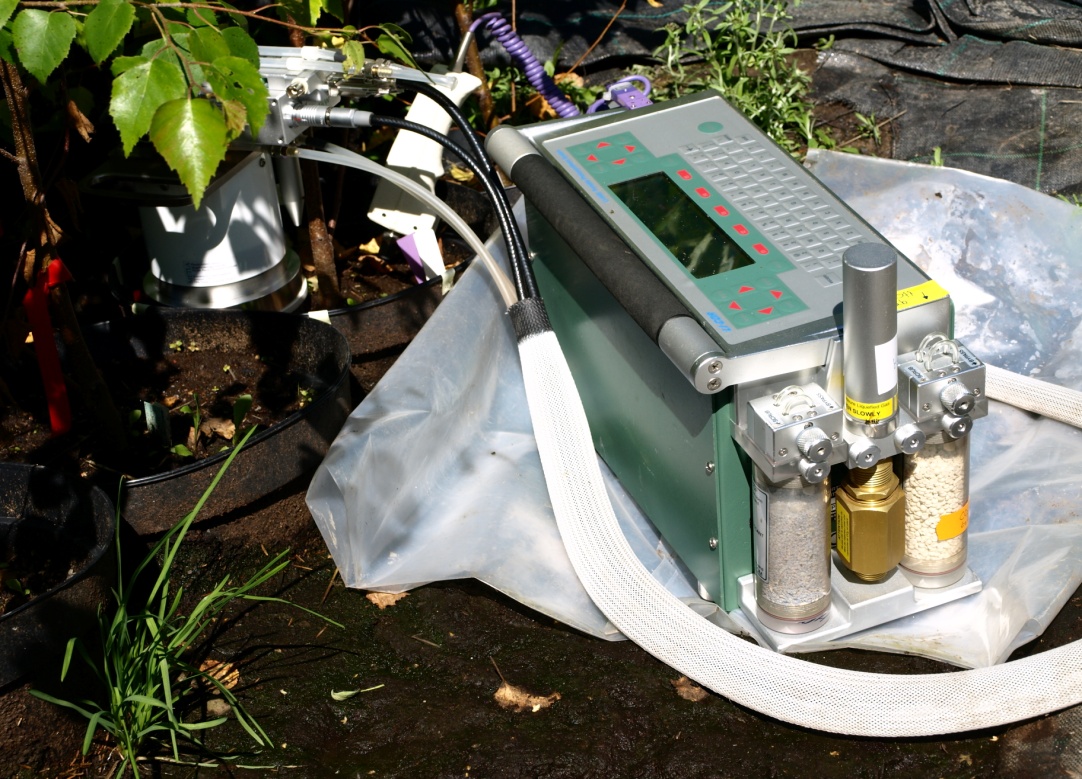
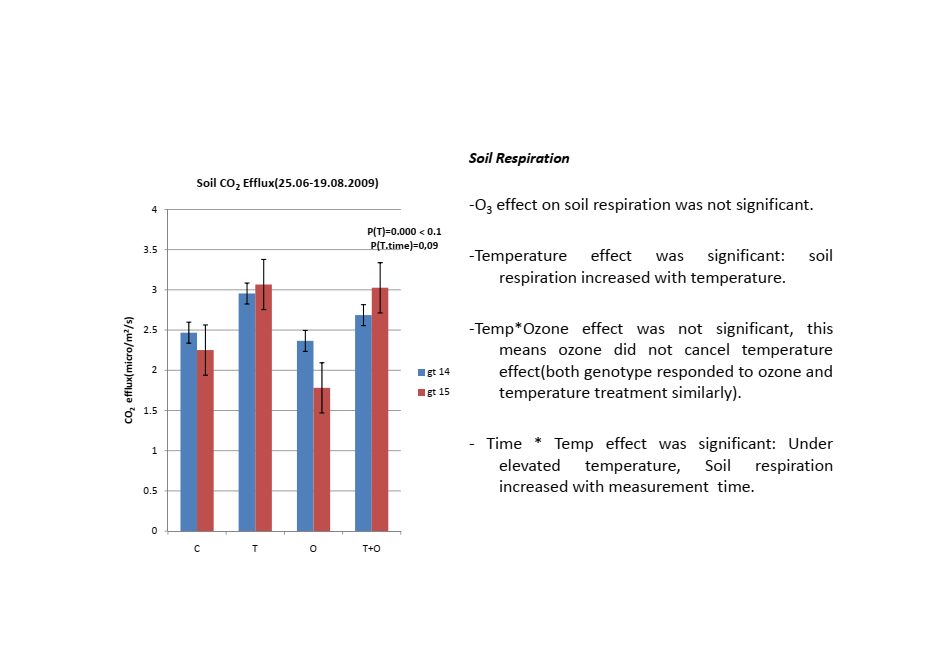
In my field research I measured how soil respiration, the combined CO₂ output of roots and microbes, responded to temperature and ozone treatments in silver birch plots. One of the clearest patterns was how sensitive soil carbon dynamics are to physical conditions. Small changes in temperature shifted respiration rates measurably. Disturbance effects are even more pronounced.
No-till management builds soil organic matter over time because it stops the cycle of disturbance and decomposition. When soil is left undisturbed, organic matter from surface decomposition moves downward gradually, stabilises in soil aggregates, and builds a carbon pool. This is the same process that built the deep black soils of native grasslands over millennia.
In a garden context this means: surface-applied compost and mulch decompose slowly, feed soil organisms, and progressively build organic matter in the topsoil. The soil does not need to be incorporated by digging. The organisms do the incorporation work if you leave them undisturbed.
Why Some Plants Do Not Benefit From Mycorrhizal Fungi
This question comes up regularly and the answer is biochemically specific.
Plants in the Brassicaceae family, which includes all cabbages, kale, broccoli, mustard, and radishes, do not form mycorrhizal associations. The family evolved non-mycorrhizal root chemistry and actually produces compounds that are inhibitory to mycorrhizal colonisation. Applying mycorrhizal inoculant to Brassica plants is wasted effort.
Plants in the Chenopodiaceae family, including beetroot and spinach, are similarly non-mycorrhizal or weakly mycorrhizal.
Beyond these families, mycorrhizal associations form with almost all other garden plants including tomatoes, peppers, cucumbers, beans, herbs, fruit trees, and flowering plants. For these species a functioning mycorrhizal network in undisturbed soil provides measurable benefits in drought tolerance, phosphorus uptake, and resilience to root pathogens.
Does Mycorrhizal Fungi Inoculant Actually Work
This is worth addressing directly because the product market is large and the claims are variable.
Mycorrhizal inoculant products contain fungal spores that can colonise plant roots when they germinate. The question is whether adding inoculant to soil that already contains viable native fungal populations produces any additional benefit. In undisturbed soil with a history of diverse plant growth, native populations are usually adequate and inoculant adds little. In disturbed, sterilised, or depleted soil, inoculant can accelerate colonisation meaningfully.
The most reliable use of inoculant is at transplanting, when spores are placed directly in contact with roots before planting. Surface application to established plants is less effective because spores need root contact to germinate and colonise. The question “can you sprinkle mycorrhizal fungi on top of soil” has a direct answer: it can work but it is less effective than root-zone application, and in undisturbed soil with existing fungal populations it is rarely necessary.
What actually works better than inoculant in most garden situations is simply stopping tillage and letting native populations rebuild.
What Kills Mycorrhizal Fungi
Several common garden practices damage or destroy mycorrhizal networks:
Tillage is the most damaging, as covered above. Physical disruption severs hyphae and collapses the network structure.
Phosphorus fertiliser at high rates suppresses mycorrhizal colonisation. When phosphorus is abundant in the soil solution, plants reduce carbohydrate allocation to their fungal partners because the partnership is less necessary. This is why heavily fertilised gardens often have poor mycorrhizal development despite undisturbed soil.
Fungicides, including some commonly used in vegetable gardens, can directly damage fungal populations. Systemic fungicides absorbed by plants are particularly problematic because they reach the root zone where mycorrhizal colonisation occurs.
Bare soil with no plant cover allows fungal networks to decline because there are no host roots providing carbon to support the network. Keeping soil covered with plants or mulch year-round maintains the network even in winter.
Practical No-Till Method for a Garden
The transition from tilled to no-till does not require special equipment or expensive inputs. The method is straightforward:
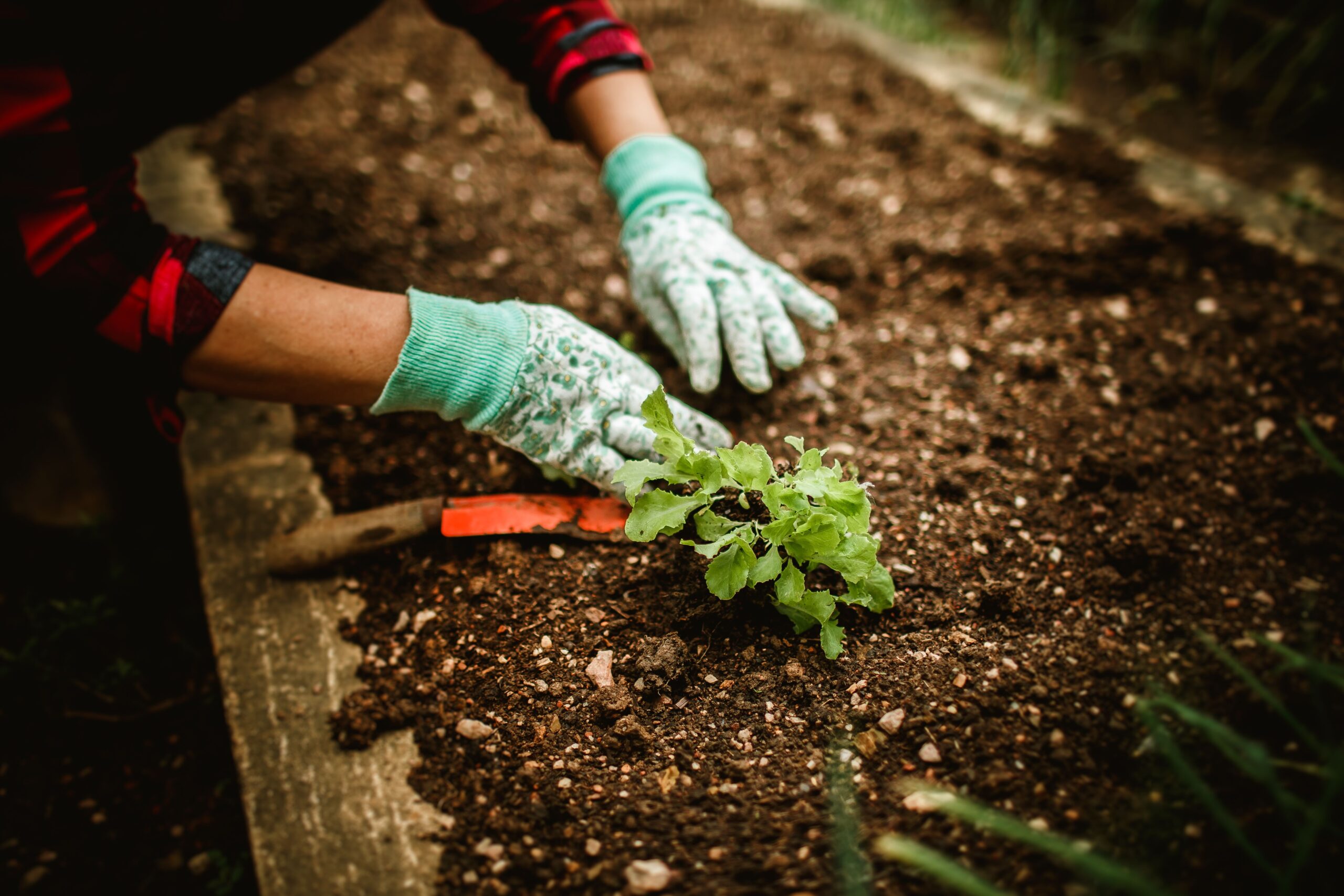
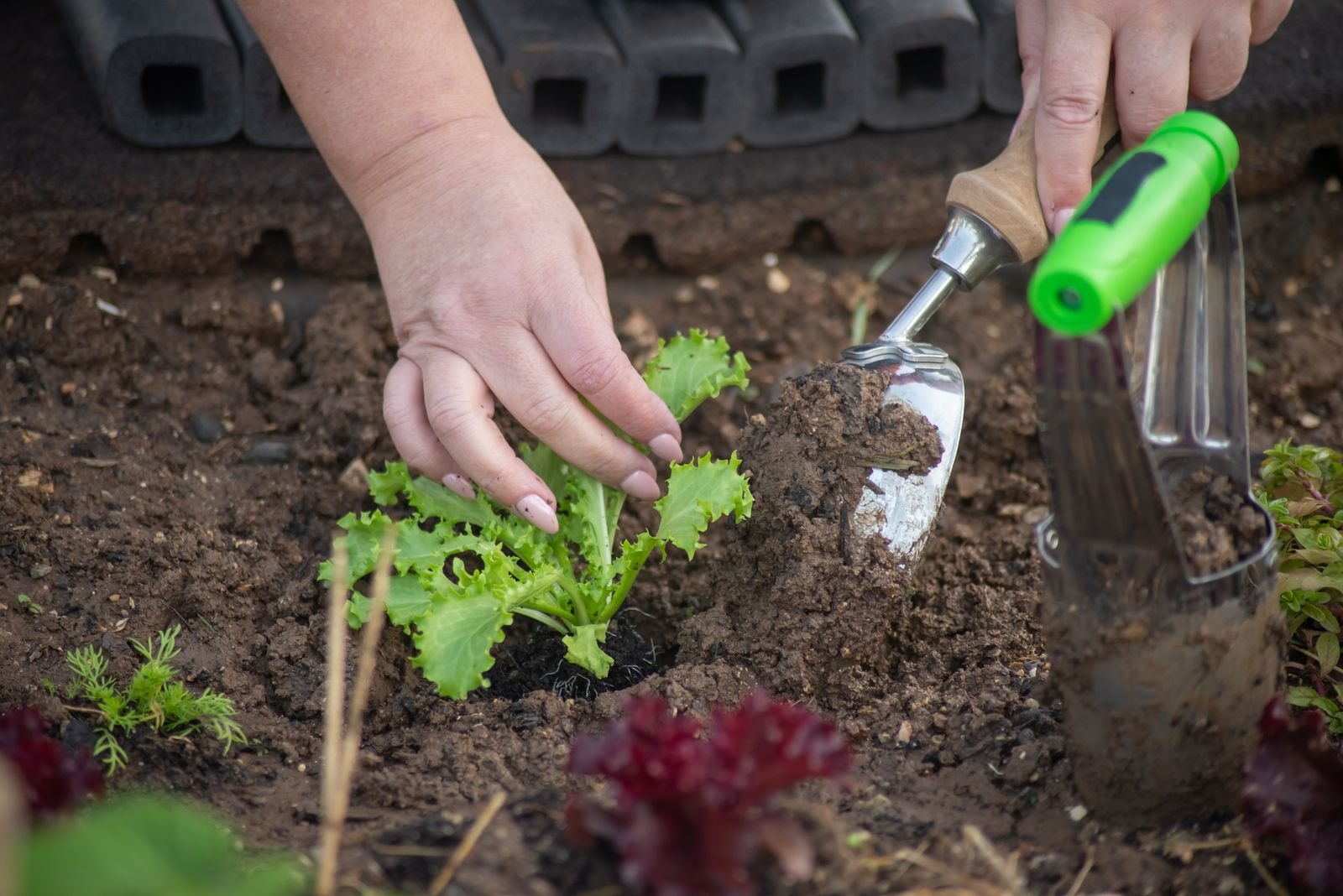
Stop digging. The most important step is simply not disturbing the soil. If you need to plant, use a narrow trowel or dibber to make a planting hole rather than turning over the bed.
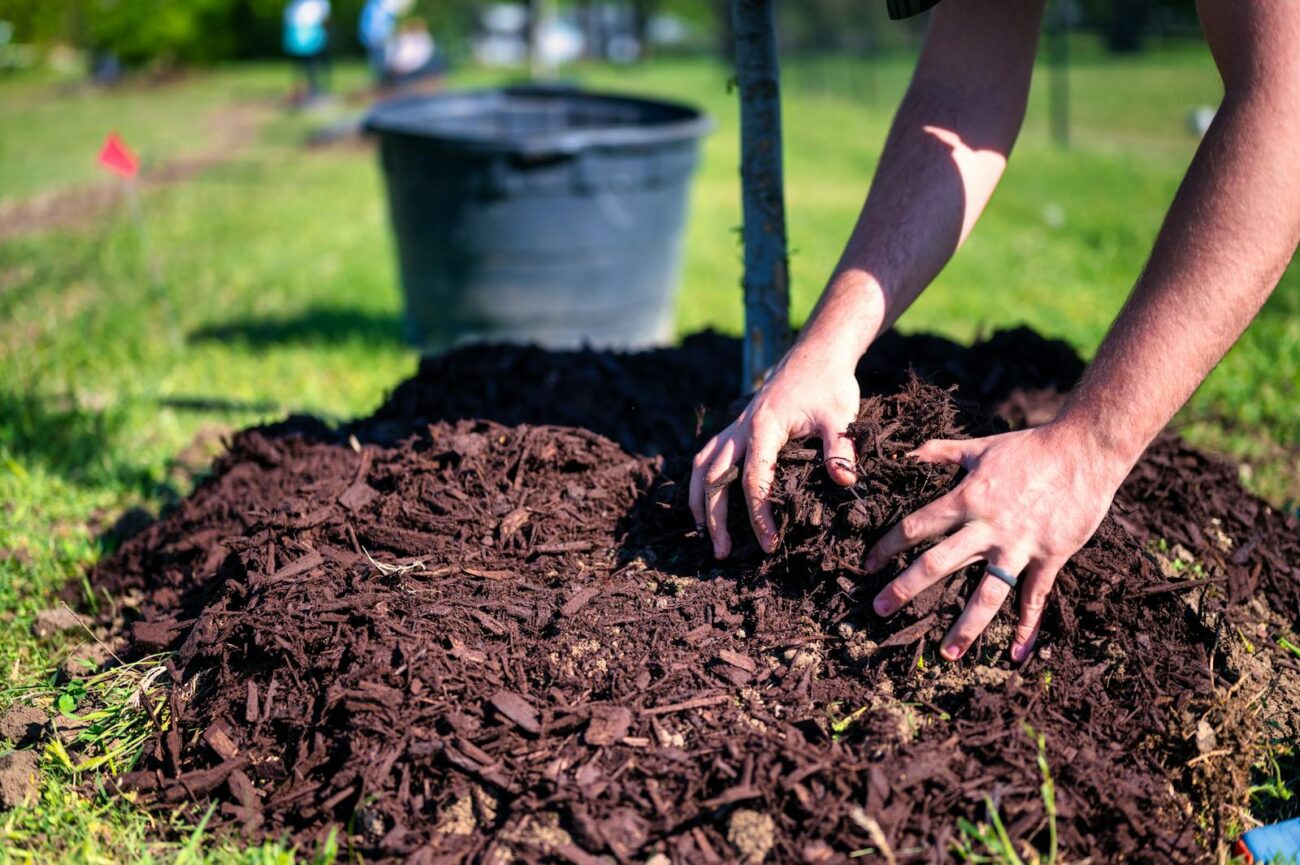
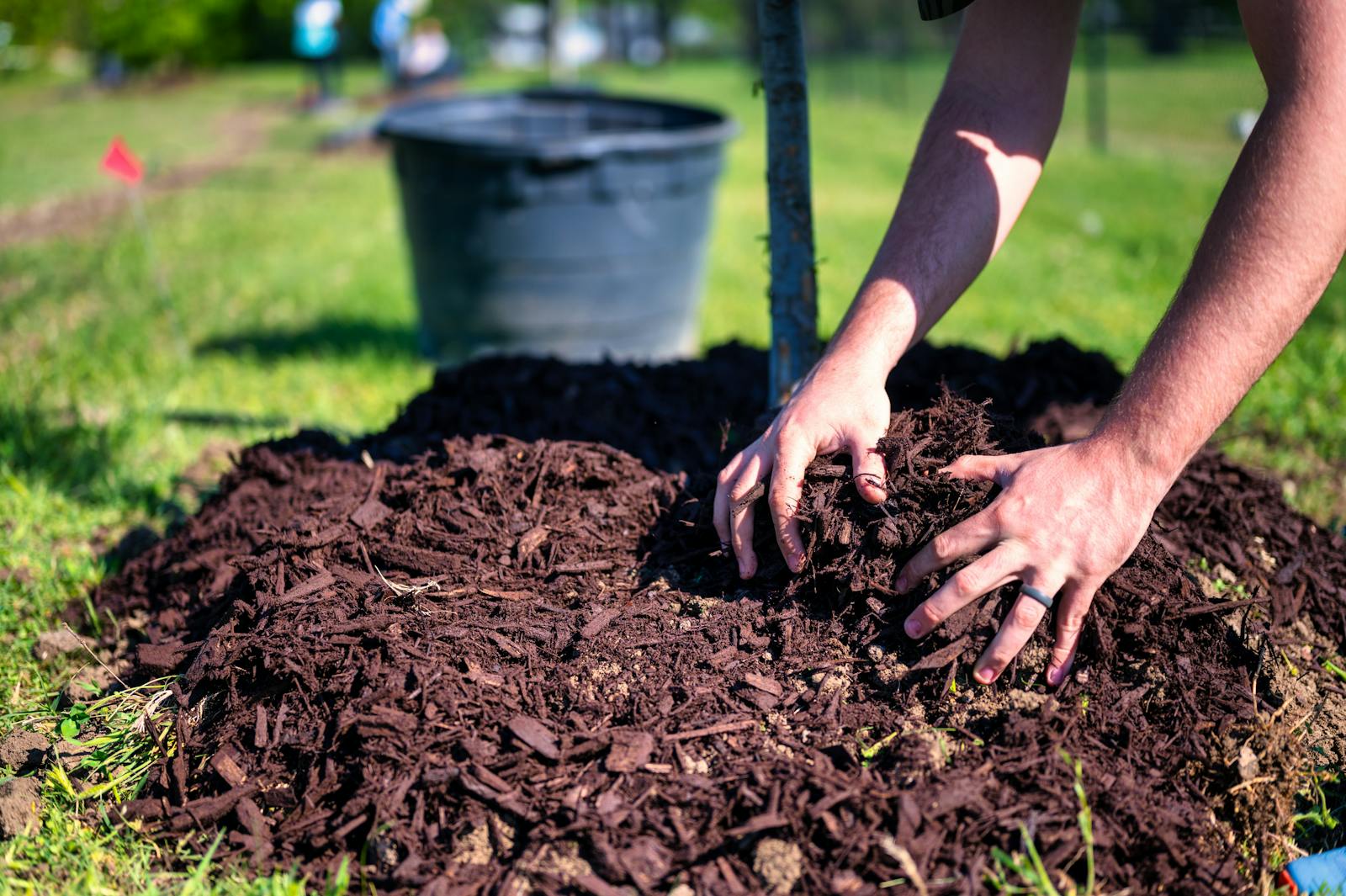
Apply surface mulch. Woodchip, straw, leaf mould, or compost applied to the surface feeds soil organisms from above and protects the soil structure below. A layer of 5 to 10 cm suppresses weeds and retains moisture while decomposing slowly into the topsoil.
Leave roots in the ground where possible. When you remove a plant at the end of the season, cut it at soil level rather than pulling it out. The decomposing root channels become pathways for water and air, and the root zone supports mycorrhizal fungi as it breaks down.
Add compost to the surface rather than digging it in. Surface application works because soil organisms pull it downward. Digging it in disrupts the very organisms you are trying to feed.
Be patient in the first season. A newly no-tilled bed often has lower initial productivity than a freshly dug bed because the soil biology is still establishing. By the second and third year the biological capital builds and productivity increases while inputs decrease.
FAQs
Does no-till gardening actually work?
Yes, with a caveat about timescale. The first season after transitioning from tilled soil often shows similar or slightly lower productivity as soil biology establishes. From the second year onward, no-till beds consistently build organic matter, improve water retention, and support more robust plant growth than repeatedly tilled beds of the same age.
What is the disadvantage of no-till gardening?
The main practical challenge is weed management without cultivation. Surface mulch addresses most of this but establishing ground cover in the transition period requires attention. The first season also requires patience as soil biology builds. Neither is a fundamental disadvantage, just an adjustment from tilled garden habits.
Can you sprinkle mycorrhizal fungi on top of soil?
It can work but is less effective than root-zone application at transplanting. In undisturbed soil with existing plant growth and a history of diverse species, native mycorrhizal populations are usually adequate and surface inoculant adds little benefit. The more effective approach is stopping tillage and allowing native fungal populations to rebuild.
What plants do not benefit from mycorrhizal fungi?
Plants in the Brassicaceae family, including all cabbages, kale, broccoli, cauliflower, mustard, and radishes, do not form mycorrhizal associations. Chenopodiaceae plants including beetroot and spinach are also non-mycorrhizal or weakly mycorrhizal. Applying inoculant to these plants is ineffective.
What kills mycorrhizal fungi in garden soil?
Tillage physically severs hyphal networks. High-phosphorus fertilisers suppress colonisation by reducing plant investment in fungal partnerships. Systemic fungicides reach the root zone and damage fungal populations. Bare soil with no plant cover causes networks to decline from lack of carbon supply. All four are common in conventional garden management.
How long does mycorrhizal fungi last in soil?
In undisturbed soil with host plant roots present, fungal networks are self-sustaining indefinitely. In disturbed or bare soil, populations decline within one to two seasons. Packaged mycorrhizal inoculant products typically have a shelf life of one to two years when stored correctly, after which spore viability decreases.
Is mycorrhizal fungi worth buying?
For transplanting into depleted, previously tilled, or sterilised soil it can accelerate establishment meaningfully. For gardens with a history of undisturbed soil and diverse planting, native populations are usually adequate. The most cost-effective investment is stopping tillage rather than buying inoculant.
Why is no-till better for soil carbon?
Tillage physically disrupts soil aggregates and exposes stabilised organic matter to rapid microbial decomposition, releasing carbon as CO₂. No-till allows organic matter to accumulate gradually, stabilise in aggregates, and build a long-term carbon pool. I measured how sensitive soil carbon dynamics are to physical conditions directly in my field research, where even modest temperature increases shifted soil CO₂ efflux rates measurably.
Recommended: Check how alive your soil is with my free Soil Life Scorecard, two simple checks with a printable log.

