









This article was written by Serge, MSc. Plant Biologist and Environmental Scientist with a BSc in Plant Biology and an MSc in Environmental Biology and Biogeochemistry. My background covers plant biochemistry, botany, and field research in forest and soil ecosystems. I write from real experience, not just literature.
Affiliate disclosure: This site has affiliate links, including Amazon. As an Amazon Associate I earn from qualifying purchases, at no extra cost to you.

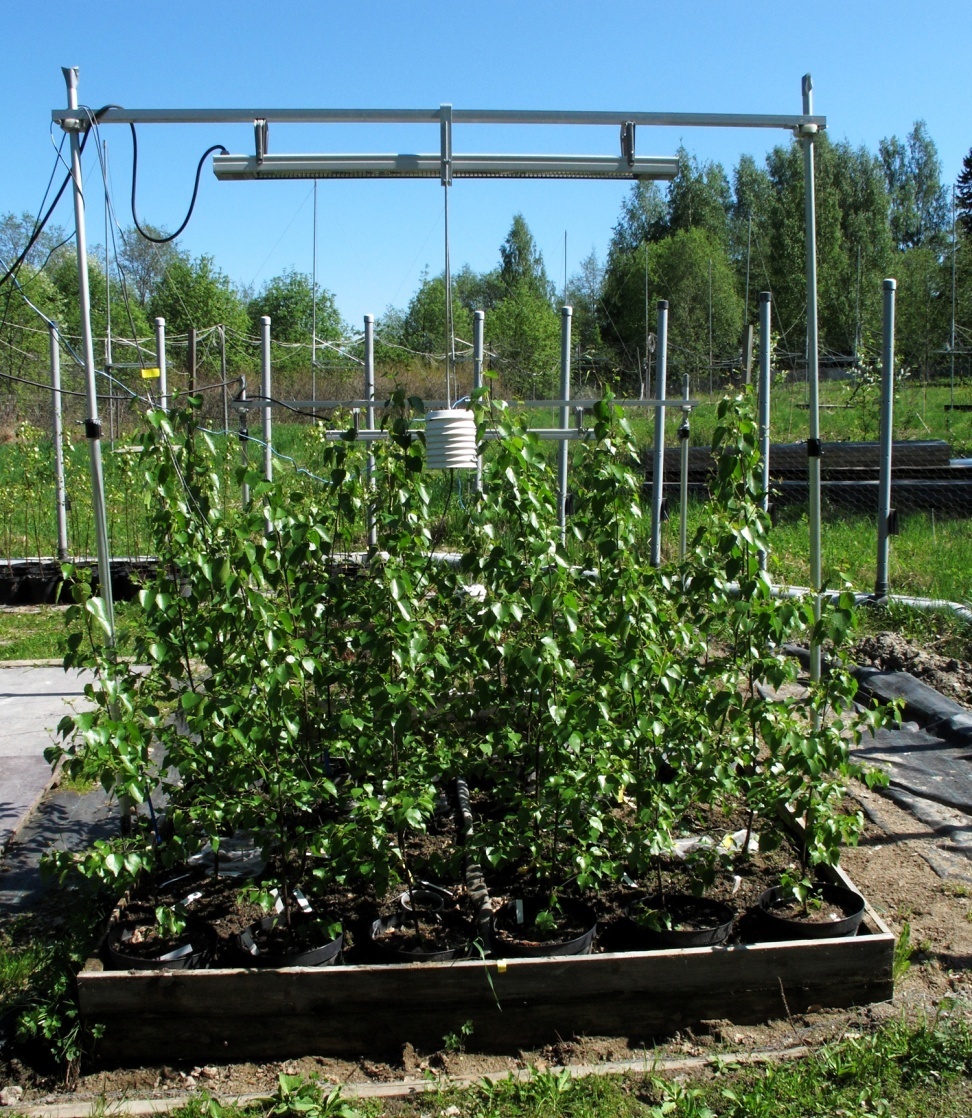
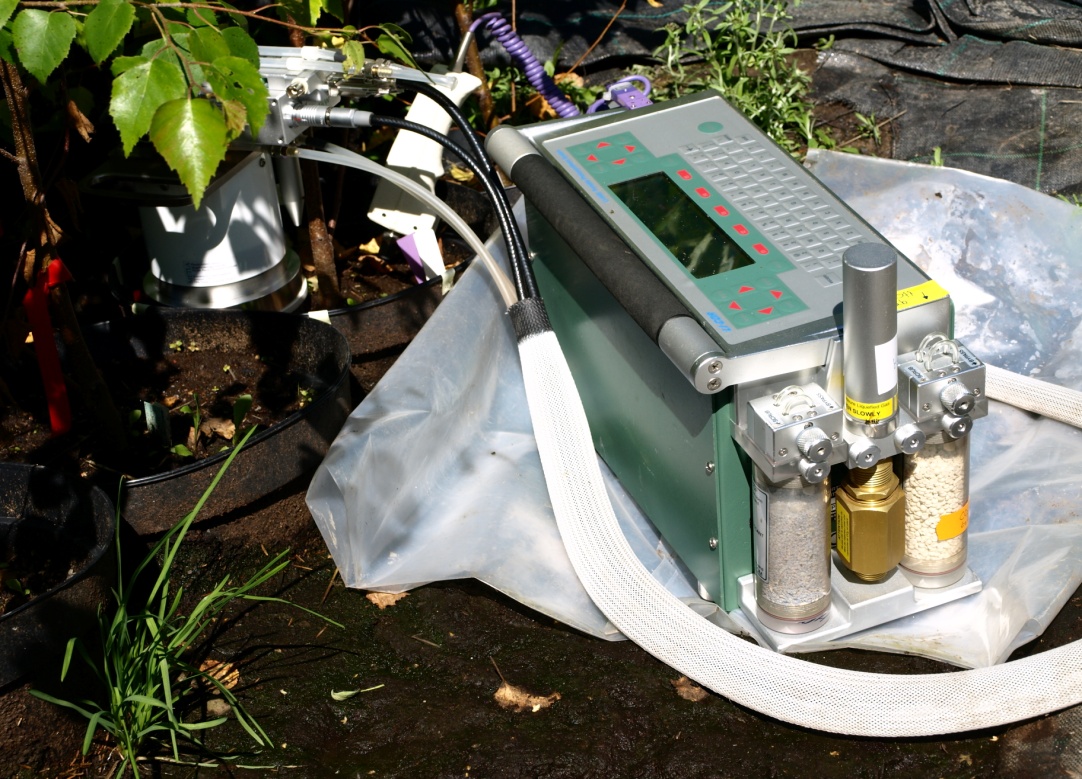
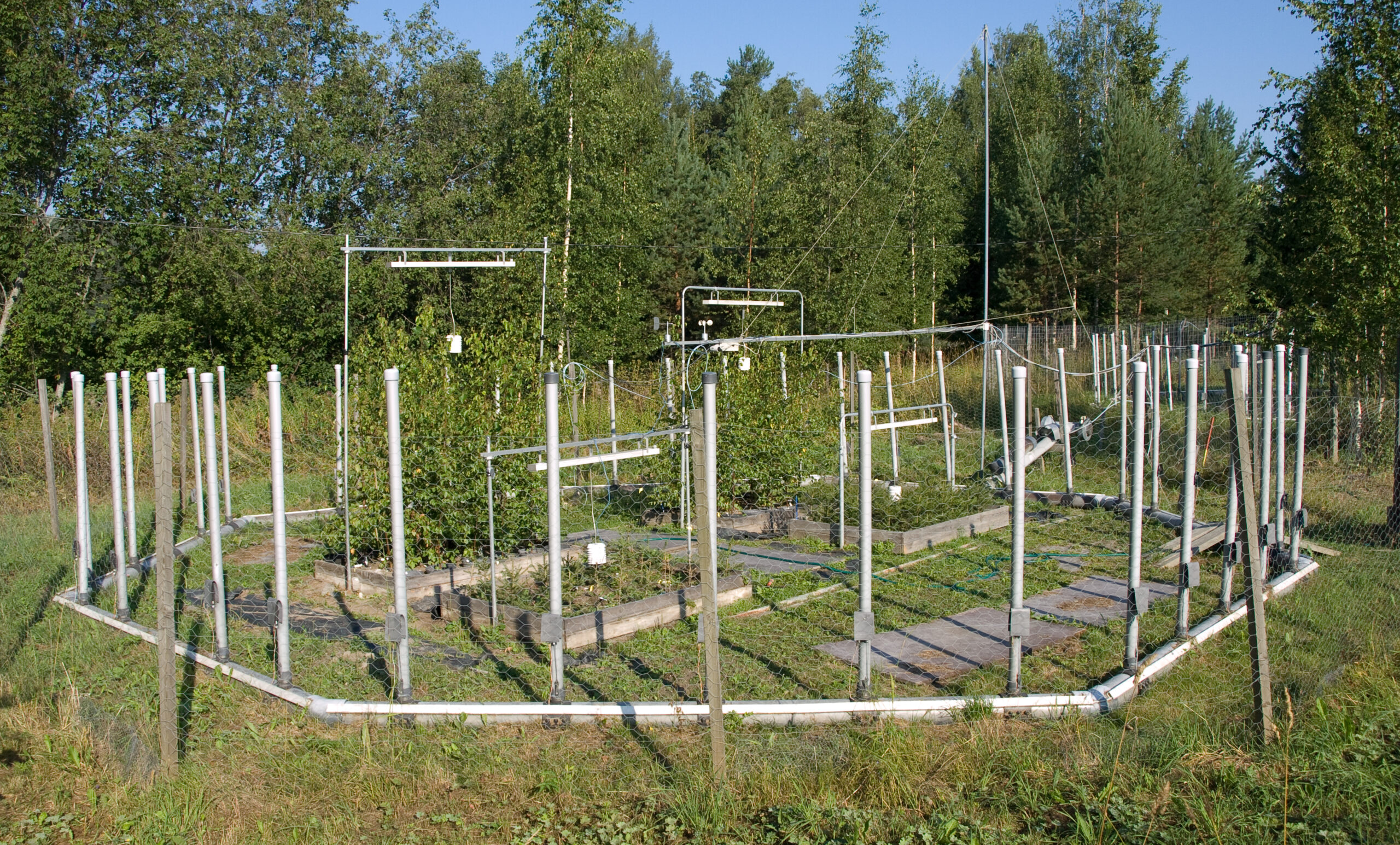
The summer I spent measuring silver birch responses to elevated temperature at our open-air field site taught me something that textbooks do not fully convey. Plants under stress do not simply struggle and die. They make decisions. They redirect resources, close doors, change chemistry, and sometimes sacrifice parts of themselves to protect the whole. Watching those responses in real data, in soil respiration rates and leaf area measurements that shifted measurably under our experimental treatments, made drought tolerance concrete for me in a way that reading about it never had.
Most garden advice about drought tolerant plants gives you a list. This article explains the biology behind why certain plants survive when others do not, and what that means for how you choose and manage plants in a drying climate.
What Drought Actually Does to a Plant
Before understanding tolerance it helps to understand the problem.
Water moves through a plant continuously. Roots absorb it from soil, it travels up through xylem vessels, and it exits through stomata in leaves as water vapour during transpiration. This movement is driven by the difference in water potential between wet soil and dry air. The plant has almost no control over the exit end of this system unless it actively closes its stomata.
When soil water availability drops, the gradient that pulls water upward weakens. Cells begin to lose turgor pressure, the internal water pressure that keeps plant tissue firm and functional. Enzymes slow down. Photosynthesis becomes less efficient. If water deficit continues, cell membranes are damaged, proteins denature, and eventually tissue dies.
The plants we call drought tolerant are not immune to any of this. They have evolved specific mechanisms that slow the process, allow recovery, or both. Understanding those mechanisms tells you which plants are genuinely tough and which are just marketed as tough.
The Four Main Drought Survival Strategies
During my Plant Ecological Stress Physiology training I studied how plants categorise their responses to water deficit. The strategies fall into four broad approaches, and most drought tolerant plants use combinations of them.
Strategy 1: Drought Escape
Some plants simply complete their life cycle before the drought arrives. Annual wildflowers in arid regions germinate rapidly after rain, grow, flower, set seed, and die before the dry season. The plant does not survive the drought. Its seeds do.
This is why many annual meadow plants look dead by midsummer. They are not stressed. They are finished. Understanding this stops you misdiagnosing healthy annual plants as failed perennials.
Strategy 2: Drought Avoidance
Avoidance plants reduce water loss or increase water uptake to maintain normal tissue water status despite dry conditions.
Deep root systems that access groundwater unavailable to shallow-rooted plants are one avoidance mechanism. I measured root system development as part of our silver birch experiment, tracking how different genotypes allocated carbon to below-ground biomass. The genotype that produced larger root systems under warming showed stronger soil respiration responses, reflecting greater root and microbial activity below ground. Plants investing more in roots under stress are essentially building drought insurance.
Stomatal regulation is the most immediate avoidance response. When water availability drops, roots produce abscisic acid, ABA, which travels to leaves and triggers stomatal closure within minutes. This reduces transpiration but also reduces CO₂ entry, slowing photosynthesis. The plant is choosing between water loss and carbon gain, and under water stress it prioritises water.
Waxy cuticles that reduce cuticular water loss, leaf orientation that minimises direct sun exposure during peak heat, and leaf rolling or curling that reduces transpiring surface area are all avoidance mechanisms operating at different timescales.
Strategy 3: Drought Tolerance
Tolerance plants survive actual tissue dehydration that would kill less adapted species. This involves producing compatible solutes, small organic molecules including proline, glycine betaine, and soluble sugars, that accumulate in cells and maintain osmotic balance as water is lost. This process is called osmotic adjustment.
I studied osmotic adjustment mechanisms in my plant biochemistry training as part of the broader topic of how plants regulate cellular chemistry under stress. What makes osmotic adjustment remarkable is that the cell continues functioning at water contents that would cause irreversible damage without these protective solutes. The solutes lower the osmotic potential of the cell, drawing water in or retaining it longer, while also protecting membrane integrity and enzyme function directly.
Succulents take this strategy to an extreme. Their large vacuoles store water, their thick waxy cuticles minimise loss, and their CAM photosynthesis pathway, where CO₂ is fixed at night when temperatures are lower and stomata can open safely, allows them to maintain carbon gain while keeping daytime stomata closed.
Strategy 4: Drought Recovery
Some plants survive severe desiccation and recover when water returns. Resurrection plants like Selaginella lepidophylla can lose up to 95 percent of their water content, appear completely dead, and fully recover within hours of rehydration. Their cells produce protective proteins and sugars that vitrify, forming a glass-like matrix that protects cellular structures during desiccation.
Most garden drought tolerant plants do not go this far but do have enhanced recovery capacity after mild to moderate water stress.
How Drought Changes Plant Chemistry
This is the connection most drought plant articles miss entirely, and it is where my training in plant secondary metabolite biosynthesis becomes directly relevant.
When a plant closes its stomata to conserve water it reduces photosynthesis. But the Calvin cycle, the carbon-fixing part of photosynthesis, slows faster than the light reactions that generate energy. This creates a surplus of reactive oxygen species, ROS, that can damage cellular components.
Drought tolerant plants respond by upregulating antioxidant systems including ascorbate peroxidase and superoxide dismutase, and by producing phenolic compounds and flavonoids that quench ROS directly. These are secondary metabolites, the same compound classes I covered in my plant biochemistry training and wrote about in my secondary metabolites article on this site.
The practical implication is significant: drought stressed aromatic herbs often have higher concentrations of their valuable secondary metabolites than well-watered ones. Lavender in dry poor soil produces more linalool. Oregano under water stress accumulates more carvacrol. Rosemary in challenging conditions develops stronger rosmarinic acid concentrations.
I covered this principle in my articles on herbal terroir and herb potency on this site. The stress that triggers secondary metabolite upregulation is partly water stress, not just pathogen pressure or UV exposure.
What Makes a Plant Genuinely Drought Tolerant
Several structural and physiological features predict drought tolerance reliably.
Deep or extensive root systems that access water in lower soil horizons. In my biogeochemistry training I studied how root architecture affects nutrient and water cycling in soil systems. Plants with deep taproots, like chicory and wild carrot, access moisture layers that shallow-rooted plants cannot reach.
Small or reduced leaf area that limits total transpiring surface. Many drought tolerant plants have small leaves, needle-like leaves, or highly dissected leaves that reduce the surface area exposed to drying air and direct sun.
Waxy or hairy leaf surfaces that reflect radiation and reduce cuticular water loss. The silvery appearance of many Mediterranean herbs like lavender, sage, and artemisia comes from reflective trichomes that also reduce leaf temperature and slow transpiration.
CAM or C4 photosynthesis pathways that improve water use efficiency compared to the standard C3 pathway. Succulents use CAM. Many warm-season grasses use C4. Both fix more carbon per unit of water lost than C3 plants.
High ABA sensitivity that triggers rapid stomatal closure at the first sign of water stress, before significant dehydration occurs.
Drought Tolerant Plants Worth Growing
These are plants with genuine drought tolerance mechanisms, not just marketing descriptions.
Lavender (Lavandula angustifolia)
Mediterranean origin, waxy cuticle, small leaf area, deep root system, thrives on drought-induced secondary metabolite upregulation. One of the most reliably drought tolerant garden plants in temperate climates.
Rosemary (Salvia rosmarinus)
Same Mediterranean adaptation suite as lavender. The resinous coating on its leaves reduces water loss. Do not overwater rosemary. It performs better under mild drought than in moist conditions.
Sedum and Sempervivum
Succulent CAM plants with water storage tissue. Genuinely tolerant of extended dry periods. The rosette architecture channels rainwater toward the root zone efficiently.
Achillea (Yarrow)
Deep fibrous root system, feathery leaves with reduced surface area, highly drought tolerant once established. Also an excellent pollinator plant covered in my pollinator article.
Echinacea (Echinacea purpurea)
Deep taproot, native to North American prairies where drought is routine. Established plants survive extended dry periods with no irrigation.
Penstemon
Native to dry western North American habitats, tubular flowers, highly efficient water use. One of the most underused genuinely drought tolerant perennials in garden design.
Verbena bonariensis
Tall, airy structure that reduces wind resistance and water loss, drought tolerant once established, excellent for pollinators.
Artemisia
Highly aromatic silver-leaved plants with reflective trichomes and volatile terpenoid production that increases under drought stress. The silvery colour is a direct indicator of the drought adaptation mechanisms operating in the leaf surface.
Do Drought Tolerant Plants Need Water
Yes, during establishment. This is the most common misunderstanding about drought tolerant plants.
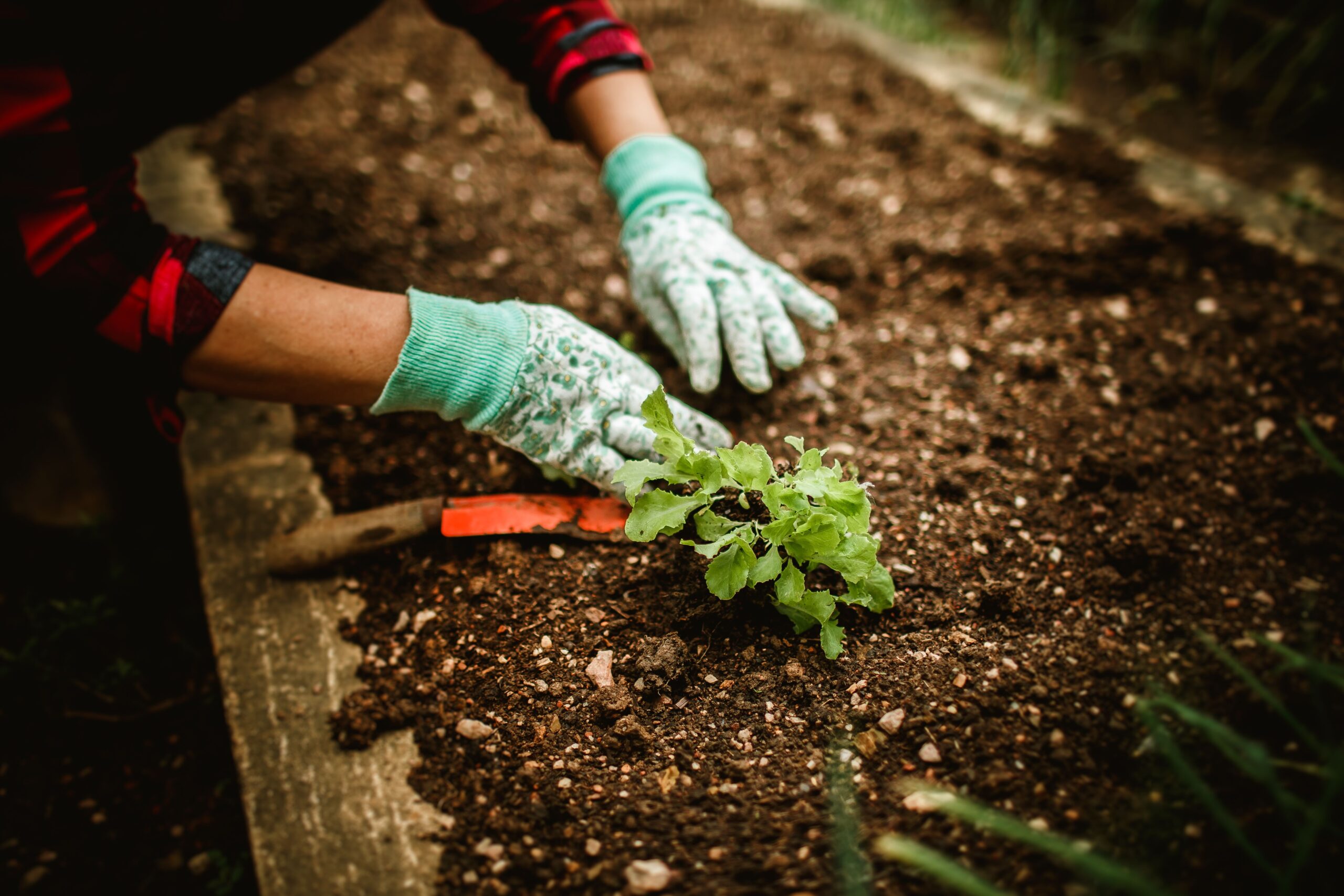
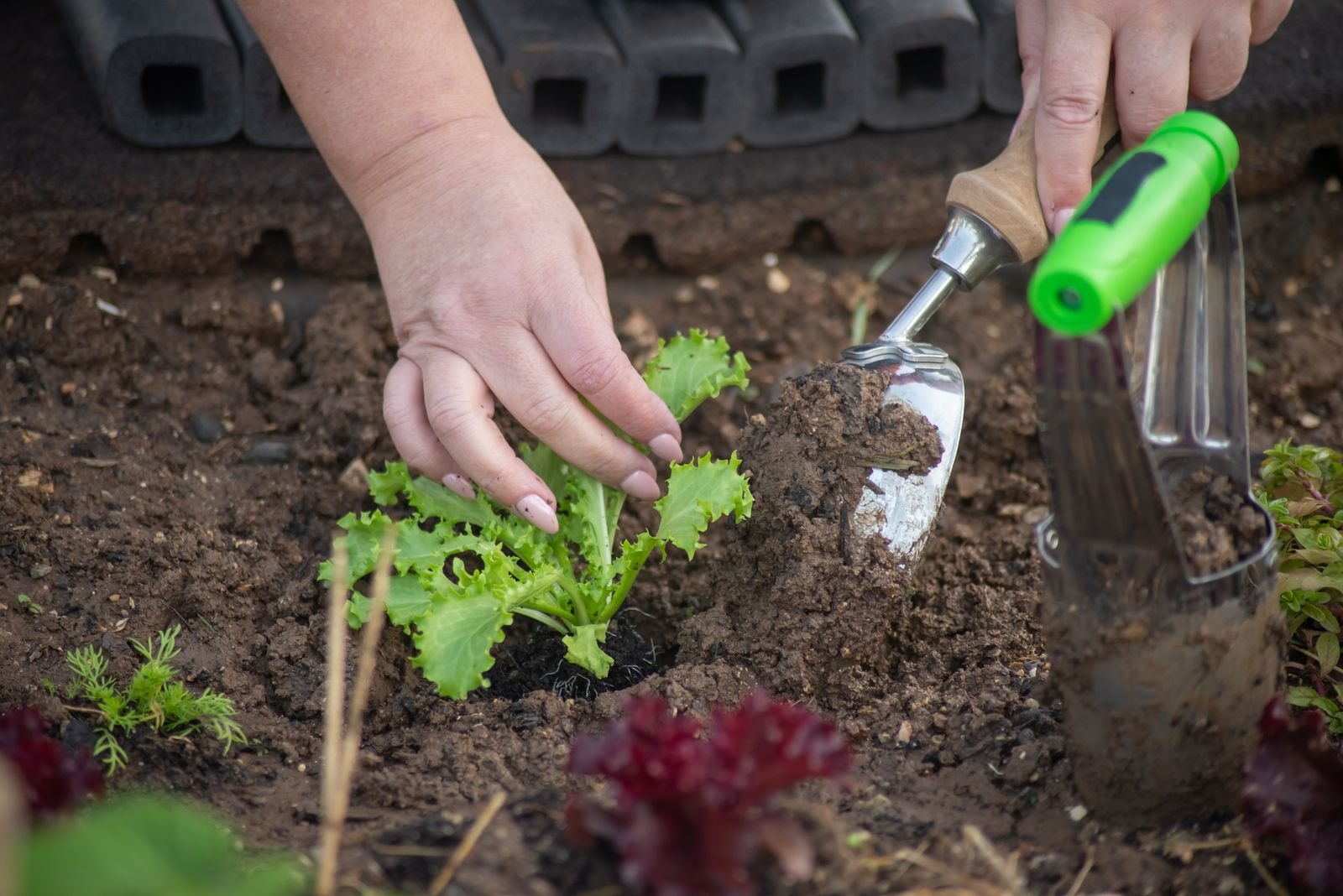
Drought tolerance describes a plant’s ability to survive dry conditions once its root system is fully developed. During the first growing season after planting, the root system is shallow and limited to the original root ball. The plant is not yet drought tolerant in practice even if it will be eventually.
Regular watering during the first full growing season allows the root system to establish fully. After that, most genuinely drought tolerant perennials and shrubs require minimal supplemental irrigation in temperate climates.
Planting in autumn rather than spring gives drought tolerant plants a full cool wet season to establish roots before facing their first summer dry period. This is the single most reliable way to improve establishment success.
Should You Fertilise Plants During Drought
No, and the reason is biochemical. Fertiliser increases the solute concentration in soil water. When soil is already dry, high fertiliser concentrations can create an osmotic gradient that actually pulls water out of roots rather than in, causing fertiliser burn and worsening drought stress. During drought, withhold fertiliser entirely and resume only when soil moisture has recovered.
FAQs
What makes a plant drought tolerant?
A combination of structural adaptations including deep roots, small waxy leaves, and reflective surfaces, and physiological adaptations including rapid stomatal closure, osmotic adjustment through compatible solute accumulation, and enhanced antioxidant systems that manage the oxidative stress that water deficit creates.
Do drought tolerant plants need water?
During establishment yes. Drought tolerance is a property of mature plants with developed root systems. New plantings of drought tolerant species require regular watering for one full growing season before their tolerance mechanisms become effective in practice.
How do plants survive drought?
Through four main strategies: escaping drought by completing their life cycle before it arrives, avoiding water loss through stomatal closure and structural adaptations, tolerating actual tissue dehydration through osmotic adjustment and protective solute accumulation, and recovering rapidly when water returns.
Can plants recover from drought stress?
Many can if the stress was not severe enough to cause membrane damage or protein denaturation. Mild to moderate water stress that causes wilting is often reversible. Prolonged severe drought that causes cell death in critical tissues is not recoverable.
Why do native plants do better in drought conditions?
Native plants have co-evolved with their local climate over thousands of years, developing root architectures, stomatal responses, and leaf anatomy matched to local drought patterns. They also have established relationships with local soil microbial communities, including mycorrhizal fungi, that improve water and nutrient access. Non-native plants lack these local adaptations even if they are drought tolerant in their own native range.
Does drought stress affect herb quality?
Yes, often positively for aromatic herbs. Drought stress triggers upregulation of secondary metabolite production including volatile terpenoids and phenolic compounds. Lavender, rosemary, oregano, and thyme grown under mild water stress typically develop higher essential oil concentrations than the same plants grown with abundant irrigation. I covered this connection between environmental stress and secondary metabolite production in my articles on herbal terroir and plant secondary metabolites on this site.
Will drought stressed trees recover?
Depends on severity and duration. Trees have significant water storage capacity in their xylem and can buffer moderate drought stress. Repeated severe drought over multiple seasons causes progressive decline in xylem function through embolism, air bubbles that block water transport, which is not fully reversible. Single season drought stress in otherwise healthy trees usually results in full recovery.
How often should drought tolerant plants be watered once established?
In temperate climates most established drought tolerant perennials and shrubs require no supplemental irrigation except during prolonged heat waves. In the first growing season water deeply once or twice per week. In the second season reduce to once per week during dry spells. After that let rainfall manage irrigation for most species.
Related Articles:
Why Plants Produce Secondary Metabolites
Herbal Terroir: How Soil Microbes Determine Medicinal Plant Potency
The Secret of Herb Potency: Picking at the Right Time

