








This article was written by Serge, MSc. Plant Biologist and Environmental Scientist with a BSc in Plant Biology and an MSc in Environmental Biology and Biogeochemistry. My background covers plant biochemistry, botany, and field research in forest and soil ecosystems. I write from real experience, not just literature.
Affiliate disclosure: This site has affiliate links, including Amazon. As an Amazon Associate I earn from qualifying purchases, at no extra cost to you.
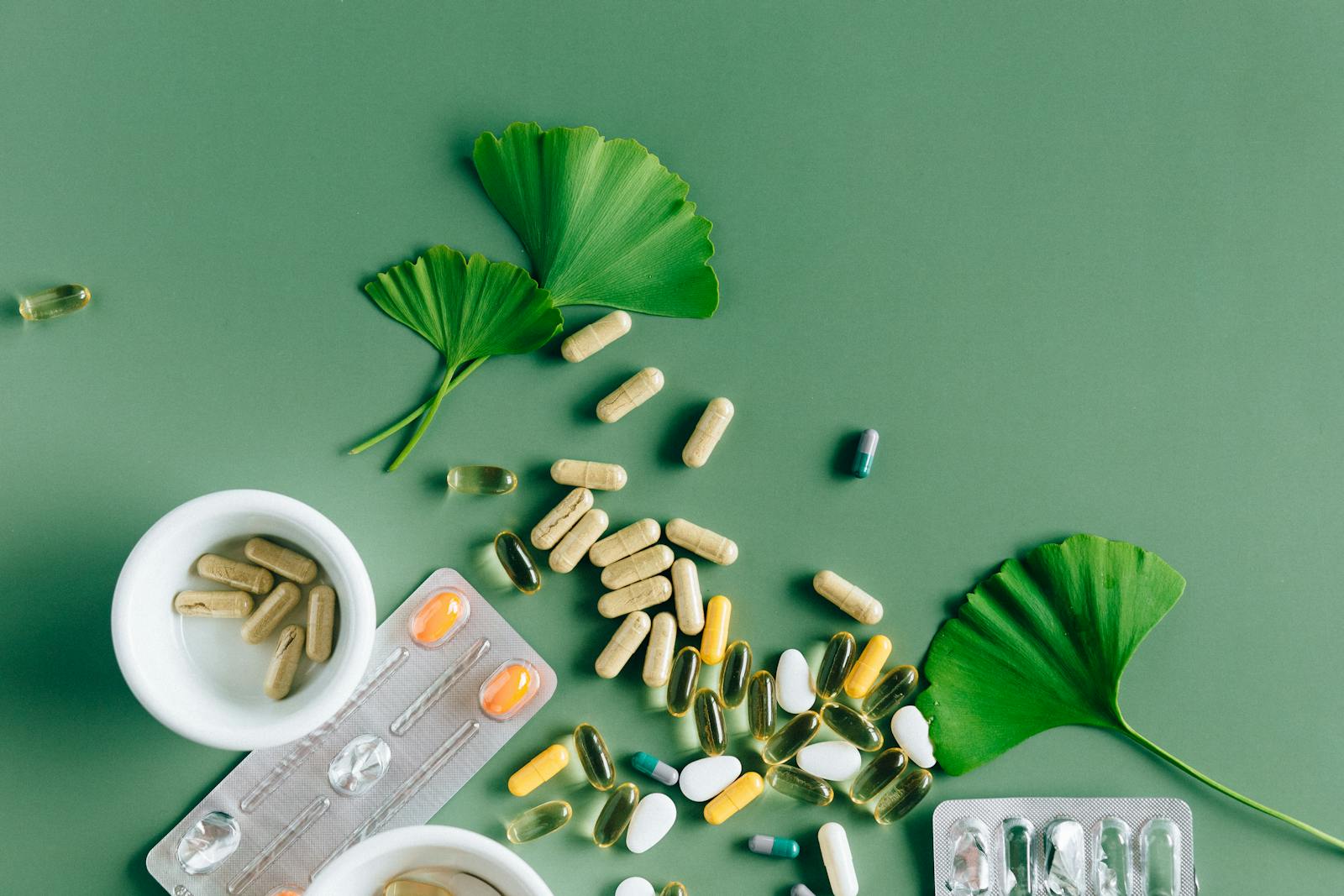
Something I noticed early in my plant biochemistry studies stopped me in my tracks. Aspirin traces back to salicin in willow bark (Salix alba). Morphine comes from alkaloids in the opium poppy (Papaver somniferum). Digoxin from cardiac glycosides in foxglove (Digitalis purpurea). Metformin inspired by alkaloids in goat’s rue (Galega officinalis).
The pharmaceutical industry did not invent these compounds. It found them in plants, isolated the active molecule, standardised the dose, and packaged them for consistent delivery. The chemistry started in a plant cell.
That is the part most people miss when they argue about herbs versus medicine. It is not natural versus synthetic. It is what happens to a plant compound when you isolate it, concentrate it, and remove everything around it.
What Isolation Actually Does
When a plant produces a secondary metabolite it never produces it alone. It produces a complex mixture of related compounds, co-occurring metabolites, and molecules that influence how the primary active compound behaves in the body.
Willow bark contains salicin alongside tannins, flavonoids, and other phenolic glycosides. The whole bark preparation produces a gentler, more diffuse effect than isolated acetylsalicylic acid at a precise pharmaceutical dose. The tannins affect gut absorption. The flavonoids add mild anti-inflammatory activity of their own. The overall profile is less predictable but also less aggressive on the stomach lining.
My plant biochemistry studies covered secondary metabolite co-occurrence in plant tissue in detail. Plants rarely produce one active compound. They produce compound profiles where multiple molecules interact. That chemical complexity is exactly what makes herbal preparations difficult to standardise and what makes pharmaceutical isolation both powerful and limiting at the same time.
The Dose Problem
This is the honest limitation of herbal preparations and I think it is worth saying directly.
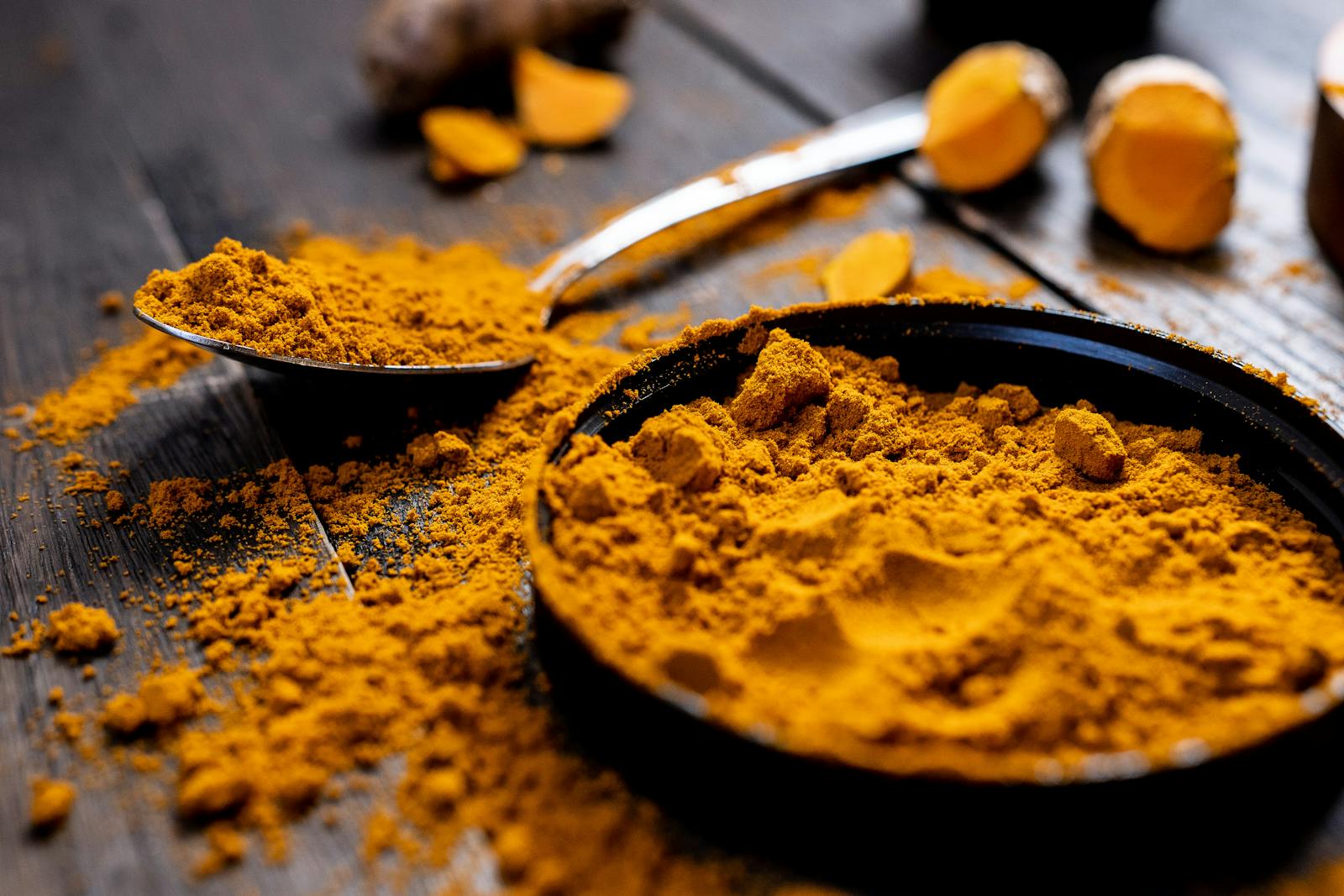
Curcumin content in Curcuma longa rhizomes varies with growing conditions, harvest timing, and drying method. A teaspoon of turmeric powder from one source may carry meaningfully different curcumin concentrations than the same amount from another source. Without analytical testing you cannot know the exact dose.
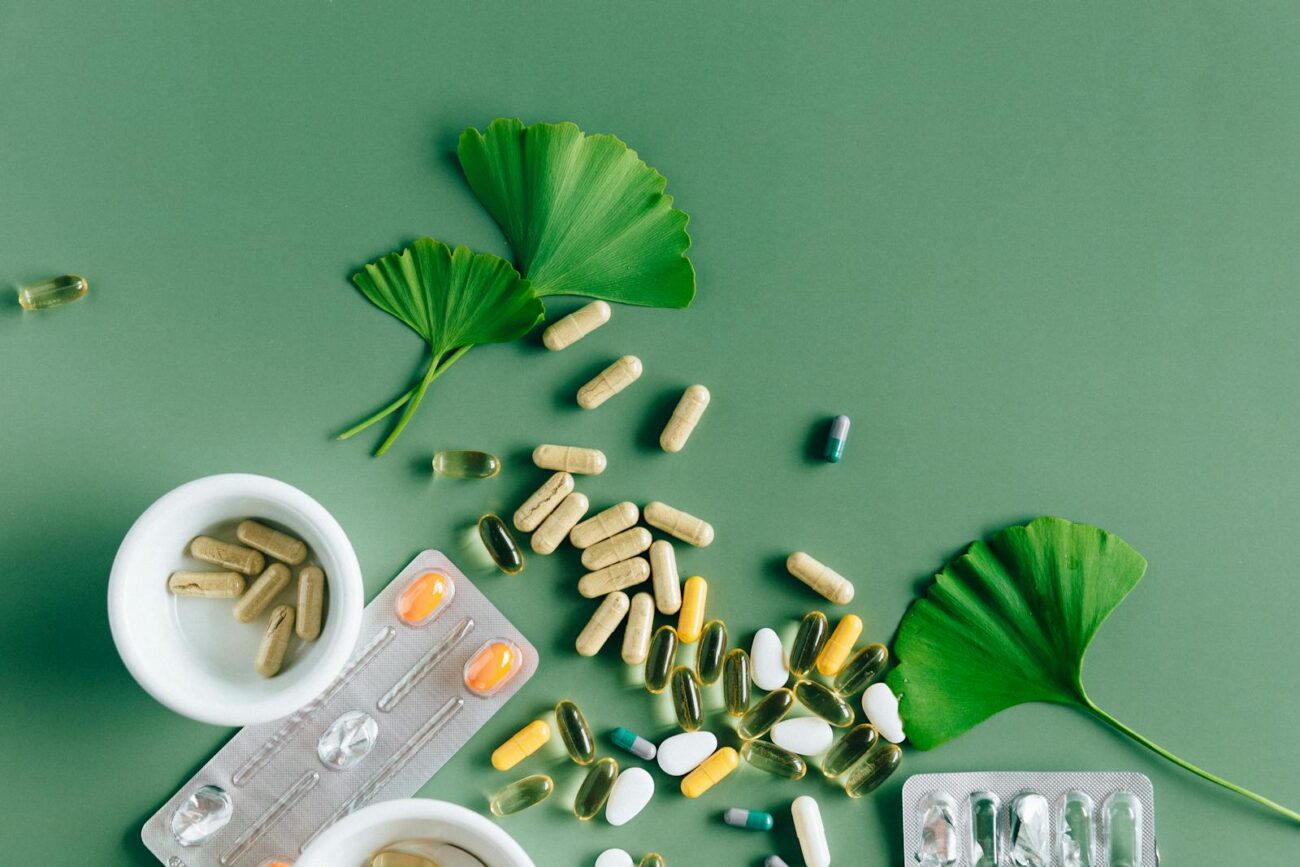
Pharmaceutical drugs eliminate this variable entirely. Each tablet contains a precisely measured active compound manufactured to consistent standards.
For acute serious conditions where precise dosing determines whether treatment works, that precision matters enormously. For gradual chronic support where some variability is tolerable, whole plant preparations are often appropriate and the variability becomes less important.
Why Herbs Rarely Cause Serious Side Effects
The same property that makes herbal dosing variable also explains why side effects are generally milder than pharmaceutical equivalents.
No single compound is present at high isolated concentration. Activity distributes across multiple compound classes. The body processes a complex mixture through normal digestive pathways rather than receiving a concentrated isolated molecule at a dose calibrated for maximum effect.
That is not folk wisdom. It follows directly from the chemistry. And it is also why herbs work slowly and gradually rather than producing rapid targeted action.
When to Use Which
Acute serious conditions require pharmaceutical intervention. Infections, cardiac emergencies, severe psychiatric episodes, cancer treatment. The precision and clinical evidence base of pharmaceutical drugs is appropriate and necessary in these contexts.
Gradual systemic support, stress management, sleep quality, digestive function, mild inflammation, is where herbal preparations have a reasonable evidence base and a long traditional use record.
The two are not competing. Most people can use both sensibly. What matters is understanding which tool fits which job and knowing where the interactions lie. St. John’s Wort (Hypericum perforatum) reduces the effectiveness of many pharmaceutical drugs by inducing cytochrome P450 enzymes. Ginkgo (Ginkgo biloba) can interact with anticoagulants. These are real interactions worth knowing about.
If you take regular prescription medication and want to add herbal supplements, check interactions with a clinician first.
Common Questions
Are pharmaceutical drugs made from plants?
Many are. Aspirin derives from salicin in willow bark. Morphine from Papaver somniferum alkaloids. Digoxin from Digitalis purpurea cardiac glycosides. Taxol from Taxus brevifolia. A significant proportion of pharmaceutical drugs trace directly back to plant secondary metabolites.
Why are herbal supplements harder to dose than pharmaceutical drugs?
Plant secondary metabolite concentrations vary with growing conditions, harvest timing, soil quality, and processing method. A pharmaceutical drug contains a precisely measured isolated compound manufactured to consistent standards. Whole plant preparations have inherently more sources of variation.
Do herbs have fewer side effects than pharmaceutical drugs?
Generally yes at typical doses because no single compound is present at high isolated concentration. Activity distributes across multiple compound classes. That said herbs can still produce side effects and interactions particularly at high doses or combined with medications.
Can you take herbs and pharmaceutical drugs together?
Sometimes yes sometimes no. St. John’s Wort reduces effectiveness of many pharmaceutical drugs through cytochrome P450 enzyme induction. Ginkgo can interact with anticoagulants. Always check specific interactions with a clinician before combining herbal supplements with prescription medications.
Why do pharmaceutical drugs work faster than herbs?
Pharmaceutical drugs deliver a precisely dosed isolated compound directly to its molecular target. Herbal preparations deliver a complex mixture at variable concentrations processed through normal digestive pathways. The result is slower more diffuse effects that build over time.
Why did pharmaceutical companies start with plant compounds?
Plants have been producing biologically active secondary metabolites for hundreds of millions of years. That evolutionary history created a library of compounds that interact meaningfully with biological systems. Pharmaceutical research identified the most active molecules, isolated them, and developed standardised preparations from them.

