







This article was written by Serge, MSc. Plant Biologist and Environmental Scientist with a BSc in Plant Biology and an MSc in Environmental Biology and Biogeochemistry. My background covers plant biochemistry, botany, and field research in forest and soil ecosystems. I write from real experience, not just literature.
Affiliate disclosure: This site has affiliate links, including Amazon. As an Amazon Associate I earn from qualifying purchases, at no extra cost to you.
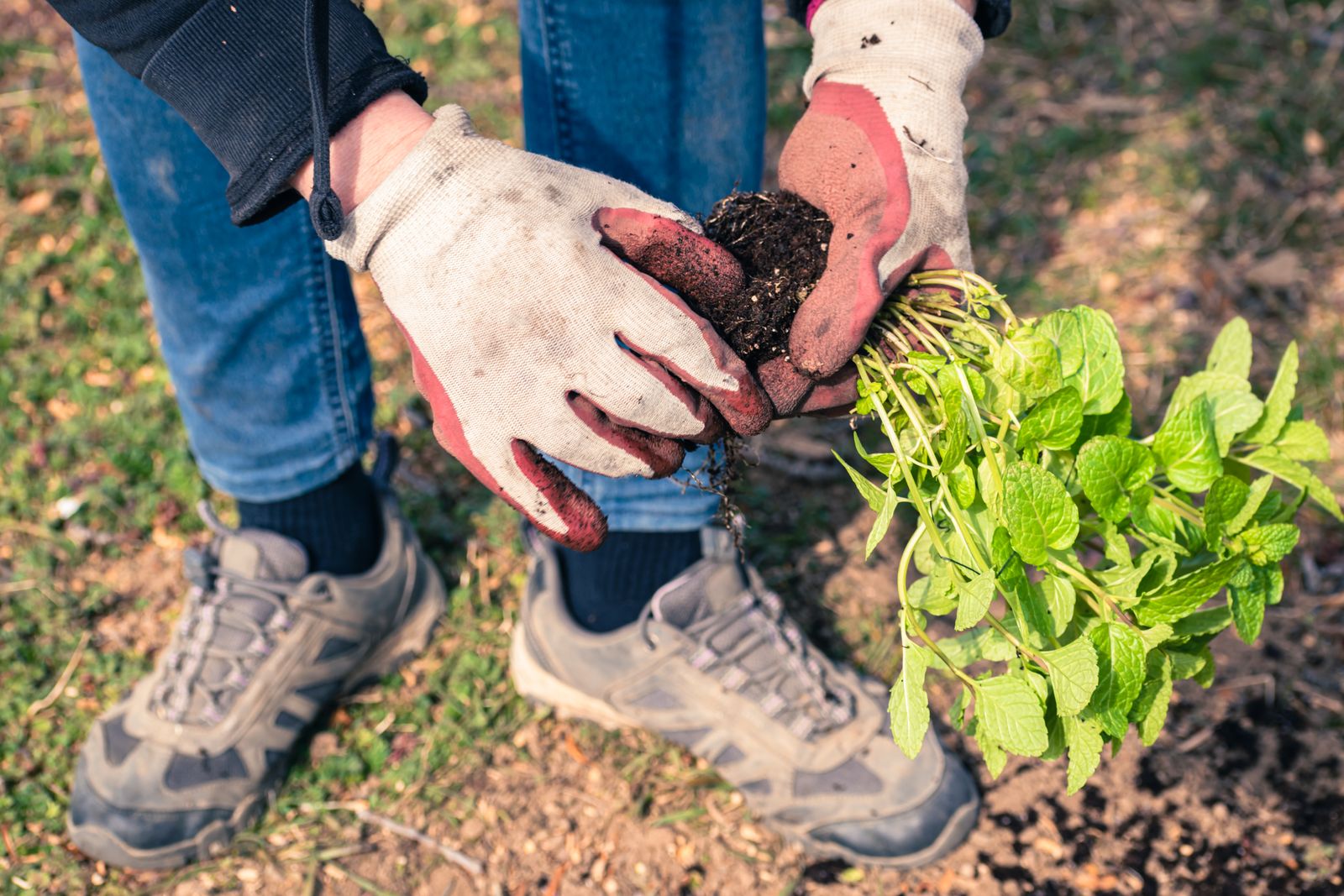
The difference between a handful of freshly picked lemon balm, Melissa officinalis, and a dried packet from a supermarket shelf is not just freshness. It is the entire chemical profile of the plant at the moment of harvest, shaped by soil biology, light exposure, temperature, water availability, and the time of day you picked it.
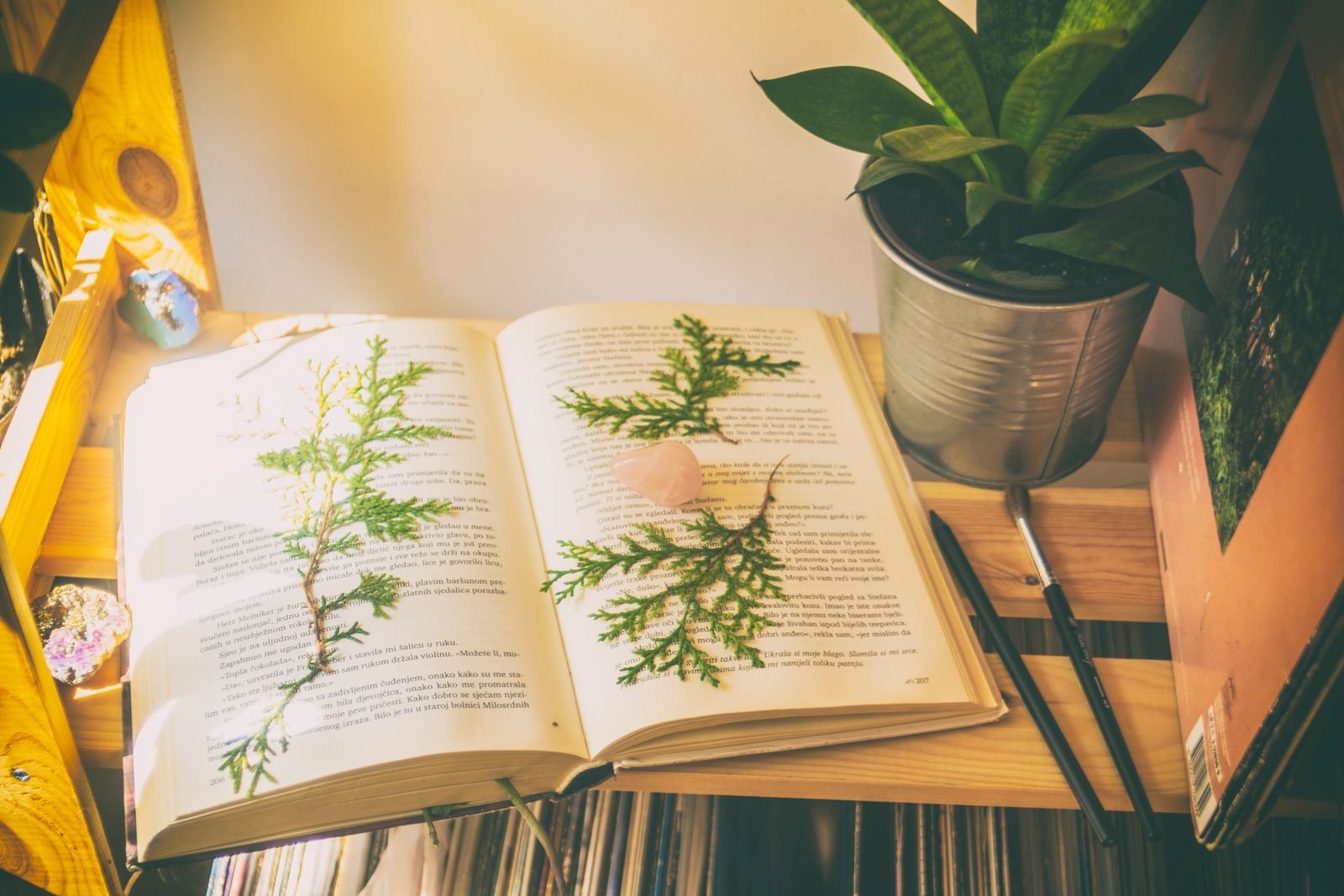
I grew up handling plants in ways that most people never get to, collecting, pressing, drying, and labelling specimens during BSc plant taxonomy field expeditions where the identity and condition of a plant was something you had to get right from first principles. That training gave me a different relationship with plants than you get from reading about them. You start noticing when a herb is stressed, when it has bolted, when the aromatic compounds are concentrated in the leaves versus the flowers. You notice the smell of a plant changing across the day.
That is the level at which eco-friendly herbal practice and effective herbal practice are the same thing.
Why Harvest Timing Changes Everything
Essential oils and secondary metabolites in aromatic herbs are not uniformly distributed through the plant at all times. Their concentration fluctuates with light intensity, temperature, and the plant’s developmental stage.
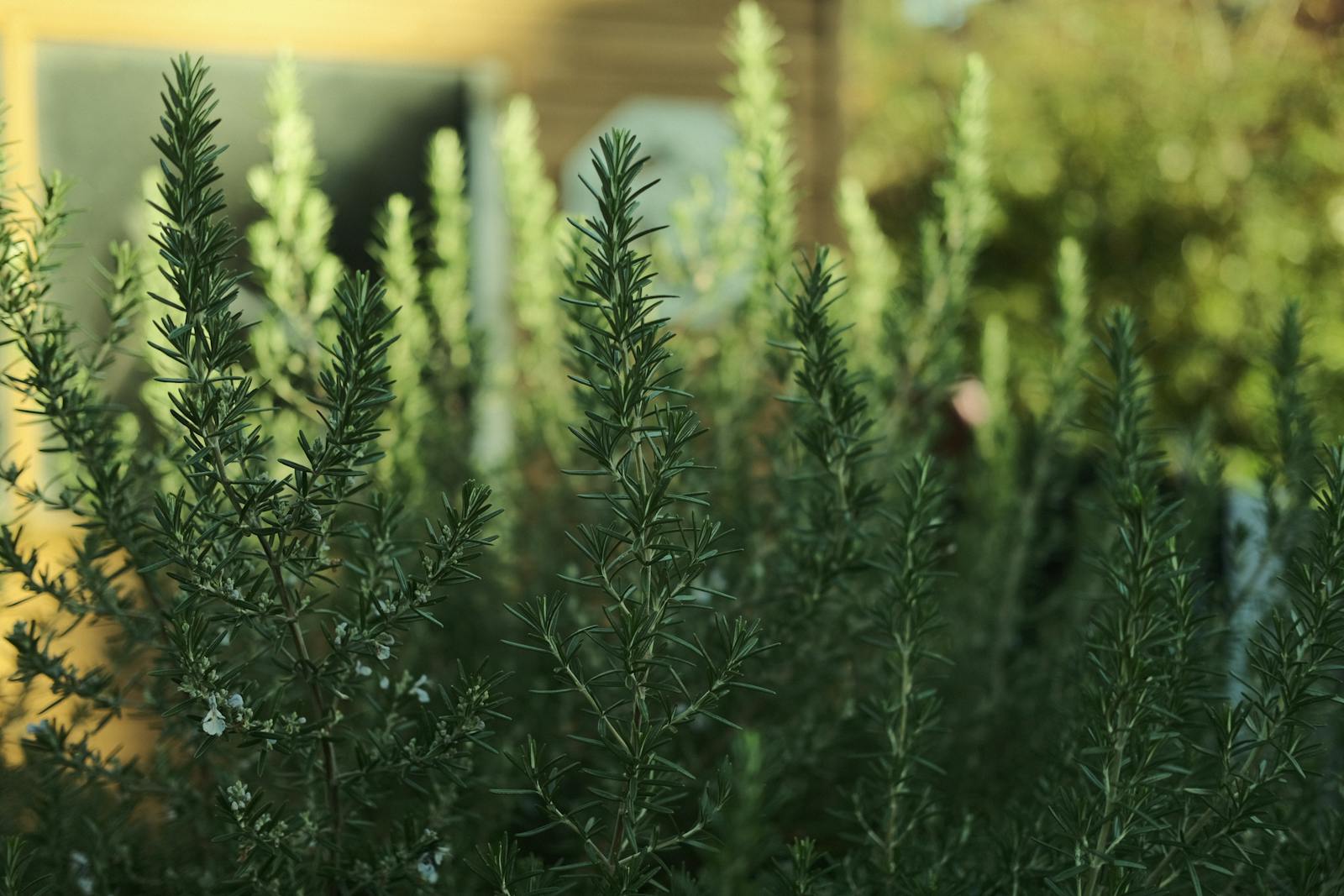
In the morning, once dew has evaporated but before the peak heat of the day, volatile compound concentrations in aromatic herbs are typically at their highest. The essential oils have not yet been volatilised by heat and have accumulated through the previous photoperiod. For herbs like peppermint, Mentha x piperita, thyme, Thymus vulgaris, and rosemary, Rosmarinus officinalis, morning harvest consistently produces material with higher essential oil content than afternoon harvest of the same plant on the same day.
My plant ecological stress physiology training covered how plants respond to environmental conditions at the physiological level, including how light intensity drives secondary metabolite synthesis and how heat accelerates volatilisation of aromatic compounds. The practical upshot for herb harvesting is straightforward. Morning is better, before flowering is often better than after for leaf herbs, and a plant under mild stress from well-drained, nutrient-modest soil tends to produce higher secondary metabolite concentrations than one in rich, heavily fertilised conditions.
This is the same principle I covered in the eco-friendly herbal supplements post. Mild stress drives secondary metabolite production. A herb grown in depleted, compacted soil produces less of everything. A herb grown in biologically active but not over-fertilised soil, under real seasonal conditions, tends to produce more of the compounds you are growing it for.
The Biology of Companion Planting
Companion planting has a reputation for being either folk wisdom or genuine ecology depending on who you ask. The honest answer is that some companion plant combinations have documented biological mechanisms and some do not.
The basil and tomato pairing that gets mentioned in almost every herb gardening guide does have some biological basis. Basil, Ocimum basilicum, releases volatile terpenoid compounds including linalool and eugenol that have documented repellent activity against certain aphid species and thrips at close range. Whether this translates into meaningful pest reduction in a home garden depends on planting density and the specific pest pressure, but the chemistry is real.
More consistently effective is the use of umbellifers, plants in the carrot family Apiaceae, as companion plants for pest management. Fennel, Foeniculum vulgare, dill, Anethum graveolens, and angelica attract parasitic wasps and hoverflies whose larvae predate aphids and caterpillars. This is a genuine trophic interaction, not just a smell deterrent. The flowers of umbellifers provide nectar and pollen for beneficial insects that then lay eggs in pest populations. Planting umbellifers through a herb garden creates habitat for biological pest control rather than relying on any chemical mechanism.
Nitrogen-fixing plants like clover, Trifolium species, interplanted with herbs provide biologically fixed nitrogen through their root-associated Rhizobium bacteria. This reduces the need for external nitrogen inputs and supports soil microbial diversity.
Harvesting Without Damaging the Plant
Over-harvesting is the most common mistake in herb growing, and it consistently reduces both the plant’s productivity and the quality of subsequent harvests.
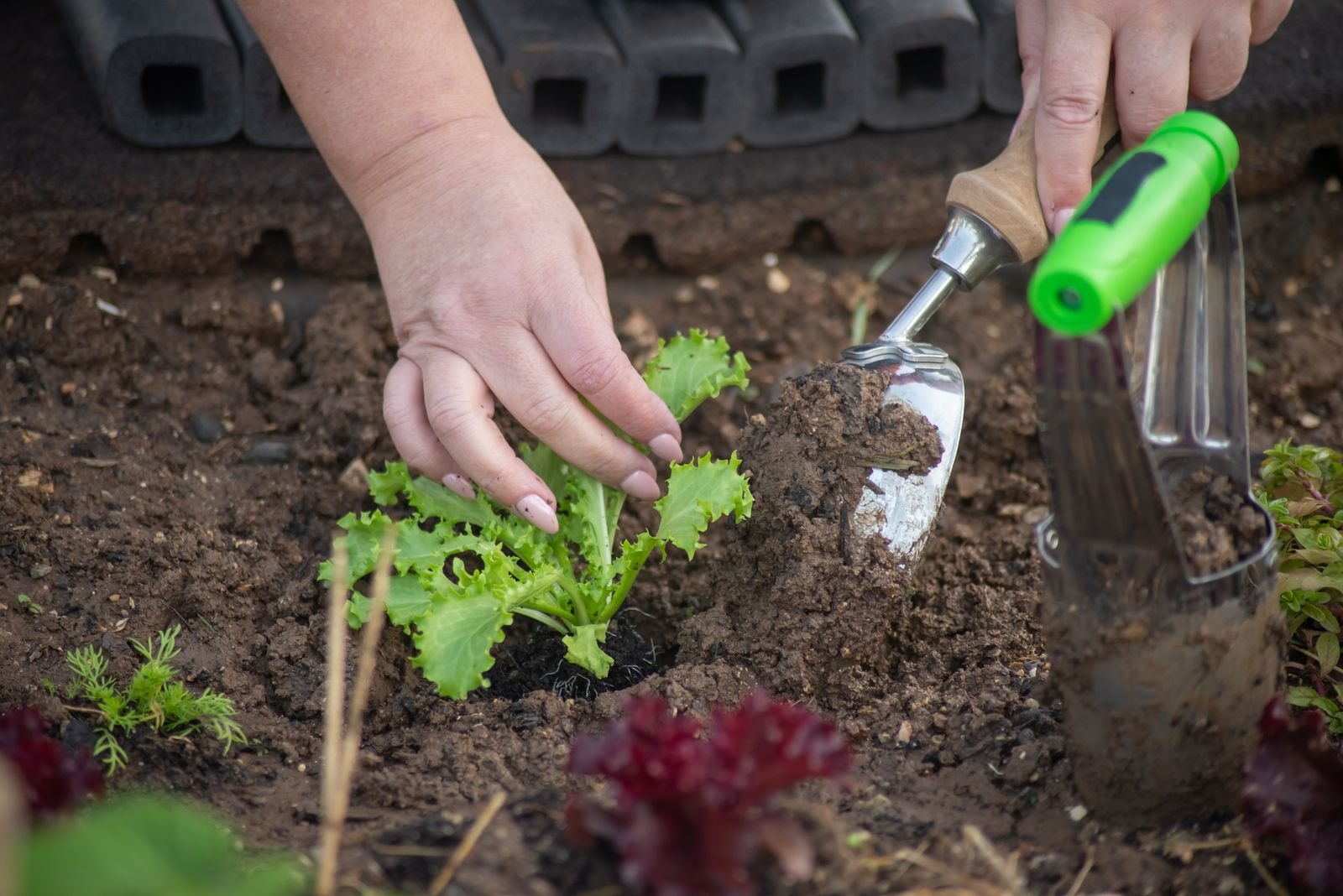
The principle is straightforward from a plant physiology perspective. Herbs regenerate from meristematic tissue at nodes and at the base of stems. Taking no more than one third of the plant’s above-ground material at one harvest allows the meristematic tissue to remain intact and the plant to recover photosynthetic capacity quickly. Taking more than this, particularly removing the growing tips, forces the plant to redirect resources from root development and secondary metabolite synthesis to structural regrowth.
For perennial herbs like mint, lemon balm, and thyme, leaving the lower third of the plant intact and cutting above a node rather than pulling from the base means the plant recovers in days rather than weeks. For annual herbs like basil, regular pinching of the growing tip prevents bolting, which redirects the plant’s resources into leaf production and secondary metabolite accumulation rather than flower and seed development. Once basil flowers, the essential oil concentration in the leaves drops significantly.
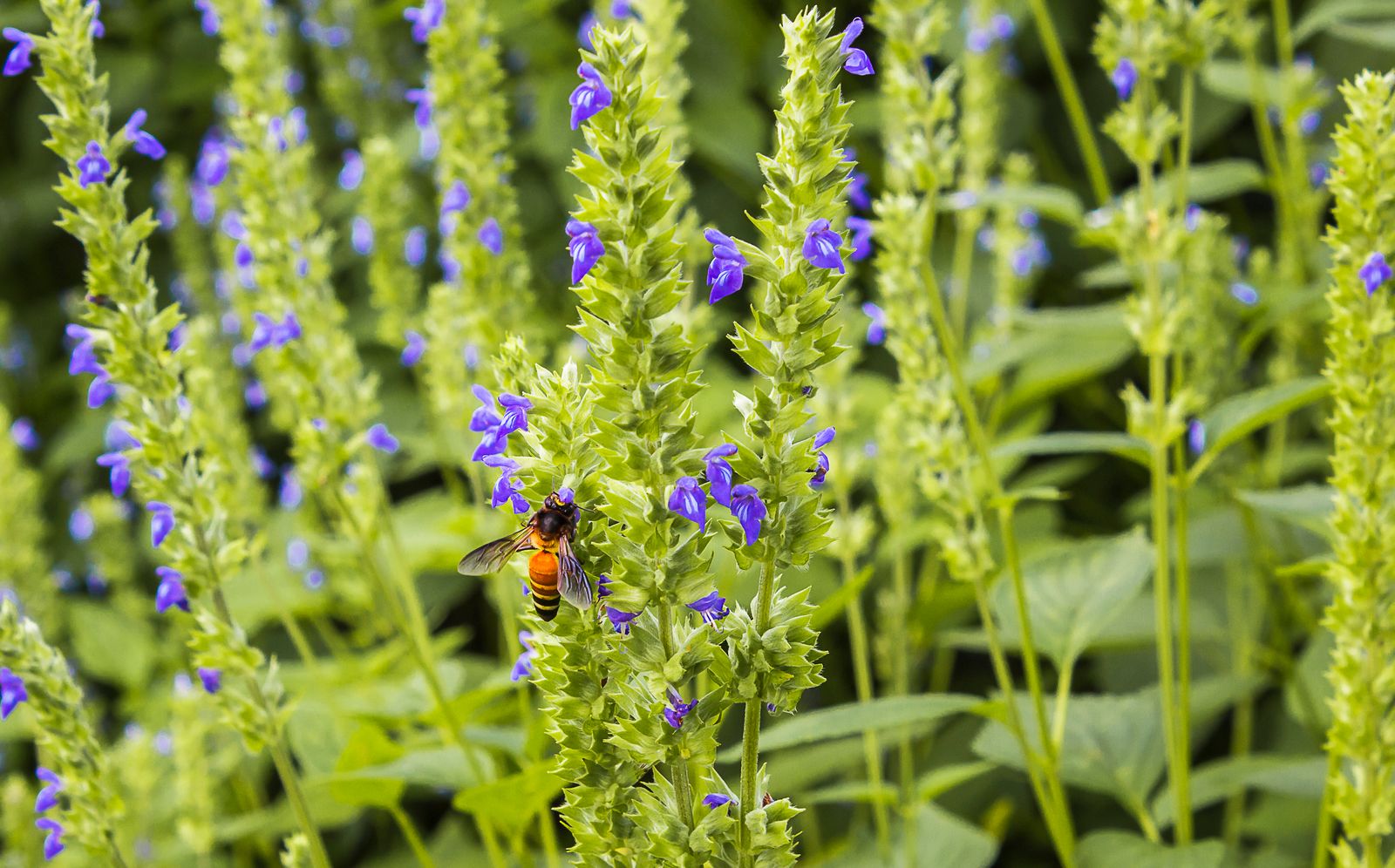
Allowing a portion of any herb planting to flower serves both ecological and practical purposes. Flowering herbs support pollinating insects, particularly bees and hoverflies, and allow seed collection for the following season. The bees visiting your lemon balm are the same ones pollinating your neighbours’ vegetables.
Growing Conditions That Produce Better Herbs
The relationship between growing conditions and herb quality follows directly from the secondary metabolite stress response I covered in the supplements post. A few practical principles follow from this.
Most Mediterranean aromatic herbs, including thyme, Thymus vulgaris, rosemary, Salvia rosmarinus, and oregano, Origanum vulgare, evolved in dry, nutrient-poor, rocky soils under high UV exposure. These conditions drive high essential oil production. Transplanting them into rich, moist, heavily composted garden soil produces lush, fast-growing plants with lower aromatic compound concentrations. Well-drained, gritty soil with minimal added fertility produces smaller plants with more concentrated secondary metabolites.
Shade reduces UV-driven secondary metabolite synthesis in most aromatic herbs. Full sun positioning consistently produces higher essential oil content than partial shade for the Mediterranean species in particular.
Watering frequency matters. Mild water stress before harvest increases volatile compound concentration in many aromatic herbs. Not drought stress, which reduces yield and damages the plant, but allowing the soil to approach dry before watering rather than keeping it consistently moist.
Learning More and Going Deeper
If growing, identifying, and using medicinal herbs is something you want to take further, the HomeGrownHerbalist school offers structured learning that goes well beyond what a general gardening course covers, with genuine herbalism education including plant identification, preparation, and therapeutic application.
Common Questions
When is the best time to harvest herbs?
Morning, once dew has evaporated but before peak heat. Volatile compound concentrations in aromatic herbs are typically highest in the morning before heat drives off essential oils. For most leaf herbs, harvesting before the plant flowers also produces higher secondary metabolite concentrations.
How much of a plant can I harvest at once?
No more than one third of the above-ground material at any single harvest. This preserves meristematic tissue at nodes and the plant base, allowing rapid recovery without redirecting resources from root development and secondary metabolite production.
Does companion planting work?
Some combinations have documented biological mechanisms. Umbellifers like dill and fennel attract parasitic wasps and hoverflies that prey on aphids. Nitrogen-fixing legumes like clover support soil nitrogen. Aromatic terpenoid-releasing herbs like basil have some documented repellent activity against specific pests at close range.
Why do Mediterranean herbs prefer poor soil?
They evolved in nutrient-poor, dry, rocky conditions where secondary metabolite production is driven by environmental stress. Rich, moist, heavily fertilised soil produces faster growth but lower essential oil concentration. Gritty, well-drained soil with modest fertility produces smaller plants with more concentrated aromatic compounds.
What happens when basil flowers?
Essential oil concentration in the leaves drops significantly once flowering begins as the plant redirects resources to reproduction. Regular pinching of growing tips prevents bolting and maintains higher leaf essential oil content throughout the growing season.
How does soil biology affect herb quality?
Biologically active soil with diverse microbial communities and active mycorrhizal networks supports higher secondary metabolite production in medicinal herbs. Synthetic fertilisers and pesticides reduce mycorrhizal activity and shift soil microbial composition in ways that reduce the stress signals that drive secondary metabolite synthesis.
Is it better to grow herbs or buy them?
For aromatic herbs used in cooking and simple preparations, home growing with appropriate conditions produces material with higher essential oil content than commercially dried herbs. For medicinal use requiring standardised active compound concentrations, quality-verified commercial preparations are more reliable. The two serve different purposes.

