









This article was written by Serge, MSc. Plant Biologist and Environmental Scientist with a BSc in Plant Biology and an MSc in Environmental Biology and Biogeochemistry. My background covers plant biochemistry, botany, and field research in forest and soil ecosystems. I write from real experience, not just literature.
Affiliate disclosure: This site has affiliate links, including Amazon. As an Amazon Associate I earn from qualifying purchases, at no extra cost to you.
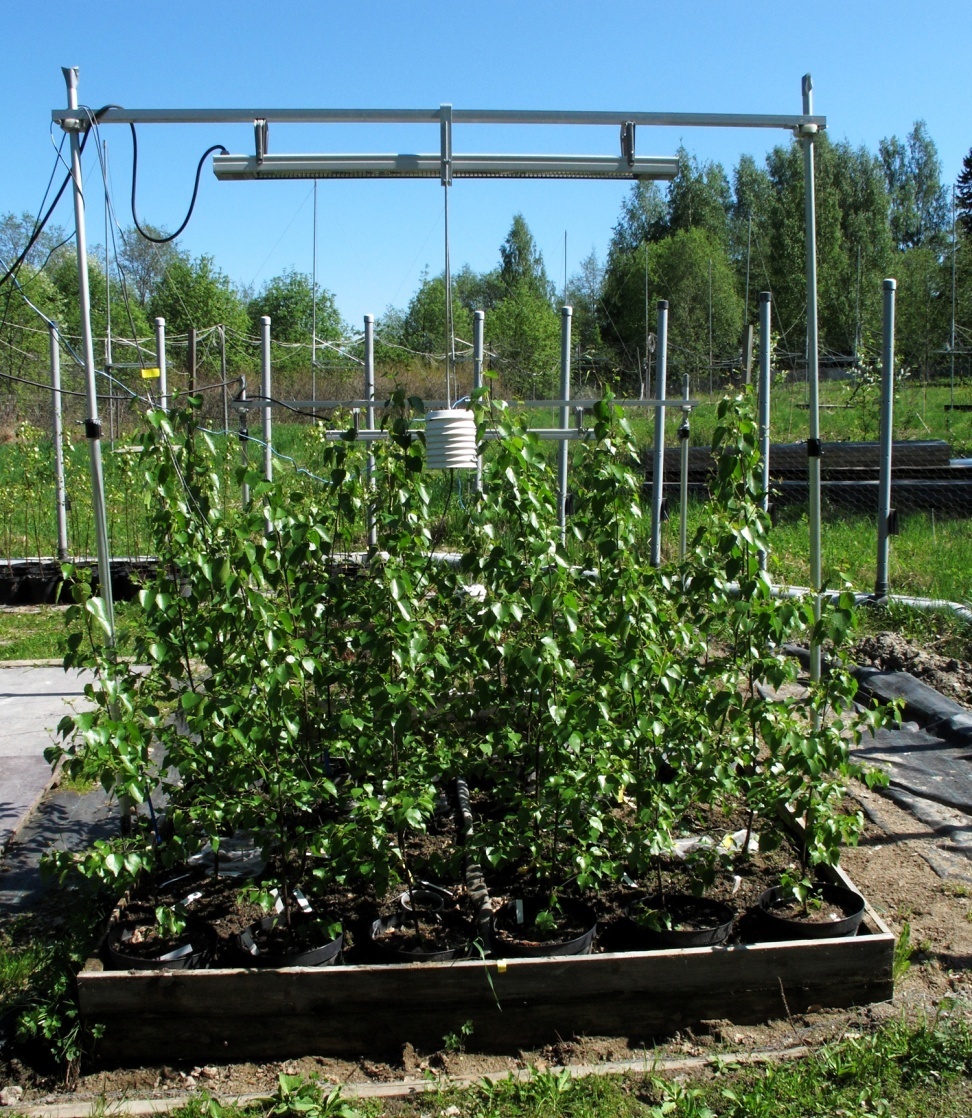
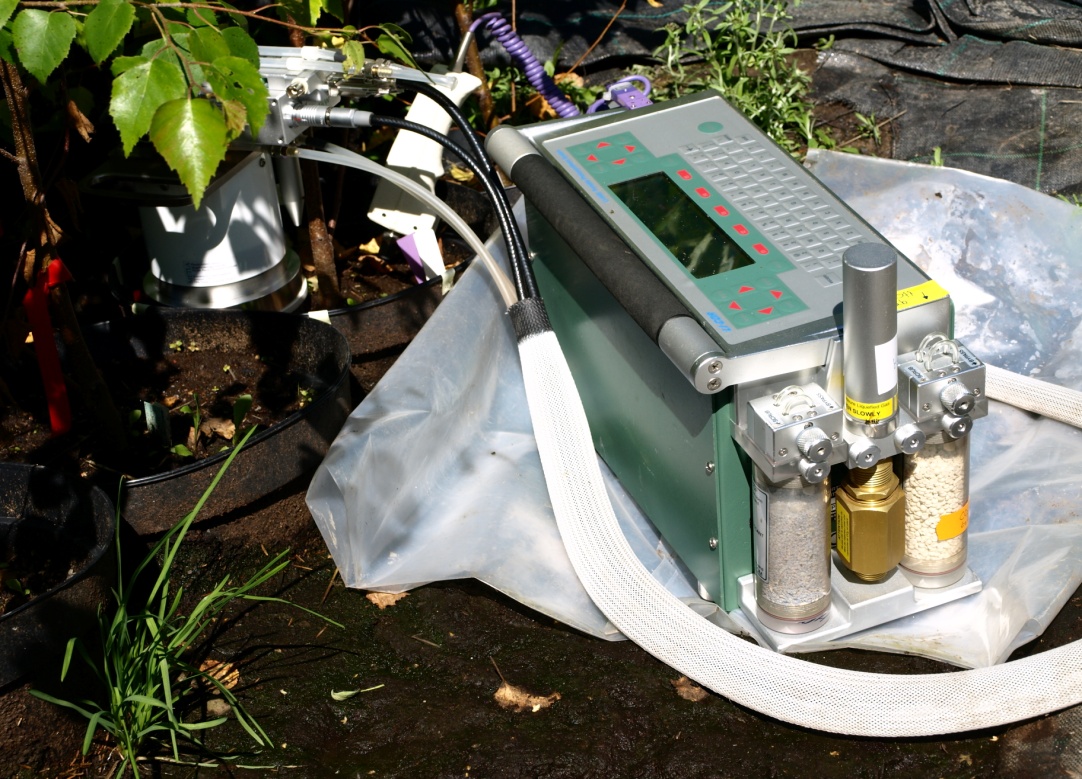
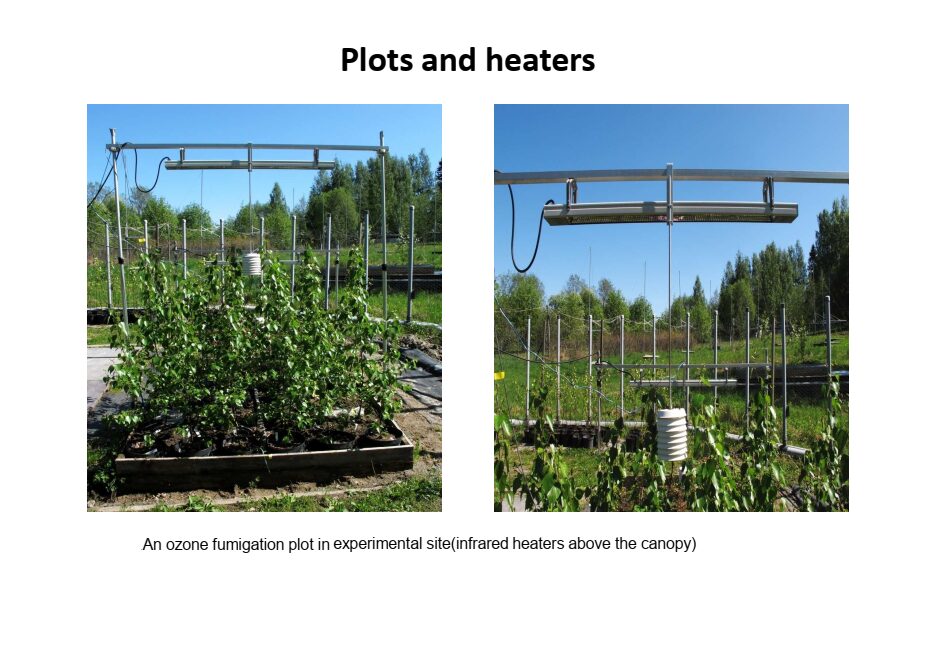
During my open-air field research I spent months measuring how silver birch trees responded to elevated temperature and ozone. We used infrared heaters mounted above the canopy to raise plot temperatures by approximately 0.9 degrees Celsius above ambient, and ozone fumigation systems to expose trees to elevated ozone concentrations. I measured soil CO₂ efflux, stem growth, and leaf area across four treatment combinations and two birch genotypes.
What the data showed was not just that warming affected growth. It showed that temperature stress shifted how trees allocated carbon between primary growth and stress-response chemistry. The trees were making biochemical trade-offs in real time, investing differently in their chemistry under environmental pressure.
That observation connects directly to one of the most important and least discussed consequences of climate change for human health: the compounds we rely on in medicinal plants are being altered by the same temperature and atmospheric changes I measured in those birch plots.
Why Plant Chemistry Is Not Fixed
Most people think of medicinal plant compounds as stable properties of a species. Lavender contains linalool. Echinacea contains alkylamides. Valerian contains valerenic acid. The reality is more complicated and more consequential.
Secondary metabolite production is dynamically regulated by environmental conditions. Plants increase or decrease their investment in specific compound classes in response to temperature, water availability, light intensity, CO₂ concentration, ozone exposure, and pathogen pressure. The same species grown under different environmental conditions produces measurably different compound profiles.
I covered the biochemistry of this regulation in detail in my plant secondary metabolites article on this site. The short version is that secondary metabolites are not luxury products. They are the plant’s interface with its environment, and the plant adjusts their production in response to environmental signals throughout its life.
Climate change alters multiple environmental signals simultaneously. Temperature rises. CO₂ concentrations increase. Precipitation patterns shift. Ozone concentrations change at ground level. Each of these affects secondary metabolite production through different mechanisms, and the combined effect on medicinal plant chemistry is only beginning to be understood.
What Elevated Temperature Does to Plant Chemistry
Temperature affects secondary metabolite production through several distinct mechanisms.
Enzyme activity is temperature dependent. The enzymes responsible for terpenoid biosynthesis, the MEP and MVA pathways that produce essential oil compounds and other volatile terpenoids, have optimal temperature ranges. Moderate warming within the optimal range can increase enzyme activity and volatile compound production. Warming above the optimal range reduces enzyme efficiency and can shift the compound profile toward simpler or more thermostable molecules.
In aromatic herbs this means the relationship between temperature and essential oil content is not linear. Mild warming often increases volatile terpenoid production in Mediterranean herbs like lavender, rosemary, and thyme because these plants evolved under warm dry conditions and their enzymes have relatively high temperature optima. More significant warming can reduce or alter their volatile profiles.
Carbon allocation shifts under temperature stress mirror what I observed in my silver birch research. Under elevated temperature the trees I studied showed significant changes in soil respiration rates, reflecting altered carbon cycling between above-ground growth and below-ground processes including root exudation and mycorrhizal support. Plants under temperature stress redirect carbon from primary growth toward stress-response chemistry, which can increase certain secondary metabolite concentrations while the plant simultaneously reduces its growth rate.
This trade-off is directly relevant to medicinal herb quality. A lavender plant experiencing mild heat stress may produce higher linalool concentrations than one growing at optimal temperatures, while simultaneously showing reduced biomass. The chemistry improves as the growth rate decreases.
What Elevated CO₂ Does to Plant Chemistry
Elevated atmospheric CO₂ is one of the more complex climate variables for plant chemistry because its effects depend heavily on which secondary metabolite class you are measuring.
Under elevated CO₂ photosynthesis rates generally increase, providing more carbon for plant processes including secondary metabolite biosynthesis. This tends to increase carbon-based secondary metabolites, particularly phenolic compounds including flavonoids, tannins, and phenolic acids. Research on multiple plant species consistently shows higher phenolic concentrations under elevated CO₂.
However nitrogen-based secondary metabolites including alkaloids often decrease under elevated CO₂. The mechanism is nitrogen dilution: as plants fix more carbon under elevated CO₂, the ratio of carbon to nitrogen in plant tissue increases. Alkaloid biosynthesis requires nitrogen, and when nitrogen becomes relatively scarce in the tissue, alkaloid production is constrained.
For medicinal plants this creates winners and losers. Plants valued primarily for their phenolic content, including many berry plants, green tea, and rosemary, may produce richer phenolic profiles under elevated CO₂. Plants valued for alkaloid content, including coffee, tea, and various medicinal plants where alkaloids are the primary active compounds, may produce lower alkaloid concentrations.
What Ozone Does to Plant Chemistry
Ground-level ozone is a component of climate change that receives less attention than temperature and CO₂ but has significant effects on plant chemistry. In my field research ozone fumigation was one of our four treatment conditions, and the interaction between ozone and temperature produced some of the most interesting patterns in our data.
Ozone enters plants through stomata and generates reactive oxygen species inside leaf cells. Plants respond by upregulating antioxidant systems and increasing production of phenolic compounds that quench reactive oxygen species directly. This is the same oxidative stress response that drought and UV radiation trigger.
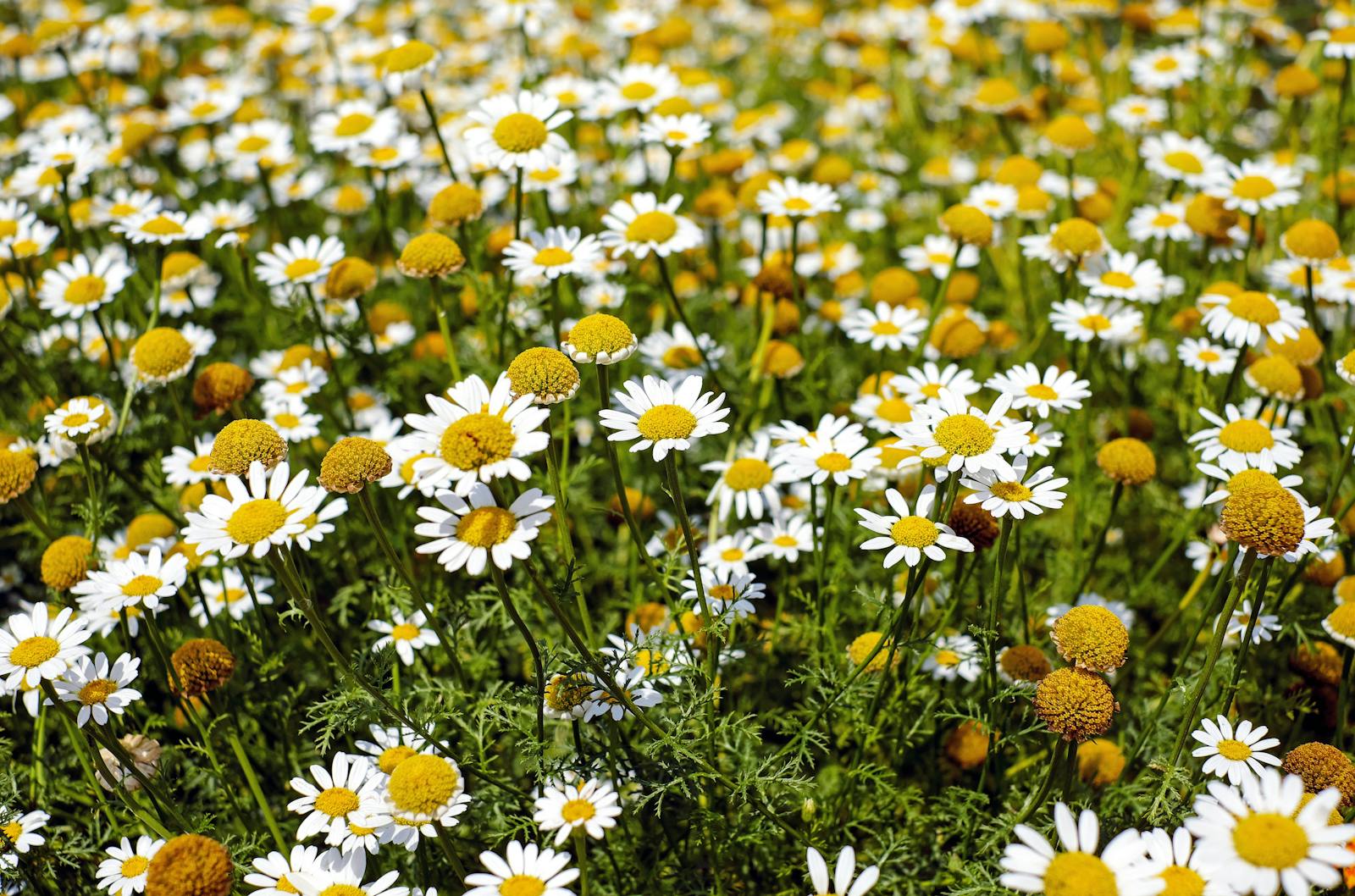
For medicinal plants with high phenolic content, ozone stress can paradoxically increase the concentrations of the very compounds we value in them. Research on chamomile, for example, shows increased flavonoid production under moderate ozone exposure as the plant’s antioxidant response upregulates phenolic biosynthesis.
However chronic high ozone exposure eventually causes visible leaf damage, reduces photosynthetic capacity, and can shift the plant’s entire secondary metabolite profile toward stress-response chemistry at the expense of other compound classes. The net effect depends on ozone concentration and exposure duration.
Specific Medicinal Plants Already Showing Climate-Related Changes
Research published across multiple plant species is documenting the kinds of compound shifts climate projections predicted.
Echinacea
Studies show reduced alkylamide content under drought stress combined with warming. Alkylamides are among the primary immunomodulatory compounds in echinacea preparations. The same plants show increased caffeic acid derivative production under moderate stress, which may partially compensate for alkylamide reduction.
Chamomile (Matricaria chamomilla)
Chamazulene and alpha-bisabolol content shifts measurably with temperature and precipitation changes. Late-season harvesting under warming conditions produces different compound profiles than traditional harvest timing suggests.
Valerian (Valeriana officinalis)
Valerenic acid and other sesquiterpene acid content responds to temperature-driven changes in growing season length. Earlier springs extend the growing season but alter the developmental timing that determines when maximum compound accumulation occurs.
Mediterranean aromatics
Lavender, rosemary, thyme, and oregano are showing range shifts toward higher elevations and latitudes as lowland temperatures exceed optimal ranges. Plants growing at their new range edges show stress-related secondary metabolite changes compared to plants at the centre of their historical range.
Ginseng (Panax ginseng)
Ginsenoside profiles are temperature sensitive. Research from cultivation regions shows measurable shifts in ginsenoside composition associated with warming growing seasons that alter the therapeutic profile of the root.
What This Means for Herb Quality and Consistency
This is the practical consequence that the supplement industry has been slow to acknowledge.
A dried herb or standardised extract that was tested and characterised under one set of growing conditions may have a different compound profile if the same species is grown under the warmer, higher-CO₂ conditions of coming decades. Standardisation to a single marker compound, the industry norm, does not capture the full profile changes that climate stress produces.
My Quality Control of Chemical and Environmental Measurements training covered how analytical standardisation works and where it breaks down. The assumption that a species produces a consistent compound profile across environmental conditions is increasingly unreliable as those conditions change at rates faster than supply chains and quality standards can adapt.
This is not a reason to distrust herbal supplements. It is a reason to pay attention to sourcing information, growing conditions, and harvest timing in ways that current labels rarely provide.
Geographic Shifts and Biodiversity Loss
Climate change is also shifting where medicinal plants can grow, and in some cases eliminating the specific environmental conditions that produce the highest-quality material.
Mediterranean aromatic herbs produce their characteristic volatile compounds partly because of the specific combination of poor dry soils, high summer temperatures, and strong UV radiation in their native range. As growing regions shift and traditional cultivation areas experience changed rainfall and temperature patterns, the terroir that produces distinctive compound profiles changes with them.
I covered the concept of herbal terroir in detail in my article on this site. The connection between specific environmental conditions and secondary metabolite production is not just about individual plant stress responses. It is about the cumulative effect of a specific climate, soil type, and seasonal pattern on how a plant expresses its secondary metabolite chemistry across its full developmental cycle.
Losing those specific environmental conditions to climate change means losing the particular expression of plant chemistry they produce, even if the species itself survives.
FAQs
How does climate change affect medicinal plants?
Through multiple mechanisms operating simultaneously. Elevated temperature alters enzyme activity in secondary metabolite biosynthesis pathways. Elevated CO₂ increases carbon-based phenolic compounds while reducing nitrogen-based alkaloids. Drought stress upregulates volatile terpenoid production in aromatic herbs. Changed precipitation patterns alter growing season timing and developmental stage at harvest. Each mechanism shifts compound profiles in ways that affect therapeutic activity.
Does warming increase or decrease essential oil content in herbs?
It depends on the magnitude of warming and the specific herb. Mediterranean aromatics including lavender, rosemary, and oregano often show increased volatile terpenoid production under mild warming because their enzyme systems are adapted to warm conditions. More significant warming beyond optimal temperature ranges reduces enzyme efficiency and can decrease or alter volatile profiles. The relationship is not linear.
Why do elevated CO₂ levels reduce alkaloid content in plants?
Alkaloids require nitrogen for biosynthesis. Under elevated CO₂ plants fix more carbon, increasing their carbon-to-nitrogen ratio. As nitrogen becomes relatively scarce in plant tissue, alkaloid production is constrained. This is documented across multiple alkaloid-producing species including caffeine in tea and coffee plants.
How did your field research connect to climate change effects on plants?
My open-air field experiment measured how elevated temperature and ozone altered carbon allocation and stress responses in silver birch across a full growing season. The data showed that temperature treatment significantly increased soil respiration rates, reflecting altered carbon allocation between growth and stress-response chemistry. That pattern of stress-driven carbon reallocation is the same mechanism that produces secondary metabolite changes in medicinal herbs under climate warming.
Will medicinal plants still work as climate changes?
Most species will continue to produce their characteristic compounds under moderate climate change. The concern is consistency and predictability. Compound profiles that have been characterised under historical growing conditions will shift under future conditions in ways that current quality standards do not adequately capture. Potency may increase or decrease depending on the compound class and the specific climate variable driving the change.
Which medicinal plants are most at risk from climate change?
Plants with narrow geographic ranges, specific habitat requirements, or compound profiles highly sensitive to temperature and precipitation are most vulnerable. High-altitude species that cannot shift to higher elevations, species at the warm edge of their range, and plants where the active compounds are specifically produced in response to the environmental conditions of a particular region are all at elevated risk of quality and availability changes.
Related Articles:

