







This article was written by Serge, MSc. Plant Biologist and Environmental Scientist with a BSc in Plant Biology and an MSc in Environmental Biology and Biogeochemistry. My background covers plant biochemistry, botany, and field research in forest and soil ecosystems. I write from real experience, not just literature.
Affiliate disclosure: This site has affiliate links, including Amazon. As an Amazon Associate I earn from qualifying purchases, at no extra cost to you.

I did not start loving plants in a lecture hall. It started on a forest field trip.
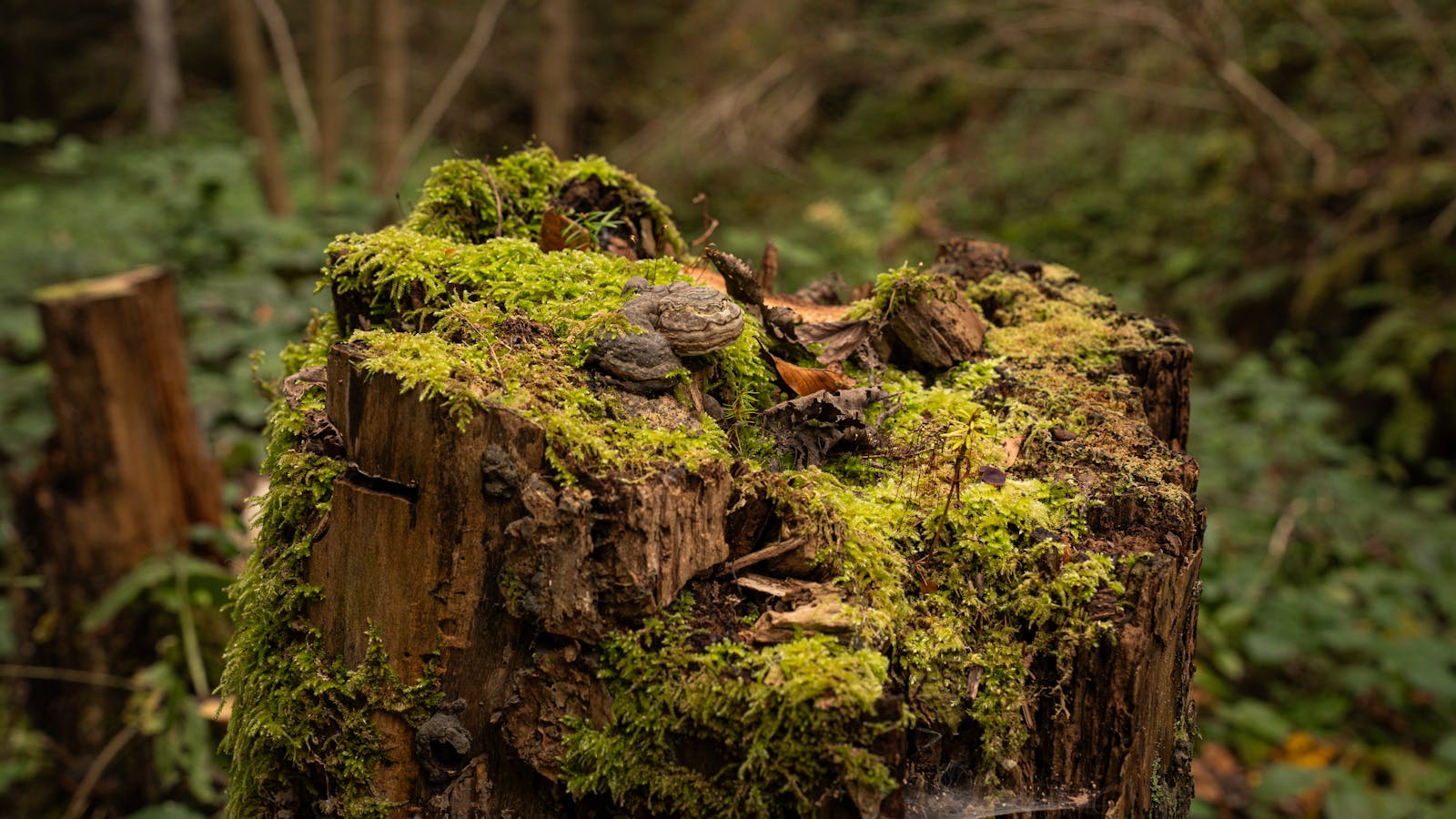
I spent a morning crouched over a patch of moss, writing notes, looking at how the leaves, roots, and small insects all fit together. That hands-on field work, not a textbook, is what pulled me into plant science.
People hear plant biologist or botanist and think of someone pressing flowers or learning long Latin names. There is some of that. But the real work is wider. It covers chemistry, genetics, evolution, and ecology, all in one plant you can hold in your hand. To understand what that work involves, and how someone learns to read a plant, here is what the job looks like from the inside, and where you could start yourself.
Out in the Field
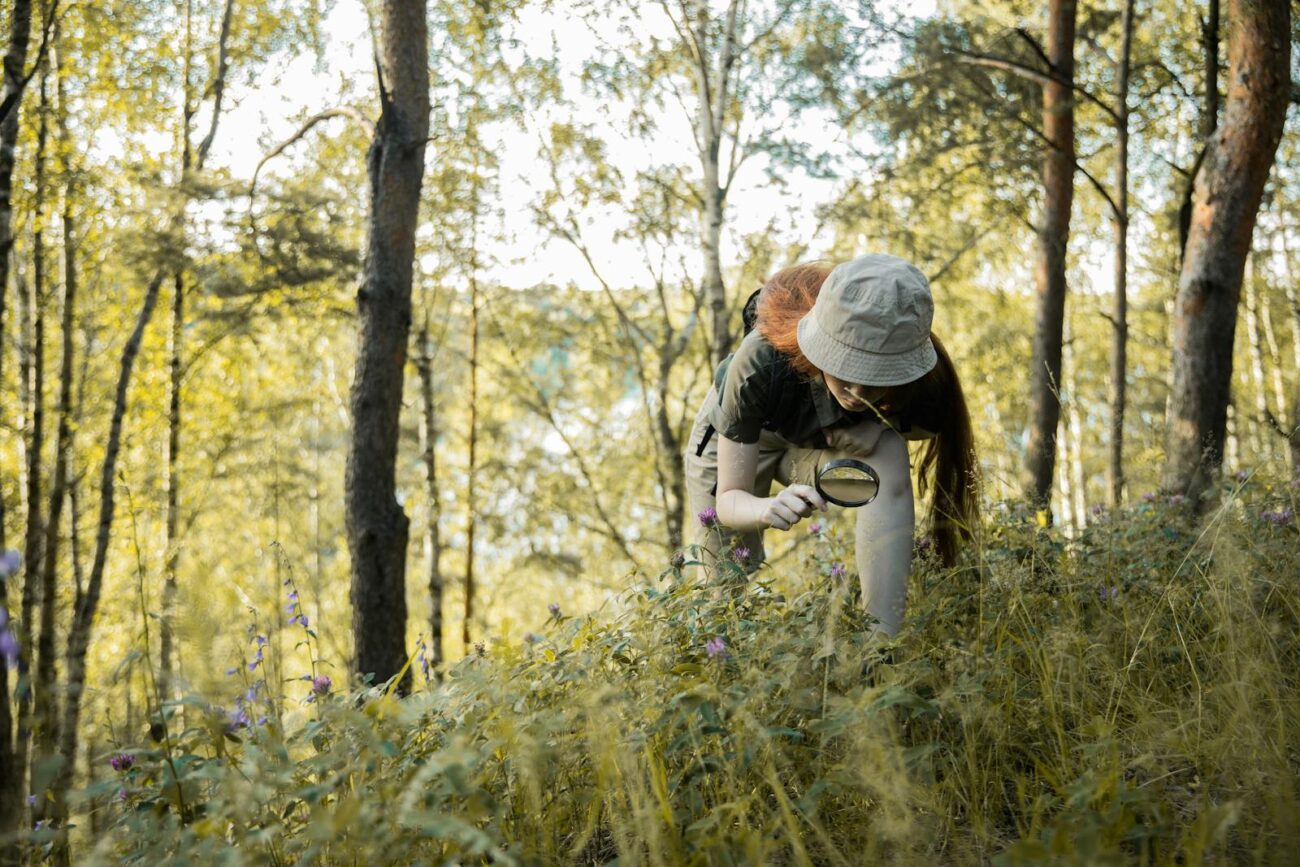
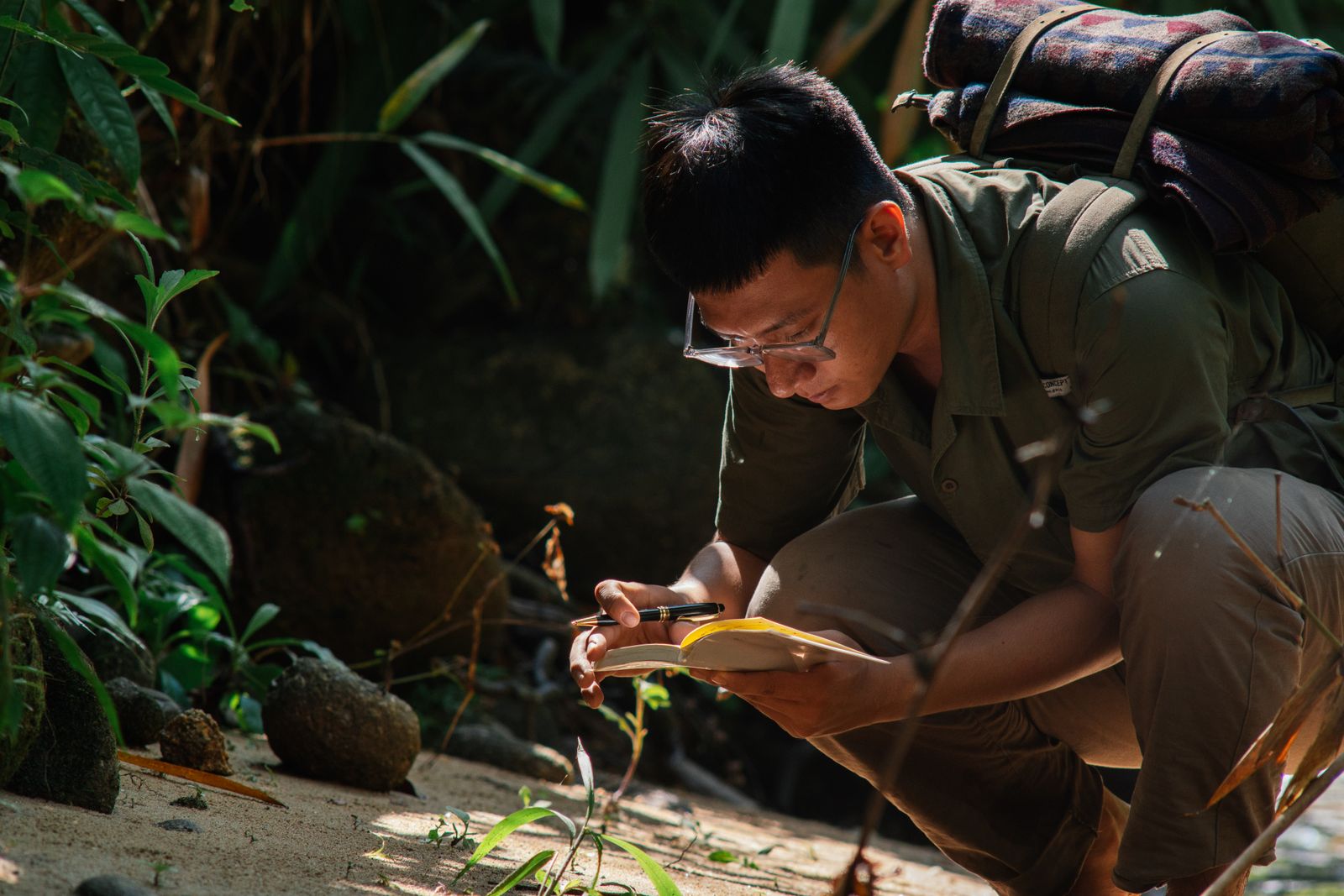
A lot of my work begins outdoors. On research trips I have spent mornings walking slowly through woodland, turning over leaves, looking for spots, odd colours, or small insects that show something is happening to the plant. I write fast in a notebook so I do not lose anything.
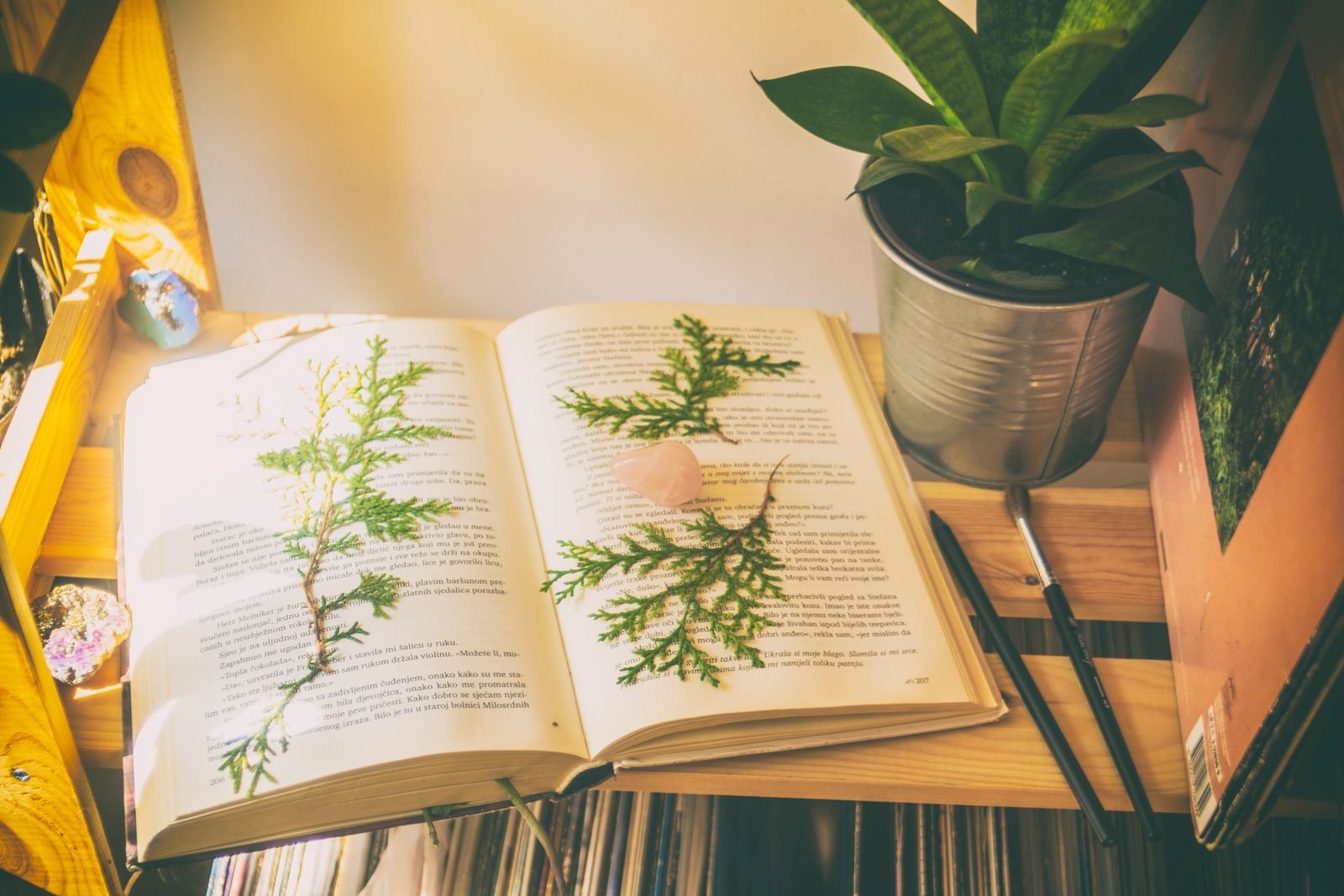
The collecting side goes back to my training. On field trips with my teacher and the other students, we gathered as many species as we could find. We pressed them flat, dried them, labelled each one, and kept them in a herbarium collection. There was a real reason for the care. Once a plant dries, its colour fades and its shape changes, so you learn to identify it from its structure, not from how it looked when fresh. That trains your eye in a way nothing else does, and it is something you can try yourself with a single pressed leaf and a field guide.
Some days everything works and I feel a small rush. Other days I crouch in wet soil for an hour and get nothing useful. Both teach the same thing, patience. Plants do not work to your schedule.
How Plants Use Chemistry
This is the part that pulled me in. Every plant makes its own chemicals: pigments, enzymes, and protective compounds that help it cope with sun, pests, drought, and disease.
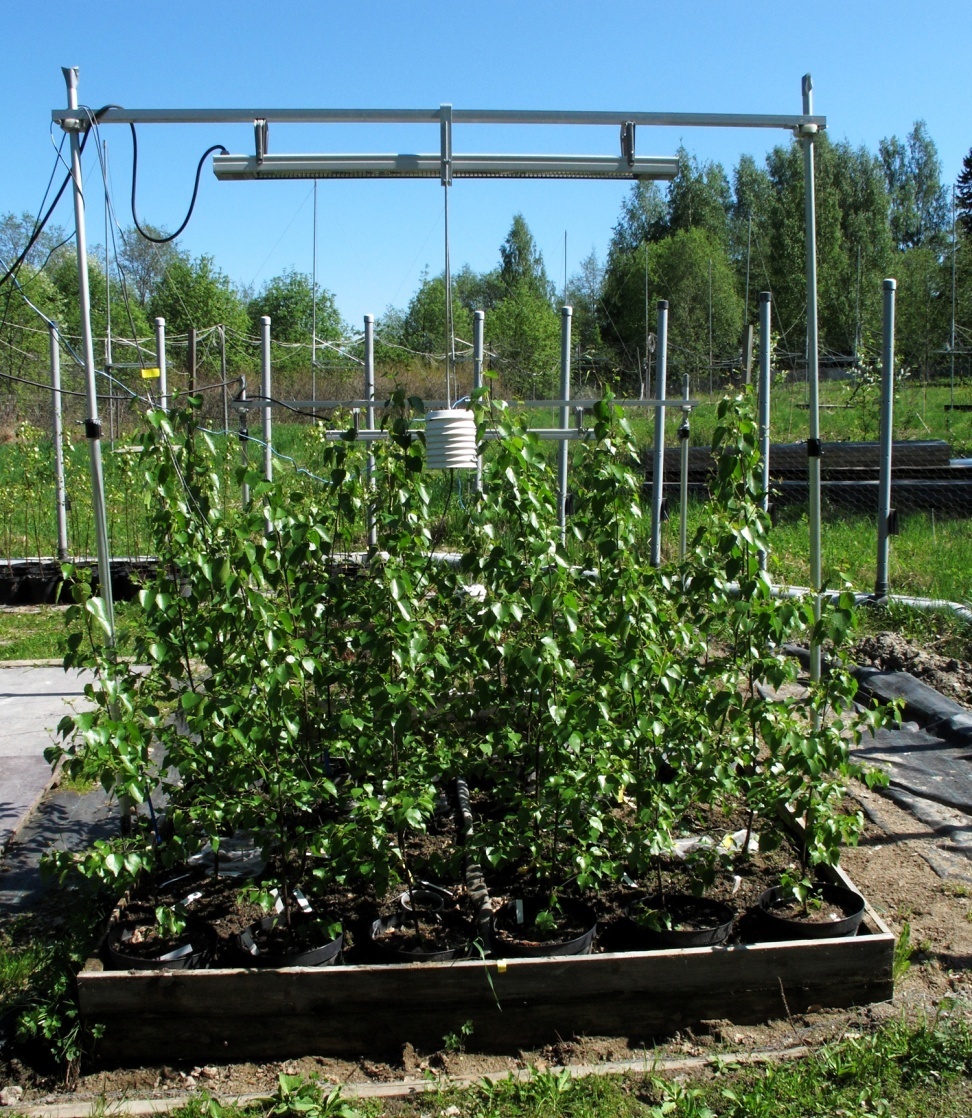
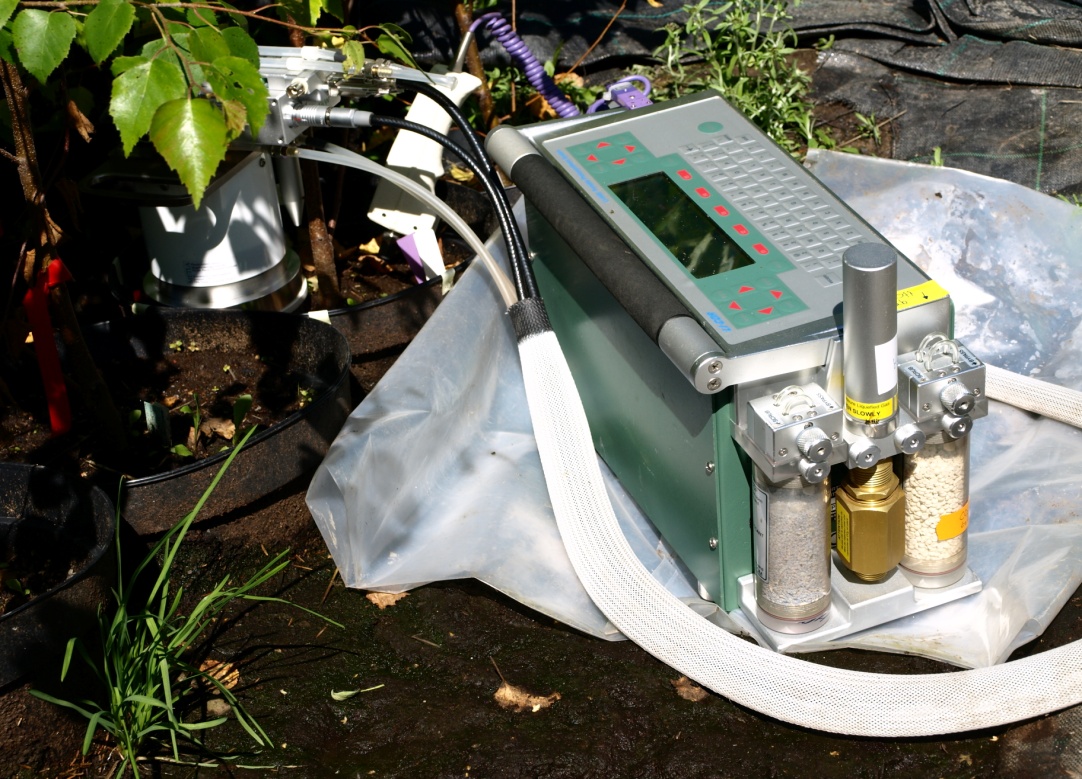
I have spent months watching how a leaf reacts to stress. In one project I worked on, we exposed silver birch, Betula pendula, to slightly warmer temperatures and to ozone, out in open-air field conditions. Then we measured how the trees responded, right down to leaf area, stem growth, and the carbon dioxide coming off the soil. What stayed with me was how a change of less than a degree, or a small rise in a pollutant, showed up as something you could measure in the plant. The chemistry I tracked later in the lab matched what I had already seen in the forest.
Even a single leaf holds answers. Why one is glossy and another dull. Why basil, Ocimum basilicum, smells so strong when you crush it. Why some trees cope with conditions that kill others. The closer I looked, the more of those everyday questions turned out to have real answers.
Why Genetics Shapes a Plant
Each plant is the result of a long history. Out in the field you can see it. Some trees resist stress, some get through drought, some make extra protective chemicals. Each of these traits helped the plant survive over many years.
Genetic variation is what makes that possible. It lets forests recover after damage, lets crops hold up under pressure, and gives rare plants a chance to survive. In my own field research I worked with two birch types that responded differently to the same conditions. One grew thicker stems, the other changed its leaf area. That showed me how much the genetics shape the result. Studying how genes switch on and off helped me understand why two plants in the same plot behave so differently.
No Plant Lives on Its Own
No plant grows in isolation. A tree shades the smaller plants beneath it, changes the soil around its roots, feeds insects, and gives birds somewhere to shelter. A small chemical change in one leaf can ripple out to the plants, insects, and soil life around it.
I have watched a single stressed tree affect the shrubs and the soil microbes near it. That connection runs through everything I studied: the soil, the carbon dioxide it breathes out, and the way gases pass between plants and the air. Everything is linked, and a small shift in temperature, air, or soil works its way through the whole system. Moss on the roots, fungi tying plants together underground, insects visiting flowers, it all works as one.
Why This Work Is Useful
Plant biology, chemistry, and genetics are not just academic. They help farmers grow stronger crops, they support medicine, and they help us protect wild places.
The pigments I measured and the enzymes I tracked all feed into something bigger. Seed banks, botanical gardens, and reforestation projects all depend on this kind of knowledge. You cannot protect what you have not studied. Seeing a rare plant survive in its habitat is the clearest reason for conservation I know.
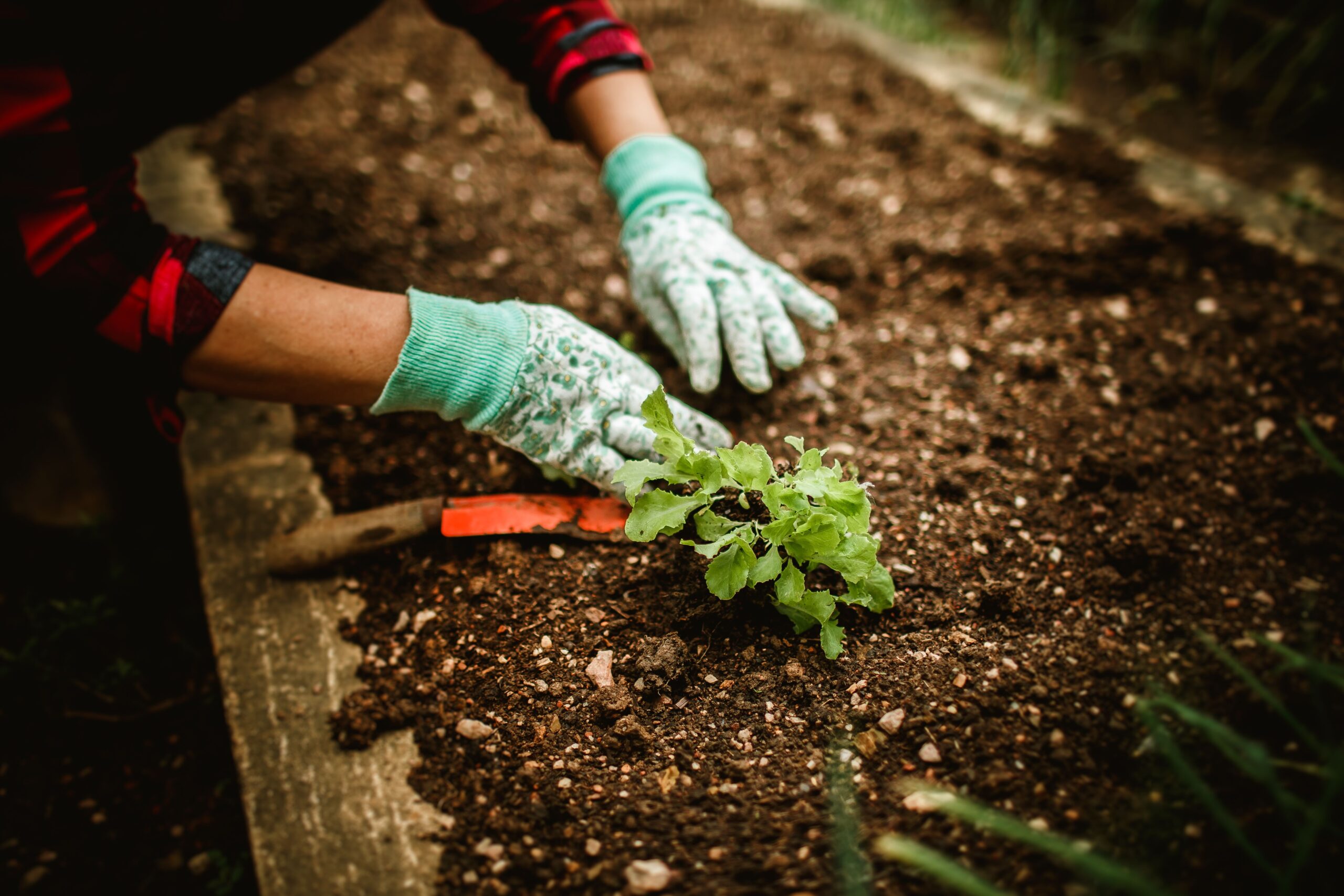
And there is the simple pleasure of it. I still like watching a green shoot push up through the soil. I keep coming back to plants because they reward close attention.
Where You Could Start
You do not need a degree or a lab to begin understanding plants the way a botanist does. The habits that matter most are the ones I started with on that first field trip.
Pay close attention to real plants. Pick one you walk past often and watch it across a few weeks, the new leaves, the flowers, the way it changes with the weather. Keep a small notebook and write down what you see, not what you expect to see. Learn to identify a plant from its structure, the shape of the leaf, how it joins the stem, the arrangement of the flower parts, rather than just its colour. If you want to try the herbarium method, press and dry a few common leaves and see how identifying them from the dried structure sharpens your eye.
A local field guide or flora helps you put names to what you find, and the Latin names are worth learning because they carry real information about how plants are related. If there is a guided plant walk or a citizen-science project near you, those put you next to people who can show you what to look for. None of this costs much. It mostly takes attention, which is the one thing the work always comes back to.
Frequently Asked Questions
What does a plant biologist do?
A plant biologist studies plants. In practice that means a mix of field work and lab work. I collect and identify plants, measure things like pigments and enzymes, run experiments on how plants respond to stress, and study how they fit into the wider ecosystem. It covers chemistry, genetics, evolution, and ecology.
What is botany the study of?
Botany is the study of plants. It covers their chemistry and genetics, how they grow and reproduce, how they survive stress, and how they interact with other living things.
Do plant biologists work in labs or outdoors?
Both. My own work has gone from crouching in wet woodland with a notebook to measuring leaf chemistry and soil gases in controlled conditions. The field shows you what is happening. The lab shows you why.
What skills does a plant biologist need?
Careful observation, patience, and the ability to identify plants from their structure, not just how they look when fresh. On the technical side it helps to understand plant chemistry, genetics, and how to design a proper experiment.
Why is botany important?
Plant science supports stronger crops, medicine, and conservation. Seed banks, botanical gardens, and reforestation all depend on understanding how plants live and survive. You cannot protect what you have not studied.
How do plants protect themselves?
Through chemistry. Plants make pigments, enzymes, and protective compounds that defend against sun, pests, drought, and disease. Watching these respond to stress is one of the most interesting parts of the work.
How do I start learning about plants?
Start by paying close attention to real plants. Grow them, watch them, handle them, and keep notes. Learning to identify them from their structure, and picking up the Latin names, sticks better than reading alone. A local field guide or a guided plant walk speeds it up.
Can plants really respond to their environment?
Yes, and you can measure it. In research I worked on, a change of less than a degree in temperature, or a small rise in ozone, gave changes you could measure in tree growth and leaf area. Plants respond to their surroundings all the time.

