







This article was written by Serge, MSc. Plant Biologist and Environmental Scientist with a BSc in Plant Biology and an MSc in Environmental Biology and Biogeochemistry. My background covers plant biochemistry, botany, and field research in forest and soil ecosystems. I write from real experience, not just literature.
Affiliate disclosure: This site has affiliate links, including Amazon. As an Amazon Associate I earn from qualifying purchases, at no extra cost to you.
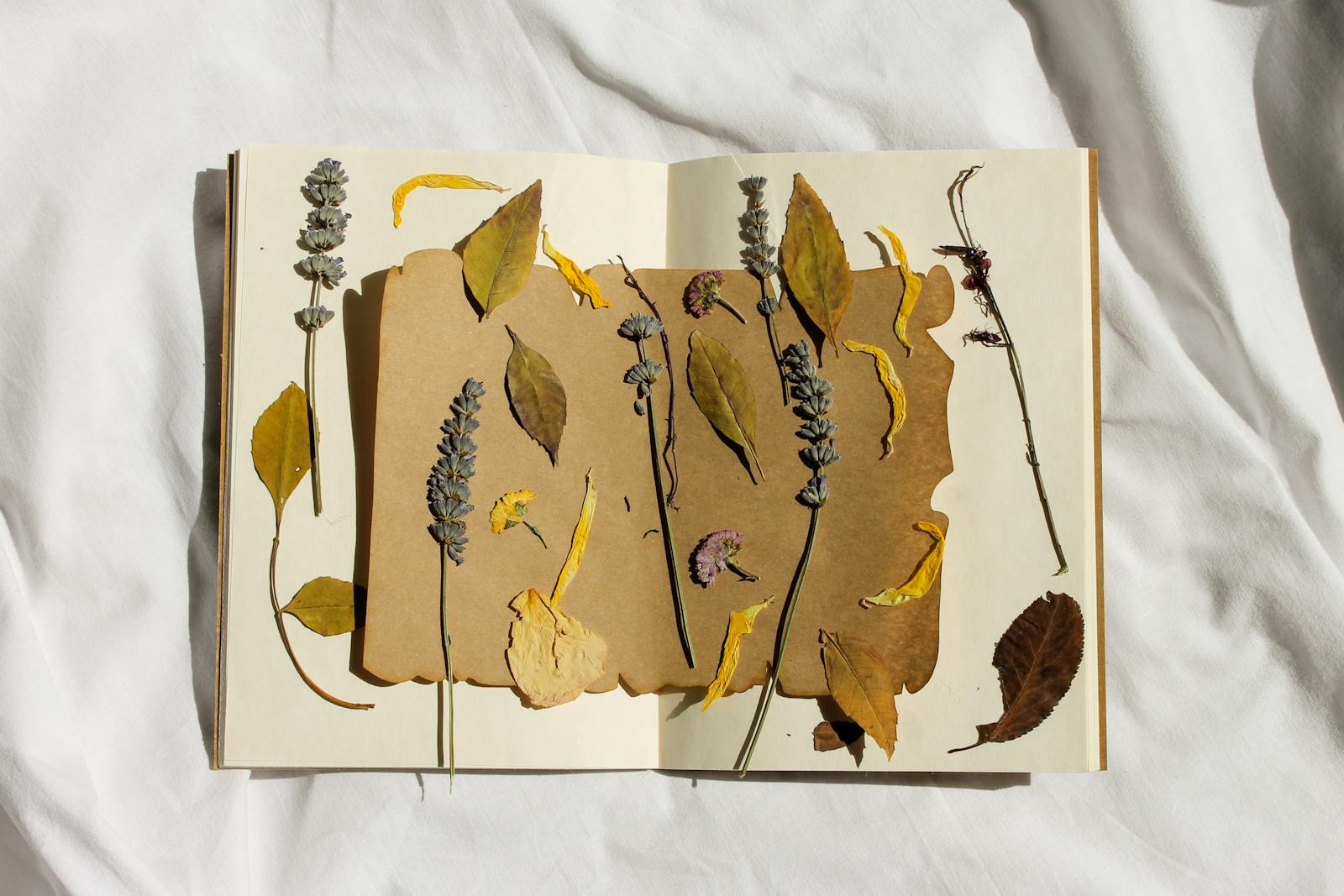
Part of my training as a plant biologist meant long hours with real specimens. On field trips with my teacher and the other students, we collected as many plant species as we could find, then pressed them flat, dried them, labelled each one, and kept them in our herbarium collection.
There was a real reason behind all that careful work. Once a plant dries out, it loses a lot of what makes it easy to recognise. The colour fades, the shape distorts, the soft parts shrink and curl. A leaf that looked obvious in the field can turn into a brown puzzle on the sheet.
Learning to name a plant from its underlying structure, rather than its fresh colour, trains your eye in a way nothing else does. That practice taught me classification from the ground up, not as a list to memorise but as a way of reading a plant and placing it in the wider plant kingdom.
So this is not going to read like a textbook chapter. I want to walk you through how plants are sorted, why the system looks the way it does, and where it gets interesting once you stop seeing it as dry naming and start seeing it as a map of how plants are related.
There are somewhere around 390,000 to 400,000 known plant species, and counts keep shifting as new ones get described and old groupings get revised. Sorting that many living things needs a system, and the one we use has a long history.
The Naming System, and Why Latin
Plant classification rests on the hierarchy Carl Linnaeus built in the 18th century. It arranges every plant into nested ranks: species sits at the bottom, then genus, family, order, class, division, and kingdom at the top. Each step up gathers a wider group sharing fewer but deeper traits.
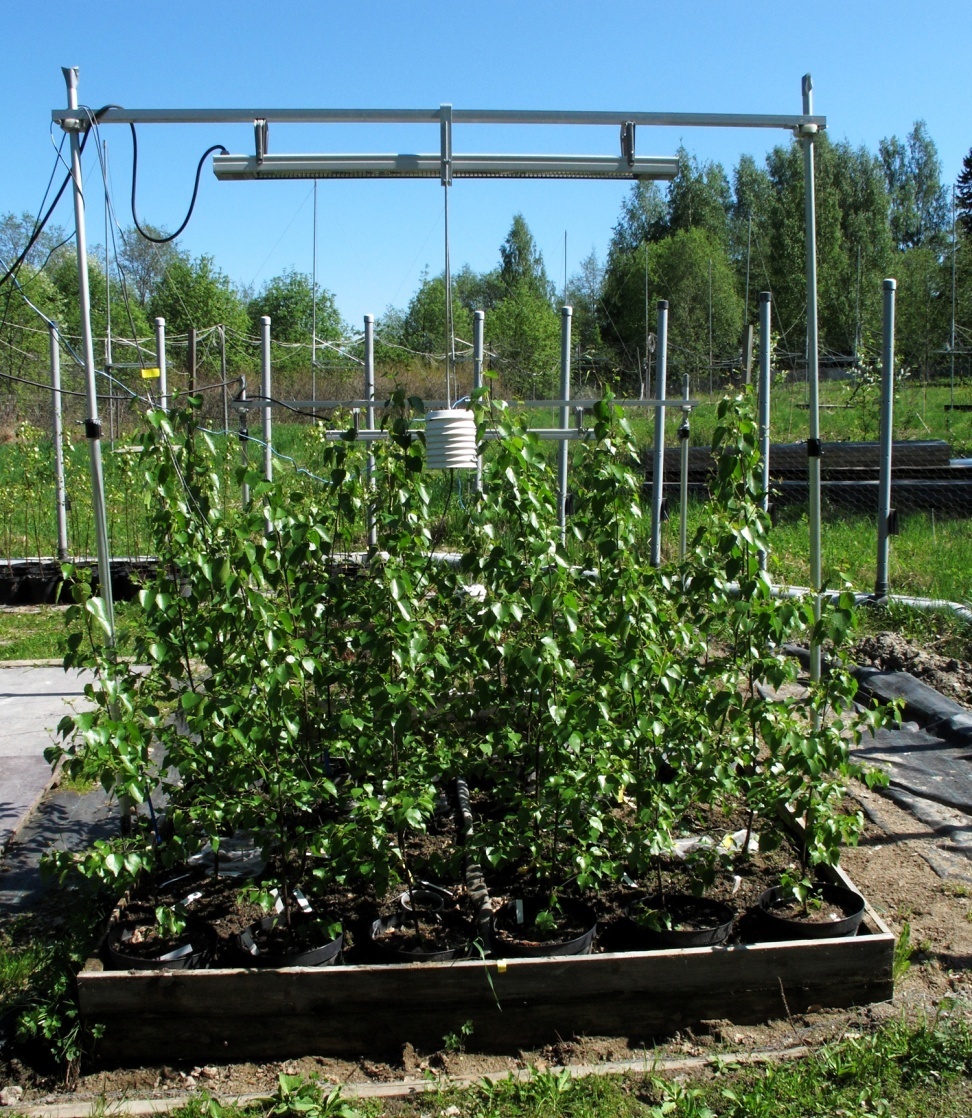
A species means a group that can interbreed and produce fertile offspring. That gets the precise Latin binomial, two words, genus first then species. Silver birch, the tree used in my field research, carries the name Betula pendula. Betula tells you the genus, the birches. Pendula pins down the exact species.
The reason for Latin comes down to one thing. A common name changes from country to country and language to language, but Betula pendula means the same plant to a botanist anywhere on the planet. Back when I was learning to identify those dried specimens, the Latin name was the only label that removed all doubt about what I held.
The Big Split: Vascular and Non-Vascular
The first real division most people meet separates plants by their plumbing.
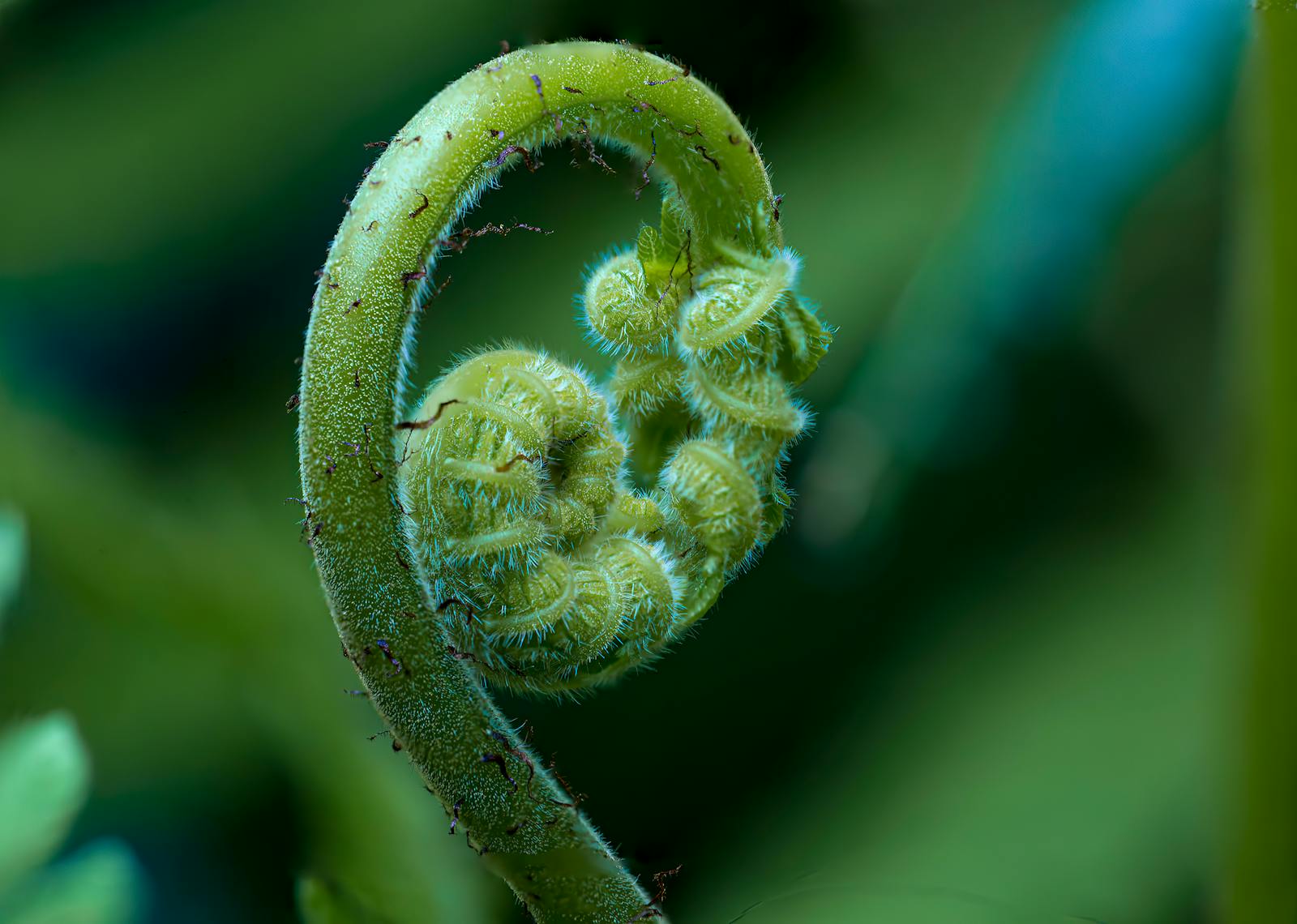
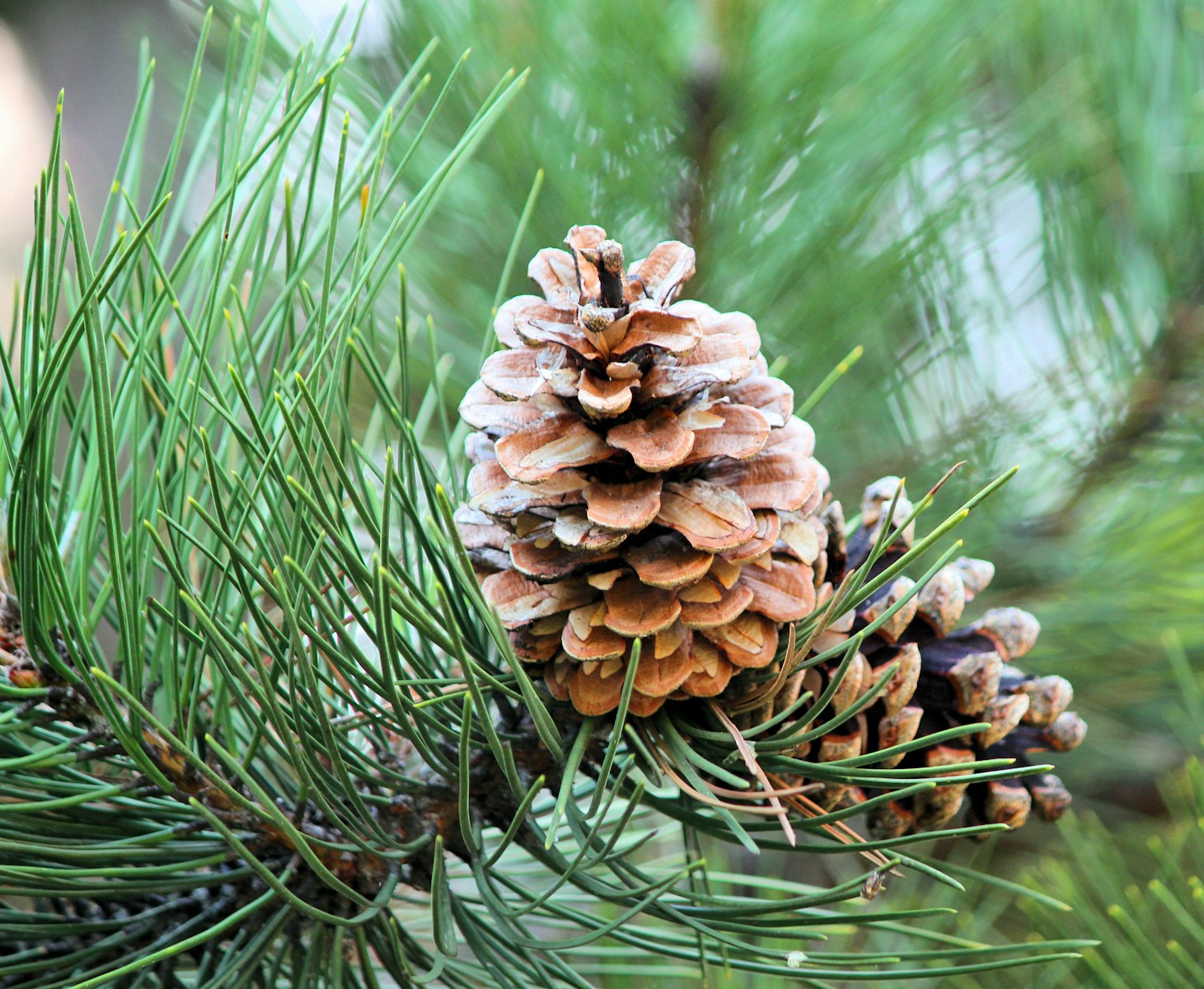
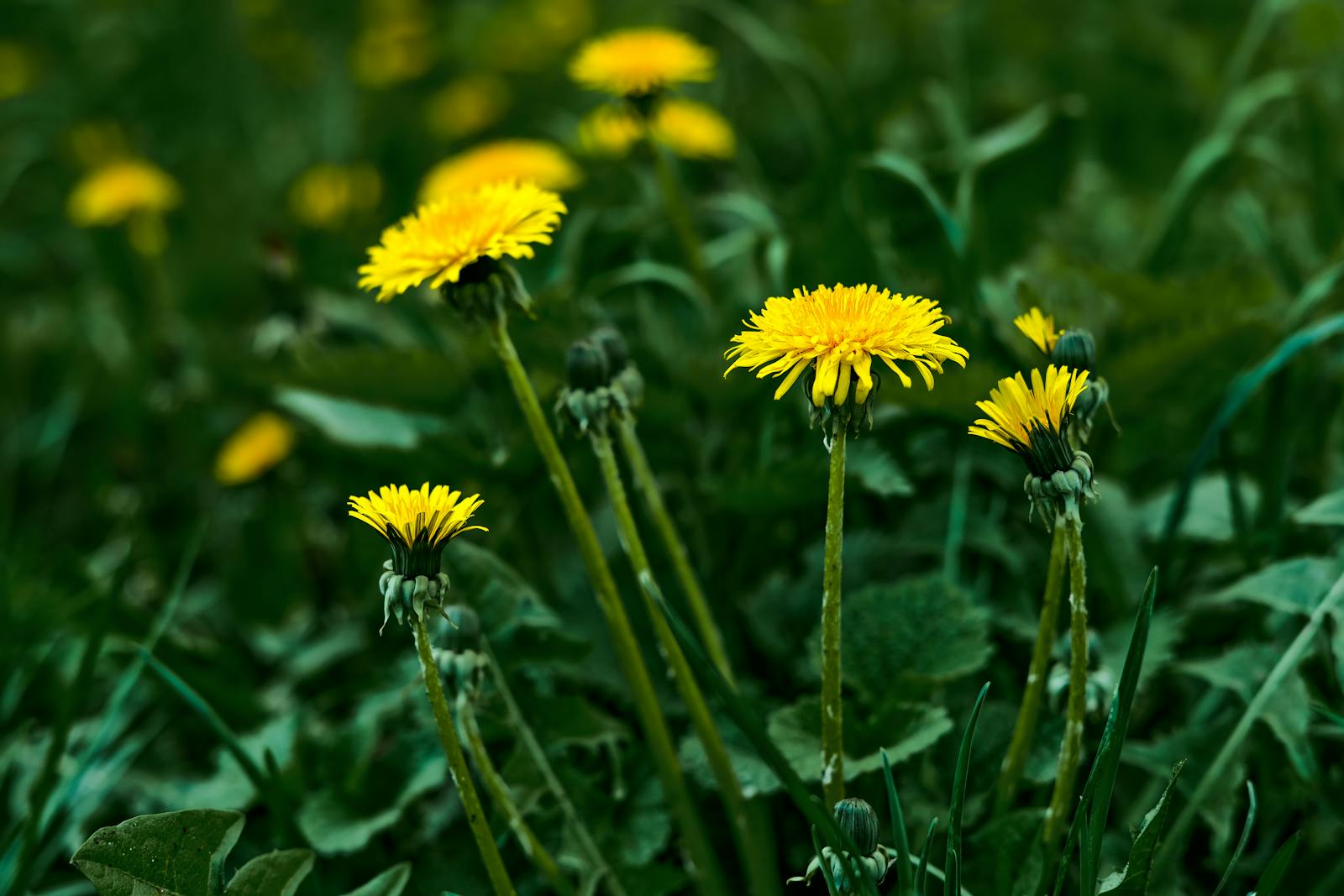
Vascular plants have specialised internal tissue, xylem and phloem, that moves water and nutrients around the body. That plumbing lets them grow tall and stiff. Ferns, conifers, and all the flowering plants belong here.
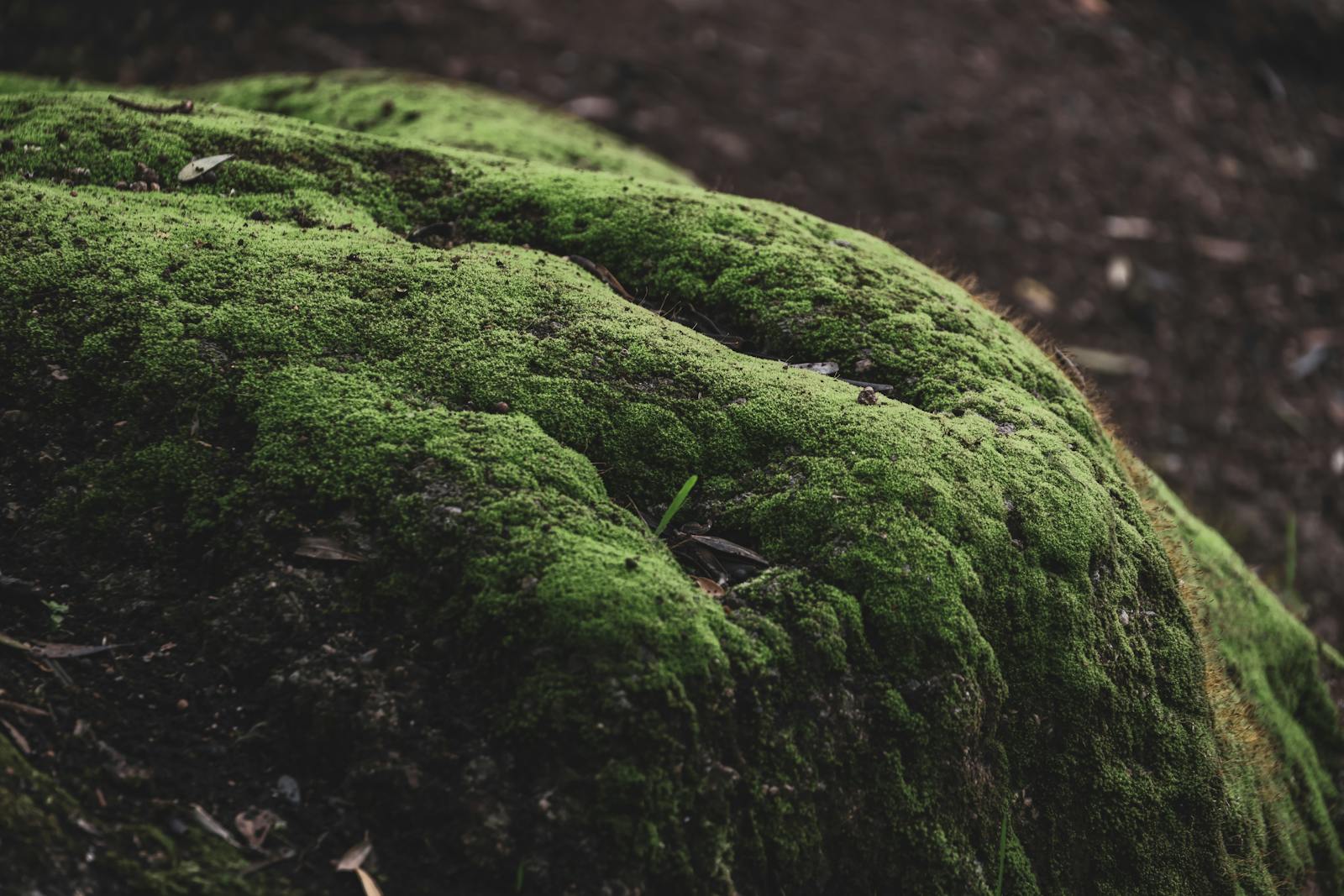
Non-vascular plants lack that tissue. Without internal transport they stay small and low, and they depend on damp surroundings to move water across their cells. Mosses and liverworts sit in this group.
Once I understood that single split, a lot of plant structure made sense. The reason a moss hugs a wet rock and a birch towers over a forest comes straight from whether or not it evolved that internal plumbing.
The Major Plant Groups
Within those two camps, plants fall into a handful of large groups. Here is how I think about each one.
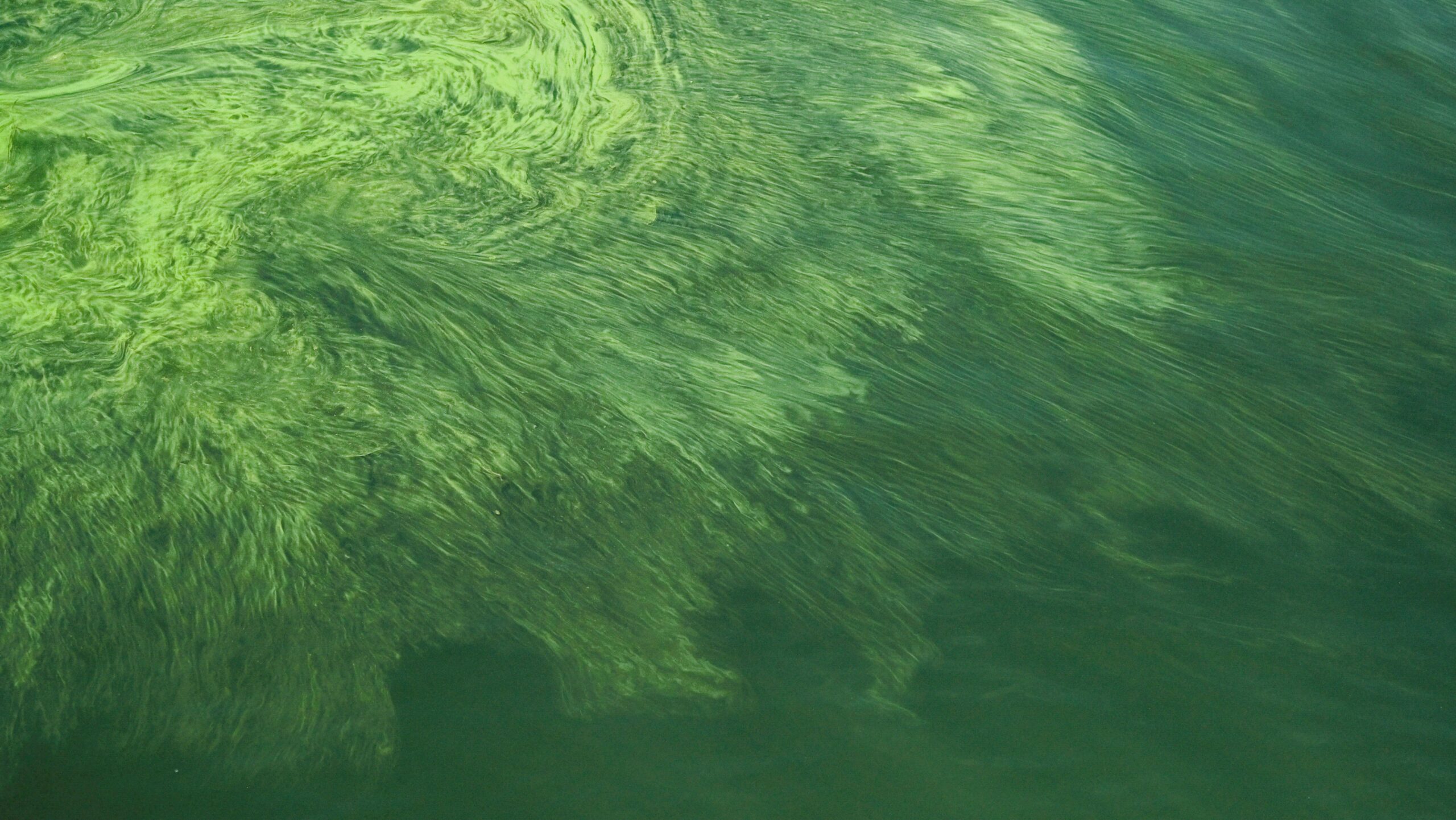
Algae are the simplest. Mostly aquatic, lacking true roots, stems, or leaves, ranging from single cells to long seaweeds. Green algae like Chlamydomonas sit close to the ancestors of land plants, which makes them more than pond scum to a botanist. They also produce a large share of the planet’s oxygen.
Bryophytes cover mosses, liverworts, and hornworts. Non-vascular, small, tied to moisture because they need a film of water for their sperm to reach the egg. They do quiet work in soil formation and water retention, and they often colonise bare ground first.