








This article was written by Serge, MSc. Plant Biologist and Environmental Scientist with a BSc in Plant Biology and an MSc in Environmental Biology and Biogeochemistry. My background covers plant biochemistry, botany, and field research in forest and soil ecosystems. I write from real experience, not just literature.
Affiliate disclosure: This site has affiliate links, including Amazon. As an Amazon Associate I earn from qualifying purchases, at no extra cost to you.
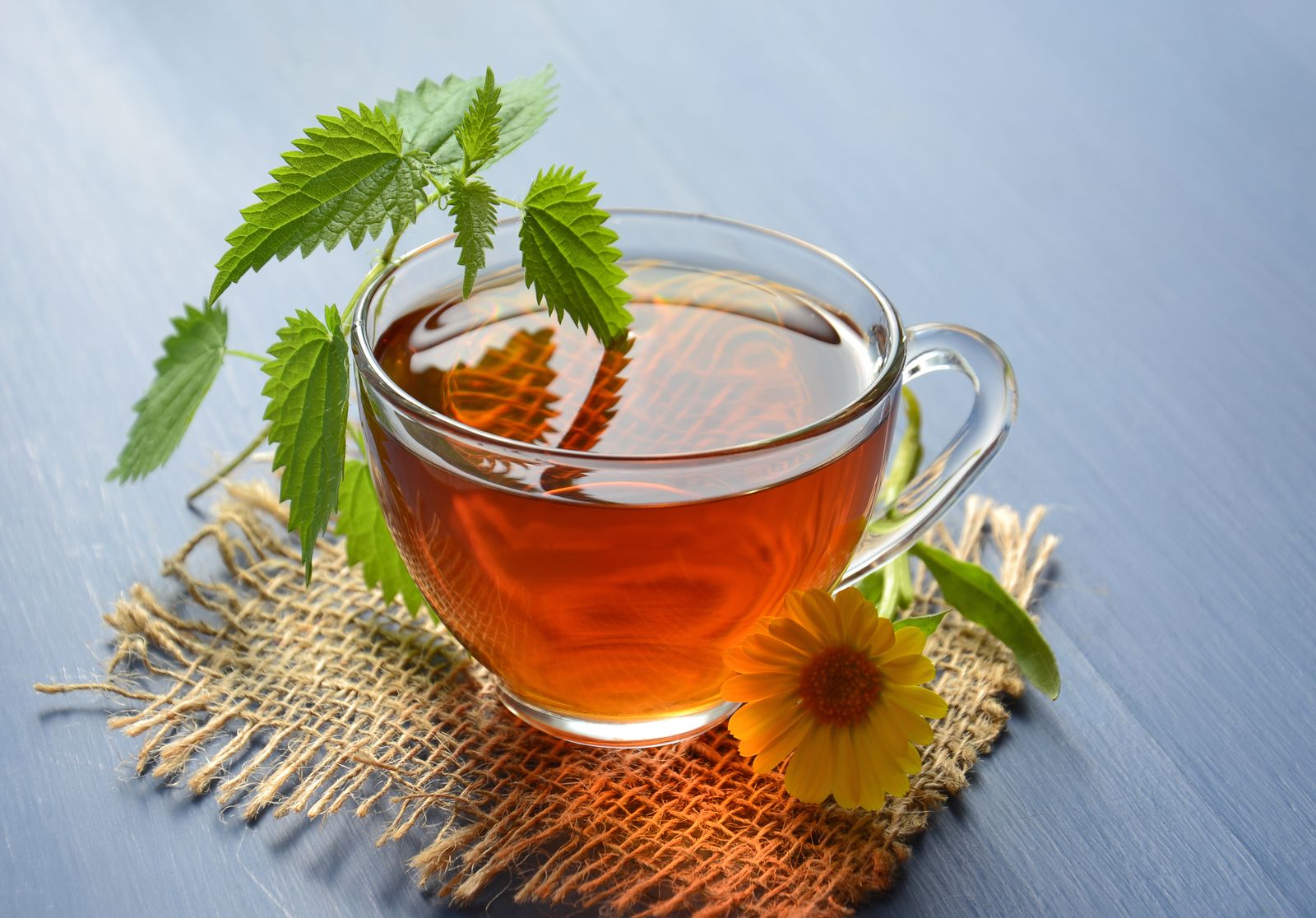
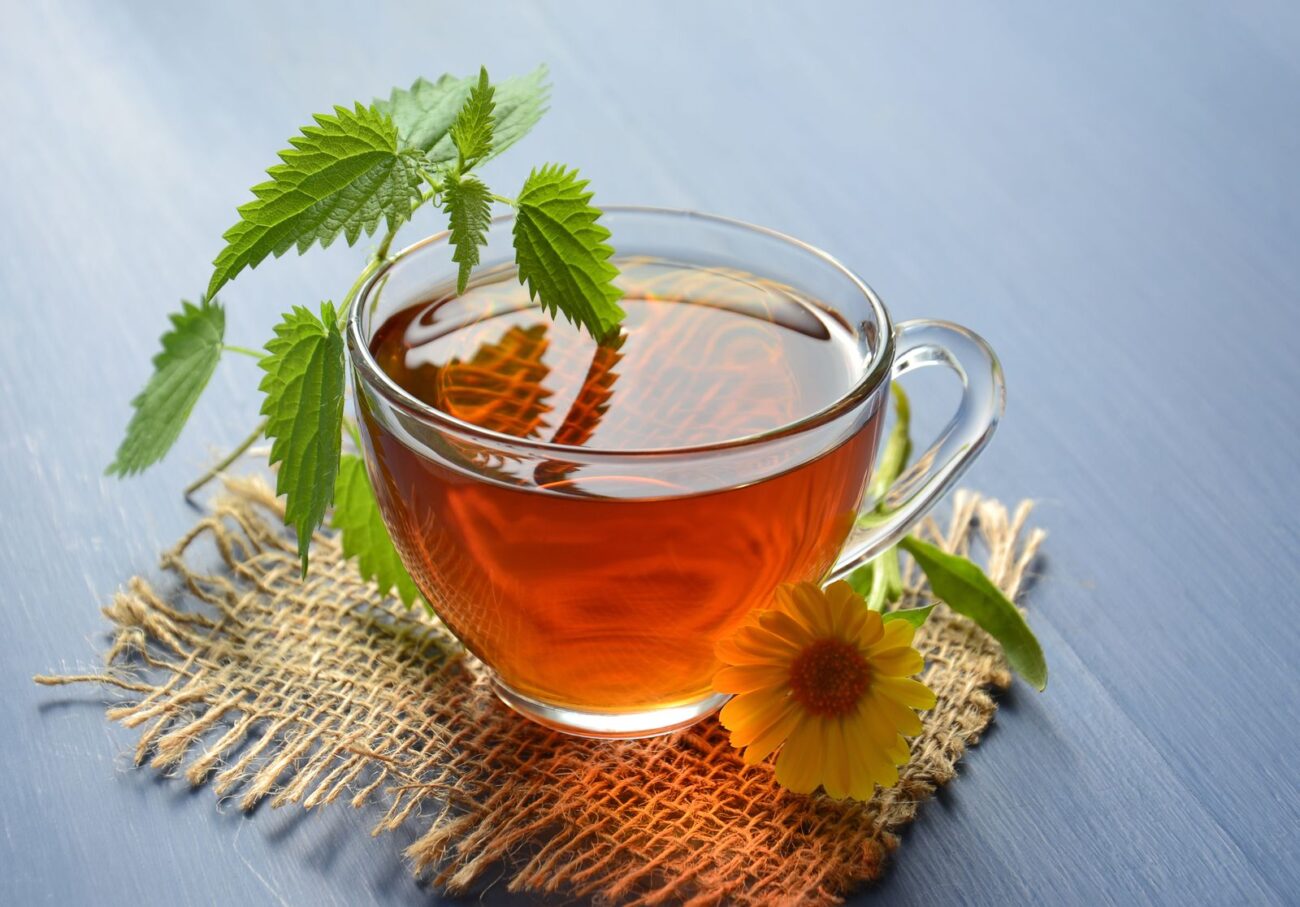
The first herbal tea I ever paid serious attention to was nettle. I had studied Urtica dioica in plant classification, knew the flavonoid profile, understood the biosynthetic pathway behind quercetin and kaempferol. Then I actually brewed a cup and drank it. The gap between knowing the chemistry and experiencing the plant directly is something no textbook covers.
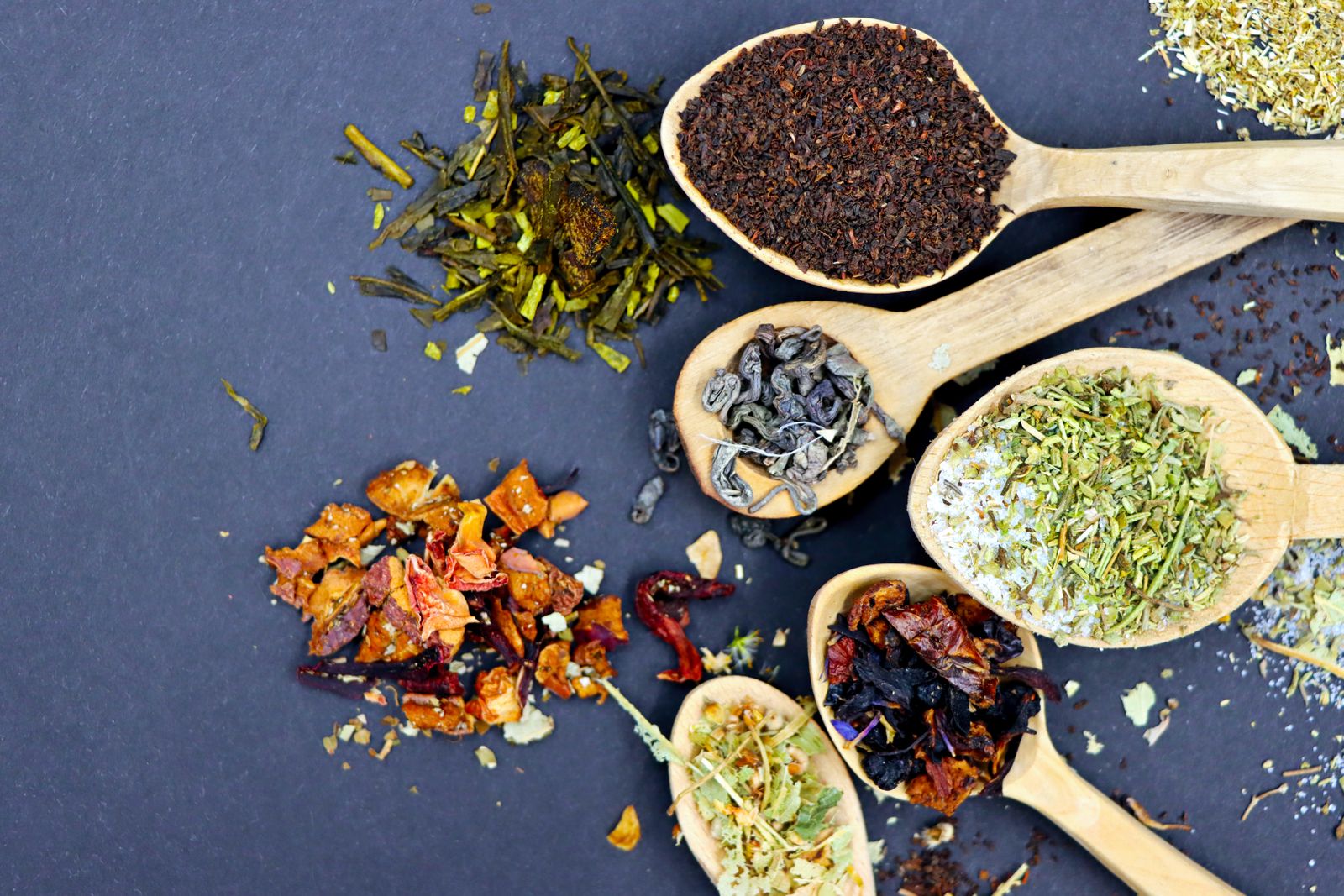
I have been drinking herbal teas seriously ever since. Green tea (Camellia sinensis) most mornings. Hibiscus (Hibiscus sabdariffa) regularly. Nettle (Urtica dioica) when I want something grounding and mineral rich. Each one tastes different, behaves differently in water, and carries a different compound profile depending on preparation temperature, steeping time, and plant part used.
Most people drink herbal teas without thinking much about what is actually moving into the water. That is a shame because the chemistry is genuinely interesting.
What Happens When You Brew a Herbal Tea
Hot water is a solvent. When you pour it over dried or fresh plant material it begins pulling water soluble compounds out of the plant tissue. Phenolic acids, flavonoids, some alkaloids, volatile aromatic compounds, minerals. What ends up in your cup depends on which compounds are present in that plant, how well they dissolve in water, and how long and how hot you brew.
This is why preparation matters more than most people realise. Green tea brewed at 80 degrees Celsius produces a different flavour and compound profile than the same leaves brewed at 100 degrees. The higher temperature extracts more tannins and produces bitterness. The lower temperature preserves more of the delicate catechin profile.
My plant biochemistry studies covered extraction chemistry in the context of secondary metabolite analysis. The same principles that apply in a laboratory extraction apply in your kitchen. Temperature, solvent polarity, contact time, and plant particle size all affect what you end up with.
Green Tea. Camellia sinensis
Camellia sinensis is probably the most chemically studied plant in the tea world. The leaves contain catechins, a subclass of flavonoids, with epigallocatechin gallate being the most abundant and most studied. These compounds accumulate as UV screening and antimicrobial defence chemistry in the leaf.
The plant also contains caffeine and theanine, an unusual amino acid that affects neurotransmitter activity. Theanine and caffeine together produce a different alertness profile than caffeine alone. Many regular green tea drinkers describe a calm focused state rather than the jittery effect of coffee. The chemistry supports that observation.
I drink green tea most mornings. The flavour varies considerably between varieties and growing regions. A Japanese sencha tastes completely different from a Chinese green tea even though both come from Camellia sinensis. Growing conditions, processing method, and harvest timing all shift the compound profile.
Brew at around 75 to 80 degrees Celsius for two to three minutes. Boiling water makes it bitter and degrades some of the more delicate catechins.
Hibiscus. Hibiscus sabdariffa
Hibiscus sabdariffa produces one of the most visually striking teas available. The deep crimson colour comes from anthocyanins, specifically delphinidin and cyanidin glycosides, produced through the phenylpropanoid pathway as pigmentation and antioxidant defence chemistry in the calyx tissue.
I drink hibiscus regularly. The flavour is tart and fruity with a pronounced acidity from organic acids including citric and malic acid. It works well hot or cold. The colour alone tells you the anthocyanin concentration is substantial.
The calyx, the fleshy red part used for tea, is the part of the flower that surrounds the seed pod. It is unusually rich in organic acids and anthocyanins compared to most plant tissues. Traditional use of hibiscus tea spans West Africa, the Caribbean, Central America, and parts of Asia and the Middle East, which tells you something about how widely distributed and valued this plant has been historically.
Brew in hot but not boiling water for five minutes. The colour extracts quickly. Longer steeping increases the acidity noticeably.
Nettle. Urtica dioica
I have written about nettle elsewhere and I keep coming back to it because the chemistry genuinely deserves attention. The leaves contain quercetin and kaempferol flavonoids, vitamins A, C, and K, and a mineral profile including iron, calcium, and magnesium that is unusually dense for a leafy plant.
Brewing neutralises the sting completely. What you get in the cup is mild, slightly green, and warming. I have also fermented nettles in vodka as a tincture, which extracts a broader range of compounds than water alone including some of the more fat soluble constituents.
Young spring leaves before flowering produce the best flavour and the highest nutrient content. The chemistry shifts after flowering and the leaves become tougher and more bitter.
Chamomile. Matricaria chamomilla
Matricaria chamomilla flowers contain apigenin, a flavone that has received attention for its interaction with GABA-A receptors, the same receptor complex involved in the calming effects of several well studied herbs. Apigenin is biosynthesised through the phenylpropanoid pathway alongside other flavonoids concentrated in the flower heads.
The characteristic apple-like aroma comes from chamazulene and alpha-bisabolol, terpenoid compounds that form during the drying and steaming process. Fresh chamomile smells different from dried chamomile for exactly this reason.
Chamomile tea has one of the longest documented histories of use in European herbal medicine. The flower head is the part used. Steeping for five to ten minutes in just-boiled water extracts the flavonoid and terpenoid profile effectively.
Ginger. Zingiber officinale
Zingiber officinale rhizomes contain gingerols and shogaols, pungent phenolic compounds responsible for the characteristic heat and aroma. Shogaols form from gingerols during drying, which is why dried ginger tastes sharper and more pungent than fresh ginger.
Both compound classes interact with digestive physiology through multiple mechanisms. Ginger tea has one of the strongest traditional use records for nausea and digestive discomfort across Asian, European, and Middle Eastern herbal traditions. The chemistry gives plausible mechanisms for these traditional uses.
Fresh ginger sliced and steeped in hot water for ten minutes produces a clean spicy tea. Dried ginger produces a more concentrated pungent brew.
Peppermint. Mentha x piperita
Mentha x piperita leaves are dominated by menthol and menthone, monoterpenoid compounds produced through the terpenoid pathway and stored in glandular trichomes on the leaf surface. When you crush a peppermint leaf the trichomes rupture and release menthol immediately. That is the cooling sensation.
Hot water extracts menthol and related volatile compounds effectively though some volatilise quickly with high heat. Covering the cup while steeping reduces aromatic loss. The cooling sensation in peppermint tea comes from menthol activating cold-sensitive receptors in the mouth and throat.
Peppermint has a long traditional use record for digestive support and the menthol chemistry gives a clear mechanism for the muscle relaxing effect on gastrointestinal smooth muscle tissue.
Lemon Balm. Melissa officinalis
Melissa officinalis leaves contain rosmarinic acid, a phenolic compound biosynthesised through the phenylpropanoid pathway, alongside volatile aromatic compounds including citral that give the plant its characteristic lemon scent.
Rosmarinic acid has documented activity at GABA transaminase, an enzyme involved in GABA metabolism. This gives a biochemical basis for the traditional use of lemon balm as a calming herb. The volatile compounds extract well in hot water though they dissipate quickly so fresh lemon balm produces a more aromatic cup than dried.
Raspberry Leaf. Rubus idaeus
Rubus idaeus leaves contain tannins, flavonoids including quercetin and kaempferol, and fragarine, an alkaloid traditionally associated with uterine muscle tone. The leaves have a long documented history of use in European herbal medicine particularly in the context of women’s health.
I have no personal experience with raspberry leaf tea. The traditional use record is extensive and the tannin and flavonoid chemistry is well documented. It produces a mild slightly astringent tea with a flavour closer to black tea than most herbal infusions.
Choosing Quality Herbal Teas
Plant part, growing conditions, harvest timing, and processing all affect the compound profile of what ends up in a tea bag or loose leaf blend. Organic certification reduces pesticide residue risk. Standardised or pharmacopoeial grade herbs carry more consistent compound profiles than commodity grade material.
Jmacbotanicals and Traditional Medicinals source certified organic herbs with transparent supply chains and publishes information about their sourcing and quality standards. For anyone wanting reliable herbal tea preparations without sourcing each herb individually their range covers most of the species discussed here.
FAQs
What compounds does green tea contain?
Green tea from Camellia sinensis contains catechins including epigallocatechin gallate, caffeine, and theanine. The catechins are flavonoid compounds produced as UV screening and antimicrobial defence chemistry in the leaf.
Why does hibiscus tea turn red?
The deep crimson colour comes from anthocyanins, specifically delphinidin and cyanidin glycosides concentrated in the calyx tissue of Hibiscus sabdariffa. These pigments are produced through the phenylpropanoid pathway as antioxidant defence chemistry.
What temperature should you brew green tea?
Around 75 to 80 degrees Celsius for two to three minutes. Higher temperatures extract more tannins producing bitterness and degrade some of the more delicate catechin compounds.
What gives peppermint tea its cooling sensation?
Menthol, a monoterpenoid compound stored in glandular trichomes on Mentha x piperita leaves, activates cold-sensitive receptors in the mouth and throat producing the characteristic cooling effect.
What compounds are in chamomile tea?
Matricaria chamomilla flowers contain apigenin, a flavone with documented GABA-A receptor activity, alongside chamazulene and alpha-bisabolol terpenoids responsible for the characteristic aroma.
Why does dried ginger taste stronger than fresh?
Shogaols form from gingerols during the drying process. Shogaols are more pungent than gingerols, which is why dried Zingiber officinale produces a sharper more intense flavour than fresh ginger.
What is rosmarinic acid in lemon balm?
Rosmarinic acid is a phenolic compound in Melissa officinalis leaves biosynthesised through the phenylpropanoid pathway. It has documented activity at GABA transaminase, an enzyme involved in GABA metabolism, giving a biochemical basis for the traditional calming use of lemon balm.
Does steeping time affect herbal tea chemistry?
Yes significantly. Longer steeping extracts more compounds including tannins which increase astringency and bitterness. Most herbal teas benefit from five to ten minutes steeping. Green tea is more sensitive and should not be steeped beyond three minutes to avoid excessive bitterness.
What part of the nettle plant is used for tea?
Young leaves of Urtica dioica harvested before flowering. The sting is completely neutralised by hot water during brewing. After flowering the leaves become tougher and the flavour and chemistry shift.
Why does covering your cup while steeping matter?
Volatile aromatic compounds including the terpenoids responsible for aroma in peppermint and lemon balm evaporate quickly with heat. Covering the cup while steeping reduces this loss and preserves more of the aromatic profile in the final brew.

