








This article was written by Serge, MSc. Plant Biologist and Environmental Scientist with a BSc in Plant Biology and an MSc in Environmental Biology and Biogeochemistry. My background covers plant biochemistry, botany, and field research in forest and soil ecosystems. I write from real experience, not just literature.
Affiliate disclosure: This site has affiliate links, including Amazon. As an Amazon Associate I earn from qualifying purchases, at no extra cost to you.
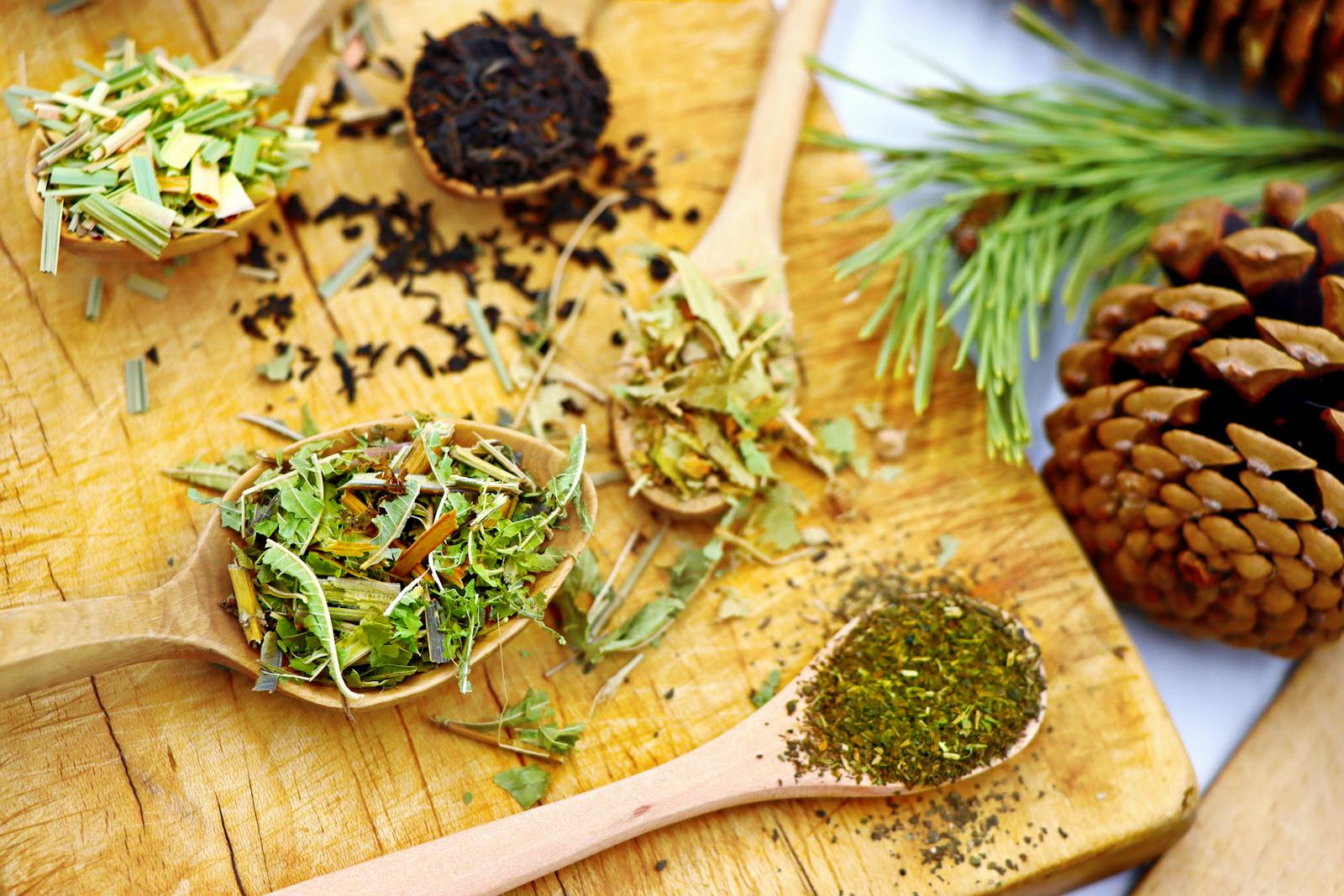
I remember the moment this finally made sense to me. I was working through terpenoid biosynthesis in plant biochemistry, specifically the MEP pathway that builds monoterpenoids from scratch in plastids. The lecturer explained how menthol in peppermint evolved as a herbivore deterrent, how it disrupts calcium channels in insect nervous systems, how the cold receptor activation we feel is essentially a side effect of the same molecular mechanism that makes insects avoid the plant.
I thought, wait. We drink this to settle our stomachs. And it works. But the plant was not making it for us.
That realisation changed how I look at every medicinal plant I have worked with since. The compounds we value in herbs did not evolve to help us. They evolved to help the plant survive. The fact that they interact with human biology is a consequence of shared evolutionary history between plants and the organisms that were eating them, not a design feature.
The Calcium Channel Connection in Digestive Herbs
Peppermint (Mentha x piperita) produces menthol in glandular trichomes on leaf surfaces. I studied trichome secretory biology as part of my plant biochemistry coursework and what fascinated me was how precisely localised the production is. The compounds sit ready in epidermal cells, released on contact when an insect damages the leaf surface.

Menthol inhibits calcium channels in smooth muscle cells. In insects this disrupts motor function. In the human gastrointestinal tract the same calcium channel inhibition relaxes smooth muscle, reducing spasm and easing gas movement. The plant has no interest in human digestion. But the molecular target, voltage-gated calcium channels, is conserved enough across species that the same compound works on both.
Fennel (Foeniculum vulgare) takes a different biosynthetic route to a similar destination. Trans-anethole is a phenylpropanoid, built through the same pathway that produces lignins and many plant defence compounds. Anethole has carminative activity, relaxing gut wall smooth muscle and reducing surface tension of gas bubbles. Different compound, different pathway, similar target.

When I was studying design of ecological and environmental experiments, one of the things that became clear to me was how convergent evolution produces similar solutions through different chemical routes. Peppermint and fennel are not closely related. They arrived at gut-active smooth muscle chemistry independently. That convergence is itself evidence of how evolutionarily useful it is to produce compounds that deter animals through gastrointestinal effects.
Bitterness as Biology
Dandelion (Taraxacum officinale) is a plant I grew up dismissing as a weed. My understanding of it changed completely when I studied sesquiterpene lactone biosynthesis. The bitter compounds in dandelion root, taraxacin and taraxacerin, are produced through the same isoprenoid pathway that produces many plant defence compounds. The bitterness is not incidental. It is the point.
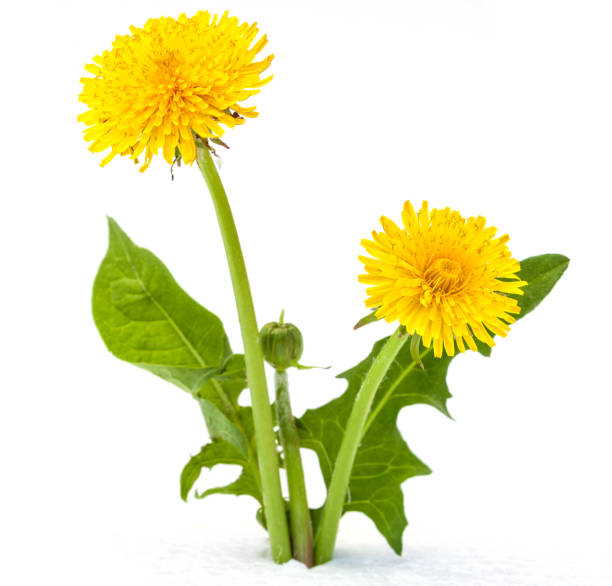
Bitter sesquiterpene lactones activate bitter taste receptors throughout the digestive tract, not just on the tongue. These receptors trigger bile production and secretion. More bile means better fat digestion and improved liver detoxification capacity. The compound that evolved to make the plant unpalatable to herbivores stimulates digestive function in the animals that eat it anyway.
I find this genuinely satisfying from a biochemistry perspective. The plant’s defence mechanism becomes the mechanism of action. That is not a coincidence. It is the logical consequence of shared receptor biology between insects and mammals.
Slippery elm (Ulmus rubra) works completely differently. Its mucilage polysaccharides form a physical gel layer over irritated gut tissue. No receptor binding. No enzyme inhibition. Just a wound-sealing polymer doing what it evolved to do in damaged tree bark, sitting between the damaged surface and whatever is irritating it.
Ginger: The Multi-Target Root
Ginger (Zingiber officinale) is a plant I keep returning to because its chemistry is unusually complex for a single rhizome. Gingerols and shogaols, their dehydrated forms produced during drying and heating, inhibit both COX and lipoxygenase enzymes, reducing prostaglandin and leukotriene synthesis simultaneously. They accelerate gastric emptying through serotonin receptor stimulation in the gut wall. They inhibit substance P mediated nausea signalling.
Three distinct mechanisms. All from defence compounds the plant produces to protect its underground rhizome from soil pathogens and feeding insects.
During my ecotoxicology training we studied how organisms develop resistance to plant defence compounds over evolutionary time. What I understood from that work is that plants producing multiple compounds with multiple mechanisms are harder to develop resistance against than plants relying on a single compound. Ginger’s biochemical complexity is not accidental. It reflects millions of years of evolutionary arms race with the organisms attacking its root tissue.
Stress Chemistry Across Species
Here is something I did not fully appreciate until I was studying plant ecological stress physiology alongside atmosphere-biosphere interactions. Plants under environmental stress, cold, drought, nutrient deprivation, redirect carbon and nitrogen from primary growth into secondary metabolite production. The stress response is not passive. It is an active investment in defence chemistry triggered by specific environmental signals.
Ashwagandha (Withania somnifera) grows in rocky, dry, nutrient-poor soils in India and the Middle East. The withanolides it produces are steroidal lactones synthesised as stress-response defence chemistry. They evolved to deter feeding and inhibit pathogen growth in harsh conditions.
In the mammalian HPA axis, withanolides modulate glucocorticoid receptor signalling and reduce cortisol responses to chronic stress. The steroidal structure that makes withanolides effective plant defence compounds is structurally similar enough to mammalian steroid hormones that they interact with steroid hormone receptor systems directly.
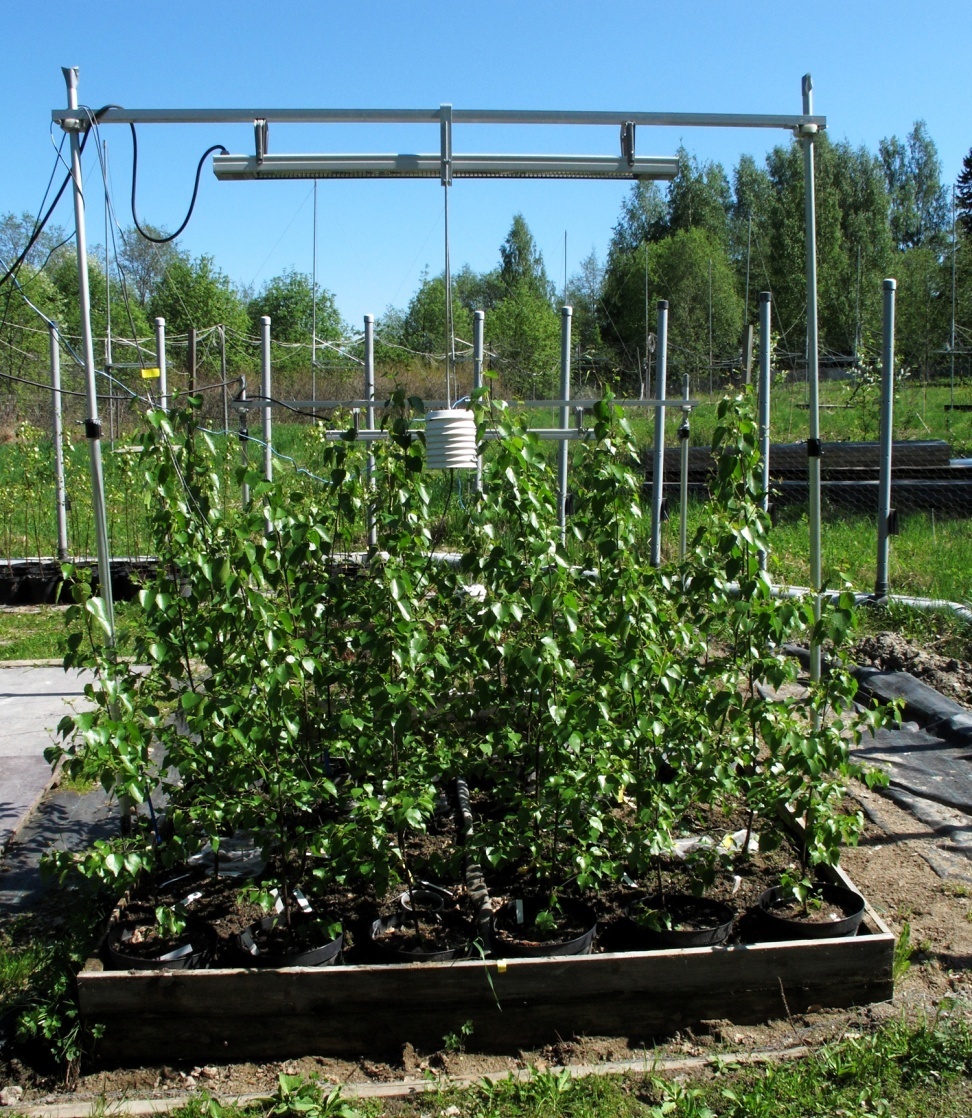
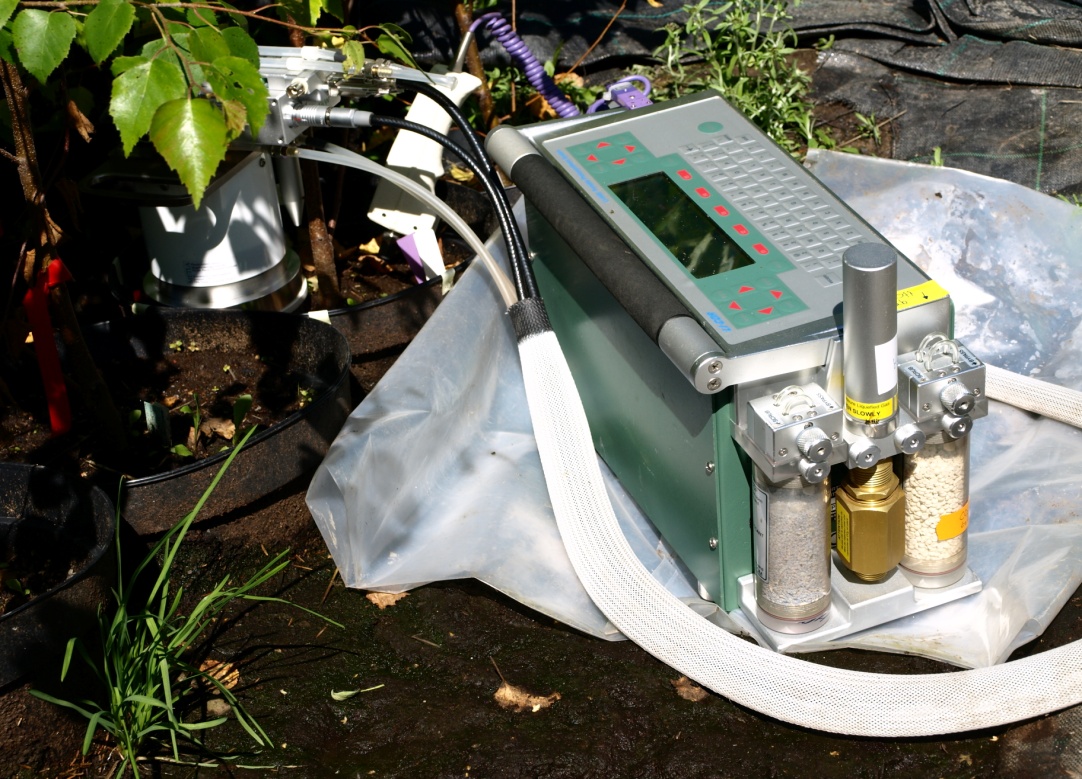
When I was measuring carbon allocation in silver birch under temperature and ozone stress in my field research, one of the patterns that emerged was how environmental pressure changed the chemistry of the trees at a fundamental level. Not just more or less of existing compounds. Different allocation priorities. Different metabolic investments.
The same logic applies to every medicinal plant growing under the conditions that shaped its chemistry. Rhodiola growing on a Siberian rock face invests differently in its chemistry than the same species in a garden. Ashwagandha in degraded dry soil produces different withanolide profiles than a well-irrigated cultivated plant.
Cardiovascular Chemistry: Pigments With Unexpected Properties
Oh I see, this is one of the connections I find most striking in plant biochemistry. Hibiscus (Hibiscus sabdariffa) produces anthocyanins, delphinidin and cyanidin glycosides, as flower pigments to attract pollinators. The same pigments that evolved to make flowers visible to bees inhibit angiotensin-converting enzyme in the mammalian cardiovascular system.
ACE inhibition is the mechanism behind a whole class of blood pressure medications. And here it is, operating in a flower pigment that evolved for pollinator attraction.
Hawthorn (Crataegus monogyna) oligomeric proanthocyanidins and flavonoids including vitexin inhibit phosphodiesterase enzymes in cardiac muscle. These compounds evolved as UV protection and pathogen defence in the leaves and berries. Their cardiac activity reflects the broad biological potency of complex polyphenol chemistry.
Garlic (Allium sativum) allicin is produced instantly when cells are damaged, the enzyme alliinase converting alliin to allicin on contact when you crush a clove. This is a rapid wound response, the plant mobilising defence chemistry the moment its tissue integrity is compromised. The sulphur volatiles that make garlic pungent and deter herbivores are the same compounds that inhibit platelet aggregation and affect lipid metabolism in mammalian cardiovascular systems.
What This Tells Us About Evaluating Herbs
Let me tell you something that became clear to me through working across plant biochemistry, ecological stress physiology, and quality control of chemical and environmental measurements. The quality of a medicinal plant is determined before it reaches you. By the soil it grew in. By the stress conditions it faced. By the harvest timing relative to its peak secondary metabolite accumulation.
A peppermint plant grown in optimal conditions with minimal herbivore pressure produces less menthol than one that has been genuinely challenged. A ginger rhizome from soil with high pathogen load produces more gingerols than one from sanitised cultivation conditions. Ashwagandha from degraded rocky soil produces higher withanolide concentrations than from a well-managed garden bed.
The labels tell you almost none of this. Organic certification tells you about pesticide use. Standardisation to a single marker compound tells you about one compound. Neither tells you whether the plant faced the evolutionary pressures that drove it to invest in its most valuable chemistry.
This is not a reason to distrust herbs. It is a reason to pay attention to sourcing in a more specific way than most labels support.
FAQs
Why do plant compounds interact with human biology if they evolved for different purposes?
Because plants and animals share deep evolutionary ancestry. Receptor systems, enzyme active sites, and signalling pathways are conserved across very different organisms. Plant defence compounds targeting shared biological systems inevitably interact with mammalian versions of those same systems. It is shared molecular architecture rather than design.
Does understanding why a plant makes a compound help predict its effects?
Yes, more than most people realise. The ecological function of a compound often predicts its mechanism of action in mammals. Bitter sesquiterpenes that deter feeding stimulate bile production. Smooth muscle relaxants that deter herbivores through gut effects relax human gastrointestinal smooth muscle. Steroidal compounds that mimic mammalian hormones often interact with hormone receptors. The evolutionary story is genuinely informative.
Why do some plants affect multiple biological systems?
Plants rarely rely on single defence compounds. Suites of related compounds working through complementary mechanisms provide broader protection than single-target chemistry. This biochemical complexity is why genuinely effective medicinal plants tend to show activity across multiple systems rather than a single narrow pathway.
Does growing environment affect medicinal plant quality?
Significantly and in ways that labels rarely capture. Secondary metabolite production responds to environmental stress and ecological pressure. Plants facing genuine herbivory, soil pathogen pressure, UV stress, and nutrient limitation invest more heavily in defence chemistry. Controlled low-stress cultivation often produces lower compound concentrations than natural growing conditions despite producing healthier-looking plants.
Are whole extracts better than isolated compounds?
For complex biological effects, often yes. Plants produce suites of compounds through related biosynthetic pathways. The minor compounds accompanying primary actives frequently modify absorption, metabolism, or receptor interactions in ways that improve the overall effect. This is genuine biochemistry not marketing language.

