








This article was written by Serge, MSc. Plant Biologist and Environmental Scientist with a BSc in Plant Biology and an MSc in Environmental Biology and Biogeochemistry. My background covers plant biochemistry, botany, and field research in forest and soil ecosystems. I write from real experience, not just literature.
Affiliate disclosure: This site has affiliate links, including Amazon. As an Amazon Associate I earn from qualifying purchases, at no extra cost to you.
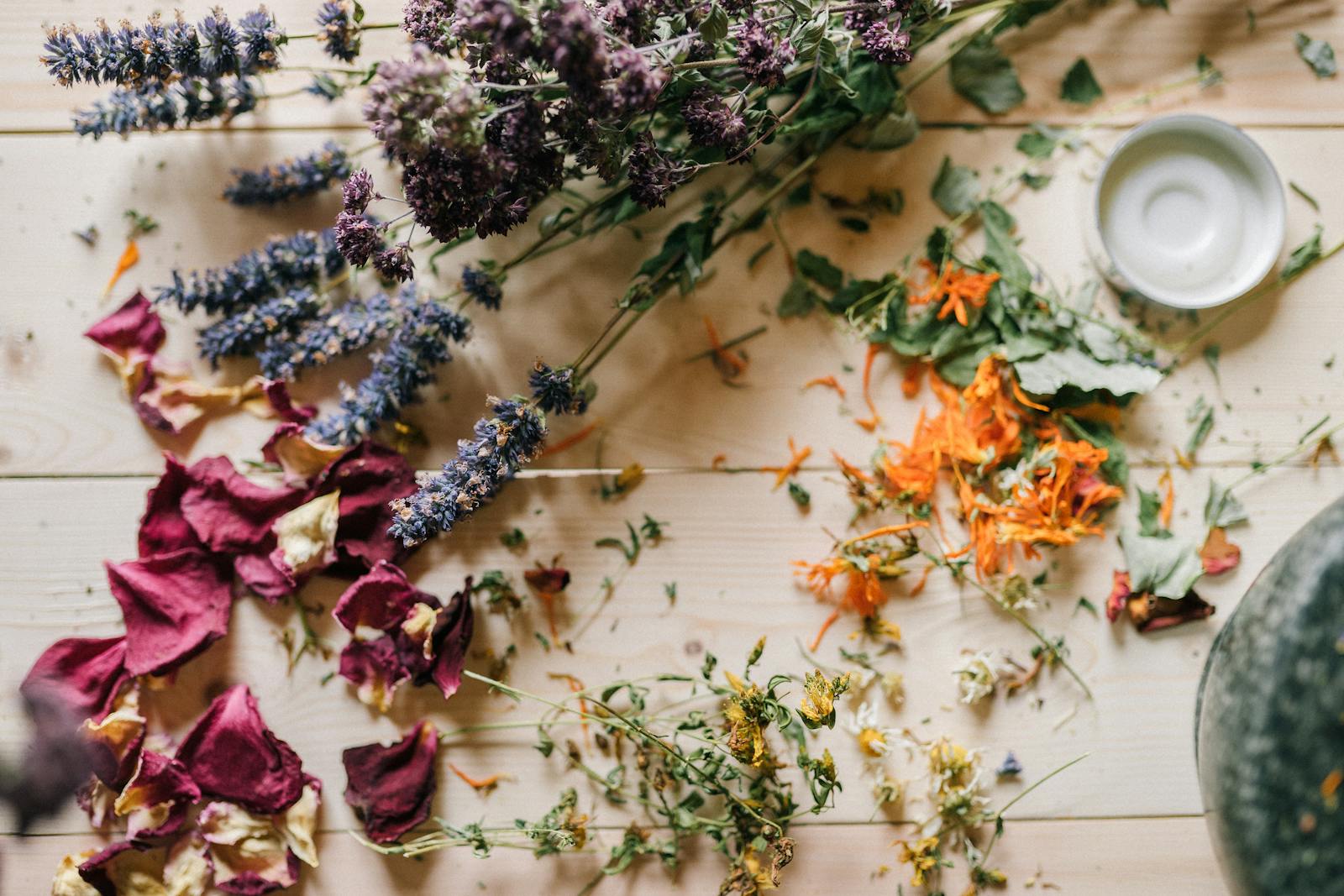
Plants produce secondary metabolites to solve their own ecological problems. The fact that these compounds interact with human biology is a consequence of shared evolutionary history rather than design. But the effects are real, and understanding the mechanisms behind them helps separate genuinely useful herbs from marketing noise.
I find it more useful to think about herbs by the biological system they interact with rather than by vague wellness claims. The chemistry is specific. The targets are specific. That specificity is what makes certain herbs worth taking seriously.
Energy and Fatigue: Adaptogen Chemistry
The term adaptogen gets thrown around loosely in supplement marketing. The underlying biology is more interesting than most product descriptions suggest.

Maca (Lepidium meyenii) is a Brassicaceae family root that grows at high altitude in the Andes under conditions of intense UV radiation, cold, and low oxygen. The glucosinolates and benzylamine alkaloids it produces evolved as defence chemistry under those extreme conditions. Research on maca consistently shows improvements in subjective energy and exercise endurance, though the mechanisms are not as clearly defined as for other adaptogens. My honest read of the research is that maca is genuinely interesting but mechanistically less well understood than ashwagandha or rhodiola.

Ginseng, particularly Panax ginseng, produces ginsenosides as its primary bioactive compounds. These are triterpene saponins produced through the same isoprenoid pathway that builds many plant defence compounds. Ginsenosides modulate multiple neurotransmitter systems and have documented effects on fatigue reduction and cognitive performance under stress. Unlike caffeine, which stimulates through adrenergic mechanisms, ginseng operates through more complex modulatory pathways that do not produce the sharp peak and crash profile of stimulants.
Rhodiola rosea grows in Siberian and Scandinavian arctic environments where cold stress and nutrient deprivation drive high secondary metabolite investment. Rosavins and salidroside, its primary bioactives, work through monoamine neurotransmitter system modulation.
The most consistent clinical evidence is for mental fatigue reduction under genuine stress conditions. Night shift workers, medical students during exams, military cadets in training. The effect size in real-world stress conditions tends to be larger than in low-stress laboratory populations, which is consistent with an adaptogen mechanism rather than simple stimulation.

Stress Response: HPA Axis and Neurological Chemistry
Chronic stress affects multiple biological systems simultaneously. The herbs with the strongest evidence for stress management work through different but complementary mechanisms.
Ashwagandha (Withania somnifera) withanolides modulate HPA axis activity and reduce the magnitude of cortisol responses to chronic stress. The steroidal structure of withanolides allows direct interaction with glucocorticoid receptor signalling. Multiple controlled trials show significant reductions in serum cortisol and perceived stress scores. I covered the withanolide chemistry in detail elsewhere on this site. The key practical point is that ashwagandha builds its effects over 8 to 12 weeks rather than producing immediate results.

Holy basil (Ocimum tenuiflorum), also called tulsi, produces eugenol, rosmarinic acid, and ursolic acid as its primary bioactives. Eugenol is a phenylpropanoid with documented COX enzyme inhibition and mild anxiolytic activity. Rosmarinic acid has antioxidant and anti-inflammatory effects. Holy basil is less researched than ashwagandha but has genuine biochemical activity through multiple pathways rather than a single dominant mechanism.

Lavender (Lavandula angustifolia) linalool and linalyl acetate have documented GABA-A receptor activity producing anxiolytic effects through GABAergic inhibition. Inhaled lavender reaches the olfactory-limbic pathway directly, bypassing the thalamic relay that other sensory inputs pass through. This direct route explains the rapid mood-modifying effects of lavender inhalation. The effects are real and mechanistically explained, not placebo.

Respiratory Support: Monoterpenoid Chemistry
Two plants dominate the evidence base for respiratory herb support and both work through monoterpenoid volatile chemistry.
Eucalyptus (Eucalyptus radiata) produces 1,8-cineole as its primary volatile, comprising at least 60 percent of the essential oil. Cineole acts as a mucokinetic agent, reducing mucus viscosity and improving mucociliary clearance. It also has documented anti-inflammatory effects in airway tissue through NF-kB pathway inhibition. Steam inhalation delivers cineole directly to respiratory epithelium in concentrations that produce measurable effects on airway function.

Peppermint (Mentha x piperita) menthol activates TRPM8 cold receptors in nasal and upper airway mucosa, producing the sensation of improved airflow without actually dilating airways. The perceived improvement in breathing is neurologically real even though the airway diameter does not change. Additionally menthol has mild expectorant activity and direct antibacterial effects against several respiratory pathogens at relevant concentrations.

Cardiovascular Support: Polyphenol and Sulphur Chemistry
The cardiovascular herbs with the strongest evidence base all work through polyphenol or organosulphur chemistry.
Hawthorn (Crataegus monogyna) oligomeric proanthocyanidins and flavonoids including vitexin inhibit phosphodiesterase enzymes in cardiac muscle, increasing cyclic AMP and improving contractility. They also modulate nitric oxide pathways producing vasodilatory effects. The clinical evidence for hawthorn in mild to moderate cardiac insufficiency is among the strongest for any cardiovascular herb, with multiple controlled trials showing improvements in exercise tolerance and symptom scores.
Garlic (Allium sativum) produces allicin instantly when cell tissue is damaged, through enzymatic conversion of alliin by alliinase. This rapid wound-response chemistry produces volatile sulphur compounds that inhibit platelet aggregation, reduce blood viscosity, and have modest effects on lipid metabolism. The cardiovascular evidence for garlic is broad if modest. Raw or lightly processed garlic retains more allicin than heavily processed supplements since allicin is volatile and degrades during processing.
Green tea (Camellia sinensis) EGCG and other catechins are powerful antioxidants that reduce oxidative modification of LDL cholesterol, a key step in atherosclerosis development. Catechins also have mild ACE-inhibiting activity contributing to blood pressure modulation. The epidemiological evidence from populations with high green tea consumption consistently shows cardiovascular benefits, supported by controlled trials with standardised catechin extracts.
Sleep Support: GABAergic and Melatonergic Chemistry
Sleep-supporting herbs generally work through either GABAergic mechanisms that reduce neural excitability or through effects on the circadian rhythm system.
Chamomile (Matricaria chamomilla) apigenin binds GABA-A receptors producing anxiolytic and mild sedative effects. This is the same receptor target as benzodiazepine medications but with far lower binding affinity, producing a gentle calming effect rather than sedation. Bisabolol adds anti-inflammatory activity. Chamomile is genuinely one of the better-studied sleep herbs with consistent effects in randomised trials for mild insomnia and sleep quality improvement.
Valerian (Valeriana officinalis) contains valerenic acid, a sesquiterpene that inhibits GABA transaminase, the enzyme that breaks down GABA in synaptic junctions. This increases GABA availability at synapses, reducing neural excitability. Valerenic acid also has direct partial agonist activity at GABA-A receptors. The combination of reduced GABA breakdown and direct receptor activity makes valerian one of the more mechanistically coherent sleep herbs. The clinical evidence is moderate, with consistent effects on sleep onset latency across multiple trials.
Lavender’s linalool GABA-A activity I mentioned in the stress section is also relevant for sleep. Evening inhalation or oral standardised lavender preparations are supported by controlled trial evidence for sleep quality improvement.
Explore Pure Botanical Herbs and Formulas at Homegrown Herbalist!
Practical Considerations
A few things I think are worth stating directly based on what I have learned studying these compounds.
Quality varies enormously. Standardised extracts with specified active compound content are more reliable than non-standardised preparations. Third-party testing verification matters for the same reason it matters for any bioactive compound.
Most therapeutic herbs require consistent use over weeks. Chamomile and peppermint can provide relatively immediate effects. Ashwagandha, rhodiola, and valerian build their effects over weeks of consistent use. Expecting rapid dramatic results from adaptogens leads to abandoning them before they have had time to work.
Herb interactions with medications are real. St. John’s Wort, which I have not included in this article because its interaction profile warrants careful individual assessment, is the most significant example. Anyone on prescription medications should discuss herbal supplement use with their healthcare provider.
Reference Table
| Health Focus | Key Herbs | Primary Mechanism |
|---|---|---|
| Energy and fatigue | Maca, Ginseng, Rhodiola | Adaptogenic HPA modulation, monoamine system effects |
| Stress response | Ashwagandha, Holy Basil, Lavender | Cortisol reduction, GABA-A activity, COX inhibition |
| Respiratory | Eucalyptus, Peppermint | 1,8-cineole mucokinetic, menthol TRPM8 activation |
| Cardiovascular | Hawthorn, Garlic, Green Tea | Phosphodiesterase inhibition, allicin, catechin antioxidants |
| Sleep | Chamomile, Valerian, Lavender | GABA-A binding, GABA transaminase inhibition |
FAQs
Can I take several herbs together?
Some combinations work well through complementary mechanisms. Ashwagandha and rhodiola address stress through different pathways and combine reasonably. Chamomile and valerian both work through GABAergic mechanisms and combining them produces additive effects that may be stronger than either alone at standard doses. Without specific knowledge of the compounds involved, starting with one herb and assessing response before adding others is sensible.
How long before results are noticeable?
Chamomile and peppermint can produce relatively immediate effects. Ashwagandha and rhodiola typically require 4 to 8 weeks of consistent use for measurable cortisol and fatigue effects. Valerian shows effects on sleep onset within the first week for most people but deeper effects on sleep architecture develop over several weeks.
Are herbal supplements necessary if diet is good?
Not universally. For specific functional needs, stress resilience, sleep quality, respiratory support, targeted herbs can provide effects that diet alone does not replicate. The key is matching the herb to a specific mechanism rather than taking supplements generally.
Can herbs replace medications?
No. Herbs are supportive and complementary. For serious conditions requiring prescribed medication, herbs are not equivalent replacements. Anyone on prescription medications should discuss herbal supplement use with their healthcare provider given documented interaction pathways for several common herbs.
Explore Pure Botanical Herbs and Formulas at Homegrown Herbalist!

