












This article was written by Serge, MSc. Plant Biologist and Environmental Scientist with a BSc in Plant Biology and an MSc in Environmental Biology and Biogeochemistry. My background covers plant biochemistry, botany, and field research in forest and soil ecosystems. I write from real experience, not just literature.
Affiliate disclosure: This site has affiliate links, including Amazon. As an Amazon Associate I earn from qualifying purchases, at no extra cost to you.

Most people think of ozone as the protective layer high in the stratosphere. That ozone is beneficial. It absorbs UV radiation and protects life on Earth from solar radiation damage.
Ground-level ozone is a completely different story. Tropospheric ozone, formed when nitrogen oxides from vehicle exhausts and industrial emissions react with volatile organic compounds in sunlight, is one of the most damaging air pollutants plants face. It enters through stomata, generates reactive oxygen species inside leaf cells, and disrupts photosynthesis, membrane integrity, and carbon allocation in ways that reduce growth, alter secondary metabolite chemistry, and in sufficient concentrations cause visible leaf damage and cell death.
I did not just read about this. I measured it.
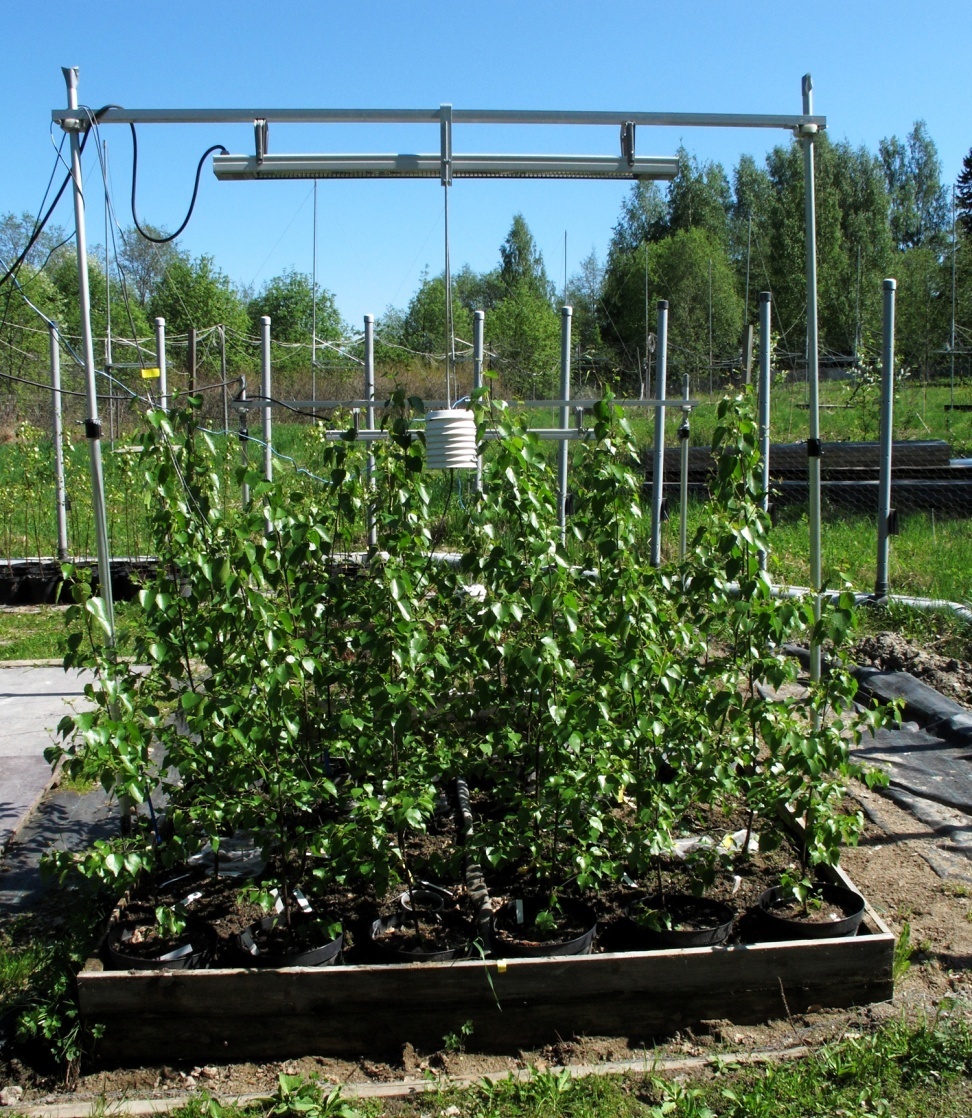
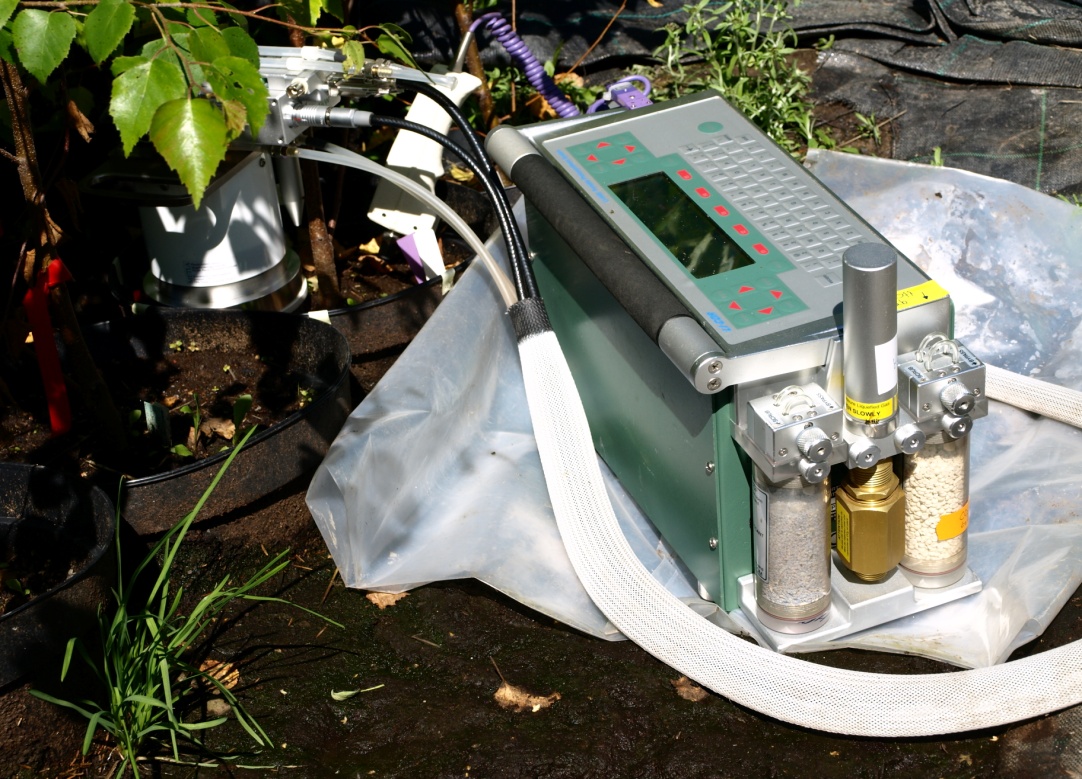
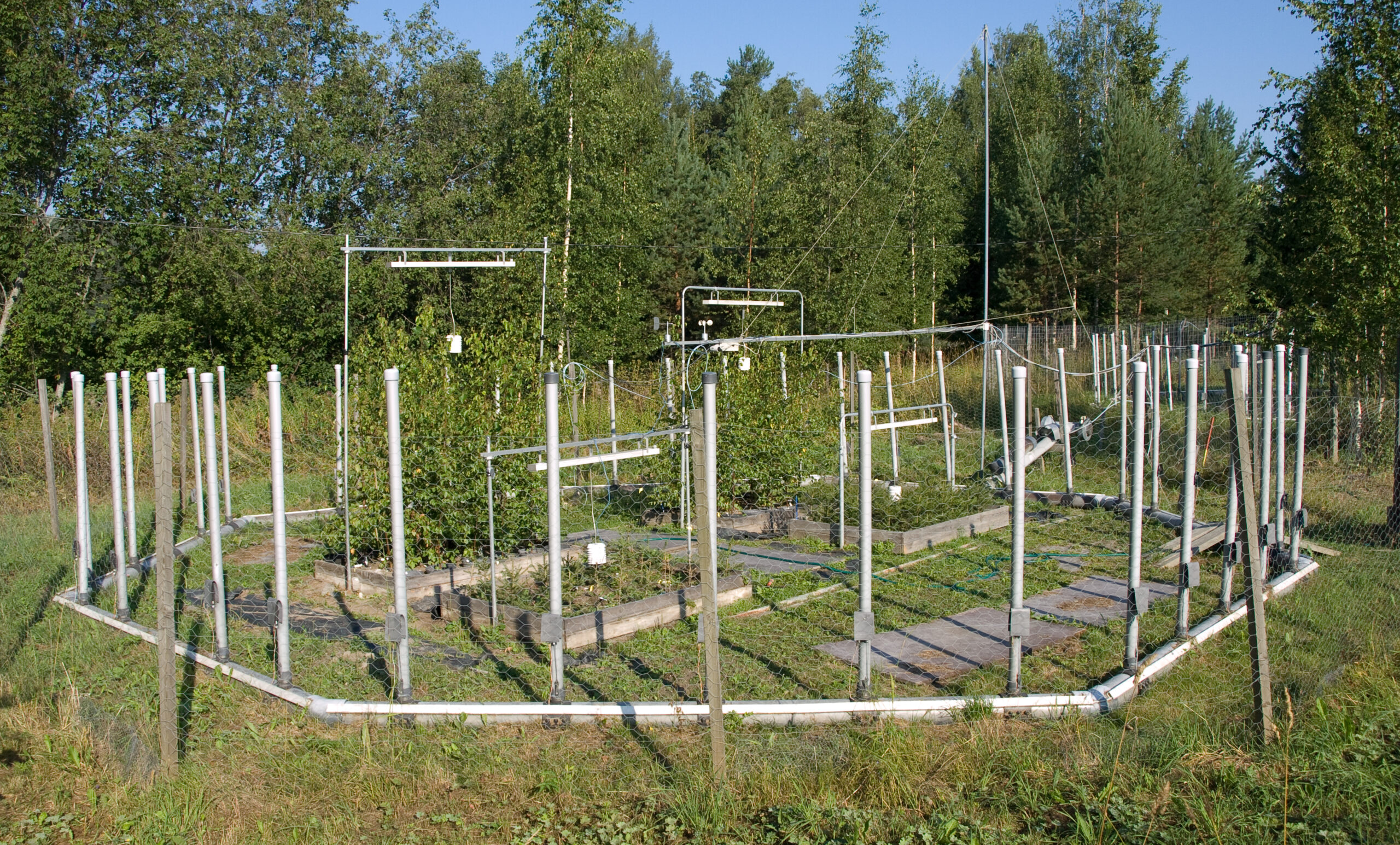
In my field research we exposed silver birch to elevated ozone concentrations using an open-air fumigation system throughout the growing season. The ozone was delivered through vertical tubes positioned around the experimental plots, maintaining elevated concentrations above ambient across the treatment area. I measured how the trees responded in terms of soil carbon cycling, stem growth, and leaf development across two genotypes and four treatment combinations.
What the data showed was nuanced in ways I did not fully anticipate. The ozone effects were not uniform. They interacted with temperature treatment, with genotype, and with time through the growing season in ways that made simple conclusions impossible. That complexity is itself informative about how plants actually respond to air pollution in real conditions.
Two Types of Ozone, Two Completely Different Effects
Before explaining how ozone damages plants it is worth being clear about which ozone we are discussing because the confusion between stratospheric and tropospheric ozone is common and consequential.
Stratospheric ozone sits 15 to 35 kilometres above the surface. Its presence is essential. It absorbs UV-B radiation that would otherwise damage DNA in all living organisms. Depletion of stratospheric ozone through chlorofluorocarbon emissions was one of the major environmental crises of the late twentieth century.
Tropospheric ozone is formed at ground level through photochemical reactions. Nitrogen oxides from combustion react with volatile organic compounds in the presence of sunlight to produce ozone. In urban areas and downwind of industrial zones, tropospheric ozone concentrations can reach levels that measurably damage vegetation during summer months.
Plants evolved under stratospheric ozone conditions that filter UV radiation. They did not evolve to cope with elevated tropospheric ozone. The damage mechanisms I will describe are the result of a pollutant that is genuinely novel in evolutionary terms for most plant species.
How Ozone Enters Plants and What Happens Next
Ozone enters plant tissue through stomata, the pores in leaf surfaces that regulate gas exchange for photosynthesis and transpiration. The same openings that allow CO₂ in for photosynthesis allow ozone in along with it.
Once inside the leaf, ozone reacts almost immediately with water in the apoplast, the cell wall space surrounding cells, generating reactive oxygen species including hydroxyl radicals, superoxide, and hydrogen peroxide. These are the same reactive oxygen species produced by normal cellular metabolism, but at far higher concentrations than antioxidant systems evolved to handle.
My Cell Biology of Air Pollution Damage course covered these mechanisms in detail. What struck me was how rapidly the initial ozone reaction occurs. Ozone itself has a very short half-life inside plant tissue. The damage is not from ozone persisting in the cell. It is from the cascade of reactive oxygen species generated in the first moments of ozone contact with cellular water.
The reactive oxygen species then attack multiple cellular targets simultaneously. Membrane lipids are oxidised through lipid peroxidation, disrupting membrane function and integrity. Proteins including photosynthetic enzymes are oxidised and inactivated. DNA can be damaged at high ozone concentrations. Chloroplast function is specifically impaired because chloroplasts are a primary site of reactive oxygen species generation even under normal conditions and ozone amplifies this dramatically.
Visible Symptoms of Ozone Damage
Ozone damage produces specific visible symptoms that distinguish it from other stresses including drought, nutrient deficiency, and other air pollutants.
Stippling is the most characteristic ozone symptom. Small necrotic spots, initially pale or bronze coloured, appear on the upper leaf surface between the veins. The pattern reflects where ozone entered through stomata and where mesophyll cells that are most metabolically active were damaged first.
Chlorosis, yellowing of leaf tissue, develops as chlorophyll is degraded in damaged cells. In severe cases this progresses to necrosis, cell death producing brown or tan patches that remain as dead tissue on the leaf.
Premature leaf senescence accelerates in ozone-exposed plants. Leaves that would normally function for a full growing season begin the senescence process weeks earlier, reducing the plant’s total photosynthetic capacity and carbon gain across the season.
In my birch experiment the ozone treatment did not always produce visible damage symptoms of this kind, partly because the concentrations we used were elevated above ambient but designed to reflect near-future predicted concentrations rather than acute pollution events. The effects we measured were in growth parameters and carbon allocation rather than visible foliar injury. That is actually more ecologically relevant than acute damage studies because it reflects what plants experience under realistic chronic pollution exposure.
The Carbon Allocation Shift
This is the aspect of ozone damage that I find most interesting and most practically relevant, partly because I observed it indirectly in my own data.
When plants are exposed to elevated ozone they divert carbon from primary growth processes into antioxidant production and cellular repair. This is a rational response at the biochemical level. The plant produces more ascorbate, glutathione, and phenolic antioxidants to quench the reactive oxygen species that ozone generates. It upregulates repair enzymes to address membrane and protein oxidation. It increases investment in cell wall components that provide some physical barrier to further ozone penetration.
All of this costs carbon. Carbon that would otherwise go into stem extension, leaf production, root growth, and seed set goes instead into stress response chemistry.
In my silver birch experiment, the temperature by genotype and ozone by genotype interaction effects on stem diameter and leaf area that showed up in the statistical analysis reflect exactly this kind of carbon allocation shift. The trees were not simply growing more slowly under stress. They were making different investment decisions with their fixed carbon, in ways that varied between the two genotypes we tested.
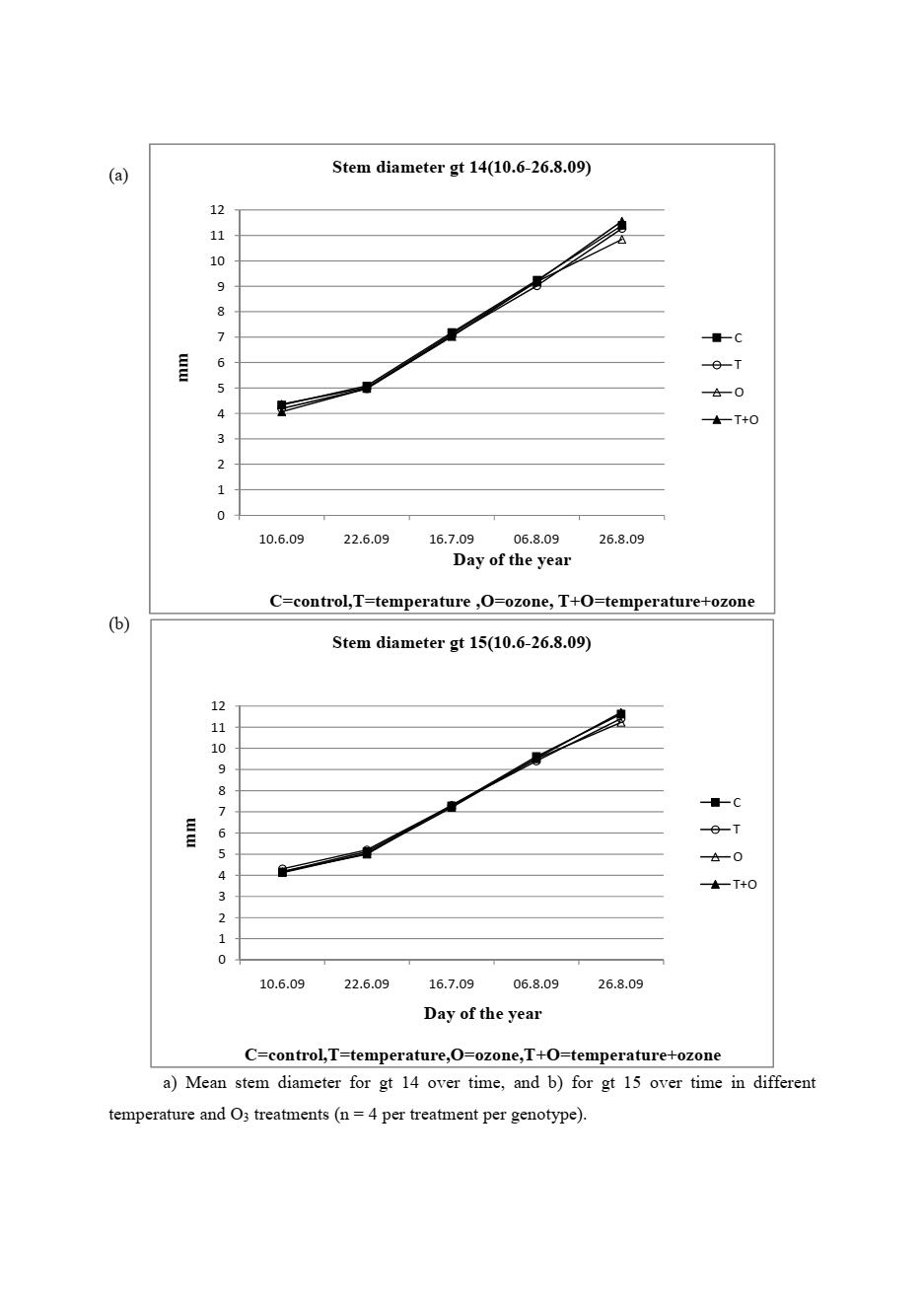
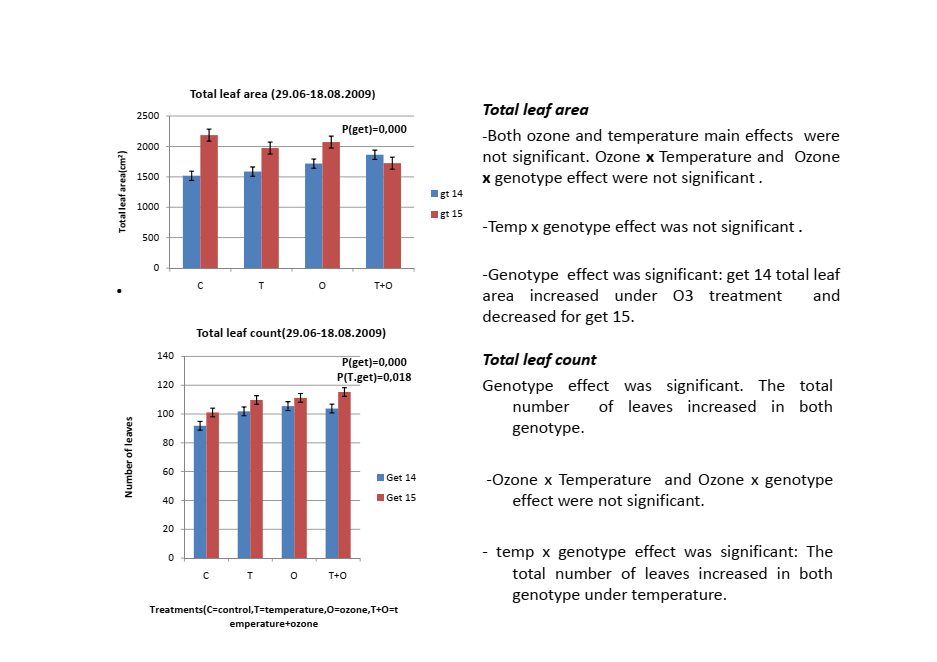
This genotype-specific response is important. Genotype 14 and genotype 15 showed different patterns of response to the ozone treatment across multiple measured parameters. Some of this variation reflects genuine genetic differences in antioxidant capacity, stomatal regulation, and carbon allocation strategy.
The finding that different genotypes of the same species respond differently to the same ozone exposure has implications for which tree populations might persist under increasing tropospheric ozone concentrations as climate change proceeds.
Ozone Effects on Secondary Metabolites
Ozone stress upregulates phenolic compound production in most plant species. This is the same antioxidant response I covered in my climate change and medicinal plant chemistry article and my plant secondary metabolites article. The reactive oxygen species that ozone generates trigger the same phenolic biosynthesis upregulation that UV stress and pathogen attack trigger.
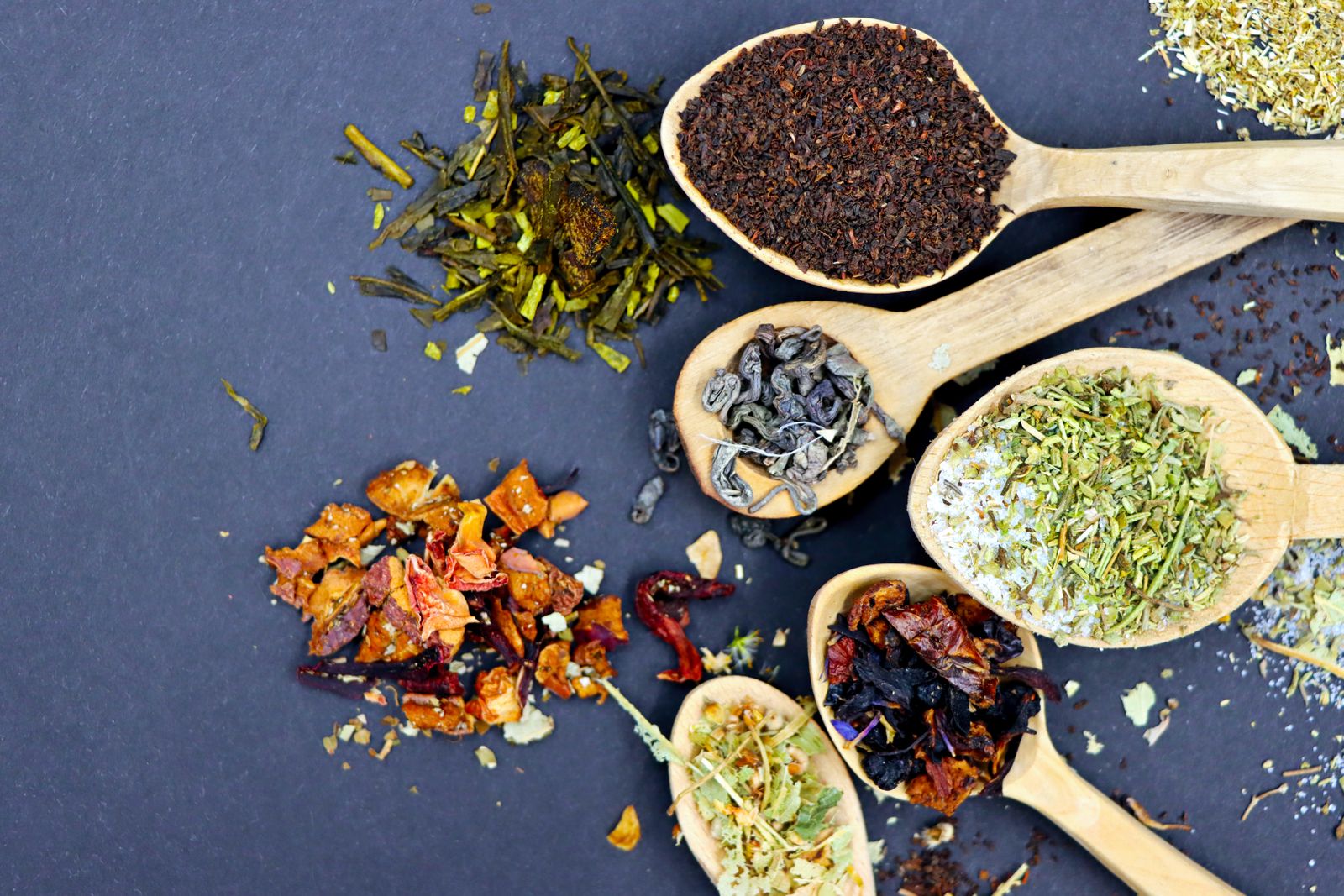
For medicinal plants this creates a genuinely complicated picture. Ozone stress can increase concentrations of phenolic compounds that we value in herbs. Flavonoids, phenolic acids, and some terpene compounds increase in concentration under moderate ozone stress. The plant is producing more defence chemistry in response to the oxidative damage ozone causes.
At the same time, severe or chronic ozone exposure reduces total plant biomass, accelerates senescence, and eventually kills productive tissue. The increased secondary metabolite concentration per unit tissue does not necessarily compensate for the reduced total tissue available.
The net effect on medicinal herb quality under elevated tropospheric ozone depends on the specific plant, the specific compound class, and the severity and duration of ozone exposure. Mild chronic exposure may increase phenolic concentrations. Severe exposure reduces overall plant productivity and eventually the plant’s capacity to produce secondary metabolites at all.
Which Plants Are Most Sensitive
Ozone sensitivity varies considerably between species and reflects differences in stomatal conductance, antioxidant capacity, and leaf anatomy.
Highly sensitive species include many agricultural crops. Soybean, wheat, cotton, and potato show yield reductions at ozone concentrations found in polluted regions. Current estimates suggest that ground-level ozone reduces global wheat yield by 5 to 15 percent and soybean yield by 10 to 15 percent annually. These are not projections for future pollution scenarios. These yield losses are occurring now.
Among trees, European beech, Norway spruce, and many birch species show sensitivity to elevated ozone. Birch’s relatively high stomatal conductance means it takes up more ozone per unit time than more conservative species. My experiment demonstrated that silver birch genotypes differ in their response to ozone exposure in ways that suggest genetic variation in sensitivity exists within the species.
Relatively tolerant species tend to have lower stomatal conductance, higher constitutive antioxidant activity, or leaf anatomical features that limit ozone penetration. Mediterranean species including many aromatic herbs have adaptations including waxy cuticles and high constitutive phenolic production that provide some ozone buffering. This is one reason why Mediterranean aromatic herbs often show less ozone sensitivity than temperate broadleaved species.
Ozone and Climate Change
Tropospheric ozone and climate change interact in ways that make both problems harder to address separately.
Warmer temperatures accelerate the photochemical reactions that produce tropospheric ozone from nitrogen oxide and VOC precursors. Climate warming therefore tends to increase ground-level ozone concentrations in polluted regions even without additional emissions. At the same time elevated ozone reduces plant carbon uptake, which affects the capacity of vegetation to sequester atmospheric CO₂ and moderate climate change.
Plants stressed by ozone also emit more stress-response VOCs. Those VOCs react with atmospheric nitrogen oxides to produce more ozone. The feedback loop I described in my plant VOC article connects directly to ozone damage at the plant level.
Elevated CO₂ partially counteracts ozone damage through two mechanisms. Higher CO₂ concentrations increase the rate at which stomata close, reducing ozone uptake. And elevated CO₂ increases antioxidant capacity in some species. But the net effect depends on the species and the relative magnitudes of ozone and CO₂ changes, and it is not a reliable compensation across all plant types.
What This Means for Gardens and Urban Planting
Ground-level ozone affects gardens in polluted urban and suburban areas more than most gardeners realise.
Sensitive ornamental plants including petunias, snap dragons, and many vegetable crops show ozone damage symptoms in high ozone episodes. Older leaves typically show the most severe stippling because they have accumulated more cumulative ozone exposure.
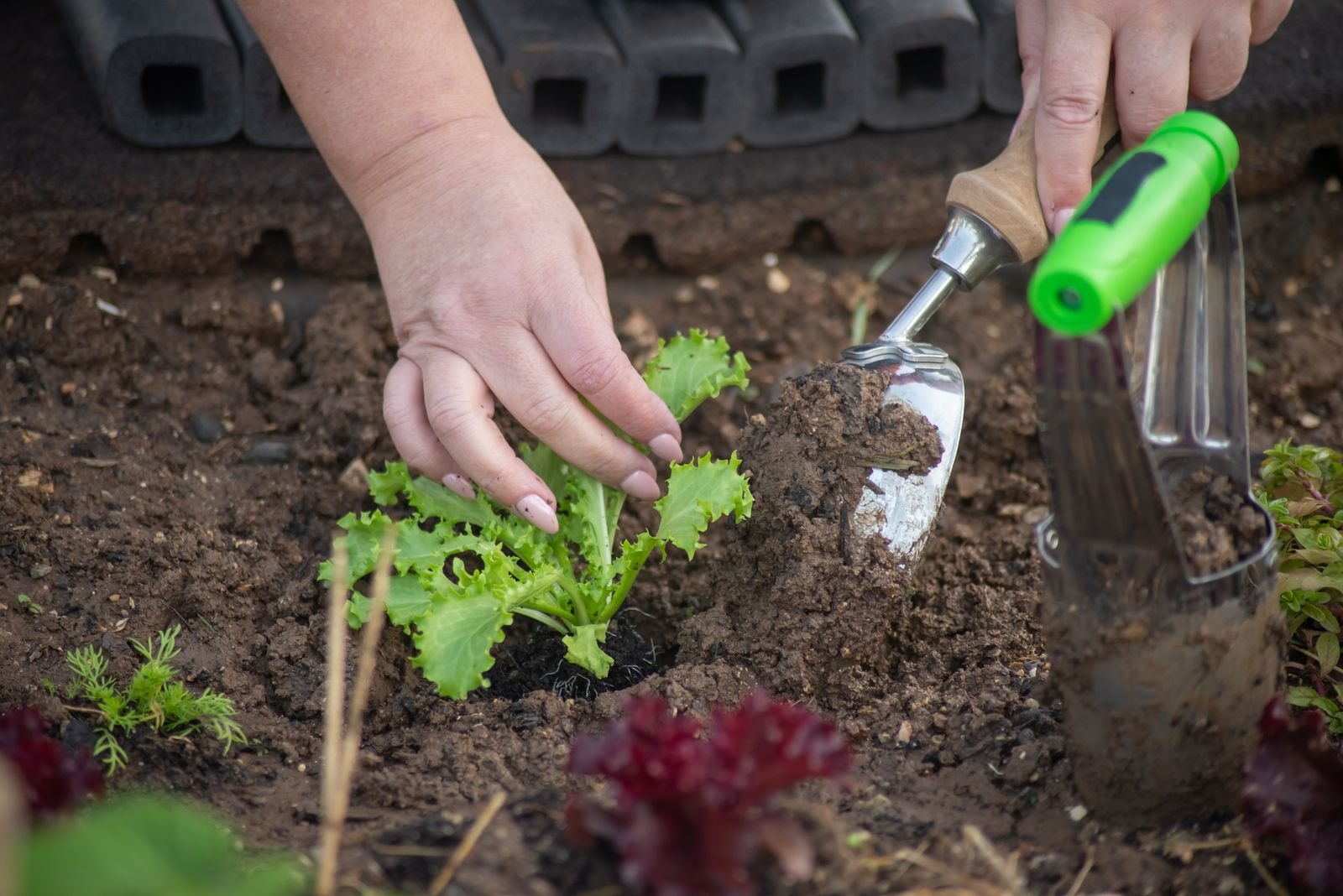
Choosing lower-ozone-sensitivity species for urban gardens in polluted areas is a genuine consideration. Species with lower stomatal conductance, thicker waxy cuticles, and higher constitutive antioxidant activity show less damage. Lavender, rosemary, and other Mediterranean aromatics tend to be more tolerant than thin-leaved temperate species. This connects to their drought adaptation, the same waxy cuticle that reduces water loss also limits ozone entry.
Planting trees in urban areas is complicated by the same ozone considerations I raised in my plant VOC article. High-isoprene-emitting species in areas with significant nitrogen oxide pollution contribute to ozone formation. Choosing low-VOC-emitting tree species for urban planting reduces this contribution.
FAQs
How does ozone damage plants?
Ozone enters through stomata and reacts immediately with water in cell wall spaces, generating reactive oxygen species including hydroxyl radicals and superoxide. These damage membrane lipids through oxidation, inactivate photosynthetic enzymes, and trigger a cascade of cellular damage that reduces photosynthetic capacity, accelerates leaf senescence, and diverts carbon from growth into antioxidant production and cellular repair.
What are the visible symptoms of ozone damage on plants?
Stippling, small necrotic spots on upper leaf surfaces between veins, is the most characteristic symptom. Chlorosis, yellowing of leaf tissue, develops as chlorophyll degrades in damaged cells. Premature leaf senescence, where leaves age and die weeks earlier than they should, is a consistent effect of chronic ozone exposure even when visible symptoms are not severe.
Which crops are most sensitive to ozone?
Soybean and wheat are among the most ozone-sensitive major crops, with documented yield reductions of 10 to 15 percent occurring at current tropospheric ozone concentrations in polluted regions. Potato and cotton are also highly sensitive. Among trees, European beech and many birch species show significant ozone sensitivity.
Does ozone affect medicinal plant quality?
In complicated ways. Moderate ozone stress upregulates phenolic compound production as part of the antioxidant stress response, potentially increasing concentrations of compounds we value in herbs. Severe or chronic ozone exposure reduces total plant biomass and eventually plant productivity, potentially reducing total secondary metabolite yield even if concentration per unit tissue increases.
Is stratospheric ozone the same as the ozone that damages plants?
No. Stratospheric ozone 15 to 35 kilometres above the surface is essential and protective, filtering UV radiation. Tropospheric ozone at ground level is a pollutant formed from nitrogen oxide and VOC reactions in sunlight. Plants are damaged by tropospheric ozone, not stratospheric ozone. The two forms of the same molecule have opposite effects on life at the surface.
How does your field research relate to ozone damage?
My MSc field experiment exposed silver birch to elevated ozone concentrations using an open-air fumigation system throughout the growing season. I measured growth responses including stem height, stem diameter, and leaf area across two genotypes and four treatment combinations including ozone alone, temperature alone, combined ozone and temperature, and control. The genotype-specific differences in ozone response I observed reflect genuine variation in ozone sensitivity within the same species, which has implications for understanding how different plant populations may respond to increasing tropospheric ozone under climate change.
Can plants adapt to elevated ozone?
Partially. Some acclimation occurs through upregulation of antioxidant systems during sustained ozone exposure. Genetic variation in ozone sensitivity within species, as I observed between silver birch genotypes in my research, suggests that natural selection under elevated ozone could shift population composition toward more tolerant individuals over generations. But the timescale of evolutionary adaptation is far longer than the timescale of current tropospheric ozone increases.

