









This article was written by Serge, MSc. Plant Biologist and Environmental Scientist with a BSc in Plant Biology and an MSc in Environmental Biology and Biogeochemistry. My background covers plant biochemistry, botany, and field research in forest and soil ecosystems. I write from real experience, not just literature.
Affiliate disclosure: This site has affiliate links, including Amazon. As an Amazon Associate I earn from qualifying purchases, at no extra cost to you.
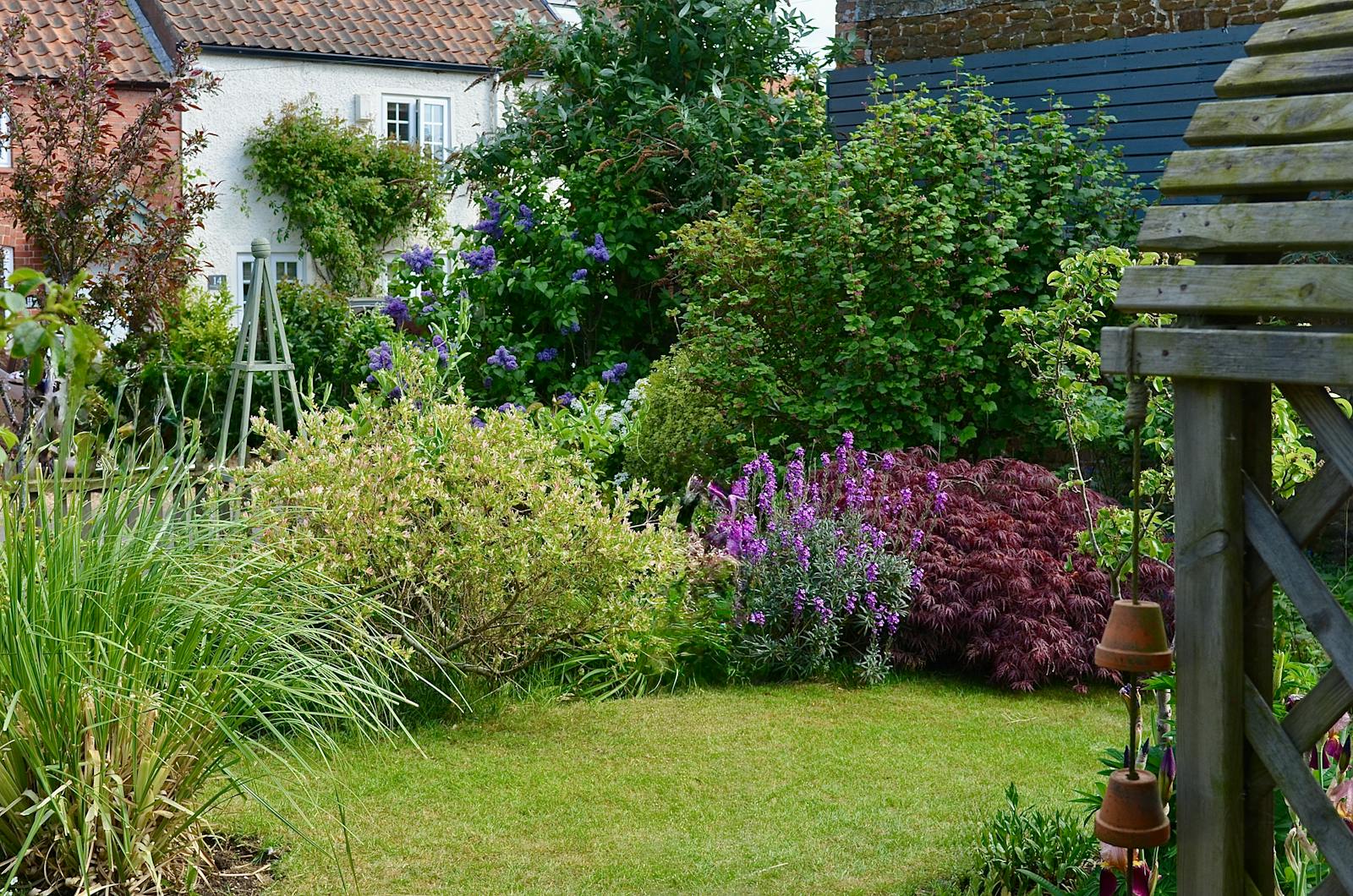
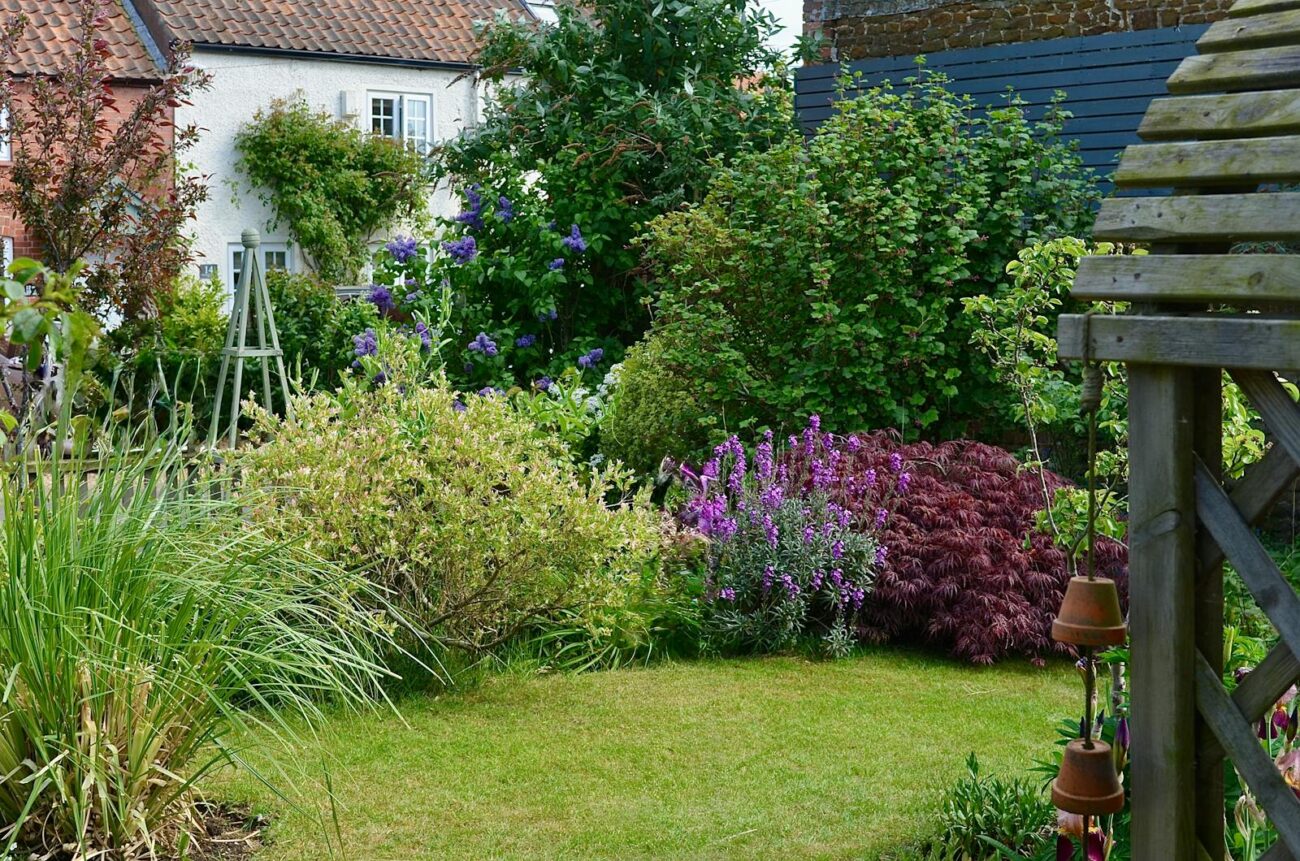
I want to start with something that took me longer than it should have to fully understand. A garden is not a separate thing from the ecosystem around it. It is part of it. The boundary between your plot and the wider landscape is a human construct, not an ecological one. Insects do not read property lines. Fungi do not stop at the fence. Soil processes that drive nutrient cycling in a boreal forest floor are the same processes operating under your lawn, just suppressed by decades of mowing, compaction, and synthetic inputs.
Rewilding a garden is not primarily an aesthetic choice, though the results are often beautiful. It is a decision to stop suppressing those processes and let the biology of the place reassert itself. What that actually means in practice is more interesting and more specific than most rewilding guides suggest.
What Rewilding Actually Means Ecologically
The term rewilding comes from large-scale conservation ecology, where it originally referred to restoring apex predators to landscapes and allowing trophic cascades to reshape ecosystems. In a garden context the scale is obviously different but the underlying principle is the same: reduce active management and allow ecological processes to drive the system rather than fighting them continuously.
My ecology and biodiversity training gave me a framework for thinking about this that I find more useful than the typical gardening advice. Ecosystems are not collections of individual species. They are networks of relationships. Mycorrhizal fungi connecting plant root systems to soil mineral reserves. Predator-prey dynamics regulating insect populations. Decomposer communities cycling nutrients from dead organic matter back into plant-available forms.
When I studied how these networks function in natural systems, what became clear is that the species diversity you can observe above ground is the visible expression of an enormous amount of invisible biological activity below ground and in the air around plants. A biodiverse garden is not just prettier than a monoculture lawn. It is functionally more complex and more resilient in ways that make it easier to maintain over time, not harder.
The Lawn Problem
Most gardens in temperate regions contain a significant area of closely mown grass. I am not going to pretend lawns have no value, they do for certain uses. But ecologically a closely mown lawn is one of the most impoverished habitats you can maintain.
Repeated mowing selects relentlessly for the few grass species that can survive regular decapitation. It excludes flowering plants that would otherwise colonise and provide pollen and nectar resources. It keeps the sward so short that ground-nesting insects cannot establish. It compacts soil with repeated foot traffic and machinery weight. It drives continuous nitrogen inputs to maintain the uniform green appearance, which suppresses mycorrhizal associations because plants reduce investment in fungal partnerships when nitrogen is artificially abundant.
I covered the mycorrhizal network dynamics in my no-till gardening article. The same principles apply here. A lawn that gets mown weekly and fed synthetic nitrogen has a depleted soil biology compared to an unmown or infrequently mown grass area with diverse flowering species. The biological capital that drives ecosystem function is built over years and destroyed in weeks.
The simplest rewilding action available to any gardener is to reduce lawn mowing frequency. Letting grass grow to 10 to 15 cm before cutting dramatically increases flowering plant diversity within a single season. Dandelions, clovers, bird’s foot trefoil, selfheal, and other plants establish rapidly from the seed bank that exists in virtually every lawn regardless of how long it has been managed. These plants collectively provide flowering resources for a diversity of pollinators that a close-mown lawn cannot support.
Native Plants and Why They Matter More Than Decorative Species
The shift toward native plants in garden design is driven by something more specific than aesthetics or vague sustainability values. It is driven by co-evolutionary history.
Native plants and the insects that depend on them have been evolving together for thousands of years. The leaf chemistry of native plants, their volatile defence compounds, their surface textures, their phenological timing, is matched to the sensory systems and life cycles of local insect species. Many specialist insects literally cannot complete their life cycles on non-native plants even when those plants look similar and are closely related.
Oak trees support over 400 species of Lepidoptera larvae in British ecosystems. Garden centres sell ornamental Quercus species from Asia and North America that look beautiful but support a fraction of that diversity because local caterpillars have not evolved to handle their specific leaf chemistry. The nutritional quality of the leaves and the defensive compounds they contain are different enough from native oaks that specialist insects cannot use them effectively.
My plant biochemistry training covered how secondary metabolite profiles vary between species and between populations of the same species. When I think about native plant ecology through that lens, the question of whether an insect can feed on a plant is partly a question of whether the plant’s secondary metabolite chemistry falls within the range that the insect’s detoxification systems evolved to handle. Non-native plants with unfamiliar chemistry present metabolic challenges that most specialist herbivores cannot overcome.
The 70/30 Rule
People ask about this regularly. The 70/30 guideline in rewilding garden design suggests roughly 70 percent native plants to 30 percent non-native.
It is a useful heuristic rather than a precise ecological prescription. The underlying logic is that 70 percent native planting provides enough habitat connectivity and resource availability to support meaningful populations of native invertebrates, while 30 percent non-native allows flexibility for extending the flowering season, filling gaps in native plant availability, and personal aesthetic preferences.
In practice I think the quality and distribution of native planting matters more than the percentage. Ten native plants clustered together in one corner serve pollinators less well than the same ten plants distributed through the garden in groups that create connected resource patches. The ecological principle is connectivity. Pollinators and other insects need to be able to move between resource patches without encountering dead zones of bare soil or resource-poor planting.
Soil Biology Is the Foundation
Everything visible above ground in a healthy garden ecosystem depends on what is happening in the soil. I keep coming back to this because it is genuinely underappreciated in rewilding conversations that tend to focus on species lists and planting schemes.
Healthy soil biology drives nutrient cycling that feeds plants without synthetic fertiliser inputs. Mycorrhizal networks extend plant root access to water and phosphorus far beyond what roots can reach alone. Soil invertebrates including earthworms, springtails, and ground beetles provide pest regulation and organic matter processing services.
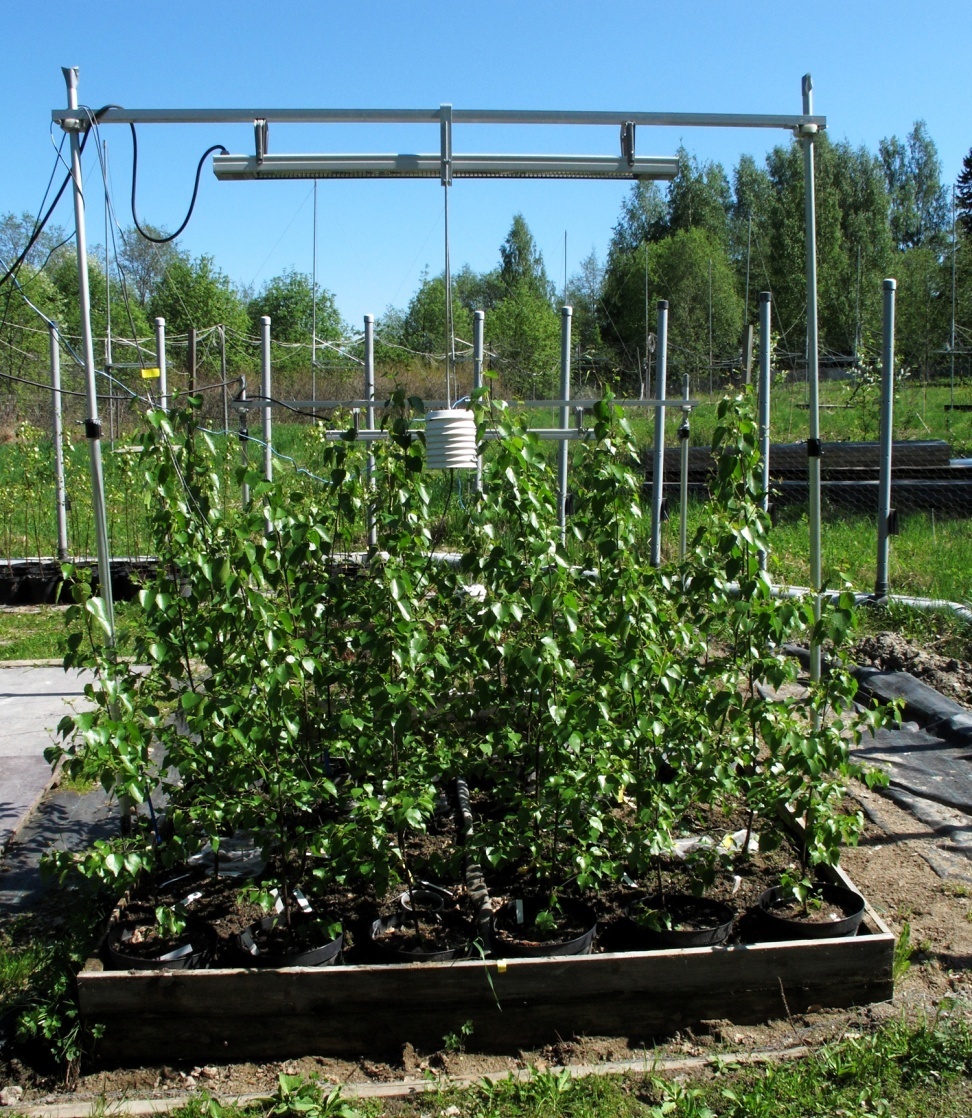
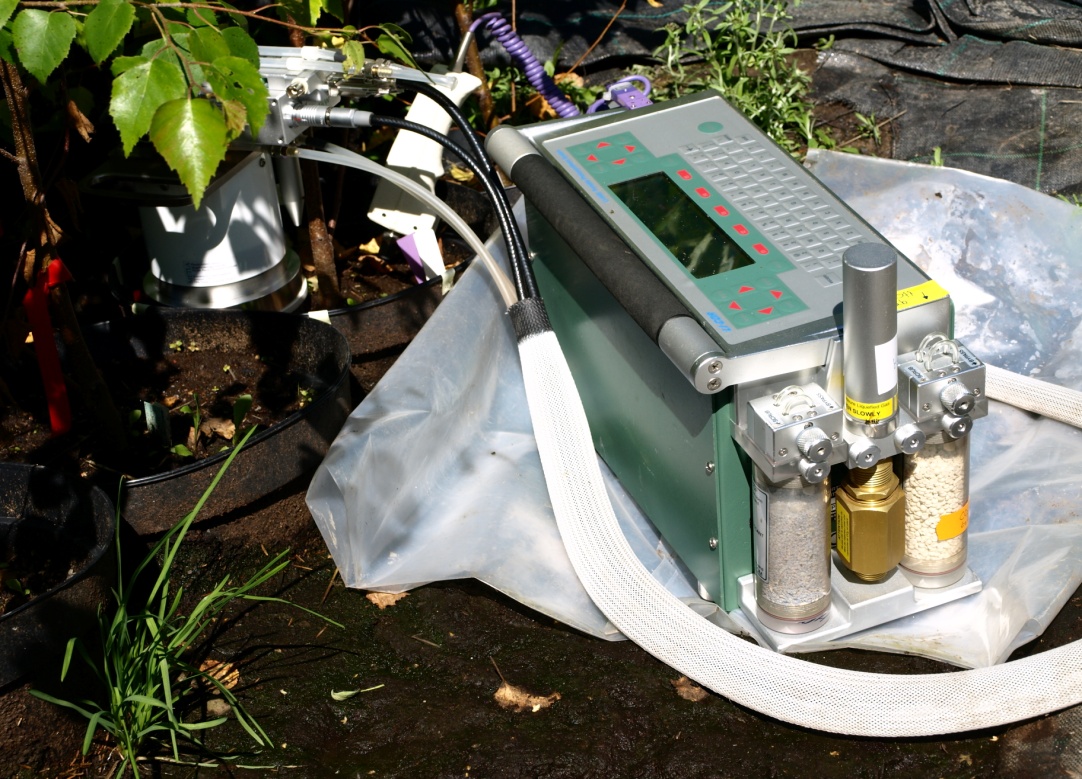
My biogeochemistry training covered these processes in detail. What I measured directly in my field research, the soil carbon dynamics, the respiration responses to temperature and ozone, the genotype-specific patterns in carbon allocation, was all operating within a soil biological community of extraordinary complexity. The trees I was measuring were not drawing nutrients from inert mineral soil. They were drawing them from a biological system that was transforming and cycling those nutrients continuously.
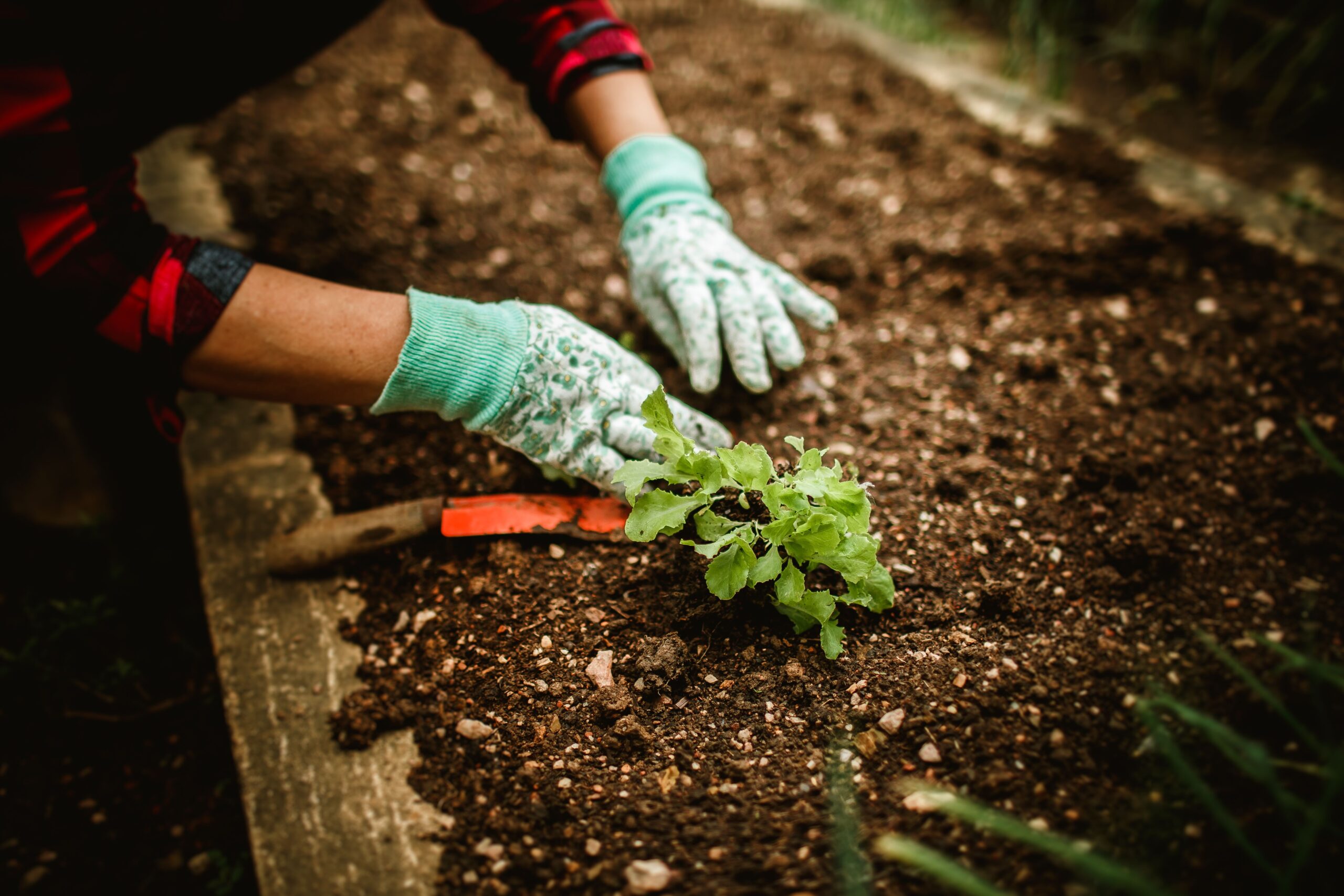
A rewilded garden soil builds that complexity gradually as organic matter accumulates, disturbance decreases, and the biological community diversifies. Stopping tillage, adding surface organic matter, and reducing synthetic inputs are the three practices that allow this process to begin. I covered the specific mechanisms in my no-till gardening and composting articles.
Dead Wood and Structural Complexity
One of the most consistently overlooked elements in garden ecology is dead wood. An estimated 40 percent of woodland biodiversity in temperate regions depends on dead and decaying wood at various stages of decomposition. Saproxylic beetles, wood-boring flies, hole-nesting bees, and the fungi and bacteria driving wood decomposition all require this habitat.
In a conventional garden dead wood is removed immediately as unsightly or as a disease risk. In an ecological garden a log pile, a standing dead trunk, or even a section of thick branch left to decay on the ground provides habitat for species that genuinely cannot exist in the garden otherwise.
The decomposition process itself is biogeochemically interesting. Wood decomposition by fungi operates through white rot and brown rot pathways that break down cellulose and lignin at different rates, releasing nutrients and creating the high carbon-to-nitrogen ratio substrate that certain specialist organisms require. The dead wood microhabitat is not just habitat in the sense of shelter. It is a specific chemical environment that has shaped the evolution of the organisms that depend on it.
Water and the Rewilded Garden
A garden pond is probably the single highest-biodiversity addition available to most gardeners. Even a small container pond adds a habitat type that is genuinely scarce in most urban and suburban landscapes.
Amphibians, aquatic invertebrates, and the birds and mammals that visit to drink and bathe depend on standing freshwater. The aquatic invertebrate community that establishes in a new garden pond within a single season is surprising in its diversity and speed of colonisation. Most of these species have been waiting in the landscape for suitable habitat. Provide it and they arrive.
The water quality principle is simple. No fish, which consume invertebrate larvae. No fountain or pump, which disrupts the stratification that aquatic invertebrates need. Plant native marginal and aquatic species rather than exotic ornamentals. Sloping sides that allow hedgehogs and other mammals to exit if they fall in.
How to Start
The most important principle is to reduce active management rather than add interventions. Rewilding is fundamentally about doing less in the right places, not doing more.
Stop mowing at least one area of lawn. Leave it through the growing season and see what establishes from the seed bank. Most gardeners are surprised by the diversity that emerges within a single year.
Leave seed heads standing through winter. Many birds depend on standing seed sources. Invertebrates overwinter in hollow stems. The structural complexity of standing dead plant material through winter provides habitat that cutting everything back in autumn destroys.
Add a log pile. Put it in partial shade where moisture is retained and fungal colonisation can proceed. Leave it completely undisturbed.
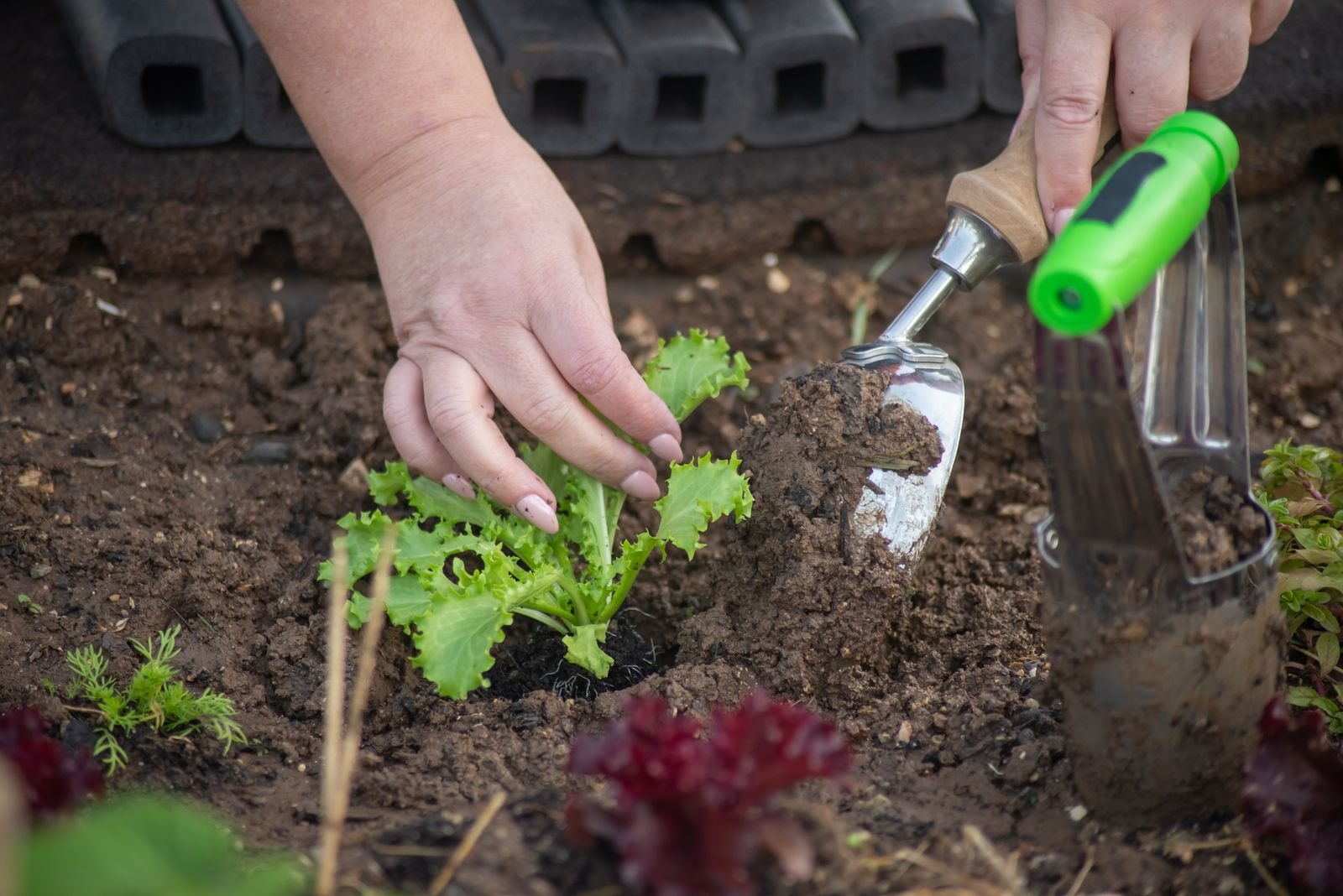
Plant native species in at least some of your beds. Prioritise species that are native to your specific region rather than nationally native but ecologically unfamiliar to your local insect community.
Stop using pesticides entirely. Even targeted pesticide use affects non-target soil invertebrates, beneficial predatory insects, and the food web dynamics that naturally regulate pest populations in biodiverse gardens.
Does Rewilding Work in Small Gardens
Yes, with adjusted expectations. A small garden cannot replicate the ecosystem services of a large nature reserve. But it can provide genuinely valuable habitat for invertebrates, birds, and small mammals that are under pressure across the wider landscape.
The cumulative effect of many small rewilded gardens across a neighbourhood or suburb is ecologically meaningful. Connected habitat patches allow species to move, populations to interchange genetically, and local extinctions to be recolonised. Individual gardens are nodes in a larger network. The network is only as functional as the sum of its nodes.
I find this perspective more motivating than the sometimes daunting framing of large-scale rewilding. You do not need land. You do not need expertise. You need to stop managing some parts of your garden and let the biology of the place take over.
FAQs
What is rewilding a garden?
Reducing active management to allow ecological processes to drive the garden system rather than suppressing them. In practice this means reducing mowing frequency, stopping pesticide use, adding native plants, retaining dead wood and standing vegetation, and allowing soil biology to rebuild through reduced disturbance and organic matter addition.
How much land do you need for rewilding?
None specifically. Even a container or a window box planted with native flowering species contributes habitat value. The ecological principle is that any habitat, however small, is better than none for the species that depend on it. Small gardens can provide genuinely meaningful habitat for invertebrates and birds even if they cannot replicate large-scale ecosystem processes.
What is the 70/30 rule in gardening?
A guideline suggesting roughly 70 percent native plants to 30 percent non-native in rewilded garden design. The logic is that 70 percent native planting provides sufficient habitat connectivity and resource availability for native invertebrate populations while the 30 percent non-native allows flexibility. Quality and distribution of native planting matters more than the exact percentage.
Are native plants really better than ornamental varieties?
For supporting wildlife, consistently yes. Native plants and native insects have co-evolved over thousands of years. The secondary metabolite chemistry of native plants falls within the range that local specialist insects evolved to handle. Non-native plants, however similar they appear, often present metabolic challenges that specialist insects cannot overcome. Generalist species can use a wider range of plants but specialist species cannot.
How do native plants help biodiversity? By providing food and habitat resources matched to the evolutionary history of local insect and bird communities. Native plants support specialist herbivores that cannot feed on non-native alternatives. Native flowering plants provide pollen and nectar resources timed to the emergence cycles of native pollinators. Native fruiting plants provide food sources for birds at the times they need them most.
Can I rewild a small suburban garden?
Yes. Reduce mowing in at least part of the lawn, add a log pile, plant some native flowering species, stop pesticide use, and add a small pond if space allows. Each of these actions independently provides habitat value. Together they create a genuinely functional wildlife garden that contributes to the larger landscape network regardless of size.
What happens if I stop mowing my lawn?
Within a single growing season you will likely see flowering plants establish from the existing seed bank. Dandelions, clovers, bird’s foot trefoil, and other species are present as dormant seeds in virtually all lawns regardless of management history. These provide pollen and nectar resources for bees and other pollinators within weeks of reduced mowing.

