








This article was written by Serge, MSc. Plant Biologist and Environmental Scientist with a BSc in Plant Biology and an MSc in Environmental Biology and Biogeochemistry. My background covers plant biochemistry, botany, and field research in forest and soil ecosystems. I write from real experience, not just literature.
Affiliate disclosure: This site has affiliate links, including Amazon. As an Amazon Associate I earn from qualifying purchases, at no extra cost to you.
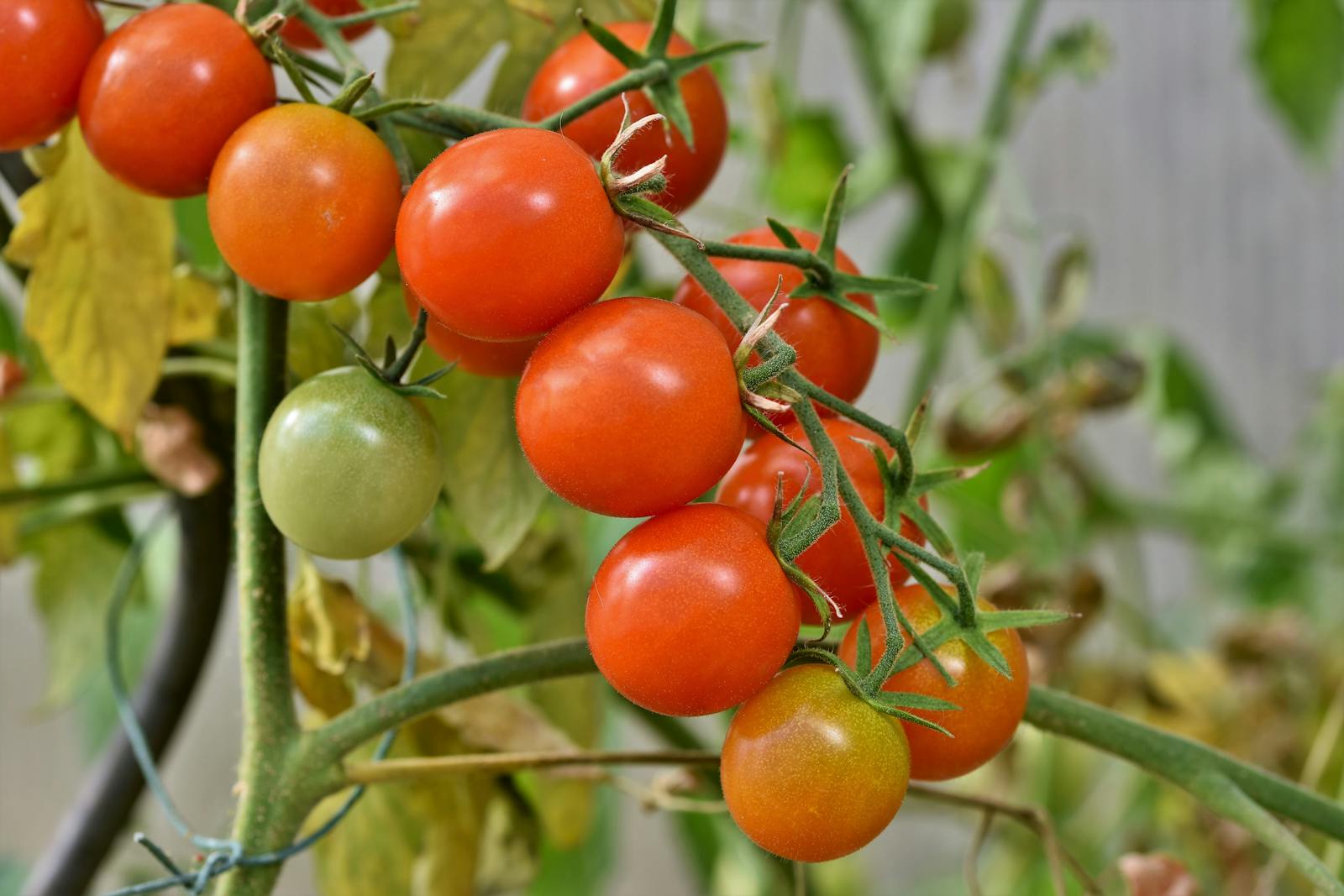
I have eaten enough tasteless supermarket tomatoes to know something is missing. Not just freshness. The flavour is hollow in a way that is hard to describe until you eat a tomato that was allowed to ripen on the plant. Then the difference is obvious and you cannot un-notice it.
That difference has a biochemical explanation. And understanding it changed how I think about food choices far more than any health marketing ever did.
What Organic Farming Does to Soil Biology
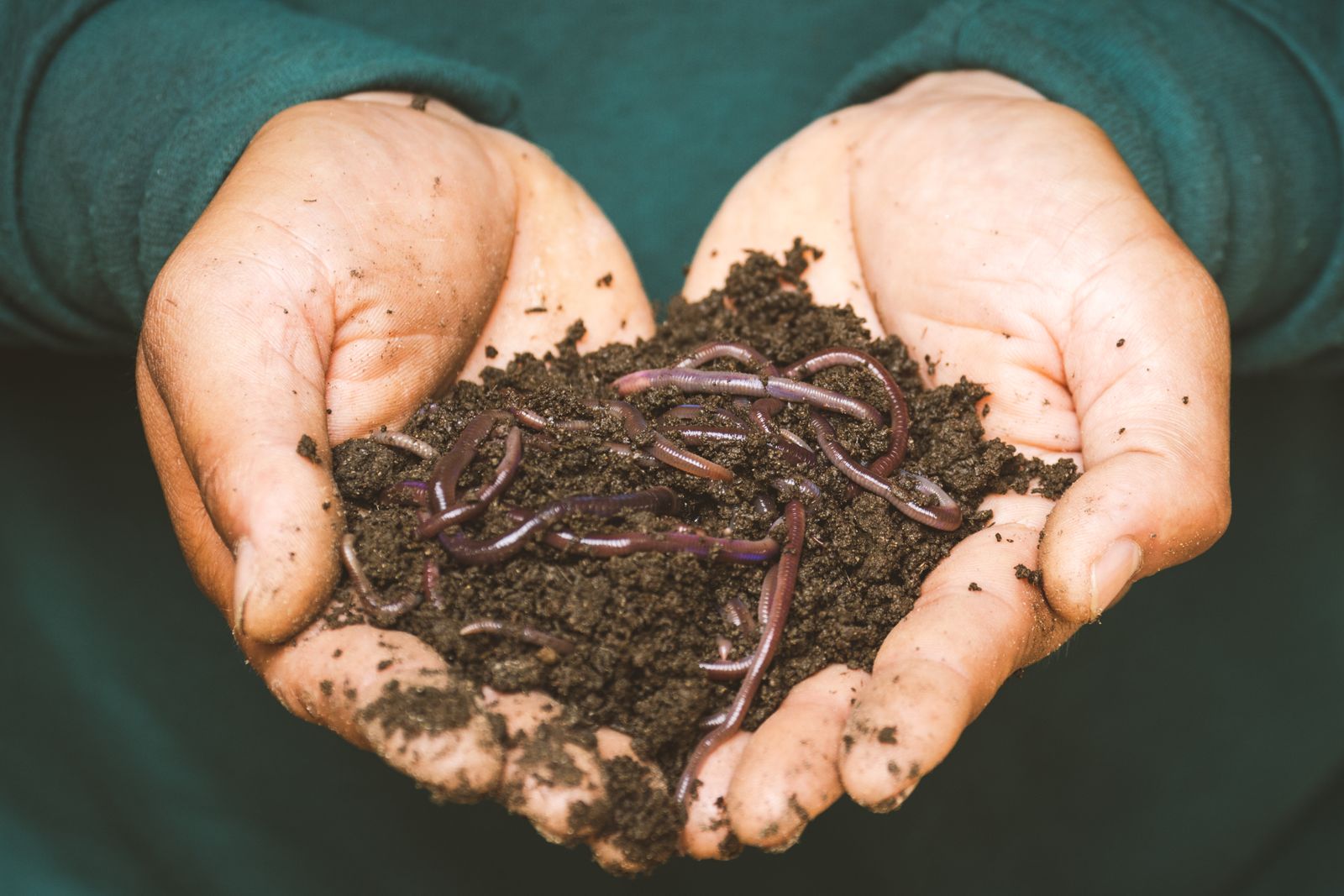
Conventional farming with synthetic fertilisers and pesticides produces high yields but progressively depletes the biological community that makes soil productive. Synthetic nitrogen fertiliser delivers nutrients directly to plants but suppresses mycorrhizal associations because plants invest less in fungal partnerships when nutrients are artificially abundant. Pesticide applications, even when targeted at specific pests, affect non-target soil organisms including the bacteria, fungi, and invertebrates that drive nutrient cycling.
During my biogeochemistry studies I worked through data on how soil organic matter and microbial communities regulate nutrient availability in different land management systems. The key finding was that soil fertility is not simply a function of nutrient concentration. It is a function of biological activity that transforms nutrients into plant-available forms, builds soil structure, and maintains the carbon cycling processes that keep soil productive over time.
I remember the moment this landed properly. We were analysing how microbial communities respond to different management practices, and the difference between biologically active soil and depleted soil was not subtle in the numbers. It was stark. And it showed up directly in how plants grew and what they produced. That data stuck with me far longer than any textbook description of soil chemistry.
Organic farming practices support that biological community rather than bypassing it. The result over time is higher soil organic matter, better soil structure, and more active nutrient cycling. These are measurable differences that show up clearly in long-term comparisons of organic and conventional farm soils.
The Carbon Argument for Local Food
Food transport contributes to the carbon footprint of what we eat, but the transport component is often smaller than people assume. For most foods, the farming system used produces more emissions than the distance the food travels. A tomato grown in a heated greenhouse nearby can have a higher carbon footprint than one grown in field conditions further away.
The more compelling carbon argument for local food is about transparency. When you buy from a local farmer you can ask how they manage their soil. Do they use cover crops. Do they reduce tillage. Do they apply compost. These practices determine whether farmland is building or depleting soil carbon, and that question sits directly in the biogeochemical framework I studied for years.
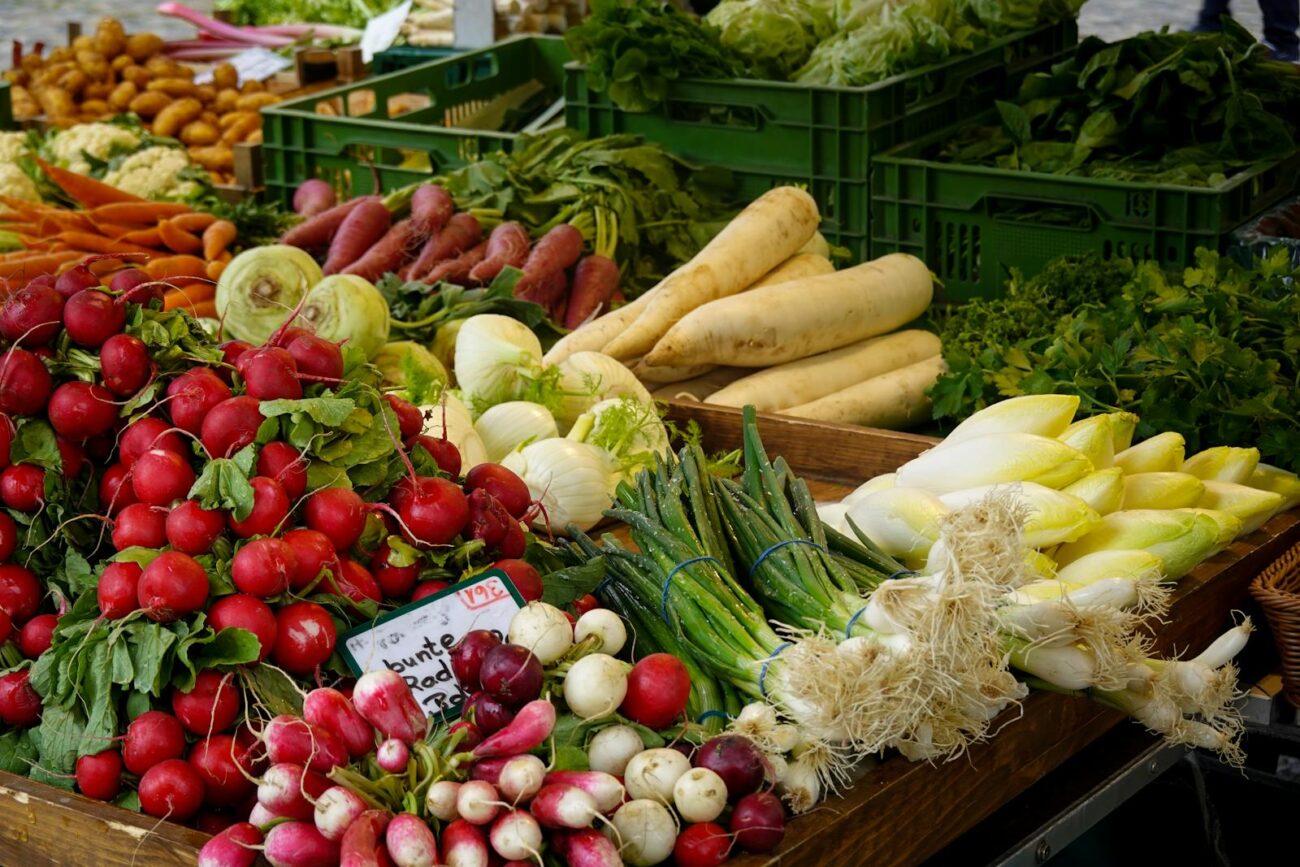
A local farmer at a market can answer those questions directly. I have asked them. The ones who build soil health talk about it with genuine enthusiasm because it is their real competitive advantage. A supply chain spanning multiple countries cannot give you that conversation.
What Organic Certification Does and Does Not Tell You
Organic certification tells you about chemical inputs. It does not tell you about soil management quality, tillage frequency, cover crop use, or soil organic matter levels. Two organic farms can have very different soil biology and carbon profiles depending on how actively they build soil health beyond simply avoiding synthetic inputs.
My ecotoxicology training covered how pesticide residues move through ecosystems and accumulate in soil and water. The case for avoiding synthetic pesticides goes beyond human health. Pesticide residues in soil affect non-target organisms including soil insects, earthworms, and the microbial communities that drive decomposition and nutrient cycling. Organic farming removes this pressure on soil biology.
But organic certification alone does not guarantee healthy soil. An organic farm that tills frequently and applies minimal organic matter can have poorer soil biology than a conventional farm using reduced tillage with high organic matter returns. The label is a starting point, not the whole story.
Why Seasonal Produce Tastes Different, the Secondary Metabolite Explanation
Back to that tasteless supermarket tomato. The explanation is not just that it was picked unripe. It is that the full sequence of secondary metabolite accumulation never completed.
Plants produce secondary metabolites, the compounds responsible for flavour, colour, and many nutritional properties, in response to the environmental conditions of their development. Light intensity, temperature fluctuations, and the slow maturation that comes with natural seasonal rhythms all influence how much of these compounds accumulate in the fruit or leaf.
My plant biochemistry studies covered secondary metabolite biosynthesis in detail, specifically the phenylpropanoid pathway that produces flavonoids and aromatic compounds, and the terpenoid pathway that produces carotenoids like lycopene. A tomato grown and ripened under field conditions in its natural season accumulates these compounds at concentrations that a greenhouse-forced tomato does not reach. The flavour your taste buds detect is real chemistry, not imagination.
A fully ripened field tomato in August and a February greenhouse tomato are not the same food in any meaningful biochemical sense. The difference in flavour is the difference in secondary metabolite concentration, and that difference is a direct product of the growing conditions.
Growing Your Own, What the Soil Biology Shows
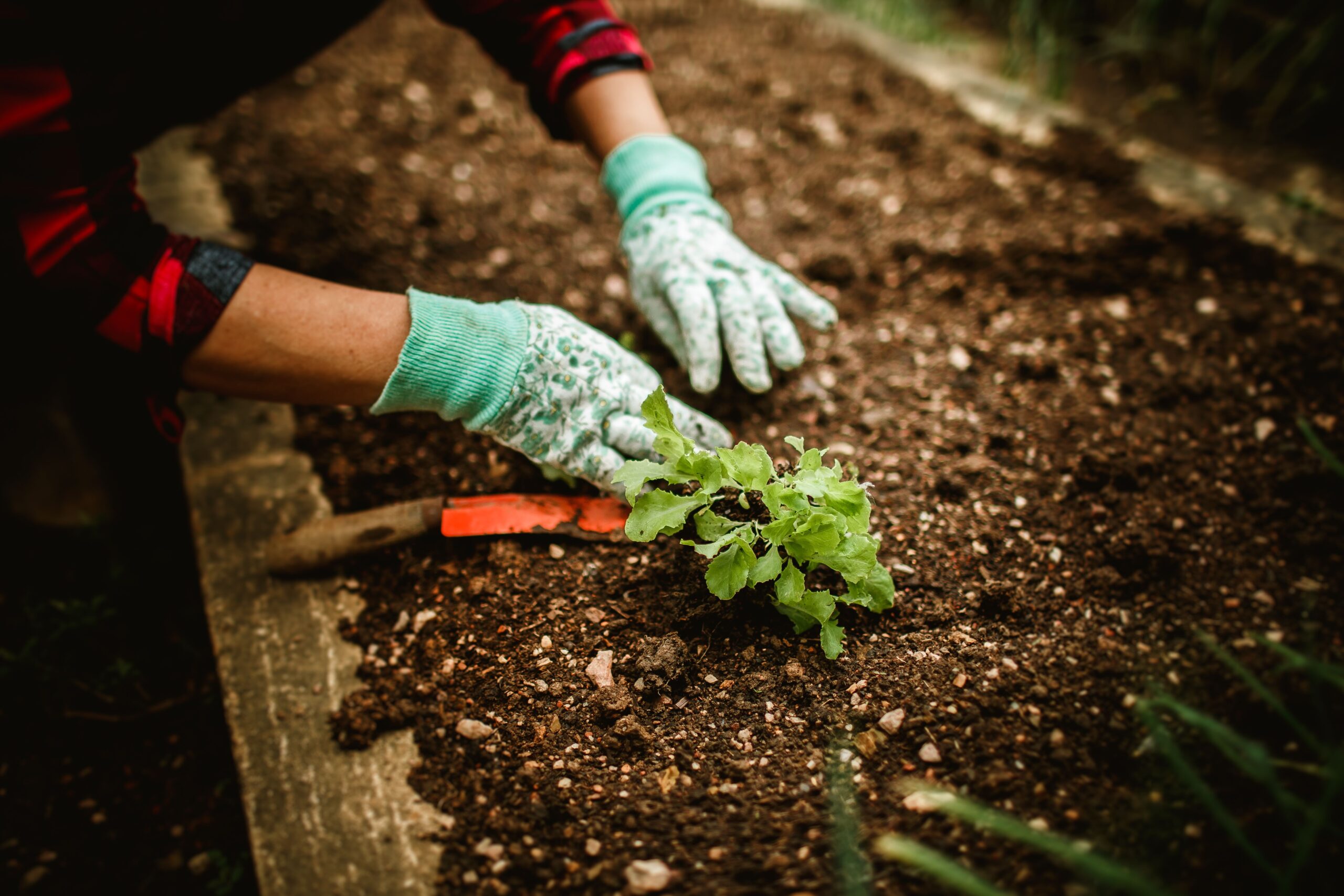
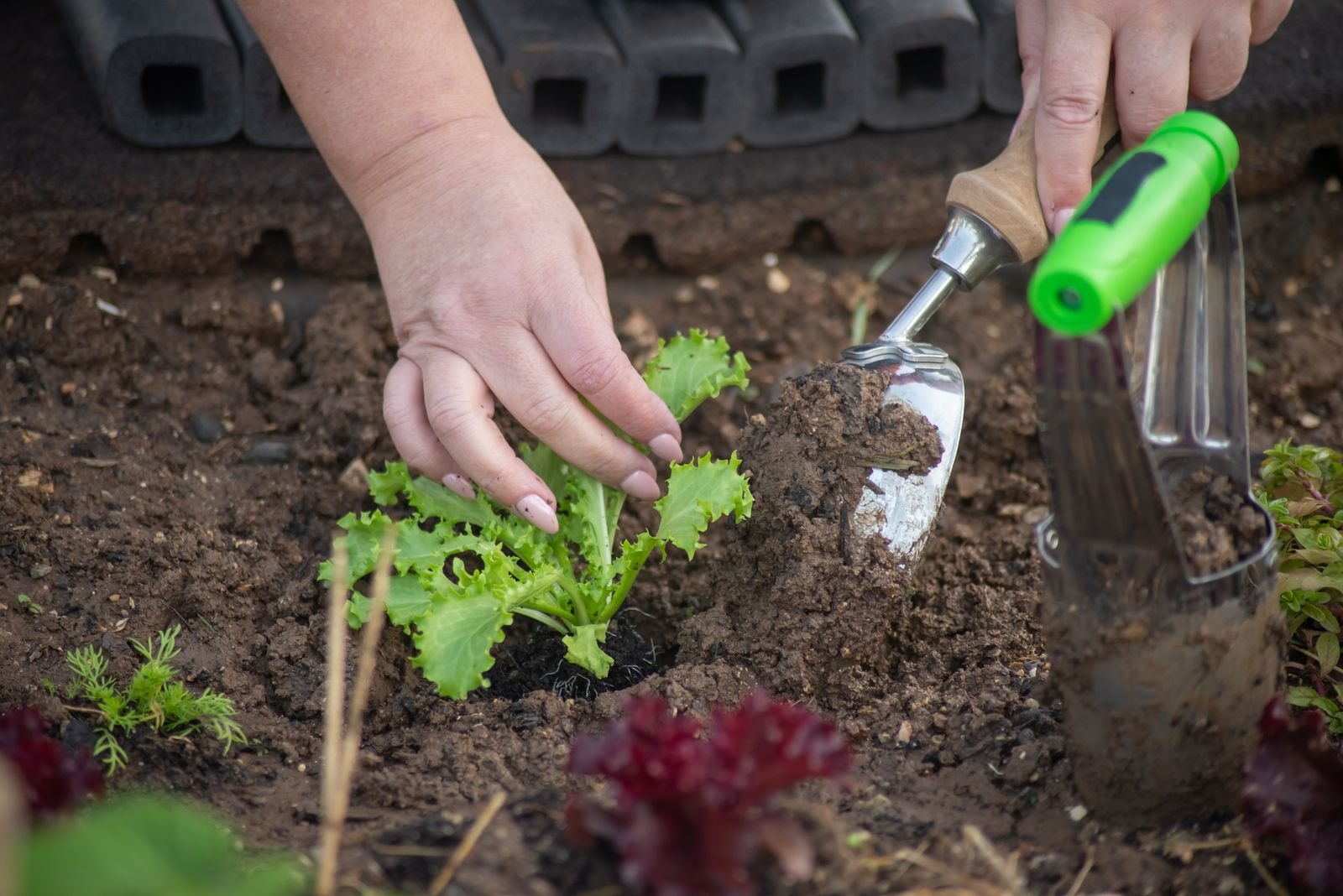
Growing even a small amount of your own food using composting and reduced tillage puts you in direct contact with the soil biology that produces food quality.
What I find consistently interesting when talking to people who grow their own food with good soil practices is that they stop being able to eat supermarket equivalents without noticing the difference. It is not snobbery. It is that once you have tasted a carrot or lettuce from genuinely healthy soil, the comparison with industrially produced alternatives becomes uncomfortable.
The connection between soil biological activity, secondary metabolite production, and flavour quality is something I find compelling precisely because it runs through the same biogeochemical and plant biochemistry frameworks I studied. The taste difference in a home-grown tomato is not a lifestyle choice. It is a measurable outcome of soil biology.
Practical Steps
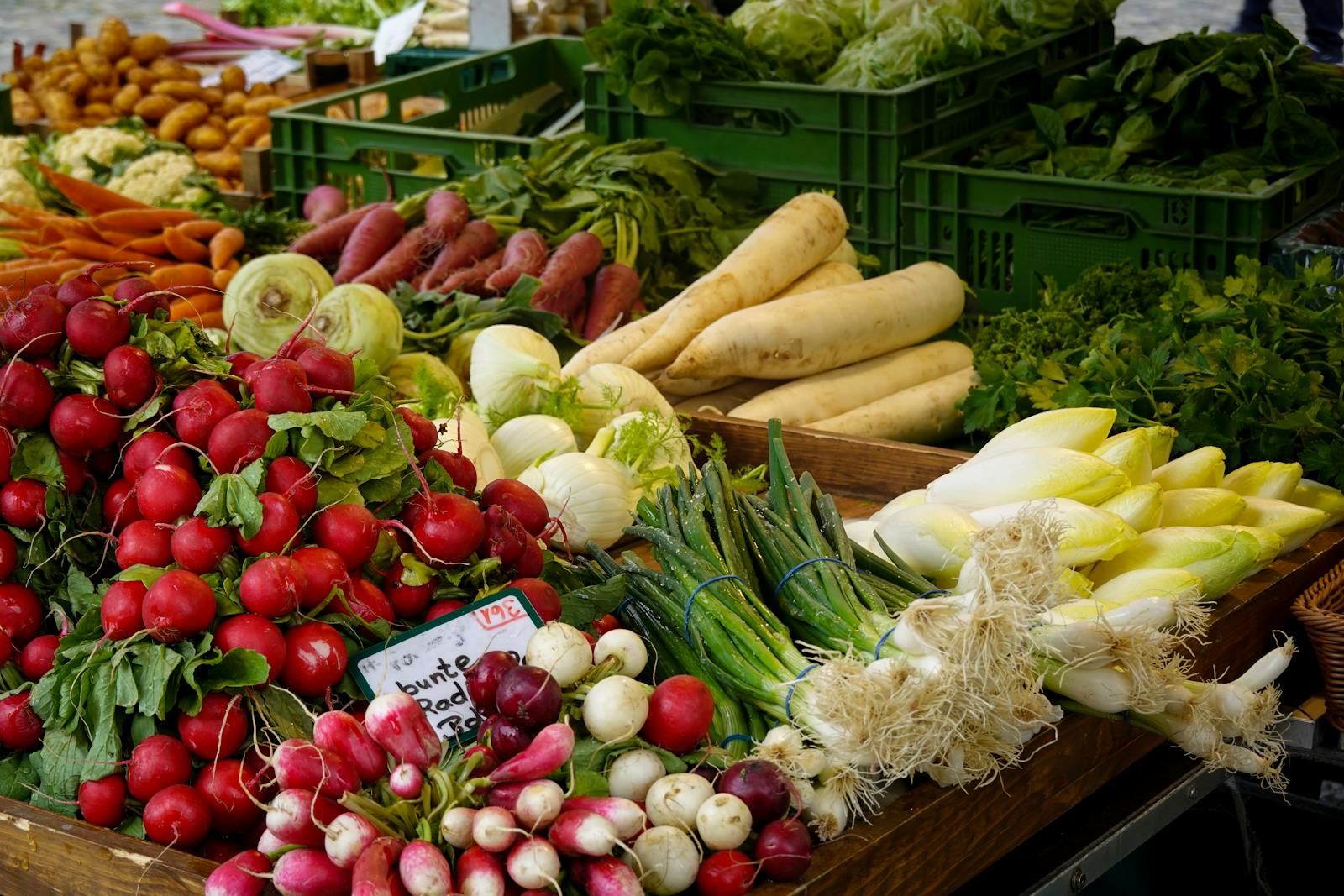
Visit farmers markets and ask about soil management practices, not just organic certification. Farmers who build soil health through cover crops, compost, and reduced tillage tend to talk about it openly because it is what differentiates their produce.
Choose seasonal produce where possible. Seasonal produce has developed under the conditions it evolved for, which generally produces higher secondary metabolite concentrations than out-of-season forcing.
If growing at home, prioritise soil building over yield. A smaller harvest from healthy soil produces better flavour and nutritional quality than a larger harvest from depleted soil with heavy input use.
Frequently Asked Questions
Is organic produce more nutritious?
Research shows mixed results at population level. The clearest differences appear in specific secondary metabolites including polyphenols and flavonoids, which tend to be higher in organically grown produce. The difference is more consistent for some crops than others and depends heavily on specific farming practices beyond certification alone.
Does local food always have a lower carbon footprint?
Not automatically. Transport emissions are a smaller component of most food carbon footprints than farming system emissions. The carbon case for local food is strongest when it also means buying from farmers using soil-building practices like compost, cover crops, and reduced tillage.
What should I ask a local farmer about their soil practices?
Ask whether they use cover crops, how often they till, whether they apply compost or organic matter, and how they manage soil between crops. Farmers building soil health tend to answer these questions enthusiastically.
Does organic certification guarantee healthy soil?
No. Organic certification confirms the absence of synthetic inputs. It does not address tillage frequency, organic matter management, or soil biology quality. The certification is a useful starting point but not the whole story.
Why does seasonal produce taste better?
Seasonal produce develops under the temperature, light, and timing conditions the plant evolved for. This allows full secondary metabolite accumulation, the compounds responsible for flavour and colour. Out-of-season produce grown under artificial conditions or harvested unripe for transport does not complete this development fully.
How do I find good local produce?
Farmers markets are the most direct route. Community supported agriculture schemes provide regular boxes from local farms. When buying, ask about farming practices rather than just looking for organic labels. The conversation itself tells you a lot about how seriously a producer takes soil health.

