









This article was written by Serge, MSc. Plant Biologist and Environmental Scientist with a BSc in Plant Biology and an MSc in Environmental Biology and Biogeochemistry. My research focused on climate change effects on boreal forest ecosystems. I write from field experience, not just literature.
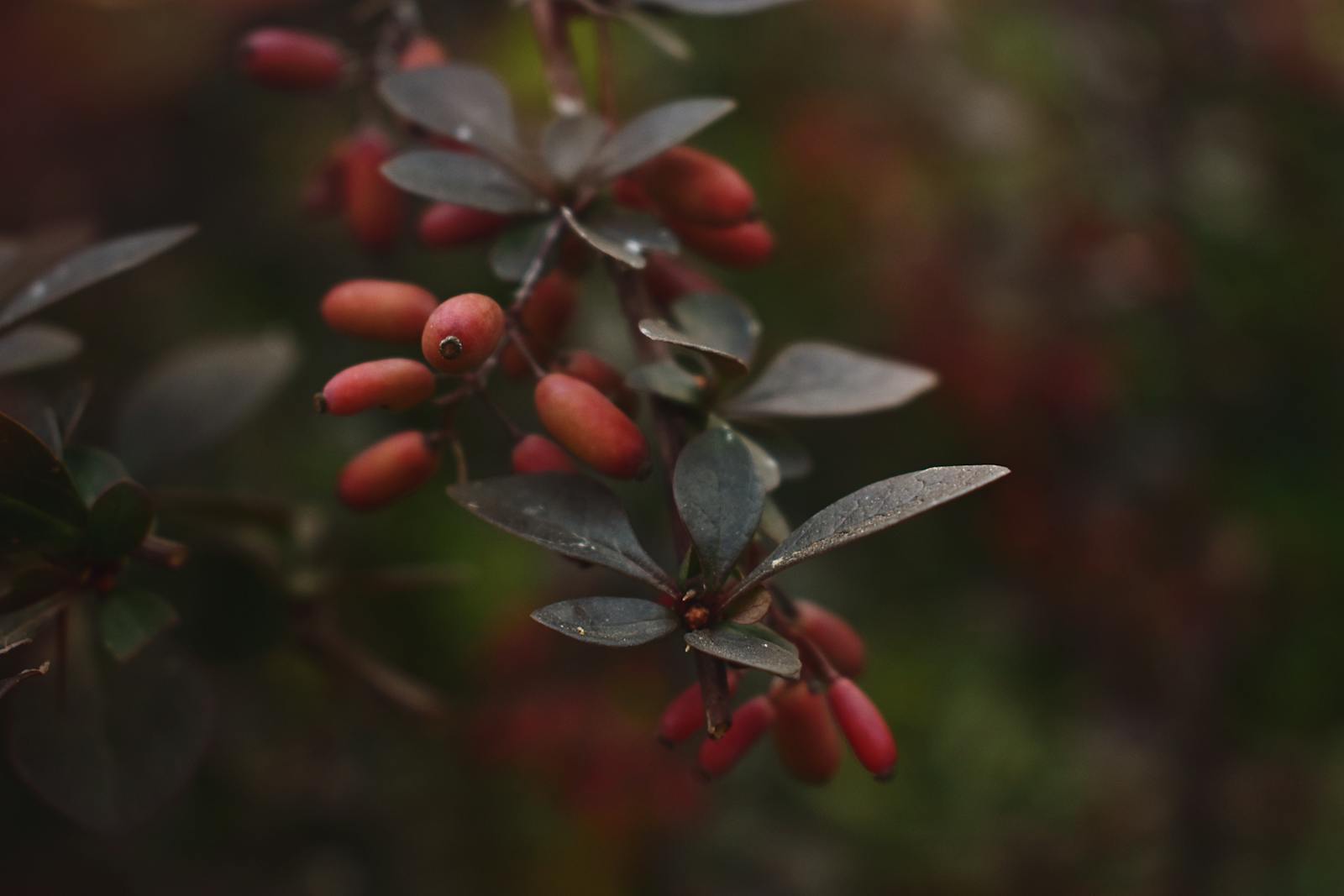
The first time I cut open a fresh barberry root, the cross-section turned my fingers bright yellow almost instantly. That yellow is berberine. A single alkaloid produced in such concentration that it visibly stains everything it contacts. I remember being struck by how deliberate it seemed. The plant was not accidentally yellow. It had invested heavily in producing this specific compound at high concentration in its root tissue, and the reason made complete sense once I understood the biochemistry.
Berberine is one of the more fascinating secondary metabolites I encountered in my plant biochemistry training. Not because of the supplement market around it, which I find mostly disconnected from the actual plant chemistry, but because the ecological story behind why plants make it is genuinely interesting and tells you quite a lot about how it works.
What Berberine Is and Where It Comes From
Berberine is an isoquinoline alkaloid. Isoquinoline alkaloids are a large class of nitrogen-containing secondary metabolites produced through the phenylpropanoid and tyrosine-derived biosynthetic pathways. The isoquinoline scaffold is built from two amino acid precursors, tyrosine and DOPA, through a series of enzyme-catalysed reactions.
The compound is not unique to one plant. Berberine occurs across multiple plant families including Berberidaceae, Ranunculaceae, Papaveraceae, and Rutaceae. The plants that produce it include barberry (Berberis vulgaris and related species), goldenseal (Hydrastis canadensis), Oregon grape (Mahonia aquifolium), coptis (Coptis chinensis), and tree turmeric (Berberis aristata).
These plants are not closely related to each other. The independent evolution of berberine biosynthesis across multiple plant lineages is a strong signal that the compound provides significant survival advantages. When evolution repeatedly arrives at the same chemical solution across unrelated species, it is worth asking why.
Why Plants Make Berberine
The ecological function of berberine is primarily antimicrobial. The compound disrupts bacterial cell wall synthesis, interferes with bacterial DNA replication, and disrupts bacterial membrane integrity through multiple mechanisms simultaneously. It is extraordinarily broad-spectrum. Gram-positive bacteria, Gram-negative bacteria, fungi, and several protozoan parasites are all susceptible.
Root tissue is continuously exposed to soil pathogens. Every crack in the root surface is a potential entry point for fungal pathogens and bacteria. Producing a concentrated antimicrobial compound in root tissue is a direct and effective defence against this constant pressure.
Barberry concentrates berberine specifically in the root bark and stem bark rather than distributing it evenly through the plant. This makes sense ecologically. The bark is the interface between the plant’s interior and the external environment, exactly where pathogen pressure is highest.
Berberine is also a feeding deterrent. The compound has a bitter, intensely astringent taste at the concentrations found in plant tissue and is toxic to many insects at relevant doses. The yellow colour itself may function as a visual signal to herbivores in some contexts.
This is the core point I keep coming back to when people ask about berberine as a supplement. The compound evolved to kill microbes and deter animals from eating the plant. Understanding that context explains quite a lot about its biological activity.
The Biosynthesis Pathway
Berberine biosynthesis begins with the amino acid tyrosine, which is converted through several steps to dopamine and 4-hydroxyphenylacetaldehyde. These two intermediates condense to form norcoclaurine, the central intermediate of the isoquinoline alkaloid pathway.
Norcoclaurine is then modified through a series of methylation, oxidation, and ring-forming reactions to produce berberine. The final ring-forming step, catalysed by the enzyme berberine bridge enzyme, creates the characteristic isoquinoline scaffold structure that gives the compound its biological activity.
What interests me about this pathway is its metabolic cost. The plant invests significant nitrogen, which is often a limiting nutrient in natural soils, to build these alkaloids. High berberine concentrations in barberry root tissue represent a genuine metabolic investment. The plant would not make this investment without substantial survival benefit.
How Environmental Conditions Affect Berberine Content
Following the same principle I covered in my climate change and medicinal plant chemistry article, berberine production is not fixed. It responds to environmental signals.
Higher pathogen pressure in the soil increases berberine production in berberis species as the plant upregulates its antimicrobial defence chemistry. Plants growing in soils with high fungal pathogen loads tend to have higher berberine concentrations than plants in cleaner soils.
UV stress also increases isoquinoline alkaloid production in several plant species through the same oxidative stress response mechanism that upregulates phenolic compounds more broadly.
Temperature affects the enzyme activity of the berberine biosynthesis pathway. Plants grown in warmer conditions may show different berberine profiles than those grown in cooler environments, following the same enzyme optimum principles I described in the climate change article.
This has direct implications for supplement quality. Berberis root from plants grown in natural stressed conditions with genuine soil pathogen pressure may produce higher berberine concentrations than plants grown in controlled cultivation conditions with minimal pathogen exposure.
AMPK: The Molecular Target
The most studied mechanism by which berberine affects mammalian physiology involves AMPK, AMP-activated protein kinase. This is an enzyme that functions as a cellular energy sensor. When cellular energy is low, AMPK is activated and triggers metabolic adjustments that restore energy balance.
Berberine activates AMPK through inhibition of Complex I of the mitochondrial electron transport chain. This reduces ATP production, which increases the AMP to ATP ratio, which in turn activates AMPK as a cellular stress response.
This is essentially berberine exploiting the same metabolic stress signalling that evolved in cells to respond to energy deficit. The compound triggers a cellular energy conservation response by partially inhibiting mitochondrial function.
I find this mechanism interesting because it mirrors the ecological story. Berberine is a cellular stressor. In bacteria it disrupts essential cellular processes. In mammalian cells at lower concentrations it triggers stress-response signalling through AMPK. The biological activity across very different cell types follows from the compound’s fundamental chemistry rather than from any specific evolutionary relationship with mammalian physiology.
Quality and Standardisation
Berberine supplements vary significantly in quality and the same issues I covered in my organic essential oils and ashwagandha articles apply here.
Berberine content in commercial products should be standardised and verified by third-party testing. The compound is measurable by standard analytical methods including HPLC, so standardisation is straightforward. Products that do not report standardised berberine content or third-party testing results are difficult to evaluate.
Bioavailability is genuinely challenging for berberine. The compound has poor oral absorption due to its size, charge, and interaction with intestinal transporters. Various formulations have been developed to improve absorption including berberine HCl, dihydroberberine, and phospholipid complexes. The research evidence for improved bioavailability is strongest for dihydroberberine and berberine phospholipid complexes.
Taking berberine with food improves absorption compared to fasting, partly because food stimulates bile secretion and gut motility that enhances compound absorption.
Plant Sources and What Matters for Quality
Berberis vulgaris (European barberry), Berberis aristata (Indian barberry), Coptis chinensis (Chinese goldthread), and Hydrastis canadensis (goldenseal) are the primary commercial sources.
Goldenseal deserves specific mention because it is an overharvested wild plant under significant conservation pressure. Sustainable cultivation sources are preferred for goldenseal-based products. Berberis and Coptis species are more readily cultivated and pose fewer conservation concerns.
The plant source affects the overall alkaloid profile. Berberine rarely occurs alone in plant extracts. Barberry root also contains palmatine, jatrorrhizine, and other isoquinoline alkaloids that may contribute to the overall biological activity of whole root extracts. Isolated berberine HCl produces different effects than whole root extracts partly because these accompanying compounds are absent.
Practical Considerations
Berberine is not subtle. Gastrointestinal side effects including cramping, diarrhoea, and nausea are common, particularly at higher doses and when taken on an empty stomach. These effects are partly a direct consequence of berberine’s antimicrobial activity affecting the gut microbiome.
The gut microbiome disruption is worth taking seriously. Berberine at supplement doses alters gut bacterial populations measurably. This is not inherently harmful but it is a real effect that cycling and dosing practices should account for.
People taking prescription medications should consult their healthcare provider before using berberine given documented interactions with several drug classes through CYP enzyme inhibition. I am not going to list specific interactions here because this is individual clinical territory that requires professional guidance.
Pregnant and breastfeeding women should avoid berberine. The compound has documented uterine stimulant activity at higher doses.
FAQs
What is berberine and which plants produce it?
Berberine is an isoquinoline alkaloid produced in multiple plant families including Berberidaceae, Ranunculaceae, and Rutaceae. Major sources include barberry (Berberis vulgaris), goldenseal (Hydrastis canadensis), Oregon grape (Mahonia aquifolium), and coptis (Coptis chinensis). The compound evolved primarily as antimicrobial defence chemistry in root and bark tissue.
Why do plants produce berberine?
Primarily as antimicrobial defence against soil pathogens. Root and bark tissue are continuously exposed to fungal and bacterial pathogens in soil. Berberine disrupts bacterial cell wall synthesis, DNA replication, and membrane integrity through multiple mechanisms simultaneously. It is also a feeding deterrent against insects and herbivores at the concentrations found in plant tissue.
What does berberine do in the body?
The most studied mechanism involves AMPK activation through partial inhibition of mitochondrial Complex I. This triggers cellular energy conservation signalling similar to the response to caloric restriction. Berberine also has direct antimicrobial activity in the gut, alters gut microbiome composition, and inhibits several CYP enzyme-mediated drug metabolism pathways.
What organ is berberine hard on?
The liver processes berberine through CYP enzymes and there are documented cases of liver stress at high doses. The gut is also directly affected through antimicrobial activity and microbiome disruption. These effects are dose-dependent and more pronounced at doses above the commonly recommended range.
Is berberine bioavailable?
Poorly in standard form. Berberine HCl, dihydroberberine, and phospholipid complexes all show improved absorption compared to standard berberine. Taking with food improves absorption compared to fasting. The poor bioavailability of standard berberine is one reason why very high doses appear in some products, which increases the risk of side effects.
How does berberine content vary between plant sources?
Berberis species and Coptis chinensis typically have the highest berberine concentrations. Environmental conditions affect production: higher soil pathogen pressure, UV stress, and specific temperature ranges increase berberine biosynthesis. Plants grown in natural stressed conditions may produce higher concentrations than those in controlled cultivation.
Should berberine be cycled?
The theoretical basis for cycling is disruption of gut microbiome recovery and potential downregulation of AMPK sensitivity. The clinical evidence for specific cycling protocols is weak. A reasonable approach based on the mechanisms involved is periodic breaks rather than continuous long-term use, but individual response varies significantly.
Who should avoid berberine?
Pregnant and breastfeeding women due to uterine stimulant activity. People taking prescription medications should consult their healthcare provider before use given CYP enzyme inhibition and documented drug interactions. People with known liver conditions should exercise caution given hepatic processing demands at higher doses.
