







This article was written by Serge, MSc. Plant Biologist and Environmental Scientist with a BSc in Plant Biology and an MSc in Environmental Biology and Biogeochemistry. My background covers plant biochemistry, botany, and field research in forest and soil ecosystems. I write from real experience, not just literature.
Affiliate disclosure: This site has affiliate links, including Amazon. As an Amazon Associate I earn from qualifying purchases, at no extra cost to you.
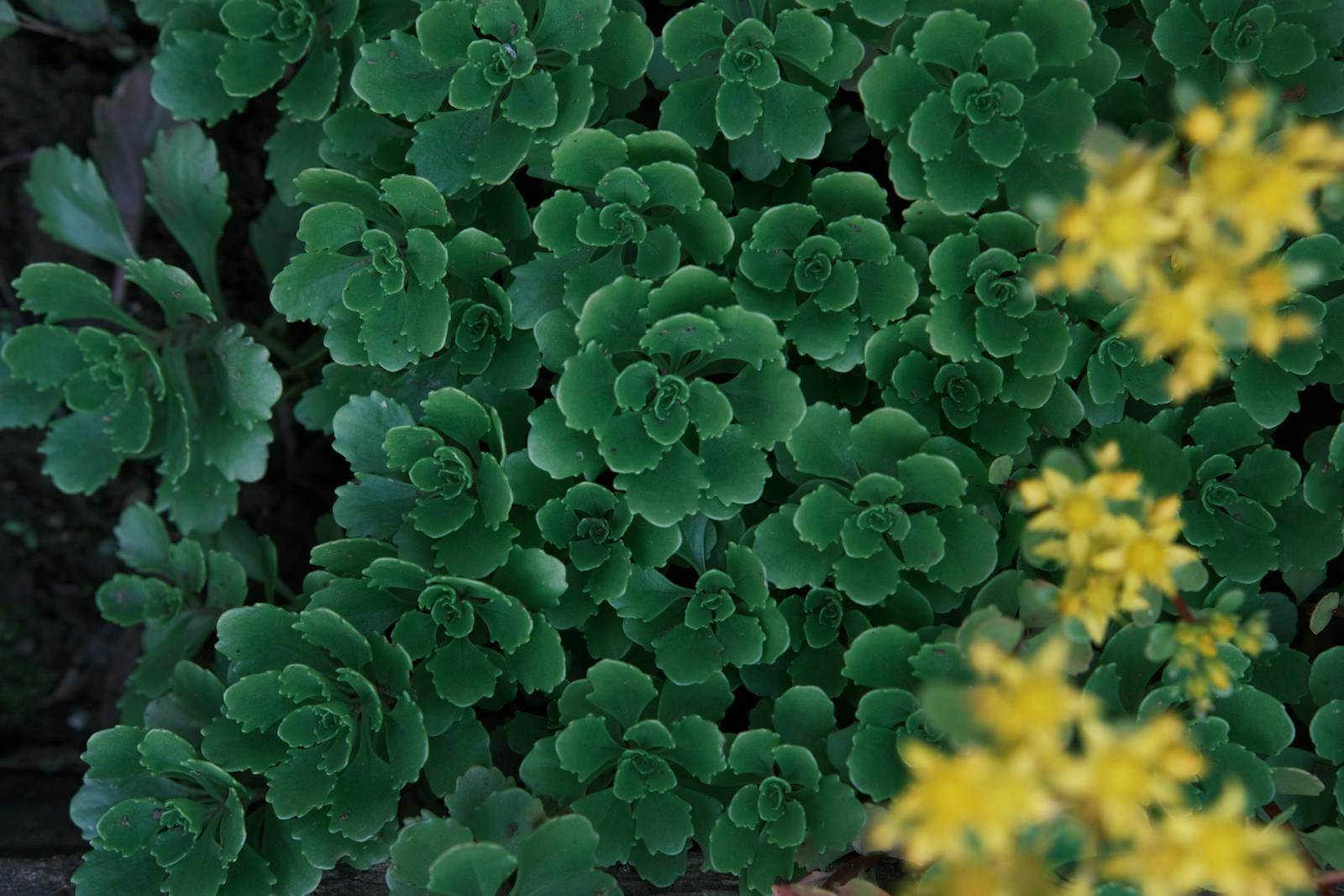
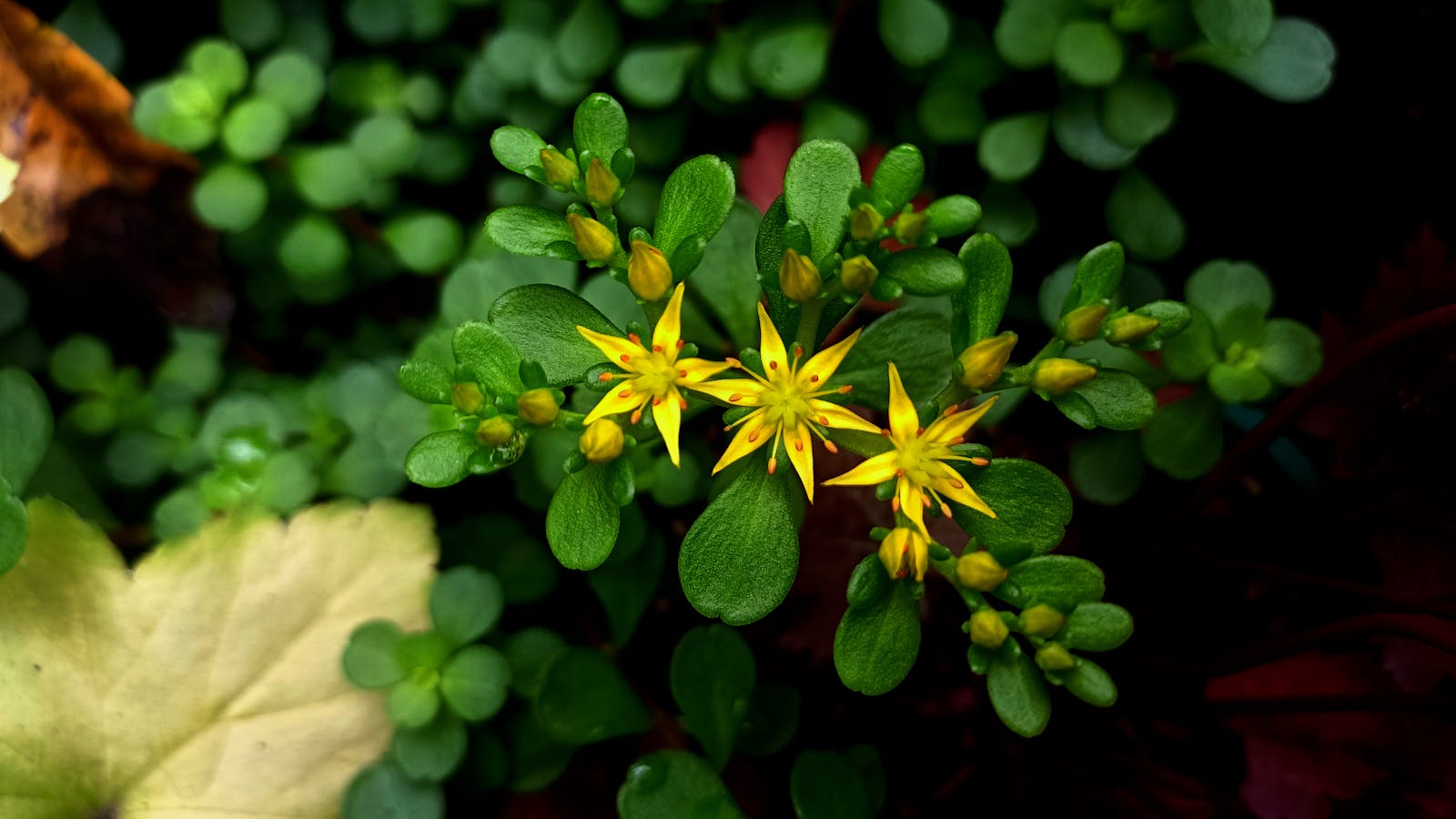
There is something worth knowing about where rhodiola grows before discussing what it does. This is not a tropical plant from rich forest soils. Rhodiola rosea grows in cracks in arctic rocks, on exposed mountain ridges, in soils so poor and cold that most plants cannot establish. Siberia, Scandinavia, the Scottish Highlands, the Tibetan plateau. Places with short growing seasons, intense UV radiation, temperature extremes, and chronic water stress.
Plants growing in those conditions produce stress-response chemistry at high concentrations. That is not coincidence. The same ecological pressure that drives secondary metabolite production in Mediterranean aromatics under drought operates in rhodiola under cold, UV, and nutrient stress. The compounds we value in rhodiola supplements evolved because they helped the plant survive conditions that would kill most species.
I find this a more useful starting point than listing benefits, because understanding why the plant makes these compounds tells you something about how they work.
What Rosavins and Salidroside Are
The two primary bioactive compound classes in rhodiola are rosavins and salidroside.
Rosavins are phenylpropanoid glycosides. They are built through the phenylpropanoid pathway, the same biosynthetic route that produces many plant defence compounds including rosmarinic acid in rosemary and lemon balm, and caffeic acid derivatives in echinacea. The glycoside component means they are water-soluble and absorbed well in aqueous preparations.
Salidroside is a phenethylalcohol glycoside with a different biosynthetic origin from rosavins. It is derived from tyrosine through a separate pathway. Salidroside is found in other plant species besides rhodiola but occurs at particularly high concentrations in rhodiola root. It has documented antioxidant activity and appears to affect cellular stress-response pathways including heat shock protein expression.
A quality rhodiola extract should be standardised to both rosavins and salidroside content. The traditional ratio used in research is 3 percent rosavins to 1 percent salidroside, which approximates the natural ratio found in high-quality root material. Products standardised to only one compound miss half the active chemistry.
How Rhodiola Differs From Ashwagandha
This comes up constantly and it is worth addressing directly.
Both are classified as adaptogens. Both have evidence for reducing stress-related fatigue and improving stress resilience. The mechanisms are different and the subjective effects reported by users are consistently different.
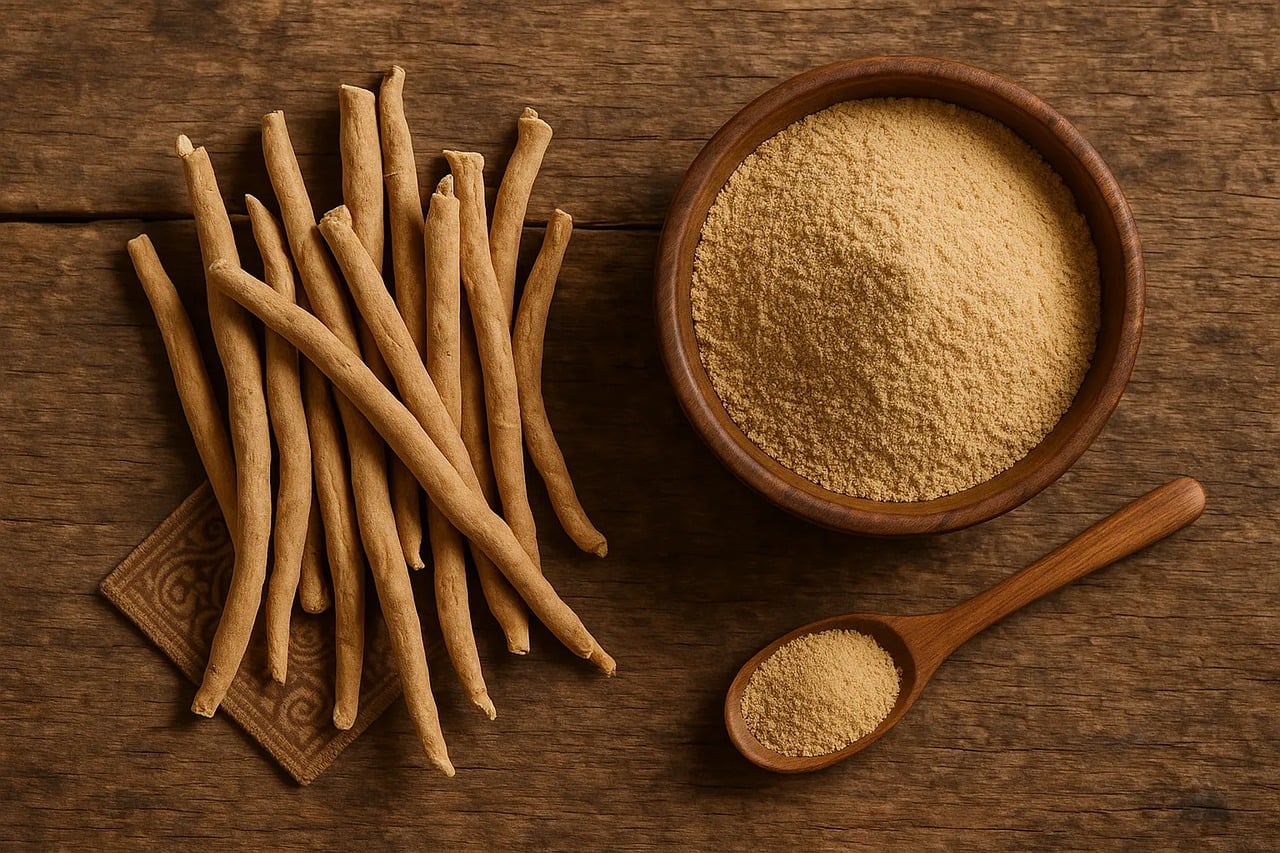
Ashwagandha works primarily through HPA axis modulation and GABA-A receptor activity. It tends toward sedating and calming. Most people report it works better in the evening and improves sleep quality. The effects build over weeks.
Rhodiola works through different mechanisms. Salidroside and rosavins affect monoamine neurotransmitter systems including serotonin, dopamine, and norepinephrine. Rhodiola inhibits monoamine oxidase, the enzyme that breaks down these neurotransmitters, and affects their reuptake and receptor sensitivity. The net effect is activating rather than sedating.
Most people report rhodiola produces a noticeable effect within hours to days rather than weeks. It tends toward improving energy, mental focus, and physical endurance rather than sleep quality and anxiety reduction.
They are not interchangeable. They address stress-related symptoms through different mechanisms and produce meaningfully different effects. Taking them together is not inherently problematic but understanding what each does separately helps you decide which is relevant to your situation.
The Fatigue and Physical Performance Evidence
The clinical evidence for rhodiola is strongest in two areas: mental fatigue under stress, and physical endurance performance.
Multiple controlled trials have tested rhodiola in genuinely stressful conditions. Night shift workers, medical students during examination periods, military cadets during intense training. The consistent finding is reduced fatigue, improved cognitive performance, and better stress tolerance compared to placebo.
What is interesting about these studies is the context. These are not people sitting comfortably in a laboratory. They are people under conditions that genuinely compromise performance. The effect size in these real-world stress conditions tends to be larger than effects observed in low-stress populations, which is consistent with an adaptogen mechanism that specifically modulates stress responses rather than simply stimulating the nervous system.
The physical performance data shows improved endurance capacity and reduced exercise-induced fatigue. The mechanism involves enhanced mitochondrial efficiency and reduced exercise-induced oxidative stress. Salidroside specifically has documented effects on mitochondrial function and ATP production.
Does Rhodiola Lower Cortisol
The evidence here is less consistent than for ashwagandha. Some studies show modest cortisol reductions. Others show no significant effect. The primary mechanism for rhodiola does not involve direct HPA axis modulation the way ashwagandha does.
My read of the research: rhodiola probably does not lower cortisol significantly in most people. What it appears to do is improve the efficiency of the body’s stress response, reducing the fatigue and cognitive decline that follows stress exposure even when cortisol levels remain elevated.
This is actually a different and arguably more relevant effect for many people. Chronic fatigue following stress exposure is often more problematic than the acute cortisol elevation itself. Rhodiola seems to address the downstream fatigue component rather than the upstream cortisol component.
If lowering cortisol is the primary goal, ashwagandha has better evidence. If improving resilience to fatigue and maintaining cognitive performance under stress is the goal, rhodiola has stronger evidence.
Is Rhodiola a Stimulant
Not in the conventional sense. It does not work through adrenergic stimulation the way caffeine does. It does not raise heart rate or blood pressure through direct sympathomimetic mechanisms.
However it is activating. For some people, especially those sensitive to monoaminergic effects, rhodiola can cause insomnia if taken late in the day, agitation at higher doses, or paradoxically increased anxiety in some individuals. The MAO-inhibiting activity is mild but real.
Taking rhodiola in the morning makes sense for most people because of the activating profile. This is the opposite recommendation from ashwagandha.
The reports of rhodiola causing tiredness or making people sleepy are real but less common. They may reflect biphasic dose-response effects where lower doses are more activating and higher doses produce sedation, a pattern seen with other compounds affecting monoamine systems.
Where Rhodiola Grows and Why It Matters for Quality
Rhodiola rosea from its native high-altitude cold habitats contains higher rosavin and salidroside concentrations than plants grown in more favourable conditions. The stress-induced production of secondary metabolites that I covered in my climate change and medicinal plant chemistry article applies directly here.
Wild-harvested Siberian and Scandinavian rhodiola has historically produced the highest-quality material. However wild harvesting pressure has raised sustainability concerns. Cultivated rhodiola is increasingly available, and well-managed cultivation in cold high-altitude conditions can produce material approaching wild quality.
The herbal terroir principle applies. A rhodiola plant grown in warm lowland conditions in a nutrient-rich garden soil will not produce the same rosavin concentrations as one growing in its natural rocky cold-stressed habitat.
Practical Use
Standard research doses range from 200 to 600 mg of standardised extract daily. Lower doses appear more appropriate for daily stress resilience support. Higher doses are used in short-term performance studies.
Morning dosing on an empty stomach or with a light meal is the most common research protocol. Empty stomach may improve absorption but increases the chance of mild nausea in sensitive individuals.
Cycling is commonly recommended but the evidence basis for it is weak. The concern is tolerance development, but rhodiola does not work through receptor downregulation mechanisms that typically drive tolerance. Cycling may be unnecessary for most users.
Avoid late-day dosing if you experience any sleep disruption.
FAQs
What is rhodiola rosea good for?
The strongest clinical evidence supports reduced mental fatigue under stress, improved cognitive performance during demanding conditions, and better physical endurance. The mechanism involves monoamine neurotransmitter system modulation and mitochondrial efficiency improvements rather than the HPA axis cortisol modulation that characterises ashwagandha.
Which is better, rhodiola or ashwagandha?
They work through different mechanisms and address different symptoms. Ashwagandha has stronger evidence for cortisol reduction, anxiety, and sleep quality. Rhodiola has stronger evidence for mental and physical fatigue under stress and cognitive performance. If your primary concern is fatigue and performance under pressure, rhodiola. If it is anxiety, sleep, and stress-driven cortisol elevation, ashwagandha.
Does rhodiola lower cortisol?
The evidence is inconsistent. Rhodiola does not appear to lower cortisol as reliably as ashwagandha. Its primary mechanism involves monoamine neurotransmitter systems rather than direct HPA axis modulation. The fatigue-reducing effects appear to operate independently of significant cortisol reduction.
Is rhodiola rosea a stimulant?
Not in the conventional sense. It does not stimulate through adrenergic mechanisms. However it is activating through monoaminergic pathways and can cause insomnia if taken late in the day. Morning dosing is generally recommended.
What are rosavins and salidroside?
The two primary bioactive compound classes in rhodiola. Rosavins are phenylpropanoid glycosides produced through the same biosynthetic pathway as many plant defence compounds. Salidroside is a phenethylalcohol glycoside derived from tyrosine with documented effects on mitochondrial function and cellular stress response. Quality extracts should be standardised to both compounds.
How long does rhodiola take to work?
Unlike ashwagandha which builds over 8 to 12 weeks, many users report noticeable effects from rhodiola within hours to days of first use. The acute monoaminergic effects differ from the gradual HPA axis modulation that characterises ashwagandha. For physical performance effects, consistent use over several weeks produces more reliable results than single doses.
Should rhodiola be taken with food?
Either works. Empty stomach may improve absorption but increases the chance of mild gastrointestinal effects in sensitive individuals. With a light meal is a reasonable compromise. Avoid taking with a large high-fat meal which may significantly reduce absorption of the glycoside compounds.
Who should not take rhodiola?
People taking MAO inhibitor medications should avoid rhodiola given its mild MAO-inhibiting activity. People with bipolar disorder should exercise caution given the activating monoaminergic effects. Pregnant and breastfeeding women should avoid it due to insufficient safety data. People sensitive to stimulating compounds should start with lower doses and monitor response carefully.

