







This article was written by Serge, MSc. Plant Biologist and Environmental Scientist with a BSc in Plant Biology and an MSc in Environmental Biology and Biogeochemistry. My background covers plant biochemistry, botany, and field research in forest and soil ecosystems. I write from real experience, not just literature.
Affiliate disclosure: This site has affiliate links, including Amazon. As an Amazon Associate I earn from qualifying purchases, at no extra cost to you.

As a botanist who has spent countless years studying plants, I’ve always been captivated by the way they connect with our bodies and the natural world.
Over time, I’ve found that many plant-based supplements truly offer support for overall wellness, and it’s inspiring to see modern science gradually validating what traditional practices have trusted for centuries.
In this guide, I’ll walk you through some of the most valued and versatile herbs, ranging from familiar staples like Turmeric and Ashwagandha to lesser-known treasures such as Damiana and Red Vine Leaves.
You’ll learn how each one works, the areas where they shine, and easy, practical ways to bring them into your daily routine. And to make it simple, I’ll also point you toward reliable, carefully selected products so you can dive deeper if one happens to spark your curiosity.
A- Stress & Mental Health Herbs.
1. Ashwagandha (Withania somnifera).
Ashwagandha has long been a staple in Ayurveda, trusted for generations as a plant that brings steadiness in stressful times. These days, it’s often described as an adaptogen, meaning it helps the body adjust rather than pushing it in one direction.
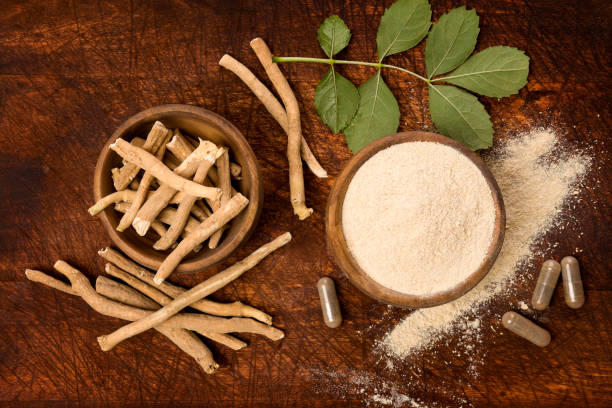
The root contains compounds called withanolides, thought to influence cortisol, the hormone most tied to stress. Folks who take it regularly often notice they don’t snap as easily, their focus feels sharper, and they just move through the day with more ease. Stress doesn’t disappear, but the ground beneath you feels steadier, like you’ve got firmer footing.
2. Siberian Ginseng (Eleutherococcus senticosus).
Siberian ginseng often gets confused with Panax, but the two are quite different. This variety is rich in eleutherosides, compounds linked to supporting the adrenal system and helping the body adapt under stress.

Many people notice it gives them steadier energy and focus, not the quick jolt and crash you get from caffeine. In the Soviet era, it wasn’t unusual for athletes, soldiers, and even factory workers to take it as a way to handle long hours.
That history still carries weight today, with plenty of people reaching for it when they want endurance and mental clarity that lasts.
3. Griffonia (Griffonia simplicifolia).
Griffonia seeds naturally contain 5-HTP, which the body converts into serotonin, the chemical tied to mood and sleep. That’s why it’s often used as a gentle way to feel a bit more balanced.
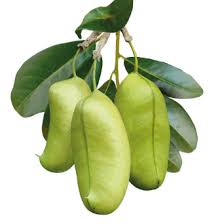
It isn’t a knockout herb, so you won’t suddenly crash or feel drugged. Instead, people usually say it takes the edge off, the racing thoughts quiet down, and the mood feels steadier.
Many like to take it toward the end of the day, almost like a signal that it’s time to wind down. Over time, it can help evenings feel calmer and sleep come easier.
4. Escholtzia (Eschscholzia californica).
California poppy is known for being gentle, which is why people like it. Unlike the stronger opium poppy, it works softly. Its natural alkaloids help calm your nervous system, so you can relax without feeling overly sleepy.

Many take it on restless nights when they want to unwind but still wake up clear in the morning. The effect is mild, more like a gentle push toward calm. It’s a nice herb to have when you want a little help relaxing, without feeling groggy or overwhelmed.
B- Energy & Circulation Herbs.
1. Damiana (Turnera diffusa).
Damiana comes from Central and South America and has been used for a long time to support energy and vitality. Its leaves have natural flavonoids that may help with blood flow, mood, and overall energy.

Many people brew it as a tea, it has a nice herbal and slightly spicy flavor, and some say it makes mornings feel a bit brighter. Science is still learning exactly how it works, but traditional uses match what many people notice in daily life. It’s a gentle way to give your day a little lift.
2. Ginkgo (Ginkgo biloba).
Ginkgo is one of the oldest tree species around, and people have long used it for the brain. Its leaves have flavonoids and terpenoids, which help blood move through the body, especially to your head.

Many notice a bit more focus or mental clarity when they use it regularly. It’s not dramatic, more like a gentle nudge that makes thinking feel a little easier. Over time, it can help your brain feel sharper, without any big rush or jittery energy.
3. Hawthorn (Crataegus monogyna).
Hawthorn has berries and leaves that people have used for a long time to help the heart. It has flavonoids and procyanidins that can help blood flow and keep blood vessels relaxed.

It’s often called a “heart herb.” It doesn’t give a big effect, but it gives your heart a little help to stay steady. Many people take it every day to keep their heart feeling healthy and strong.
4. Red Vine Leaves (Vitis vinifera).
Red vine leaves are packed with polyphenols, which can help keep blood vessels healthy and support circulation. They may also ease that heavy or tired feeling in your legs, especially if you sit or stand a lot. In Europe, people often use them for vein health.

Many take them along with daily walks or light exercise to feel even better. The effect is gentle, not instant or dramatic,but over time, it can make your legs feel lighter and more energized. It’s an easy, natural way to give your circulation a little extra support every day.
C- Joint & Mobility Herbs.
1. Boswellia (Boswellia serrata).
Boswellia resin comes from a tree. It has boswellic acids that can help your joints stay healthy. Some people notice their joints feel a bit looser after a while. It doesn’t work instantly, it’s more like gentle daily care.

A lot of folks take it with light stretching or short walks to keep moving comfortably. Everyday things like bending or climbing stairs can feel easier. It’s natural and simple, just a small thing you can add to your routine to support your joints and help you stay active without pushing yourself too hard.
2. Devil’s Claw (Harpagophytum procumbens).
Devil’s Claw comes from southern Africa. Its roots have harpagosides, which can help your joints move more easily. People have used it for a long time in traditional medicine.

You may notice that, after a while, your joints feel a little more comfortable and moving feels easier. It’s not instant, more like gentle daily support.
Some take it with light stretching or short walks to help stay active. It’s simple and natural, a small addition to your routine that can help your joints feel better without overdoing it.
3. Turmeric (Curcuma longa).
Turmeric is a golden root with curcumin, a natural compound that can help keep inflammation balanced. People often take it with a bit of black pepper to help the body absorb it better.

It doesn’t work right away,more like slow, gentle support. Over time, you might notice your joints feel a bit more comfortable and your body feels healthier overall. Some mix it into food, drinks, or take it as a supplement.
It works gradually, but many people find it helpful for long-term joint comfort and overall wellness.
D- Immune & Detox Herbs.
1. Echinacea (Echinacea purpurea).
Echinacea is a well-known herb for helping the immune system, especially when the seasons change. Its roots and leaves have alkylamides and polysaccharides that can help your body’s natural defenses stay active. You might notice it gives a little extra support during cold or flu season.

It doesn’t work instantly or like a shield, but over time it can help your body respond better to everyday challenges. Some people take it as tea, a tincture, or a supplement. It’s an easy, natural way to support your immune system and feel a bit stronger throughout the year.
2. Goldenseal (Hydrastis canadensis).
Goldenseal has berberine, a natural compound that can help support the immune system. It has been used in traditional medicine for many years.

People often take it to give their body extra support, especially during seasonal changes. It’s a gentle, natural way to help keep your immune system strong.
3. Milk Thistle (Silybum marianum).
Milk thistle seeds have silymarin, a natural antioxidant that helps the liver. It gives your liver a bit of extra support and helps it work better.

Some people take it as tea or a supplement. Over time, you might notice your body handles stress and toxins a little easier. It doesn’t act instantly, but it’s gentle and natural.
Adding it to your daily routine, with healthy food and enough water, can help your liver feel healthier. It’s a simple, easy way to care for your liver and support your overall wellness.
4. Gymnema (Gymnema sylvestre).
Gymnema has been used in Ayurveda for a long time to help keep blood sugar steady. Its leaves have gymnemic acids, which can reduce sugar absorption in the intestines and support healthy glucose metabolism. You might notice it helps your body handle sweet foods a bit better.

It doesn’t act right away, it works slowly, giving gentle support over time. You can take it as a tea, powder, or supplement. It’s a simple, natural way to help keep blood sugar steady and support your overall health each day.
5. Cranberry (Vaccinium macrocarpon).
Cranberries have lots of proanthocyanidins, natural compounds that can help keep the urinary tract healthy. They work by making it harder for unwanted bacteria to stick around.

You can eat them fresh, drink juice, or take them as a supplement. It’s a simple, natural way to support urinary tract health.
Quick Comparison of Key Herbs.
| Herb | Latin Name | Primary Benefit | Best For | Form Commonly Used |
|---|---|---|---|---|
| Ashwagandha | Withania somnifera | Stress balance | Nervous system, focus | Capsules, powder |
| Siberian Ginseng | Eleutherococcus senticosus | Steady energy | Endurance, adrenal support | Capsules, tincture |
| Griffonia | Griffonia simplicifolia | Mood and sleep | Serotonin support, relaxation | Capsules |
| Escholtzia | Eschscholzia californica | Gentle relaxation | Stress, mild sleep support | Capsules, tincture |
| Damiana | Turnera diffusa | Circulation & vitality | Energy, mood, circulation | Tea, capsules |
| Ginkgo | Ginkgo biloba | Brain & circulation | Memory, focus, blood flow | Capsules, extract |
| Hawthorn | Crataegus monogyna | Heart health | Cardiovascular support | Tea, capsules |
| Red Vine Leaves | Vitis vinifera | Vein & circulation support | Leg comfort, circulation | Capsules, extract |
| Boswellia | Boswellia serrata | Joint comfort | Mobility, inflammation balance | Capsules, resin extract |
| Devil’s Claw | Harpagophytum procumbens | Joint mobility | Flexibility, daily movement | Capsules, tincture |
| Turmeric | Curcuma longa | Inflammation balance | Joints, overall wellness | Capsules, powder |
| Echinacea | Echinacea purpurea | Immune support | Seasonal defense | Capsules, tincture |
| Goldenseal | Hydrastis canadensis | Immune health | Traditional antimicrobial use | Capsules, tincture |
| Milk Thistle | Silybum marianum | Liver detox support | Liver, antioxidant support | Capsules, tincture |
| Gymnema | Gymnema sylvestre | Sugar balance | Blood sugar support | Capsules, tincture |
| Cranberry | Vaccinium macrocarpon | Urinary tract health | UT support | Capsules, juice |
FAQs About Herbal Supplements.
Q: How long do herbal supplements take to work?
Most herbs don’t give instant effects (though a few, like calming herbs, can act fairly quickly). For things like stress balance, circulation, or joint comfort, you’ll usually notice benefits after a few weeks of consistent use.
Q: Can I take multiple herbs together?
Yes, many people combine herbs for broader support, like Ashwagandha for stress plus Ginkgo for focus. Just make sure you’re not doubling up on the same compound, and always follow recommended dosages.
Q: Are herbs safer than pharmaceutical drugs?
Herbs are natural, but “natural” doesn’t automatically mean safe for everyone. Some interact with medications or aren’t recommended during pregnancy. If you’re taking prescriptions or have health concerns, check with a healthcare professional before starting.
Q: Should I use teas, capsules, or tinctures?
It depends on your lifestyle. Teas are great if you like rituals and gentler effects. Capsules are convenient and standardized. Tinctures give you flexibility with dosage and faster absorption.
Q: Where should I buy herbs?
Stick to trusted brands that test for purity and potency. Low-quality herbs can be contaminated or under-dosed. The links in this article go to reputable options I’d feel comfortable recommending.
Summary.
Herbs have been used for centuries, and today we’re rediscovering just how valuable they can be. From supporting stress resilience with Ashwagandha, to promoting circulation with Ginkgo, to keeping joints comfortable with Turmeric and Boswellia there’s a plant ally for almost every area of wellness.
If one of these caught your attention, follow the links above and see which supplement feels right for your needs. Small, consistent steps can add up to big differences in how you feel day-to-day.

