






This article was written by Serge, MSc. Plant Biologist and Environmental Scientist with a BSc in Plant Biology and an MSc in Environmental Biology and Biogeochemistry. My background covers plant biochemistry, botany, and field research in forest and soil ecosystems. I write from real experience, not just literature.
Affiliate disclosure: This site has affiliate links, including Amazon. As an Amazon Associate I earn from qualifying purchases, at no extra cost to you.
Growing up, my mother used to brew fresh leaves of Bidens pilosa for me to drink. She picked them straight from the garden, boiled them, and handed me the cup without much explanation beyond “it is good for you.” I did not question it. You do not question your mother.
Years later, studying plant classification and biochemistry, I started understanding what she already knew intuitively. Bidens pilosa contains flavonoids, polyacetylenes, and phenolic compounds with documented biological activity. The plant grows as a common weed across tropical and subtropical regions. Most people pull it out without a second thought. My mother was brewing it as medicine decades before I ever opened a plant biochemistry textbook.
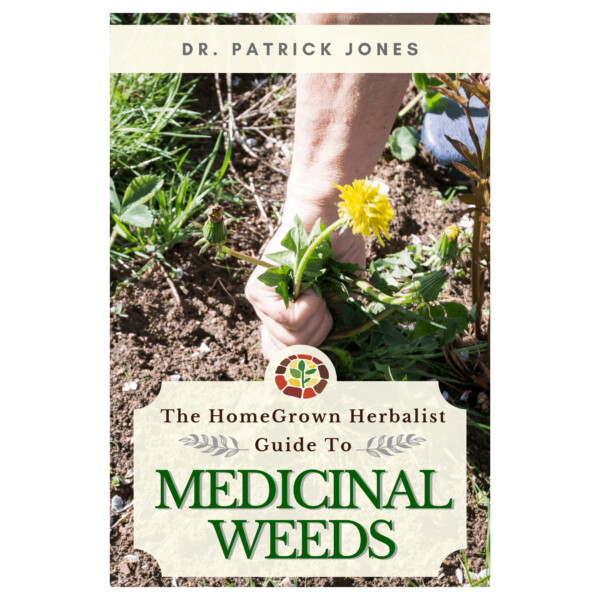
That gap between traditional plant knowledge and formal science is exactly what The HomeGrown Herbalist Guide to Medicinal Weeds by Dr. Patrick Jones sits in. And it sits there well.
What You Get Inside This Guide
This is not a vague wellness book with pretty photographs and no substance. Dr. Patrick Jones is a clinical herbalist, traditional naturopath, and practicing veterinarian. That combination matters. Veterinarians work with dosing, safety, and biological mechanisms in ways that general wellness writers do not. The science behind the writing is grounded.
The guide covers 30 plus species in detail. Each plant gets its own chapter with Latin name, traditional uses, medicinal properties, and preparation guidance. The table of contents reads like a serious herbalism reference. Arctium lappa, Silybum marianum, Urtica dioica, Taraxacum officinale, Epilobium angustifolium. These are not random inclusions. They are plants with genuine documented chemistry behind them.
The writing style is accessible and occasionally funny without losing accuracy. That balance is harder to achieve than it sounds.
Why Latin Names Matter and Why This Book Uses Them
One thing I noticed immediately is that Dr. Jones uses proper Latin binomial nomenclature throughout. This is not pedantry. It is essential for safety.
Common names for plants vary enormously by region, language, and local tradition. What one community calls plantain another calls something else entirely. Plantago major is unambiguous. A common name is not.
My BSc plant classification training covered the Linnaean system in detail, specifically why standardised nomenclature exists and what happens when it breaks down in practical contexts. Misidentification of wild plants is a real risk, not a theoretical one. A book that takes Latin names seriously is a book that takes safety seriously.
The Chemistry Behind Why These Weeds Work
From a plant biochemistry angle the species list in this guide is genuinely impressive.
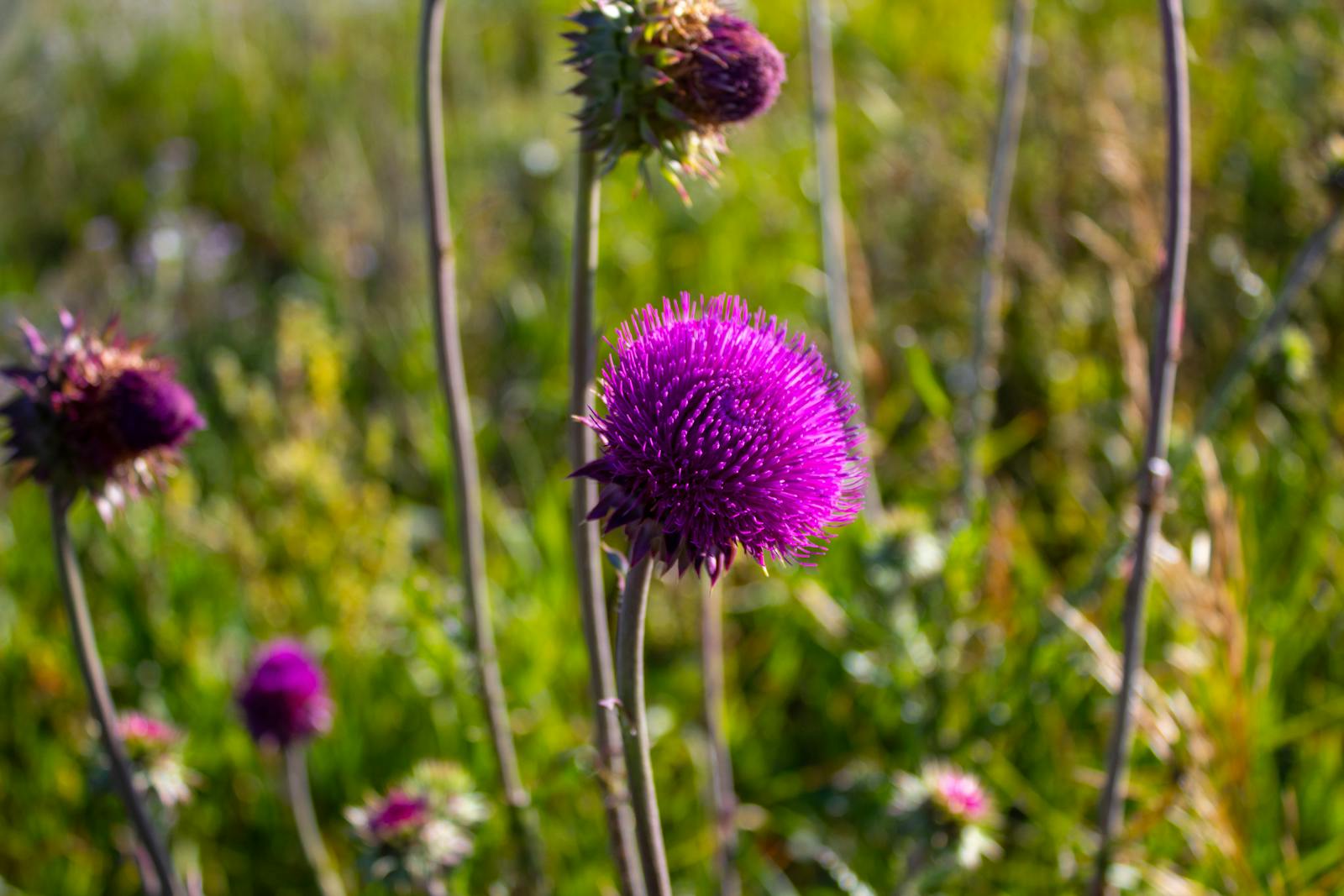
Silybum marianum, milk thistle, contains silymarin, a flavonolignan complex concentrated in the seeds with well documented hepatoprotective activity. Urtica dioica, stinging nettle, carries quercetin and kaempferol flavonoids alongside a mineral profile that makes it one of the more nutritionally dense wild plants in temperate regions. Taraxacum officinale, dandelion, produces taraxacin sesquiterpene lactones in the root and carotenoids in the leaves.
Epilobium angustifolium, fireweed, is interesting from a secondary metabolite perspective. It produces ellagitannins and flavonoids and has a long history of use in Northern European and North American traditional medicine. I encountered fireweed growing abundantly in Finland. It colonises disturbed ground rapidly and produces striking purple flower spikes. Most people see a roadside weed. The chemistry tells a more interesting story.
Galium aparine, cleavers, uses its sticky stems to attach to clothing and animal fur for seed dispersal. The same surface chemistry that makes it cling to your jacket contains iridoids and flavonoids with traditional use in lymphatic support going back centuries in European herbal medicine.
What the Guide Covers That Most Herb Books Miss
The inclusion of dosing guidelines including pet dosing is unusual and useful. Most herbal guides either ignore dosing entirely or give vague unhelpful ranges. Dr. Jones addresses this directly, which reflects his veterinary background where dosing precision is not optional.
The harvesting and processing section at the front of the book is practical and honest about the difference between fresh and dried material, extraction methods, and preparation forms. These details matter because the same plant prepared differently can produce genuinely different chemical profiles in the final preparation.
The glossary of herbalism terminology is a small addition that makes the book significantly more accessible to beginners without dumbing down the content for experienced readers.
Who This Book Is For
Anyone who wants to use wild plants practically and safely rather than just read about them theoretically. The guide works for complete beginners because the writing is clear and the instructions are practical. It works for people with some herbal knowledge because the species coverage is broad and the chemistry is not oversimplified.
The pet health sections make it genuinely useful for anyone with animals, which most herbal guides completely ignore.
If you grew up in a household where plants were used as medicine the way I did, this book gives you the scientific framework to understand what the older generation already knew from experience.
Where to Get It
The HomeGrown Herbalist Guide to Medicinal Weeds is available as a physical copy or digital PDF. The physical copy is worth having as a reference you can take into the field.
FAQs
What is The HomeGrown Herbalist Guide to Medicinal Weeds?
It is a practical herbalism reference by Dr. Patrick Jones covering over 30 common medicinal weed species with Latin names, traditional uses, preparation instructions, and dosing guidelines including guidance for pets.
Who is Dr. Patrick Jones?
Dr. Jones is a clinical herbalist, traditional naturopath, and practicing veterinarian. His veterinary background gives the dosing and safety sections a level of precision not common in general herbalism guides.
Is this book suitable for beginners?
Yes. The writing is accessible and includes a glossary of herbalism terminology. No prior knowledge of plants or herbal medicine is required to use it effectively.
Does the book cover plant identification?
Yes. Each species is listed with its Latin binomial name alongside common names and descriptive information to support correct identification. Using Latin names throughout is a safety feature, not just academic convention.
What preparation methods does the guide cover?
The guide covers teas, tinctures, salves, and infused oils with step by step instructions for each preparation method.
Does the book include information for pets?
Yes. Dr. Jones includes dosing guidance for animals, which reflects his veterinary practice. This makes it one of the few herbal guides that addresses animal health alongside human use.
Can I forage these plants safely using this guide?
The guide emphasises correct identification, safe harvesting practices, and responsible use. It is designed to support safe foraging rather than encourage reckless wild harvesting.
Is there a digital version available?
Yes. The guide is available as both a physical copy and a digital PDF, which is useful for taking into the field during foraging.
What species does the guide cover?
The guide includes detailed profiles of over 30 species including dandelion (Taraxacum officinale), stinging nettle (Urtica dioica), milk thistle (Silybum marianum), plantain (Plantago spp.), burdock (Arctium lappa), fireweed (Epilobium angustifolium), red clover (Trifolium pratense), and many more.
How is this different from other herbal books?
The combination of clinical herbalism, traditional naturopathy, and veterinary medicine behind the authorship gives the safety and dosing sections more rigour than most popular herb guides. The humorous accessible writing style makes it readable without sacrificing accuracy.

