







This article was written by Serge, MSc. Plant Biologist and Environmental Scientist with a BSc in Plant Biology and an MSc in Environmental Biology and Biogeochemistry. My background covers plant biochemistry, botany, and field research in forest and soil ecosystems. I write from real experience, not just literature.
Affiliate disclosure: This site has affiliate links, including Amazon. As an Amazon Associate I earn from qualifying purchases, at no extra cost to you.
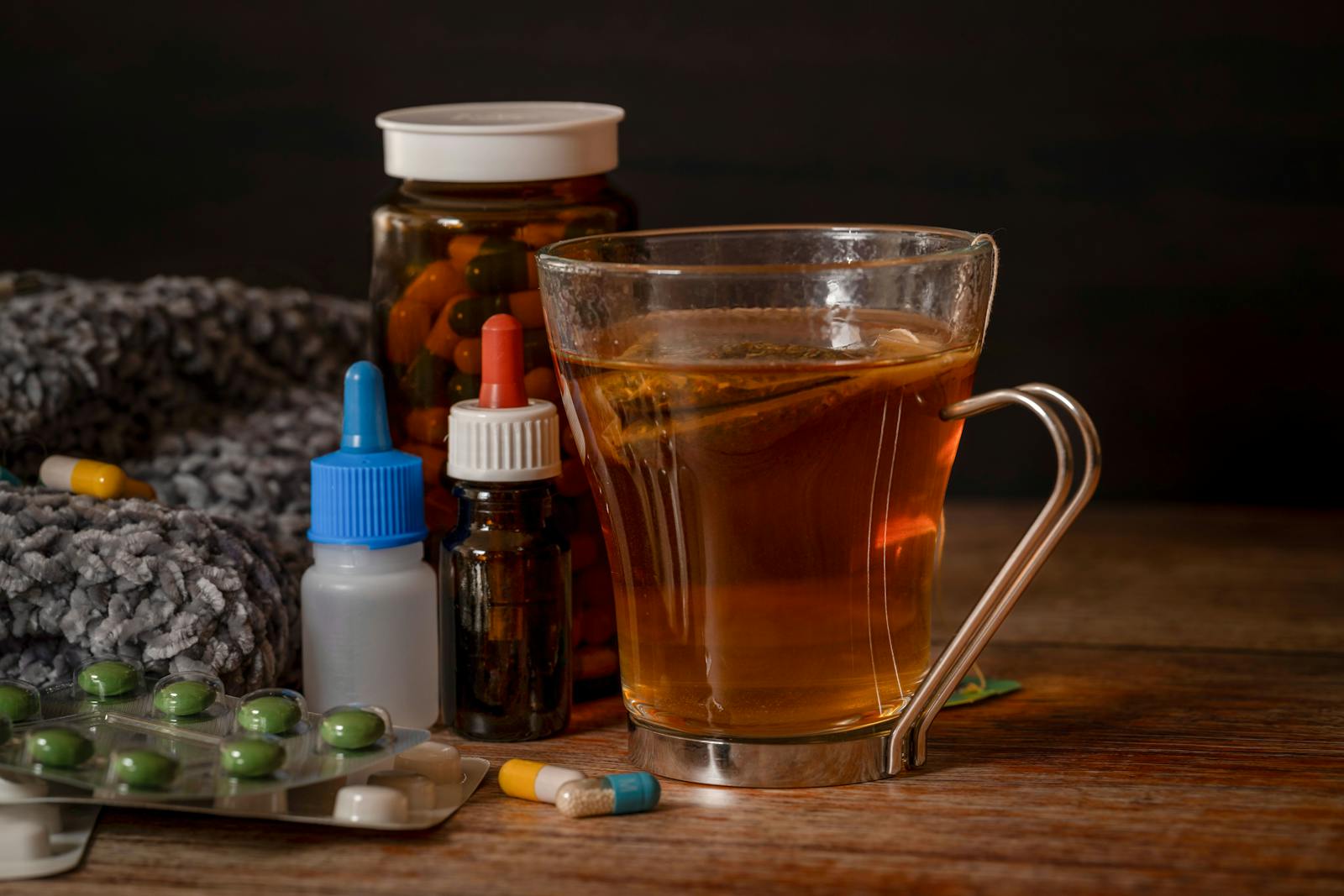
There is a question I get asked regularly about herbal preparations. Does it matter whether you take an herb as a tea, a tincture, or a capsule. Does the format change what you actually get.
The biochemistry says yes, meaningfully. The practical experience at normal doses says the differences are often more subtle than the chemistry predicts. Both of those things are true simultaneously and understanding why requires looking at what each preparation method actually does to plant secondary metabolites.
I came to this question from a specific direction. During plant biochemistry practicals I worked with solvent extraction of plant pigments, separating chlorophyll and carotenoids using different solvents. Watching chlorophyll dissolve readily in acetone while carotenoids moved into petroleum ether made the polarity principle completely concrete. Same plant material. Completely different compound profiles depending on which solvent you used.
That practical experience is exactly why I take the teas versus tinctures versus capsules question seriously at a chemistry level. The solvent is not just a delivery vehicle. It determines what you extract in the first place.
What Each Format Extracts
Water, the solvent in herbal tea, is polar. It dissolves polar and ionic compounds efficiently. Flavonoids, phenolic acids, and water-soluble glycosides all extract well into hot water. Apigenin from chamomile, rosmarinic acid from lemon balm, anthocyanins from hibiscus and elderberry. These compound classes are genuinely well extracted by hot water infusion.
What water does not extract efficiently are lipophilic compounds. Valerenic acid in valerian root is a sesquiterpene with significant hydrophobic character. A valerian tea extracts far less valerenic acid than a valerian tincture made with ethanol. The same plant material. Dramatically different compound profiles depending on the solvent.
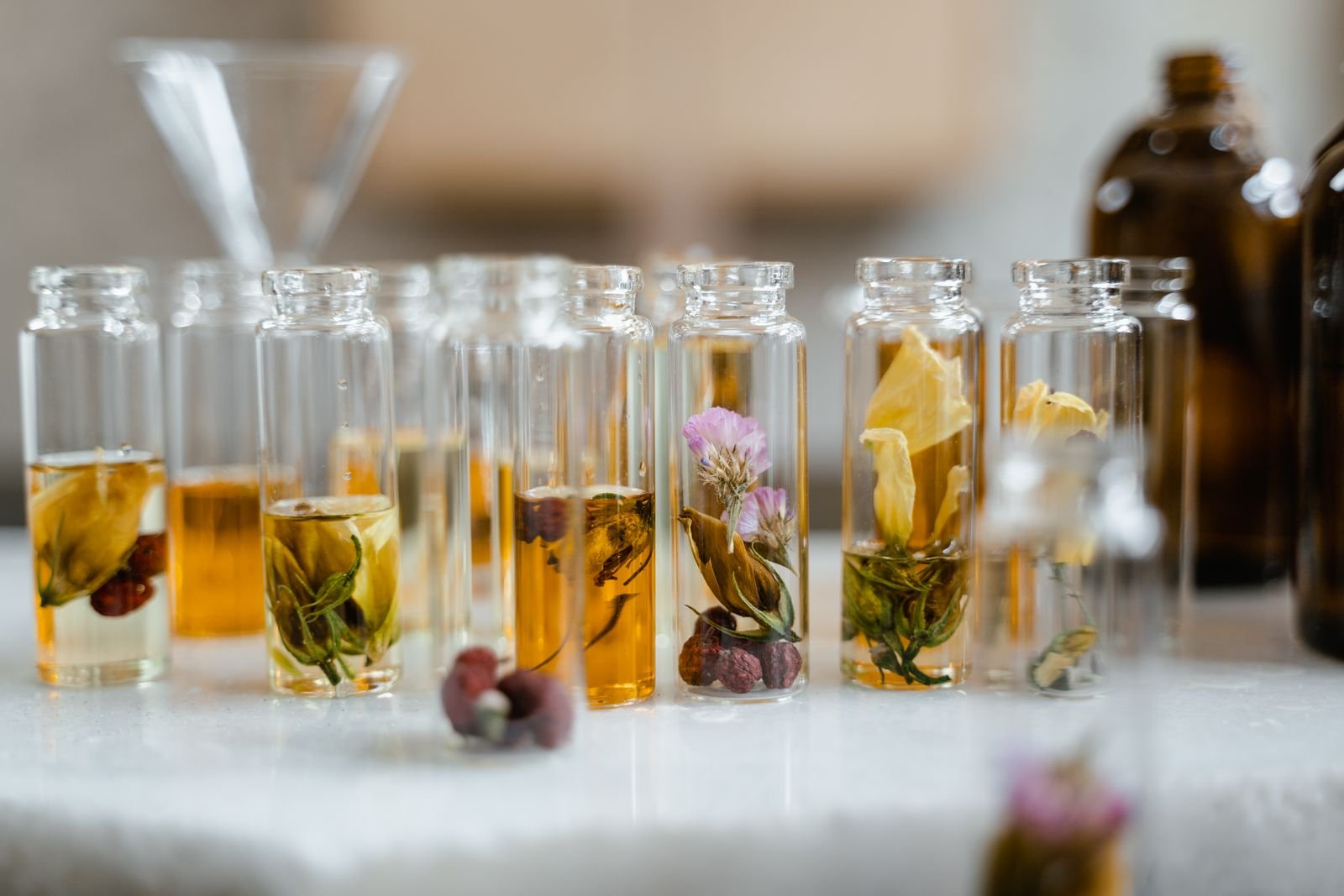
Ethanol in tinctures has intermediate polarity. It dissolves both water-soluble and lipophilic compounds simultaneously. This is why tinctures are more efficient than teas for certain compound classes. I made my own nettle root tincture using dried Urtica dioica root macerated in vodka. The extraction produces a completely different compound profile than nettle tea, pulling out lipophilic lignans alongside the water-soluble flavonoids.
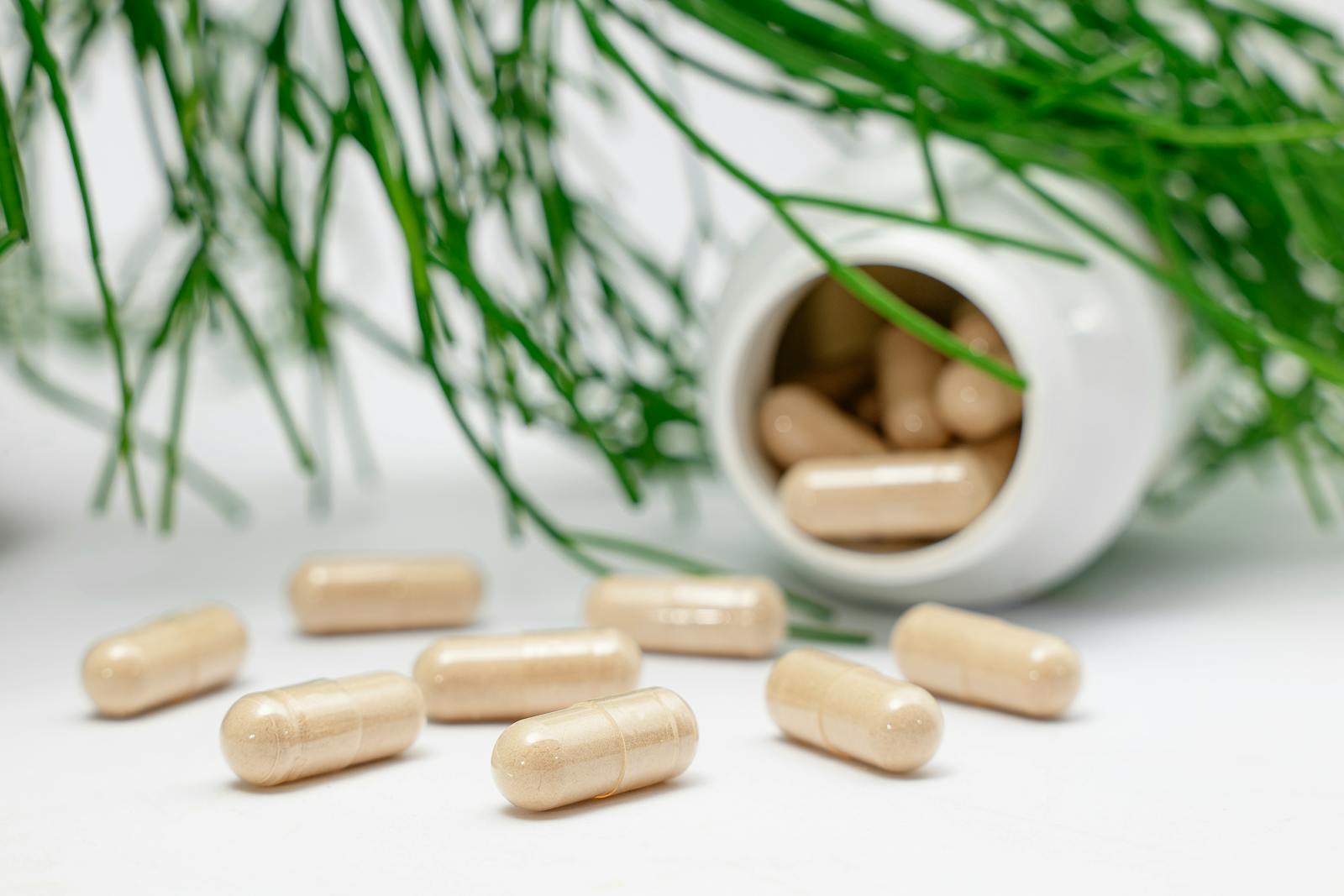
Capsules standardise compound content but the extraction work has already been done during manufacturing. What matters for capsules is the extraction method used and whether the active compound concentration is specified and verified by third party testing.
The Bioavailability Layer
Extraction is only the first question. The second is how much of what you extracted actually reaches its biological target.
For water-soluble flavonoids like chamomile apigenin and lemon balm rosmarinic acid, tea preparation and capsule preparation both deliver these compounds reasonably efficiently into the digestive system where they can be absorbed.
For lipophilic compounds the story is more complicated. Curcumin from turmeric is hydrophobic. Even if you extract it into an ethanol tincture it still has poor systemic bioavailability without fat and piperine. Valerenic acid from valerian is better absorbed from an ethanol tincture than from tea but still benefits from fat co-administration.
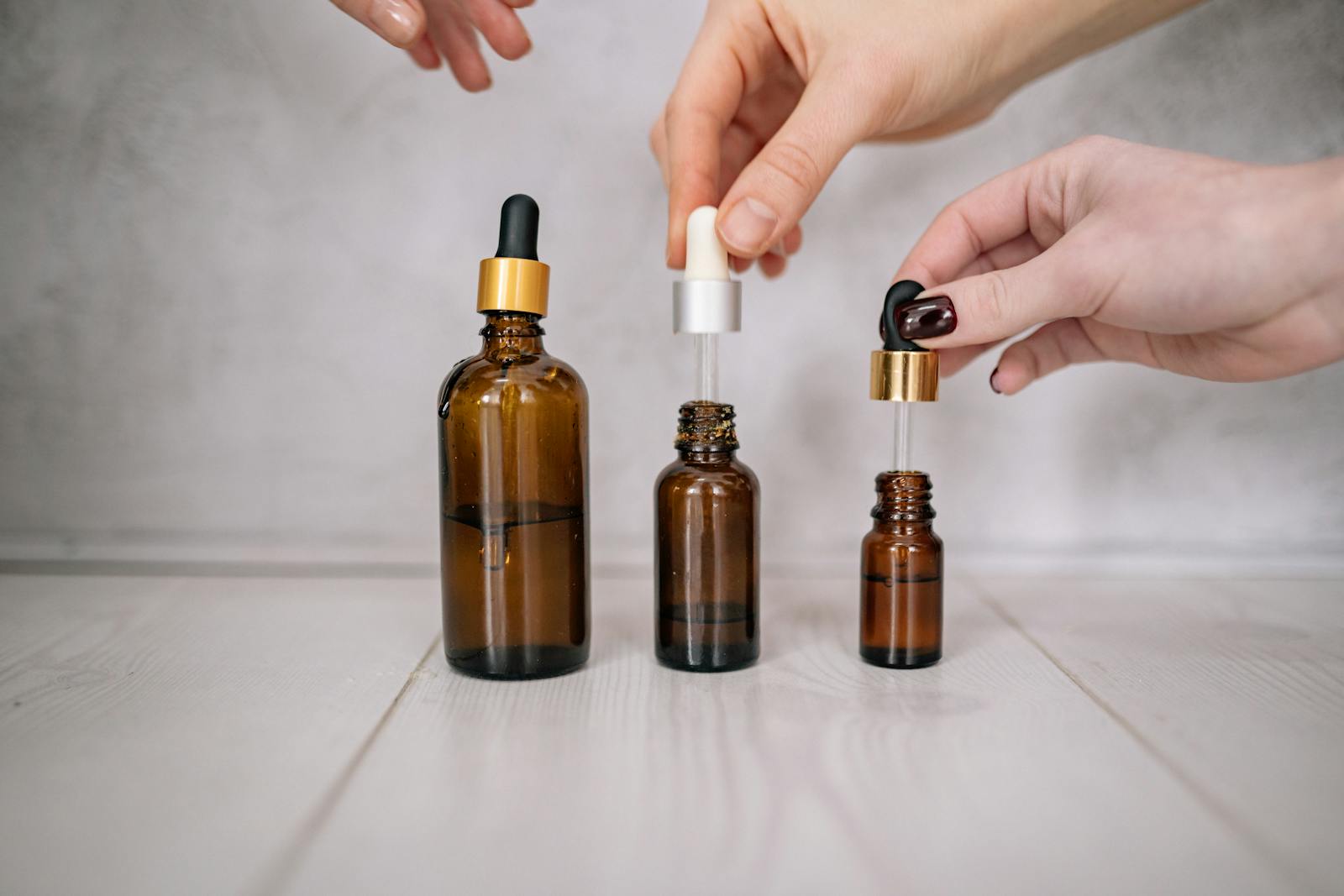
Sublingual tincture administration, holding the preparation under the tongue for 30 to 60 seconds, delivers compounds directly into the bloodstream bypassing first-pass liver metabolism. This is where tinctures genuinely outperform both teas and capsules for onset speed. Certain compounds that are rapidly metabolised in the liver reach systemic circulation more effectively through sublingual absorption.
Explore Quality Herbal Products at Homegrown Herbalist!
What I Actually Notice in Practice
I want to be direct about this because most herbal content either overclaims dramatic differences between formats or dismisses them entirely.
In my own experience at normal doses the perceived benefits of the same herb in different formats are broadly similar. I have not noticed a difference in effect between chamomile tea and a chamomile preparation in another format. The chemistry predicts differences. The lived experience at typical doses does not always reflect them clearly.
What really differs is the preparation experience itself.
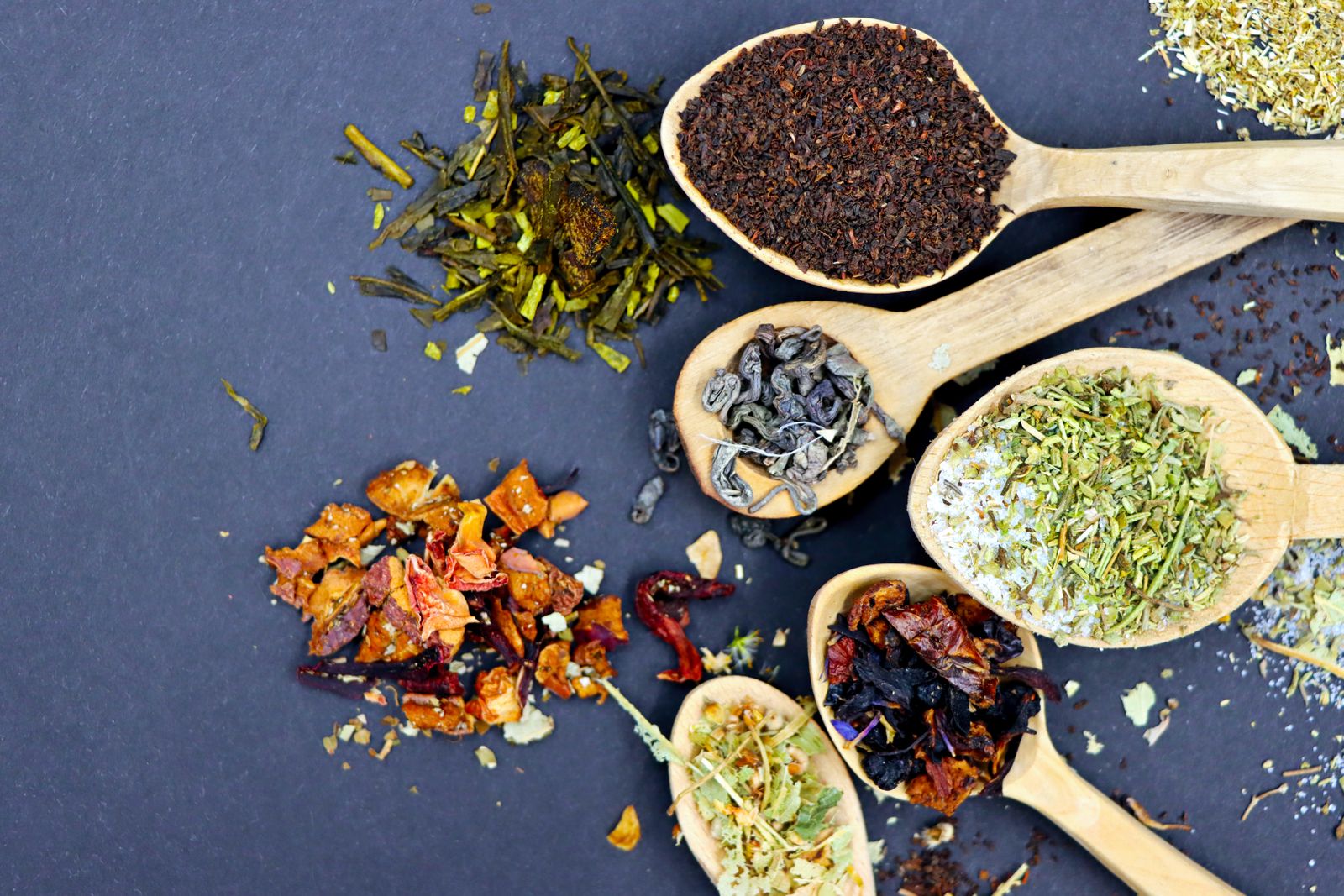
Brewing a tea involves a sensory process that capsules and tinctures entirely bypass. The aroma released during steeping, the warmth of the cup, the time spent waiting for it to steep. These are not irrelevant to the experience. There is something about handling dried plant material, smelling the volatile compounds releasing into steam, and drinking something that still resembles the plant it came from that creates a different relationship with the preparation than swallowing a capsule.
I find this connection valuable alongside the chemistry. Not instead of it. The two things coexist. The extraction chemistry is real and explains why certain formats deliver certain compound classes more efficiently. And the preparation ritual has its own value that does not need biochemical justification.
When Format Actually Matters
Despite my observation that perceived benefits are often similar at normal doses, there are specific situations where format genuinely matters based on the chemistry.
For lipophilic compounds in root herbs. Valerian valerenic acid, ashwagandha withanolides, kava kavalactones. Ethanol tinctures or lipid-based capsule preparations extract and deliver these compound classes more efficiently than teas. If you have tried valerian tea for sleep without results, a standardised tincture or extract capsule delivers meaningfully different compound concentrations.
For rapid onset applications. Tinctures administered sublingually produce faster onset than either teas or capsules for most compound classes. For acute applications like sudden anxiety or digestive discomfort, sublingual tincture is biochemically the most efficient format.
For consistency and long-term use. Standardised extract capsules with verified active compound content are the most reliable format for consistent dosing over extended periods. The variability in home-brewed tea preparation, water temperature, steeping time, plant material quality, all affect what you actually extract. Capsules remove that variability.
For the preparation experience and the sensory connection to the plant. Tea. There is no biochemical argument for tea over capsules in most cases. The argument is experiential and I think it is a legitimate one.
Quality Matters More Than Format
Whatever format you choose the quality of the starting material determines the ceiling of what is possible.
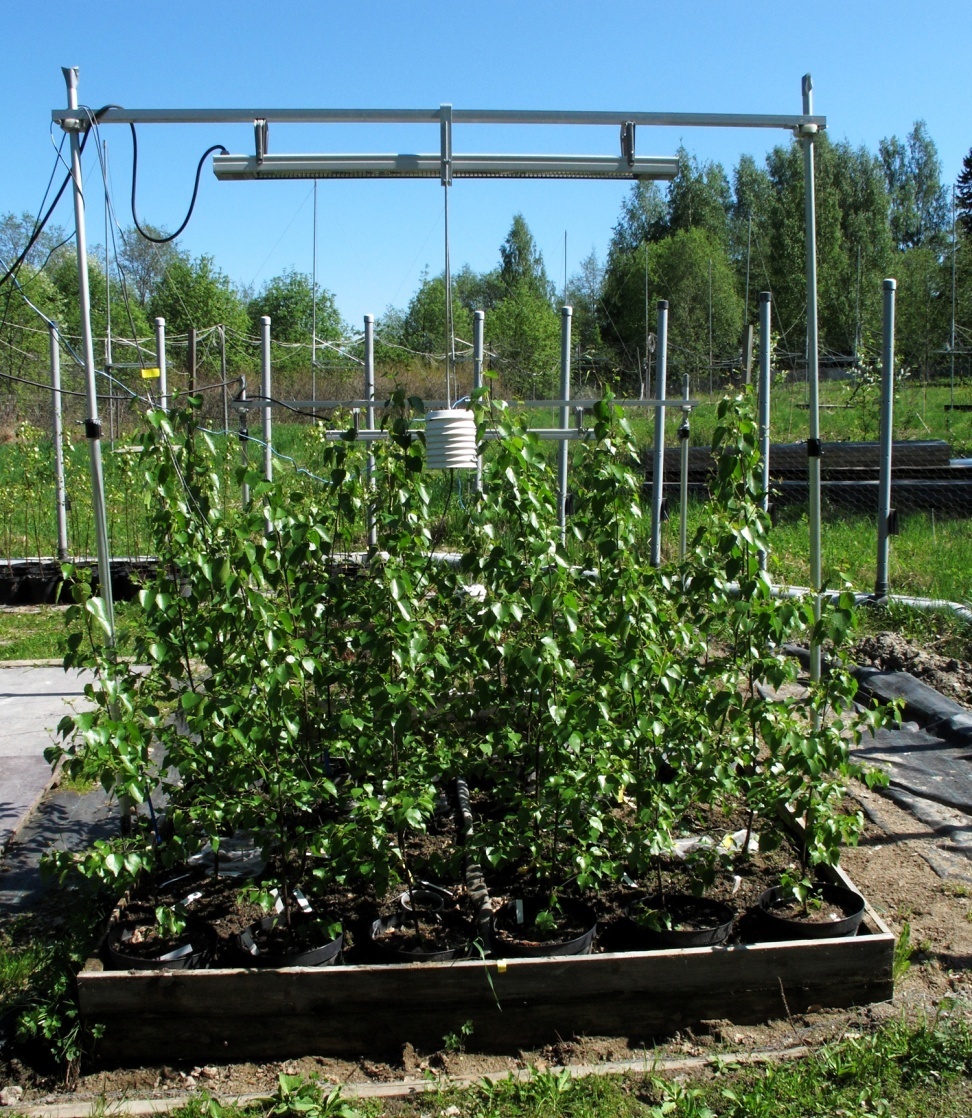
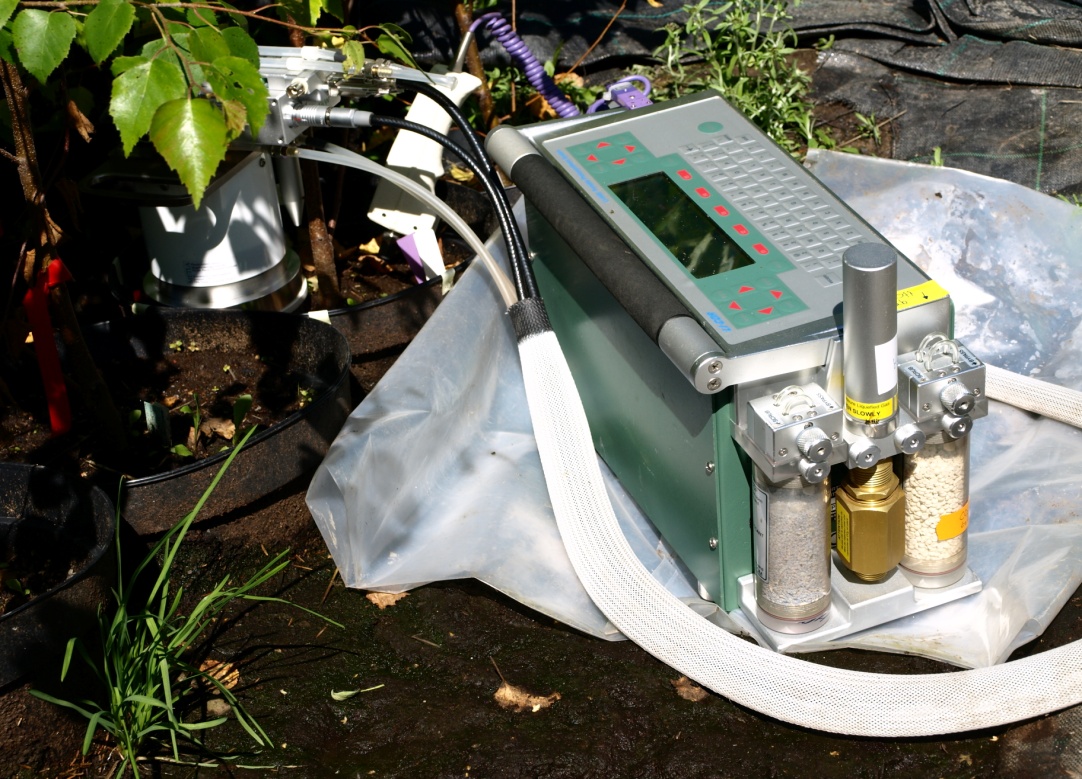
My field research measuring how environmental stress affects plant carbon allocation in silver birch taught me something directly applicable here. Growing conditions, pollutant exposure, harvest timing, and processing all affect what secondary metabolites are present in the plant material before it reaches any preparation stage. A poorly grown, early harvested, badly dried herb will not produce a good tea, tincture, or capsule regardless of how carefully you prepare it.
Organic cultivation from suppliers who understand secondary metabolite chemistry, proper harvest timing, careful low-temperature drying, and verified active compound content through third party testing matter more than which format you choose.
Summary
Choose tea when the active compounds are water-soluble, you value the preparation ritual, and you are using the herb regularly for gentle ongoing support.
Choose tincture when the active compounds are lipophilic, you need faster onset, or you want ethanol’s broader extraction spectrum. Sublingual administration for acute applications.
Choose capsules when consistency of dosing matters, you want verified active compound content, or you are using the herb long-term and want to remove preparation variability.
Combine formats when it makes sense for the specific herb and application. Peppermint tea for mild bloating. Valerian tincture for acute sleep difficulty. Ashwagandha extract capsule for consistent long-term stress support.
FAQs
Does the format of a herbal preparation actually matter?
Biochemically yes. Water extracts polar compounds. Ethanol extracts both polar and lipophilic compounds. Capsules standardise dose but depend on the extraction method used in manufacturing. For lipophilic compounds like valerenic acid and withanolides the format genuinely affects how much active compound you extract and absorb. For water-soluble flavonoids the differences are less dramatic at normal doses.
Are tinctures stronger than teas?
For lipophilic compounds yes, meaningfully. Ethanol extraction pulls compound classes that water cannot reach. For water-soluble flavonoids the difference is less significant. Sublingual tincture administration also produces faster onset than tea for most compounds by bypassing first-pass liver metabolism.
Why do some herbs work better as capsules?
Standardised extract capsules deliver verified active compound concentrations consistently regardless of preparation variability. For long-term adaptogen use like ashwagandha where consistent daily dosing over weeks produces the documented effects, capsules remove the variability of home brewing. They are also more practical for herbs with unpleasant taste profiles.
Is herbal tea as effective as supplements?
For water-soluble compounds at adequate concentrations yes. For lipophilic compounds no. Tea preparation cannot efficiently extract the same compound classes as ethanol tinctures or lipid-based capsule preparations. The effectiveness comparison depends entirely on which compounds in which herb you are trying to deliver.
Does the ritual of making tea add to its benefits?
Not biochemically. But the preparation process, the aroma, the warmth, the time taken, has genuine value in terms of the sensory experience and the relationship with the plant. I find this a legitimate reason to choose tea even when the biochemistry does not strongly favour it over other formats.
Looking for a Complete Guide to Herbal Tea?
I’ve put together a complete guide on picking good herbs, storing them so they stay fresh, and brewing each type the right way.
Covers choosing, storing, and brewing, so you get the most out of every cup.

