






This article was written by Serge, MSc. Plant Biologist and Environmental Scientist with a BSc in Plant Biology and an MSc in Environmental Biology and Biogeochemistry. My background covers plant biochemistry, botany, and field research in forest and soil ecosystems. I write from real experience, not just literature.
Affiliate disclosure: This site has affiliate links, including Amazon. As an Amazon Associate I earn from qualifying purchases, at no extra cost to you.
Most fermentation content focuses on the practical side. Pack herbs in a jar, add salt, wait a week. That part is simple enough.
What most content misses is the chemistry. What is actually happening to the plant secondary metabolites during those days in the brine. Why does harsh raw garlic become mild and tangy. Why does ginseng become more bioavailable after fermentation. These are the questions I find genuinely interesting and the answers come from microbiology and plant biochemistry, two areas I studied directly during my BSc training.
My microbiology coursework covered Lactobacillus in detail. Not just the name but how these bacteria actually behave. How they grow through lag phases into exponential growth, how we plotted those growth curves using exponential formulas, and how lactic acid bacteria are applied in biotechnology contexts including industrial yogurt production. Understanding Lactobacillus behaviour at that level is what makes the chemistry of fermented herbs readable for me rather than mysterious.
My plant biochemistry studies then gave me the secondary metabolite side. The same organosulfur compounds in garlic, ginsenosides in ginseng, curcuminoids in turmeric that I have written about across multiple articles on this site all behave differently after lacto-fermentation. Once I understood both sides, the microbiology and the plant chemistry, the logic of fermented herbs became very clear.
What Is Lacto-Fermentation
Lacto-fermentation uses naturally occurring Lactobacillus bacteria to transform plant material in a salt brine environment. The bacteria consume sugars in the plant tissue and produce lactic acid as a metabolic byproduct. The lactic acid drops the pH of the brine creating an acidic environment that preserves the plant material and inhibits pathogenic bacteria.
This is different from alcohol fermentation which uses yeasts to produce ethanol. It is different from vinegar fermentation which produces acetic acid. Lacto-fermentation produces lactic acid specifically and that acidic environment is what drives the secondary metabolite transformations.
From my microbiology training I know that Lactobacillus growth follows exponential kinetics. An initial lag phase where bacteria adapt to the new environment is followed by rapid exponential growth as populations multiply consuming available sugars and producing lactic acid. The pH drop during this exponential phase drives most of the chemical transformations in the plant material. Once pH drops sufficiently even Lactobacillus activity slows creating the stable preserved state of a finished ferment.
The salt concentration matters. Too little salt allows pathogenic bacteria to compete with Lactobacillus before lactic acid production can establish dominance. Too much salt inhibits Lactobacillus activity. The standard 20 to 30 grams of sea salt per litre creates the right selective environment for Lactobacillus to dominate.
What Fermentation Does to Garlic Chemistry
Garlic is the clearest example I know of fermentation transforming secondary metabolite chemistry in a directly observable way.
Allium sativum contains alliin stored separately from the enzyme alliinase in different cellular compartments. When garlic is crushed alliinase converts alliin to allicin almost instantly. Allicin is volatile and unstable. It degrades rapidly producing various organosulfur compounds. I covered this mechanism in detail in my medicinal plants article because it explains why crushing garlic and waiting ten minutes before cooking produces more allicin than adding uncrushed garlic directly to heat.
During lacto-fermentation something different happens. The acidic lactic acid environment and extended maceration time drive a different transformation pathway. Allicin and its degradation products convert progressively to S-allyl cysteine, a stable water-soluble organosulfur compound with significantly higher bioavailability than allicin itself.
Research confirms that fermentation increases S-allyl cysteine content in garlic with documented cardiovascular and antioxidant activity. You can read the study here.
The flavour change reflects this transformation directly. The harsh burning quality of raw garlic comes from allicin and its immediate degradation products. As these convert to S-allyl cysteine the harshness reduces and a softer tangy character develops. You are tasting secondary metabolite transformation in real time.

What Fermentation Does to Ginseng Chemistry
Panax ginseng is one of the herbs I find most interesting from a fermentation chemistry perspective precisely because the transformation mechanism connects so directly to what I studied in my biochemical techniques coursework.
Ginseng root contains ginsenosides, triterpene saponins built through the MVA isoprenoid pathway as root defence chemistry. The ginsenoside profile in raw ginseng includes high molecular weight glycosylated compounds with relatively poor intestinal absorption.
During fermentation microbial glycosidase enzymes cleave sugar residues from these compounds producing smaller deglycosylated ginsenosides including compound K with significantly higher bioavailability. This glycoside hydrolysis is exactly the type of enzymatic reaction I studied in biochemical techniques. Glycosidase enzymes cleaving sugar attachments from glycosylated substrates is fundamental biochemistry. In the fermentation context microbial enzymes do efficiently what human digestive enzymes often cannot complete, making the resulting ginsenosides far more accessible.
Research confirms that fermentation raises levels of bioactive ginsenosides with documented effects on cognitive function and energy metabolism. You can read the study here.

What Fermentation Does to Ginger Chemistry
Zingiber officinale contains gingerols and shogaols as primary bioactive compounds. Gingerols predominate in fresh rhizome. Shogaols form from gingerols through dehydration during drying.
During lacto-fermentation the acidic environment and microbial activity transform the phenylpropanoid compound profile further. Antioxidant capacity measurably increases in fermented ginger compared to raw material through the production of new phenolic compounds during microbial metabolism.
What I find particularly interesting about ginger fermentation is how clearly the chemistry shows up in the taste. The sharp burning quality of raw ginger transforms into something noticeably brighter and less aggressive. That flavour shift is not just perception. It reflects a real change in the compound profile.
Research confirms that fermentation boosts antioxidant levels while softening ginger’s flavour profile. You can read the study here.

What Fermentation Does to Turmeric Chemistry
Curcuma longa curcuminoids have the well-documented bioavailability problem I covered in detail in my turmeric article. Curcumin is hydrophobic and poorly absorbed from water-based preparations without fat and piperine from black pepper.
Fermentation offers a partial solution through a different mechanism. Microbial metabolism during lacto-fermentation produces compounds that improve the intestinal absorption environment for curcumin. The lactic acid itself affects intestinal pH in ways that may improve curcumin solubility locally.
I find this interesting because it represents a third bioavailability strategy alongside fat co-administration and piperine. Not a replacement for those approaches but a complementary one. Research confirms that fermentation improves curcumin bioavailability and the effect is even stronger when combined with black pepper. You can read the study here.

How to Ferment Herbs at Home
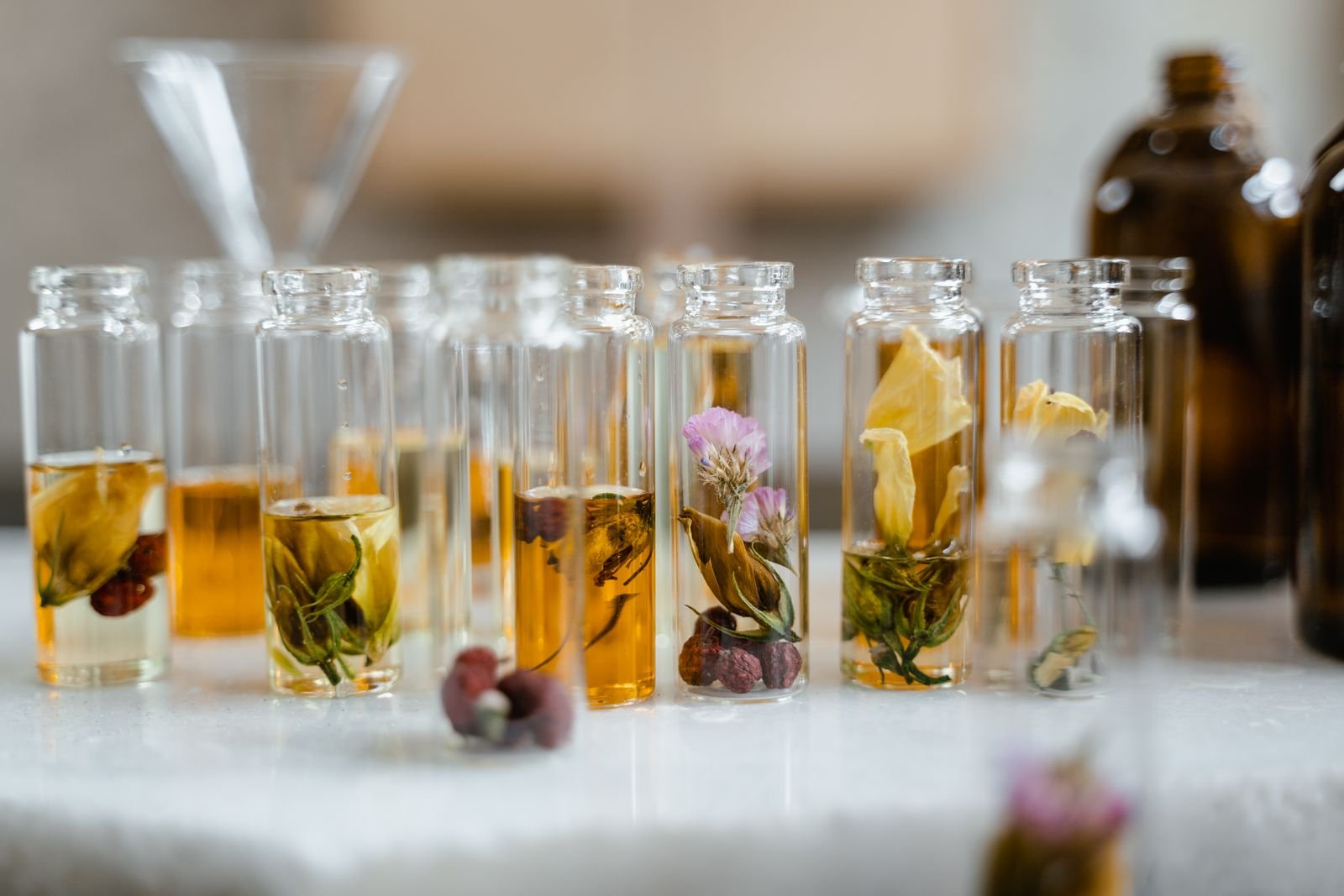
The method is simple. A clean glass jar, sea salt, water, and your herb of choice.
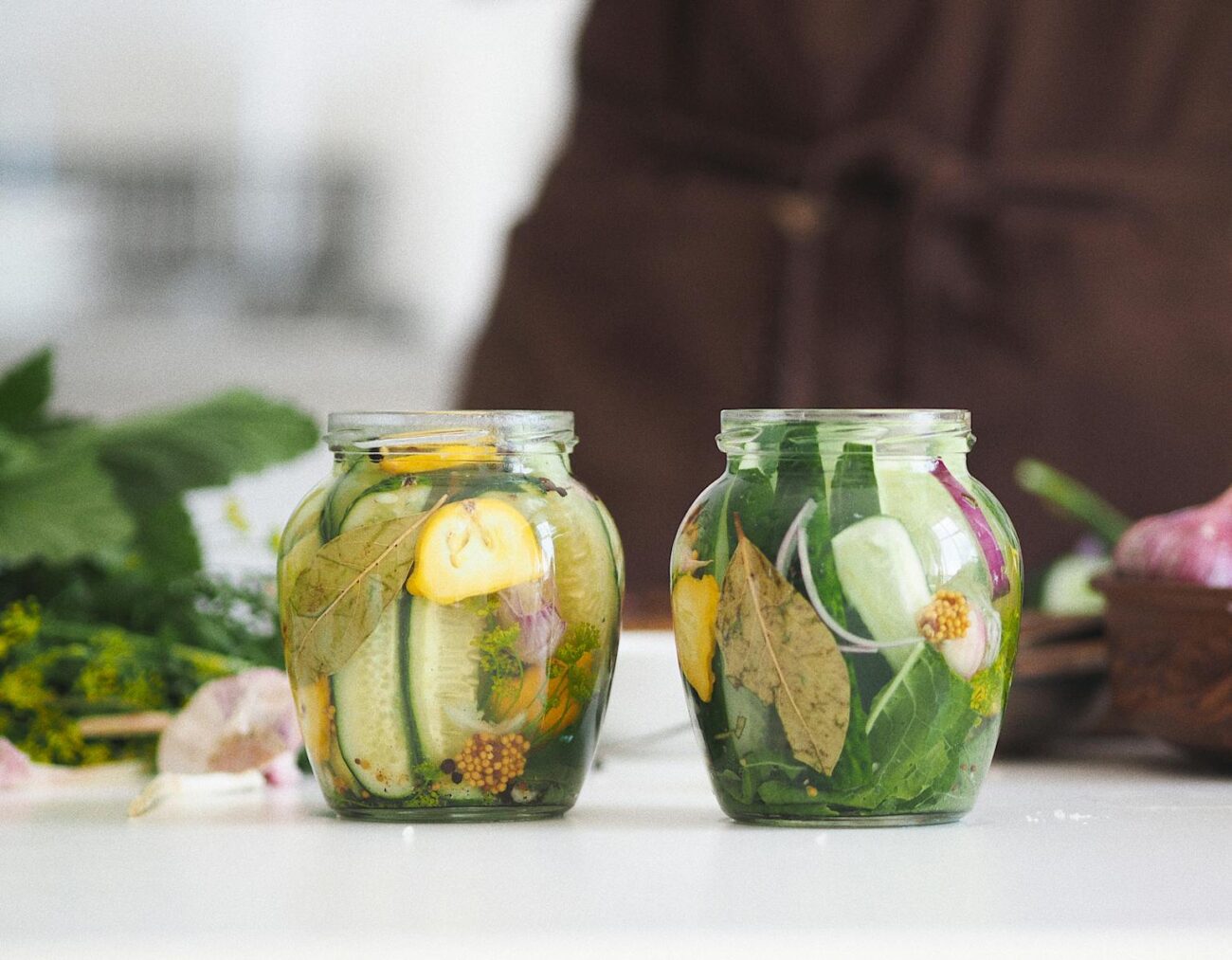
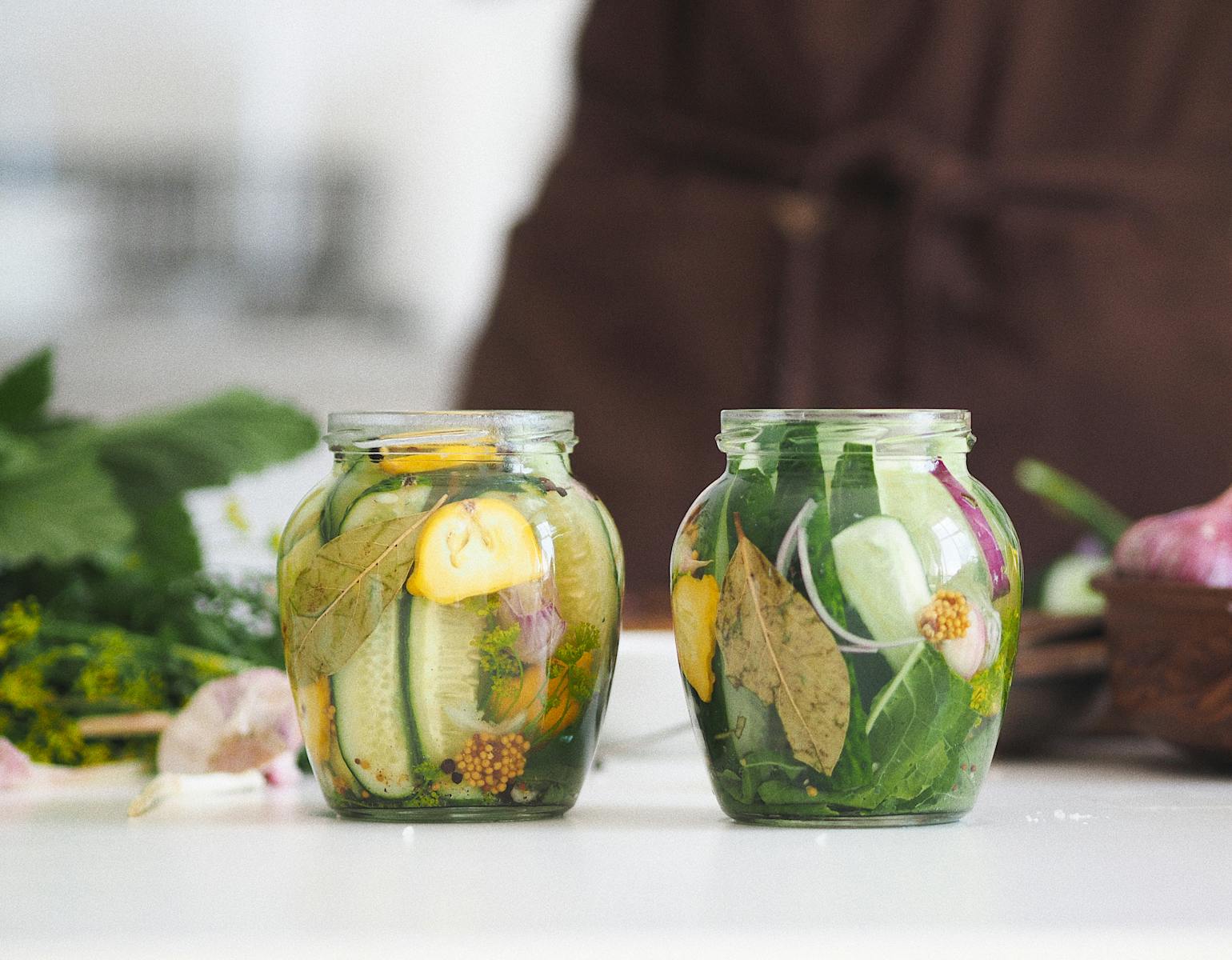
Dissolve 20 to 30 grams of sea salt in one litre of room temperature water. Prepare your herb. Peel garlic cloves, slice ginger or turmeric into coins, or chop ginseng root. Pack the herb into a clean jar. Pour brine over until everything is fully submerged. Cover loosely to allow carbon dioxide produced during fermentation to escape without letting air in freely.
Leave at room temperature for five to ten days. Small bubbles forming in the brine indicate active Lactobacillus fermentation, exactly the kind of exponential growth activity I plotted in microbiology practicals. The brine will turn slightly cloudy as bacterial populations establish and lactic acid accumulates. Taste from day five onward. Sour and tangy with reduced harshness means the fermentation is working.
Once the flavour reaches your preference move the jar to the refrigerator. Cold temperatures slow Lactobacillus activity significantly extending shelf life to several months.
The one rule that matters most is keeping plant material fully submerged under the brine at all times. Any material exposed to air above the brine line will develop mould. A small weight or folded piece of cabbage leaf pressed over the top keeps everything under.
Which Herbs Respond Well to Fermentation
From what I know about the secondary metabolite chemistry these are the ones with the strongest case for fermentation:
Garlic (Allium sativum). S-allyl cysteine increase from allicin transformation. Strong evidence. Most accessible starting point for home fermentation.
Ginseng (Panax ginseng). Ginsenoside deglycosylation producing more bioavailable minor ginsenosides. Well documented. Worth the effort given ginseng’s cost.
Ginger (Zingiber officinale). Antioxidant capacity increase and flavour softening. Good evidence and noticeably different taste result.
Turmeric (Curcuma longa). Curcumin bioavailability improvement. Moderate evidence, strongest when combined with piperine.
Nettle (Urtica dioica). Mineral availability improvement through reduction of oxalic acid content during fermentation. Less studied but mechanistically plausible based on what I know about oxalic acid chemistry.
FAQs
Does fermentation improve herb bioavailability?
For specific compound classes yes. Garlic S-allyl cysteine increases significantly. Ginseng minor ginsenoside content increases through glycoside hydrolysis. Curcumin bioavailability improves. Each mechanism is documented in peer-reviewed research linked in this article.
How long should you ferment herbs?
Five to ten days at room temperature. Taste from day five. Sour and tangy with reduced harshness means it is ready. Move to refrigerator at that point to slow fermentation.
How do you know if fermentation has gone wrong?
Active fermentation produces bubbles and a sour tangy smell. Rotten or putrid smell means contamination. Mould on plant material above the brine line means discard the batch entirely.
Are fermented herbs the same as probiotic supplements?
No but they contain live Lactobacillus if consumed before refrigeration stops active fermentation. The probiotic effect is separate from the secondary metabolite transformation effects. Both may contribute to the overall benefit.
Can you ferment dried herbs?
Fresh material ferments more reliably. Dried herbs can be rehydrated and fermented but results are less consistent. Fresh garlic, ginger, and turmeric rhizome are the most reliable starting materials for home fermentation.

