










This article was written by Serge, MSc. Plant Biologist and Environmental Scientist with a BSc in Plant Biology and an MSc in Environmental Biology and Biogeochemistry. My background covers plant biochemistry, botany, and field research in forest and soil ecosystems. I write from real experience, not just literature.
Affiliate disclosure: This site has affiliate links, including Amazon. As an Amazon Associate I earn from qualifying purchases, at no extra cost to you.
Plants produce secondary metabolites for their own survival. Not for us. But certain compound classes have biological activity in the human body that makes them interesting from a plant biochemistry perspective.
Several plants traditionally associated with men’s wellness contain well-studied secondary metabolite compound classes. My MSc training in plant biochemistry and ecotoxicology covered the biosynthetic pathways that produce these compounds and how bioactive plant compounds interact with biological systems at different doses and concentrations. Understanding why plants make these compounds ecologically tells you something real about how they interact with mammalian biology.
This article covers the plant chemistry. It is not medical advice. Anyone with specific health concerns should work with a healthcare provider.
Fenugreek (Trigonella foenum-graecum)
Fenugreek seeds contain furostanolic saponins, steroidal compounds produced through the isoprenoid pathway. Saponins are produced primarily as feeding deterrents. Their bitter foaming quality makes plant tissue less palatable to insects and herbivores.
The steroidal structure of furostanolic saponins is chemically similar to mammalian steroid hormones, a consequence of shared biosynthetic ancestry rather than evolutionary design. The MVA isoprenoid pathway that builds plant saponins is the same pathway that builds mammalian cholesterol and steroid hormones. That shared molecular architecture is why steroidal saponins show biological activity in mammalian endocrine systems. A randomised placebo-controlled clinical investigation found that a fenugreek seed extract standardised for furostanolic saponins produced measurable effects on lean body mass and serum testosterone in healthy male subjects. You can read the full study here.
Fenugreek seeds also contain 4-hydroxyisoleucine, an unusual amino acid with documented effects on insulin secretion. The seeds are nutritionally dense with significant fibre, protein, and mineral content alongside the saponin fraction.

Ashwagandha (Withania somnifera)
Withanolides are steroidal lactones produced through the MVA isoprenoid pathway, concentrated in ashwagandha roots as antimicrobial and feeding deterrent defence chemistry in the dry rocky soils where this plant grows naturally.
Withanolides modulate HPA axis activity reducing cortisol responses to chronic stress. This is the primary documented mechanism with the strongest clinical evidence base. The steroidal structure allows direct interaction with glucocorticoid receptor signalling.
My ecotoxicology training covered how bioactive compounds interact with biological systems at different doses and concentrations. Ashwagandha is a good example of a plant where the dose-response relationship matters significantly. The therapeutic window is real but so are the interactions with medications at higher doses.
Ashwagandha is one of the better evidenced adaptogenic plants with consistent clinical data across multiple controlled trials for stress reduction and general wellbeing outcomes.

Saw Palmetto (Serenoa repens)
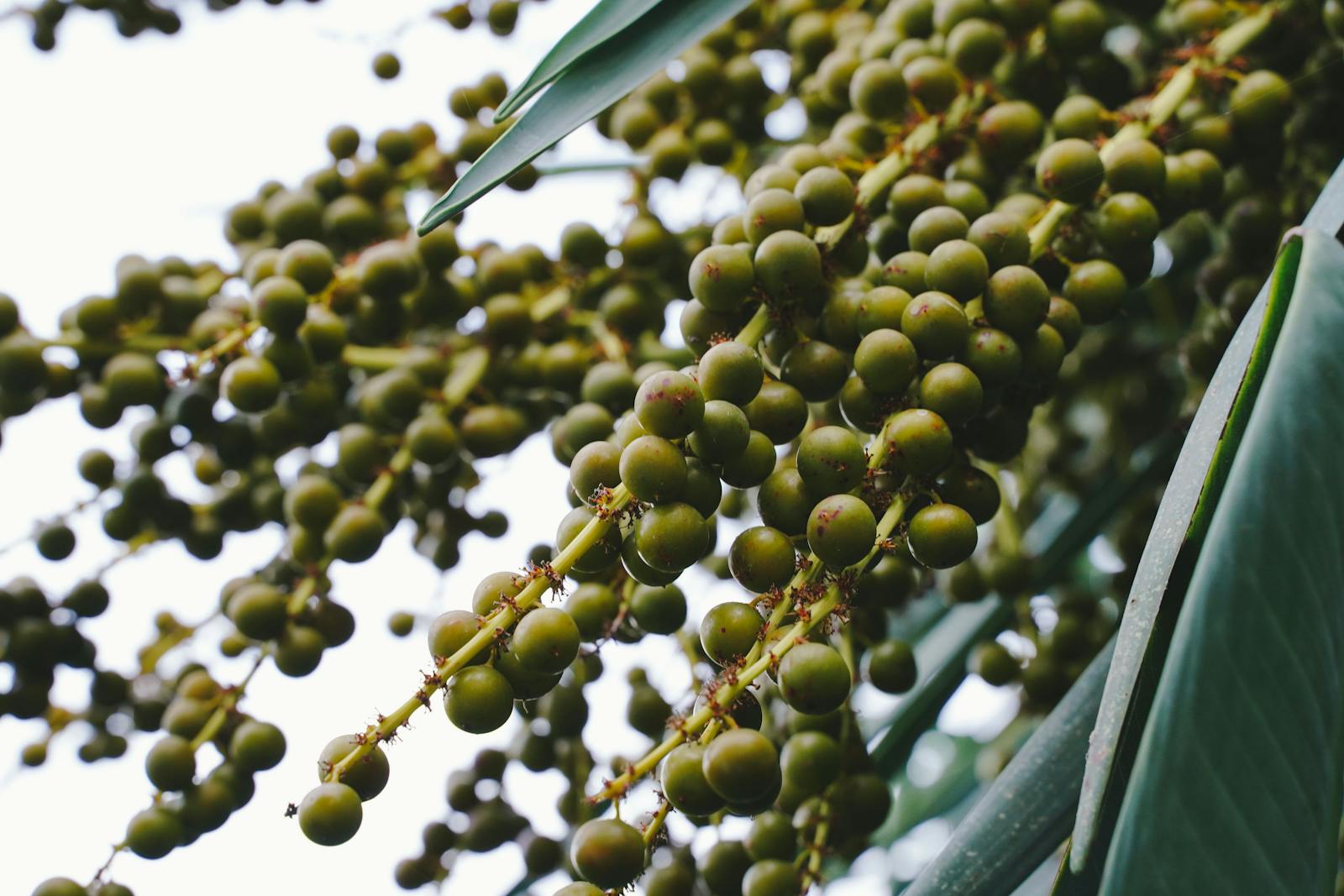
Saw palmetto berries contain fatty acids and phytosterols as their primary bioactive compounds. The fatty acid profile includes lauric, oleic, myristic, and palmitic acids. Phytosterols including beta-sitosterol are produced through the MVA pathway as membrane structural components and feeding deterrents.
Beta-sitosterol and related phytosterols inhibit 5-alpha reductase, the enzyme that converts testosterone to dihydrotestosterone. This is a documented biochemical mechanism studied in multiple clinical contexts.
Saw palmetto is one of the more studied plant extracts in urology research with multiple controlled trials examining its effects on urinary symptoms associated with benign prostatic hyperplasia. The evidence is moderate and consistent enough to take seriously.
Ginseng (Panax ginseng)
Panax ginseng produces ginsenosides as its primary secondary metabolites. Ginsenosides are triterpene saponins built through the MVA isoprenoid pathway, produced in the root as feeding deterrents and antimicrobial defence compounds.
Ginsenosides modulate multiple neurotransmitter systems and affect nitric oxide synthesis in vascular endothelium. Nitric oxide is a vasodilatory signalling molecule produced endogenously that affects blood vessel tone and circulation.
What I find interesting about ginsenoside research is the diversity of the compound class. Different ginsenosides have different and sometimes opposing biological activities. Rb1 and Rg1 ginsenosides for example have distinct pharmacological profiles. A product standardised to total ginsenoside content without specifying the profile is harder to evaluate than one specifying individual ginsenoside ratios.
The clinical evidence for ginseng covers fatigue reduction, cognitive function, and circulatory effects across multiple controlled trials. The evidence base is substantial compared to most herbal supplements.

Nettle Root (Urtica dioica)
Urtica dioica root contains lignans, polysaccharides, and lectins as primary bioactive compounds. Lignans are phenylpropanoid compounds produced through the same biosynthetic pathway as rosmarinic acid in sage and caffeic acid derivatives in echinacea.
Plant lignans including 3,4-divanillyltetrahydrofuran from nettle root have documented binding affinity for sex hormone binding globulin, a plasma protein that binds steroid hormones in circulation reducing their bioavailability. Research published in PubMed shows nettle root compounds interact with SHBG through this binding mechanism. You can read the study here.
Nettle is also nutritionally significant with high mineral content including iron, calcium, and magnesium, and meaningful flavonoid content with antioxidant activity. The aerial parts and root have different compound profiles and different traditional applications.

Maca Root (Lepidium meyenii)
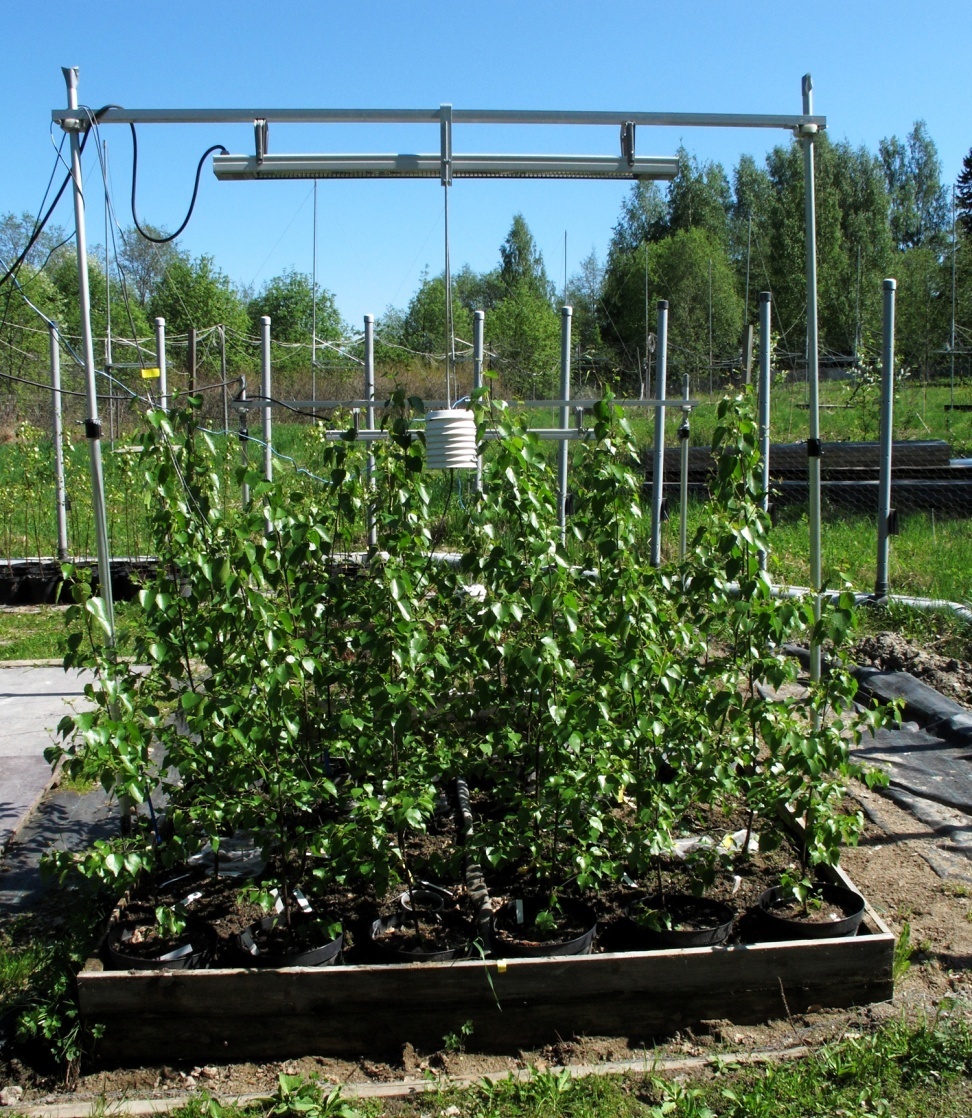
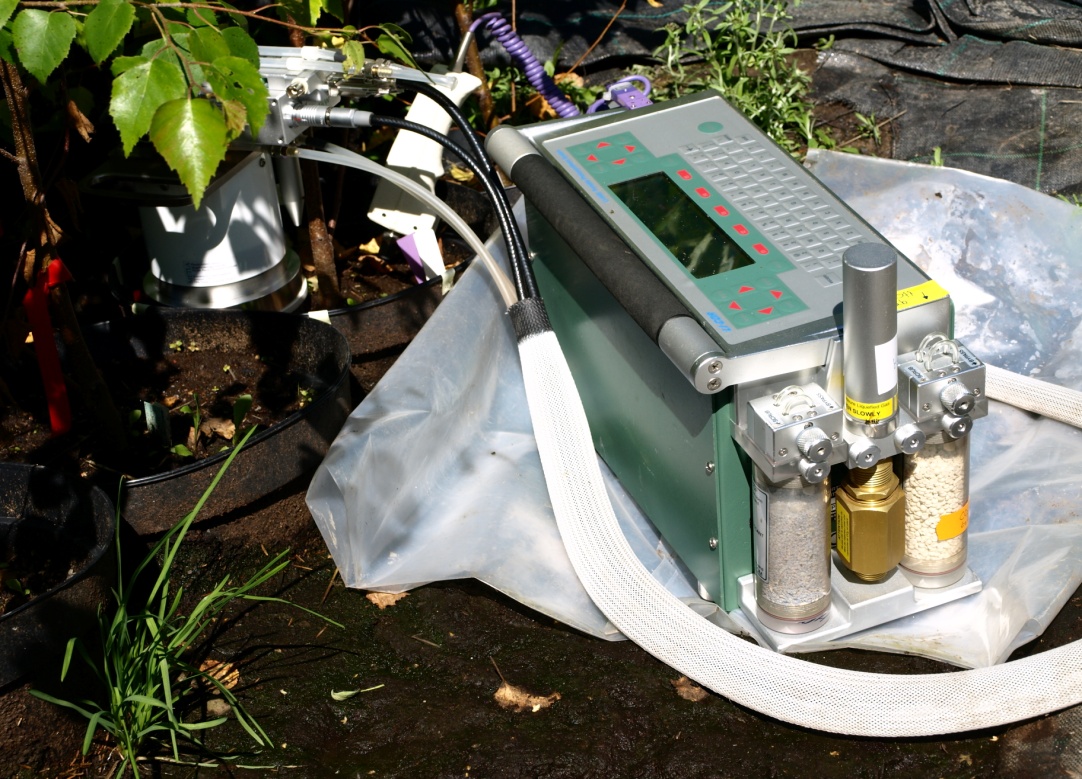
Lepidium meyenii is a Brassicaceae family plant growing at high altitude in the Andes under intense UV radiation, cold, and low oxygen. These are exactly the conditions that drive heavy secondary metabolite investment based on the stress chemistry principles I measured directly in my field research on silver birch under environmental stress.
Maca produces glucosinolates, macamides, and macaenes as its primary secondary metabolites. Macamides are unique fatty acid amides found only in maca. Their biosynthesis and ecological function are less well characterised than the compound classes in the other herbs discussed here.
The clinical evidence for maca focuses primarily on subjective wellbeing, energy, and mood outcomes rather than direct hormonal measurements. The mechanistic basis is not as clearly defined as for ashwagandha or ginseng. What makes maca interesting from a plant biochemistry perspective is its extreme altitude adaptation and the unique secondary metabolite profile that stress produces.

Growing These Plants
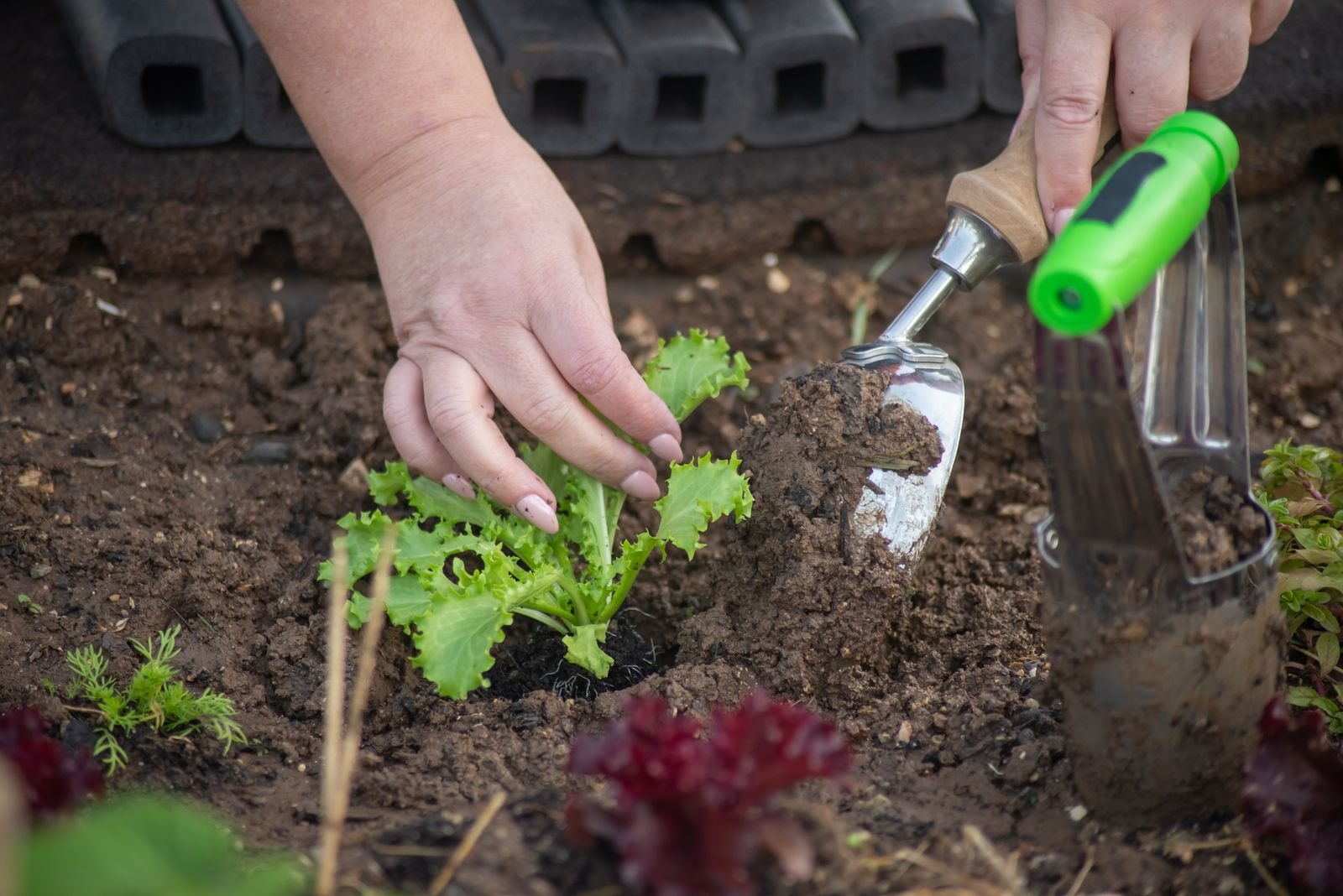
Several of these species are surprisingly accessible to grow.
Fenugreek (Trigonella foenum-graecum) germinates quickly from seed and grows rapidly in warm conditions completing its life cycle within a few months.
Ashwagandha (Withania somnifera) prefers warm dry conditions and well-drained lean soil. It grows as a perennial in warm climates and as an annual in cooler northern regions.
Nettle (Urtica dioica) establishes readily in most temperate European and North American gardens requiring minimal intervention. It spreads aggressively once established. Gloves when harvesting.
Growing conditions affect secondary metabolite profiles in all these species. Plants under genuine environmental pressure invest more heavily in secondary metabolite production than those in optimal cultivation conditions. The same stress chemistry principle I observed in my field research measuring how silver birch allocated carbon differently under ozone and temperature stress applies directly here.
Quality Considerations
Standardised extracts with specified active compound content are more reliable than non-standardised preparations.
Fenugreek products should specify furostanolic saponin content. Ashwagandha products should specify withanolide percentage. Ginseng products should ideally specify individual ginsenoside ratios not just total ginsenoside content. Saw palmetto products should specify fatty acid and phytosterol content.
My Quality Control of Chemical and Environmental Measurements training covered how analytical standardisation works and where it breaks down. The principle applies directly here. A label claiming a compound is present means nothing without verified analytical testing confirming the amount. Third party testing verification is the most reliable quality indicator available to consumers.
None of these plants should replace prescribed medication for diagnosed conditions. They are most appropriately used as supportive additions alongside healthy lifestyle practices and with healthcare provider awareness if you are taking other medications.
FAQs
What secondary metabolites make these plants biologically active?
Furostanolic saponins in fenugreek, withanolides in ashwagandha, fatty acids and phytosterols in saw palmetto, ginsenosides in ginseng, lignans in nettle root, and macamides in maca. Each compound class is produced through specific biosynthetic pathways for ecological defence purposes and interacts with mammalian biology through mechanisms related to their molecular structure.
Why do plants produce these compounds?
Primarily as feeding deterrents, antimicrobial agents, and stress response compounds. The steroidal saponins that interact with mammalian endocrine systems evolved as defence chemistry not as health compounds for humans. The biological activity in mammals is a consequence of shared molecular architecture between plant defence chemistry and mammalian signalling systems.
Do growing conditions affect potency?
Significantly. Plants under environmental stress invest more in secondary metabolite production. High altitude maca, wild harvested nettle from stressed habitats, and traditionally grown fenugreek may have different compound profiles than commercially cultivated equivalents grown in optimal conditions.
How do you evaluate supplement quality?
Standardised active compound content with third party testing verification. Ashwagandha standardised to withanolide percentage. Ginseng standardised to individual ginsenoside ratios. Fenugreek standardised to saponin content. Products without these specifications have unknown active compound concentrations regardless of what the label claims.
Are these plants safe to use daily?
Most have reasonable short to medium term safety profiles at normal doses. Interactions with medications are possible for several of these plants particularly ginseng and ashwagandha. Anyone on prescription medications should discuss use with their healthcare provider before adding herbal supplements.
Which of these has the strongest evidence base?
Ashwagandha and ginseng have the most consistent clinical evidence across multiple controlled trials. Saw palmetto has moderate but consistent evidence for specific urinary applications. Fenugreek and nettle root have reasonable mechanistic evidence but fewer high quality clinical trials. Maca has the least clearly defined mechanisms despite reasonable clinical data on subjective outcomes.

