












This article was written by Serge, MSc. Plant Biologist and Environmental Scientist with a BSc in Plant Biology and an MSc in Environmental Biology and Biogeochemistry. My background covers plant biochemistry, botany, and field research in forest and soil ecosystems. I write from real experience, not just literature.
Affiliate disclosure: This site has affiliate links, including Amazon. As an Amazon Associate I earn from qualifying purchases, at no extra cost to you.
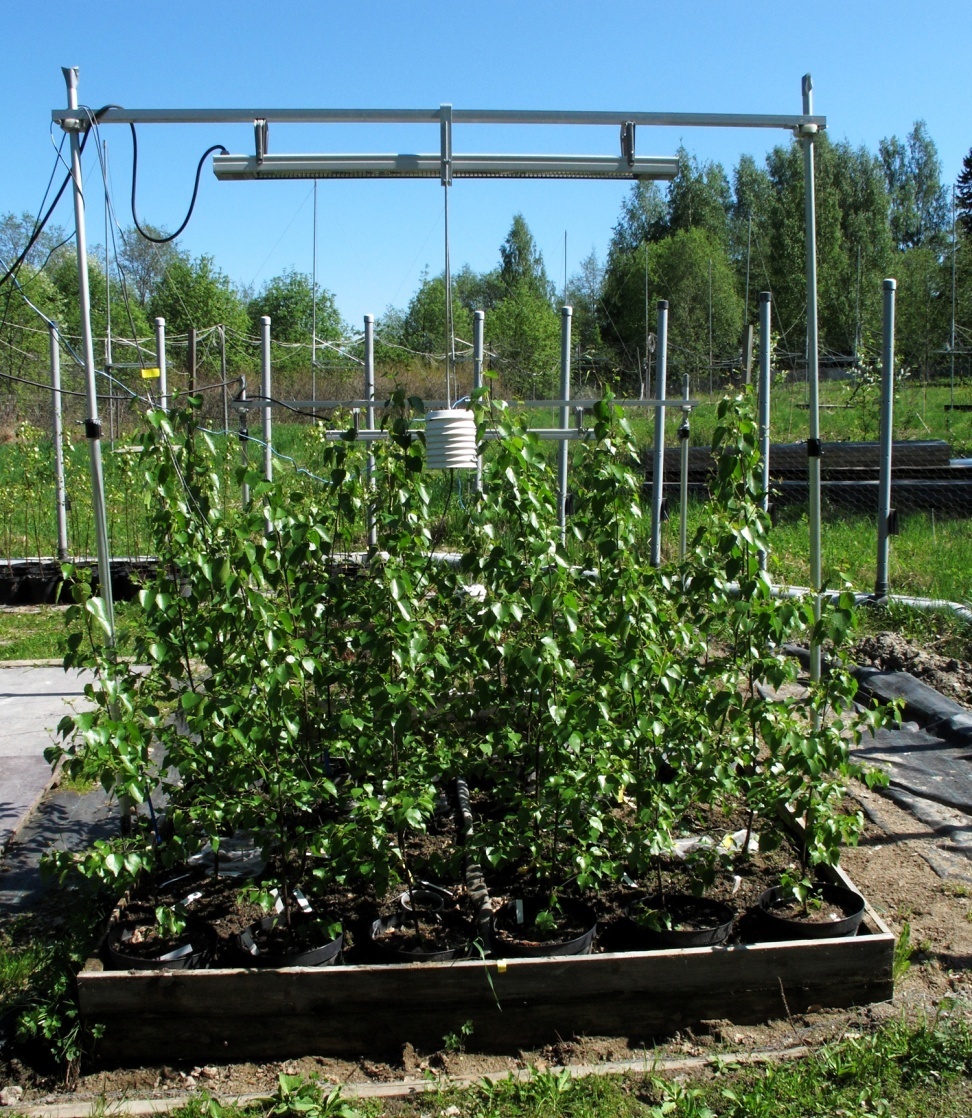
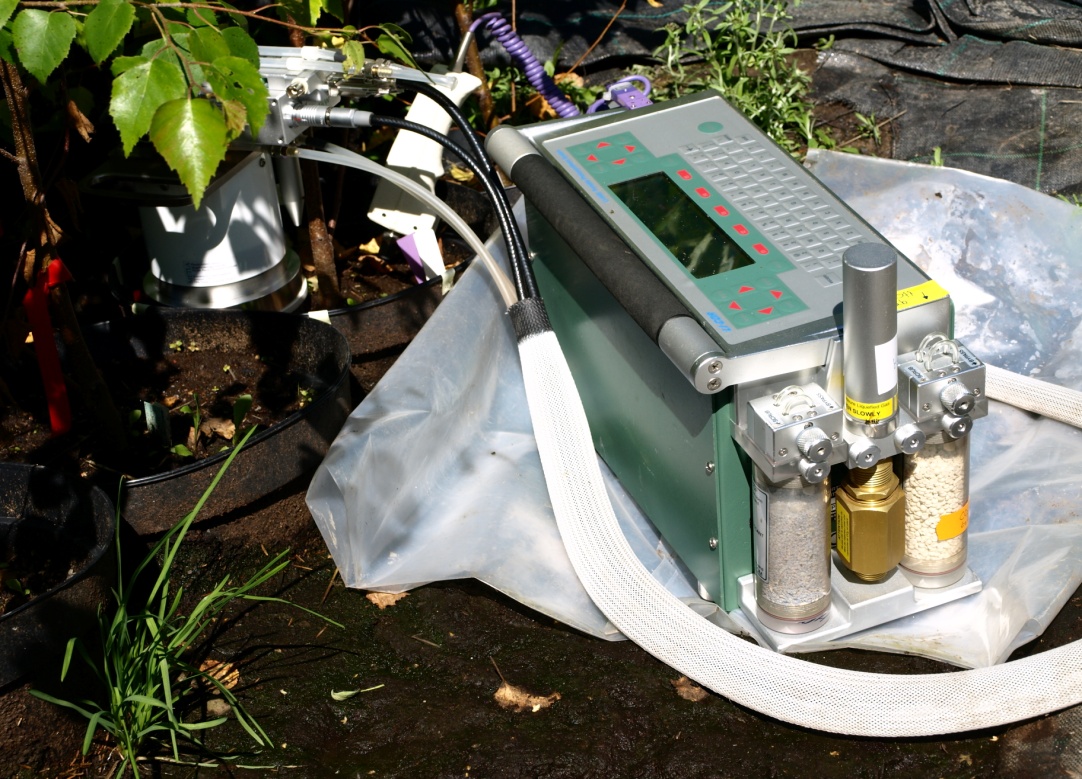
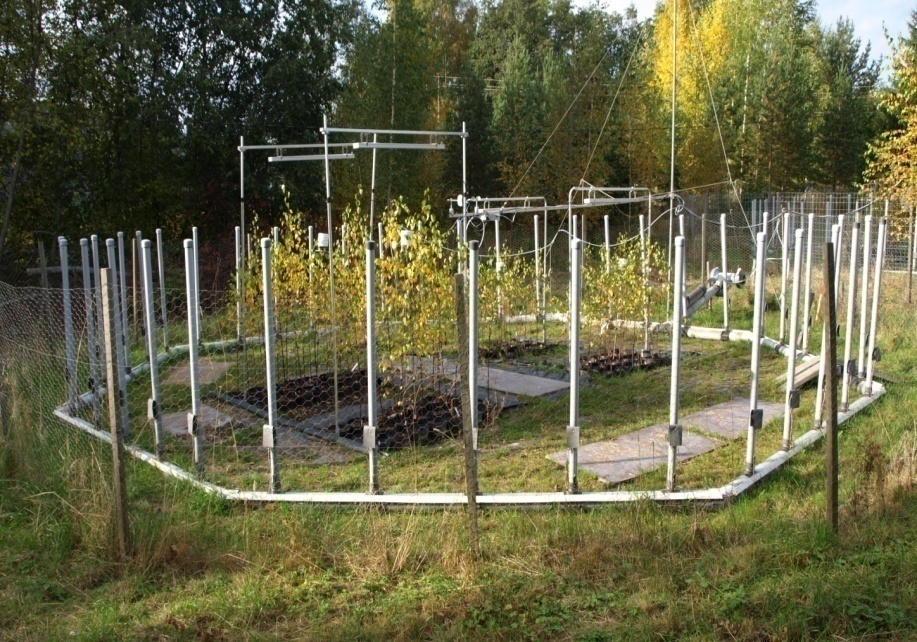
I measured what ozone does to silver birch trees directly. Standing in those experimental plots at the field site, checking growth measurements every three weeks, watching how two genotypes of the same species responded differently to the same ozone exposure. That experience gave me a very specific appreciation for something most people never think about.
Plants are dealing with air pollution constantly. Not passively. Actively. They have evolved remarkably sophisticated chemical defence systems to handle oxidative stress from ozone, particulate matter, nitrogen oxides, and other pollutants. And the chemistry behind how they do it is genuinely interesting.
The Problem Plants Face
Air pollutants damage plants primarily through oxidative stress.
Ozone enters through stomata, the tiny pores plants use for gas exchange. Once inside leaf tissue it reacts with water and generates reactive oxygen species. Free radicals essentially. These attack membrane lipids, damage proteins, and disrupt photosynthesis.
Particulate matter settles on leaf surfaces and blocks light. It also carries heavy metals and organic pollutants that penetrate leaf tissue and cause further oxidative damage.
Nitrogen oxides and sulphur dioxide dissolve in leaf water forming acids that damage cell membranes directly.
The plant cannot close its stomata permanently to avoid this. It needs CO₂ for photosynthesis. So it has to deal with whatever comes in alongside the CO₂.
The First Line of Defence: Antioxidant Enzymes
Plants produce a suite of antioxidant enzymes specifically to neutralise reactive oxygen species before they cause serious damage.
Superoxide dismutase converts superoxide radicals into hydrogen peroxide. Less dangerous but still reactive. Catalase then breaks hydrogen peroxide down into water and oxygen. Ascorbate peroxidase uses ascorbic acid, vitamin C essentially, to neutralise remaining reactive species.
These enzymes work as a coordinated system. Each one handles a specific reactive species and passes the product to the next enzyme in the chain. It is genuinely elegant biochemistry when you trace it through.
Plants under chronic air pollution stress upregulate these enzyme systems. They produce more of them. More superoxide dismutase, more catalase, more ascorbate peroxidase. The plant is essentially training its antioxidant system to handle higher oxidative load.
In my silver birch experiment I saw the consequences of this. The trees exposed to elevated ozone were investing carbon in stress response systems rather than growth. That carbon allocation shift showed up in my stem diameter and leaf area measurements. The trees were not dying. They were coping. But coping has a cost.
The Second Line: Phenolic Compounds
This is where plant biochemistry gets really interesting.
When oxidative stress increases, plants upregulate phenolic compound production through the phenylpropanoid pathway. Flavonoids, phenolic acids, tannins. These compounds are powerful antioxidants that directly quench reactive oxygen species in cell walls and cytoplasm.
The same compounds we value in medicinal herbs for their antioxidant properties in human health are produced by plants primarily as their own stress response chemistry. Quercetin, rutin, chlorogenic acid. All stress response compounds that plants ramp up production of when air pollution increases.
I find this connection fascinating. The plant is protecting itself from oxidative damage using the same compound classes we study for their effects on human oxidative stress. The chemistry converges because the problem, reactive oxygen species damaging biological molecules, is the same in both cases.
The Third Line: Waxy Cuticles and Leaf Structure
Not all defence is biochemical. Physical barriers matter too.
Many plants produce thicker waxy cuticles on leaf surfaces in response to air pollution stress. The waxy layer reduces stomatal uptake of gaseous pollutants and creates a physical barrier against particulate matter penetration.
Mediterranean aromatic herbs like rosemary, lavender, and thyme have naturally thick waxy cuticles evolved for drought resistance. These same cuticles make them more tolerant of air pollution than thin-leaved temperate species. It is why these plants tend to perform better in urban environments than species like birch or beech.
Leaf hair density also increases in some species under pollution stress. The hairs trap particulate matter before it reaches the leaf surface, reducing the amount that penetrates to active tissue.
The Fourth Line: VOC Emissions
Plants emit volatile organic compounds as part of their stress response to air pollution.
Isoprene has a specific protective role in high-stress conditions. It quenches reactive oxygen species directly inside chloroplasts and stabilises cell membranes against oxidative damage. Species that emit high amounts of isoprene, like aspen and oak, are generally more tolerant of ozone stress than low isoprene emitters.
In my field research the aspen research running alongside my silver birch work showed that warming significantly increased isoprene emission. The trees were investing more in this protective volatile compound precisely because they needed it more under stress conditions.
Silver birch does not store large amounts of monoterpenes and is not a high isoprene emitter. This partly explains why birch shows meaningful sensitivity to ozone stress compared to oak or aspen.
My gt14 genotype showed late season stem diameter reduction under ozone that gt15 did not, and I believe differences in antioxidant capacity and possibly VOC emission rates between the two genotypes contributed to that difference. I did not measure those parameters directly but the growth data is consistent with that interpretation.
Which Plants Handle Air Pollution Best
The plants that cope best with air pollution share certain characteristics.
High constitutive antioxidant enzyme activity. Species that maintain high baseline levels of superoxide dismutase and catalase handle pollution episodes better than those that only upregulate under stress.
Thick waxy cuticles. Reduces gaseous pollutant uptake and particulate penetration.
High isoprene or monoterpene emission capacity. Provides in-leaf antioxidant protection during high ozone episodes.
Lower stomatal conductance. Plants that are naturally more conservative with their stomatal opening take up less ozone per unit time.
Practically this means Mediterranean species, many conifers, and plants adapted to dry stressful environments tend to be more pollution tolerant than fast-growing thin-leaved temperate species.
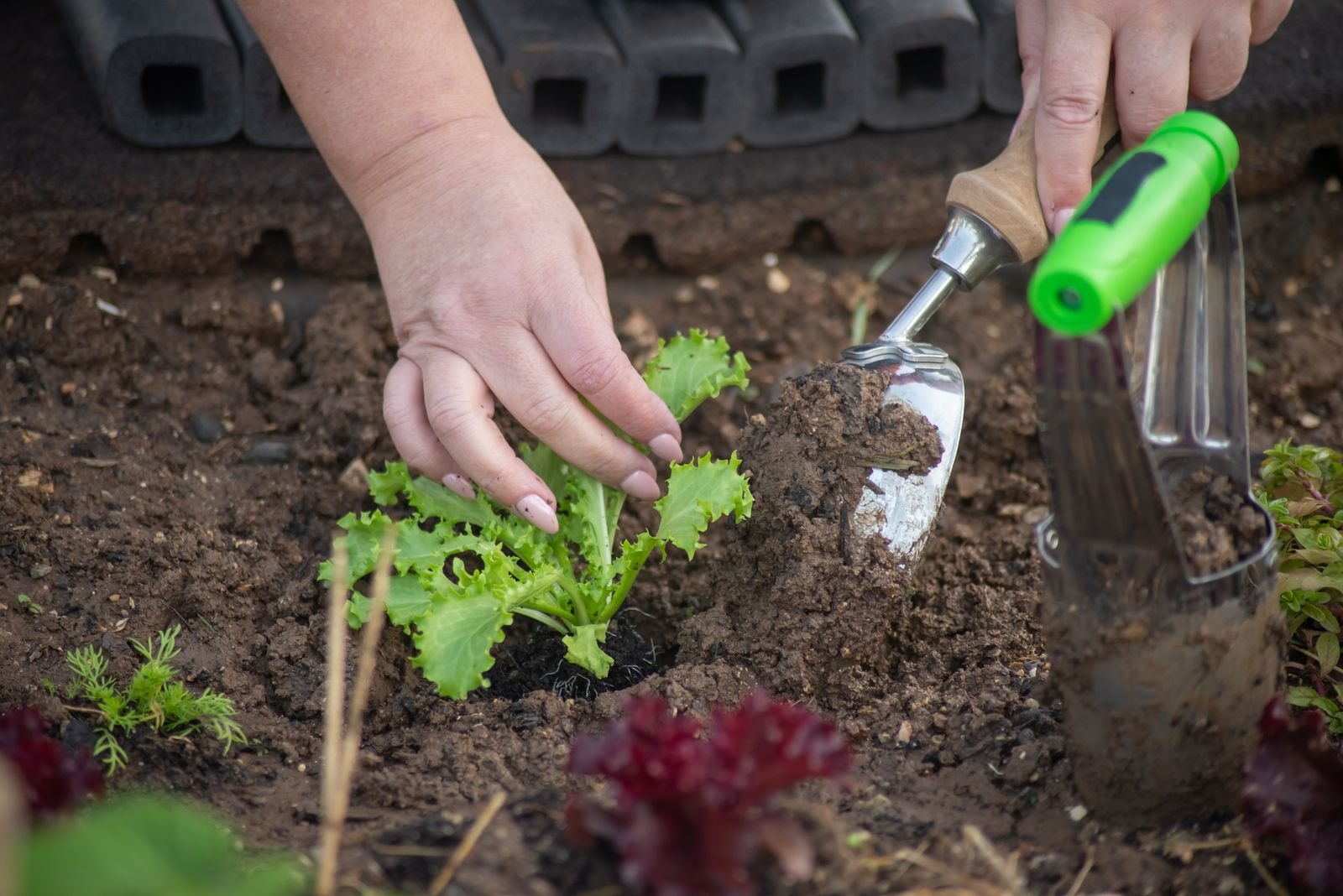
For urban gardeners this matters when choosing plants. Lavender, rosemary, and many ornamental grasses handle urban air pollution better than roses, lettuces, or many annual flowers.
Can Plants Actually Clean the Air
This question comes up constantly and I want to give a direct answer.
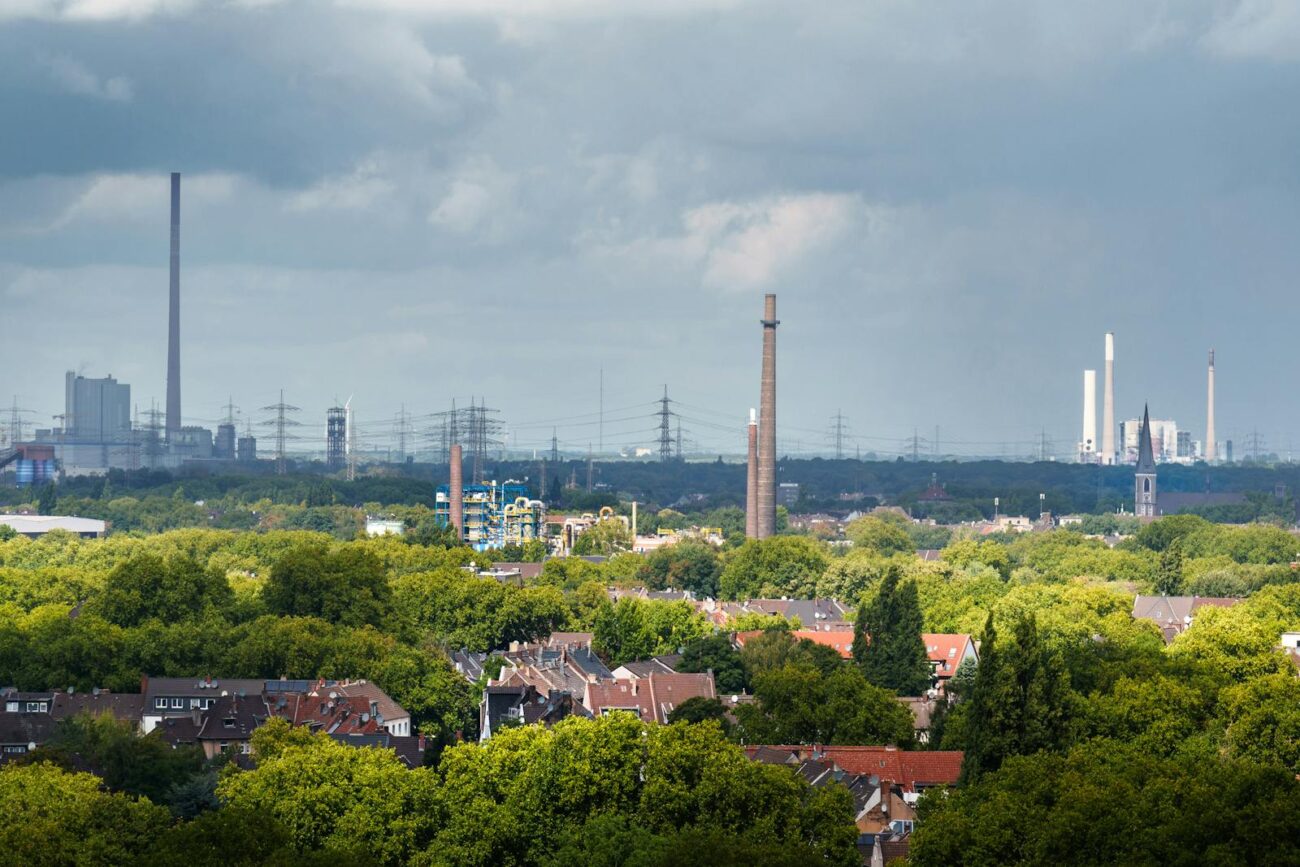
Outdoors, yes, meaningfully. Trees and vegetation absorb gaseous pollutants through stomata, trap particulate matter on leaf surfaces, and emit compounds that affect atmospheric chemistry. Urban green spaces with sufficient tree canopy measurably reduce ground level pollutant concentrations compared to paved areas with no vegetation.
Indoors, the answer is much more limited than the marketing suggests. I covered this in detail in my plant VOCs article here. The NASA clean air study that generated the houseplant air purification industry was conducted in sealed chambers with no air exchange. In a real room with normal ventilation, plants remove negligible amounts of pollutants compared to simply opening a window.
What plants do indoors is add humidity, create visual complexity that reduces psychological stress, and in the case of aromatic species emit volatile compounds that have their own biological effects. That is real value. Just not air purification in any meaningful sense.
FAQs
How do plants deal with air pollution?
Through multiple simultaneous defence systems. Antioxidant enzymes including superoxide dismutase, catalase, and ascorbate peroxidase neutralise reactive oxygen species generated by pollutants entering leaf tissue. Phenolic compound production increases through the phenylpropanoid pathway providing additional antioxidant capacity. Physical barriers including waxy cuticles and leaf hairs reduce pollutant penetration. Volatile organic compound emissions including isoprene provide in-leaf antioxidant protection.
Which plants are most tolerant of air pollution?
Plants with thick waxy cuticles, lower stomatal conductance, high constitutive antioxidant enzyme activity, and high isoprene or monoterpene emission capacity. Mediterranean species like lavender and rosemary, many conifers, and ornamental grasses generally handle urban air pollution better than thin-leaved fast-growing species.
Do plants help reduce air pollution outdoors?
Yes meaningfully. Trees and vegetation absorb gaseous pollutants, trap particulate matter on leaf surfaces, and urban green spaces measurably reduce ground level pollutant concentrations compared to areas with no vegetation.
Do houseplants purify indoor air?
Not meaningfully in real rooms with normal ventilation. Laboratory studies showing air purification were conducted in sealed chambers. In a real home opening a window is far more effective than any number of houseplants for indoor air quality.
How does ozone specifically damage plants?
Ozone enters through stomata and reacts with water in leaf tissue generating reactive oxygen species that attack membrane lipids, damage photosynthetic proteins, and disrupt cellular metabolism. Plants respond by upregulating antioxidant enzyme systems and phenolic compound production but chronic ozone exposure still reduces growth by diverting carbon from primary growth into stress response chemistry.
Why do some plant genotypes handle pollution better than others?
Genetic variation in antioxidant enzyme activity, stomatal regulation, VOC emission rates, and carbon allocation strategy all contribute to differences in pollution tolerance between individuals of the same species. In my silver birch field experiment two genotypes showed measurably different responses to the same ozone exposure, with differences appearing in stem diameter growth late in the season.

