











This article was written by Serge, MSc. Plant Biologist and Environmental Scientist with a BSc in Plant Biology and an MSc in Environmental Biology and Biogeochemistry. My background covers plant biochemistry, botany, and field research in forest and soil ecosystems. I write from real experience, not just literature.
Affiliate disclosure: This site has affiliate links, including Amazon. As an Amazon Associate I earn from qualifying purchases, at no extra cost to you.
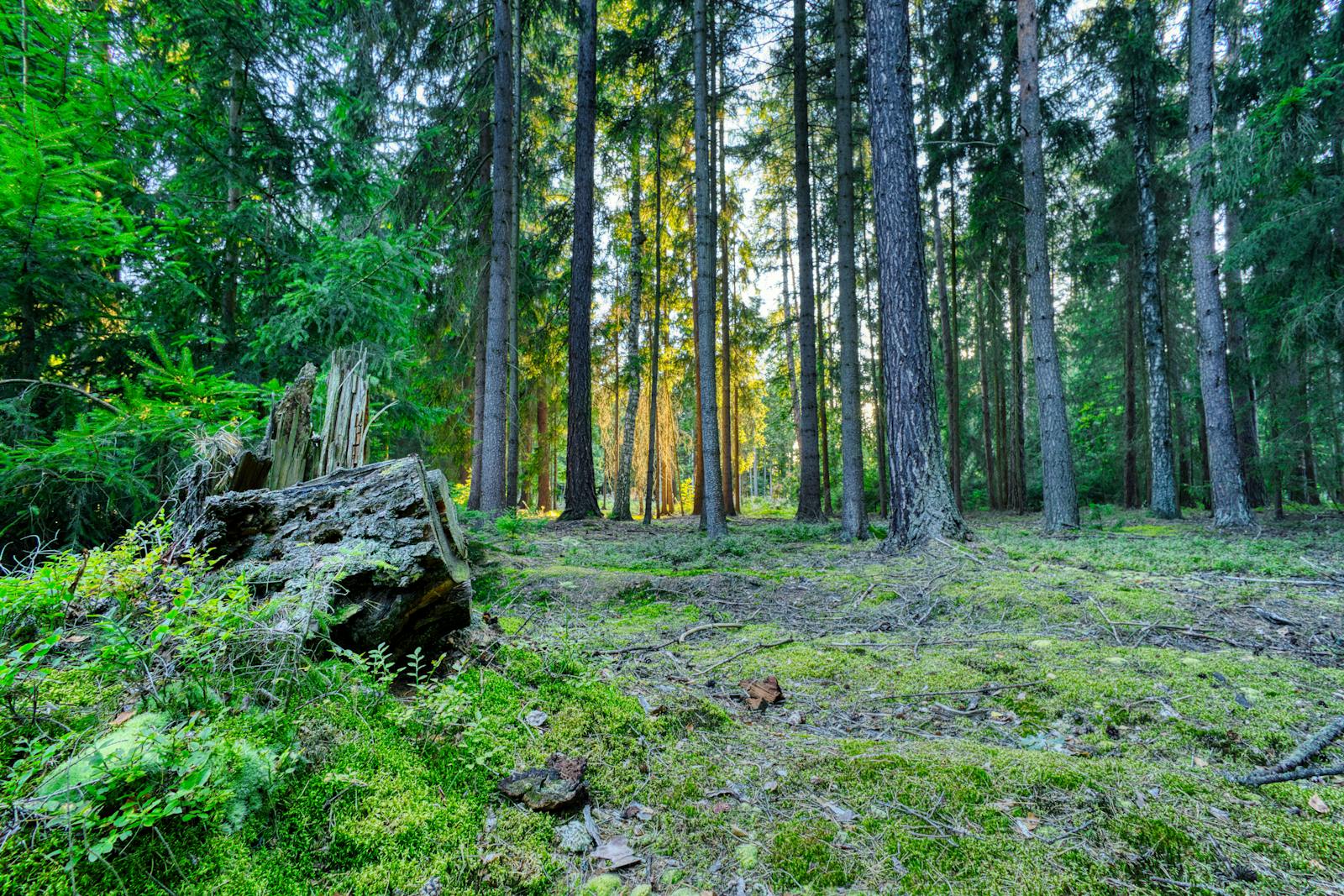
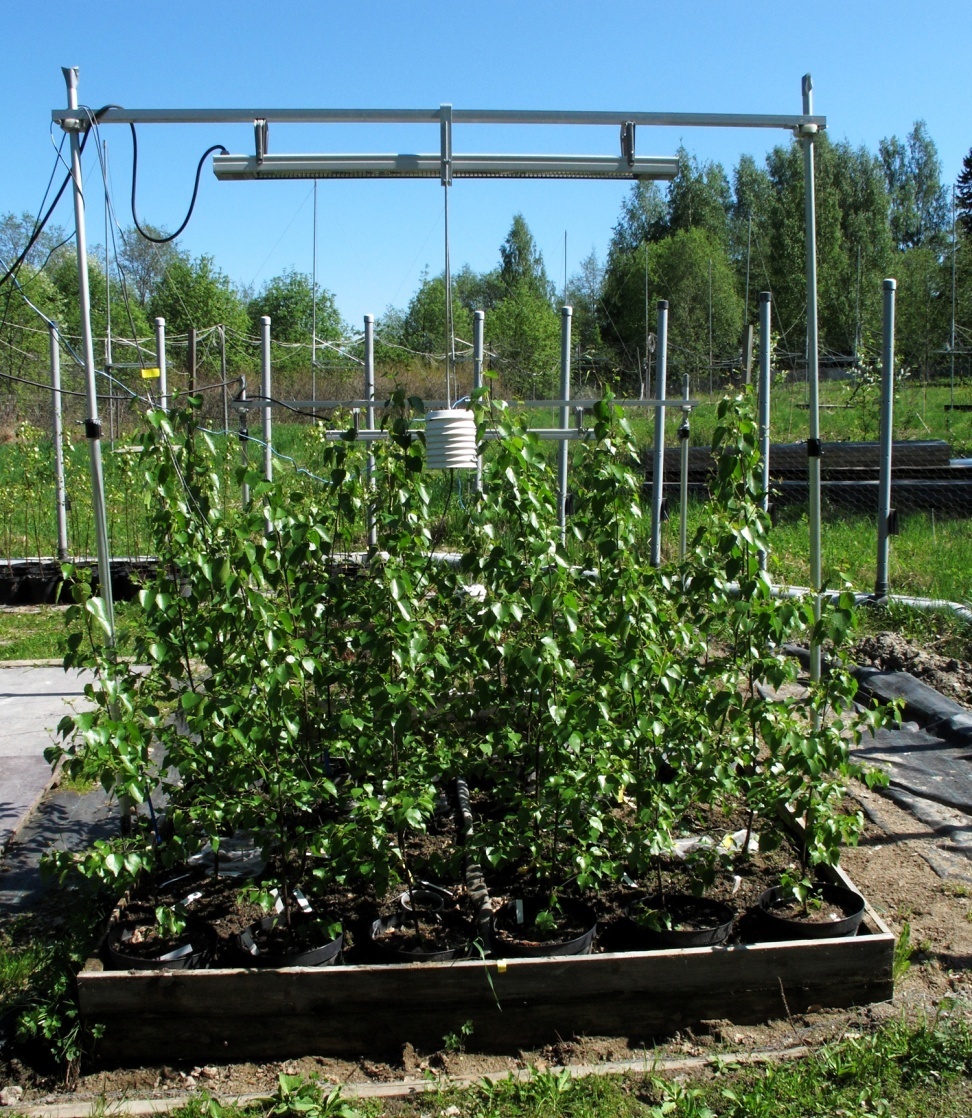
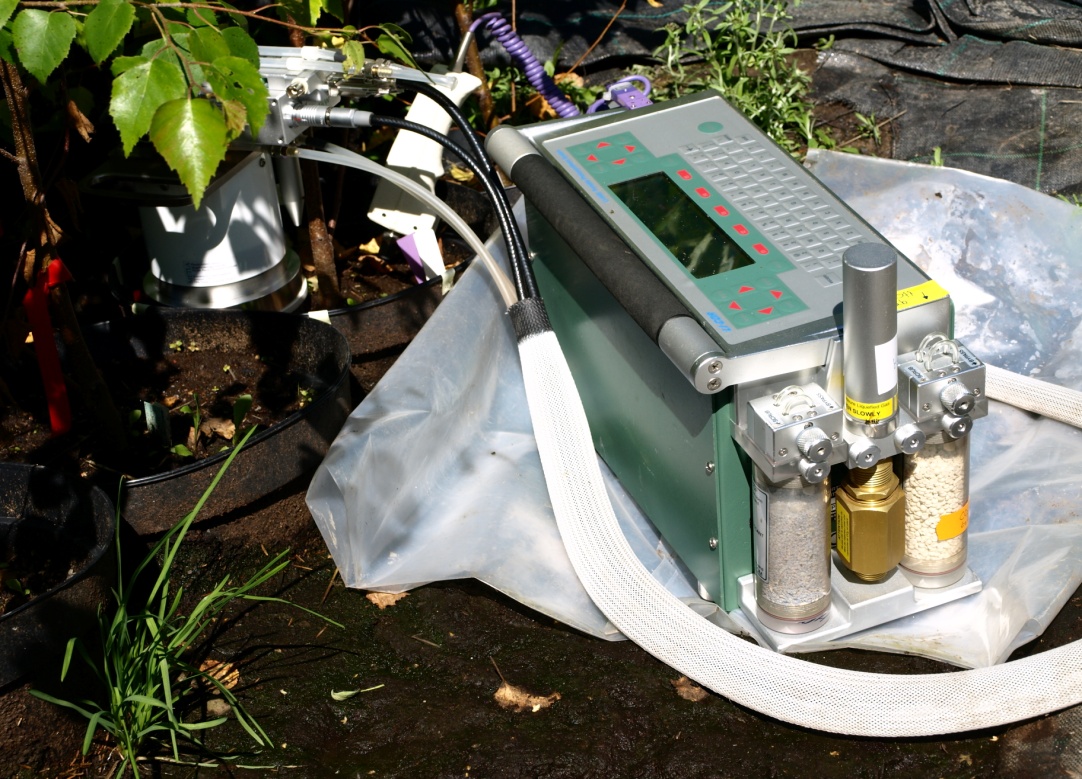
Spending time measuring ecosystem processes in open-air field conditions changes how you think about biodiversity. When I was tracking soil respiration rates, leaf development, and carbon cycling across different treatment plots, what struck me was how interconnected everything was. Change one variable and the effects rippled through the whole system. Remove a species, disrupt a soil community, alter a temperature regime, and the consequences were rarely contained to one part of the ecosystem.
Biodiversity loss operates the same way at larger scales. It is not just about losing species we find beautiful or interesting. It is about dismantling the biological infrastructure that human civilisation depends on in ways most people never see.
What Biodiversity Actually Means
Biodiversity is not simply a count of species. It operates at three levels that interact with each other continuously.
Genetic diversity within species provides the raw material for adaptation. Populations with high genetic diversity can respond to new pressures, diseases, and environmental changes. Populations with low genetic diversity, often the result of habitat fragmentation that isolates small groups, are vulnerable to extinction from single disease events or environmental shifts.
Species diversity determines the functional redundancy of ecosystems. When multiple species perform similar ecological roles, the loss of one is buffered by the others. Ecosystems with high species diversity are more resistant to disturbance and more capable of recovery. Simplified ecosystems with few species performing each function are fragile.
Ecosystem diversity, the range of habitat types across a landscape, determines the breadth of ecological services available at regional scale. A landscape containing forest, wetland, grassland, and aquatic habitats provides a range of services that a monoculture landscape cannot.
In my ecology training I studied how these three levels interact. The loss of any one level weakens the others. Habitat fragmentation reduces genetic diversity, which reduces species resilience, which reduces ecosystem stability. The cascade runs in both directions.
The Disease Connection
The relationship between biodiversity loss and infectious disease emergence is one of the most practically important and least understood connections in public health.
The dilution effect is the mechanism. In high-biodiversity ecosystems, pathogens are distributed across many host species. Most of those species are poor amplifiers of the pathogen, meaning they do not support high pathogen replication or transmission. The pathogen’s ability to spread is diluted across a diverse host community.
When biodiversity is reduced, typically the species that are lost first are the specialists with narrow ecological niches. What remains tends to be generalist species that are often better pathogen amplifiers and that live in closer proximity to humans. The pathogen load concentrates in fewer hosts, transmission rates increase, and spillover to humans becomes more likely.
My ecotoxicology training covered how ecosystem disruption affects organism populations and disease dynamics. The evidence for the dilution effect is now substantial across multiple disease systems including Lyme disease, hantavirus, and several vector-borne diseases. High-biodiversity forest ecosystems consistently show lower disease transmission rates than simplified or degraded ones.
This is not a coincidence. It is a predictable consequence of removing the biological complexity that naturally regulates pathogen spread.
Food Security and Pollinator Biology
The food security connection to biodiversity operates through two primary pathways: pollination and soil biology.
Approximately 75 percent of the world’s major food crops depend on animal pollination to some degree. The majority of that pollination is delivered by wild insect species, not just managed honeybees. Wild bee species, hoverflies, beetles, and moths collectively provide pollination services that managed honeybees alone cannot replicate.
Wild pollinator populations are declining globally due to habitat loss, pesticide use, disease, and climate change. This is not an abstract ecological concern. It is a direct threat to fruit, vegetable, and nut production at agricultural scale.
I covered the plant chemistry behind pollinator attraction in detail in my pollinator article on this site. The relationship between plants and their pollinators is the product of millions of years of co-evolution. Disrupting it by removing the pollinators does not have a simple technological fix.
The soil biology pathway is equally direct. The microbial communities, fungi, invertebrates, and bacteria that drive nutrient cycling and maintain soil fertility are themselves components of biodiversity. Simplification of soil biological communities through monoculture agriculture, pesticide use, and tillage reduces the ecosystem services that make soil productive. I covered the mechanism behind this in my no-till gardening article, but it scales from gardens to agricultural systems directly.
Medicinal Biodiversity
This is the connection that stops me every time I think about it. We have characterised the biological activity of perhaps 1 percent of plant species. The remaining 99 percent represent an unexplored pharmacological library that we are actively destroying before we have had a chance to read it.
The compounds I study in plant biochemistry, alkaloids, terpenoids, phenolics, evolved primarily as ecological chemistry. Plants producing them survived better against pathogens, herbivores, and competitors. Many of those same compounds have proved useful in human medicine because they interact with biological systems in ways that synthetic chemistry has struggled to replicate.
Aspirin came from willow bark. Taxol, one of the most effective anticancer compounds known, came from the Pacific yew tree. Galanthamine for Alzheimer’s treatment came from daffodil bulbs, as I covered in my flowering plants article. Quinine from cinchona bark. Morphine from the opium poppy.
Each of these required a plant species to exist, to be encountered, and to be investigated. Biodiversity loss reduces the probability of all three. Species lost before investigation represent pharmacological potential that cannot be recovered.
Ecosystem Services and Physical Health
Clean water, clean air, temperature regulation, and flood control are ecosystem services delivered by biodiversity. They are also public health infrastructure.
Forested watersheds deliver cleaner water to downstream communities than degraded catchments, as I covered in the deforestation article on this site. The difference in water treatment costs between forested and deforested catchments is measurable and significant.
Urban tree cover reduces heat island effects, lowering peak summer temperatures in cities. The relationship between urban biodiversity and heat-related illness is documented across multiple cities and climate zones.
Coastal wetland biodiversity determines storm surge attenuation. Diverse mangrove and salt marsh communities absorb wave energy and reduce flooding from storm events. Simplified or degraded coastal wetlands provide less protection.
These are not soft ecological concerns. They are physical infrastructure with direct health consequences.
The Mental Health Dimension
I want to address this carefully because it is real but often overstated in ways that obscure the mechanism.
There is robust evidence that exposure to natural environments, particularly biodiverse ones, reduces physiological stress markers including cortisol levels, heart rate, and blood pressure. The mechanism involves multiple pathways: reduced noise pollution, reduced air pollution, visual complexity that reduces rumination, and direct sensory engagement with non-threatening stimuli.
What is less well established is whether biodiversity specifically, rather than just green space generally, drives the mental health benefit. Some research suggests that more biodiverse environments produce stronger effects than simplified green spaces, which would be consistent with a genuine biodiversity effect rather than just a vegetation effect.
What I am confident about from an ecological perspective is that the environments humans evolved in were biodiverse. Simplified, species-poor environments are a recent and unusual condition in human evolutionary history. The psychological effects of that simplification are worth taking seriously even where the mechanisms are not yet fully characterised.
What Actually Helps
Conservation is the most effective intervention but the least discussed in individual behaviour terms. Protected areas that genuinely exclude extractive activities are the most reliable mechanism for maintaining biodiversity at landscape scale.
Reducing pesticide use in gardens and agricultural land has measurable effects on local pollinator and soil organism diversity. The scale of private garden land in many countries is substantial enough that garden management practices aggregate to significant ecological effects.
Reducing meat consumption, particularly beef, reduces the land use pressure that drives habitat conversion. This is the single dietary change with the strongest evidence for biodiversity benefit.
Supporting land use policies that maintain habitat connectivity allows species movement between protected areas, maintaining genetic diversity and allowing population recovery after local disturbances.
FAQs
How does biodiversity loss increase disease risk?
Through the dilution effect. In high-biodiversity ecosystems pathogens are distributed across many host species, most of which are poor amplifiers. When biodiversity is reduced, pathogens concentrate in the generalist species that remain, increasing transmission rates and the probability of spillover to humans.
Which food crops are most at risk from pollinator decline?
Fruits, vegetables, and nuts are most dependent on animal pollination. Crops including almonds, apples, blueberries, cucumbers, and many others require pollinator visits for adequate yield. Staple grain crops like wheat, rice, and maize are wind-pollinated and less directly affected.
Why does biodiversity loss reduce medicine discovery?
Plants and other organisms produce secondary metabolites with complex biological activity that has proved difficult to replicate synthetically. Many existing medicines were discovered in wild species. Species lost before investigation represent pharmacological potential that cannot be recovered because the chemistry existed only in those organisms.
Is urban green space as beneficial as natural ecosystems for health?
Urban green space provides real health benefits but typically delivers fewer ecosystem services than biodiverse natural habitats. The complexity of natural ecosystems, the species interactions, the soil biology, the water cycling functions, are not replicated by simplified urban planting even where green space is abundant.
Can individual actions make a meaningful difference to biodiversity?
At individual scale, garden management and dietary choices aggregate to meaningful effects when adopted broadly. The most effective individual contributions are reducing pesticide use, supporting native plant diversity in gardens, reducing meat consumption, and supporting conservation policy at political level.
What is the dilution effect in ecology?
The mechanism by which high host biodiversity reduces pathogen transmission rates. When pathogens infect many host species of varying competence, transmission is diluted across the community. As biodiversity decreases and competent host species dominate, transmission rates increase. This is one of the most well-documented mechanisms linking ecosystem health to human disease risk.

