














This article was written by Serge, MSc. Plant Biologist and Environmental Scientist with a BSc in Plant Biology and an MSc in Environmental Biology and Biogeochemistry. My background covers plant biochemistry, botany, and field research in forest and soil ecosystems. I write from real experience, not just literature.
Affiliate disclosure: This site has affiliate links, including Amazon. As an Amazon Associate I earn from qualifying purchases, at no extra cost to you.
Your car battery dies on a cold morning. Your laptop drops from 40 percent to zero in minutes. The immediate instinct is to replace it. But here is the question worth asking first: is it actually dead, or has the chemistry just shifted in a way that can be reversed?
That distinction matters more than it sounds, both for your wallet and for what happens to that battery after you throw it away.
I want to walk you through the electrochemistry of why batteries fail, what reconditioning can realistically do, and why the environmental side of this story is something I take seriously from my own research training.
Why Batteries Fail, the Chemistry Behind It
Different battery types fail for different chemical reasons, and that matters because the reconditioning approach depends entirely on the failure mechanism.
Lead-acid batteries, the type used in most car batteries, fail most commonly through sulfation. During normal discharge, lead sulphate, PbSO4, forms on the electrode plates. During charging, that lead sulphate should dissolve back. But if a battery sits discharged for extended periods, or is repeatedly undercharged, the lead sulphate crystals grow larger and harder, becoming increasingly resistant to dissolution during charging. Those large crystals reduce the active surface area on the plates, which reduces the battery’s capacity and ability to deliver current.
Sulfation is the most reversible of the common failure modes. Slow, controlled charging at specific voltages can break down lead sulphate crystals and restore plate surface area. This is the chemistry that battery reconditioning exploits in lead-acid batteries, and it is genuine. The key word is mild sulfation. Severe sulfation, or physical damage to the plates, cannot be reversed through charging chemistry.
Lithium-ion batteries, found in phones, laptops, and EVs, fail through different mechanisms. The most common are lithium plating, where metallic lithium deposits on the anode during fast charging or low-temperature charging, and electrolyte decomposition, which forms a resistive layer on the electrode surfaces called the solid electrolyte interface. Cell imbalance, where individual cells within a battery pack drift to different charge levels, is another common issue that causes apparent capacity loss.
Nickel-based batteries can suffer from voltage depression, sometimes called the memory effect, where repeated partial discharge and recharge cycles cause the battery to behave as if its capacity starts at a higher state of discharge than it actually does.
What Reconditioning Can Actually Do
Battery reconditioning works by applying controlled charging and discharging cycles designed to reverse specific chemical degradation. It is not a universal fix and it does not restore batteries to new condition. Here is what it can and cannot realistically achieve.
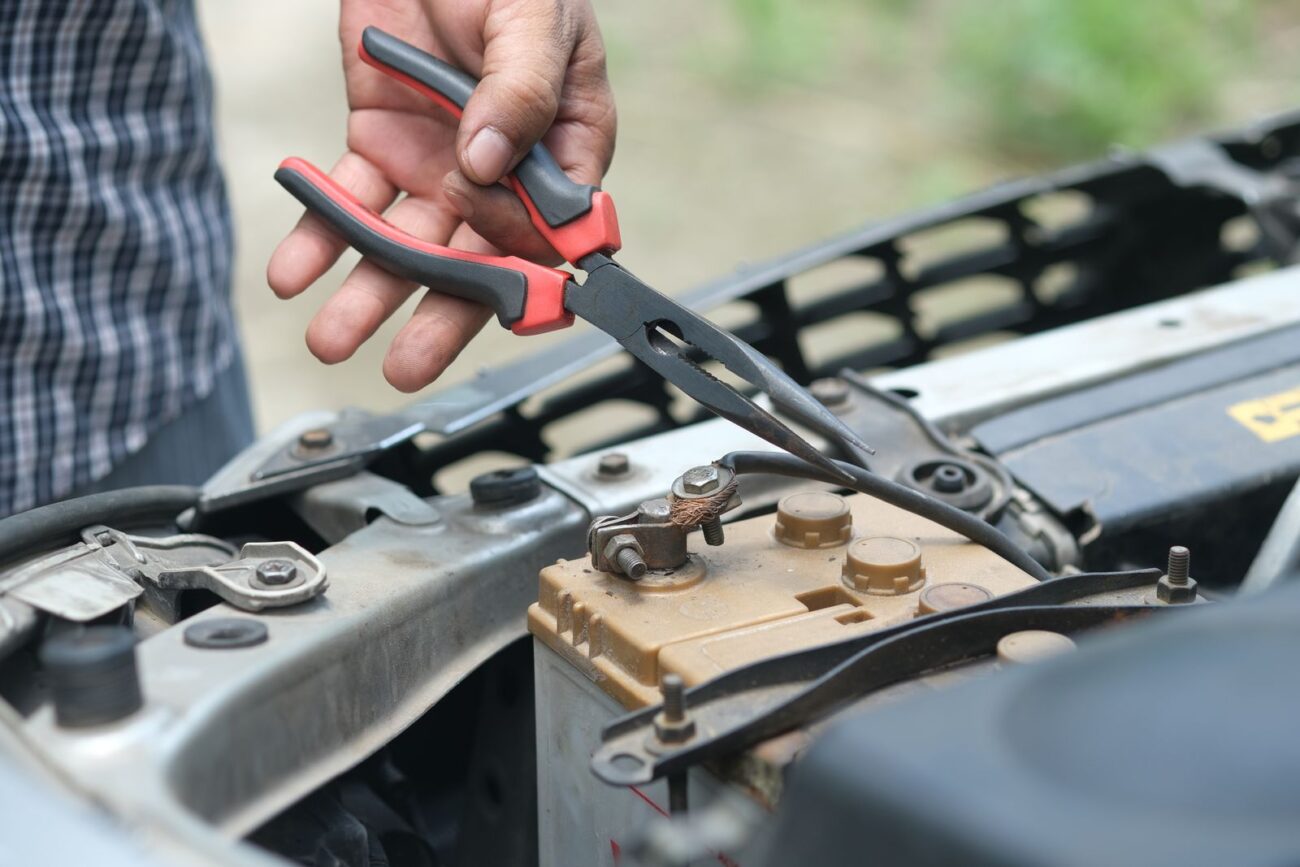
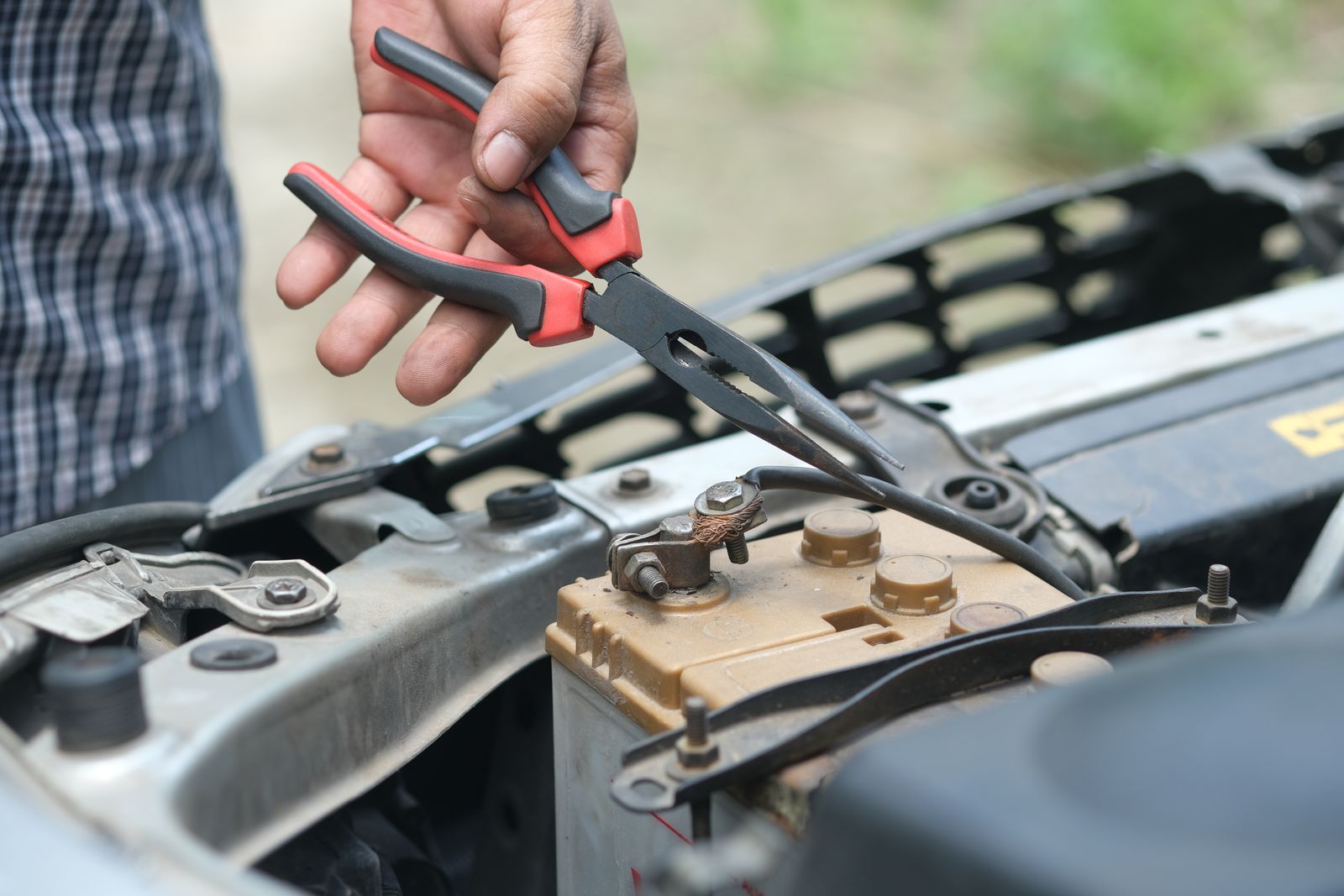
For lead-acid batteries, slow pulse charging at controlled voltage can dissolve mild to moderate lead sulphate deposits and restore usable capacity. The process takes hours rather than minutes. Electrolyte level checking and top-up with distilled water is part of the process, since low electrolyte accelerates plate degradation. Terminal cleaning to remove corrosion, which is usually lead sulphate or lead carbonate forming at the terminal, improves conductivity and is a basic maintenance step that costs nothing.
For lithium-ion batteries, the reconditioning approach is different. Cells with significant lithium plating or severe electrolyte decomposition cannot be restored through simple cycling. But batteries showing apparent capacity loss from cell imbalance or calibration drift can often be improved by running full discharge and recharge cycles, which allows the battery management system to recalibrate its capacity estimates and rebalance cells within the pack.
For nickel-based batteries, deep discharge and controlled recharge cycles can address voltage depression effectively. This is one of the cleaner reconditioning scenarios from a chemistry perspective.
The limit of all battery reconditioning is that it cannot replace electrode material, repair shorted cells, or reverse severe structural degradation. A battery that has genuinely exhausted its active material cannot be reconditioned. But a significant proportion of batteries discarded as dead have failed for reversible chemical reasons, and those can often be brought back to useful capacity.
What Actually Happens When a Battery Gets Thrown Away
This is the part I want to spend some time on, because it is where my own training connects directly to this topic and it rarely gets mentioned in guides like this.
When I studied ecotoxicology I spent time specifically on how toxic substances move through ecosystems, following contamination pathways from source through soil chemistry into biological tissue and water systems. Battery disposal sits squarely in that territory, and the chemistry is not clean.
Lead from lead-acid batteries binds to soil particles but leaches gradually into groundwater, particularly in acidic soils. It does not break down. It moves slowly through the soil profile into water systems where it accumulates in sediment and is taken up by plant roots. The pathway from a discarded car battery to measurable lead in groundwater and eventually in plant material is not a worst-case scenario. It is the documented chemistry of improper battery disposal at scale.
Cadmium from nickel-cadmium batteries is more mobile in soil than lead and more readily absorbed by plants. Cobalt and lithium compounds from lithium-ion batteries are entering waste streams in growing volumes as EV and consumer electronics use increases. Even in managed landfill conditions, these compounds move through soil chemistry over years and decades.
The connection to the broader carbon and nutrient cycling I studied in biogeochemistry is also real. Heavy metals in soil do not just sit there. They interact with soil microbial communities, affect decomposition rates, and can change how carbon is cycled in soil, the same carbon cycling processes that determine whether soil acts as a carbon sink or a source.
Every battery that gets reconditioned and stays in use is one less battery going through that contamination pathway. At scale, across millions of batteries that could be reconditioned rather than discarded, the reduction in heavy metal entering the environment is real and measurable. That is not a marketing claim. It is straightforward environmental chemistry.
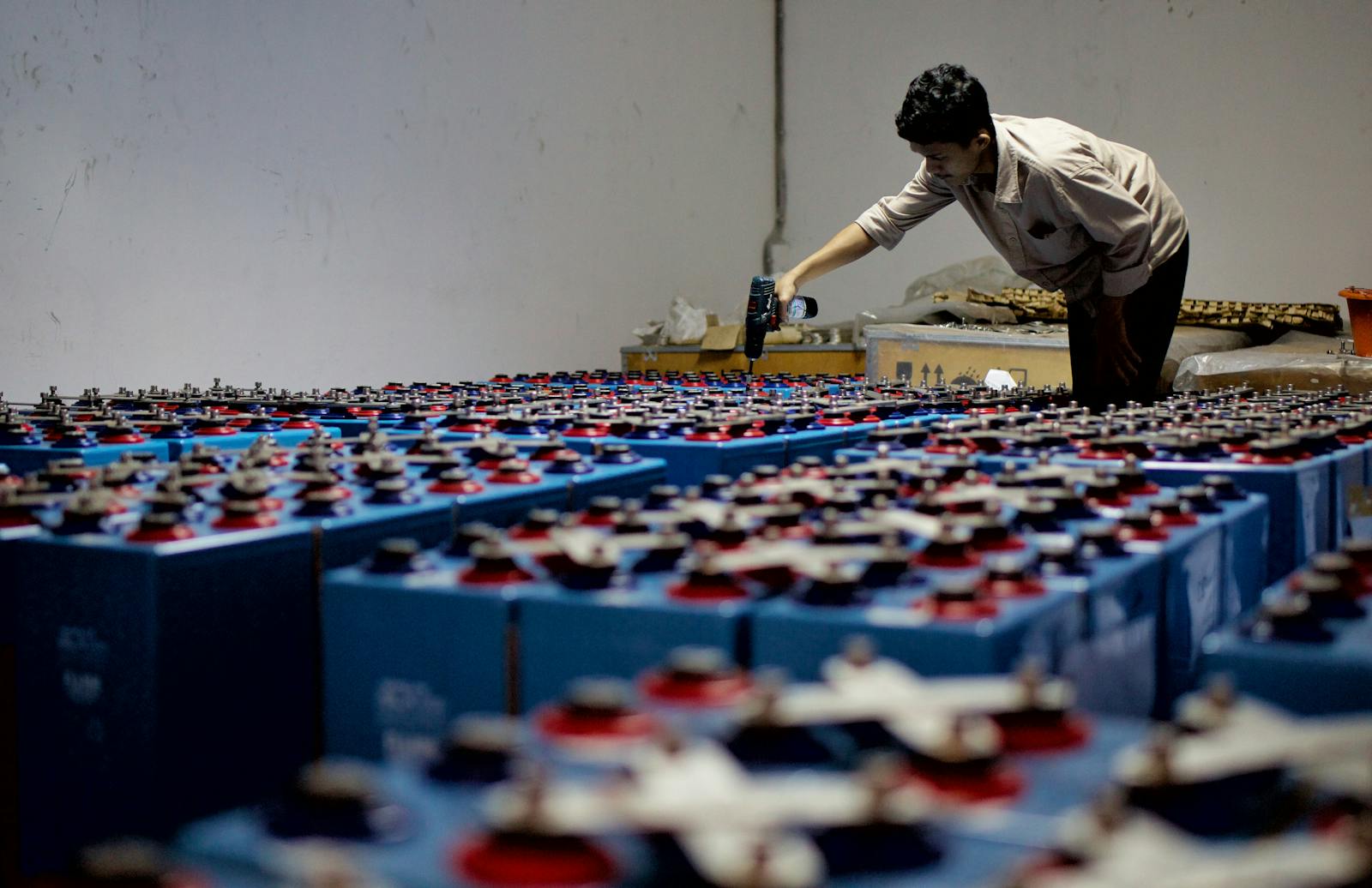
Learning to Recondition Batteries Properly
The chemistry I have described here gives you the framework for understanding why reconditioning works. The practical application, the specific voltages, the correct charger settings, the exact steps for each battery type, is where a structured course adds value.
The EZ Battery Reconditioning course covers the step-by-step process for lead-acid, lithium-ion, nickel-cadmium, and other battery types with guides, diagrams, and enough detail to work through without prior electrical experience. For anyone who wants to go beyond the chemistry and start actually reconditioning batteries at home, it is a practical resource that covers the ground methodically.
Learn Battery Reconditioning Step by Step →
Frequently Asked Questions
What is battery reconditioning and does it actually work?
It is a process of applying controlled charging and discharging cycles to reverse specific chemical degradation in batteries. It works on batteries that have failed through reversible mechanisms like sulfation in lead-acid batteries or cell imbalance in lithium-ion packs. It does not work on batteries with physical damage or severe electrode degradation.
What causes lead-acid battery failure?
The most common cause is sulfation, where lead sulphate crystals grow on the electrode plates during periods of undercharging or prolonged discharge. Large crystals reduce the active surface area and the battery’s capacity. Mild to moderate sulfation is reversible through controlled slow charging.
Can all dead batteries be reconditioned?
No. Batteries with shorted cells, physically damaged plates, or severely depleted electrode material cannot be restored. Reconditioning works on batteries that have failed through reversible chemical changes. A significant proportion of apparently dead batteries fall into this category, but not all.
Is battery reconditioning safe?
Lead-acid batteries contain sulphuric acid and produce hydrogen gas during charging. Working in a ventilated space and avoiding sparks near a charging battery are basic precautions. Lithium-ion batteries at high states of degradation carry thermal runaway risk if overcharged. Using correct charger settings and not attempting to recondition physically swollen or damaged lithium batteries is essential.
Why does reconditioning matter for the environment?
Batteries contain heavy metals including lead, cadmium, cobalt, and lithium compounds that leach into soil and groundwater through contamination pathways that persist for years. These compounds affect soil microbial communities and carbon cycling processes. Reconditioning reduces the volume of batteries entering the waste stream and the associated heavy metal contamination.
How long does battery reconditioning take?
Lead-acid reconditioning through slow pulse charging typically takes several hours to a full day. Lithium-ion recalibration cycles take the time of a full discharge followed by a full recharge, which varies by battery size. There is no shortcut that preserves the chemistry involved.
What is the difference between reconditioning and recharging?
Recharging restores the charge state of a functioning battery. Reconditioning applies specific charging protocols designed to reverse chemical degradation and restore capacity that has been lost over time. A battery that no longer holds full charge after a standard recharge is a candidate for reconditioning.
Which batteries benefit most from reconditioning?
Lead-acid batteries with mild to moderate sulfation show the most consistent results. Nickel-based batteries with voltage depression also respond well. Lithium-ion batteries with cell imbalance can be improved. Severely degraded batteries of any type are unlikely to benefit.

