
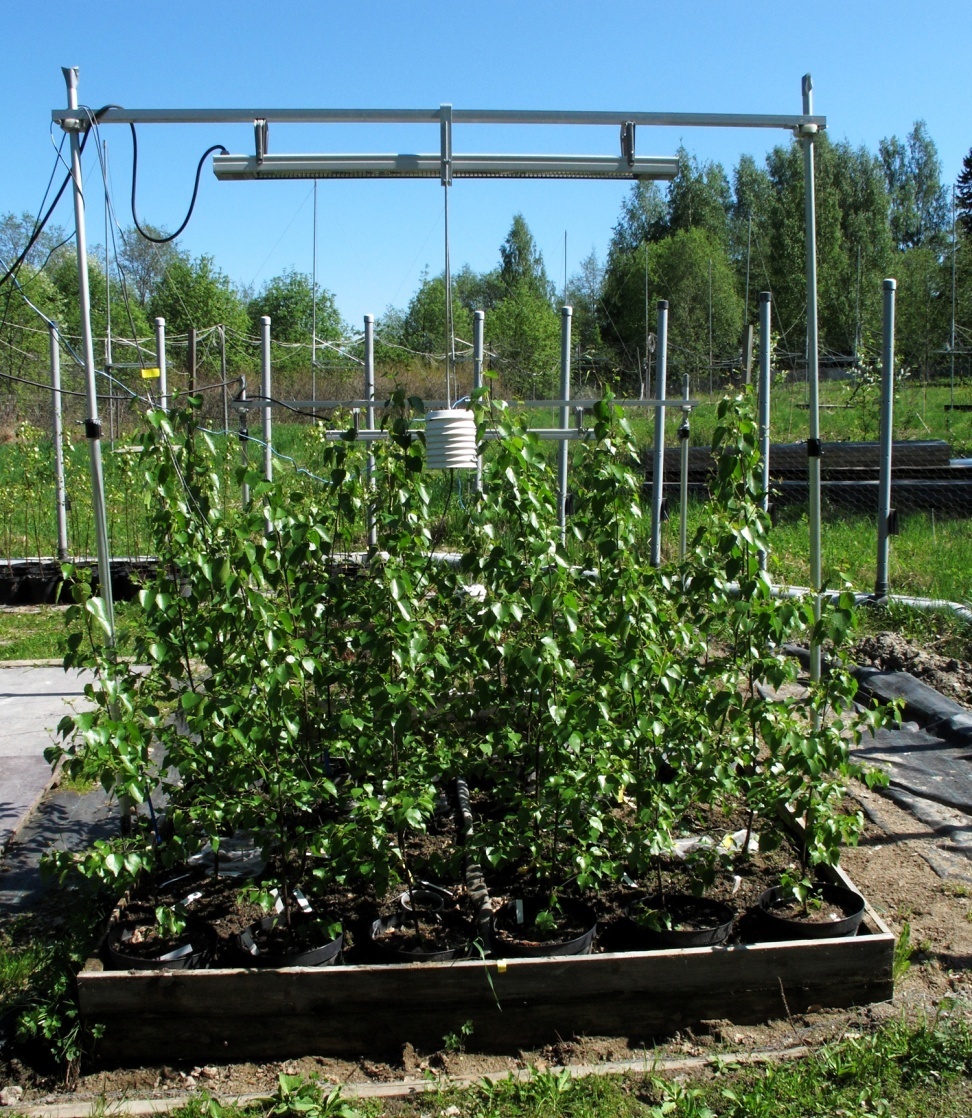













This article was written by Serge, MSc. Plant Biologist and Environmental Scientist with a BSc in Plant Biology and an MSc in Environmental Biology and Biogeochemistry. My background covers plant biochemistry, botany, and field research in forest and soil ecosystems. I write from real experience, not just literature.
Affiliate disclosure: This site has affiliate links, including Amazon. As an Amazon Associate I earn from qualifying purchases, at no extra cost to you.
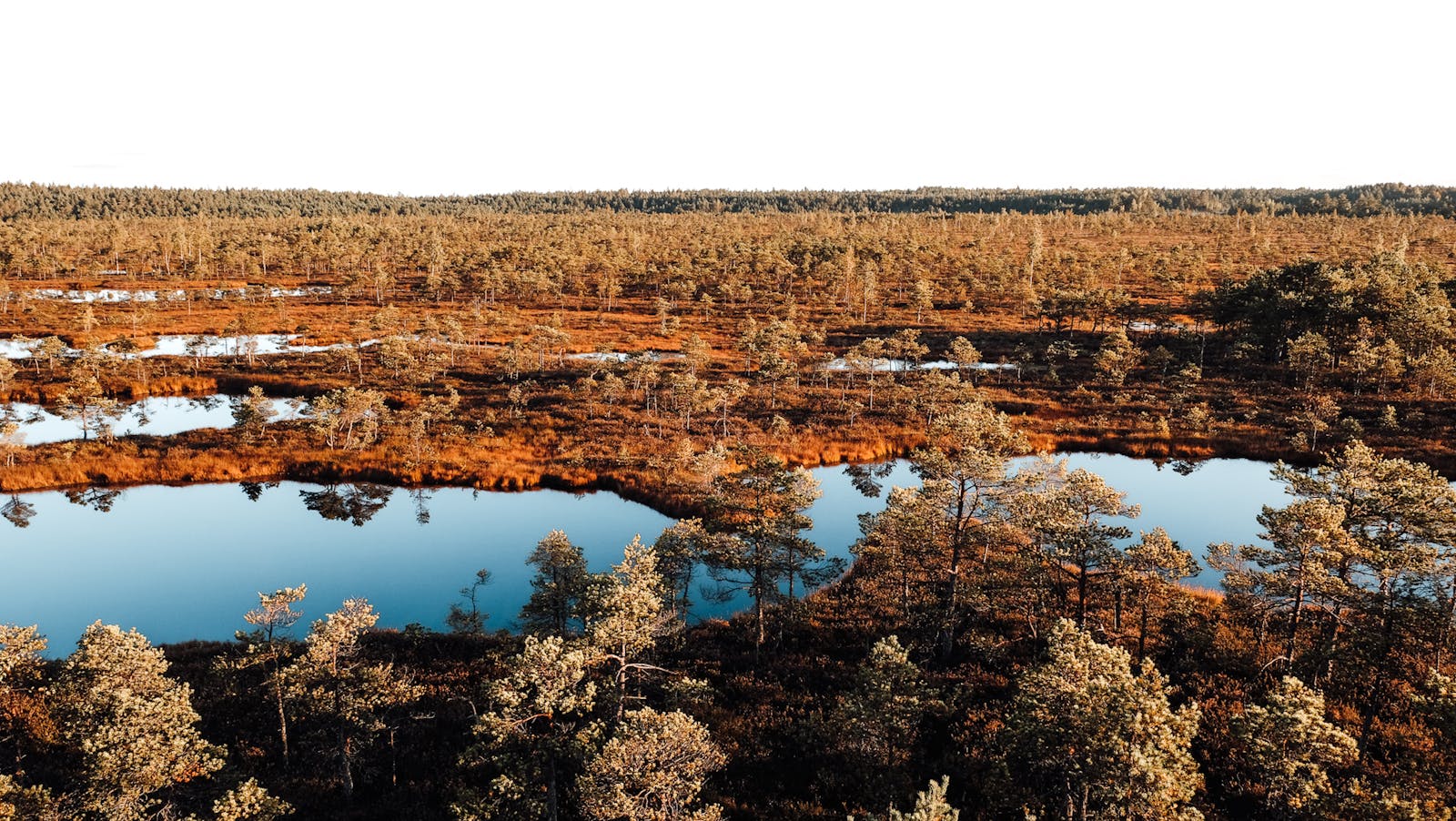
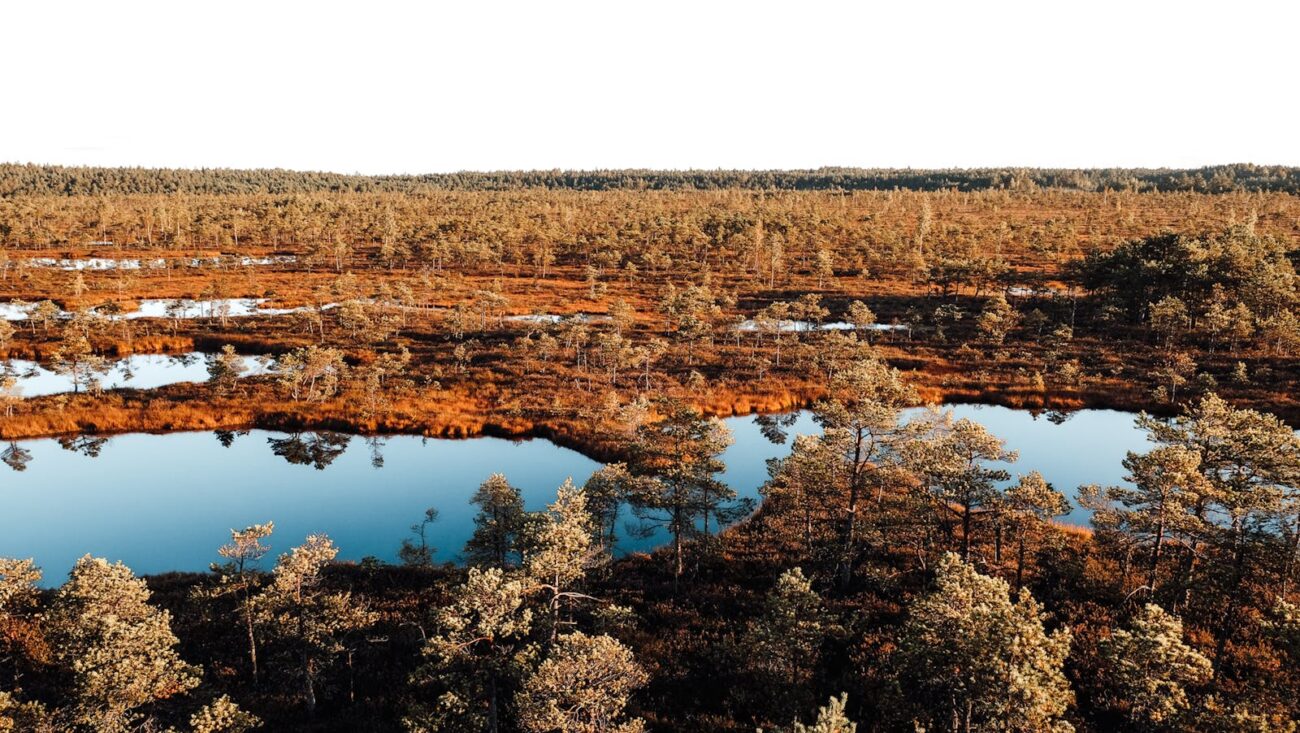
Peatlands store more carbon than all the world’s forests combined. That single fact stopped me when I first encountered it during my biogeochemistry training. We spend enormous energy discussing forest conservation and atmospheric CO₂, yet the ecosystem sitting quietly under our feet in bogs and fens holds a carbon archive that dwarfs anything above ground.
Wetlands are not scenic backdrops. They are some of the most biogeochemically active ecosystems on Earth, and understanding how they work changes how you think about climate, water, and land use entirely.
What Wetlands Actually Are
Wetlands are ecosystems where water saturation of the soil dominates the environment and influences the plants and animals living there. That saturation is what makes them biogeochemically extraordinary.
When soil is waterlogged, oxygen cannot penetrate. Decomposition slows dramatically because the microbes that break down organic matter most efficiently are aerobic, meaning they need oxygen to function. In waterlogged conditions, anaerobic decomposition takes over. It is slower, less complete, and produces different byproducts. Organic matter accumulates rather than fully decomposing.
Over thousands of years this accumulation builds peat, compressed layers of partially decomposed plant material that can reach many metres in depth. The carbon fixed by plants over millennia stays locked in that peat rather than cycling back to the atmosphere. This is the fundamental mechanism behind wetland carbon storage, and it operates entirely because of the chemistry of oxygen-depleted soil.
The Carbon Numbers That Matter
In my Biogeochemistry training I studied the global carbon cycle in detail, including how different ecosystem types function as carbon sources or sinks. The wetland carbon story is striking.
Peatlands cover approximately 3 percent of the Earth’s land surface but store an estimated 550 to 650 gigatonnes of carbon, roughly the same as 75 years of current global fossil fuel emissions stored in one ecosystem type. Northern boreal peatlands, the type most relevant to the high-latitude environments I studied, are particularly significant carbon stores because cold temperatures further slow decomposition even in drained conditions.
The carbon density of peat is extraordinary compared to other terrestrial ecosystems. A deep peat bog contains more carbon per square metre than almost any forest, because the carbon has been accumulating for thousands of years rather than cycling through a few decades of forest growth and decay.
The Methane Complication
Wetlands are also the largest natural source of methane emissions, and this is worth addressing honestly rather than glossing over.
Anaerobic decomposition in waterlogged soils produces methane rather than CO₂ as its primary carbon byproduct. Methanogenic archaea, the microbes responsible, cannot function in the presence of oxygen and thrive in the permanently saturated lower layers of wetland soils. The methane they produce either oxidises in the surface aerobic layer before reaching the atmosphere, or escapes through plant stems or direct diffusion.
Methane is a more potent greenhouse gas than CO₂ over short timescales, roughly 80 times more warming per molecule over 20 years. Wetland methane emissions are therefore a real climate consideration, not just a footnote.
The net climate balance of wetlands depends on the ratio between carbon sequestration and methane emission. In cold northern peatlands, the carbon sequestration rate over millennia substantially exceeds the methane emission warming effect, making intact northern peatlands net climate coolers over long timescales. Tropical wetlands have a more complex balance.
The critical point is what happens when wetlands are drained. Drainage exposes peat to aerobic decomposition, which is rapid and produces CO₂ at rates that far exceed both the original sequestration rate and the methane emissions of the intact wetland. Drained peatlands become significant carbon sources almost immediately.
Atmosphere-Biosphere Gas Exchange in Wetlands
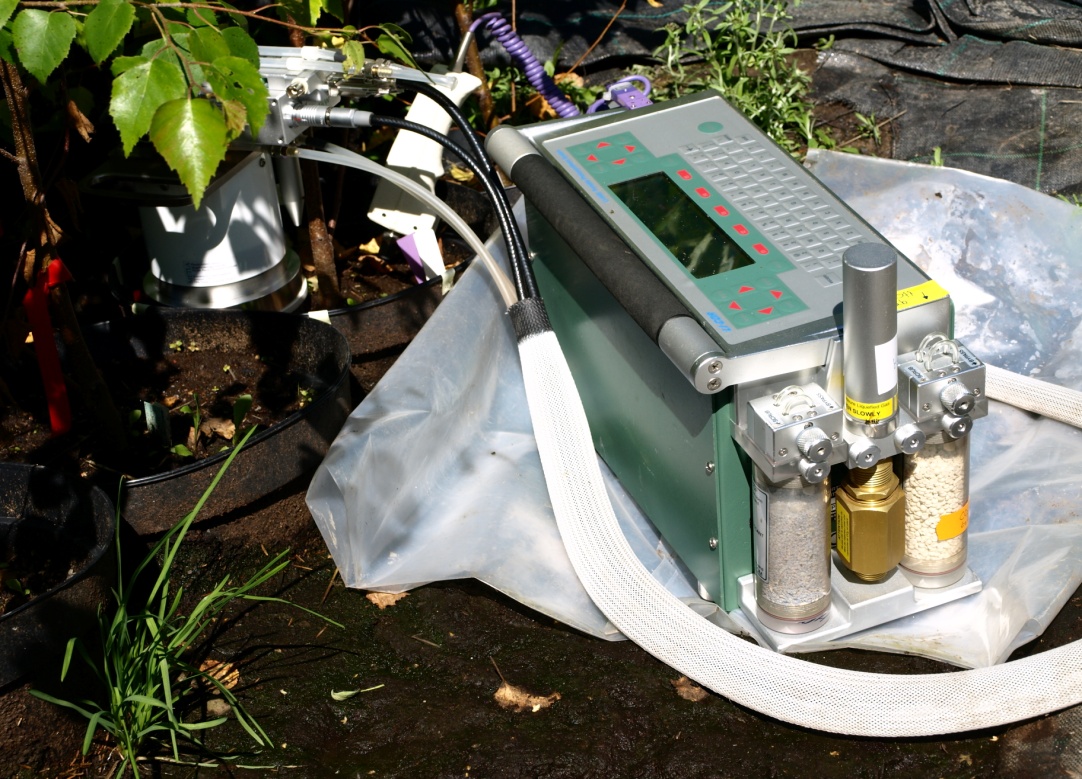
During my postgraduate training in atmosphere-biosphere exchange, I studied how gases including CO₂, methane, and water vapour move between ecosystems and the atmosphere. Wetlands are particularly interesting in this context because they are simultaneously sequestering CO₂ through plant photosynthesis, releasing CO₂ through aerobic decomposition in surface layers, releasing methane through anaerobic decomposition in deeper layers, and exchanging water vapour at high rates due to saturated conditions.
Eddy covariance systems, the measurement approach I trained in, are used extensively to measure net ecosystem exchange in wetlands. The data consistently shows that intact temperate and boreal peatlands are net carbon sinks on an annual basis, absorbing more carbon through photosynthesis than they release through decomposition and methane combined.
Mangroves: The Coastal Carbon Story
Mangroves deserve specific attention because their carbon dynamics differ from inland peatlands in important ways.
Mangrove forests store carbon in both their biomass and their waterlogged soils, where the same anaerobic decomposition mechanism that builds peat operates. Mangrove soil carbon densities are among the highest measured in any ecosystem, partly because mangroves trap sediment and organic matter from coastal water flows.
Mangroves also provide coastal protection through wave attenuation and storm surge reduction, water quality improvement through sediment and nutrient trapping, and nursery habitat for fish species of commercial importance. Their loss has cascading effects beyond carbon.
Globally, mangrove coverage has declined significantly due to coastal development, aquaculture, and land clearing. When mangroves are cleared, the carbon stored in their soils is released, often at high rates because the disturbance exposes previously stable anaerobic carbon to aerobic decomposition.
Water Quality and Nitrogen Cycling
My Water Risk Management training covered how wetlands interact with agricultural and urban water systems. This is where wetland function has the most direct practical relevance for most people.
Wetlands remove nitrogen from water through a process called denitrification, where anaerobic bacteria convert nitrate to nitrogen gas which returns to the atmosphere harmlessly. This is the same nitrogen cycling process I studied in my biogeochemistry training in the context of soil nutrient dynamics. Wetlands positioned between agricultural land and water bodies can remove 60 to 90 percent of the nitrate load flowing through them, significantly reducing eutrophication in downstream lakes and rivers.
Phosphorus is removed through adsorption to sediment particles and uptake by wetland vegetation. The efficiency depends on hydraulic residence time, the longer water spends in the wetland, the more nutrient removal occurs.
This water quality function makes wetland restoration in agricultural catchments one of the most cost-effective water quality interventions available, often far cheaper than engineered water treatment for equivalent nutrient removal.
Why Wetland Loss Matters Beyond Carbon
I want to be direct about something the standard wetland conservation narrative often softens. Wetland loss is not primarily a future risk. It has already happened at scale.
Globally, an estimated 35 percent of the world’s wetlands have been lost since 1970, with rates accelerating in recent decades. In many temperate agricultural regions, over 50 percent of historical wetland coverage has been converted to farmland. The carbon released from that drainage is already in the atmosphere.
Restoration of degraded wetlands rewets peat, slows aerobic decomposition, and allows carbon accumulation to resume. But the carbon lost during the drainage period is not recovered on any human timescale. Rewetted peatlands take hundreds to thousands of years to rebuild the carbon stores that drainage destroyed in decades.
This asymmetry, fast loss, slow recovery, is the core argument for wetland protection over restoration. Prevention is orders of magnitude more effective than repair.
FAQs
How do wetlands store carbon?
Through anaerobic decomposition in waterlogged soils, which is slower and less complete than aerobic decomposition. Organic matter accumulates over thousands of years rather than fully decomposing, building deep peat deposits that lock carbon out of the atmosphere.
Do wetlands emit greenhouse gases?
Yes, primarily methane from anaerobic decomposition in saturated soils. Intact peatlands are net carbon sinks over long timescales because their carbon sequestration rate exceeds their methane emission warming effect. Drained peatlands become significant net carbon sources.
What happens to wetland carbon when they are drained?
Drainage exposes previously anaerobic peat to oxygen, triggering rapid aerobic decomposition that releases CO₂ at rates far exceeding the original sequestration rate. Drained peatlands become carbon sources almost immediately and can remain so for decades.
How do wetlands improve water quality?
Through denitrification, where anaerobic bacteria convert nitrate to harmless nitrogen gas, and through sediment trapping that removes phosphorus. Wetlands positioned in agricultural catchments can remove 60 to 90 percent of nitrate loads flowing through them.
Are mangroves more valuable than other wetlands?
They serve different functions. Mangroves have exceptional carbon density in their soils and provide coastal protection that inland wetlands do not. Inland peatlands store more total carbon globally. Both are important and both are under significant threat.
Can wetland restoration reverse carbon losses?
Rewetting stops active carbon loss and allows sequestration to resume. But the carbon lost during drainage is not recovered on human timescales. Restored wetlands take centuries to millennia to rebuild the carbon stores that drainage destroyed in years. Prevention of drainage is far more effective than restoration for climate purposes.
What is the Ramsar Convention?
An international treaty signed in Ramsar, Iran in 1971 that commits signatory nations to the conservation and sustainable use of wetlands. It designates internationally important wetland sites and provides a framework for national wetland policy. Over 170 countries are signatories.
Related Articles:
Soil carbon cost of food article
Why plants produce secondary metabolites

