








This article was written by Serge, MSc. Plant Biologist and Environmental Scientist with a BSc in Plant Biology and an MSc in Environmental Biology and Biogeochemistry. My background covers plant biochemistry, botany, and field research in forest and soil ecosystems. I write from real experience, not just literature.
Affiliate disclosure: This site has affiliate links, including Amazon. As an Amazon Associate I earn from qualifying purchases, at no extra cost to you.
I want to start with something that took me a while to fully connect.
During my plant ecological stress physiology training I kept coming back to one pattern. Plants under environmental pressure, poor soils, drought, herbivory, UV stress, consistently produced higher concentrations of secondary metabolites than plants growing in comfortable conditions.
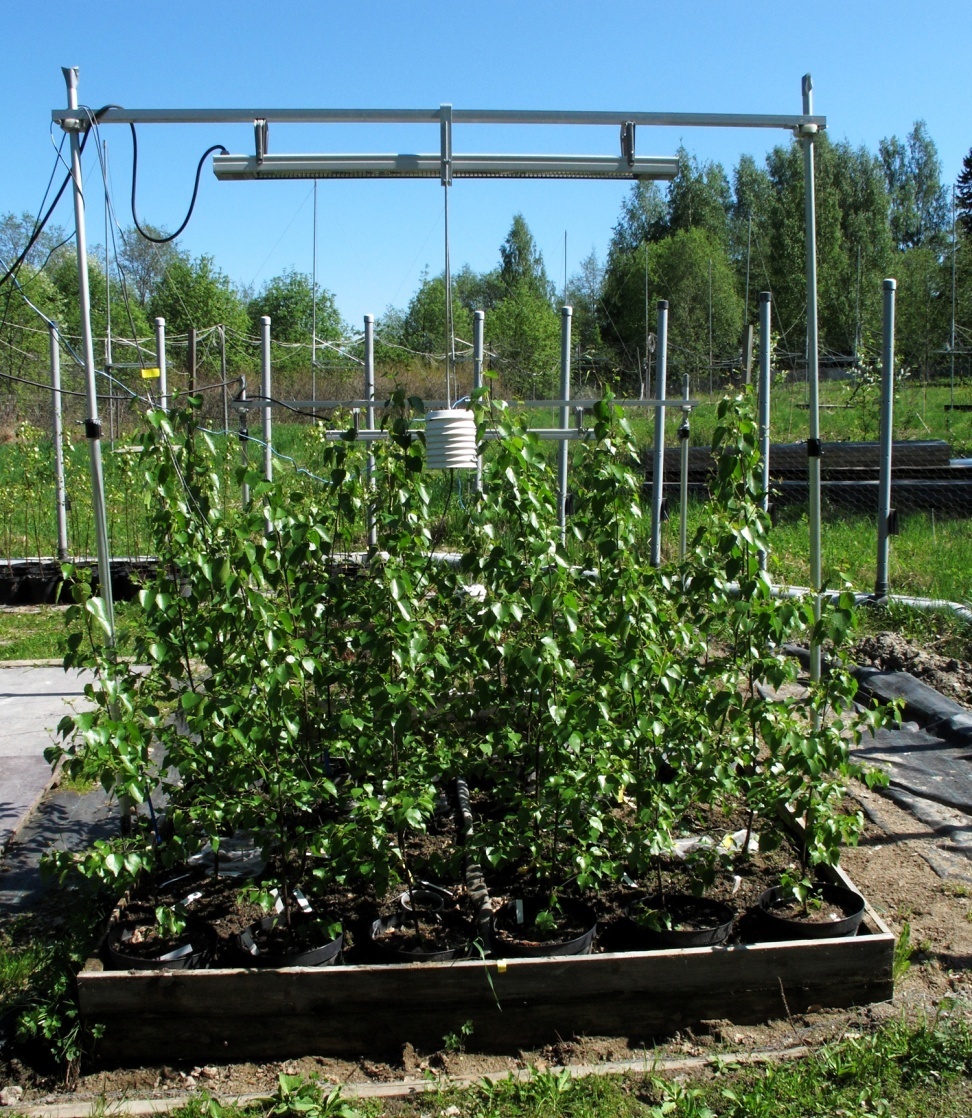
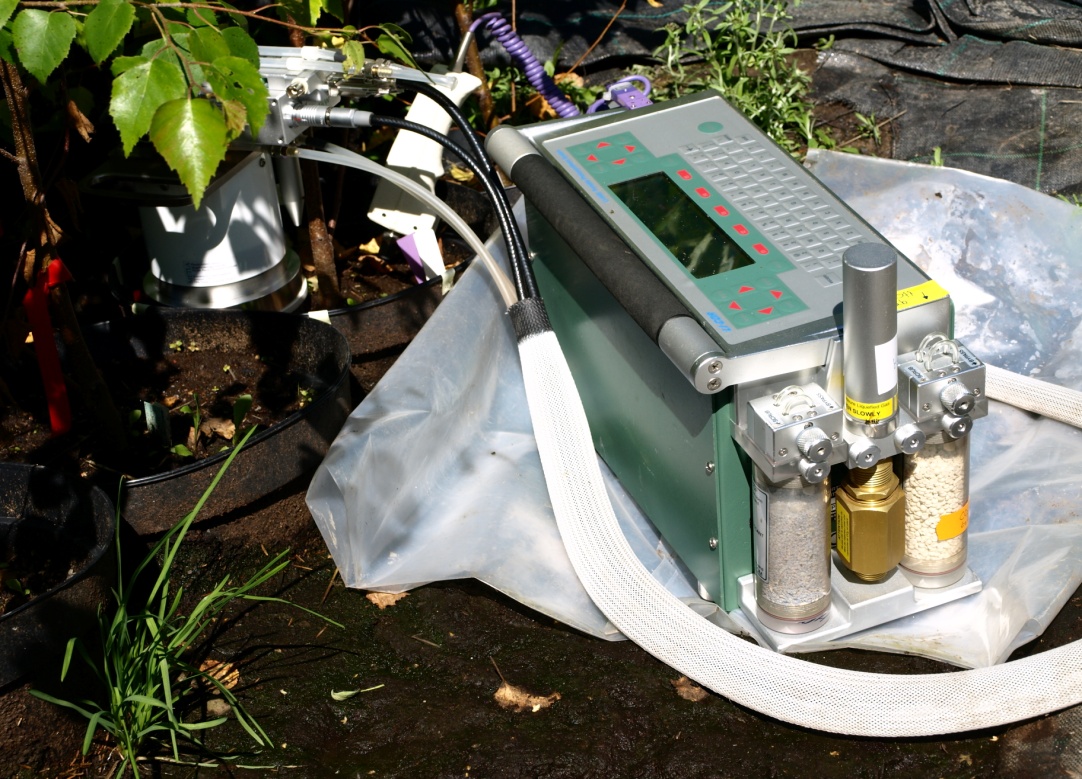
At the same time I was measuring how silver birch genotypes responded to temperature and ozone stress in my field research. The carbon allocation shifts I saw in the data, trees diverting resources from growth into stress response chemistry, made the same point in a completely different context.
Eventually the connection became obvious. A plant fighting to survive invests heavily in chemical defence. A plant in ideal cultivation conditions with plenty of water, nutrients, and no threats invests in growth instead. Same species. Completely different chemistry.
This is the core reason why wild harvested herbs are often more potent than their cultivated equivalents. Not always. Not automatically. But often enough that it matters when you are choosing a supplement.
What Stress Actually Does to Plant Chemistry
Plants produce secondary metabolites in response to specific ecological pressures.
UV radiation triggers phenolic compound production. The flavonoids and phenolic acids that absorb UV radiation and protect photosynthetic tissue build up in plants exposed to high light intensity. A mountain herb growing at altitude under intense UV invests far more in these compounds than the same species growing in a shaded garden.
Drought stress upregulates terpenoid production. When water is scarce, stomata close to reduce water loss. This also traps carbon dioxide inside the leaf, shifting metabolism toward terpenoid synthesis as an alternative carbon sink. Many aromatic herbs growing in dry Mediterranean conditions produce dramatically higher essential oil concentrations than the same species in moist garden soil.
Herbivory and pathogen pressure trigger alkaloid and terpene production as direct chemical defence. Plants in natural environments face continuous pressure from insects and soil pathogens. Each attack triggers a defence response that leaves the plant with higher secondary metabolite concentrations than a cultivated plant protected by pesticides.
Nutrient limitation is particularly interesting. This one surprises people. Plants growing in poor soils often produce higher secondary metabolite concentrations than plants in nutrient-rich cultivation. When nitrogen and phosphorus are scarce, plants cannot invest heavily in primary growth. They divert carbon into secondary chemistry instead. Lavender from rocky Mediterranean hillsides with minimal soil development produces different essential oil profiles than lavender from rich garden soil.
My biogeochemistry training covered these nutrient cycling dynamics directly. The relationship between soil nutrient availability and plant secondary metabolite production is not incidental. It is a fundamental aspect of how plants allocate resources between growth and defence under different environmental conditions.
What My Field Research Showed
I did not measure secondary metabolite concentrations directly in my silver birch experiment. I want to be clear about that.
What I did measure was carbon allocation. How trees distributed their fixed carbon between stem growth, leaf production, and soil respiration under different stress treatments.
Under elevated ozone, gt14 showed reduced stem diameter growth late in the season. The tree was not allocating less carbon overall. It was allocating it differently. More going into stress response chemistry, less into woody tissue production.
That carbon allocation shift is the same mechanism operating in wild harvested herbs under environmental stress. The plant is making a metabolic choice, investing in chemical defence rather than structural growth. The result in a medicinal herb is higher concentrations of the compounds we are interested in.
I believe the genotype-specific differences I observed, gt14 responding differently to gt15 under the same ozone stress, reflect genuine genetic variation in how individual plants balance growth versus defence investment. That genetic variation exists in wild herb populations too. Which is partly why wild harvested material shows more variability than cultivated material and why some wild batches are dramatically more potent than others.
Cultivated Herbs: What Changes
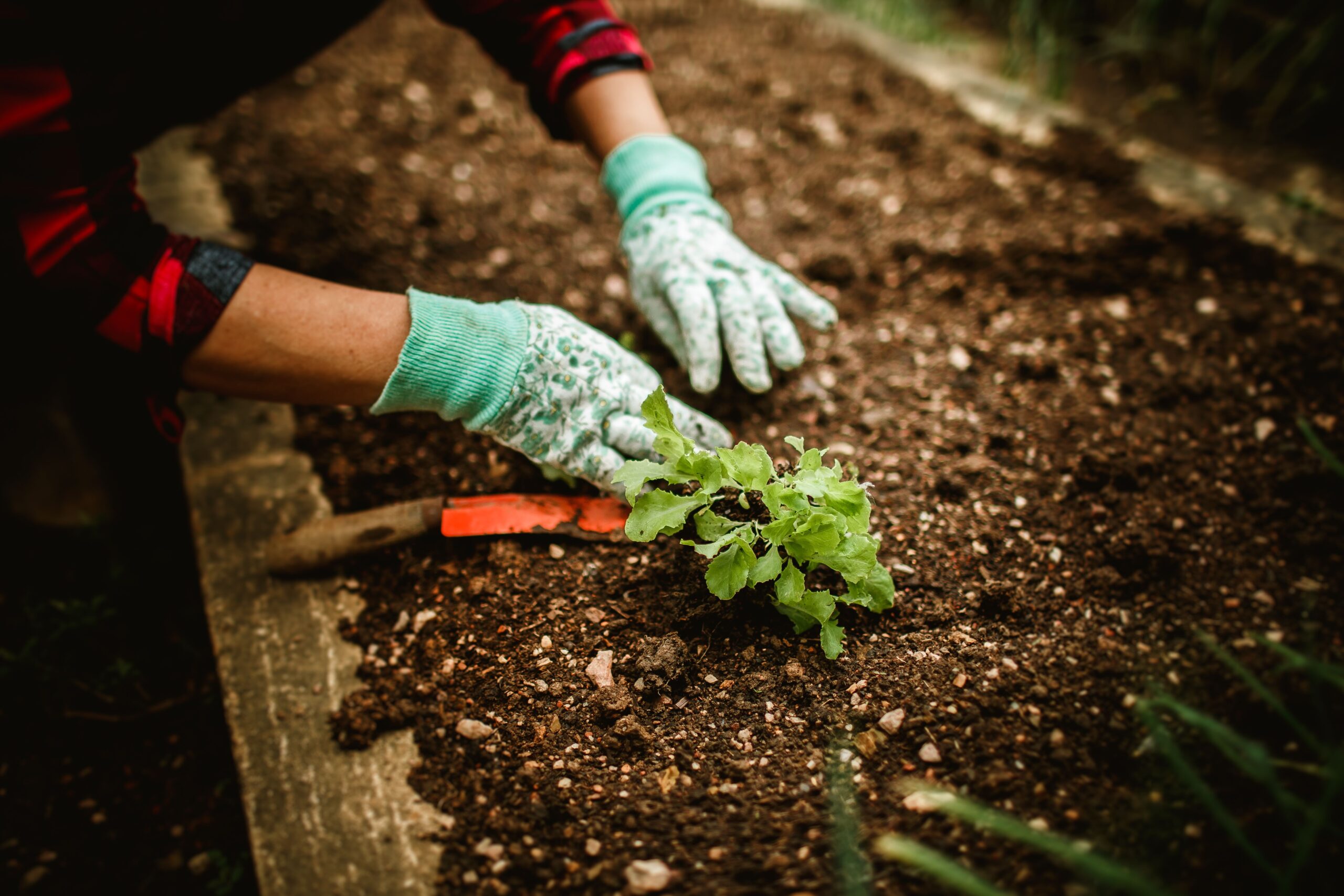
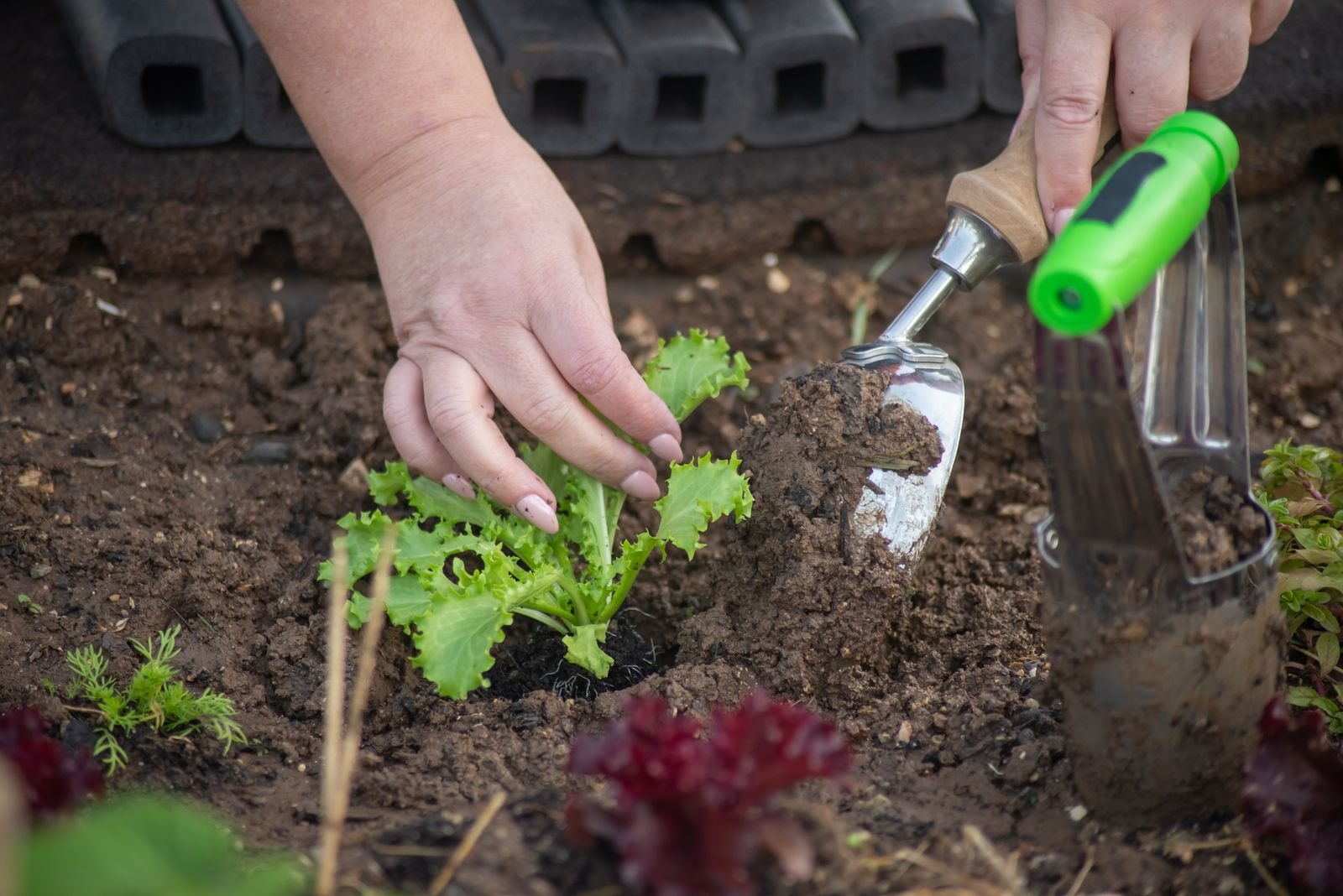
Commercial herb cultivation optimises for yield not chemistry.
More water means more growth but diluted secondary metabolites. More nitrogen means faster biomass accumulation but reduced investment in defence chemistry. Pest and disease protection removes the ecological pressure that drives secondary metabolite upregulation. Consistent temperatures remove the thermal stress that triggers certain compound classes.
The result is a plant that grows faster, produces more biomass, and has more consistent and predictable chemistry. That last point is actually valuable for standardised supplement production. Consistent lower potency is easier to work with commercially than variable higher potency.
But for raw herb quality, the cultivated plant often falls short of wild material from genuinely stressed environments.
There are exceptions. Some cultivated herb production specifically mimics stress conditions. Water restriction during key growth phases. Reduced fertilisation. Exposure to natural pest pressure. These practices produce cultivated material that approaches wild quality. But they are the exception not the standard in commercial production.
Wild Harvested Is Not Automatically Better
I want to be careful here because the wild harvested label gets misused constantly.
Wild harvested means the plant was collected from a natural or semi-natural environment rather than cultivated. It says nothing about the specific environmental conditions, the stress history of the plant, or the secondary metabolite content of the material harvested.
Wild harvested from a rich woodland floor with good soil and moderate light is not necessarily more potent than well-managed cultivation with deliberate stress protocols.
Wild harvested also raises serious sustainability concerns. Many medicinal plant species face significant pressure from overharvesting. Goldenseal, American ginseng, and wild-crafted rhodiola are all at risk from unsustainable collection. The ecological argument for wild harvesting becomes very thin when it contributes to population decline of already pressured species.
My ecology training and biodiversity work make me take this seriously. A more potent wild harvested product that contributes to local population decline is not a good outcome from an ecosystem perspective.
Sustainably managed cultivation with deliberate stress conditions is often the better choice both ethically and practically.
What to Look For When Choosing
The label wild harvested tells you very little on its own. Here is what actually matters:
Growing region and altitude. High altitude Mediterranean herbs, arctic and subarctic adaptogenic plants, plants from nutrient-poor rocky soils. These environmental conditions correlate with stress-driven secondary metabolite investment.
Standardised active compound content. This is the only reliable way to know what you are getting regardless of whether the material is wild or cultivated. A standardised extract from well-managed cultivation often outperforms unstandardised wild material.
Harvest timing. Secondary metabolite concentrations peak at specific growth stages. Pre-flowering for most leaf herbs. Root material at the end of the growing season after the plant has stored its carbon investment underground. Good producers specify harvest timing.
Third party testing. For wild harvested material especially, contamination with heavy metals, pesticides from adjacent agricultural land, and misidentification of species are all real risks. Third party testing addresses all of these.
FAQs
Is wild harvested better than organic?
Not automatically. Wild harvested means collected from natural environments rather than cultivated. Organic means cultivated without synthetic inputs. Neither label tells you about secondary metabolite content directly. High altitude or environmentally stressed wild harvested material often has higher active compound concentrations than low-stress organic cultivation. But standardised active compound content is a more reliable quality indicator than either label.
Why do stressed plants produce more medicine?
Environmental stress triggers secondary metabolite production as a defence response. UV radiation, drought, herbivory, nutrient limitation, and pathogen pressure all drive investment in phenolic compounds, terpenoids, and alkaloids. Plants in comfortable cultivation conditions invest that carbon in growth instead. The ecological pressure that drives secondary metabolite production in wild environments is largely absent in standard commercial cultivation.
Does wild harvesting damage plant populations?
It can significantly. Several medicinal plant species face serious pressure from unsustainable wild harvesting. Sustainably managed cultivation with deliberate stress protocols is often the better choice ecologically while still producing high quality material. Always check whether wild harvested products come from managed sustainable sources.
How can I tell if a supplement uses genuinely potent herb material?
Standardised active compound content on the label. Growing region information that suggests environmental stress conditions. Harvest timing specified. Third party testing verification. These indicators are more reliable than wild harvested or organic labels alone.
Do cultivated herbs have any advantages over wild harvested?
Yes. More consistent active compound content. Lower contamination risk. Better sustainability in most cases. Easier to standardise for supplement production. Well-managed cultivation with deliberate stress protocols can produce material comparable to wild harvested from genuinely stressed environments.

