











This article was written by Serge, MSc. Plant Biologist and Environmental Scientist with a BSc in Plant Biology and an MSc in Environmental Biology and Biogeochemistry. My background covers plant biochemistry, botany, and field research in forest and soil ecosystems. I write from real experience, not just literature.
Affiliate disclosure: This site has affiliate links, including Amazon. As an Amazon Associate I earn from qualifying purchases, at no extra cost to you.
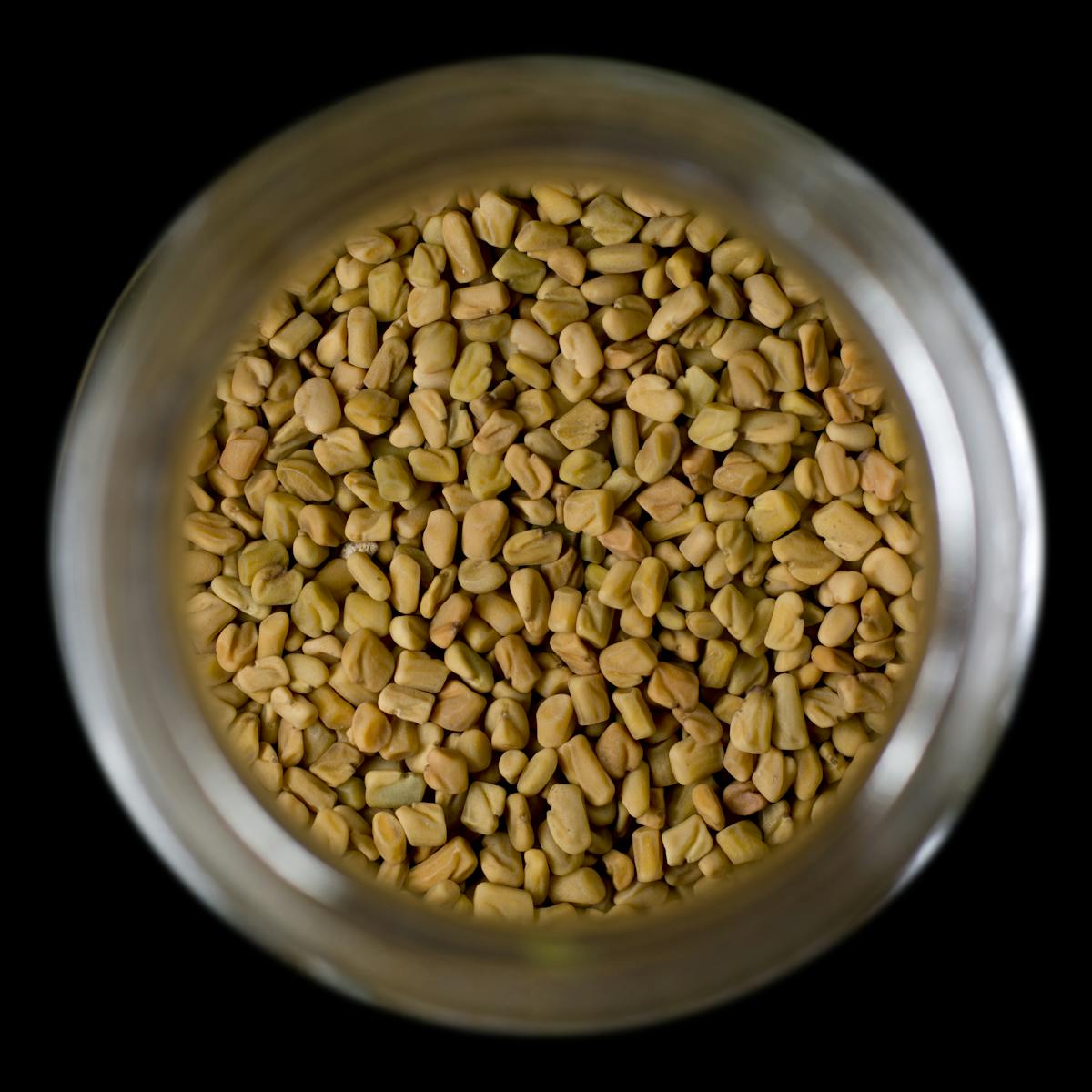
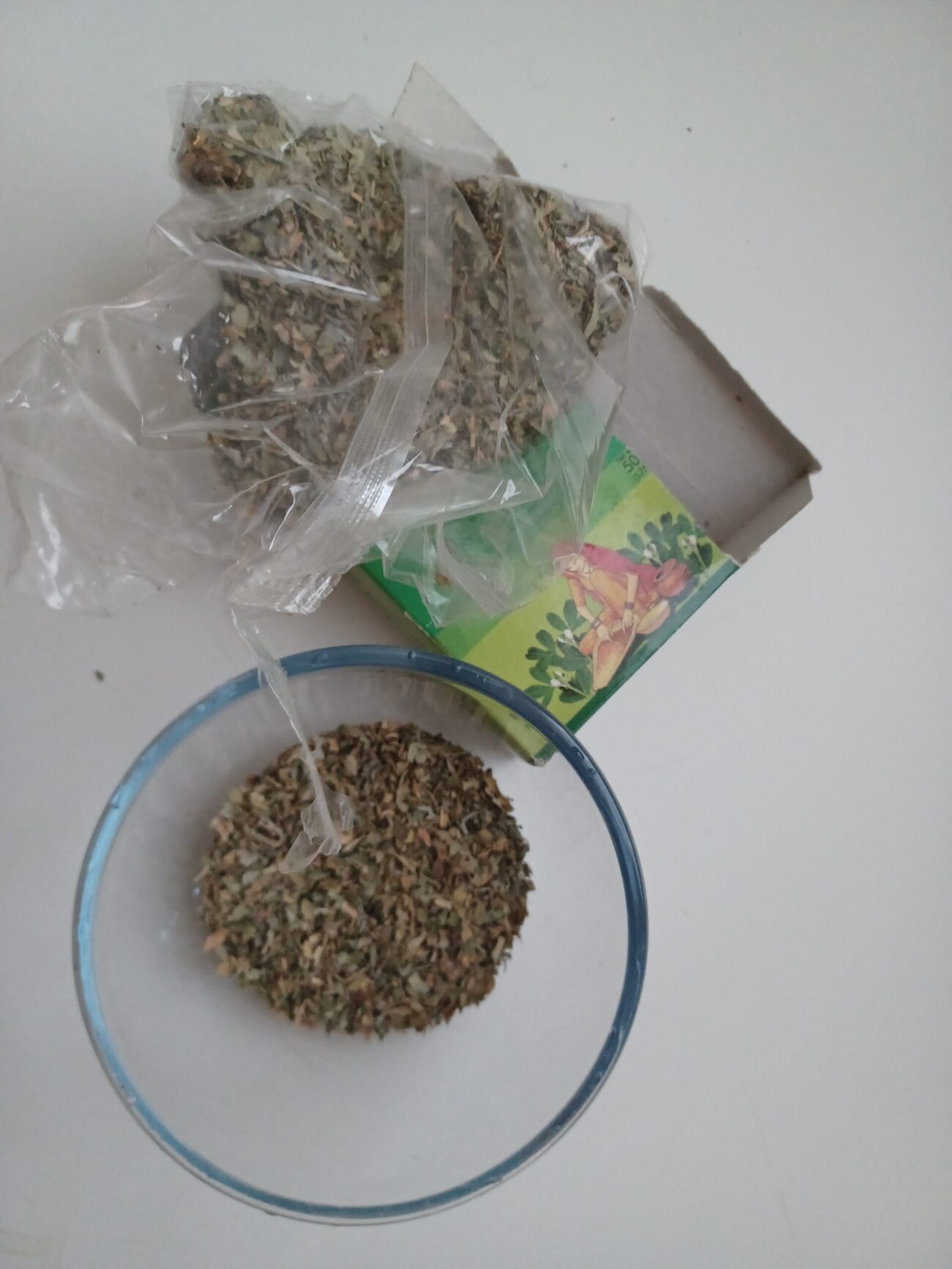
I have fenugreek leaves sitting in my kitchen right now. Picked them up recently and started thinking about something I had not considered before. Most of what you read about fenugreek focuses entirely on the seeds. The leaves barely get a mention. But they are a completely different chemical proposition and understanding the difference tells you a lot about how this plant actually works.
Trigonella foenum-graecum kept appearing in my plant biochemistry studies before I ever thought of it as a supplement. The saponin chemistry in the seeds is genuinely interesting once you understand what is being built and why the plant builds it. Furostanolic saponins are steroidal compounds produced through the same terpenoid pathway I studied in detail during my postgraduate plant biochemistry coursework.
The fact that these plant-produced steroidal molecules interact with mammalian hormone systems is not a coincidence. The molecular scaffolding is related across the living world. That shared architecture is exactly why fenugreek attracts serious biochemical research attention.
Leaves or Seeds: Which One Should You Use
This question deserves a proper answer before anything else because most articles ignore it entirely.
The seeds and leaves of Trigonella foenum-graecum are chemically distinct. They are the same plant but they have invested their biosynthetic resources differently.
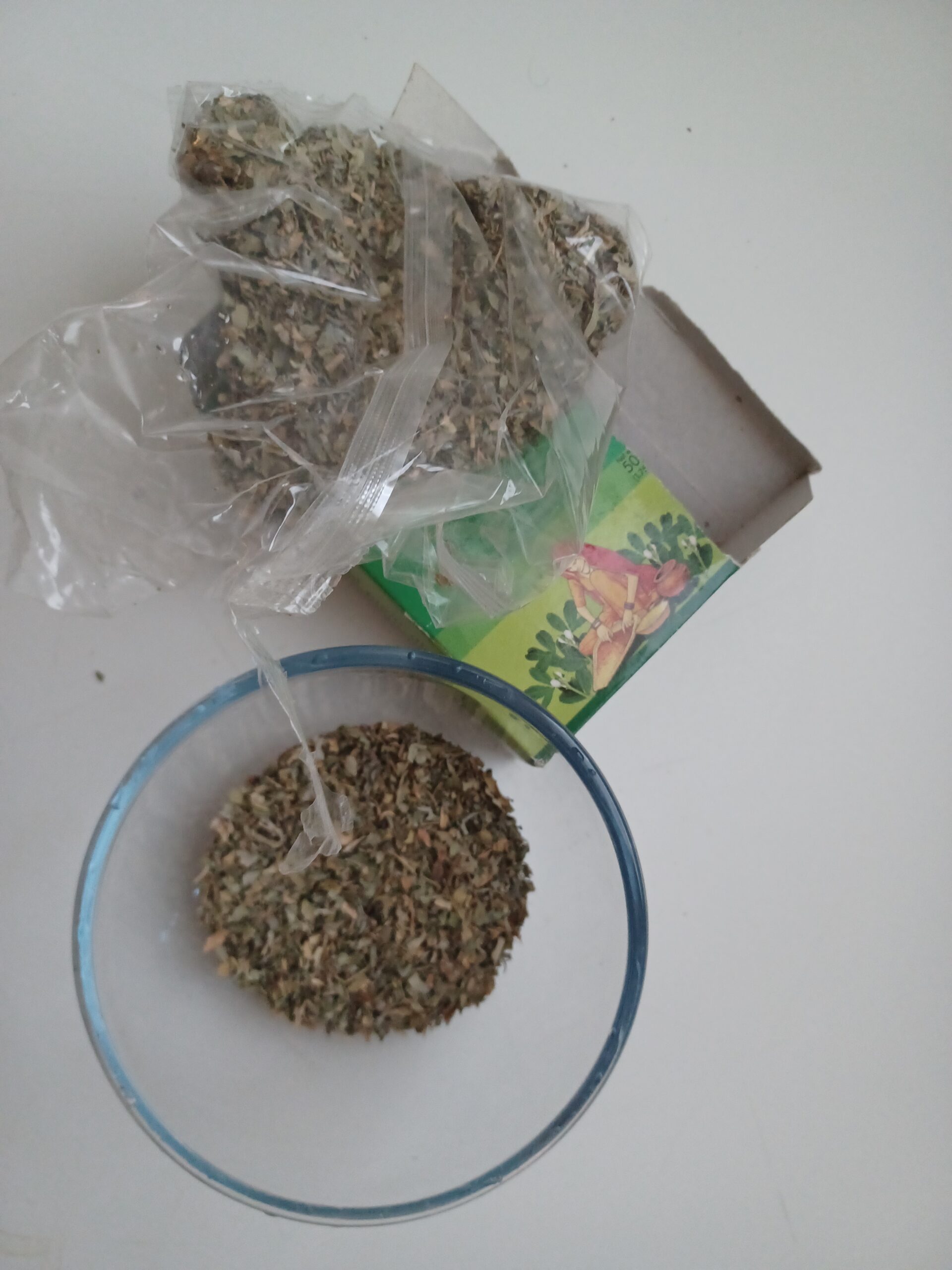
Seeds concentrate furostanolic saponins, 4-hydroxyisoleucine, trigonelline, and galactomannan fiber. These are the compounds associated with testosterone enzyme inhibition, blood sugar regulation, and digestive support. If any of those effects are your goal, seeds are where the chemistry is.
Leaves contain higher concentrations of flavonoids including luteolin and quercetin, vitamins A, C, and K, iron, calcium, and folic acid. The leaves are nutritionally dense and contain anti-inflammatory flavonoids but they carry far lower concentrations of the steroidal saponins that make fenugreek interesting for men’s hormonal health.
My plant biochemistry studies covered how different plant organs invest in different compound classes depending on their biological function. Seeds need to protect the embryo and fuel germination. They invest heavily in defensive chemistry and energy storage compounds. Leaves need to photosynthesize and manage oxidative stress. They invest in flavonoids, vitamins, and minerals.
So which is more effective? It depends entirely on what you want. For blood sugar support, digestive benefits, and the proposed testosterone effects, seeds win clearly. For nutritional value and general anti-inflammatory support, fresh or dried leaves are excellent. The ones in my kitchen are going into a meal later.
What the Seeds Actually Contain
Furostanolic saponins are the primary compounds associated with hormonal effects. These are steroidal glycosides with a furostanol backbone, built through the terpenoid pathway. The same biosynthetic route produces withanolides in ashwagandha (Withania somnifera) and ginsenosides in ginseng (Panax ginseng). I find it interesting how the same pathway keeps producing structurally related compounds across completely different plant families, almost like nature found a useful molecular template and kept reusing it.
4-hydroxyisoleucine is an unusual amino acid found almost exclusively in fenugreek seeds. It has documented effects on insulin secretion and glucose uptake in muscle cells. Most medicinal plants work through secondary metabolites. Fenugreek is unusual because one of its most active compounds is a primary metabolite, an amino acid the plant produces for its own protein chemistry that happens to have significant effects on human glucose metabolism.
Trigonelline is an alkaloid present in the seeds with effects on glucose metabolism and nerve health. Worth knowing: trigonelline degrades to niacin during roasting. Roasted fenugreek seeds therefore have a different nutritional profile than raw ones. Not better or worse, just different.
Galactomannans make up around 45 to 50 percent of seed dry weight. These soluble fiber polysaccharides slow gastric emptying and glucose absorption. The fiber content alone makes fenugreek seeds one of the more interesting digestive support herbs available.
The Testosterone Question
I want to answer this one carefully because it gets oversimplified constantly.
Fenugreek does not contain testosterone. No plant does. What fenugreek seeds contain are furostanolic saponins that may inhibit two enzymes: aromatase, which converts free testosterone to estrogen, and 5-alpha reductase, which converts testosterone to dihydrotestosterone.
The proposed mechanism is enzyme inhibition. If these enzymes are less active, more free testosterone remains available in circulation. That is the biochemical logic. My plant biochemistry and ecotoxicology coursework both covered enzyme inhibition mechanisms in detail. Plants use enzyme inhibiting secondary metabolites extensively as defence chemistry. The overlap with mammalian enzyme systems follows from the shared biochemical architecture that connects all living things.
Some trials show modest improvements in free testosterone in men with suboptimal baseline levels. The effects in men with already normal testosterone are less consistent. I would not call fenugreek a testosterone booster in the pharmaceutical sense. A more accurate description is that it may support the body’s own testosterone regulation by reducing enzymatic conversion. Subtle but real under the right conditions.
Blood Sugar Effects: The Strongest Evidence
If I am being direct about where the evidence for fenugreek is actually strongest, it is here, not testosterone.
4-hydroxyisoleucine stimulates insulin secretion from pancreatic beta cells in a glucose-dependent manner. The galactomannans slow gastric emptying and reduce the rate of glucose absorption from the gut. Trigonelline addresses glucose metabolism through additional pathways.
Three separate mechanisms addressing blood sugar simultaneously through different molecular routes. I covered how plants producing multiple bioactive compounds often address the same biological problem through different mechanisms during my plant biochemistry studies. Fenugreek is a good example of this multi-target approach operating across both primary and secondary metabolite classes.
Taking fenugreek with meals rather than on an empty stomach makes practical sense for these effects. The fiber and amino acid mechanisms both work in the context of food digestion.
Why Fenugreek Makes You Smell Like Maple Syrup
I had to include this because it genuinely surprised me when I first read about it and it comes up constantly in search data.
Fenugreek seeds contain sotolone, a lactone compound produced through amino acid metabolism. Sotolone is responsible for the characteristic maple syrup or curry-like aroma of fenugreek. It is also responsible for a well documented phenomenon where fenugreek users start excreting sotolone in sweat and urine, producing a noticeable maple syrup-like body odour.
This is not harmful. It is not a sign of poor metabolism or a bad reaction. It is straightforward excretion of a metabolised volatile compound. Sotolone is detectable by the human nose at extremely low concentrations which is why even modest fenugreek consumption produces a noticeable effect. Consider it a sign the compounds are moving through your system.
How to Use Fenugreek
Whole seeds soaked overnight soften the galactomannan gel and reduce bitterness significantly. Consuming both the seeds and the soaking water delivers the full compound profile. Raw dry seeds are harder to digest and more intensely bitter.
Roasted seeds have a nuttier flavour. The trigonelline converts to niacin during roasting which changes the profile slightly but the saponin and fiber chemistry remains largely intact.
Powder mixed into warm water, smoothies, or food is a practical daily format. Around half to one teaspoon is a reasonable starting amount. The taste is distinctive, earthy and slightly bitter, which is why many people prefer capsules.
Standardised extracts specify furostanolic saponin content and deliver consistent dosing. If the hormonal effects are the primary goal, standardised extracts are more reliable than whole seed preparations where saponin concentration varies depending on growing conditions and processing.
Fresh or dried leaves like the ones I currently have at home work well cooked into dishes, added to curries, flatbreads, or lightly sauteed. They are nutritionally valuable and the flavonoid profile adds anti-inflammatory activity. They just will not deliver the saponin chemistry that seeds provide.
Common Questions
Does fenugreek actually increase testosterone?
Fenugreek does not produce testosterone. Its furostanolic saponins may inhibit aromatase and 5-alpha reductase, enzymes that convert free testosterone to other hormones, potentially leaving more free testosterone available in circulation. Clinical evidence shows modest effects in men with suboptimal baseline levels. Effects in men with normal testosterone are less consistent.
Which is more effective, fenugreek leaves or seeds?
They serve different purposes. Seeds contain the furostanolic saponins, 4-hydroxyisoleucine, and galactomannan fiber associated with testosterone enzyme inhibition, blood sugar regulation, and digestive support. Leaves contain higher concentrations of flavonoids, vitamins A, C, and K, iron, and calcium. For hormonal and blood sugar effects, seeds. For nutritional and anti-inflammatory support, leaves.
How does fenugreek affect testosterone?
The proposed mechanism involves inhibition of aromatase and 5-alpha reductase, the enzymes responsible for converting testosterone to estrogen and dihydrotestosterone respectively. Less enzymatic conversion means more free testosterone remains in circulation. This is enzyme inhibition rather than hormone production.
Can fenugreek lower blood sugar?
Yes through three documented mechanisms. 4-hydroxyisoleucine stimulates insulin secretion. Galactomannan fiber slows gastric emptying and glucose absorption. Trigonelline affects glucose metabolism through separate pathways. Taking fenugreek with carbohydrate-rich meals is more likely to produce meaningful effects than taking it on an empty stomach.
Why does fenugreek make you smell?
Sotolone, a lactone compound in fenugreek seeds, is metabolised and excreted in sweat and urine. It has an extremely low odour detection threshold meaning it is noticeable at very small concentrations. The maple syrup-like body odour is straightforward sotolone excretion, not a sign of anything harmful.
Should fenugreek be taken in the morning or at night?
For blood sugar and digestive effects, taking it with meals matters more than time of day. For hormonal effects which operate over longer time periods, consistency of use matters more than specific timing.
Can fenugreek cause diarrhea?
Yes at high doses. The galactomannan fiber content is substantial and excess soluble fiber can accelerate gut transit. Starting with smaller amounts and increasing gradually reduces this risk.
How long does fenugreek take to work?
Blood sugar and digestive effects can be noticeable within days of consistent use. Hormonal effects require consistent use over several weeks before any measurable change in free testosterone levels would be expected.
Should fenugreek seeds be soaked before eating?
Soaking overnight softens the galactomannan gel, reduces bitterness considerably, and improves digestibility. The soaking water contains water-soluble compounds including trigonelline and 4-hydroxyisoleucine and is traditionally consumed alongside the seeds.
Who should not take fenugreek?
People with diabetes on medication should monitor blood sugar carefully as fenugreek has genuine blood sugar lowering effects that can compound medication effects. Pregnant women should avoid therapeutic doses as fenugreek has traditionally been used to stimulate uterine contractions. People with peanut or chickpea allergies may cross-react as fenugreek is in the Fabaceae family.

