
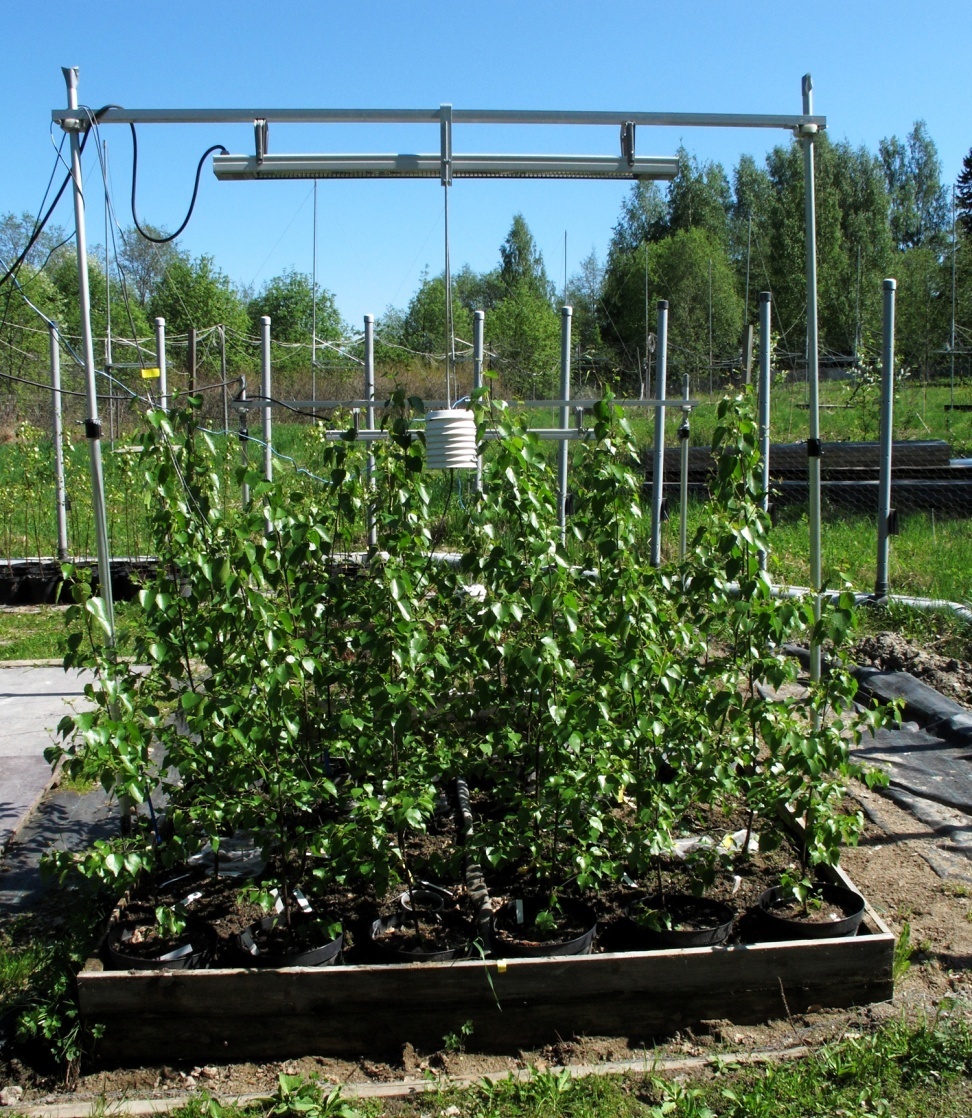
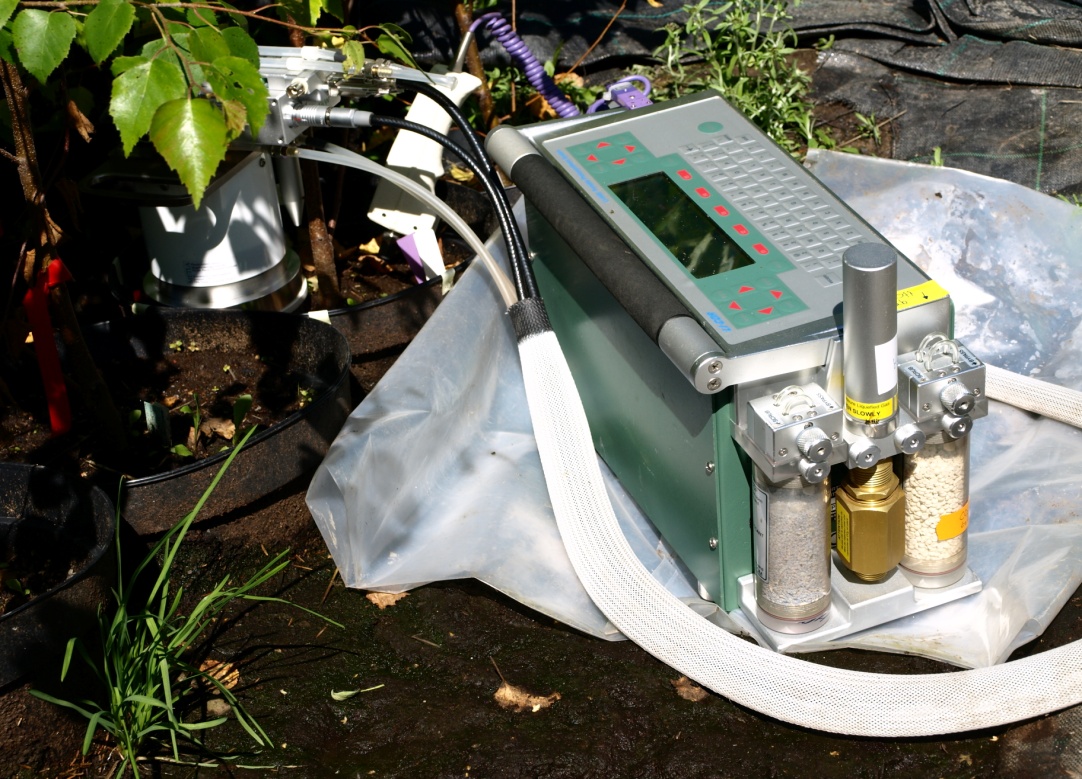













This article was written by Serge, MSc. Plant Biologist and Environmental Scientist with a BSc in Plant Biology and an MSc in Environmental Biology and Biogeochemistry. My background covers plant biochemistry, botany, and field research in forest and soil ecosystems. I write from real experience, not just literature.
Affiliate disclosure: This site has affiliate links, including Amazon. As an Amazon Associate I earn from qualifying purchases, at no extra cost to you.
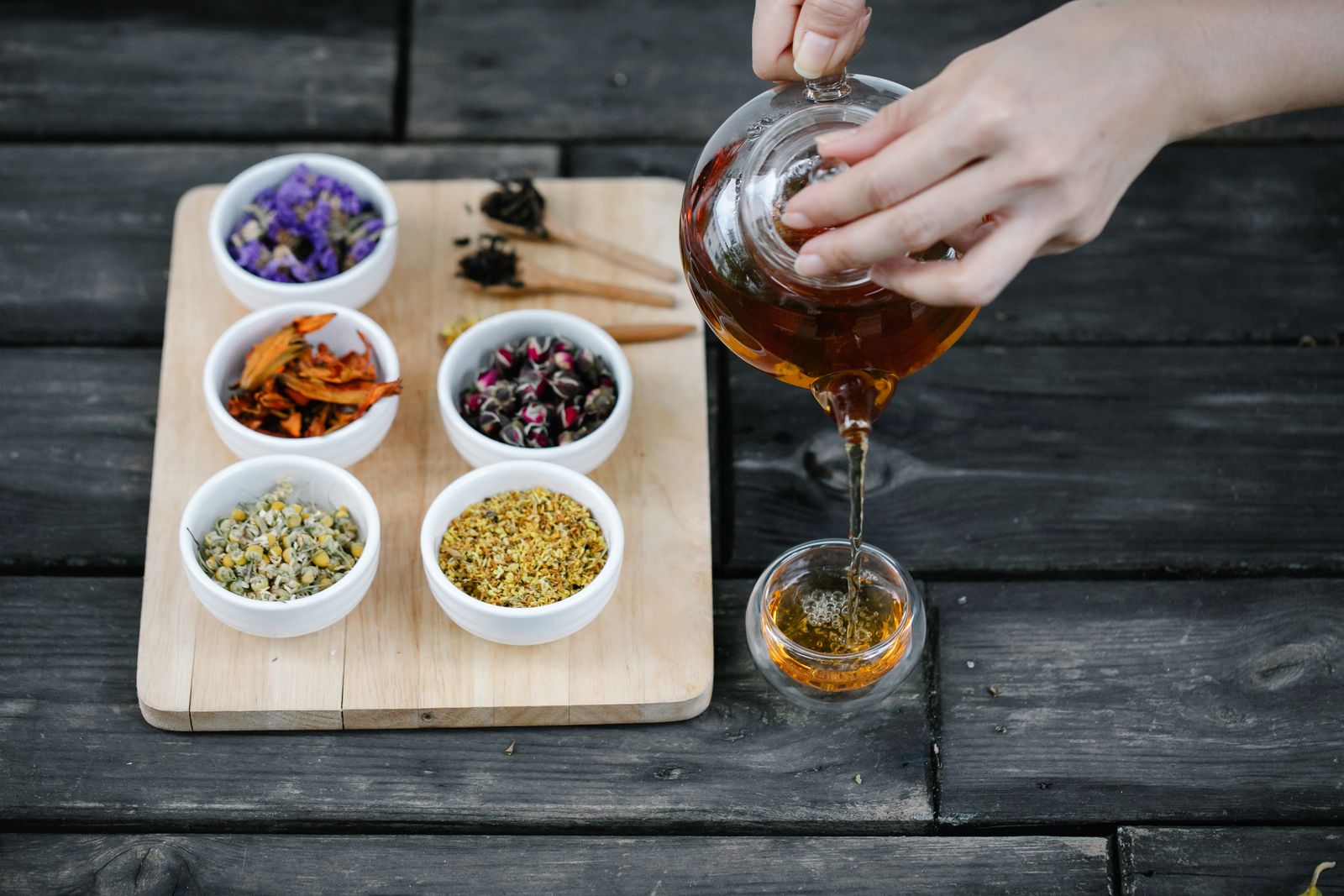
Someone tells you to take ashwagandha for stress and chamomile for winding down, and to take them together. It sounds sensible. But what are these herbs actually doing, are they doing the same job or different ones, and is stacking them a good idea or just more bottles on the shelf? I want to untangle that, because the two words you keep seeing, nervine and adaptogen, describe two genuinely different things, and once you can tell them apart you can make sense of almost any “calming blend” you come across.
I will keep this to what these plants are and how their compounds work, not what they treat. And I will be plain about one thing up front: the chemistry of single herbs is reasonably well understood, but the idea that specific two-herb blends produce neat combined effects is far less settled than the marketing suggests. So take the “blend” claims, including mine, as how things plausibly work, not as proven fact.
What a nervine is
A nervine is a plant that acts on the nervous system, usually in the short term. Think of the classic calming herbs: chamomile, Matricaria chamomilla, lemon balm, Melissa officinalis, passionflower, Passiflora incarnata. Their effect tends to be felt fairly soon and tends to be about easing tension in the moment.
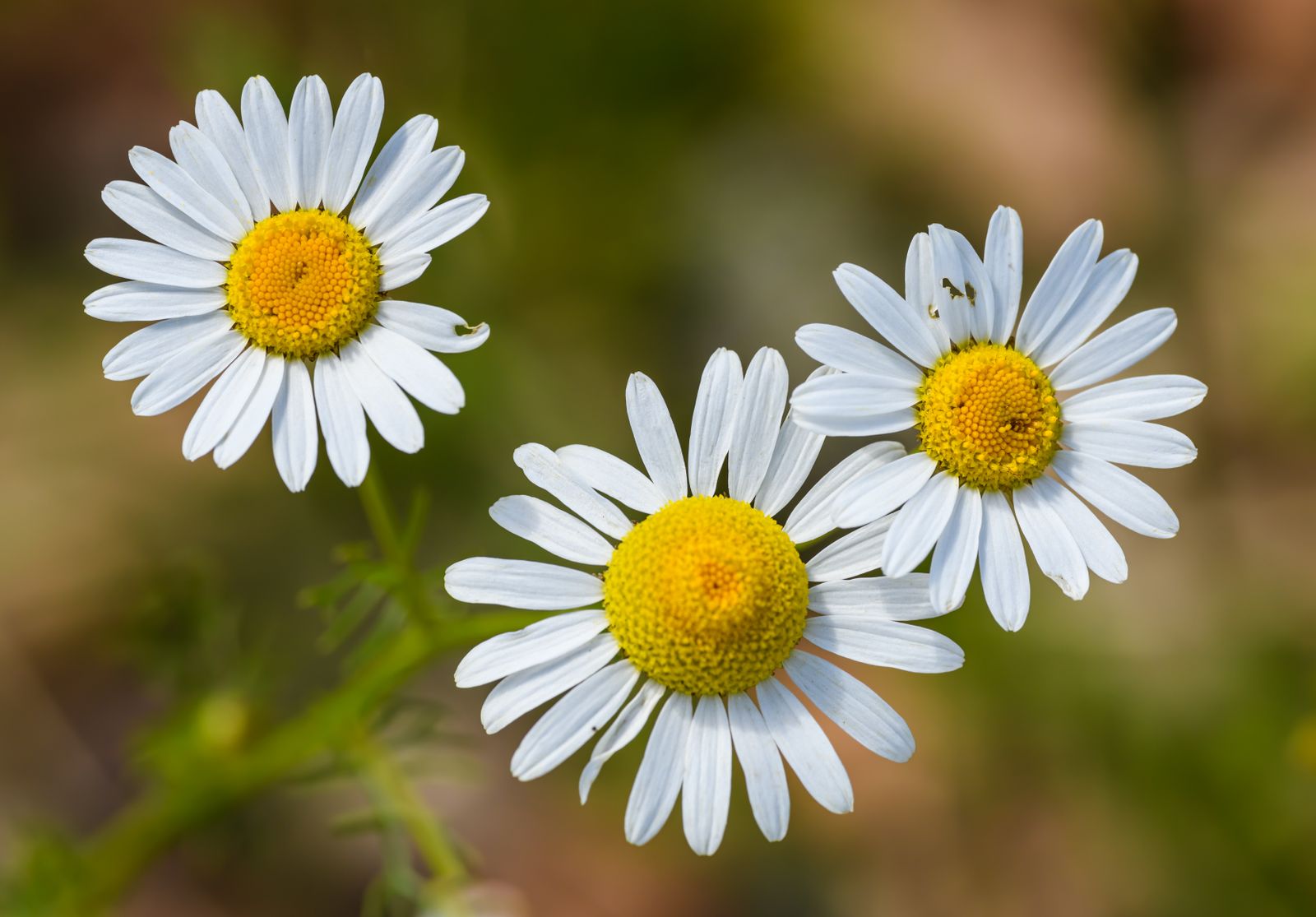
On the chemistry, these plants carry compounds from the families I find most interesting to track: aromatic terpenoids and various flavonoids and related phenolics. Chamomile, for instance, contains apigenin, a flavonoid, and bisabolol, a terpenoid in its aromatic oil.
This is where a bit of my training turns into something useful for you. Part of what I studied was plant biochemistry, the building and the behaviour of these compound classes, and one detail changes how you should take a nervine herb. The terpenoids, the aromatic ones you can smell, are volatile and fat-soluble.
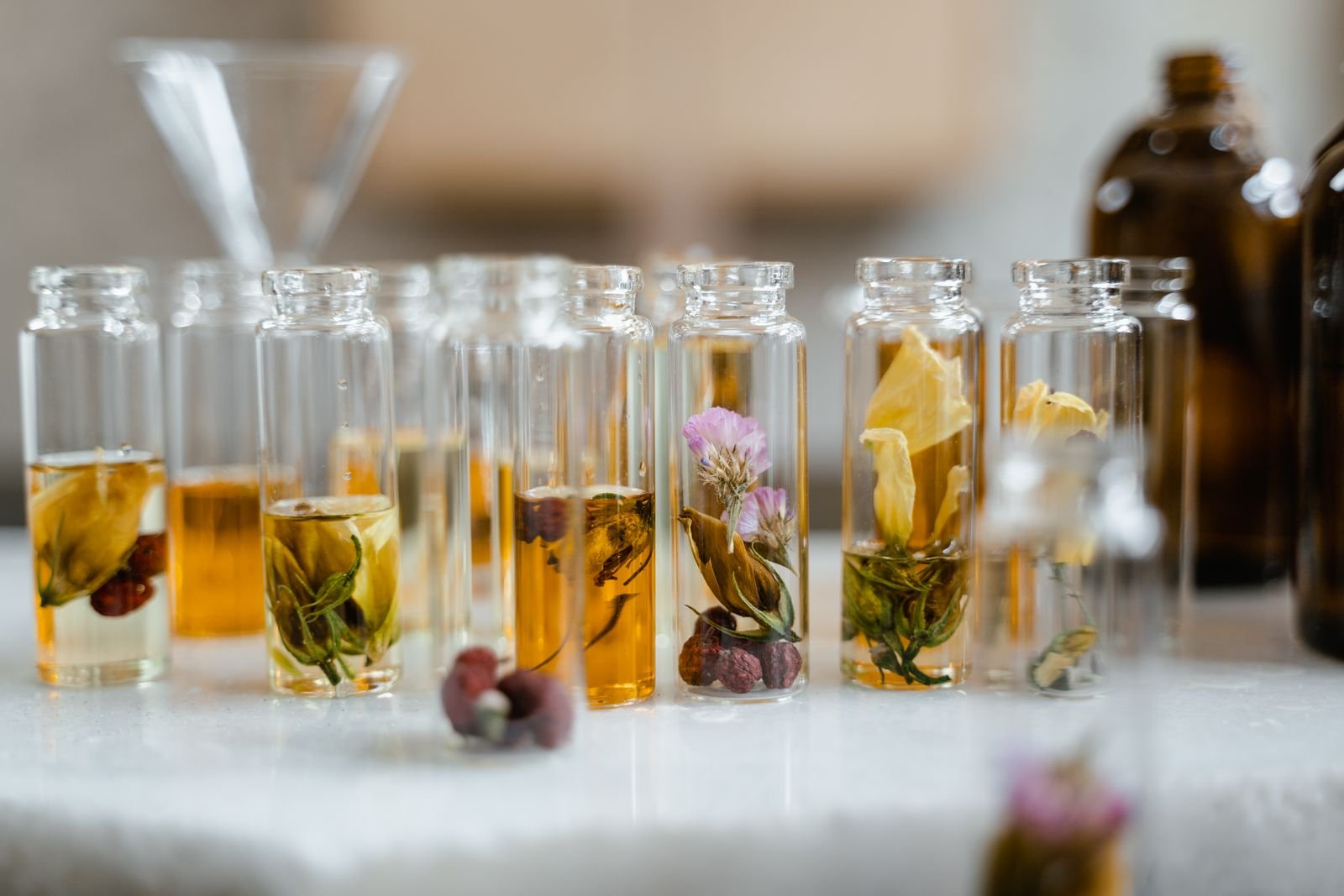
The flavonoids in the very same plant are water-soluble. They do not come out the same way. A hot water infusion pulls the flavonoids and only some of the aromatic oil, much of which drifts off as steam, which is the smell rising from the cup. To capture more of the fat-soluble aromatic fraction you need alcohol or oil, not water.
So the same nervine herb gives you a different slice of its chemistry depending on whether you take it as a tea or a tincture. That is not a marketing detail. It is solubility, and it is worth knowing before you decide how to use a calming herb.
What an adaptogen is
An adaptogen is a different idea altogether. The term describes plants thought to help the body cope with stress over the longer term, nudging it back toward balance rather than producing an immediate felt effect. Ashwagandha, Withania somnifera, and rhodiola, Rhodiola rosea, are the usual examples.
The main difference is time and target. A nervine tends to act soon and on the nervous system directly. An adaptogen is described as working gradually, on the body’s broader stress response. One is closer to a calming cup in the moment; the other is closer to a slow recalibration. That distinction is the single most useful thing to carry away, because it explains why people are so often told to pair them.

What combining them is meant to do
Here is the logic behind the classic pairings, and also where I want to be careful. The idea of putting a nervine with an adaptogen, say lemon balm with ashwagandha, is that you get the short-term ease of the nervine alongside the slower, steadying action of the adaptogen. Two different jobs, layered.
That is a reasonable hypothesis from how each plant behaves on its own. What it is not is well-proven combined pharmacology. Rigorous evidence that specific two-herb pairs produce a defined joint effect in people is thin. So when a label promises that a particular duo does something precise, the fair position is that the single-herb chemistry is real and the combination is plausible, not that the synergy is demonstrated. I would rather tell you that than sell you a tidier story.
I use several of these myself, chamomile and lemon balm most often, with ashwagandha kept on the shelf. That is my own habit, though, not proof of what a blend will do for you.
The part the blends rarely mention: interactions
This is the piece I most want you to take seriously, because the search for “what works well together” almost never includes its twin question, what does not. Plants are chemistry. The same fact that makes them active also means they can interact, with each other and with medications.
Some herbs can change how the body processes a drug, making a medicine stronger or weaker than intended. Some compound effects can stack in ways you did not plan. This is not a reason for fear, but it is a reason for care: combining herbs, or combining a herb with a prescription, is exactly the situation where “natural” does not mean “automatically safe.”
If you take regular medication, or you are pregnant, or you have an ongoing condition, the combining question is one to put to a pharmacist or doctor who knows your full picture, not to a blog or a label.
So is combining worth it?
Sometimes the logic holds: a fast-acting nervine and a slow adaptogen are doing different jobs, and layering them is coherent. Sometimes it is just more jars, two herbs from the same category duplicating each other with no added benefit. And sometimes it is a step that deserves a professional’s eye first.
The useful takeaway is the framework, not a recipe. Work out whether each herb is a nervine (soon, nervous system) or an adaptogen (gradual, stress response), ask whether you are combining two different jobs or doubling up on one, and treat any mix involving medication or an existing condition as a question for someone who can see your whole situation. That is a far more reliable guide than any “blend for calm” on a shelf.
Frequently Asked Questions
What are nervines and adaptogens?
Nervines are plants that act on the nervous system, usually with a fairly quick, short-term effect, such as chamomile or lemon balm. Adaptogens are plants thought to help the body cope with stress more gradually over time, such as ashwagandha or rhodiola.
What is the difference between a nervine and an adaptogen?
Mainly timing and target. A nervine tends to act soon and on the nervous system directly. An adaptogen is described as working slowly on the body’s wider stress response. One is an in-the-moment effect, the other a gradual one.
Can you take different herbs together?
Often people do, and pairing a fast-acting nervine with a slower adaptogen has a logic to it. But combining is not automatically beneficial or automatically safe, so it is worth understanding what each herb is for before stacking them.
Can herbs interact with each other or with medications?
Yes. Herbs are chemically active, so they can interact with one another and can change how the body handles certain medicines. If you take regular medication or have an ongoing condition, check combinations with a pharmacist or doctor who knows your situation.
Who should be cautious with adaptogens?
Anyone who is pregnant or breastfeeding, taking regular medication, or managing an ongoing health condition should be cautious and seek professional advice first, since individual circumstances vary widely.
Do herbs always work better combined?
No. Sometimes combining a nervine and an adaptogen layers two different actions usefully. Other times it just duplicates herbs from the same category with no real gain. Combining is a choice to make thoughtfully, not a default.

