







This article was written by Serge, MSc. Plant Biologist and Environmental Scientist with a BSc in Plant Biology and an MSc in Environmental Biology and Biogeochemistry. My background covers plant biochemistry, botany, and field research in forest and soil ecosystems. I write from real experience, not just literature.
Affiliate disclosure: This site has affiliate links, including Amazon. As an Amazon Associate I earn from qualifying purchases, at no extra cost to you.
Food compounds interact with human metabolism through specific molecular mechanisms. The energy, focus, and resilience we associate with certain foods and herbs are not vague wellness effects, they are the result of identifiable compounds acting on defined biological pathways.
My plant biochemistry training covered secondary metabolite biosynthesis in detail, and my work with plant stress responses gave me a practical understanding of why plants produce these compounds in the first place. Most of what makes a plant medicinally useful to humans evolved as defense chemistry. Understanding that origin helps evaluate which claims are biochemically plausible and which are not.
These ten plants have genuine evidence behind them. The mechanisms are known, the compounds are identified, and the practical applications are straightforward.
1. Spinach (Spinacia oleracea)
Spinach accumulates iron, magnesium, and B vitamins at concentrations that directly support cellular energy metabolism. Magnesium is a cofactor for over 300 enzymatic reactions including ATP synthesis, the fundamental energy currency of every cell. Iron is required for haemoglobin function and oxygen transport to metabolically active tissue.
The bioavailability of non-haem iron from spinach is enhanced by vitamin C consumed in the same meal, a practical consideration worth noting when preparing it.

2. Blueberries (Vaccinium corymbosum)
Anthocyanins, the flavonoid pigments responsible for blueberry’s deep colour, are produced as UV-protective and antimicrobial defense compounds in the plant. In humans they cross the blood-brain barrier and have documented effects on neuronal signalling, oxidative stress reduction, and cognitive function.
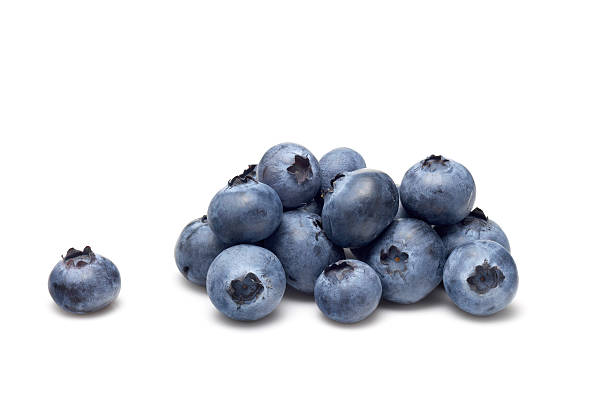
My plant biochemistry training covered anthocyanin biosynthesis as part of the flavonoid pathway. The concentration in berries is directly influenced by light exposure and stress conditions during growth, which is why wild or minimally managed blueberries often have higher anthocyanin content than intensively cultivated varieties.
3. Turmeric (Curcuma longa)
I covered curcumin’s biochemistry in detail in my articles on herbal synergy and anti-inflammatory herbs on this site. The short version: curcumin inhibits NF-kB and COX-2 through defined molecular mechanisms, and its bioavailability requires piperine from black pepper to be clinically meaningful. Without piperine, most curcumin is metabolised before reaching systemic circulation.

4. Ginger (Zingiber officinale)
Gingerols inhibit both COX and lipoxygenase enzymes, addressing prostaglandin and leukotriene synthesis simultaneously. I covered the full mechanism in my anti-inflammatory herbs article. For practical energy and digestive support, gingerols also accelerate gastric emptying and reduce intestinal inflammation markers, making ginger genuinely useful for digestive efficiency rather than just flavour.

5. Walnuts (Juglans regia)
Walnuts are the richest nut source of alpha-linolenic acid, the plant-derived omega-3 fatty acid. ALA is a precursor to EPA and DHA, the longer-chain omega-3s associated with cardiovascular and neurological health. The conversion efficiency from ALA to EPA and DHA is variable between individuals, but the antioxidant polyphenols in walnut skin, particularly ellagitannins, contribute independently to the documented cardiovascular benefits.

6. Green Tea (Camellia sinensis)
I wrote a dedicated article on green tea biochemistry on this site. The key mechanisms are EGCG-mediated enzyme inhibition for metabolic effects, and L-theanine’s modulation of GABA-A receptors for the calm alertness that distinguishes green tea from straight caffeine. Shade-grown varieties have higher L-theanine content because the amino acid is not converted to catechins without light exposure.

7. Garlic (Allium sativum)
Allicin is produced enzymatically when garlic cells are damaged, through the action of alliinase on alliin. It is not present in intact garlic tissue. This means crushing or chopping and allowing 10 minutes before cooking preserves more allicin activity than immediately applying heat, which denatures the enzyme before the reaction completes.
The cardiovascular effects are well documented, with multiple trials showing modest reductions in blood pressure and LDL oxidation with regular consumption.

8. Oats (Avena sativa)
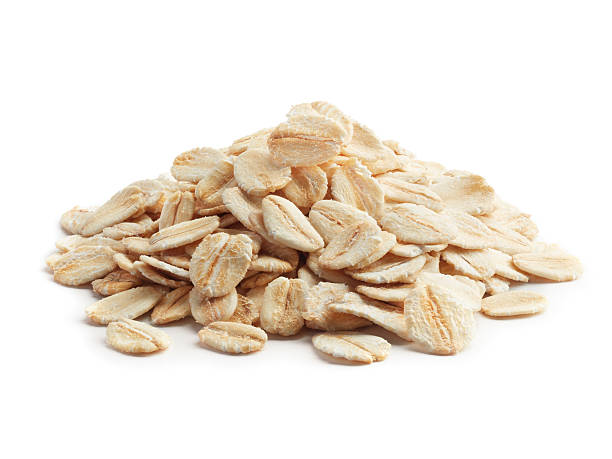
Beta-glucan, the primary soluble fibre in oats, slows gastric emptying and glucose absorption, producing the sustained energy release oats are known for. It also feeds Bifidobacterium and Lactobacillus species in the gut microbiome, contributing to intestinal health independently of its glycaemic effects.
Avenanthramides, phenolic compounds unique to oats, inhibit NF-kB and have documented anti-inflammatory activity. They are produced as defense compounds against fungal pathogens in oat grain.
9. Ashwagandha (Withania somnifera)
Withanolides, the steroidal lactones in ashwagandha root, modulate the hypothalamic-pituitary-adrenal axis, reducing cortisol output under stress conditions. This is the biochemical basis for the adaptogenic classification. The evidence for ashwagandha in stress reduction, sleep quality, and exercise recovery is among the strongest of any adaptogenic plant, with multiple randomised controlled trials showing significant cortisol reductions and improved resilience scores.
Standardised extracts specifying withanolide content are more reliable than non-standardised root powder, where active compound concentration varies considerably.

10. Lemon Balm (Melissa officinalis)
Rosmarinic acid in lemon balm inhibits GABA transaminase, the enzyme that breaks down GABA in the central nervous system. This prolongs GABAergic inhibition, producing the calming effect without sedation that makes lemon balm useful for stress-related fatigue and sleep preparation.
I covered the chamomile and lemon balm synergy in my herbal synergy article, the combination produces more sustained GABAergic effects than either alone because chamomile activates GABA-A receptors while lemon balm slows neurotransmitter breakdown simultaneously.

Simple Ways to Use These Plants Daily
Morning: Spinach, blueberries, ginger, and oats as a smoothie base or breakfast bowl covers iron, magnesium, anthocyanins, gingerols, and beta-glucan in one meal.
Midday: Green tea provides L-theanine and EGCG without the cortisol spike associated with coffee. Garlic in cooking contributes allicin precursors to the diet passively.
Evening: Lemon balm tea 30 to 60 minutes before sleep supports GABAergic relaxation. Ashwagandha in warm milk in the evening is the most studied preparation for its cortisol-modulating effects.
Turmeric and black pepper together in cooking or as a supplement provides the piperine needed for meaningful curcumin absorption.
| Food/Herb | Latin Name | Primary Active Compounds | Key Mechanism |
|---|---|---|---|
| Spinach | Spinacia oleracea | Iron, magnesium, B vitamins | ATP synthesis cofactors |
| Blueberries | Vaccinium corymbosum | Anthocyanins | Neuronal oxidative stress reduction |
| Turmeric | Curcuma longa | Curcumin | NF-kB and COX-2 inhibition |
| Ginger | Zingiber officinale | Gingerols | COX and lipoxygenase inhibition |
| Walnuts | Juglans regia | ALA, ellagitannins | Omega-3 precursor, antioxidant |
| Green Tea | Camellia sinensis | EGCG, L-theanine | Enzyme inhibition, GABA-A modulation |
| Garlic | Allium sativum | Allicin | Cardiovascular enzyme inhibition |
| Oats | Avena sativa | Beta-glucan, avenanthramides | Glycaemic modulation, NF-kB inhibition |
| Ashwagandha | Withania somnifera | Withanolides | HPA axis cortisol modulation |
| Lemon Balm | Melissa officinalis | Rosmarinic acid | GABA transaminase inhibition |
FAQs
Are supplements equivalent to whole foods for these compounds?
For some compounds yes, for others no. Standardised extracts of ashwagandha and curcumin with piperine provide more consistent active compound doses than whole food sources. For spinach, blueberries, and oats, whole food consumption provides fibre, cofactors, and compound combinations that supplements do not replicate.
How quickly do these compounds produce noticeable effects?
GABAergic compounds like lemon balm and ashwagandha can produce measurable effects within hours of a single dose. Compounds working through enzyme inhibition, curcumin, gingerols, typically require consistent use over several weeks for cumulative anti-inflammatory effects. Cognitive effects from anthocyanins have been measured within hours in acute trials.
Can these plants be combined safely?
Most combinations are safe and some are synergistic. Turmeric and black pepper is the most important combination for bioavailability. Chamomile and lemon balm work synergistically through complementary GABAergic mechanisms. I covered herbal synergy in detail in a dedicated article on this site.
Does garlic need to be eaten raw to be effective?
Not entirely, but preparation matters. Crushing or chopping and waiting 10 minutes before applying heat allows the alliinase enzyme to convert alliin to allicin before heat denatures the enzyme. Some allicin activity survives light cooking. High-heat cooking for extended periods significantly reduces activity.

