







This article was written by Serge, MSc. Plant Biologist and Environmental Scientist with a BSc in Plant Biology and an MSc in Environmental Biology and Biogeochemistry. My background covers plant biochemistry, botany, and field research in forest and soil ecosystems. I write from real experience, not just literature.
Affiliate disclosure: This site has affiliate links, including Amazon. As an Amazon Associate I earn from qualifying purchases, at no extra cost to you.
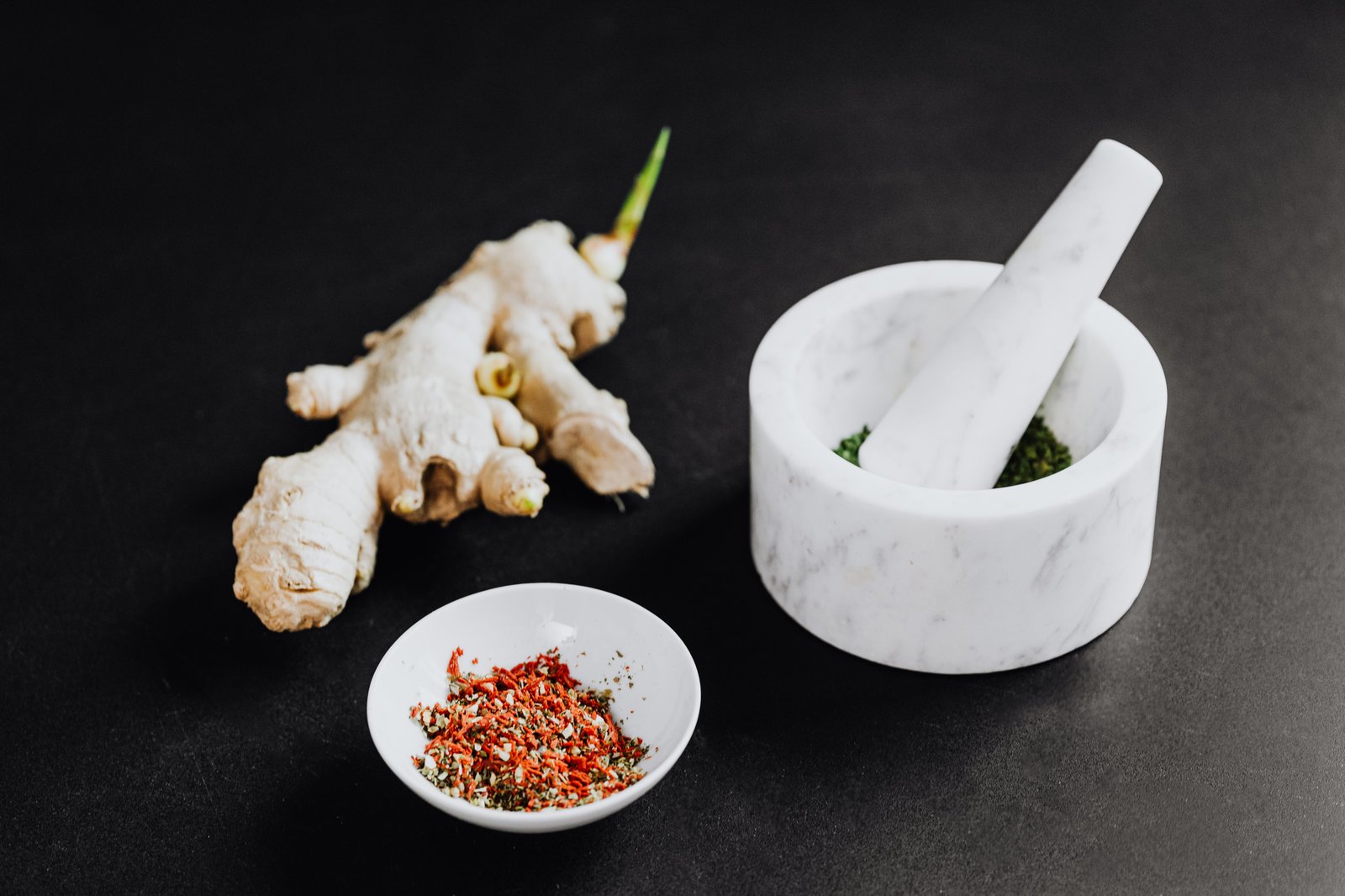
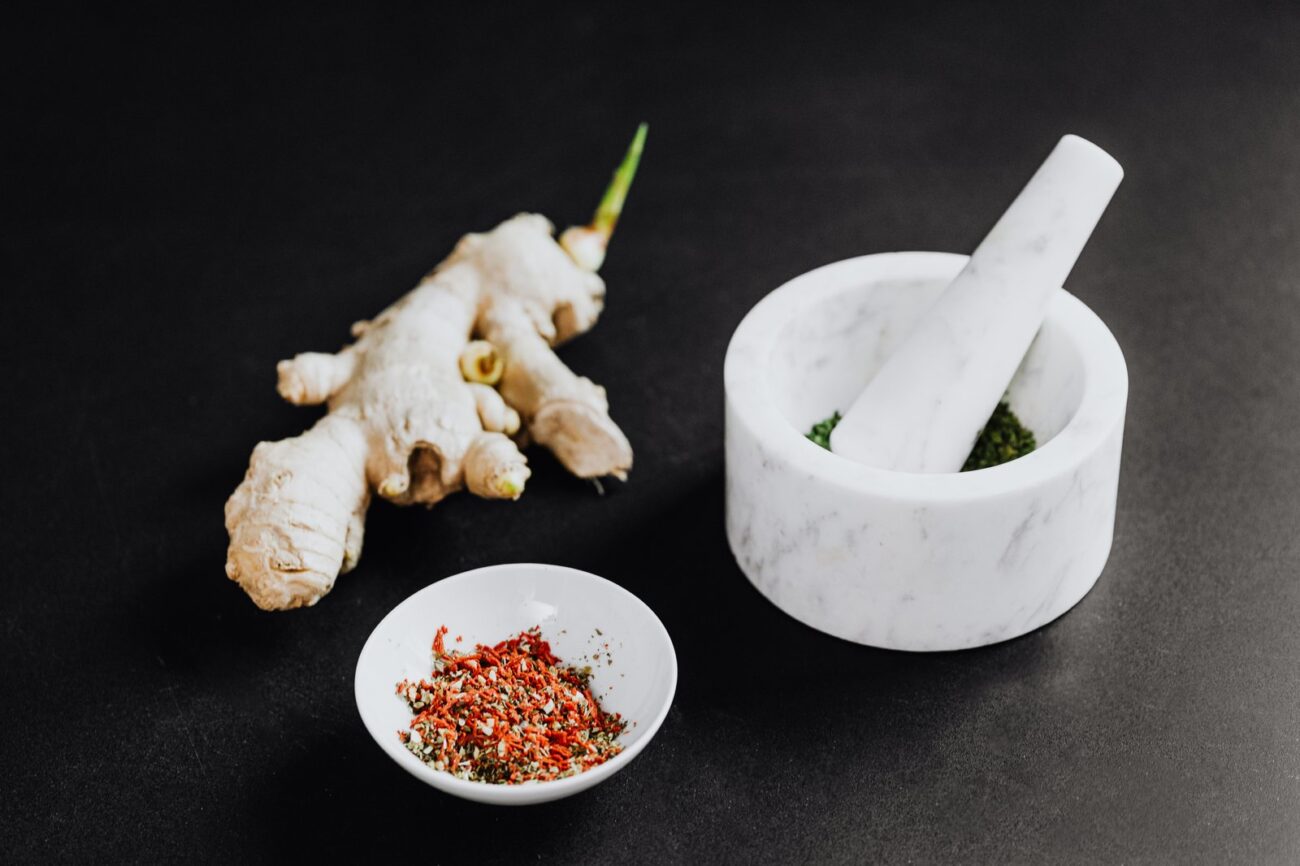
I mix turmeric powder with black pepper and apple cider vinegar most mornings. Not because someone told me to. Because once you understand what piperine does to curcumin absorption at a molecular level, adding black pepper to a turmeric preparation stops being optional and starts feeling like basic biochemistry.
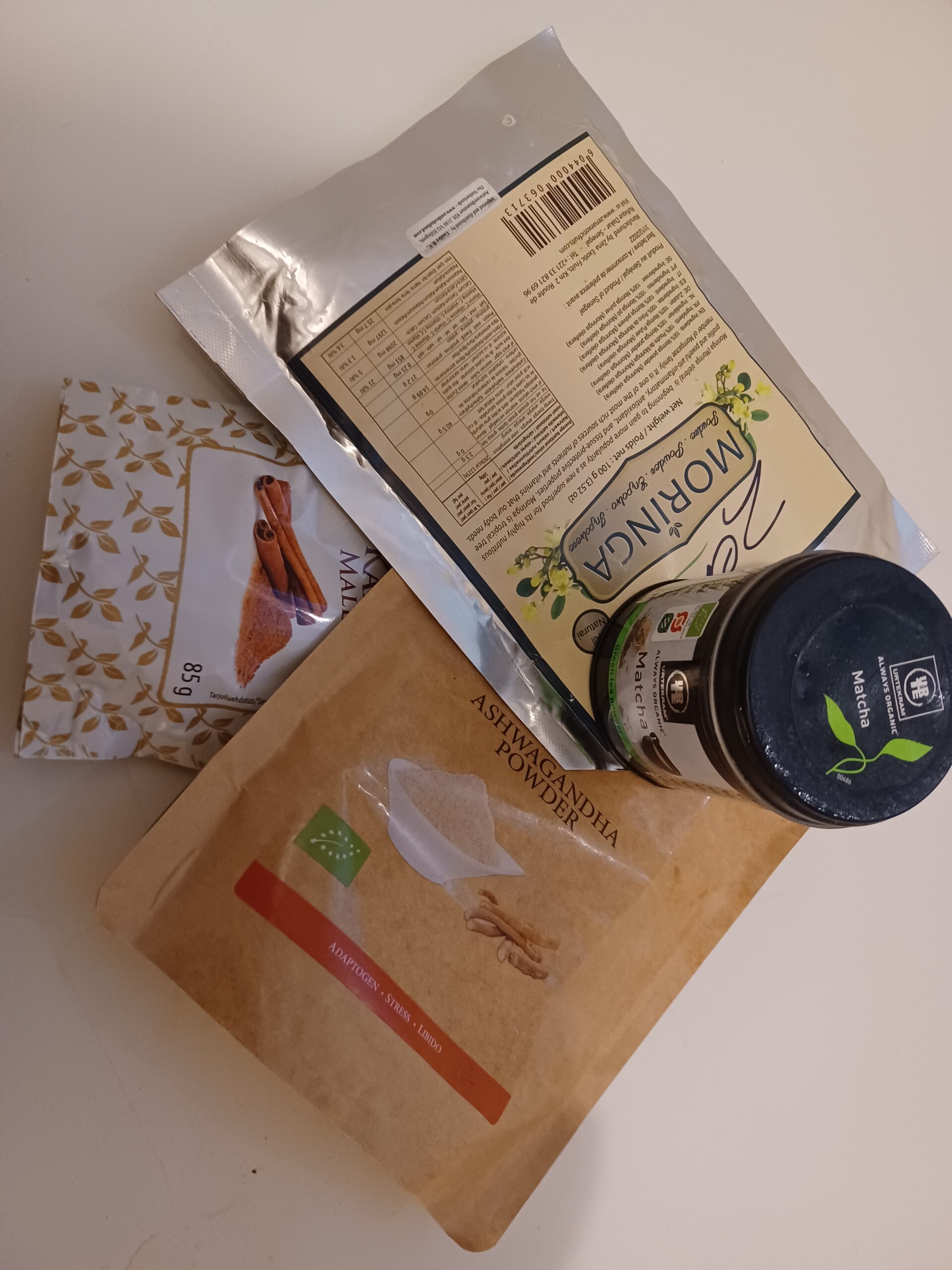
I also keep a collection of herb powders at home. Moringa, cinnamon, ashwagandha, matcha. I mix them regularly, sometimes together, sometimes alone. Studying plant secondary metabolites changes how you approach these combinations. You stop thinking about herbs as interchangeable wellness products and start thinking about which compounds are doing what, through which mechanisms, and whether putting them together makes biochemical sense.
That shift in thinking is what this article covers.
How Pharmacological Combinations Work at a Molecular Level
There are three primary mechanisms through which plant compounds enhance each other’s effects.
The first involves bioavailability enhancement. One compound improves the absorption or slows the metabolic breakdown of another. The most documented example in plant chemistry involves piperine and curcumin. Piperine from black pepper (Piper nigrum) inhibits cytochrome P450 enzymes and P-glycoprotein in the gut wall, both responsible for curcumin’s rapid first-pass metabolism.
My plant biochemistry studies covered these enzyme interactions in detail, specifically how they degrade secondary metabolites before they reach systemic circulation. That background is exactly why this mechanism made immediate sense to me when I first read the research.
A peer reviewed study confirmed piperine as a selective CYP3A4 inhibitor, with human volunteer data showing curcumin bioavailability increases of up to 2000 percent when combined with piperine. Without it, most curcumin metabolises in the gut wall before reaching the bloodstream.
The second involves multi-target pathway inhibition. Two compounds address the same biological pathway through different molecular targets, producing broader suppression than either achieves alone. Turmeric and ginger work this way. Curcumin inhibits NF-kB and COX-2 while gingerols from Zingiber officinale inhibit both COX and lipoxygenase enzymes. Together they address prostaglandin and leukotriene production simultaneously.
The third involves complementary mechanisms with reduced side effects. Two compounds address different pathways at lower individual doses, reducing side effect risk associated with higher doses of either alone.
Anti-Inflammatory Combinations
Turmeric, Ginger, and Black Pepper
Curcumin from Curcuma longa rhizomes inhibits NF-kB transcription, reducing cytokine expression and COX-2 activity. Gingerols from Zingiber officinale inhibit both COX and lipoxygenase enzymes. Piperine from Piper nigrum inhibits curcumin’s metabolic breakdown, extending its systemic availability.
What I find most interesting about this combination from a plant biochemistry angle is that all three compounds are produced as defence chemistry. Curcumin against pathogens and UV stress, gingerols against herbivory, piperine as an insect deterrent. Their biochemical compatibility in the human body reflects shared evolutionary origins as enzyme-interacting defence molecules. I studied exactly this kind of secondary metabolite defence logic during my plant ecological stress physiology coursework, watching how stressed plants invest in these compound classes under environmental pressure.
I mix turmeric and black pepper together most mornings with apple cider vinegar. The piperine effect on curcumin absorption is documented regardless of the preparation medium.
Willow Bark and Boswellia
Salicin from Salix alba bark converts to salicylic acid in the body, inhibiting COX enzymes. Boswellic acids, specifically AKBA from Boswellia serrata resin, inhibit 5-lipoxygenase through a completely separate pathway. This dual pathway approach addresses both prostaglandin and leukotriene production, the two primary chemical mediators of inflammatory pain.
The clinical evidence for this combination in joint conditions is stronger than for either compound used individually, which fits the multi-target mechanism logic I covered in my plant biochemistry training.
Digestive Combinations
Peppermint and Fennel
Menthol from Mentha x piperita activates TRPM8 receptors in the gut wall, relaxing smooth muscle and reducing spasm. Anethole from Foeniculum vulgare seeds reduces intestinal gas formation and has mild antispasmodic activity through smooth muscle calcium channel modulation.
Together they address gut motility through two independent pathways, producing broader relief from bloating and cramping than either achieves alone. I studied how volatile compound profiles in aromatic herbs are highly sensitive to growing conditions and harvest timing during my plant ecological stress physiology coursework. That variability directly affects the potency of these preparations, which is worth keeping in mind when choosing between fresh, dried, or standardised forms.
Chamomile and Lemon Balm
Apigenin from Matricaria chamomilla binds to GABA-A receptors, producing mild anxiolytic and smooth muscle relaxing effects. Rosmarinic acid from Melissa officinalis inhibits GABA transaminase, slowing GABA breakdown and prolonging its calming effect.
One compound activates GABA receptors while the other slows the degradation of the neurotransmitter itself. The combined calming effect on gut-brain axis tension lasts longer than chamomile used alone.
Immune Support Combinations
Echinacea and Elderberry
Alkylamides from Echinacea purpurea bind to cannabinoid receptors and modulate cytokine production, influencing innate immune activation. Anthocyanins from Sambucus nigra berries inhibit viral surface proteins and reduce oxidative stress during immune responses.
These compounds work through different immune mechanisms. Echinacea modulates cellular immune response. Elderberry addresses viral adhesion and oxidative burden. The combination targets different aspects of immune defence simultaneously. Clinical evidence for each herb individually is moderate. Evidence for the combination specifically is less developed, though the mechanistic basis is clear.
Sleep and Relaxation Combinations
Valerian and Passionflower
Valerenic acid from Valeriana officinalis roots inhibits GABA transaminase and acts as a partial agonist at GABA-A receptors, increasing GABAergic inhibition in the central nervous system. Chrysin and other flavonoids from Passiflora incarnata also bind GABA-A receptors with complementary binding profiles.
Both compounds work within the same GABAergic system through slightly different receptor interactions. Clinical trials show the combination produces more consistent sleep onset improvements than valerian alone, which fits the receptor-level mechanism.
Valerenic acid content degrades significantly in improperly stored dried root. Standardised extracts specifying valerenic acid content are more reliable than non-standardised preparations.
Practical Preparations
These combinations have the strongest mechanistic basis.
Anti-inflammatory preparation: half teaspoon turmeric powder, quarter teaspoon ginger powder, small pinch of black pepper, mixed into warm water or steeped 5 to 7 minutes. The piperine in a small pinch of black pepper suffices to meaningfully enhance curcumin absorption.
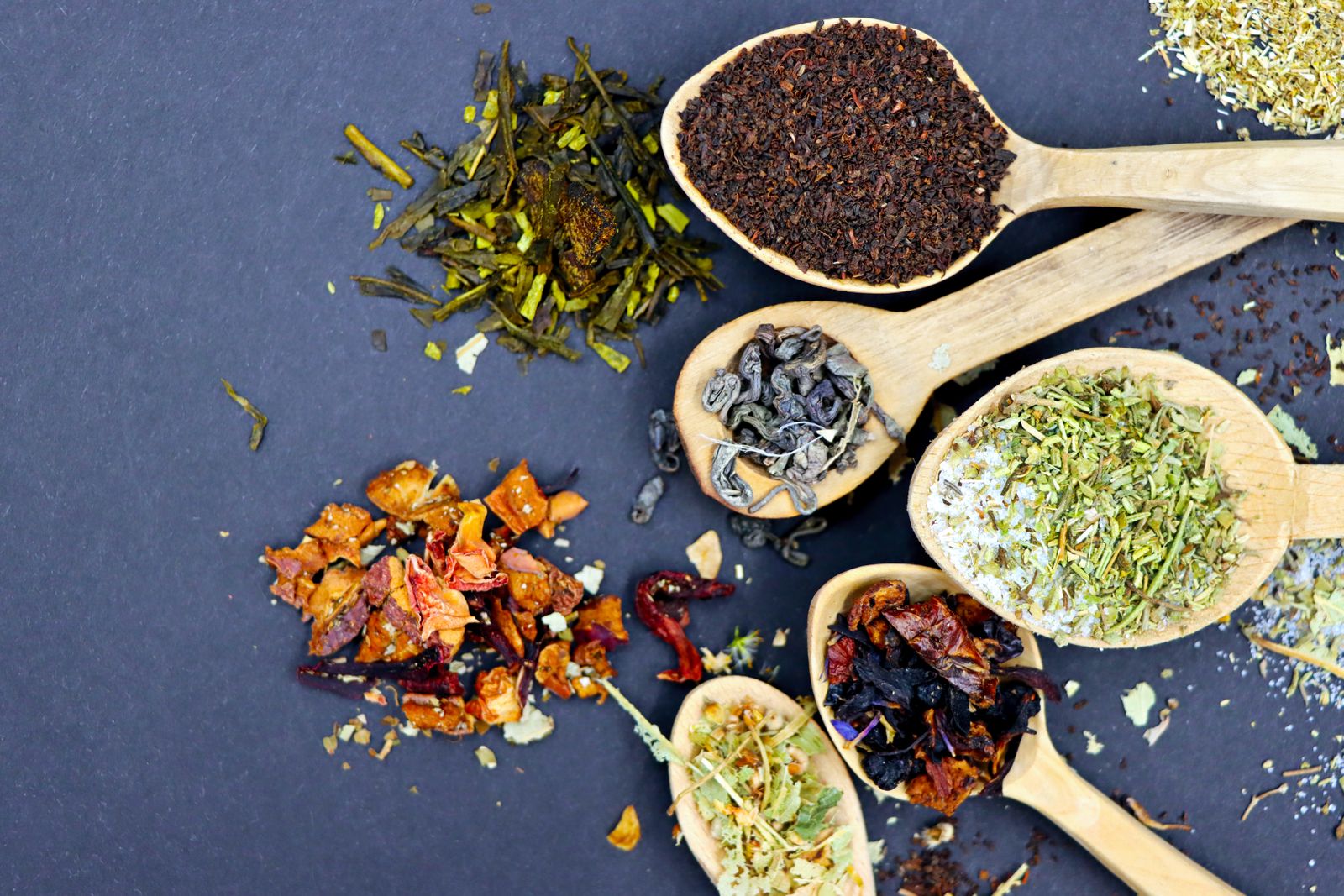
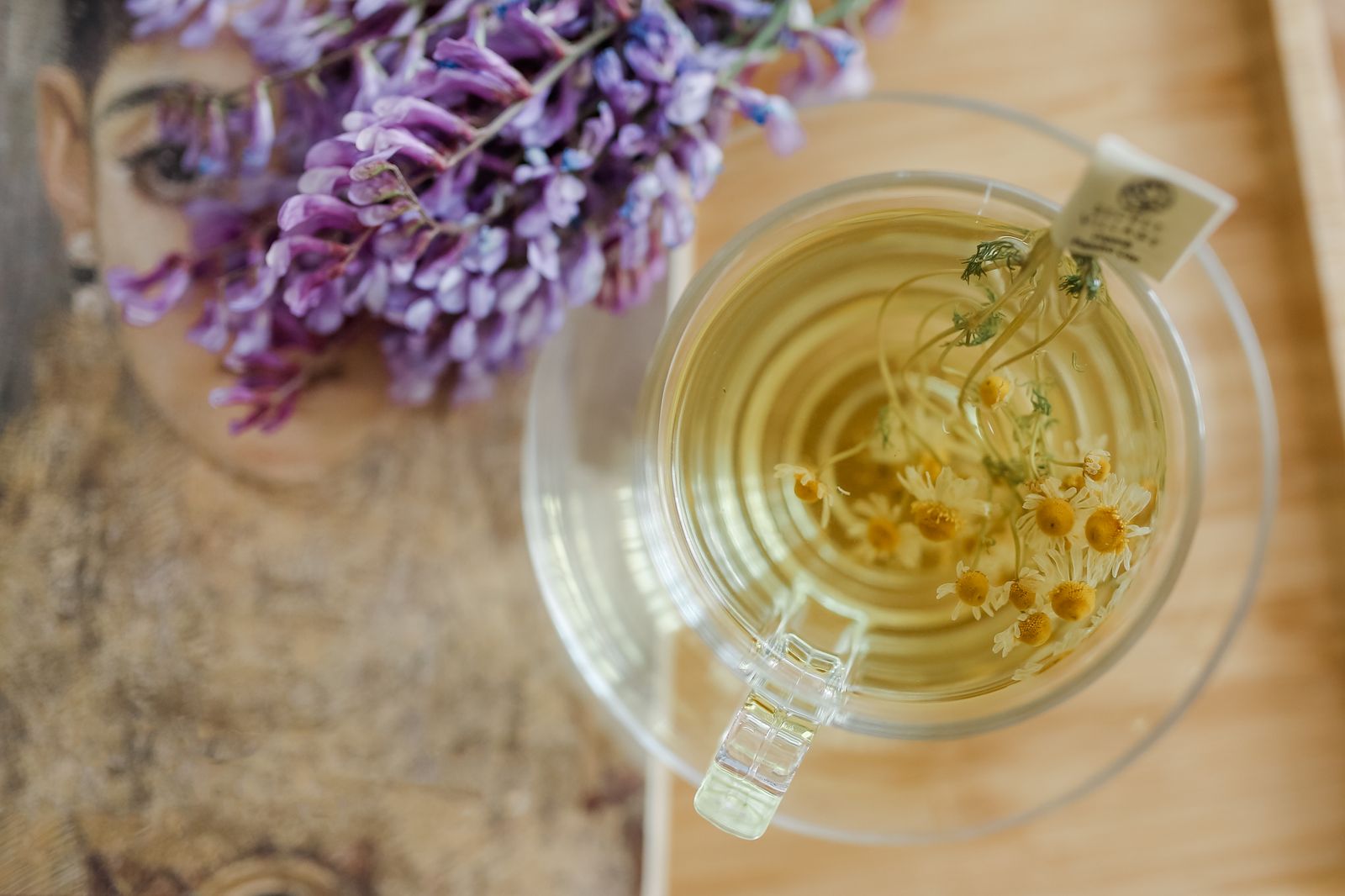
Digestive tea: one teaspoon peppermint leaves, one teaspoon fennel seeds, one teaspoon chamomile flowers, steeped 10 minutes. The longer steep time extracts both volatile compounds and heavier flavonoids.
Relaxation tea: half teaspoon valerian root, half teaspoon passionflower, steeped 5 minutes, consumed 30 to 60 minutes before sleep. Valerian’s earthy flavour is moderated by passionflower without reducing its activity.
What to Avoid
Not all herbal combinations produce beneficial effects. Some carry interaction risks worth understanding.
St. John’s Wort (Hypericum perforatum) induces cytochrome P450 enzymes, the same enzymes that metabolise many pharmaceutical drugs. Combining it with medications including antidepressants, anticoagulants, and hormonal contraceptives can reduce drug efficacy significantly. This is a documented pharmacokinetic interaction with clinical consequences.
Stacking multiple sedative herbs at high doses, valerian, kava, passionflower, and hops together, can produce excessive central nervous system depression. Individual herbs at normal doses are generally well tolerated. High dose combinations of several sedative herbs are not.
If you take regular prescription medication, check interactions before adding any herbal combination to your routine.
Common Questions
What does pharmacological combination mean in herbal medicine?
Two or more plant compounds together produce an effect greater than either alone. This happens through bioavailability enhancement, multi-target pathway inhibition, or complementary receptor interactions. It follows from documented biochemical mechanisms rather than tradition alone.
Why does black pepper improve turmeric’s effectiveness?
Piperine in black pepper inhibits the gut enzymes responsible for curcumin’s rapid breakdown, increasing systemic absorption by up to 2000 percent in documented studies. Without piperine, most curcumin metabolises before reaching the bloodstream.
Can all herbs be safely combined?
No. Some combinations carry interaction risks, particularly St. John’s Wort with pharmaceutical medications, and high dose stacking of sedative herbs. Start with established well documented combinations and check with a clinician if you take regular medication.
How long before herbal combinations produce noticeable effects?
Compounds working through enzyme inhibition typically require consistent use over four to eight weeks. Combinations targeting smooth muscle relaxation or GABAergic pathways can produce effects within hours of a single dose.
Does herb quality affect how well combinations work?
Significantly. Valerenic acid in valerian degrades in poorly stored root. Gingerol content varies with growing conditions and drying method. Standardised extracts with specified active compound content are more reliable for consistent results than non-standardised preparations.
Can more than two herbs be combined?
Yes, but complexity increases the difficulty of identifying which compound produces which effect and raises the risk of unintended interactions. Starting with two herb combinations and adding gradually produces more informative results than mixing many herbs at once.
Why does the turmeric, ginger, and black pepper combination work better than turmeric alone?
Three separate mechanisms operate simultaneously. Piperine increases curcumin bioavailability. Gingerols address inflammatory pathways that curcumin does not. Black pepper piperine also has mild anti-inflammatory activity of its own. The combination covers more biochemical ground than any single component.
What makes chamomile and lemon balm a well matched combination?
Apigenin in chamomile activates GABA-A receptors. Rosmarinic acid in lemon balm slows the breakdown of GABA itself. One compound stimulates the receptor, the other extends the effect of the neurotransmitter. The combined calming effect lasts longer than chamomile used alone.

