







This article was written by Serge, MSc. Plant Biologist and Environmental Scientist with a BSc in Plant Biology and an MSc in Environmental Biology and Biogeochemistry. My background covers plant biochemistry, botany, and field research in forest and soil ecosystems. I write from real experience, not just literature.
Affiliate disclosure: This site has affiliate links, including Amazon. As an Amazon Associate I earn from qualifying purchases, at no extra cost to you.
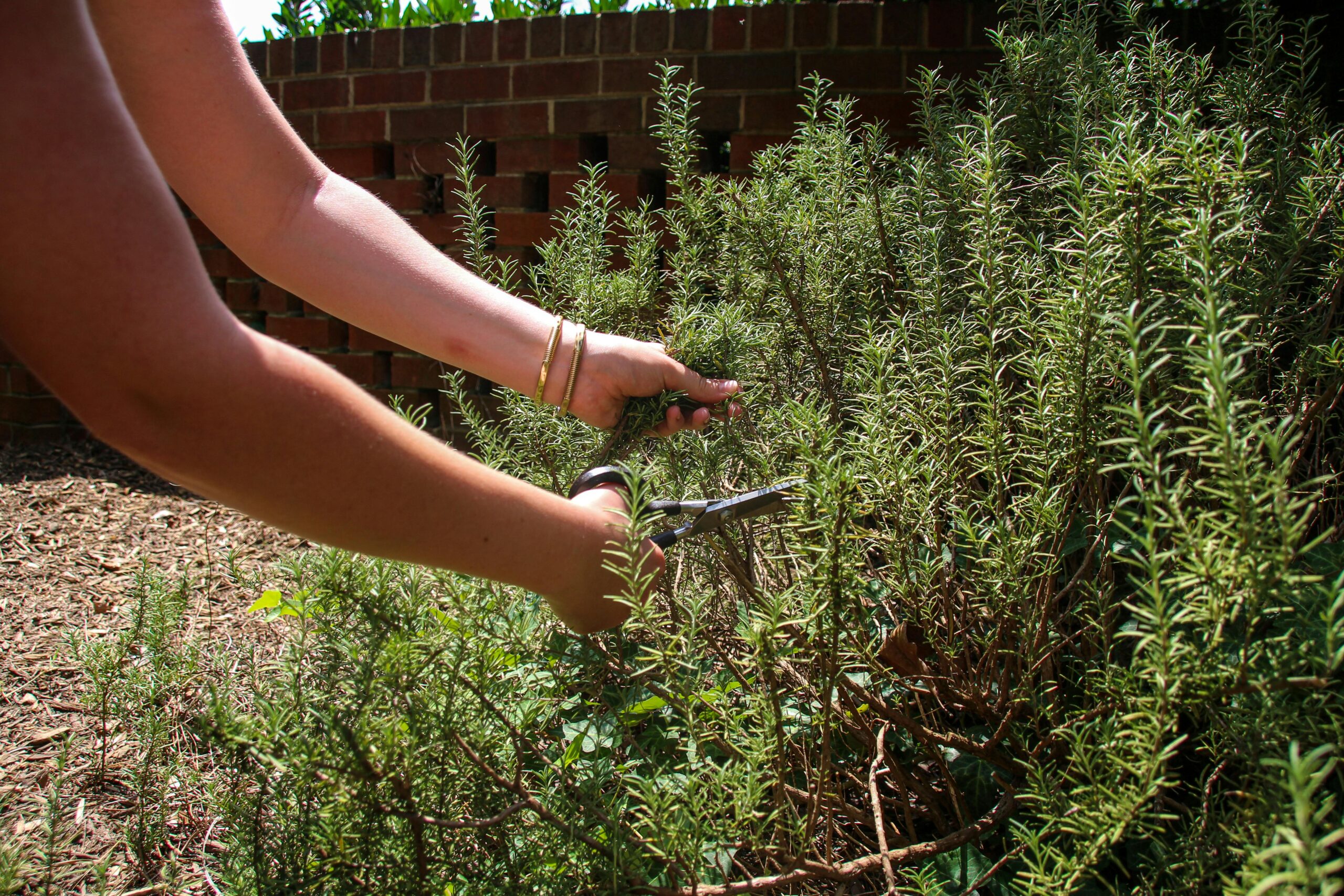
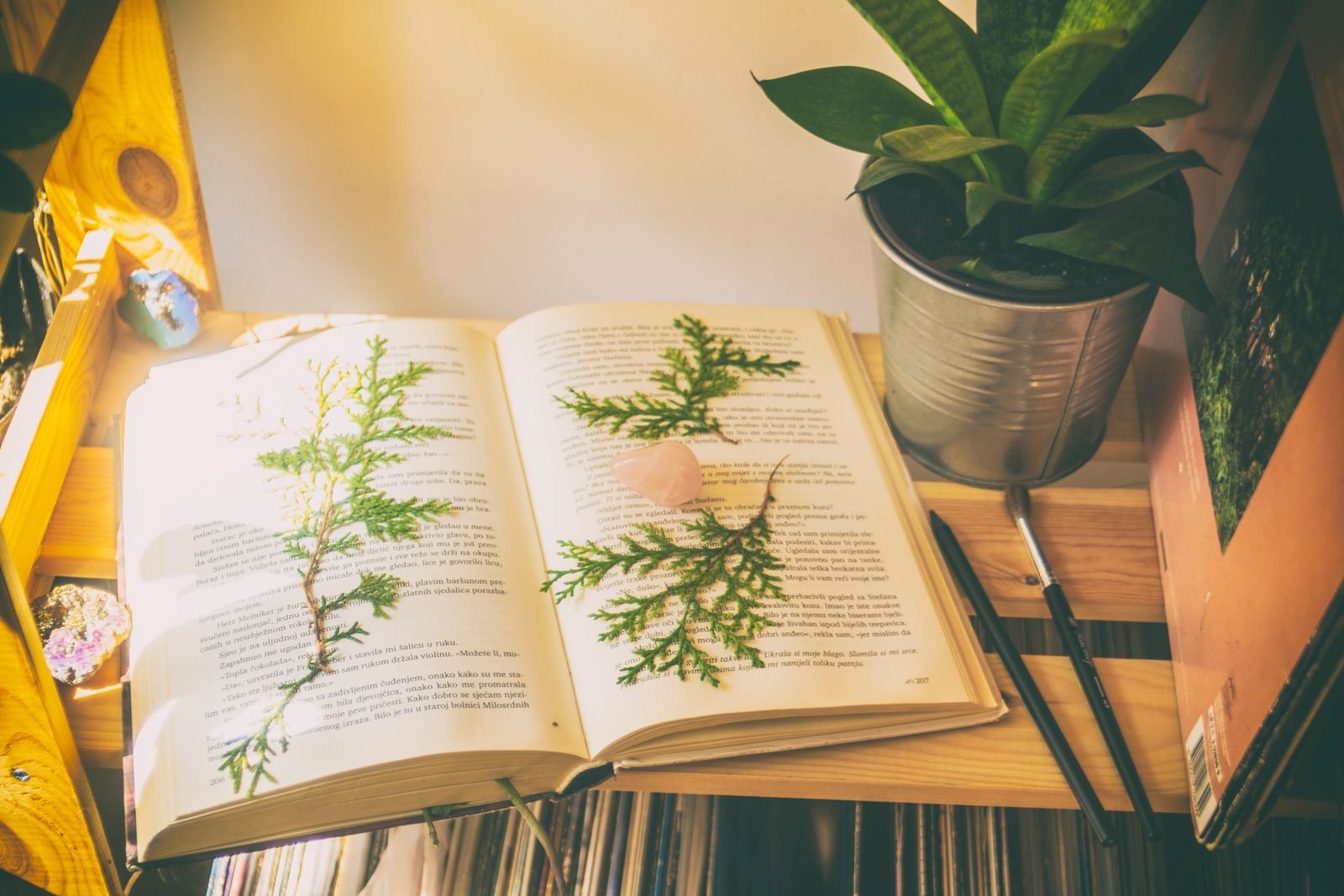
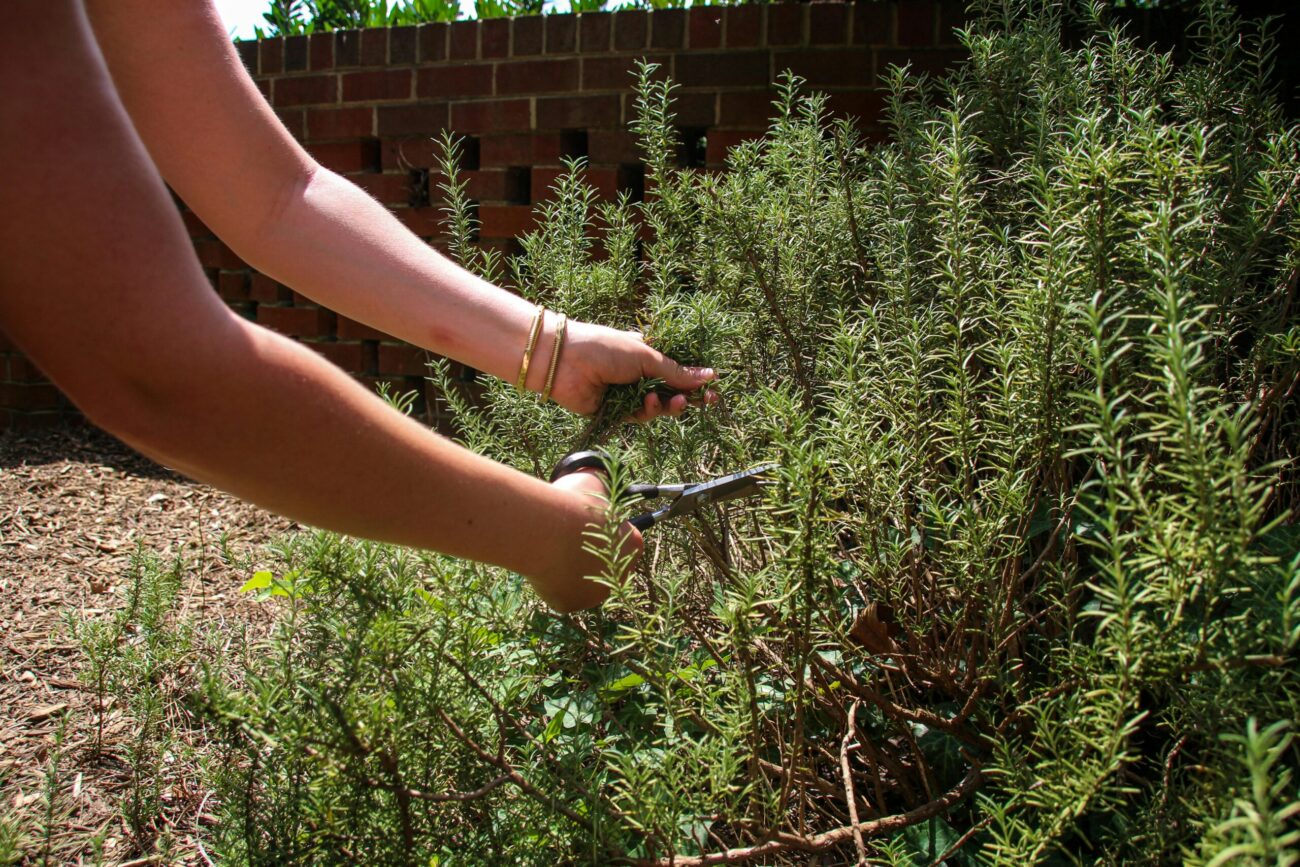
During my BSc plant taxonomy practical we went out into the field in groups with our teacher to collect specimens. The goal was identification, pressing, drying, labelling with genus, family, and species, and adding everything to the university herbarium collection. You learned fast that the same plant looks completely different depending on when you find it. A flowering plant and the same species in vegetative growth can look almost unrelated to an untrained eye. The growth stage changes everything about how the plant presents itself.
What I did not fully appreciate at the time was that the growth stage also changes the chemistry inside the plant. The morphology shifts and the secondary metabolite profile shifts with it. A root harvested in autumn after the plant has drawn resources back from dying aerial parts carries a different compound concentration than the same root dug in spring. A flower harvested at peak bloom carries more aromatic compounds than one picked a week later when pollination is complete and the plant starts redirecting resources toward seed development.
Timing is not a minor detail. It is one of the most important variables in herb quality.
Why Plants Change Chemistry With the Seasons
Plants produce secondary metabolites in response to what they need at a given moment. UV radiation, pest pressure, pollinator attraction, pathogen defence, and resource storage all drive different compound accumulation patterns at different growth stages.
My plant ecological stress physiology coursework covered secondary metabolite production as a resource allocation decision. The plant weighs the metabolic cost of producing these compounds against the survival benefit at each stage of its life cycle. That investment shifts with the season because the threats and priorities shift with the season.
In spring the plant is investing in rapid growth. Leaf tissue is young, cell walls are thin, and the chemistry leans toward growth promoting compounds. By late summer the plant is preparing for reproduction. Flowers accumulate aromatic terpenoids and flavonoids to attract pollinators. By autumn roots are storing carbohydrates and defence compounds for winter survival. Each stage produces a genuinely different chemical profile in each plant part.
Chamomile. Matricaria chamomilla
The flowers are the part used and the timing of harvest within the flowering period matters considerably. Early in the flowering period when the ray florets are still horizontal and the flower head is fully open the concentration of apigenin and related flavonoids is at its peak. As the flower matures past peak bloom and the ray florets begin to fold back the aromatic terpenoid content, particularly chamazulene precursors, starts to decline.
Harvest in the morning after the dew has dried but before the heat of the day drives off volatile compounds. This is standard practice in commercial chamomile production for exactly this reason.
The aroma is your best quality indicator in the field. Strong apple-like fragrance means the aromatic terpenoid profile is intact. Faint or absent aroma in dried chamomile is a sign of over-aged or poorly stored material regardless of when it was harvested.

Peppermint. Mentha x piperita
Mentha x piperita leaves reach peak menthol concentration just before the plant flowers. At this point the plant is still investing heavily in leaf tissue production and the glandular trichomes on the leaf surface, where menthol and other monoterpenoids are stored, are at maximum density.
Once flowering begins the plant redirects resources toward reproduction. Leaf production slows, trichome density decreases, and menthol concentration in remaining leaves drops noticeably. The flavour becomes less intense and the aromatic impact weaker.
Harvest leaves in late morning after dew has dried, just before or at the very start of flowering. Dry quickly at low temperature to preserve the volatile terpenoid profile. High heat drying drives off menthol rapidly.

Lemon Balm. Melissa officinalis
Melissa officinalis follows a similar pattern to peppermint. Leaves harvested before flowering carry the highest concentrations of rosmarinic acid and the volatile citral compounds responsible for the characteristic lemon scent.
The lemon aroma fades noticeably in over-mature leaves and in poorly dried material. Fresh lemon balm has a much stronger aromatic profile than most dried commercial material because the volatile compounds dissipate during drying. This is one herb where fresh preparation makes a meaningful difference to the final product.
Mid to late summer harvest before flowering produces the strongest aromatic and phenolic profile.

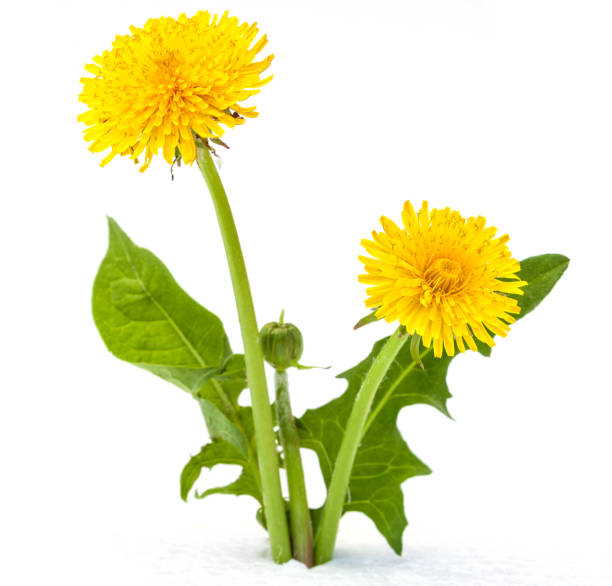
Dandelion. Taraxacum officinale
Taraxacum officinale is interesting because the root and leaf chemistry follow opposite seasonal patterns and both are used for different purposes.
The leaves are most useful in spring. Young spring leaves before the plant flowers are less bitter, higher in carotenoids and vitamins, and more palatable than summer leaves. After flowering the leaves become increasingly bitter as sesquiterpene lactone concentrations increase.
The root follows the opposite pattern. Autumn roots after the aerial parts have died back contain the highest concentrations of inulin, a fructooligosaccharide that accumulates as a storage carbohydrate, alongside taraxacin and related bitter compounds. Spring roots are thinner and less concentrated. If you are roasting dandelion root as a coffee substitute, autumn harvested roots produce a noticeably richer flavour.
Ginseng. Panax ginseng
Panax ginseng roots accumulate ginsenosides, the primary triterpenoid saponins responsible for its adaptogenic activity, over multiple years of growth. Roots harvested too young carry lower ginsenoside concentrations regardless of season. Most commercial production targets roots of four to six years minimum age for this reason.
Within that age range autumn harvested roots after the aerial parts have senesced carry higher ginsenoside concentrations than spring harvested material. The plant has had the full growing season to photosynthesize and direct resources into root storage compounds.
I have no personal experience harvesting ginseng. The seasonal chemistry pattern follows the same resource allocation logic that applies across all root herbs. The principle is consistent even if the specific compounds differ.

What This Means When You Buy Herbs
Most herb buyers have no way of knowing when material was harvested. This is where supplier transparency matters. Reputable herb suppliers specify harvest timing, plant part, and growing region on their product information. That information is not decorative. It tells you something real about the likely compound profile of what you are buying.
Dried herbs lose volatile compounds over time regardless of harvest quality. Aroma is your quickest quality indicator for aromatic herbs. Strong intact aroma in dried chamomile, peppermint, or lemon balm means the volatile terpenoid profile is reasonably preserved. Faint or absent aroma means it has degraded regardless of what the label says about harvest date.
For roots the situation is different. Compounds like ginsenosides and taraxacin are less volatile and more stable in dried material. Age of the root at harvest and drying conditions matter more than storage time for these.
Want to Learn More About Identifying and Harvesting Medicinal Plants?
If you want practical guidance on identifying, harvesting, and preparing medicinal plants the Homegrown Herbalist Guide to Medicinal Weeds covers the identification and preparation side in detail.
Read My Review of the HomeGrown Herbalist Guide →
FAQs
When is the best time to harvest chamomile flowers?
At peak bloom when the ray florets are fully horizontal and the flower head is completely open. Harvest in the morning after dew has dried. Aromatic strength is your best quality indicator in the field.
Why do peppermint leaves lose potency after flowering?
Menthol concentration in Mentha x piperita peaks just before flowering when the plant is still investing heavily in leaf tissue and glandular trichome production. Once flowering begins resources redirect toward reproduction and menthol concentration in remaining leaves drops.
When should you harvest dandelion roots vs leaves?
Leaves are best in spring before flowering when they are less bitter and higher in carotenoids. Roots are best in autumn after aerial parts have died back when inulin and taraxacin concentrations are highest.
Why does autumn harvested ginseng have more ginsenosides?
After the full growing season the plant has directed photosynthetic resources into root storage compounds including ginsenosides. Spring harvested roots have had less time to accumulate these compounds following winter dormancy.
Does drying affect herb potency?
Yes significantly. Volatile compounds including the terpenoids responsible for aroma in peppermint, chamomile, and lemon balm dissipate during drying and storage. High temperature drying accelerates this loss. Low temperature drying and airtight storage in dark conditions preserve volatile profiles better.
Why is aroma a useful quality indicator for dried herbs?
Aromatic herbs store volatile terpenoids in glandular trichomes. These compounds dissipate over time after harvest and drying. Strong intact aroma in dried material indicates the volatile profile is reasonably preserved. Faint or absent aroma indicates degradation regardless of harvest date claims.
Does the age of a ginseng root matter?
Yes considerably. Panax ginseng roots accumulate ginsenosides over multiple years of growth. Roots harvested before four to six years of age carry lower ginsenoside concentrations than mature roots regardless of harvest season.
Why are young spring nettle leaves better than mature summer leaves?
Young Urtica dioica leaves before flowering have higher nutrient density, better flavour, and a more concentrated flavonoid profile than older leaves. After flowering the leaves become tougher and the chemistry shifts toward compounds associated with the plant’s reproductive stage.
How does sunlight affect herb potency?
UV radiation directly triggers flavonoid and phenolic compound accumulation as protective responses in leaf tissue. Herbs grown in full sun generally accumulate higher concentrations of these compounds than shaded plants of the same species. Growing conditions during the season affect the final compound profile at harvest.
Is fresh herb always better than dried?
Not always. For volatile aromatic herbs like lemon balm and peppermint fresh material often carries a stronger aromatic profile. For root herbs and non-volatile compounds dried material prepared correctly can be as effective as fresh. The answer depends on which compound class you are trying to preserve.

