






This article was written by Serge, MSc. Plant Biologist and Environmental Scientist with a BSc in Plant Biology and an MSc in Environmental Biology and Biogeochemistry. My background covers plant biochemistry, botany, and field research in forest and soil ecosystems. I write from real experience, not just literature.
Affiliate disclosure: This site has affiliate links, including Amazon. As an Amazon Associate I earn from qualifying purchases, at no extra cost to you.
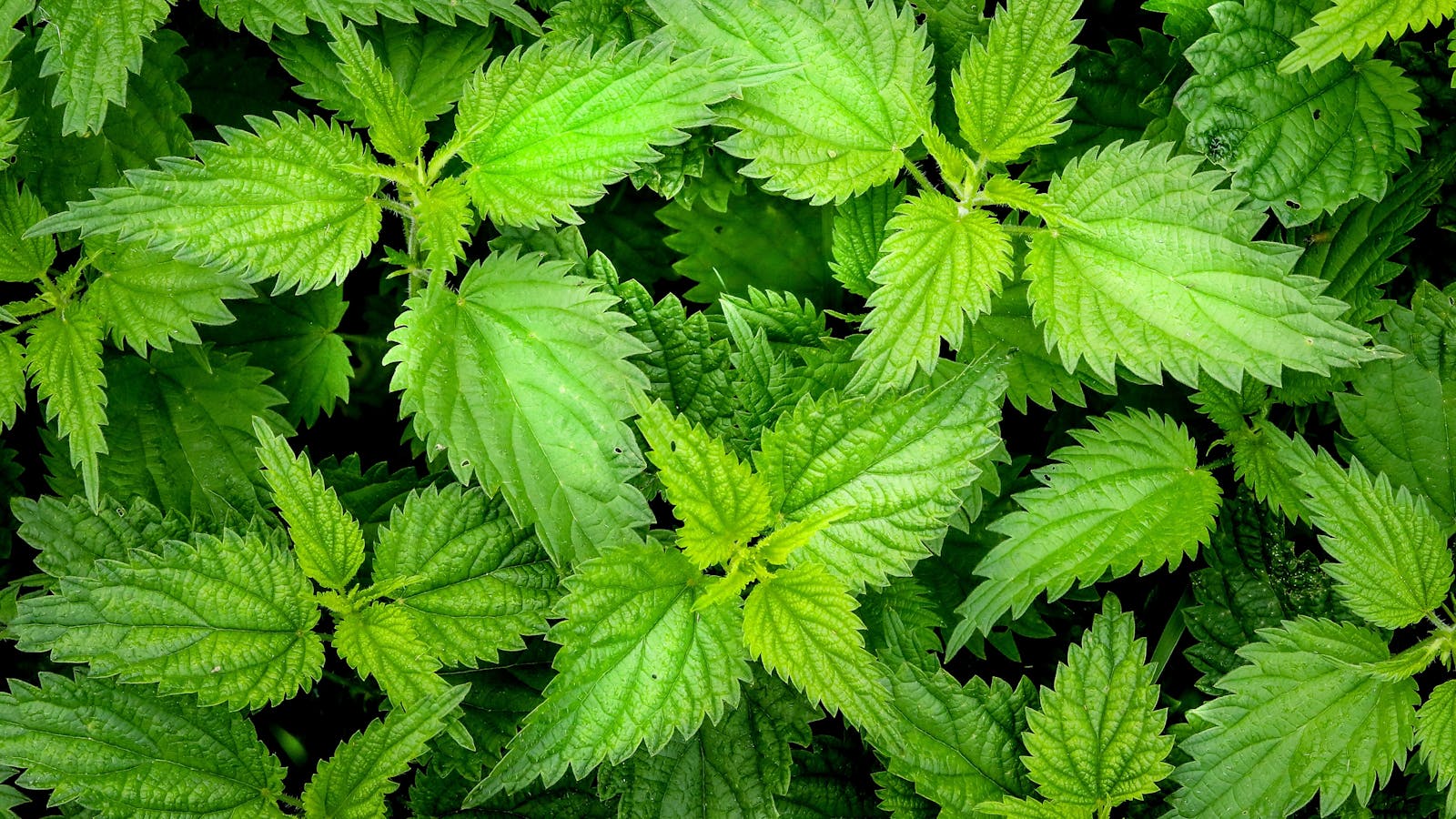
The first time I made nettle tea I was not expecting much. I had studied Urtica dioica in plant classification and knew the chemistry. But knowing the flavonoid profile of a plant and actually picking the leaves with gloves, brewing them, and drinking the result are completely different experiences. The sting disappears completely with heat. What you get in the cup is something warm, slightly earthy, and genuinely pleasant. I went back for a second cup.
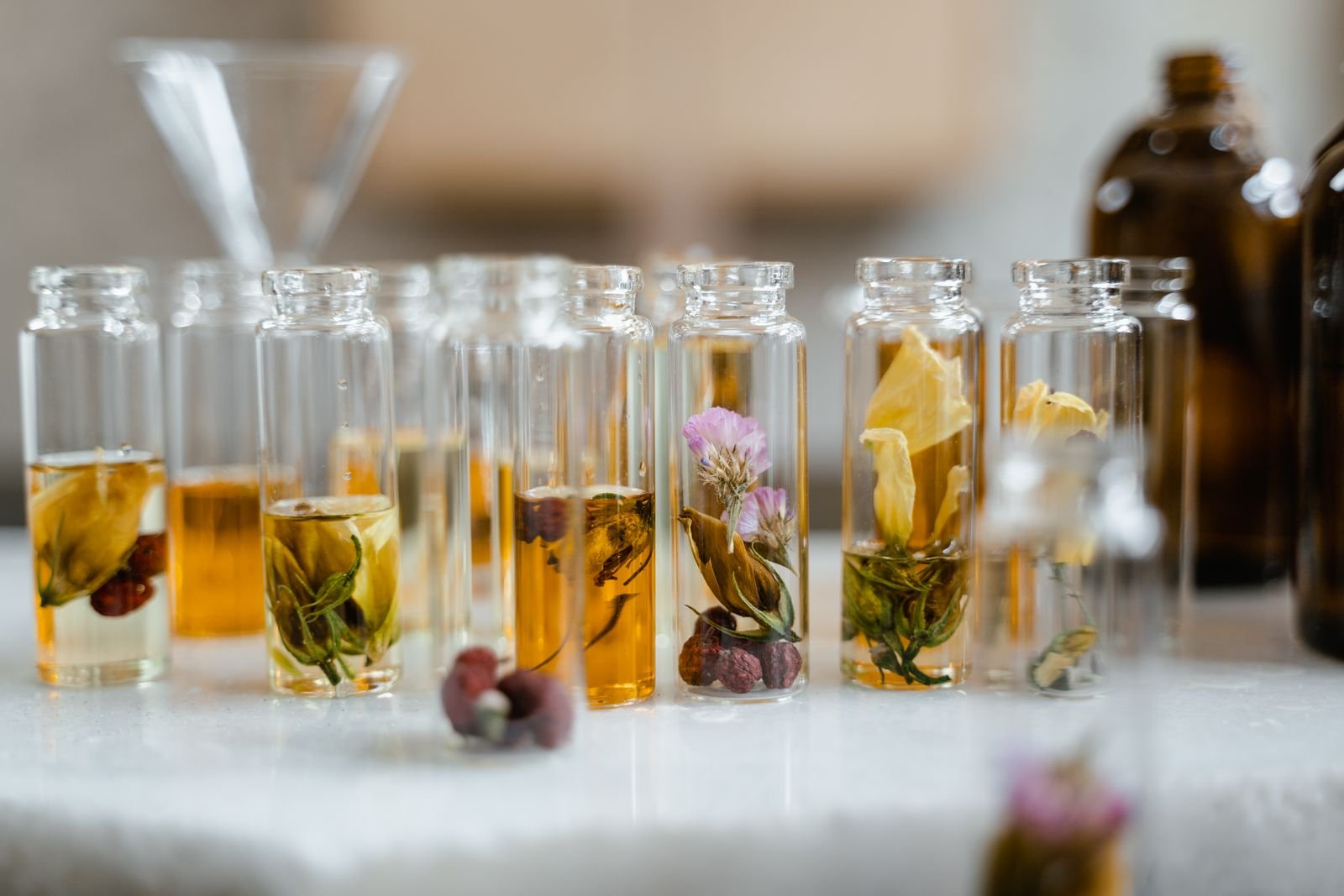
I later started fermenting nettles in vodka alongside other herbs as a tincture. Watching the liquid change colour over weeks, knowing what compounds were moving into solution, made the chemistry feel real in a way that lecture notes never quite managed.
Nettles are the plant that converted me to taking backyard herbs seriously. Dandelion (Taraxacum officinale) and plantain (Plantago major) followed. All three grow almost everywhere, most people treat them as weeds, and all three have chemistry worth understanding.
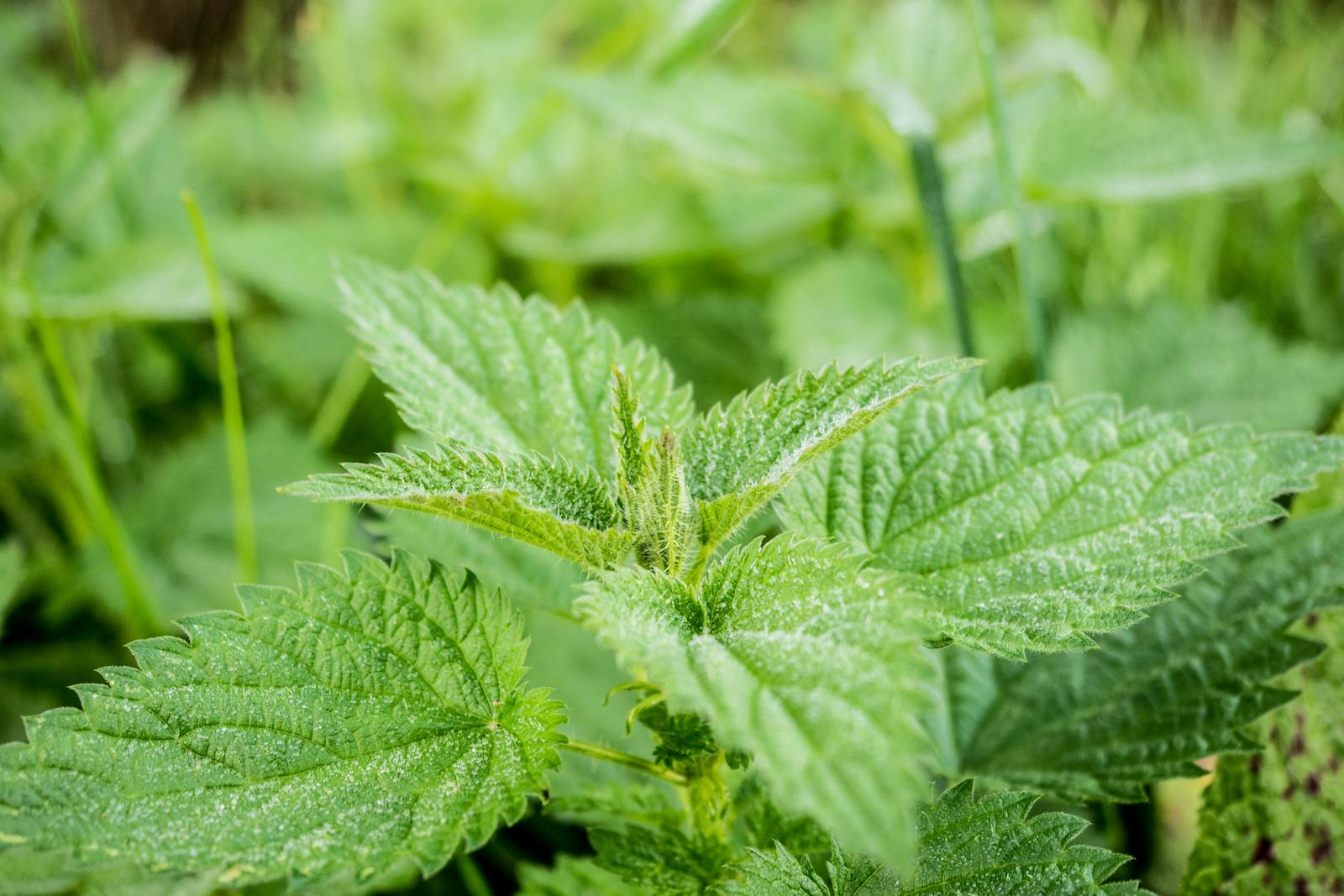
Nettles. Urtica dioica
The sting comes from the trichomes on the leaf surface. Tiny hollow hairs that break on contact and inject a mix of compounds including formic acid, histamine, and serotonin into the skin. It is an effective deterrent. It is also completely destroyed by heat or drying, which is why nettle tea and cooked nettles carry no sting at all.
What remains after the sting is gone is a genuinely nutrient dense plant. Nettle leaves contain vitamins A, C, and K alongside minerals including iron, calcium, and magnesium. The flavonoid profile includes quercetin and kaempferol, both produced through the phenylpropanoid pathway as UV protection and oxidative stress management compounds.
The plant has been used across European traditional medicine for centuries as a spring tonic, a diuretic, and a treatment for joint discomfort. My plant biochemistry studies covered quercetin specifically in the context of flavonoid biosynthesis. It is one of the more studied plant flavonoids and its presence in nettle leaves is well documented.
Making nettle tea is straightforward. Young leaves picked in spring before flowering, rinsed, brewed in hot water for five to ten minutes. The flavour is mild and slightly green. For a tincture, fresh leaves packed into a jar with vodka and left for four to six weeks produces a darker extract as the alcohol pulls out a broader range of compounds than water alone.
Harvest young leaves before the plant flowers. After flowering the leaves become tougher and the chemistry shifts. Wear gloves. Pick from clean areas away from roadsides and sprayed ground.
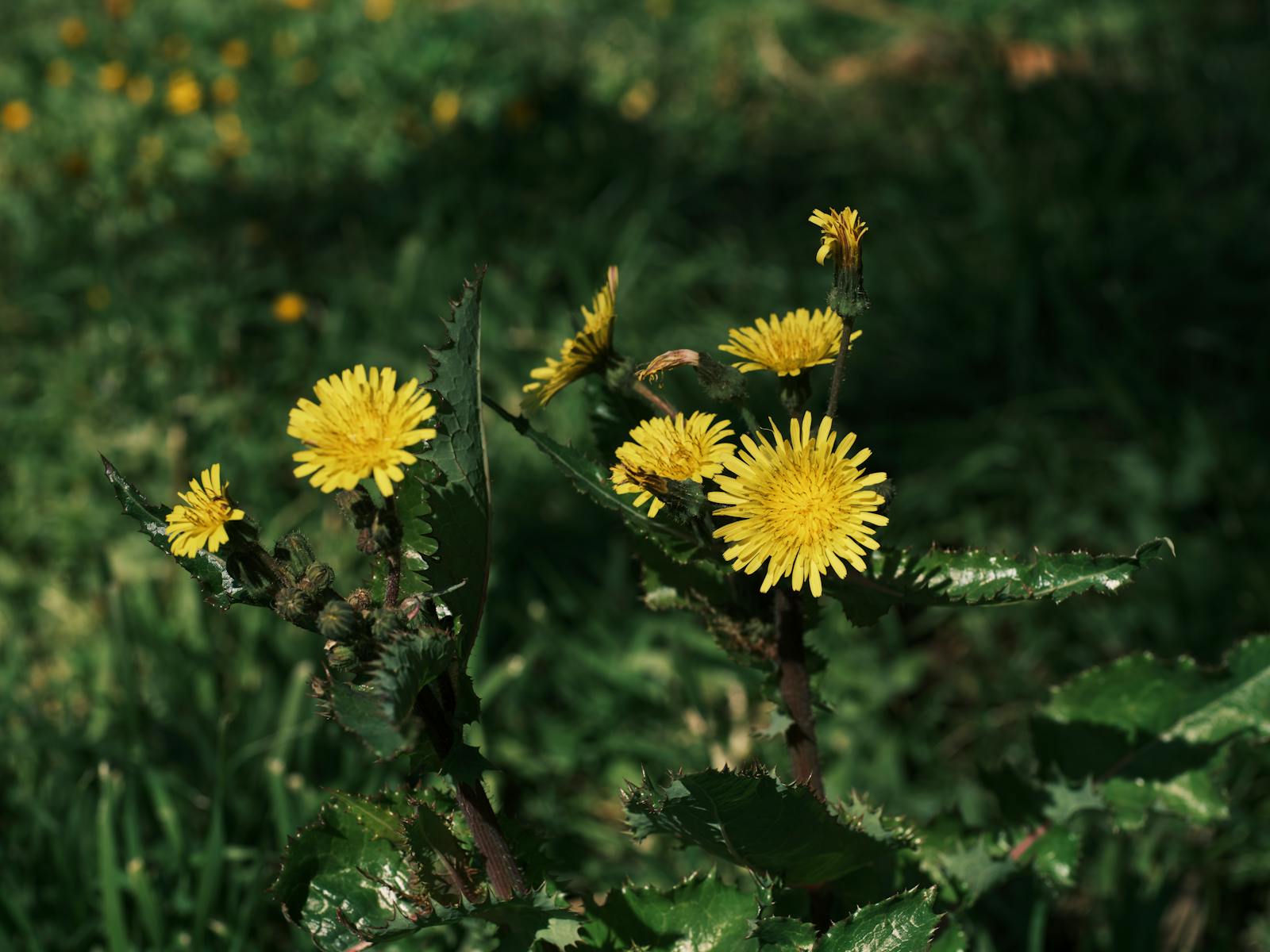
Dandelion. Taraxacum officinale
Most people spend considerable effort trying to remove dandelions from their gardens. I roast the roots and drink them as a coffee substitute. The flavour is earthy, slightly bitter, and warming. It is not coffee but it is good in its own way.
The bitterness comes from taraxacin and related sesquiterpene lactones concentrated in the root. These bitter compounds have a long history of use in supporting digestive function. The leaves are high in potassium and contain a range of carotenoids and phenolic acids. As a mild diuretic the leaves have been used in traditional European and Asian herbal medicine for centuries.
The root and leaf chemistry are genuinely different. Root preparations have traditionally been associated with digestive and liver support. Leaf preparations lean more toward diuretic and nutritive use. Knowing which part you are using matters.
To roast dandelion root, clean and chop the roots, roast in a low oven until dark brown, then grind and brew like coffee. The young spring leaves work raw in salads if you enjoy bitter flavours, or lightly steamed to reduce the bitterness. The flowers are edible too and contain lutein and zeaxanthin carotenoids.
Harvest roots in autumn when the plant has stored more compounds below ground. Leaves are best in spring before the plant flowers fully.
Plantain. Plantago major
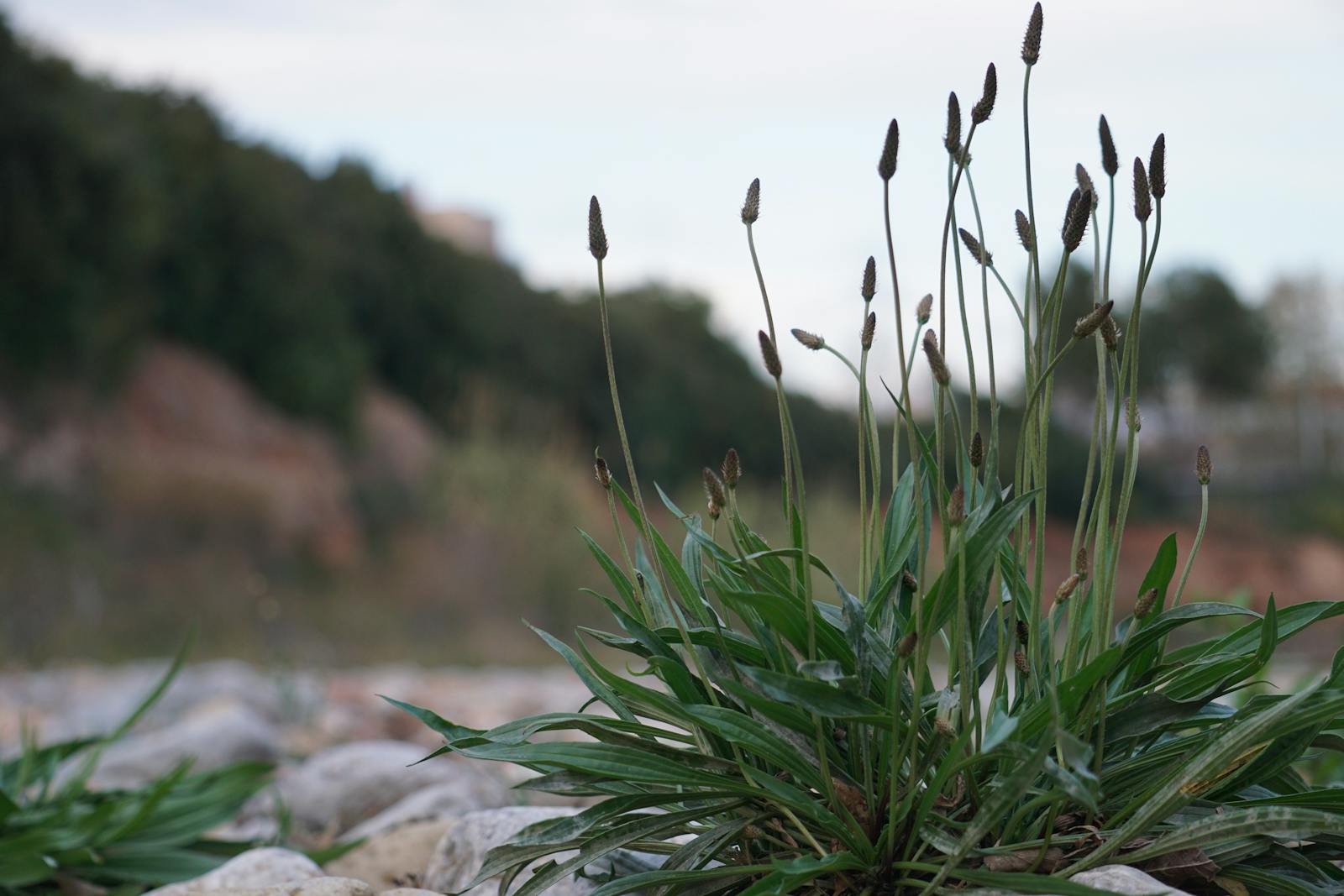
Not the banana relative. The small green rosette that grows flat against the ground in lawns, paths, and disturbed soil almost everywhere in the temperate world.
Plantago major leaves contain aucubin, an iridoid glycoside, and allantoin, a compound associated with cell proliferation and tissue repair. Aucubin has documented antimicrobial activity. Allantoin is used in commercial skincare formulations for exactly the same reason it appears in plantain leaves, it supports skin cell turnover and healing.
The plant has one of the longest documented histories of topical use in traditional medicine across Europe, Asia, and North America. Crushed fresh leaves applied to minor skin irritations, insect bites, and small wounds is one of the oldest and most widespread folk remedies in the world. The chemistry gives a plausible mechanism for why it works.
I have no personal experience using plantain topically myself. But the biochemistry is straightforward and the traditional use record is extensive. It is a plant worth knowing.
For internal use the young leaves can be brewed as a mild tea. The flavour is bland and slightly grassy. Dried leaves keep well and maintain most of the active compound profile.
Simple Guidelines for Using These Herbs
Harvest from clean ground. Away from roadsides, sprayed lawns, and industrial areas. Plants growing near pollution sources absorb contaminants that do not show on any label.
Use the right parts at the right time. Nettle leaves in spring before flowering. Dandelion roots in autumn, leaves in spring. Plantain leaves any time before the plant goes to seed.
Start with simple preparations. Tea or a basic tincture. You do not need complex processing to get the chemistry working.
Start with small amounts. Even well documented herbs can interact with medications. If you are on any prescription medication check with a clinician before adding new herb preparations regularly.
Want to Learn More About Growing and Using Medicinal Herbs?
If you want to go deeper into identifying, growing, and using medicinal herbs from your own garden the Homegrown Herbalist guide covers practical herbalism in detail.
FAQs
Are stinging nettles safe to eat?
Yes once the sting is neutralised by heat or drying. Cooking, blanching, or brewing nettle leaves completely destroys the stinging compounds. Raw nettles should always be handled with gloves.
When is the best time to harvest nettles?
Spring, before the plant flowers. Young leaves have the best flavour and highest nutrient content. After flowering the leaves become tougher and the chemistry changes.
Can you eat dandelion leaves raw?
Yes. Young spring leaves are the least bitter and work well in salads. Older leaves are more bitter and are better lightly steamed or used in cooked preparations.
What is taraxacin in dandelion?
Taraxacin is a sesquiterpene lactone responsible for the characteristic bitterness of dandelion root. It has a long history of use in traditional medicine associated with digestive support. It is concentrated most heavily in the root rather than the leaves.
What does allantoin in plantain actually do?
Allantoin is a compound that supports cell proliferation and tissue repair. It is used in commercial skincare products for the same reason it appears naturally in Plantago major leaves. This gives a plausible biochemical mechanism for the traditional use of crushed plantain leaves on skin irritations.
Is plantain the same as the banana plant?
No. Plantago major is a small ground level rosette plant completely unrelated to the banana family. The shared name is a coincidence. Plantago major is the medicinal herb discussed here.
How do you make a nettle tincture?
Pack fresh nettle leaves into a clean glass jar and cover completely with vodka or another food grade alcohol at around 40 percent. Seal and leave in a cool dark place for four to six weeks, shaking occasionally. Strain and store in a dark bottle.
Where should you not harvest wild herbs?
Avoid roadsides, areas near industrial sites, sprayed lawns and fields, and anywhere near contaminated water sources. Plants absorb compounds from their environment including heavy metals and pesticide residues that do not disappear during preparation.
Is dandelion root coffee a good coffee substitute?
It has a similar roasted bitter flavour but contains no caffeine. Roasted dandelion root brewed like filter coffee produces a warming earthy drink. It is not identical to coffee but it is genuinely pleasant and many people use it as a caffeine free alternative.
Can these herbs interact with medications?
Yes potentially. Nettles may interact with blood thinners due to vitamin K content. Dandelion has mild diuretic activity which can interact with diuretic medications. Always check with a clinician before adding herb preparations regularly if you are on prescription medication.

