









This article was written and reviewed by Serge, MSc. With a solid background in Plant Biology, Environmental Biology, and Biogeochemistry, I focus on the science and logic behind the plants we grow, ecosystems we build, and experiments we conduct. My goal is to make research reliable and practical for readers.

Herbs are more than just pretty greenery. They carry all sorts of natural compounds, flavonoids, saponins, essential oils that do stuff in your body. But not every herb is equally strong. Two batches of the same plant can feel totally different, depending on where they grew, how much sun they got, and even the soil.
You don’t need a fancy lab to see what’s going on. With a few simple tools and some curiosity, you can explore the chemistry of your herbs right at home. And yes, it’s actually fun!
Why Doing This at Home Makes Sense?
Plants aren’t static. They react to light, water, temperature, and even tiny stresses like insects nibbling on leaves. That changes how potent they are.
By testing herbs at home, you can:
- See which batches are strong and which are weak.
- Understand how growing conditions affect your herbs.
- Brew teas and tinctures that actually work.
No expensive gear, no PhD required, just observation, patience, and a bit of fun.
What You’ll Need.
You’d be surprised, most of it’s stuff you already have:
– Glass jars or clear cups.
– Mortar and pestle.
– Water, vinegar, or a bit of alcohol.
– Coffee filters or paper towels.
– pH strips (optional, but fun!).
– Notebook for jotting down results.
That’s it. Pretty low-tech, but it actually works.
Step 1: Watch the Colors.
A lot of plant compounds show themselves through color. You can test this easily:
1. Crush a little herb in a mortar.
2. Add water, alcohol, or vinegar.
3. Let it sit for a bit.
4. Watch how it changes.
For example:
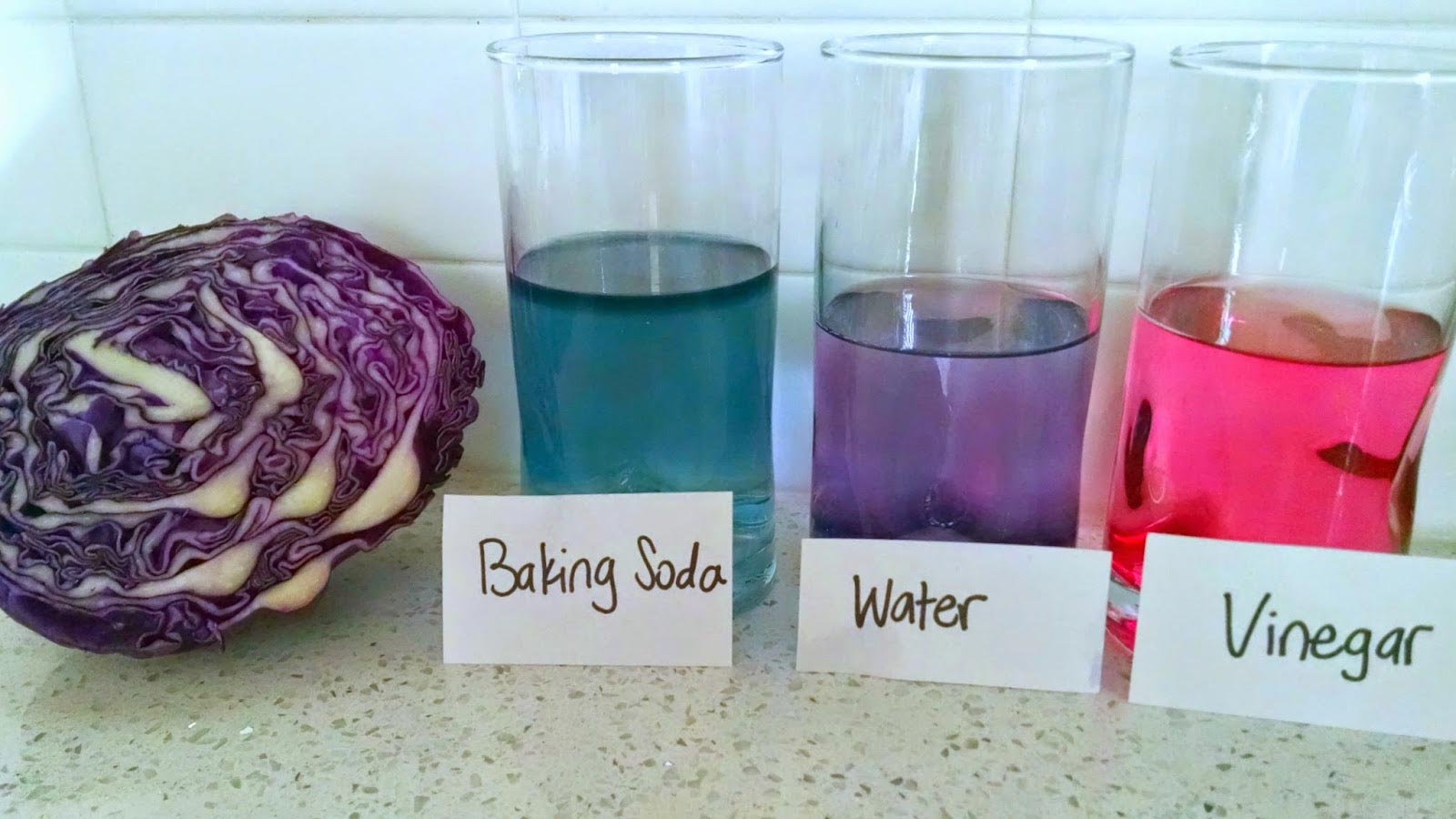
Red cabbage turns purple in water and shifts to red when vinegar is added, showing the presence of anthocyanins.
Chamomile flowers release a golden color when brewed, which comes from their flavonoid content.

Colors aren’t just pretty, they tell you something about the compounds in your plant.
Step 2: Play With pH.
Some plant chemicals react differently depending on acidity. Grab a pH strip and try this:
1. Make a simple infusion of your herb.
2. Dip the strip in and record the reading.
3. Add a bit of vinegar or baking soda and watch for changes.
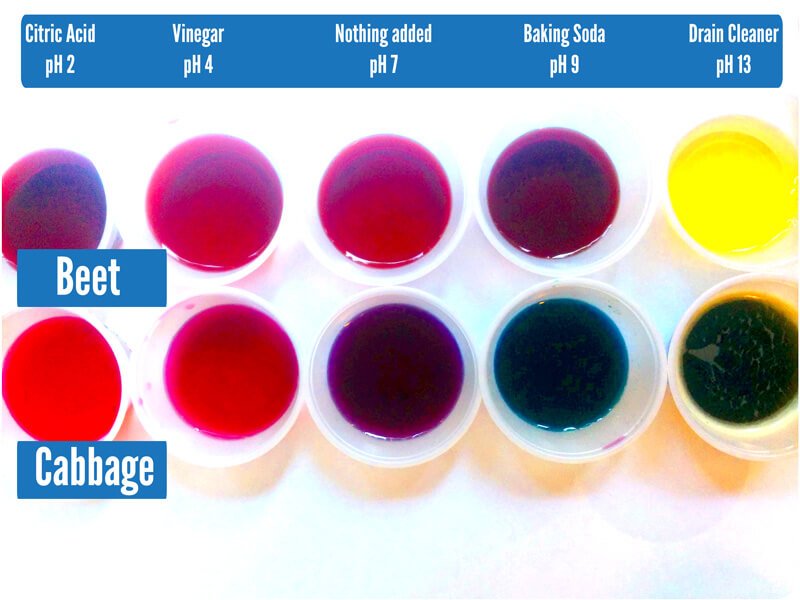
Beetroot (Beta vulgaris) is a fun one, it changes color as the pH shifts, showing betalains, antioxidants that protect cells. It’s a little science experiment in your kitchen.
Step 3: Try Layering Solvents.
Different solvents pull out different compounds.
Here’s a neat trick:
1. Put crushed herb in a jar.
2. Add water and let it settle.
3. Strain it, then carefully layer a bit of alcohol or vinegar on top.
You’ll see that peppermint (Mentha × piperita), for example, releases its menthol more strongly in alcohol than water. Suddenly you understand why tinctures hit differently than tea.
Step 4: Look at Solubility.
Some compounds dissolve right away, some don’t. Saponins, like in soapwort (Saponaria officinalis), make bubbles when shaken. Others settle at the bottom. Just paying attention to how your herbs behave tells you a lot about what’s inside.
Step 5: Keep a Journal.
Seriously, write stuff down:
-When and where you harvested the herb,
– What part you used (leaf, root, flower),
– Solvent used,
-Colors, bubbles, sediments, taste, aroma.
Patterns emerge surprisingly fast. You’ll start noticing, “Hmm, these nettles (Urtica dioica) from the sunny patch are darker and taste stronger than the shaded ones.”
Herbs Worth Testing.
Some of my favorites for home experiments:
- Nettles (Urtica dioica) – Leaves packed with flavonoids, iron, and vitamins.
- Chamomile (Matricaria chamomilla) – Flowers full of apigenin and antioxidants.
- Peppermint (Mentha × piperita)– Leaves loaded with menthol and rosmarinic acid.
- Dandelion (Taraxacum officinale) – Roots and leaves rich in taraxacin and bitter compounds.
- Lemon balm (Melissa officinalis)– Leaves with aromatic oils and rosmarinic acid.
Doing these tests lets you see how potent your herbs really are, and guides you in making teas, infusions, or tinctures that actually work.
Why This Changes How You Use Herbs?
After trying this, you start noticing things you never did before: aroma, color, taste, potency, all shift depending on harvest time, soil, and sunlight. Once you see it, it’s impossible to treat herbs as generic “one-size-fits-all.” You appreciate them for what they are: living, changing chemistry.
Safety Tips.
– Start small. No need to test huge batches.
– Label everything carefully.
– Don’t harvest from sprayed or polluted areas.
– Check safety of herbs if you plan to ingest them.
– Keep experimenting, but safely.
Even a few minutes of testing gives insight most people never get.
Summary.
You don’t need a lab to see the science behind herbs. A little curiosity, some simple tools, and careful observation are all you need to understand what’s really in your plants.
The more you test and notice, the better your teas, tinctures, and infusions will be. It’s a mix of botany, chemistry, and hands-on experience, and it makes herbs feel alive in a whole new way.
Pick a herb today!
Maybe nettles, chamomile, or peppermint. Crush it, make an infusion, watch the colors, smell the aroma, take notes. Compare it to another batch. You’ll start seeing patterns fast.
Learn by observing !
And soon, you’ll be making herbal remedies that actually deliver, with confidence that comes from seeing the compounds yourself !
