










This article was written by Serge, MSc. Plant Biologist and Environmental Scientist with a BSc in Plant Biology and an MSc in Environmental Biology and Biogeochemistry. My background covers plant biochemistry, botany, and field research in forest and soil ecosystems. I write from real experience, not just literature.
Affiliate disclosure: This site has affiliate links, including Amazon. As an Amazon Associate I earn from qualifying purchases, at no extra cost to you.
I did not start taking herbal supplements seriously until I understood what was actually inside them. Not the marketing language. The chemistry. Once you know that ashwagandha withanolides are biosynthesised through the same terpenoid pathway that produces steroids in animals, or that chamomile apigenin binds to the same receptor complex targeted by pharmaceutical anxiolytics, the plants stop feeling like wellness trends and start feeling like serious biochemistry.
I have used most of the herbs in this article myself. Chamomile as tea most evenings. Turmeric with black pepper and apple cider vinegar most mornings. Ashwagandha powder mixed into drinks. Ginger regularly. Echinacea during periods of immune stress. Each one has a specific compound profile and a specific mechanism I find genuinely interesting. I want to share both.
Explore Homegrown Herbalist Products →
Chamomile. Matricaria chamomilla
Chamomile flowers contain apigenin, a flavone biosynthesised through the phenylpropanoid pathway as UV screening and oxidative stress defence chemistry in the flower tissue. Apigenin binds to the benzodiazepine site on GABA-A receptors, making the nervous system more responsive to GABA already present. The effect is subtle and calming rather than sedating.
The flowers also contain chamazulene and alpha-bisabolol, terpenoid compounds responsible for the characteristic apple-like aroma. These form during the drying and heating process and have mild anti-inflammatory activity at the gut level.
I drink chamomile tea most evenings. The flavour is mild, the aroma pleasant, and the effect on background mental noise is noticeable after a long day. I brew it for around eight minutes. Shorter than that and the flavonoid extraction is incomplete. Longer and the tannins start coming through and the taste turns slightly bitter.

Echinacea. Echinacea purpurea
The first time I paid serious attention to echinacea was during a botany practical examining structural adaptations of North American prairie plants. I touched a piece of fresh root material to my tongue and the tingling started within seconds. That was alkylamides, a class of fatty acid derived compounds unique to echinacea that activate CB2 cannabinoid receptors and modulate cytokine production in the innate immune system.
Echinacea purpurea aerial parts and roots both contain alkylamides alongside caffeic acid derivatives including echinacoside and cichoric acid. The aerial parts and roots have different compound profiles and are used for different preparations. Standardised extracts specify which part and which compounds are present.
The immune modulating effect of alkylamides is well documented at a mechanistic level. Clinical evidence for echinacea in reducing duration of upper respiratory illness is moderate but consistent across multiple trials. I use it during periods of immune stress rather than as a daily supplement.

Ginkgo. Ginkgo biloba
Ginkgo biloba is one of the oldest surviving tree species on the planet. The leaves contain two primary compound classes: flavonoid glycosides including quercetin and kaempferol derivatives, and terpenoids called ginkgolides and bilobalide.
The ginkgolides are the most pharmacologically distinctive compounds in the plant. They inhibit platelet activating factor, a lipid mediator involved in blood clotting and inflammatory signalling. Bilobalide has documented neuroprotective activity in cell models.
The traditional association between ginkgo and cognitive support connects to the vasodilatory and platelet effects of the ginkgolides, which improve cerebral blood flow in conditions where it is compromised. The evidence for ginkgo improving cognitive function in healthy younger adults is much weaker than its use in older populations with circulatory compromise.
I have no personal experience with ginkgo. The chemistry is interesting and the traditional use record is extensive. Worth knowing that ginkgo interacts with blood thinning medications due to its platelet activating factor inhibition. Check with a clinician if you take anticoagulants.

Turmeric. Curcuma longa
Curcumin is the primary polyphenol in Curcuma longa rhizomes, biosynthesised through the phenylpropanoid pathway alongside other curcuminoids including demethoxycurcumin and bisdemethoxycurcumin.
Curcumin inhibits NF-kB transcription and COX-2 enzyme activity, addressing two key nodes in the inflammatory signalling cascade. The challenge is bioavailability. Curcumin metabolises rapidly in the gut wall through cytochrome P450 enzymes before reaching systemic circulation.
Piperine from black pepper (Piper nigrum) inhibits these same enzymes, increasing curcumin bioavailability by up to 2000 percent according to peer reviewed research. I add black pepper every time I use turmeric. Without it most of the curcumin never reaches the bloodstream.
I mix turmeric and black pepper with apple cider vinegar most mornings. The combination is earthy and sharp. Not everyone’s favourite flavour but the biochemistry behind it is solid.

Ginger. Zingiber officinale
Zingiber officinale rhizomes contain gingerols and shogaols, pungent phenolic compounds that inhibit both COX and lipoxygenase enzymes. Shogaols form from gingerols during drying, which is why dried ginger tastes sharper and more pungent than fresh.
The dual pathway inhibition of COX and lipoxygenase addresses both prostaglandin and leukotriene production simultaneously. This is one of the reasons ginger and turmeric work well together. They address overlapping but distinct points in the inflammatory cascade through different molecular mechanisms.
Ginger also has well documented effects on gut motility and nausea through TRPV1 receptor activation and serotonin receptor modulation in the gut wall. The evidence for ginger in nausea relief is among the strongest in herbal medicine research.
I use ginger regularly. Fresh in drinks, dried powder mixed with turmeric, occasionally as a tea on its own. The flavour is distinct and the warming effect on digestion noticeable within minutes.

Ashwagandha, Withania somnifera
Ashwagandha roots contain withanolides, steroidal lactones biosynthesised through the terpenoid pathway. The same pathway that produces steroids in animals produces withanolides in Withania somnifera, which is part of why these compounds interact meaningfully with mammalian stress response systems.
Withanolides modulate cortisol production by acting on the hypothalamic-pituitary-adrenal axis. Ashwagandha is classified as an adaptogen, a plant that helps the body maintain homeostasis under stress rather than producing a single directional pharmacological effect.
My plant ecological stress physiology coursework covered how plants under chronic environmental stress allocate resources toward stress response chemistry. Withanolides are produced under stress conditions in the root. The plant makes these compounds for its own stress management. The overlap with mammalian stress response systems reflects shared biochemical architecture across the living world.
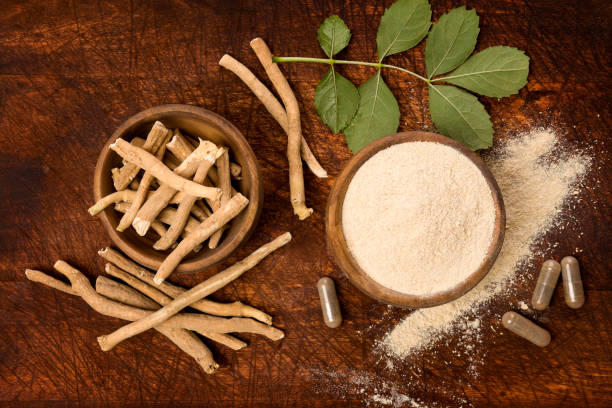
I mix ashwagandha powder into drinks several times a week. The taste is earthy and slightly bitter. The effect on background stress levels is subtle but noticeable with consistent use over several weeks. It does not produce an immediate obvious effect the way caffeine does. It works more quietly than that.
How to Use These Herbs
Tea works well for chamomile, ginger, and echinacea. Hot water extracts the water soluble flavonoids and phenolic acids effectively. Brew for at least five to eight minutes for adequate extraction.
Powder mixed into drinks works well for turmeric, ashwagandha, and moringa. Always add black pepper to turmeric preparations. The difference in bioavailability is too significant to ignore.
Tinctures extract a broader range of compounds than water because alcohol pulls out fat soluble compounds including volatile terpenoids that hot water cannot access effectively. Useful for echinacea and chamomile in concentrated form.
Capsules deliver consistent doses without flavour. Useful for herbs with strong or unpleasant tastes. The compound profile depends entirely on the quality of the starting material and the processing method.
If you want a reliable source for these herbs in supplement form, Homegrown Herbalist sources quality herbal preparations with transparent ingredient labelling.
Common Questions
What herbs are good for energy and focus?
Ginkgo biloba supports cerebral blood flow through ginkgolide mediated platelet activating factor inhibition. Ashwagandha (Withania somnifera) modulates cortisol through withanolide activity on the HPA axis, supporting sustained energy under stress. Ginger (Zingiber officinale) improves digestive function which indirectly supports energy levels throughout the day.
What is the best herbal supplement for energy?
There is no single answer because different herbs address different causes of low energy. Ashwagandha targets stress related fatigue through cortisol modulation. Ginkgo addresses circulatory factors affecting mental energy. Ginger supports digestive efficiency. The right herb depends on what is driving the fatigue.
How long do herbal supplements take to work?
Herbs working through enzyme inhibition or receptor modulation can produce effects within hours of a single dose. Adaptogens like ashwagandha typically require consistent use over four to six weeks before the cortisol modulating effects become noticeable. Chamomile and ginger work more quickly because they act directly on receptors in the gut and nervous system.
Can you take multiple herbs together?
Yes, but with some care. Turmeric and ginger work well together because they address overlapping inflammatory pathways through different mechanisms. Chamomile and ashwagandha complement each other for stress and sleep. Avoid combining ginkgo with blood thinning medications due to platelet activating factor inhibition.
Does turmeric work without black pepper?
Curcumin from Curcuma longa metabolises rapidly in the gut wall through cytochrome P450 enzymes. Without piperine from black pepper to inhibit these enzymes, most curcumin never reaches systemic circulation. The bioavailability difference is documented at up to 2000 percent. Black pepper is not optional with turmeric if you want meaningful curcumin absorption.
What is the best way to take ashwagandha?
Powder mixed into a drink or milk is traditional and effective. Capsules deliver a consistent dose without the earthy flavour. Taking it in the evening fits the cortisol modulating mechanism, as cortisol naturally drops toward evening and ashwagandha may support that pattern. Consistent daily use over several weeks produces more noticeable effects than occasional use.
Are herbal supplements safe to take every day?
Most of the herbs in this article are well tolerated at typical dietary doses with long traditional use records. Ginkgo interacts with anticoagulant medications. St. John’s Wort interacts with multiple pharmaceutical drugs through cytochrome P450 induction. If you take regular prescription medication, check interactions before adding any herb to your daily routine.
What makes chamomile calming?
Apigenin, the primary flavonoid in Matricaria chamomilla flowers, binds to the benzodiazepine site on GABA-A receptors, making the nervous system more responsive to GABA already present. The effect is modulatory rather than directly sedating, which is why chamomile produces calm without the heavy sedation associated with pharmaceutical options at that receptor.
How does echinacea support the immune system?
Alkylamides in Echinacea purpurea activate CB2 cannabinoid receptors and modulate cytokine production in the innate immune system. This influences the early inflammatory response that initiates immune activation. The effect is immune modulating rather than directly antimicrobial.
What does ashwagandha taste like?
Earthy, slightly bitter, with a faint horse-like smell that gives the plant its name in Sanskrit. Ashwa means horse. The taste is strong enough that many people prefer capsules over powder. Mixed into a strong flavoured drink like cacao or spiced milk it becomes more palatable.

