






This article was written by Serge, MSc. Plant Biologist and Environmental Scientist with a BSc in Plant Biology and an MSc in Environmental Biology and Biogeochemistry. My background covers plant biochemistry, botany, and field research in forest and soil ecosystems. I write from real experience, not just literature.
Affiliate disclosure: This site has affiliate links, including Amazon. As an Amazon Associate I earn from qualifying purchases, at no extra cost to you.
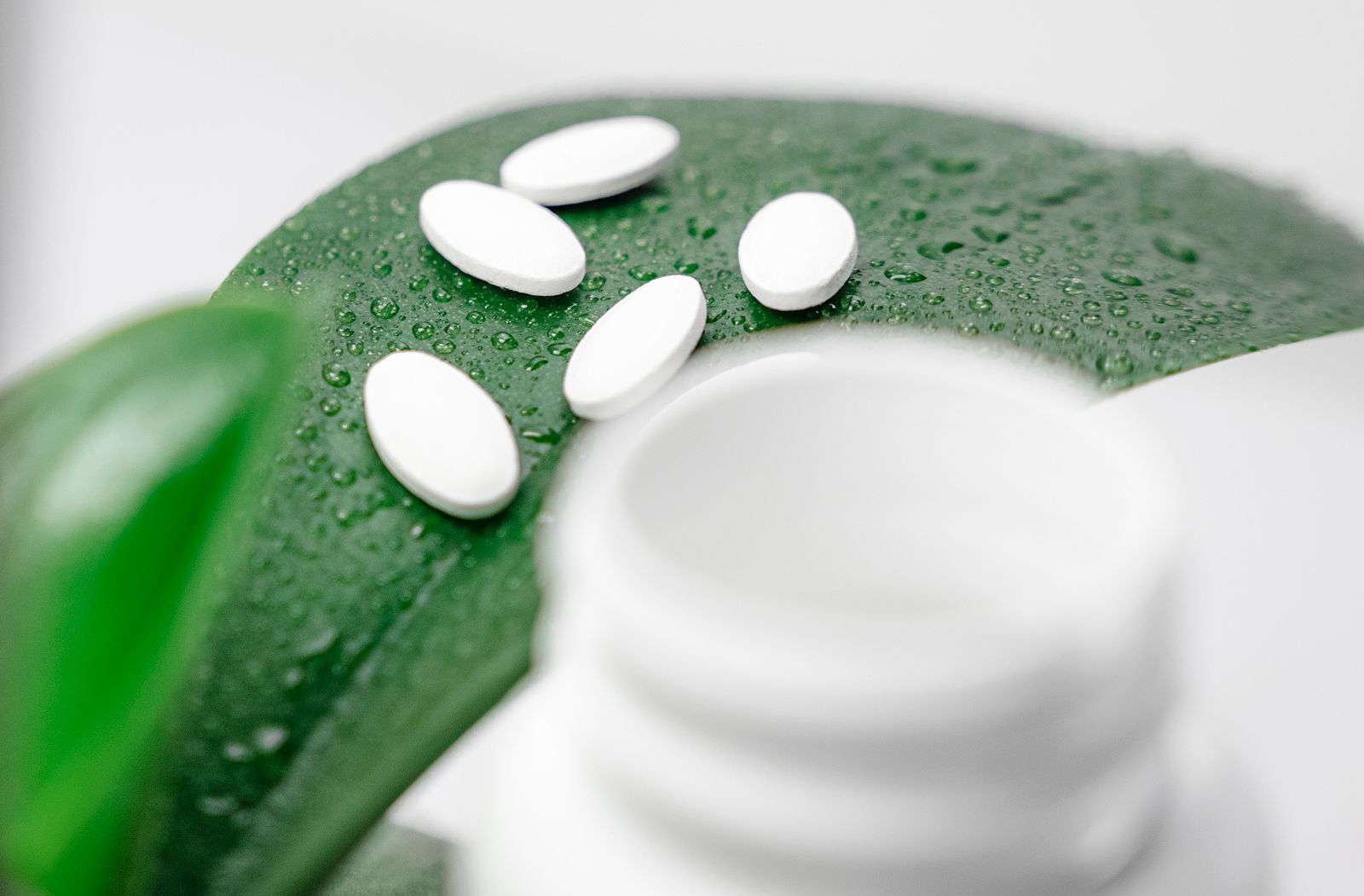
Open your bathroom cabinet and you are probably looking at a plant, or at least at a molecule a plant invented first. The headache tablet, the cough remedy, the heart drug a relative takes: a surprising share of what sits in a pharmacy began as a compound a plant made for its own reasons, long before anyone thought to bottle it. I want to walk you through five of them, because once you see how the trick was done, you start to look at the green world differently.
A large part of modern medicine traces back to natural products, plants and fungi among them. Some drugs are still extracted straight from the plant. Others were copied and tweaked in a lab once chemists understood the original.
The pattern behind nearly all of them is the same, and it is worth holding in mind as you read: a plant builds a compound to defend itself or signal to other living things, people notice the plant does something to the body, and chemists then track down the single molecule responsible. That is the story of the pharmacy, told plant by plant.
Aspirin, from the willow
The oldest of these starts with willow, Salix alba. Long before anyone could name a molecule, people chewed willow bark for pain and fever. The active idea in the bark is a compound called salicin.
In the nineteenth century chemists isolated and then modified the related salicylic acid into acetylsalicylic acid, which is gentler on the stomach. You know it as aspirin. The plant pointed the way; the lab refined it.
Morphine, from the opium poppy
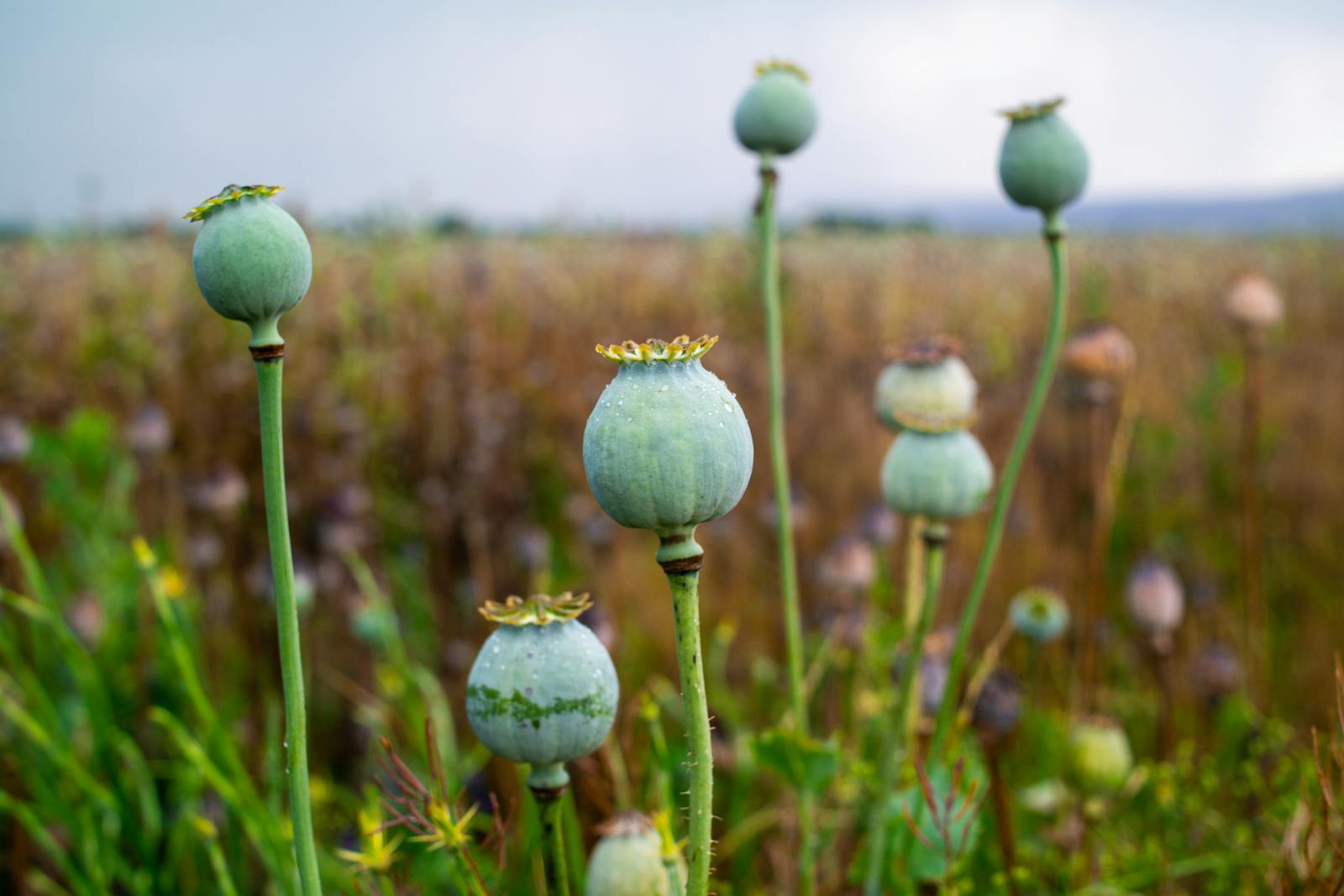
The opium poppy, Papaver somniferum, gave medicine one of its most powerful pain relievers. Morphine is an alkaloid, part of that nitrogen-carrying family of potent plant compounds, and it was the first such compound ever isolated in pure form from a plant, in the early nineteenth century.
That moment mattered, because it proved a plant’s effect could be pinned to one identifiable molecule. I should be plain here: the poppy is not a home remedy, and nothing about this is a do-it-yourself project. It is in this list because it is where the science of isolating plant drugs effectively began.
Quinine, from the cinchona tree
For centuries malaria had no reliable treatment until the bark of the South American cinchona tree, Cinchona officinalis, turned out to hold one. The compound is quinine, another alkaloid.
Indigenous knowledge of the bark reached the wider world through traders and missionaries, and quinine became the first effective treatment for malaria, shaping history well beyond medicine. This is ethnobotany at work: traditional use of a plant pointing chemists straight at a compound they would never have guessed to look for.
Digoxin, from the foxglove
The foxglove, Digitalis purpurea, is the beautiful spire of bells you might grow in a border, and it is also genuinely dangerous, which is exactly why it matters here. An eighteenth-century physician noticed a folk remedy containing foxglove helped people with a particular kind of heart swelling.
The compounds responsible, the cardiac glycosides, act powerfully on the heart muscle. Refined and carefully dosed, one of them, digoxin, became a controlled heart medicine. Raw, the plant can stop a heart as easily as steady one. Please do not treat foxglove as a garden remedy. It is on this list as a lesson in how a deadly plant became a measured drug.
Taxol, from the Pacific yew
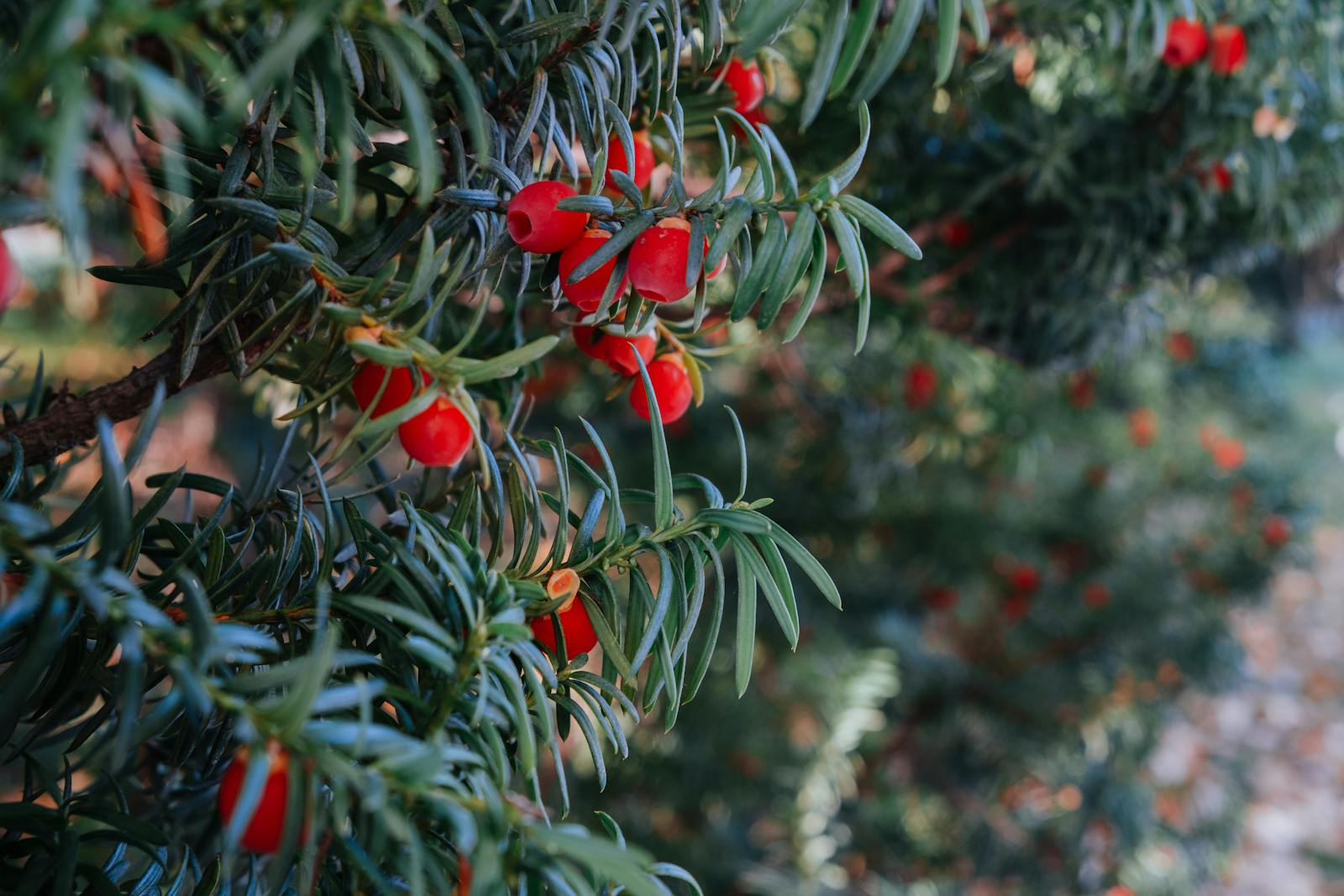
The newest of the five comes from the bark of the Pacific yew, Taxus brevifolia. In the search for new cancer treatments, screening of plant material turned up a compound, paclitaxel, sold as Taxol, that interferes with how cells divide.
It became an important chemotherapy agent. This one shows the story is not finished: plants were not just a source for old folk drugs, they are still screened today for molecules no chemist would have designed from scratch.
Why a plant medicine is also a plant poison
There is one idea that ties all five together, and it is the thing I most want you to take away. The dose makes the difference. I studied how chemical compounds move through living systems and how their effect depends entirely on amount, and nothing illustrates it better than these plants.
The same cardiac glycoside that steadies a failing heart in milligrams will stop a healthy one in excess. The same alkaloid that relieves pain will, in quantity, do real harm. A plant does not build these compounds to heal you. It builds them as potent chemistry for its own survival, and we borrow them at carefully measured doses.
This is also the clearest line between a pharmaceutical drug and a herbal remedy. A plant-derived drug is a single, isolated, measured molecule. A whole-plant preparation is a mixture, at uncertain concentration. That distinction is the entire reason foxglove tea is dangerous while a foxglove-derived heart tablet can be lifesaving. Same plant. Completely different control over the dose.
The next time you take something from that cabinet, it is worth remembering it may have started in bark, a seed pod, or a flower border, as a molecule a plant made for reasons that had nothing to do with us.
If the way traditional plant knowledge fed into modern medicine interests you, this ebook goes deeper into the ethnobotany of Amazonian healing plants and how indigenous communities have used them.
Get the eBook: Amazonian Medicinal Plants →
Frequently Asked Questions
What percentage of modern medicines come from plants?
Estimates vary by how you count, but a substantial share of modern drugs are derived from or inspired by natural products, with plants and fungi a major source. Many widely used medicines either come straight from plants or were modelled on a plant compound.
What are some common medicines derived from plants?
Beyond the five here, examples include the heart and blood-pressure drug reserpine from Rauvolfia, the anti-cancer compounds vincristine and vinblastine from the Madagascar periwinkle, and galantamine from snowdrops. The list is long.
Is a plant-derived drug the same as a herbal remedy?
No. A plant-derived drug is a single compound, isolated and measured to an exact dose. A herbal remedy is a whole-plant preparation containing many compounds at variable concentration. The control over dose is the key difference.
Why is the same plant compound a medicine in one dose and a poison in another?
Because effect depends on amount. Many plant compounds are potent by design, built for the plant’s defence. In a small, measured dose the effect can be useful; in excess the same molecule can be harmful or fatal.
How do scientists find new drugs in plants?
Often by following traditional use as a clue, then isolating and testing the individual compounds in the plant to find which one is responsible, and confirming its structure and effect. Broad screening of plant material is also used.
Are plant-derived medicines still being discovered today?
Yes. Plants and other organisms are still screened for new compounds, and molecules with useful activity continue to be found, including ones too complex for a chemist to have designed from scratch.

