







This article was written by Serge, MSc. Plant Biologist and Environmental Scientist with a BSc in Plant Biology and an MSc in Environmental Biology and Biogeochemistry. My background covers plant biochemistry, botany, and field research in forest and soil ecosystems. I write from real experience, not just literature.
Affiliate disclosure: This site has affiliate links, including Amazon. As an Amazon Associate I earn from qualifying purchases, at no extra cost to you.
Every day I drink coffee three times. The first cup comes early in the morning, before anything else starts. The second comes around 9am. The last one is before 3pm, and never after that.
That last rule came from understanding caffeine metabolism. Caffeine has a half-life of around 5 hours on average, although it ranges from roughly 2 to 10 hours between people. A cup at 4pm can still leave meaningful amounts circulating when you try to sleep at 10pm. Once I understood that, I stopped drinking it late and my sleep improved noticeably.
The habit started long before I understood the chemistry. The timing discipline came after.
And the thing that changed how I think about coffee entirely was working through why the coffee plant makes caffeine in the first place, part of the bigger story of why plants produce secondary metabolites.
The answer has nothing to do with human wakefulness and everything to do with killing insects.
What Is Coffea arabica?
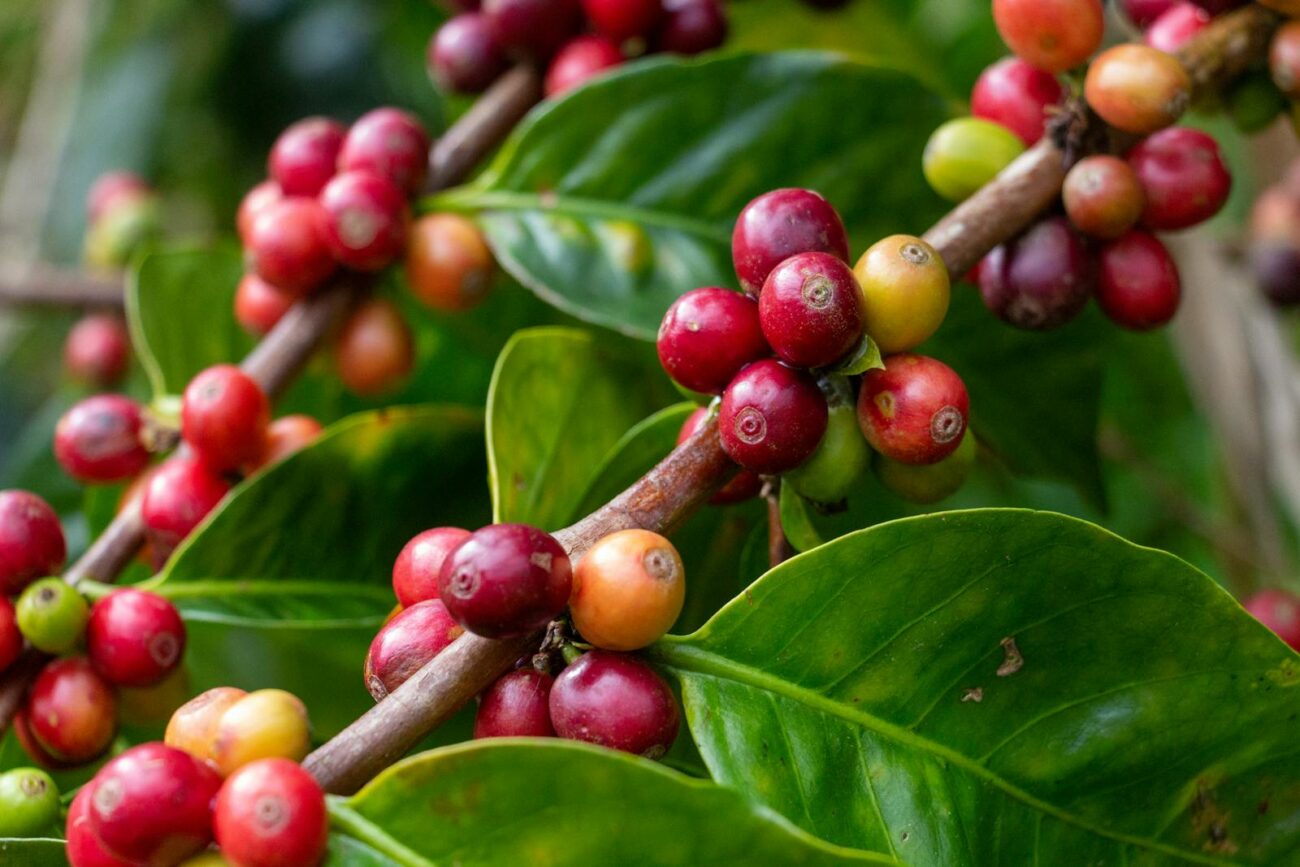
Coffea arabica is a flowering shrub native to the highlands of Ethiopia and South Sudan. It belongs to the Rubiaceae family and grows naturally as an understorey plant in forests at altitudes of roughly 1,000 to 2,000 metres.
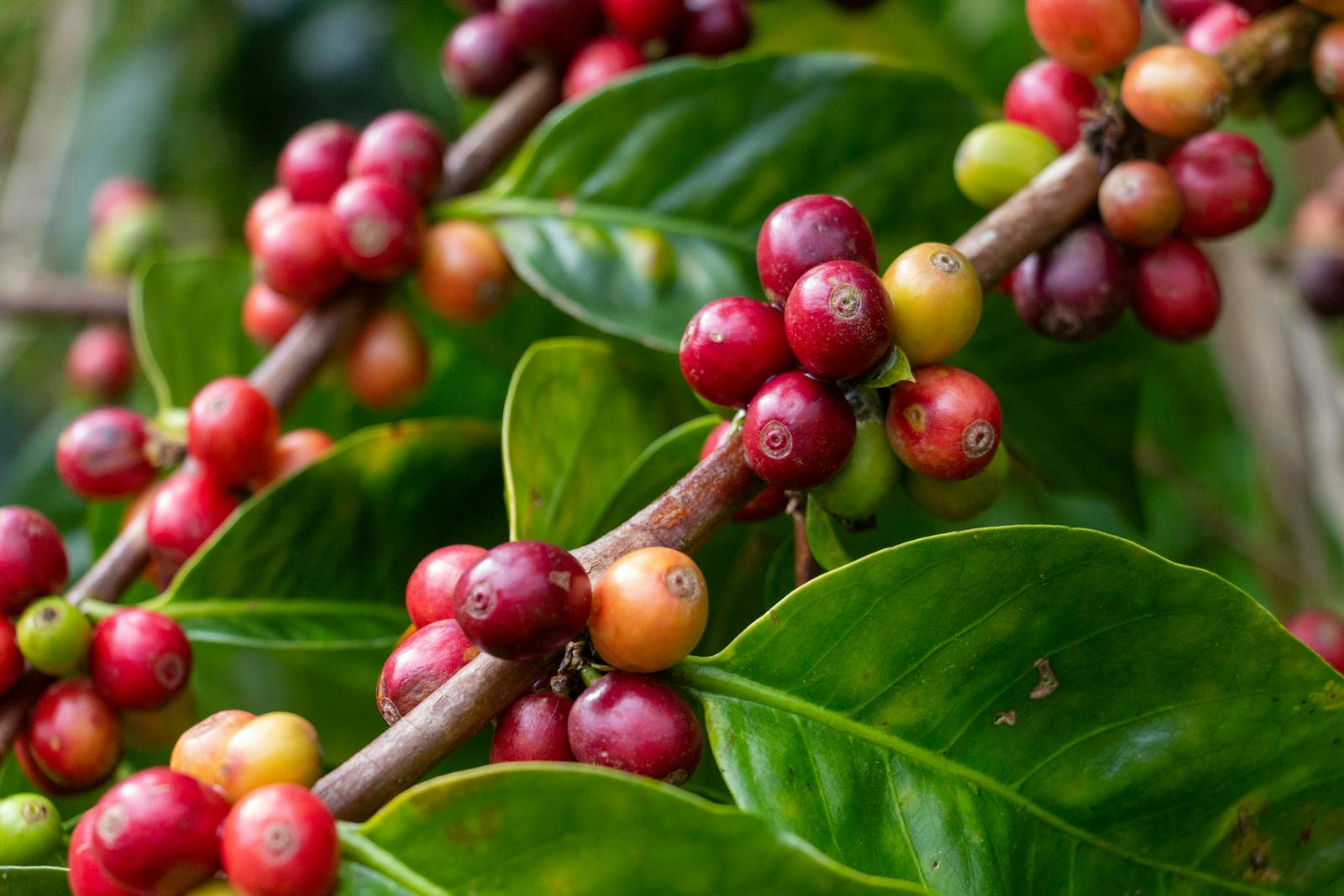
The coffee bean is not actually a bean. It is the seed of the coffee cherry, a fleshy fruit that turns red or yellow when ripe. Each cherry typically contains two seeds facing each other, their flat sides forming the familiar shape of a coffee bean.
Coffea arabica accounts for roughly 60 percent of global coffee production. Coffea canephora, known as robusta, makes up most of the rest. Arabica has a more complex flavour profile and lower caffeine content than robusta. One explanation for robusta’s higher caffeine is that it grows at lower, warmer altitudes with more insect pressure, where stronger chemical defence pays off.
The two species have adapted to different environments, and their chemistry likely reflects those different ecological strategies.
Why the Coffee Plant Makes Caffeine
Caffeine is a purine alkaloid, part of one of the three main families of plant compounds. The plant builds it from xanthosine through a series of methylation steps catalysed by N-methyltransferase enzymes.
Working through alkaloid biosynthesis during my plant biochemistry studies made the ecological logic of caffeine very clear. Coffee, tea and cacao all make caffeine or its close relative theobromine, yet genome studies show that each lineage evolved its caffeine-making enzymes independently. When unrelated plants arrive at the same compound separately, that is strong evidence it provides a real survival advantage.
The ecological functions of caffeine in coffee plants fall into three groups.
Insect Defence
Insect defence is the primary function. Caffeine inhibits phosphodiesterase enzymes in insect nervous systems, disrupting cyclic AMP signalling. At the concentrations found in young coffee leaves and shoots, caffeine is toxic to many insects.
This is why the highest caffeine levels occur in young leaves and shoots, the tissues most vulnerable to attack, rather than in mature leaves or woody tissue. Evolution has its counter-moves, though. The coffee berry borer, the crop’s most damaging pest, carries gut bacteria that break caffeine down.
Suppressing Competitors
The second likely function is allelopathy. Caffeine leaches from fallen coffee leaves into the surrounding soil, where in laboratory studies it inhibits the germination of other plants’ seeds.
That could give coffee an edge in a crowded forest understorey, much like the chemical competition I describe in sunflower allelopathy, although how strongly this works in the field is still debated.
Training Pollinators
Pollinator attraction is an unexpected third function. Coffee flowers contain low concentrations of caffeine in their nectar. Research shows caffeine at these low doses improves bees’ memory of the flower’s scent, making them more likely to return. The plant is using caffeine as a memory enhancer for its pollinators at the same time as it uses it to poison insects feeding on its leaves.
One compound, three different ecological purposes, depending on concentration and context. That is the kind of biochemical efficiency I keep noticing across plant secondary metabolite systems.
Chlorogenic Acids: The Other Compounds That Matter
Caffeine gets most of the attention, but chlorogenic acids are arguably more interesting from a plant biochemistry perspective.
Chlorogenic acids are phenylpropanoid compounds from the same broad pathway that produces rosmarinic acid in rosemary and sage and the caffeic acid derivatives in echinacea. Coffee plants make them mainly as defences against pathogens and UV radiation in their leaves and seeds.
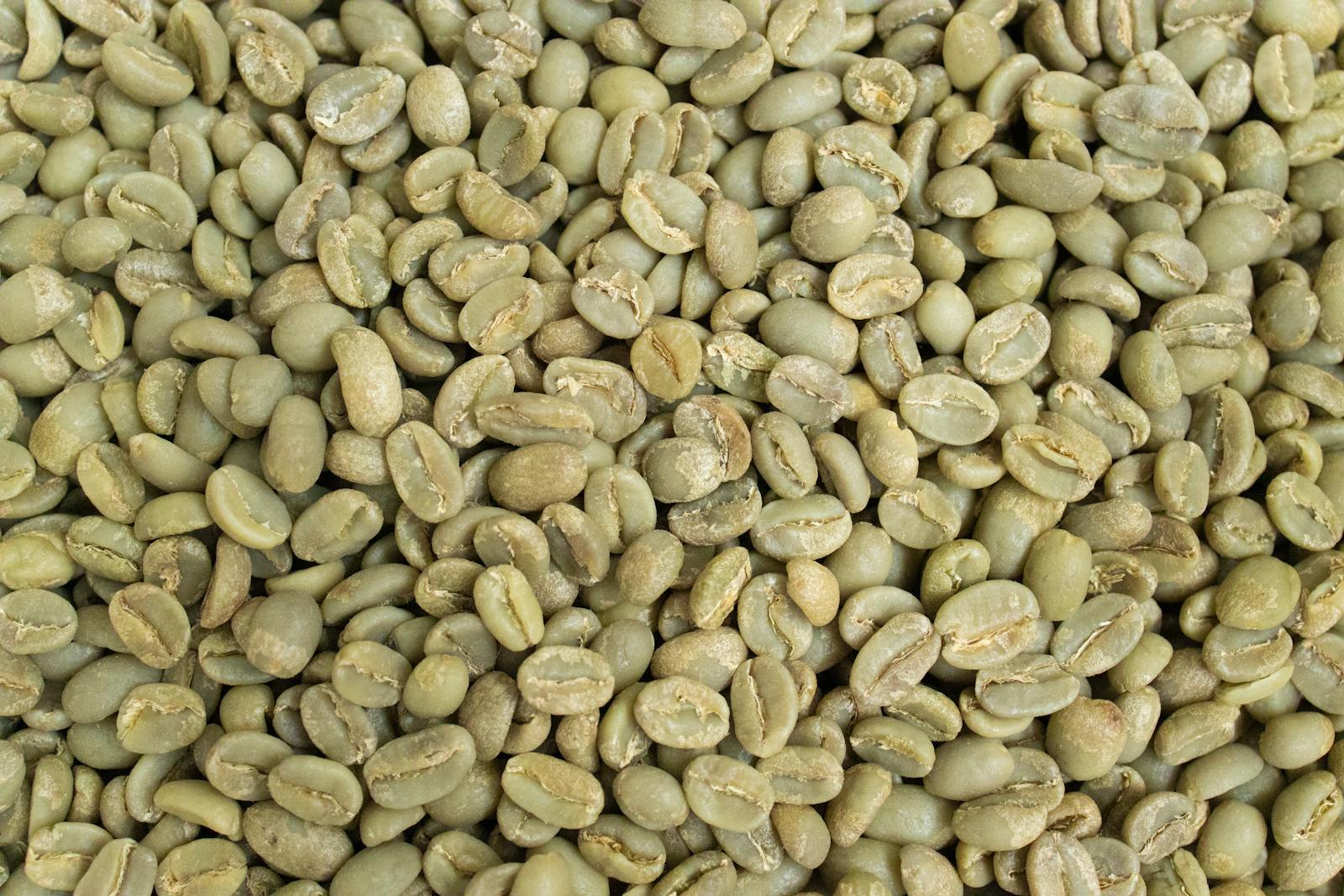
Green, unroasted coffee beans are rich in chlorogenic acids, at roughly 4 to 8 percent of dry weight in arabica and often 10 percent or more in robusta. These compounds are strong antioxidants and have direct antimicrobial activity against fungal and bacterial pathogens.
Roasting dramatically reduces chlorogenic acid content. Light roasts keep a fair share. Medium and dark roasts destroy most of them or transform them into other compounds, including chlorogenic acid lactones and phenylindanes. This is part of why roasting changes coffee flavour so dramatically. You are not just developing new flavour compounds through Maillard reactions. You are also destroying much of the plant’s original phenolic defence chemistry.
Explore Peet’s Coffee Selection!
The Roasting Chemistry
Roasting is where most of coffee’s flavour complexity develops, and where most of its original plant chemistry is transformed.
The Maillard reaction between amino acids and reducing sugars produces hundreds of volatile aromatic compounds, including pyrazines, furans and aldehydes, that create the characteristic roasted coffee smell. The same reaction happens when you brown bread or sear meat. The specific compounds produced depend on temperature, time and the original composition of the green bean.
Caramelisation of sugars at higher temperatures produces additional flavour compounds and contributes to the sweetness of certain roasts.
The breakdown of sucrose produces acetic and formic acids, which contribute to coffee’s acidity. The breakdown of chlorogenic acids produces phenylindanes, which add bitterness in darker roasts.
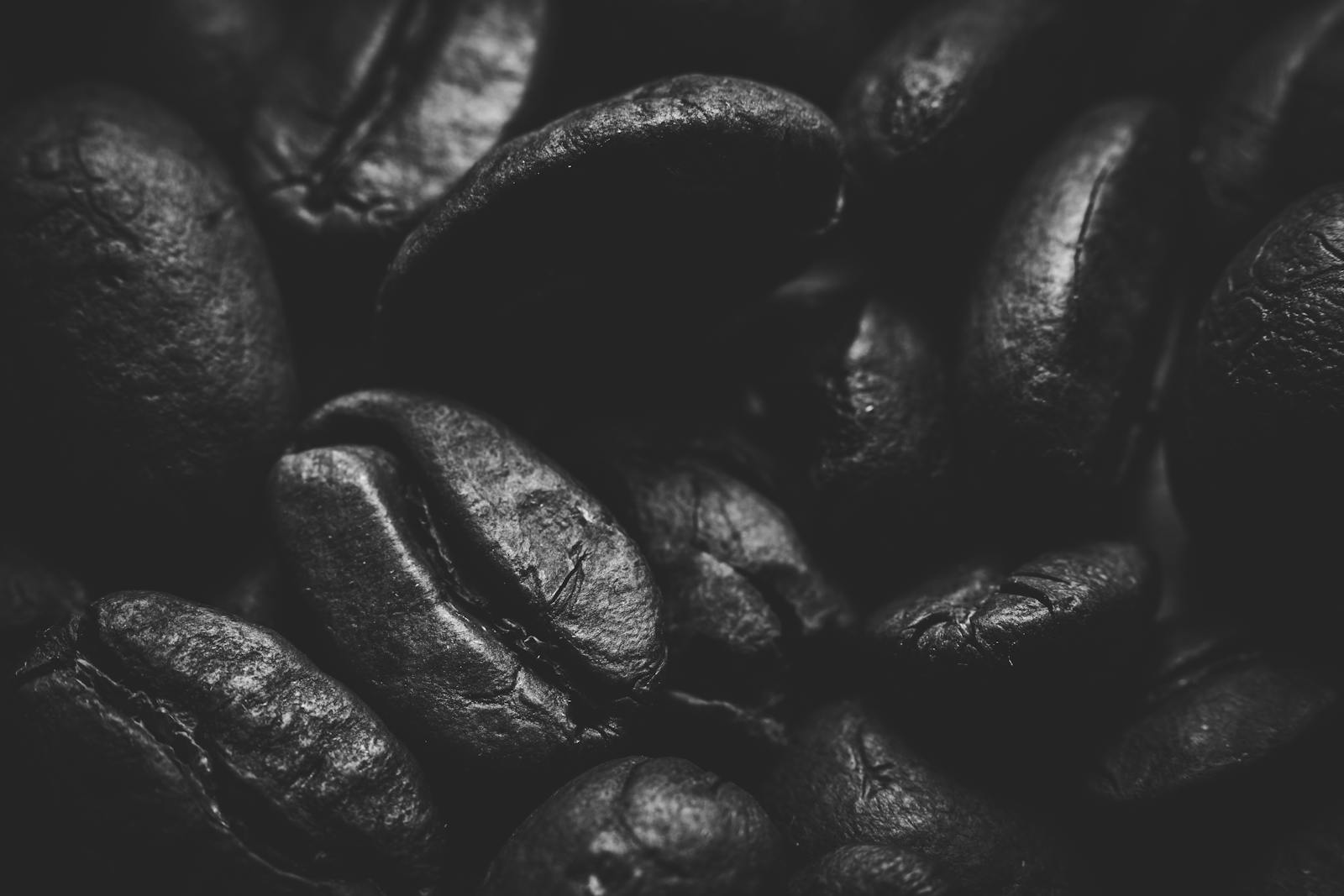
The roast profile determines which of these reactions dominate. Light roasts preserve more of the original green bean character, including higher acidity and more floral notes. Dark roasts push the Maillard and caramelisation reactions further, producing more bitter, smoky and deeply aromatic profiles with lower acidity.
How Caffeine Actually Works in the Human Body
Caffeine works by blocking adenosine receptors. Adenosine is a neuromodulator that builds up in the brain during waking hours and promotes sleepiness by binding to its receptors. Caffeine’s structure is similar enough to adenosine that it occupies the same receptors without activating them.
The result is that caffeine blocks the sleepiness signal rather than creating a wakefulness signal of its own. It removes the brake rather than pressing the accelerator. This is why caffeine does not give you energy directly. It stops the feeling of tiredness from reaching full expression.
My three daily cups deliver roughly 200 to 300 milligrams of caffeine, depending on brew strength and cup size. Health authorities generally consider up to about 400 milligrams a day safe for healthy adults, and recommend no more than about 200 milligrams a day during pregnancy.
At higher concentrations, caffeine also inhibits phosphodiesterase enzymes in human cells. This is the same mechanism by which it affects insects, just at concentrations far too low in a cup of coffee to cause toxicity in a large mammal.
My ecotoxicology training covered this principle directly. The same compound can be toxic, therapeutic or inert depending entirely on the dose and the organism.
What Organic and Quality Labels Actually Mean
The coffee market is full of label claims that vary significantly in what they actually guarantee.
Organic certification means the beans were grown without synthetic pesticides or fertilisers. Caffeine does not make coffee pest-free, since coffee leaf rust and the caffeine-tolerant berry borer are serious problems worldwide. High-altitude arabica farms tend to have lower pest and disease pressure than hot lowland farms, which makes organic growing more workable there.
Single origin is a label, not a certification. It indicates the beans come from one specific region, farm or cooperative. This matters for flavour consistency and traceability, but it says nothing directly about quality or sustainability.
Shade-grown coffee is grown under a forest canopy rather than in full-sun monoculture, and some certifications verify it. This is ecologically significant.
Shade-grown coffee supports far more biodiversity, often needs fewer pesticides because birds and other natural predators help control pests, and avoids the forest clearing that full-sun plantations require, which matters for reasons I explain in how deforestation disrupts water cycles. Slower ripening under shade can also produce beans with more complex sugars and acids.
For quality arabica, the combination of high altitude, shade growing and careful processing tends to produce the most complex flavours, because these conditions allow slower cherry development and fuller accumulation of flavour compounds in the seeds.
FAQs
Why do coffee plants produce caffeine?
Mainly as an insecticide. Caffeine inhibits phosphodiesterase in insect nervous systems and is toxic to many insects at the concentrations found in young coffee leaves and shoots. It may also suppress competing seedlings in the surrounding soil, and at low concentrations in flower nectar it improves pollinator memory. One compound serves several ecological purposes depending on dose and context.
What chemical compounds are in coffee?
Green coffee beans contain caffeine, chlorogenic acids, trigonelline, sucrose, amino acids and lipids as their main compounds. Roasting transforms most of these through Maillard reactions, caramelisation and chlorogenic acid breakdown, producing hundreds of volatile aromatic compounds. The final cup is chemically very different from the original green bean.
Which plants produce caffeine?
Coffea arabica and Coffea canephora are the main commercial sources. Camellia sinensis, the tea plant, also produces caffeine, as do guarana, Paullinia cupana, kola, Cola nitida, and yerba mate, Ilex paraguariensis. Cacao, Theobroma cacao, makes mostly theobromine, a close relative, along with some caffeine. Caffeine biosynthesis evolved independently in several of these plant families, which is strong evidence for its value as a defence compound.
Does roasting destroy beneficial compounds in coffee?
Roasting destroys most of the chlorogenic acids in green beans, which are the main antioxidant compounds. Light roasts preserve more chlorogenic acids than dark roasts. Caffeine is relatively heat-stable and largely survives roasting. Roasting also creates new compounds, including Maillard reaction products, some of which have their own antioxidant activity.
Why does robusta have more caffeine than arabica?
The leading explanation is ecological. Robusta grows at lower, warmer altitudes with higher insect pressure than arabica, and higher caffeine provides stronger defence in those conditions. Robusta also has lower sugar and lipid content than arabica, which contributes to its harsher, less complex flavour.
Why should I stop drinking coffee after 3pm?
Caffeine has an average half-life of around 5 hours, and longer in some people, including during pregnancy and for those taking some contraceptive pills. A cup at 4pm can still leave meaningful amounts circulating at 10pm. Because caffeine blocks adenosine receptors, it holds back the sleepiness signal.
Having your last cup before 3pm lets adenosine build up normally through the evening, supporting natural sleep. If you want something warm in the evening, a caffeine-free blend works well, and I explain which herbs pair best in the chemistry of herbal tea combinations.

