







This article was written by Serge, MSc. Plant Biologist and Environmental Scientist with a BSc in Plant Biology and an MSc in Environmental Biology and Biogeochemistry. My background covers plant biochemistry, botany, and field research in forest and soil ecosystems. I write from real experience, not just literature.
Affiliate disclosure: This site has affiliate links, including Amazon. As an Amazon Associate I earn from qualifying purchases, at no extra cost to you.
I do not drink hibiscus every day. It sits in my kitchen cabinet alongside the ashwagandha, cinnamon, and matcha, something I reach for occasionally rather than habitually.
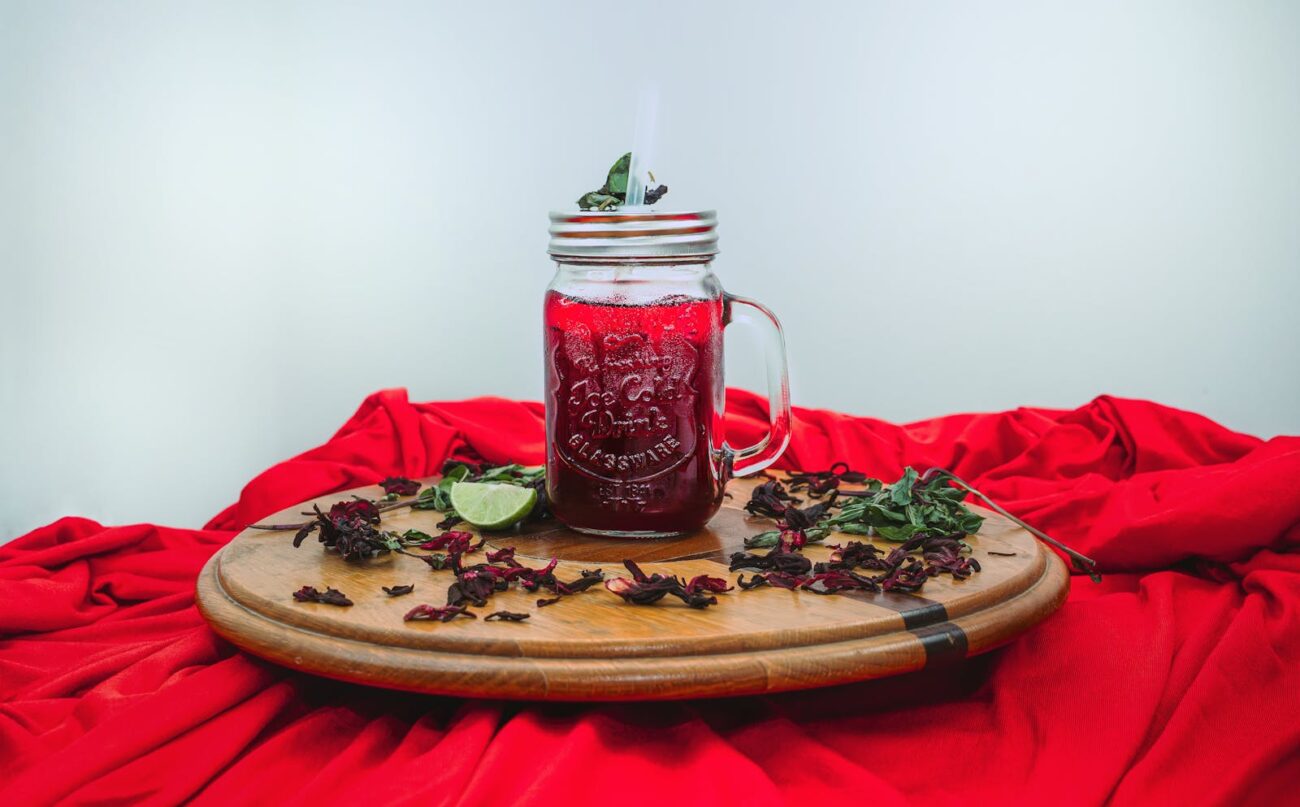
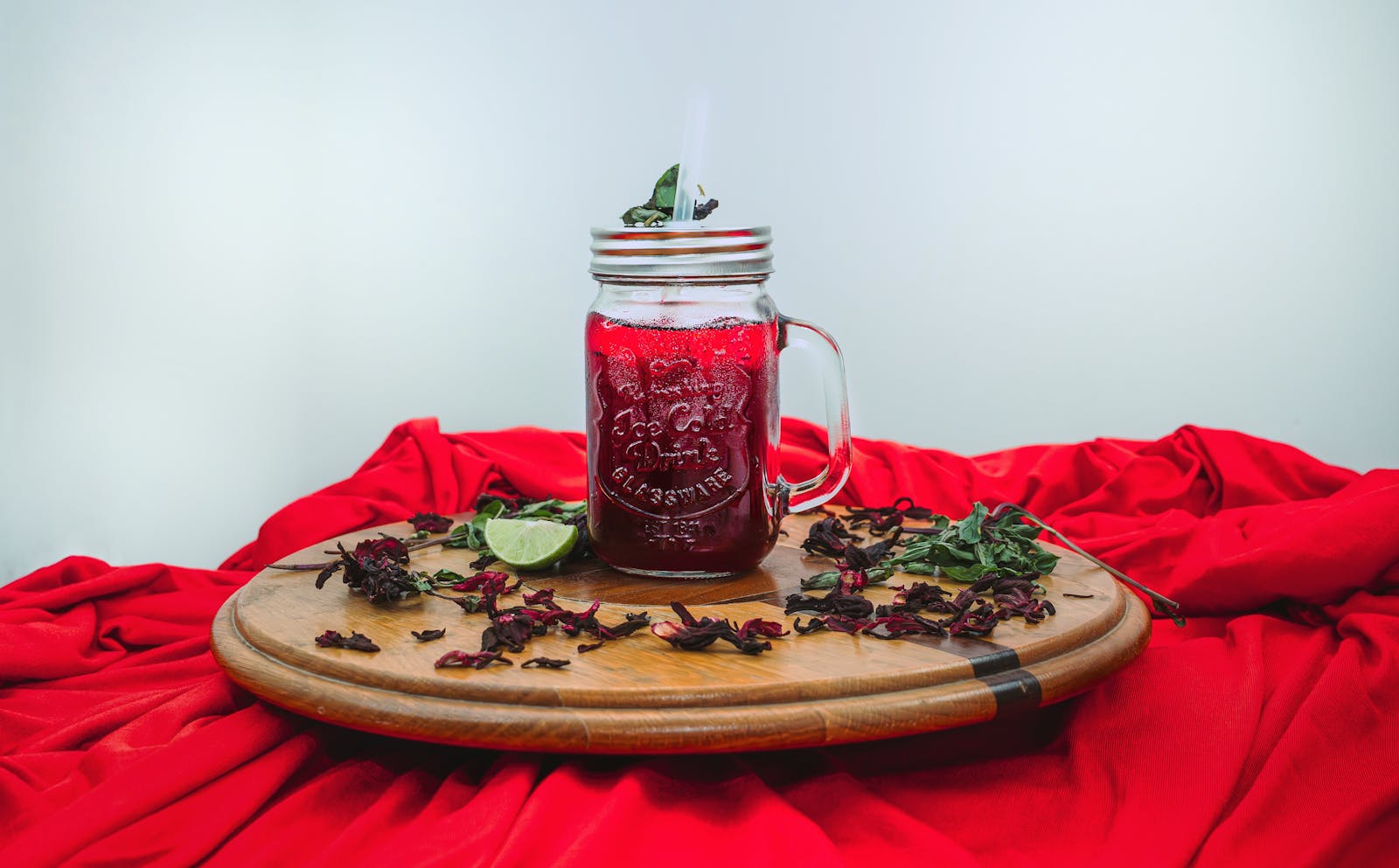
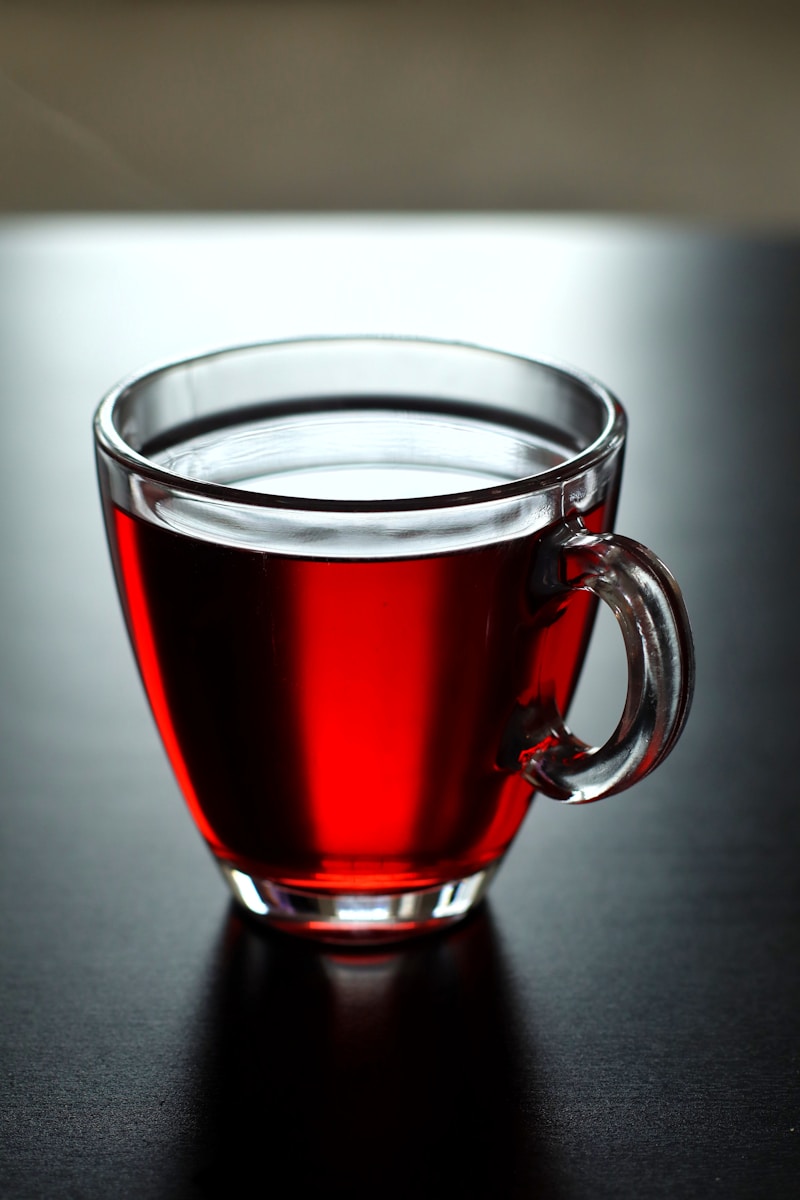
But when I brew it the colour stops me every time. That deep crimson spreading through the water is one of the most vivid natural pigments I encounter in everyday life. And I know exactly what produces it because I covered the same compound class when researching elderberry.
Anthocyanins. The same phenylpropanoid-derived pigments that give elderberries, blueberries, and red cabbage their characteristic colours. In Hibiscus sabdariffa the anthocyanin concentration in the dried calyces is extraordinarily high, which is why a single teaspoon of dried hibiscus turns a full cup of water deep red within minutes of steeping.
What Is Hibiscus sabdariffa
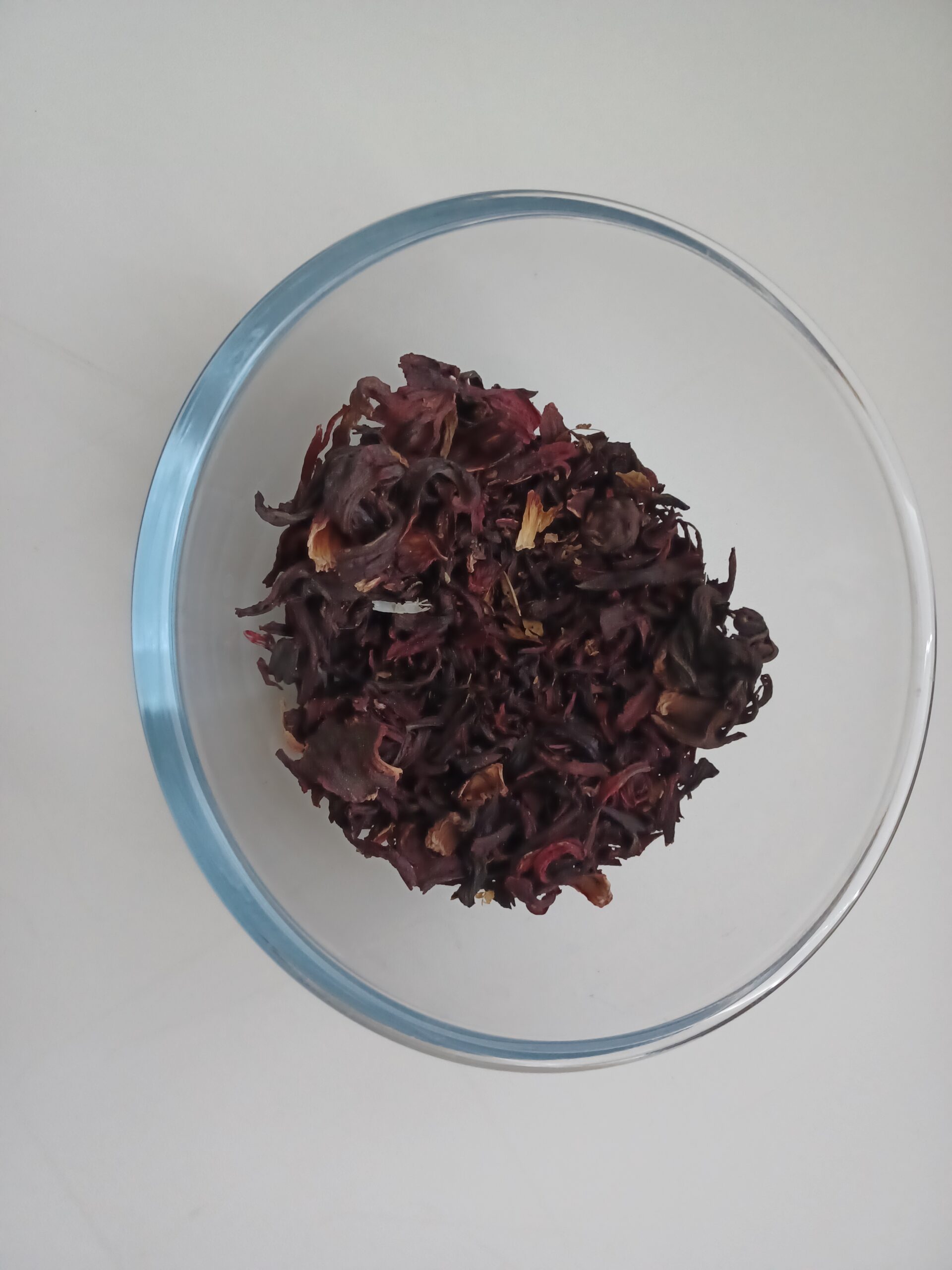
Hibiscus sabdariffa is a flowering plant in the Malvaceae family native to West Africa and widely cultivated across tropical and subtropical regions. The part used for tea is not the flower petals but the calyx, the fleshy red structure that surrounds the seed pod after the flower falls.
The calyx is harvested when fully developed and deep red, dried, and sold as whole dried calyces or ground into powder. The vivid colour and tart flavour intensify during drying as water content decreases and the anthocyanin and organic acid concentrations increase per unit weight.
Different common names reflect its global spread. Sorrel in the Caribbean. Roselle across Asia and Africa. Flor de Jamaica in Mexico. Karkadé in Egypt and Sudan. All the same plant. All the same chemistry.
The primary anthocyanins in Hibiscus sabdariffa calyces are delphinidin-3-sambubioside and cyanidin-3-sambubioside. These are the same compound classes I covered in elderberry, the same phenylpropanoid pathway producing the same structural flavonoid framework with different sugar attachments.
Delphinidin and cyanidin anthocyanins are produced through the flavonoid branch of the phenylpropanoid pathway from phenylalanine precursors. The deep red to purple colour reflects the pH-dependent chromophore structure of the anthocyanin molecule. In acidic conditions, which hibiscus tea is due to its high organic acid content, anthocyanins appear red. In neutral conditions they shift toward purple. In alkaline conditions they turn blue or green.
You can see this directly. Add a small amount of bicarbonate of soda to a cup of hibiscus tea and watch the colour shift from red toward green. The anthocyanin molecule is changing its electronic structure in response to pH. The same compound. Different colour depending on the chemical environment.
The ecological function of these pigments in the calyx is primarily to attract seed dispersal agents. Birds and other animals see the vivid red as a signal of ripe nutritious tissue. The plant is using anthocyanin pigmentation as a visual communication system with potential seed dispersers.
The Organic Acid Content
Hibiscus sabdariffa calyces contain unusually high concentrations of organic acids including hibiscus acid, citric acid, malic acid, and tartaric acid. Hibiscus acid is a dihydroxycitric acid lactone found almost exclusively in Hibiscus sabdariffa and is responsible for much of the characteristic tartness that distinguishes hibiscus from other herbal teas.
These organic acids contribute to the low pH of hibiscus tea which stabilises the anthocyanin pigments in their red form and also affects how the tea interacts with iron absorption. The chelating properties of organic acids in hibiscus can bind non-haem iron in the digestive tract potentially affecting iron absorption.
This is why the question about hibiscus and anaemia comes up frequently and why people with iron deficiency anaemia are sometimes advised to avoid drinking hibiscus tea with meals.
The Blood Pressure Mechanism
This is the most searched topic around hibiscus and it has genuine biochemical basis worth explaining properly.
Multiple controlled trials have shown that regular hibiscus tea consumption produces modest but consistent reductions in systolic and diastolic blood pressure in people with mild to moderate hypertension. The effect sizes are meaningful, comparable to low dose antihypertensive medication in some trials, though I want to be clear this is not medical advice and anyone managing blood pressure should work with their healthcare provider.
The mechanisms involve several pathways simultaneously.
ACE inhibition. Hibiscus extracts inhibit angiotensin-converting enzyme, the same enzyme targeted by ACE inhibitor medications. ACE converts angiotensin I to angiotensin II which causes blood vessel constriction and increases blood pressure. Inhibiting ACE reduces this conversion keeping blood vessels more relaxed.
Diuretic activity. Hibiscus extracts increase urine output reducing blood volume and thereby reducing blood pressure through a different mechanism from ACE inhibition.
Antioxidant protection of vascular endothelium. Anthocyanins protect the endothelial cells lining blood vessels from oxidative damage. Healthy endothelium produces more nitric oxide which relaxes blood vessel walls. Oxidative damage to endothelium reduces nitric oxide production contributing to elevated blood pressure.
Three distinct mechanisms operating simultaneously. That multi-target profile is consistent with how many plant secondary metabolite compounds interact with mammalian physiology.
Hibiscus and Exercise Recovery
This is the angle I find most personally relevant as someone who does regular morning cardio.
Intense exercise generates significant oxidative stress. Reactive oxygen species accumulate in muscle tissue during and after exercise contributing to delayed onset muscle soreness and the inflammatory response to exercise-induced muscle damage.
Anthocyanins are among the most potent dietary antioxidants for neutralising reactive oxygen species directly. Several studies have looked at anthocyanin-rich preparations including hibiscus for exercise recovery with reasonably positive outcomes for reducing markers of oxidative stress post-exercise.
I would not overstate this. The evidence is not as robust as for blood pressure effects. But the mechanistic rationale is sound and consistent with what I know about anthocyanin antioxidant chemistry. A cup of hibiscus tea after morning cardio is not going to replace proper recovery nutrition. But the antioxidant chemistry is real and the timing makes biochemical sense.
What Brewing Method Affects
Steeping temperature and time significantly affect what you extract from dried hibiscus calyces.
Anthocyanins are water-soluble and extract readily even at room temperature given enough time. Hot water extracts them faster but very high temperatures for extended periods can degrade some anthocyanins through thermal breakdown. Steeping at 80 to 90 degrees Celsius for five to seven minutes extracts a full flavour and colour profile without significant anthocyanin degradation.
Cold brew hibiscus, leaving dried calyces in cold water for six to twelve hours, produces a different flavour profile. The extraction is slower and more selective for certain compound classes. The result is often less tart than hot-brewed hibiscus because some of the sharper organic acids extract more slowly at lower temperatures.
Adding sweetener is common because hibiscus is quite tart. The tartness comes from the organic acid content not the anthocyanins. The anthocyanins are relatively flavour-neutral. Honey or a small amount of sugar does not affect the anthocyanin content of the brewed tea.
Who Should Be Cautious
Pregnancy. Several animal studies suggest hibiscus has uterotonic activity potentially stimulating uterine contractions. Hibiscus is traditionally used in some cultures to induce menstruation which is the basis of this concern. Avoid during pregnancy.
Iron deficiency anaemia. The organic acid content chelates non-haem iron reducing absorption. Avoid drinking hibiscus tea with iron-rich meals or iron supplements if you have iron deficiency anaemia or are at risk.
Blood pressure medications. Given the documented ACE inhibition and diuretic activity, hibiscus may interact with antihypertensive medications potentially causing additive blood pressure reduction. Discuss with your healthcare provider if you are on blood pressure medication.
Kidney disease. The question about hibiscus and creatinine comes up frequently. Some research suggests very high dose hibiscus consumption may affect kidney function in susceptible individuals. At normal tea consumption amounts this is unlikely to be significant for most people but those with existing kidney conditions should discuss with their healthcare provider.
FAQs
What gives hibiscus tea its red colour?
Delphinidin and cyanidin anthocyanins produced through the phenylpropanoid pathway. The same compound class responsible for the colour of elderberries, blueberries, and red cabbage. Hibiscus calyces have extraordinarily high anthocyanin concentrations which is why a small amount turns a full cup of water deep red almost immediately.
How does hibiscus lower blood pressure?
Through three documented mechanisms simultaneously. ACE enzyme inhibition reducing angiotensin II-mediated blood vessel constriction. Diuretic activity reducing blood volume. Antioxidant protection of vascular endothelium improving nitric oxide production and blood vessel relaxation. The clinical evidence for modest blood pressure reduction with regular consumption is reasonably consistent across multiple trials.
Can I drink hibiscus tea every day?
At normal consumption amounts of one to three cups daily the evidence suggests it is safe for most healthy adults. People on blood pressure medication, those with iron deficiency anaemia, pregnant women, and those with kidney conditions should discuss with their healthcare provider before drinking it regularly.
Why do I feel weird after drinking hibiscus tea?
Several possibilities. The high organic acid content can cause digestive discomfort in sensitive individuals. The blood pressure lowering effect can cause lightheadedness in people who already have normal or low blood pressure. Some people have sensitivity to the anthocyanin compounds. Starting with smaller amounts and observing your own response is the practical approach.
Is hibiscus tea good for exercise recovery?
The anthocyanin antioxidant chemistry provides a mechanistic rationale for reducing exercise-induced oxidative stress. The evidence is less robust than for blood pressure effects but biologically plausible. I drink it occasionally after morning cardio for this reason among others.
Can I drink hibiscus if I have anaemia?
The organic acid content chelates non-haem iron potentially reducing absorption. Avoid drinking hibiscus tea with iron-rich meals or iron supplements if you have iron deficiency anaemia. Haem iron from animal sources is less affected by chelation than non-haem iron from plant sources.
Hot or cold hibiscus tea?
Both work. Hot brewing at 80 to 90 degrees for five to seven minutes extracts a full anthocyanin and organic acid profile quickly. Cold brew over six to twelve hours produces a less tart preparation with slightly different compound extraction. Neither method significantly degrades the anthocyanin content.

